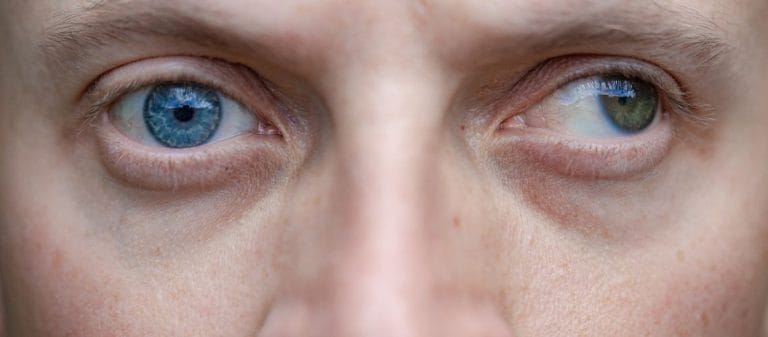
Strabismus is an eye condition that can occur at any age and develops when the eyes lose their parallel alignment. The eyes cannot focus on the same point, resulting in both cosmetic and visual function problems.
Symptoms of strabismus include double vision, head tilting, eye misalignment, and impaired depth perception. Early diagnosis, particularly during childhood, is extremely important for visual development.
Strabismus may be congenital or caused by an imbalance of the eye muscles, refractive errors, or neurological diseases. A detailed examination determines the type of deviation, and treatment is planned accordingly.
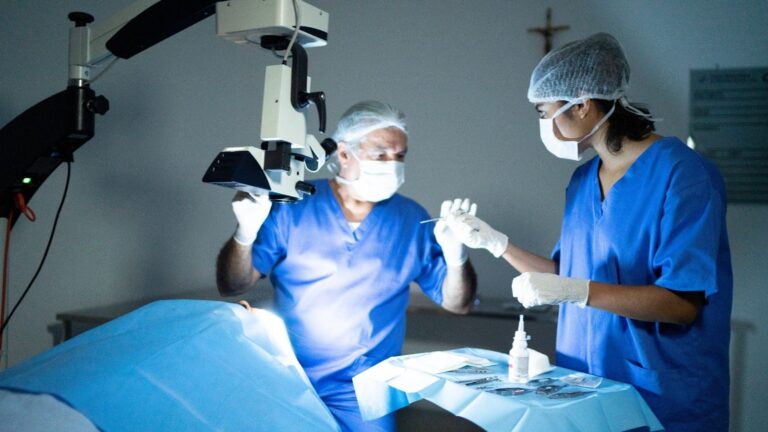
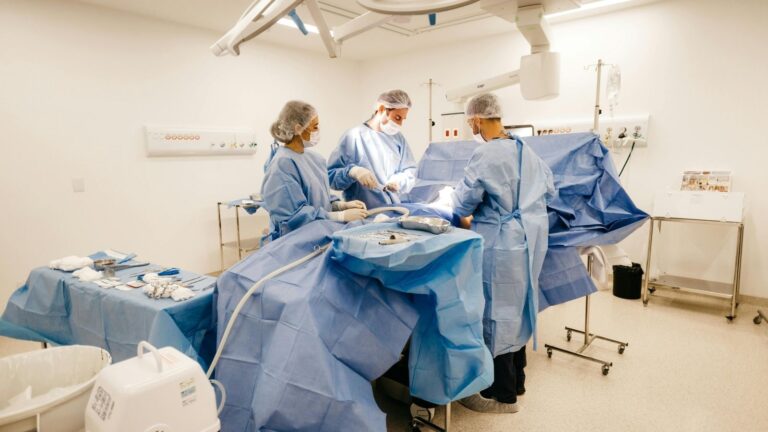
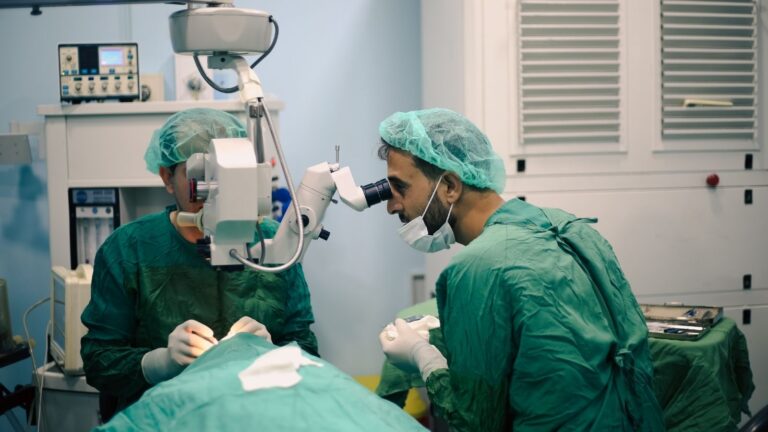
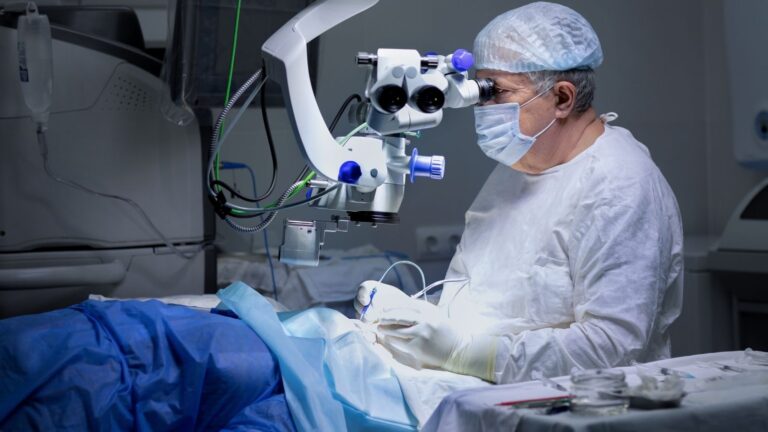
Glasses, patching therapy, prism lenses, and surgical methods are used to treat strabismus. Treatment aims to provide cosmetic improvement while supporting the ability of both eyes to work together and preserving long-term visual function.
| Definition | A condition in which one eye is not properly aligned because of impaired coordination of the eye muscles. While one eye looks straight ahead, the other turns in a different direction. |
|---|---|
| Types |
- Inward Deviation (Esotropia): One eye turns inward.
- Outward Deviation (Exotropia): One eye turns outward.
- Upward Deviation (Hypertropia): One eye turns upward.
- Downward Deviation (Hypotropia): One eye turns downward.
| Causes |
|---|
- Congenital: Problems controlling the eye muscles that are present from birth.
- Neurological Diseases: Paralysis and neurological disorders.
- Trauma: Injuries that damage the eye muscles or nerves.
- Refractive Errors: Untreated myopia, hyperopia, or astigmatism.
- Genetic Predisposition: A family history of strabismus.
| Symptoms |
|---|
- Misalignment of the two eyes.
- Double vision (diplopia).
- Headaches.
- Eye strain.
- Difficulty with depth perception.
| Diagnostic Methods |
|---|
- Eye examination.
- Visual acuity test.
- Evaluation of eye movements and alignment.
- Brain imaging when a neurological cause is suspected.
| Treatment Methods |
|---|
- Glasses or Contact Lenses: To correct refractive errors.
- Prism Glasses: To prevent double vision.
- Eye Exercises: To strengthen the eye muscles.
- Surgical Treatment: To correct eye muscle alignment.
- Botulinum Toxin (Botox): To temporarily relax the eye muscles in certain cases.
| Complications |
|---|
- Amblyopia (lazy eye).
- Persistent double vision.
- Social and psychological effects, particularly in children.
| Prevention Methods |
|---|
- Undergoing regular eye examinations during childhood.
- Avoiding eye injuries.
- Treating refractive errors early.
| Risk Factors |
|---|
- A family history of strabismus.
- Premature birth.
- Nervous system disorders such as cerebral palsy.
Strabismus is a condition in which the eyes cannot focus on the same point simultaneously. While one eye looks straight ahead, the other may turn inward, outward, upward, or downward. It generally begins during childhood but may also occur in adults. It may be caused by an imbalance of the eye muscles, nerve problems, or refractive errors. Treatment may involve glasses, eye exercises, prism lenses, or surgery.
Strabismus primarily threatens three-dimensional, or binocular, vision. Under normal conditions, information from the right and left eyes is transmitted to the brain. The brain then combines these two slightly different perspectives to create depth perception, known as stereopsis. This depth perception allows us to estimate distances accurately when walking up or down stairs or parking a car.
When one eye turns in a different direction, however, the brain consistently receives two different images. In some people, this may cause an uncomfortable condition known as double vision or diplopia. Just as someone looking at two different spotlights on a stage may struggle to determine which light represents the "real" target, the person may have difficulty identifying the correct image.
Particularly in children, the brain may begin suppressing the image received from the misaligned eye to avoid double vision. This may cause amblyopia, also known as lazy eye, in which the neural pathways of the misaligned eye weaken because they are not used sufficiently. In other words, the brain continually ignores the "musician playing the wrong notes." The longer this suppression mechanism continues, the more visual development in the misaligned eye is disrupted.
Strabismus can be classified using several fundamental methods. These classifications are critical when creating a treatment plan.
- Classification According to the Direction of Deviation
Esotropia (Inward Deviation): The eye turns toward the nose. It is particularly common in children and is known as inward eye deviation.
Exotropia (Outward Deviation): The eye turns toward the ear. Intermittent exotropia may appear and disappear periodically.
Hypertropia (Upward Deviation): One eye is positioned higher than the other.
Hypotropia (Downward Deviation): One eye is positioned lower than the other.
- Classification According to Frequency
Intermittent Strabismus: The deviation is present at some times and resolves at others. It may become more pronounced when the patient is tired.
Constant Strabismus: The deviation is always visible. Early intervention is much more important in this type because prolonged deviation may lead to amblyopia.
- Classification According to Age or Time of Onset
Congenital or Infantile Strabismus: It generally becomes apparent within the first six months of life. A coordination problem between the brain and eye muscles develops early in these children.
Acquired Strabismus: This type develops after the age of six months and may sometimes begin in adulthood. Possible causes include nerve damage, trauma, and refractive errors.
- Classification According to Cause
Accommodative Strabismus: This type develops because of excessive focusing effort, particularly in children with hyperopia, who see clearly at a distance but have blurred near vision. The eye muscles work excessively to achieve clear vision, pulling the eye inward.
Non-Accommodative Strabismus: This type develops for reasons unrelated to refractive errors, including neurological, musculoskeletal, and genetic abnormalities. It often requires surgical intervention.
Paralytic Strabismus: This deviation develops because of damage to the nerves that control the eye muscles, such as cranial nerve palsies.
These classifications guide the selection of the most appropriate treatment for the patient's clinical condition. Accommodative esotropia may often improve with the correct glasses prescription. In paralytic strabismus, treatment of the underlying nerve damage and, when necessary, surgery may be required.
Every case of strabismus may have a different history. The most common causes can be summarized as follows:
- Neurological Factors
The eye muscles are controlled by five different cranial nerves. Damage to one of these nerves may restrict eye movement. For example, paralysis of the sixth cranial nerve, the abducens nerve, prevents the muscle that moves the eye outward from functioning. The affected eye may consequently remain turned inward.
- Genetic Predisposition
A family history of strabismus increases the risk in children. Sometimes a tendency toward strabismus from a grandparent may skip a generation and appear in the child. Although genetics alone is not decisive, it is an important contributing factor.
- Refractive Errors
Hyperopia may particularly cause the typical condition known as accommodative esotropia. If a child has a high degree of hyperopia, the eye may make an excessive inward focusing effort to see clearly. Over time, the deviation may become permanent.
- Prematurity and Low Birth Weight
Babies born very prematurely have an increased susceptibility to eye problems such as retinopathy. The baby's metabolic system is occupied with the early development of the respiratory system, heart, and brain, potentially placing eye coordination in the background. This may increase the risk of strabismus.
- Trauma
Blows to the eye or surrounding area may damage muscles or nerves and cause strabismus. Trauma to the head may present a similar risk.
- Systemic and Neurological Diseases
Diseases such as diabetes, hypertension, and multiple sclerosis may damage the blood vessels supplying the eye muscles or the nerve sheaths. Certain neurological disorders may also adversely affect the centers in the brainstem that control eye movements, causing strabismus.
Strabismus is therefore too complex to be attributed to a single cause. Every patient requires a detailed examination and, when necessary, advanced testing.
A diagnosis of strabismus is generally confirmed through a detailed eye examination and specialized tests. These tests can be considered methods that analyze how well the eyes perform in synchronization within an orchestra.
- Visual Acuity Measurement
The clarity of vision in each eye is measured separately. If one eye sees significantly less clearly than the other, amblyopia may be suspected in that eye.
- Cover Tests
Unilateral Cover Test: While the patient looks at a specific point, one eye is covered and the movement of the other eye is observed. An adjustment movement in the uncovered eye indicates that the deviation is manifest.
Alternate Cover Test: The cover is alternated between the eyes. This reveals the amount of latent or manifest deviation, known as phoria or tropia, in both eyes.
- Prism Cover Test
Prism lenses are placed in front of the eye to measure the angle of deviation. The prism strength is gradually increased until the deviation is completely neutralized. This determines the degree of strabismus in prism diopters.
- Hirschberg and Krimsky Tests
The position of the light reflex on the cornea relative to the pupil provides an approximate indication of whether a deviation is present. In the Krimsky test, prisms are used to correct the position of these reflections and determine the degree of deviation.
- Additional Visual Tests
Maddox Rod Test: Used to identify latent deviations.
Bagolini Striated Lens Test: Lines perceived by each eye are used to understand how the patient combines images at the level of the brain. It provides information about double vision and the degree of suppression.
Parks-Bielschowsky Three-Step Test: Used particularly in vertical strabismus, where the eye turns upward or downward, to identify the affected muscle or nerve.
- Additional Examinations
In some cases, imaging methods such as MRI or CT may be used to investigate underlying neurological or musculoskeletal abnormalities.
Early diagnosis is the key to preventing serious vision problems in the future. Routine eye examinations during childhood are particularly important.
Strabismus often produces signs that are immediately noticeable from the outside. However, in some subtypes, the deviation may be very mild or temporary. The symptoms can be summarized as follows:
- Externally Visible Eye Deviation: This is the most common symptom. While one eye looks at the target, the other may turn inward, outward, upward, or downward.
- Double Vision (Diplopia): This commonly occurs in adults or in suddenly developing strabismus. Because the brain cannot combine the two different images, the patient sees a single object twice.
- Eye Strain and Headaches: The continuous effort to align the eyes may cause eye pain and headaches.
- Abnormal Head or Neck Position: The person may tilt the head to one side or turn the neck to reduce double vision.
- Problems With Balance and Depth Perception: Impaired three-dimensional vision makes daily activities such as walking up and down stairs or estimating the distance of objects more difficult.
- Difficulty Reading: Impaired coordination between the eyes may prevent children from following lines of text while reading. This may result in frequent blinking, eye rubbing, or reluctance to read.
Strabismus may sometimes begin as a mild visual coordination problem and become more noticeable over time. An ophthalmological examination should therefore not be neglected when even a slight deviation is suspected, particularly in children.
For children, strabismus is not only a visual problem but also a developmental threat. The visual system fully matures during the first few years of life. If one eye is excluded from use during this critical period, the corresponding part of the brain may remain underdeveloped at the cellular level.
- Risk of Amblyopia: When a child's eye turns inward or outward, the brain continuously suppresses information from the deviating eye to prevent double vision. The longer this suppression continues, the more the visual ability of that eye deteriorates. Amblyopia becomes difficult to treat later in life.
- Social and Psychological Effects: Noticeable eye deviation in a school-aged child may cause low self-confidence and peer bullying. This may also indirectly affect learning.
- Early Intervention: In childhood strabismus, involving an ophthalmologist from the initial stage and a pediatric neurologist when necessary may be beneficial. Glasses are prescribed early, followed by patching therapy or specialized exercises when required. As seen in accommodative esotropia, the correct glasses prescription alone may sometimes correct the deviation.
Parents should therefore arrange regular eye examinations for their children and consult a doctor at the slightest sign of eye deviation.
New-onset strabismus in adulthood generally develops because of nerve damage, trauma, systemic diseases, or excessive eye strain. Strabismus that has been present since childhood may also become more noticeable with advancing age.
- Double Vision: The adult brain has a much more limited ability to suppress the image from the misaligned eye than a child's brain. Double vision may therefore be highly disturbing. It can directly affect daily life, driving safety, and work performance.
- Professional and Social Life: Certain professions require excellent depth perception, including aviation and surgery. Strabismus may create major limitations in these professions. People may also experience reduced self-confidence because of difficulty maintaining eye contact in social settings.
- Treatment Planning: Existing refractive errors are corrected in adults, and prisms may provide temporary or permanent relief. When strabismus has a neurological cause, treatment of the underlying condition takes priority. Surgery may be performed for both cosmetic and functional purposes.
- Rehabilitation: Eye exercises, known as orthoptic treatment, may be used after surgery or without surgery to reduce double vision and help the eyes work together.
Treatment of strabismus in adults may sometimes be more complex. However, appropriate methods and careful follow-up can produce highly satisfactory results.
Impaired coordination between the eyes may cause minor or major difficulties in almost every area of life.
- Poor Depth Perception
When both eyes do not work simultaneously, basic skills such as estimating distance become more difficult. Activities such as judging the position of steps, accurately hitting a ball, or changing lanes while driving require additional attention.
- Difficulty Reading and Writing
Because the eyes struggle to focus on the same line, following lines of text may become difficult. Children may particularly experience distraction while completing homework or complain that "the words are moving."
- Occupational Restrictions
Professions requiring a high level of coordination and stereopsis, including surgeons, pilots, police officers, and firefighters, may be limiting for people with strabismus. Risks may arise regarding workplace safety and efficiency.
- Cosmetic and Psychological Aspects
The eyes are an important part of communication. For people with strabismus, the ability or inability to maintain eye contact during conversations may create social difficulties. This may affect self-esteem and mental health.
- Safety Problems
A person with severe double vision may experience considerable difficulty while driving or operating dangerous equipment. The risk of falling or bumping into objects may also increase in daily life.
The severity of these difficulties differs between patients. Some people may not be concerned about a mild deviation in social life, while others may experience a considerable reduction in quality of life. These personal factors should also be considered when planning treatment.
Some types of strabismus may improve significantly or be corrected completely using nonsurgical methods.
- Glasses or Contact Lenses
In accommodative esotropia, appropriate glasses for hyperopia may align the eyes. This method is often the first choice in children and can produce highly successful results.
- Prism Glasses
Prisms are added to the lenses to reduce double vision or compensate for the angle of deviation. The prism shifts the image to a position where the eyes can combine it more easily, helping the brain receive a consistent visual message.
- Eye Patching (Occlusion Therapy)
If amblyopia accompanies strabismus, the dominant or stronger eye is covered for specified periods to encourage the weaker eye to work. This helps the brain stop suppressing the image from the weaker eye and improves its visual acuity.
- Visual Exercises (Orthoptic Treatment)
These exercises are performed according to a specific program to strengthen the eye muscles and brain-eye coordination. Near-far focusing exercises, pencil push-up exercises, and computer-assisted software may help improve the ability of the eyes to work together.
Convergence Insufficiency: The eyes cannot turn inward sufficiently when looking at nearby targets. Activities such as pencil push-up exercises may be particularly beneficial in this condition.
- Botulinum Toxin (Botox) Injections
For certain small-angle deviations, botulinum toxin may be injected into the relevant eye muscle to weaken it temporarily. This may provide an alternative for patients who do not require surgery or cannot undergo surgery.
- Bupivacaine Injections
Another less familiar method involves injecting bupivacaine, a local anesthetic, into the eye muscle. The aim is to damage and then remodel certain muscle fibers, strengthening the muscle. However, this method is not widely used at every center.
These nonsurgical or minimally invasive methods may be beneficial, particularly when strabismus is detected early or the deviation angle is small. However, they may not produce the expected result when surgery is indicated.
Strabismus surgery involves operating on the eye muscles to correct alignment. In which situations does this operation become unavoidable?
- Large-Angle Deviations
Surgery may be required when the deviation is too large to correct using glasses, prisms, or exercises. Surgery is often the first option for deviations greater than 15-20 prism diopters.
- Severe Discomfort From Double Vision
Surgical alignment of the eyes may be required when double vision significantly affects professional and social life, particularly in adults.
- Changes in Head Position
Constantly tilting the head or neck in one direction may cause chronic problems in the spine and muscles. This condition is known as oculocervical syndrome. Correcting eye alignment may resolve the abnormal posture.
- Establishing Binocular Vision in Children
Early surgery is critical for the development of stereopsis in conditions such as congenital esotropia. An operation performed during infancy may prevent permanent amblyopia later in life.
- Cosmetic and Psychological Factors
For some patients, properly aligned eyes are cosmetically very important. An eye that turns significantly inward or outward may undermine self-confidence and social relationships. Surgery may therefore provide a significant improvement in quality of life.
When deciding on surgery, factors such as the patient's age, general health, type and severity of strabismus, and accompanying eye diseases are considered. The possibility that postoperative readjustment or additional interventions may be required should also be remembered.
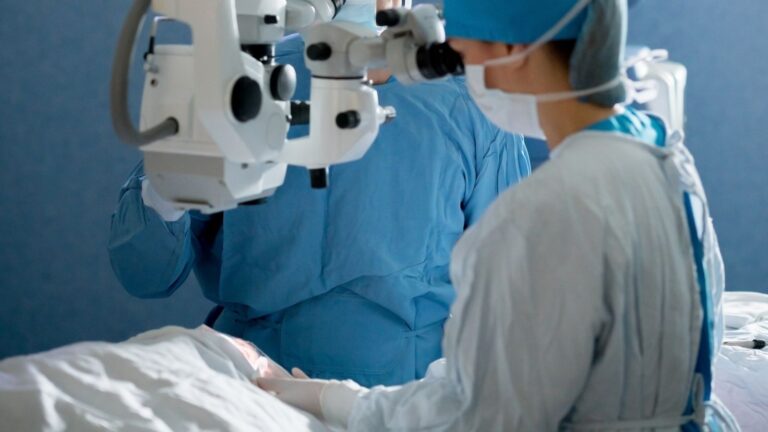
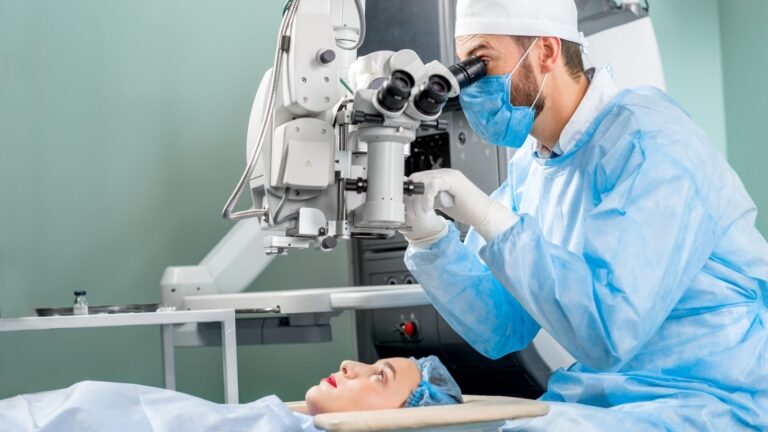
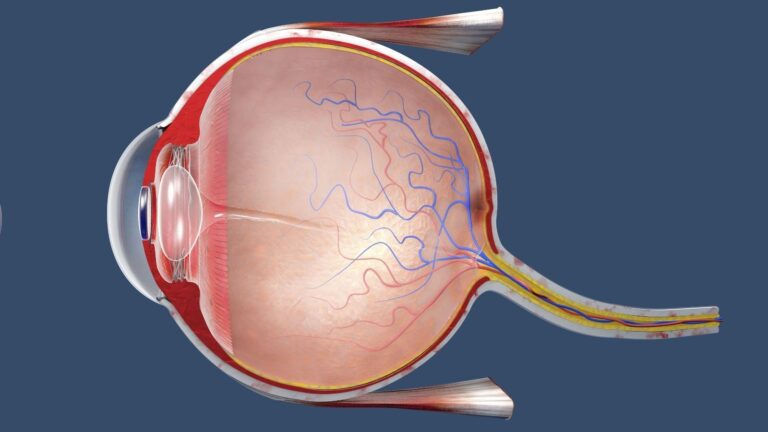
Strabismus surgery generally involves the extraocular muscles located on the outer surface of the eye. Each eye has six extraocular muscles. Various techniques are based on shortening, lengthening, repositioning, or rebalancing the strength of these muscles.
- Recession and Resection Methods
Recession (Weakening): A muscle that pulls too strongly is moved backward from its attachment point on the eye, reducing its pulling force.
Resection (Strengthening): An underperforming muscle is cut, shortened, and attached closer to the eyeball. Shortening the muscle increases its pulling force.
- Adjustable Suture Techniques
Particularly in adult patients, the surgeon examines eye alignment after surgery. If a slight misalignment is present, the sutures can be loosened or tightened to make an immediate correction under operating room conditions.
- Minimally Invasive Methods
Alternatives to surgery, such as botulinum toxin injections, may sometimes be performed in an office setting. However, they are generally used for smaller-angle deviations or additional correction.
- Postoperative Process
Mild redness and a stinging sensation are normal after surgery. Antibiotic and steroid eye drops are generally prescribed. As the brain adapts to the new position of the eye muscles following surgery in children, additional adjustments to glasses or eye exercises may be required.
These methods are similar to retraining the conductor of the eye muscle orchestra. The muscles aim to keep the eyes aligned by pulling with the correct force from the correct positions. Although successful results can be achieved, the possibility of muscle stretching or recurrence over time should not be overlooked.
Many parents wonder, "How can I prevent my child from developing strabismus?" Hereditary or neurological causes may be unavoidable in some cases. However, several general precautions can be taken:
- Early Eye Screening
Particularly when strabismus runs in the family, babies should undergo routine eye examinations beginning within the first few months of life. Correcting refractive errors detected early with glasses may prevent the development of strabismus.
- Regular Examinations
School-aged children should undergo an eye examination at least once a year. Mild deviations that begin gradually may be detected early through these examinations.
- Specialized Follow-Up for Premature Babies
Babies born prematurely are more susceptible to specific eye problems such as retinopathy. Their periodic examinations should not be neglected.
- Genetic Counseling
If a high risk of strabismus associated with certain genetic syndromes is known, genetic counseling may increase the family's awareness of the importance of early ophthalmological evaluation.
- Eye Hygiene and Reducing Prolonged Close Work
Prolonged and intensive near work during childhood, such as continuously looking closely at small screens, may cause eye strain and focusing problems. It is difficult to state that this directly causes strabismus, but it may intensify an existing tendency.
Although it is not possible to reduce the risk of strabismus completely to zero, minimizing risk factors and intervening early can significantly improve the overall course.
Strabismus treatment is similar to a long journey. Whether treatment involves surgery or not, several important points require attention afterward:
- Regular Follow-Up
Attending ophthalmological examinations at specified intervals after treatment is critical for identifying even minor changes promptly. If surgery has been performed, situations requiring readjustment may arise, particularly during the first few months.
- Additional Need for Glasses
Some patients may continue wearing glasses after surgery to correct remaining refractive errors. In children at risk of amblyopia, patching sessions for the stronger eye or orthoptic exercises may also continue for an extended period.
- Continuing Visual Exercises
Even after successful surgery, additional exercises may be recommended to help the brain adapt fully to the new eye position. As in physical therapy, these exercises should be performed regularly to train the muscles correctly and strengthen coordination.
- Lifestyle Adjustments
Simple long-term measures are important for protecting eye health. These include avoiding prolonged, uninterrupted near work, resting the eyes at regular intervals, and providing appropriate lighting during screen use.
- Awareness of Recurrence Risk
After surgery or other treatments, there is still a risk that some degree of deviation may return. This is more likely in children experiencing rapid growth or adults with systemic diseases affecting the musculoskeletal system.
When patients follow all these steps under medical guidance, the likelihood of long-term success increases significantly. A second operation or different exercise protocols may be considered in some cases. Patience and regular follow-up are essential throughout this process.
Eye health is not limited to biological functions. The cosmetic aspect of strabismus may be highly important for eye contact during everyday communication. It may cause low self-confidence, social hesitation, or anxiety.
- Peer Bullying in Children: School-aged children can be cruel and may exclude or mock classmates with noticeable eye deviation. This may negatively affect the child's psychological development over the long term.
- Job Interviews and Social Communication in Adults: Difficulty maintaining eye contact may unfairly create an impression that the person is "untrustworthy" or "unable to concentrate." This may become an important obstacle in fields requiring face-to-face interaction, such as customer relations or public administration.
- Support Mechanisms: Psychological counseling, support from family and friends, and group therapy are particularly important for people who experience reduced self-confidence because of strabismus. Psychosocial support should also be considered part of the treatment plan.
Protecting the person's emotional and social well-being is as valuable as achieving medical improvement in strabismus treatment. The eyes are often considered "windows to the soul" in communication. Even a minor cosmetic or functional abnormality in these windows may affect the person's entire life.
Medical technology is continuously developing, and strabismus treatment also benefits from this progress. Several promising future innovations include:
- Artificial Intelligence-Assisted Diagnosis: Specialized software that tracks eye movements may automatically analyze the angle of deviation and the pattern of double vision. This may accelerate the doctor's diagnostic and treatment-planning process.
- Robot-Assisted Surgery: Robotic arms may improve precision in strabismus operations where adjustments measured in millimeters are important. Although this technology is not yet widespread, pilot studies are available.
- Stem Cell Research: In certain forms of paralytic strabismus, stem cell treatments may be considered in the future to repair damaged nerves.
- Visual Feedback Devices: Various virtual reality applications make it possible to receive real-time feedback about eye muscle function and allow patients to perform exercises at home.
All these methods must demonstrate favorable long-term results in scientific studies before they become widely accepted. However, expanding the range of treatments will make it possible to provide more personalized solutions for each patient.
Strabismus, or eye misalignment, is a comprehensive condition that may occur at any age, from childhood to adulthood, and fundamentally represents impaired coordination of the eyes. Problems occurring at any stage of the complex interaction between the eye muscles, neural pathways, and brain may cause one eye to turn inward, outward, upward, or downward.
- Early Diagnosis: Particularly during infancy and childhood, strabismus may have critical consequences for brain development. Routine eye examinations should not be neglected to prevent amblyopia and permanent vision loss.
- Comprehensive Evaluation: Every case of strabismus is unique. Cover tests, prism measurements, neurological evaluations when necessary, and imaging methods play a decisive role in diagnosis and treatment.
- Personalized Treatment Plan: Accommodative esotropia may improve with simple glasses, while surgery may be unavoidable for large-angle deviations or paralytic strabismus. Methods such as botulinum toxin injections, prisms, and eye exercises may also be considered as alternatives or additions to surgery.
- Continuous Follow-Up and Rehabilitation: Strabismus treatment is not necessarily "finished" after surgery. Follow-up should continue to help the eyes adapt to their new alignment and prevent amblyopia when present. Patching therapy in children and rehabilitation exercises in adults are essential for achieving a successful result.
- Psychosocial Dimension: The cosmetic and psychological aspects of strabismus should be considered to protect self-confidence, social communication, and daily quality of life in both children and adults. Professional support may improve long-term outcomes when required.
- Developing Technologies: Artificial intelligence-assisted diagnostic methods, virtual reality-based exercises, and robotic surgical applications may help make future strabismus treatment more effective, faster, and adaptable to individual needs.