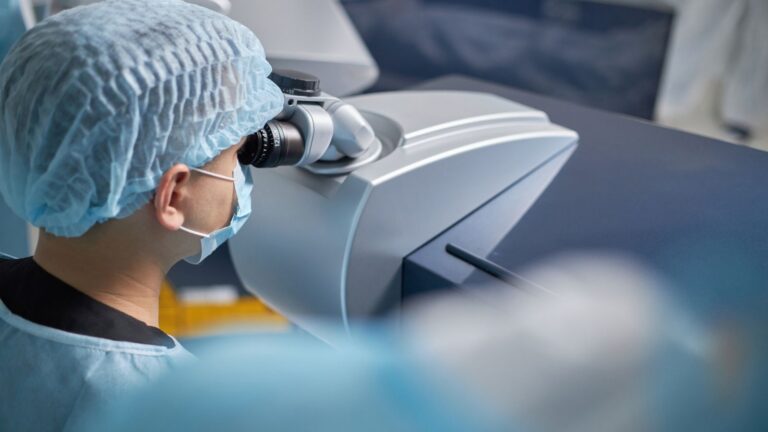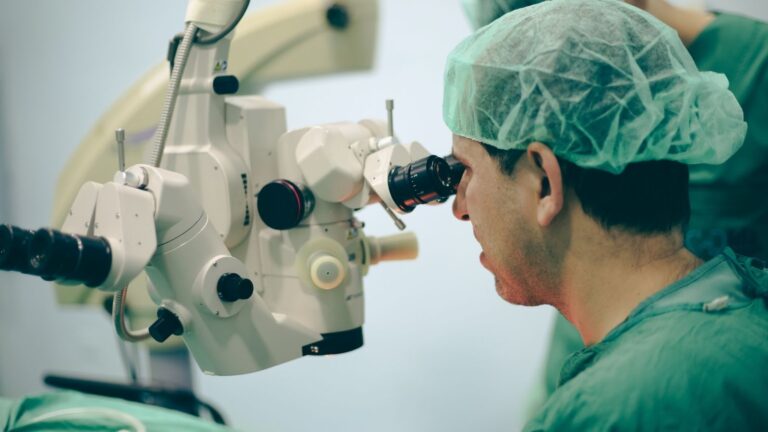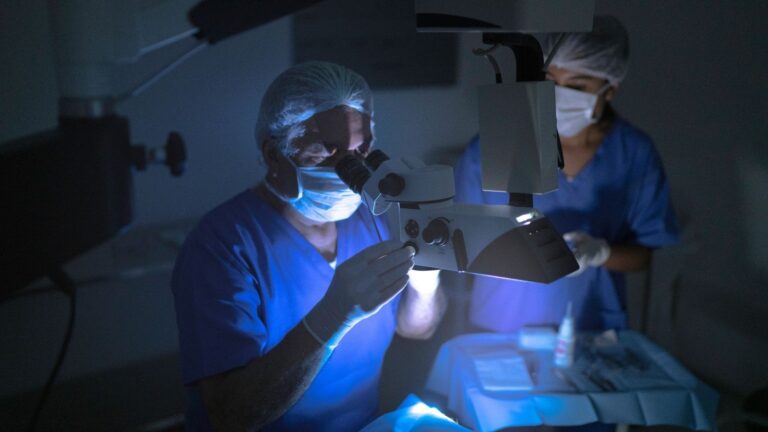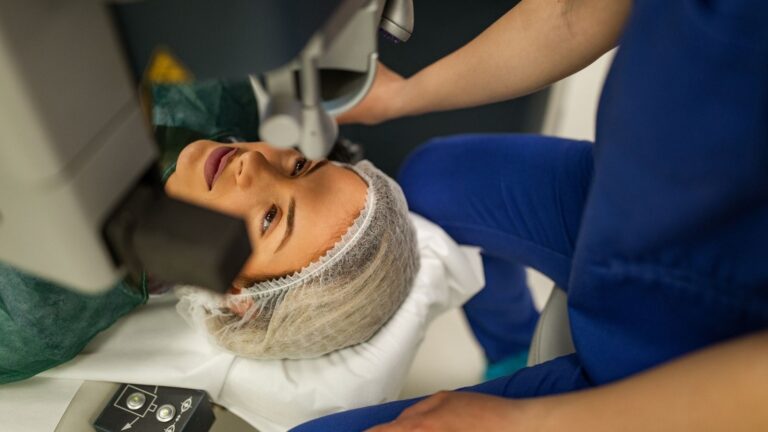
Excimer laser is a laser technology designed to correct refractive errors by reshaping the cornea, the transparent front layer of the eye. In suitable people with myopia, hyperopia and astigmatism, it is used to help light focus more evenly on the retina. This technology is used in some procedures commonly known as laser eye surgery. The way the excimer laser is applied differs among PRK, TransPRK, LASEK and LASIK methods. Suitability for treatment is not determined solely by the glasses prescription. Corneal thickness, the regularity of the corneal surface, tear film structure and the stability of the refractive error are assessed together. The same visual result cannot be guaranteed for every patient, nor can it be guaranteed that the need for glasses will be eliminated completely.
What Is an Excimer Laser?
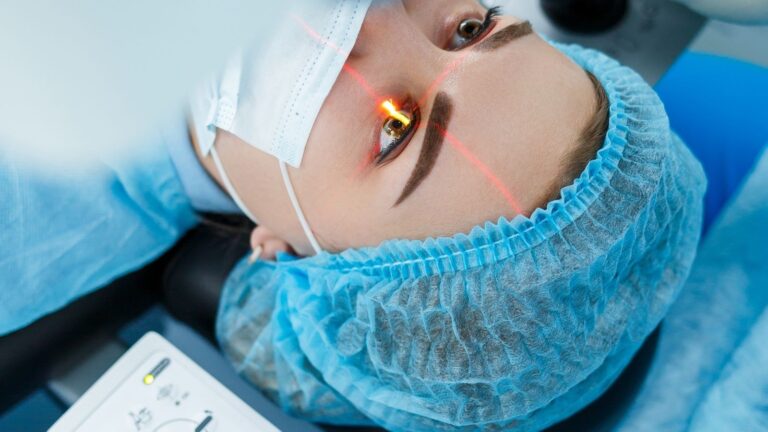
An excimer laser is a laser system used to change the refractive power of the eye by removing corneal tissue in a controlled manner at the micron level. Systems used in eye surgery generally operate with ultraviolet light at a wavelength of 193 nanometres. Depending on the selected method, the laser is applied to the corneal surface or to the layer beneath the corneal flap. It is not applied directly to the natural lens or retina inside the eye. The aim is to alter the curvature of the cornea and create an optical surface suited to the existing refractive error. Myopia, hyperopia and regular astigmatism are the main refractive errors that may be considered for this method. For the laser to be used, sufficient corneal tissue must remain after the planned procedure.
How Does an Excimer Laser Work?
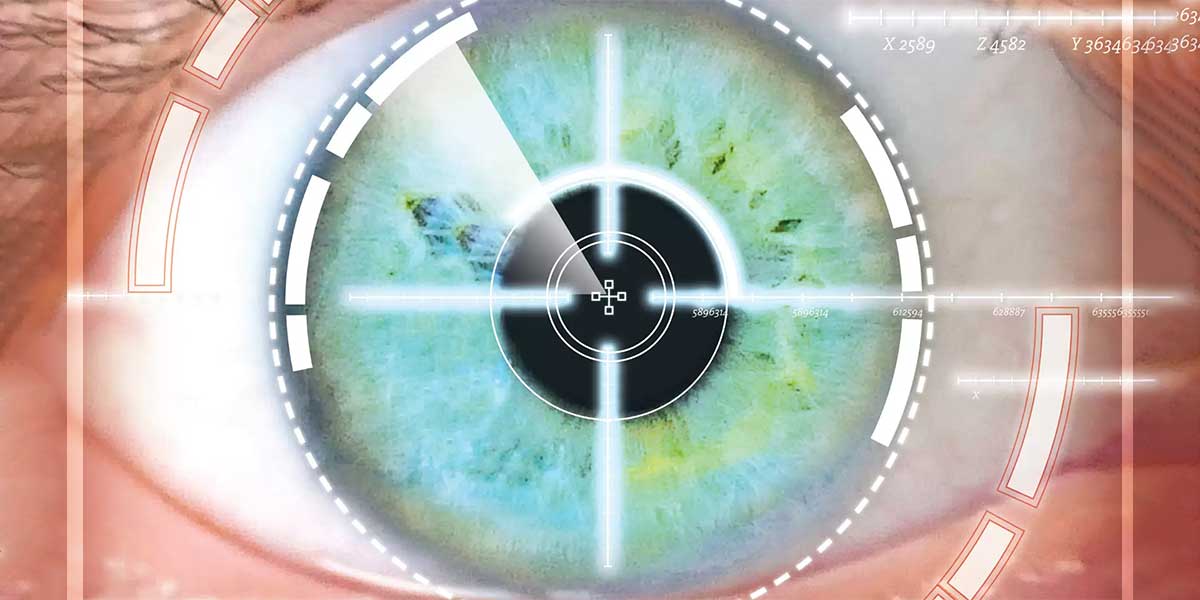
Tissue is removed in a controlled manner from specific areas of the cornea according to the refractive error. In the treatment of myopia, the central curvature of the cornea is reduced, while a different tissue-shaping profile is applied for hyperopia. For astigmatism, the aim is to reduce the difference in refractive power between different axes of the cornea. The amount of tissue to be removed is calculated using data obtained from the glasses prescription and corneal measurements. In some systems, eye-tracking mechanisms help keep the laser application within the planned area. Removing tissue permanently changes the structure of the cornea, but this does not mean that the eye prescription will never change in the future. Results may vary according to the healing response, corneal characteristics and the natural changes in the eye over time.
Which Refractive Errors Can Be Treated with an Excimer Laser?
Excimer laser is primarily considered for correcting refractive errors such as myopia, hyperopia and astigmatism. The prescriptions that can be treated are determined not only by the technical limits of the device but also by the thickness and shape of the cornea. A degree of correction that can be performed in one person may not be safe for another. Whether the astigmatism is regular and whether there is any suspicion of keratoconus are also examined. Treatment may aim to reduce the use of glasses or contact lenses, but surgery is not a compulsory option. Presbyopia, defined as the age-related decline in near vision, is not completely eliminated by applying laser to the cornea. Although special plans such as monovision may be considered for suitable patients, the effects of this approach on distance vision and depth perception must be assessed separately.
What Are the Excimer Laser Methods?
In PRK, the excimer laser is applied to the underlying surface after the outermost epithelial layer of the cornea has been removed. In LASEK, the surface layer is separated using a different technique before the laser procedure is performed. In TransPRK, the epithelium and the area of the cornea to be reshaped are treated as part of the laser plan. This method may also be referred to as No Touch laser. Surface laser methods do not create a permanent corneal flap as in LASIK. However, because the surface layer must heal again, stinging, watering and temporary blurred vision may be more pronounced during the initial period. The appropriate surface method is determined according to corneal measurements and the condition of the ocular surface.
In LASIK, a thin flap is first created in the front part of the cornea. This flap may be formed with a femtosecond laser or a suitable mechanical system. The corneal tissue beneath the flap is then reshaped with an excimer laser, and the flap is repositioned. Visual recovery may begin earlier in some people than with surface methods, but there are separate risks associated with the flap. SMILE and similar lenticule extraction methods use only a femtosecond laser and do not involve an excimer laser. Therefore, SMILE is not a type of excimer laser but a different corneal laser approach. No method is equally superior for everyone, and the choice is made according to the structure of the eye.
Personalised Laser Profiles
Standard laser planning primarily considers myopia, hyperopia and astigmatism values. In wavefront-guided planning, more detailed measurements of the eye's optical system may be included in the treatment calculation. Topography-guided applications assess the shape characteristics of the corneal surface. Aspheric or wavefront-optimised profiles may be planned according to specific goals relating to the natural optical structure of the cornea. Suitability for these methods depends on the reliability of the corneal data and the treatment options supported by the device. Personalised planning does not mean that every patient will achieve better night vision or clearer vision. Particularly in people with an irregular cornea, whether laser treatment is suitable must be determined before a personalised profile is used.
Who Is Suitable for Excimer Laser Treatment?
Excimer laser is generally considered for adults whose glasses prescription has remained stable for a certain period. The degree of myopia, hyperopia or astigmatism must be within safe limits when assessed together with the structure of the cornea. Sufficient corneal thickness alone is not enough. Corneal topography and tomography must also be found suitable. A healthy tear film and the absence of significant ocular surface disease affect the healing process. The person's general health, medications and occupational vision requirements are also considered. Laser surgery is not a procedure that can be applied to everyone simply because they do not want to wear glasses. The decision for surgery is made by comparing the expected visual benefit with the individual's risks.
Who May Not Be Suitable?
Removing tissue with an excimer laser may not be suitable for people with keratoconus, suspected corneal ectasia or marked corneal irregularity. A thin cornea may limit all laser options if insufficient tissue would remain after the planned correction. The fact that surface laser does not create a flap does not automatically make it safe in a very thin cornea. The procedure may be postponed in the presence of an active eye infection, significant blepharitis or uncontrolled dry eye. In people whose glasses prescription continues to change, it becomes more difficult to determine a reliable treatment target. Because pregnancy and breastfeeding may cause hormone-related changes in the eye prescription and ocular surface, planning may be postponed to a later date. Before treatment, the structure of the eye must become stable and any correctable problems must be brought under control.
Uncontrolled diabetes, certain immune system disorders and medications that affect wound healing require an individual risk assessment. These conditions do not mean that all laser procedures are strictly prohibited for every patient. Advanced glaucoma, significant cataract, retinal disease or recurrent herpes infection of the eye may also affect the suitability decision. Possible glare must be considered separately in people who drive at night or work in occupations requiring sensitive contrast vision. Complaints may increase after surgery in people with severe dry eye. People with near-vision problems should be informed that laser treatment does not stop age-related presbyopia. Surgical suitability should not be assessed solely on the basis of age or glasses prescription.
How Is the Preoperative Assessment Performed?
The examination assesses distance and near vision, the glasses prescription and how the refractive error compares with previous measurements. Corneal topography and tomography show the shape and regularity of the cornea and any potential risk of ectasia. Pachymetry measures corneal thickness, and the amount of tissue that will remain after the laser procedure is calculated. Pupil size in low light, the tear film and eyelid health are also examined. Eye pressure, the condition of the natural lens and a retinal examination help identify accompanying problems. When necessary, wavefront measurements or detailed corneal maps may be added to treatment planning. The results of these examinations indicate which method can be used or whether surgery is unsuitable.
Contact lens use can temporarily alter corneal measurements. For this reason, patients may be asked to stop wearing lenses for a certain period before the examination and surgery. The required period varies according to whether the lenses are soft, toric, rigid or scleral. If dry eye or eyelid inflammation is detected, these conditions may need to be treated before laser planning. Medications being used, previous eye operations, the possibility of pregnancy and accompanying systemic diseases should be disclosed. The possibility of needing glasses after surgery, differences in healing time between methods and potential risks should be assessed. Setting realistic expectations is an important part of making an appropriate treatment decision.
How Is Excimer Laser Treatment Performed?
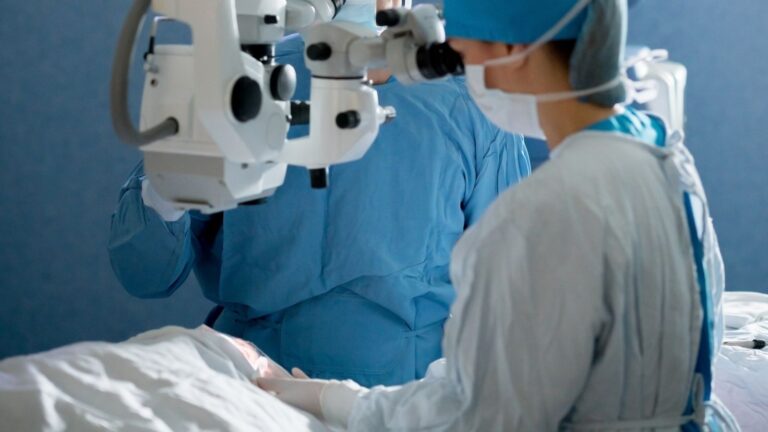
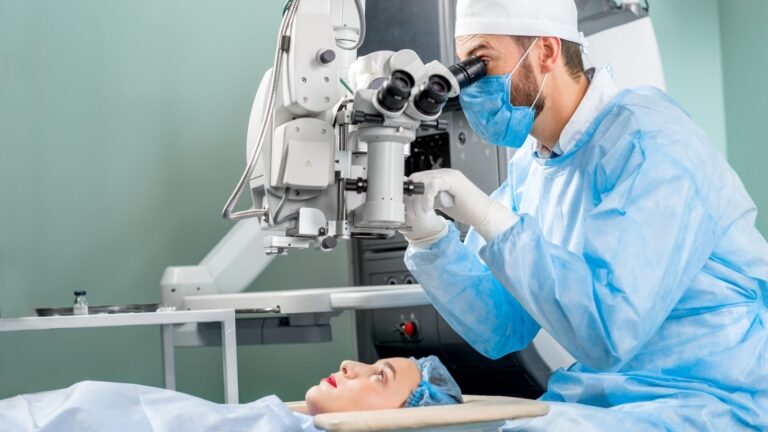
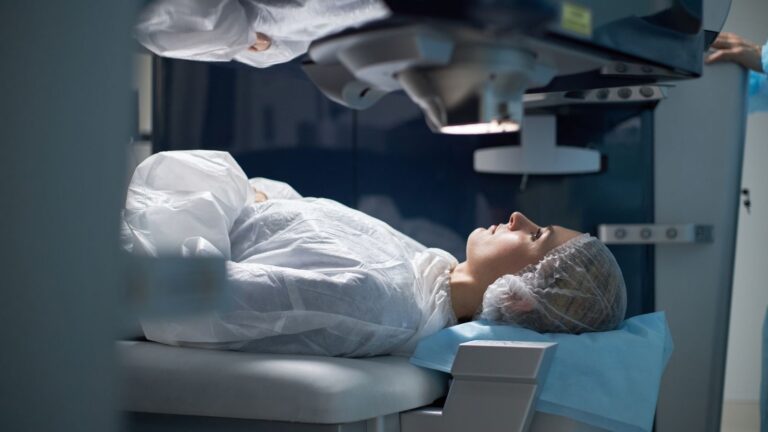
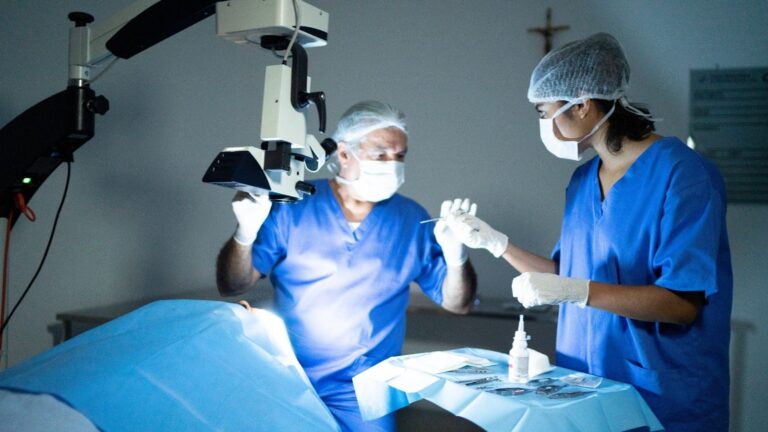
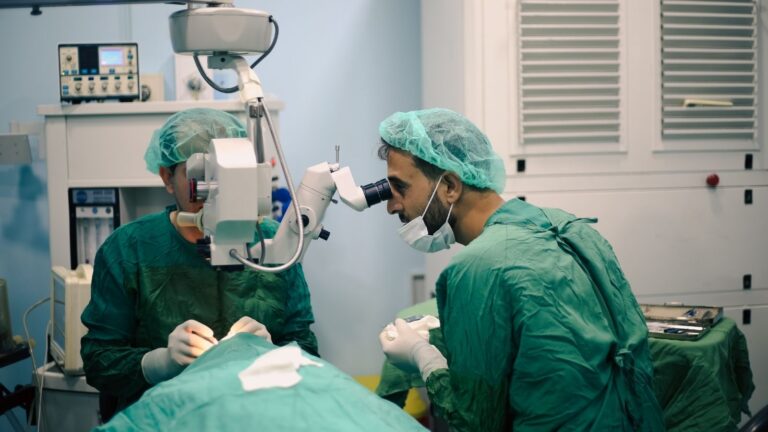
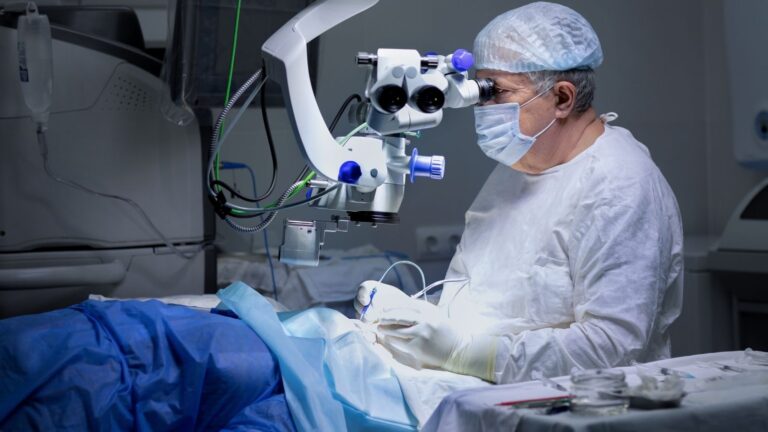
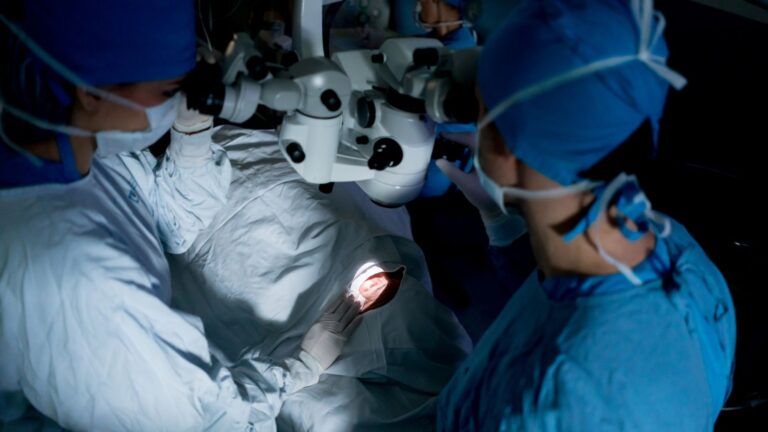
Before the procedure, the area around the eye is cleaned and anaesthetic drops are applied to the eye. A small eyelid speculum may be used to keep the eyelids open. The patient is asked to look at a specific point of light, and the laser system is prepared according to the position of the eye. In PRK, LASEK or TransPRK, the corneal surface is prepared according to the selected method and reshaped with the excimer laser. In LASIK, a corneal flap is first created, and the laser is applied to the tissue beneath the flap. The laser's active operating time is not the same as the total procedure time and may vary for each patient. A sensation of pressure, seeing light or brief discomfort may occur during the procedure, but the experience varies from person to person.
After surface laser treatment, a temporary protective contact lens may be placed to support healing of the corneal epithelium. This lens is removed at the scheduled follow-up and must not be removed by the patient. In LASIK, the flap is checked at the end of the procedure to ensure that it is positioned correctly. Antibiotic, anti-inflammatory or artificial tear drops may then be prescribed as considered necessary. Whether both eyes are treated on the same day is assessed according to the condition of the eyes and the individual plan. Driving may not be appropriate immediately after the procedure because vision may be blurred. The timing of the first follow-up and subsequent care advice are determined according to the method used.
Recovery After Excimer Laser Treatment
The recovery period varies according to the method used and the cornea's healing response. Although vision may begin to recover earlier in some people after LASIK, fluctuations and dryness may occur in the initial period. Stinging, watering and light sensitivity may be more pronounced after PRK, LASEK and TransPRK because the corneal epithelium needs to regenerate. The protective contact lens is removed when surface healing is complete. Closure of the surface does not mean that vision has fully stabilised. Visual clarity may continue to change over the following weeks, and the individual recovery process may take longer. Therefore, it cannot be said that all patients will see clearly within a few hours or recover to the same level within a short time.
During the first few days, screen use, driving and returning to work are assessed according to the level of vision and eye comfort. Wearing sunglasses outdoors may help reduce light sensitivity. Using prescribed drops properly is important for monitoring the ocular surface. Dry eye may be temporary in some people but may continue for longer in others. Follow-up examinations assess the corneal surface, tear film and changes in refractive error. Severe pain, increasing redness or a marked reduction in vision should not be regarded as normal signs of recovery. In such a situation, an eye assessment is required without waiting for the scheduled follow-up date.
Blurred Vision After Excimer Laser Treatment
Blurred vision after laser treatment may be related to healing of the corneal surface and temporary irregularity of the tear film. Particularly after PRK, LASEK and TransPRK, visual clarity may vary during the day while the epithelial layer regenerates. After LASIK, flap healing, dry eye or temporary corneal oedema may also contribute to blurring. Halos or glare around lights during the initial period may also affect the perception of clarity. The duration of blurring varies according to the method used, the prescription corrected and the person's healing characteristics. A reduction in vision accompanied by progressively increasing blurring, pain or intense redness should be assessed separately. Conditions such as corneal infection, a flap problem or marked surface irregularity are evaluated through examination.
Possible Side Effects and Risks
Dry eye, stinging, watering and light sensitivity may occur after excimer laser treatment. Glare, halos, starbursts or reduced contrast may occur in night vision. Glasses may still be needed if the refractive error is corrected less or more than expected. In some people, regression of the prescription or additional astigmatism may develop as part of the healing process. Corneal haze after surface laser treatment and flap-related problems after LASIK are among the potential risks. Infection, inflammation and corneal ectasia are less common but serious complications that may affect vision. No laser method should be regarded as completely risk-free or as a procedure that will produce the same result in everyone.
Corneal ectasia may occur when the cornea becomes structurally weak and changes shape over time. For this reason, topography, tomography and thickness measurements are important before surgery. Dry eye may develop after the procedure even if it was not previously present, or existing complaints may increase. A large pupil, residual refractive error and ocular surface irregularities may contribute to night-vision problems. Some complications can be managed with drops or glasses, while additional intervention may be required in some cases. Risks vary according to the selected method, the prescription being corrected and the individual's eye structure. Unexpected changes in vision should be reassessed during follow-up examinations.
What Determines the Outcome of Treatment?
The outcome of excimer laser treatment depends on the initial glasses prescription and the structural characteristics of the cornea. The accuracy of measurements, stability of the refractive error and corneal thickness remaining after the procedure are important. Tear quality, the pattern of wound healing and accompanying eye diseases may also affect the visual result. Applying a personalised laser profile does not always mean that glasses will be eliminated completely. Some people may need additional glasses for distance or near vision after the procedure. Presbyopia, which develops particularly after the age of 40, may create a need for reading glasses even if the previous laser procedure was successful. For this reason, it is not appropriate to provide a single success rate for all patients or promise a visual result that will remain unchanged for life.
Points to Consider After Excimer Laser Treatment
Drops prescribed after surgery should be used at the recommended frequency and for the specified period. It is important to wash the hands before applying the drops and to avoid touching the eye with the tip of the bottle. Patients may be advised not to rub their eyes, to protect them from impact and to use protective glasses if considered necessary. Care should be taken to prevent soap or shampoo from entering the eyes while showering. The timing of returning to swimming pools, the sea, saunas and eye make-up varies according to the laser technique used and the state of healing. Avoiding dusty, smoky environments or places that may irritate the ocular surface may be helpful during the initial period. Particularly after surface laser methods, advice on sun protection is arranged according to the individual's examination findings.
Driving should be avoided until vision is sufficiently clear, and activities requiring occupational safety should not be resumed. Recommended waiting periods for strenuous exercise, contact sports and swimming may vary from person to person. If a protective contact lens has been placed, it should be removed at the scheduled follow-up. Rubbing the eye after LASIK is particularly inadvisable because it may affect the position of the flap. Severe pain, a sudden increase in blurring, marked redness or discharge should be assessed without delay. The dose of prescribed drops should not be changed on personal initiative, and treatment should not be stopped early. Regular follow-up examinations help monitor the healing process and any potential problems.
Can the Eye Prescription Change Again?
The change in corneal shape produced by the excimer laser is permanent, but other characteristics of the eye may change over time. A small refractive error may remain during the healing process, or some regression may occur. Continued progression of myopia at a young age, hormonal changes or changes in the natural lens may affect vision. If presbyopia develops, the person may need reading glasses even when distance vision is satisfactory. The development of cataracts in later years may also change the level of vision. Whether a new correction is required is determined by reassessing corneal thickness, topography and the current prescription. Not every change in prescription means that a second laser procedure is suitable.
Excimer Laser Treatment in Izmir
During an excimer laser assessment in Izmir, the degree of refractive error and the structure of the cornea are examined first. Two people with the same glasses prescription may have different corneal thicknesses, tear film structures and healing characteristics. Therefore, a treatment decision should not be made solely on the basis of the method's name or the device's features. PRK, TransPRK, LASEK and LASIK options are compared according to individual measurements. It should also be considered that femtosecond laser methods such as SMILE use a technology different from the excimer laser. Continuing to use glasses or contact lenses may be more suitable than surgery for some people. The treatment plan is prepared according to examination findings and the person's daily vision requirements.
Excimer Laser Prices
Excimer laser prices may vary according to the method to be used, eye measurements and the scope of the treatment plan. When considering excimer laser prices in 2026, it should be borne in mind that PRK, TransPRK, LASEK and LASIK do not involve the same procedural steps. Personalised topography or wavefront planning, the condition of both eyes and the follow-up process may be included in the assessment. It is not appropriate to quote a standard fee for laser eye surgery before an examination has been performed and the method determined. Price information alone does not indicate whether the method is suitable for the structure of the eye or what its medical risks are. Current pricing is determined according to the scope of treatment after corneal measurements and the selected procedure have been finalised. When comparing different options, suitability, the healing process and potential limitations should be considered alongside the price.