Contents:
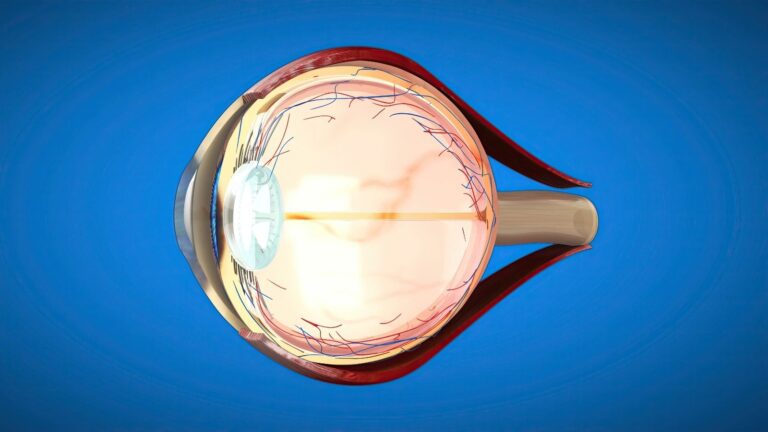
Ptosis is a condition in which the upper eyelid is positioned lower than normal. Drooping of the eyelid may be congenital or develop later due to ageing, trauma or certain diseases. Ptosis surgery costs may vary depending on the degree of drooping, the strength of the muscle that lifts the eyelid and the surgical method to be used. The choice of anaesthesia, medical materials used and whether the procedure is performed on one or both eyes also affect the treatment plan. Since every patient has a different eyelid structure and cause of drooping, the same surgical method is not used for everyone. The scope of the operation is determined after a detailed eye examination and the necessary measurements.
Causes of Drooping Eyelids
When the drooping eyelid first developed is important when determining the treatment. In congenital ptosis, there may be differences in the structure or function of the muscle that lifts the eyelid. Different surgical techniques may need to be considered when the muscle is not sufficiently strong. In cases that develop at an older age, the connective tissue attached to the muscle that lifts the eyelid may become loose. Trauma, previous eye surgery and certain neurological diseases may also cause drooping of the eyelid. Therefore, treatment planning should investigate the cause of the drooping rather than focusing solely on the appearance of the eyelid.
Congenital drooping of the eyelid may affect visual development in some children. The assessment process may be planned differently if the eyelid obstructs the field of vision. In acquired cases of ptosis, the duration of the condition and other eye findings are important. A detailed assessment may be required, particularly if sudden drooping is accompanied by double vision or changes in the pupil. Since not every case of drooping has the same cause, the treatment approach also varies. Drooping eyelid surgery should be planned according to the underlying cause and examination findings.
Preoperative Examination and Measurements
Before ptosis surgery, the position and movements of the eyelid are assessed in detail. Millimetric measurements are used to examine how effectively the muscle that lifts the eyelid functions. The position of the eyelid relative to the pupil and light reflex is also assessed. The condition of the ocular surface and tear volume are important for postoperative recovery. Eye movements and the functions of the other eye muscles are also checked when necessary. The main preoperative assessments include:
- Measuring the function of the muscle that lifts the eyelid.
- Assessing the distance between the eyelid and the light reflex.
- Examining tear volume and the ocular surface.
- Assessing the opening and closing movements of the eyelid.
- Checking eye movements and eye muscles.
- Assessing the visual field when necessary.
The surgical method used in patients with sufficient muscle strength may differ from the method used when the muscle is significantly weak. Eyelid closure should also be considered during surgical planning. Raising the eyelid excessively may cause problems with protecting the ocular surface. Therefore, the surgical plan is not based solely on correcting the drooping. The ocular surface, tear film and eyelid movements are assessed together. The examination findings help determine the scope of treatment that may affect ptosis surgery costs.
Methods Used in Ptosis Surgery
Ptosis treatment is planned according to the degree of eyelid drooping and the strength of the muscle that lifts the eyelid. For mild drooping, surgical methods performed from the inner surface of the eyelid may be considered in suitable patients. In moderate cases, the muscle that lifts the eyelid or its connective tissue may need to be repaired. When the muscle is significantly weak, suspension methods supported by the forehead muscle may be considered. Each method differs in how it is performed and the materials used. The main methods considered during surgical planning include:
- Surgical methods performed from the inner surface of the eyelid.
- Repair of the muscle or connective tissue through the natural skin crease.
- Shortening or repositioning the muscle that lifts the eyelid.
- Suspension using support from the forehead muscle.
Procedures performed from inside the eyelid are not suitable for every patient. The degree of drooping and the function of the muscle must be appropriate. In external surgical procedures, the relevant tissues may be accessed through the eyelid's natural crease. The technique is selected according to the eyelid's movements and anatomical structure. It cannot be said that one method is more suitable than the others for every patient. The treatment decision should be based on a detailed examination and individual needs.
Suspension Method and Materials Used
The frontalis suspension method may be considered when the muscle that lifts the eyelid is not sufficiently strong. This method aims to use the forehead muscle to support eyelid movement. The patient's own tissue or suitable medical materials may be used for the suspension. Fascia tissue taken from the patient's thigh may be preferred in some cases. In other cases, silicone or different synthetic suspension materials may be considered. The main materials that may be used for suspension include:
- Fascia tissue taken from the patient's thigh.
- Silicone suspension materials.
- Suitable synthetic surgical materials.
When the patient's own tissue is used, an additional surgical area may need to be prepared. This may change the scope and duration of the operation. The use of silicone or synthetic materials is assessed according to the patient's age, eyelid structure and surgical needs. Each material may have different indications and follow-up requirements. The suitability of the suspension method is determined particularly according to the strength of the muscle that lifts the eyelid. The material and surgical technique used are among the factors affecting the planning of drooping eyelid surgery.
Difference Between Ptosis and Blepharoplasty
Ptosis surgery and cosmetic eyelid surgery are not the same surgical procedure. The primary aim of ptosis treatment is to assess the position of the drooping eyelid and the function of the muscle that lifts it. Blepharoplasty generally involves the removal or adjustment of excess skin or fatty tissue in the eyelid. Some patients may have both drooping of the eyelid and excess upper eyelid skin. In such cases, both procedures may need to be considered during the same session. However, an additional cosmetic procedure is not required for every drooping eyelid.
Excess eyelid skin may sometimes be mistaken for ptosis. Therefore, the examination should determine whether the drooping is caused by the eyelid muscle or excess skin. Some patients may have both conditions at the same time. The surgical plan is prepared by considering eyelid movement, skin structure and the visual field. Whether an additional procedure is required is assessed according to the patient's medical condition. When the scope of treatment expands, the duration of the operation and the materials used may also change.
How Is the Anaesthesia Method Determined?
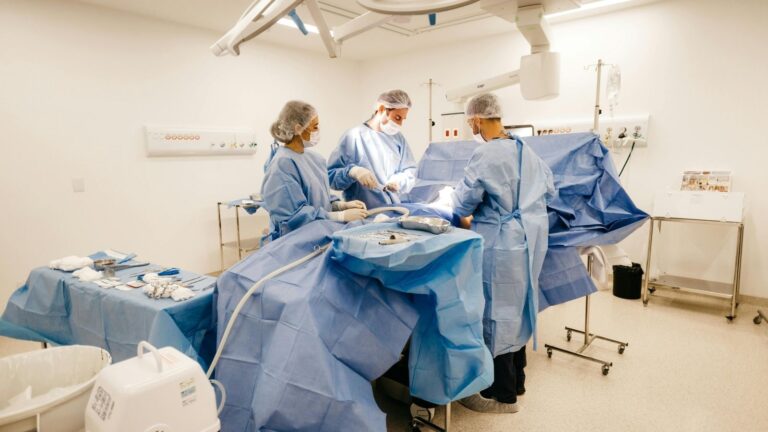
The anaesthesia method used in ptosis surgery is determined according to the patient's age and the surgical technique. Local anaesthesia may be preferred for adult patients when appropriate. During local anaesthesia, the tissues surrounding the eye are numbed before the surgical procedure is performed. Additional sedation methods may also be considered for some patients. General anaesthesia may be required for children or patients who are unsuitable for local anaesthesia. The method should be selected according to the patient's health and the surgical plan.
If general anaesthesia is used, an assessment by an anaesthetist and the necessary preparations are required. The medications used and the postoperative follow-up plan may vary according to the anaesthesia method. Whether the patient can be discharged on the same day also depends on their individual health condition. Local or general anaesthesia is not equally suitable for everyone. The choice of anaesthesia should not be based solely on the duration of the operation. The patient's age, additional medical conditions and the scope of the procedure should be assessed together.
Planning for One or Both Eyes
Drooping of the eyelid may occur in one eye in some patients and in both eyes in others. The degree of drooping may differ between the two eyelids. Therefore, separate measurements are required for the right and left eyes. Whether both eyes are operated on during the same session or at different times is planned according to the examination findings. Assessing both eyelids together is important for comparing their positions. However, surgery on both eyes at the same time is not necessary for every patient.
Surgery on one or both eyes may change the surgical materials used and the duration of the procedure. Eyelid structure and muscle strength may differ between the right and left sides. In some cases, a different surgical method may be preferred for one eye. Eyelid closure and ocular surface health are also considered when preparing the surgical plan. Recovery does not progress in the same way for every patient. Therefore, the timing of the procedure should be determined according to individual needs.
Physician Experience and Postoperative Period
Millimetric measurements and the assessment of eyelid movements are important in eyelid surgery. The physician's experience in eyelid disorders and oculoplastic surgery may help determine the appropriate treatment method. Eyelid height, muscle strength and eyelid closure are assessed together during surgical planning. However, a particular outcome cannot be guaranteed with any surgical procedure. Swelling, temporary asymmetry or difficulty closing the eyelid may occur after surgery. Additional follow-up or a different surgical assessment may be planned when necessary.
The operating room conditions, sterilisation practices and medical materials used by the healthcare facility are also parts of the treatment plan. The scope of the operation varies according to the patient's eyelid structure and the selected surgical method. The cause and degree of drooping must first be determined before ptosis surgery costs can be assessed. The anaesthesia method, planning for one or both eyes and materials to be used are also assessed separately. The appropriate treatment approach is determined following a detailed examination. You can contact me using the contact information on my website to arrange an examination.