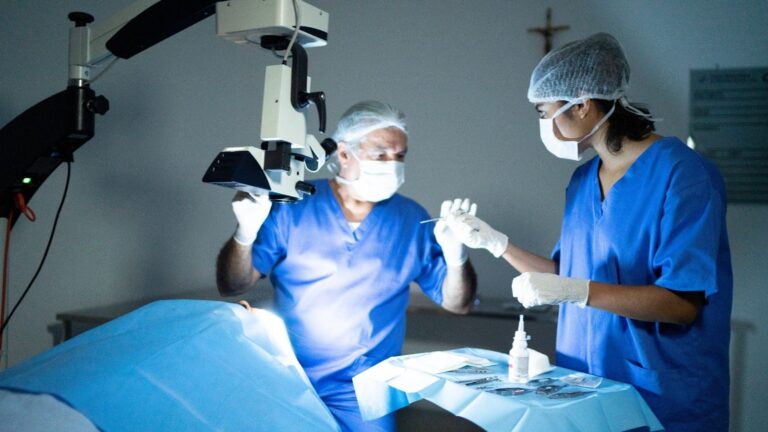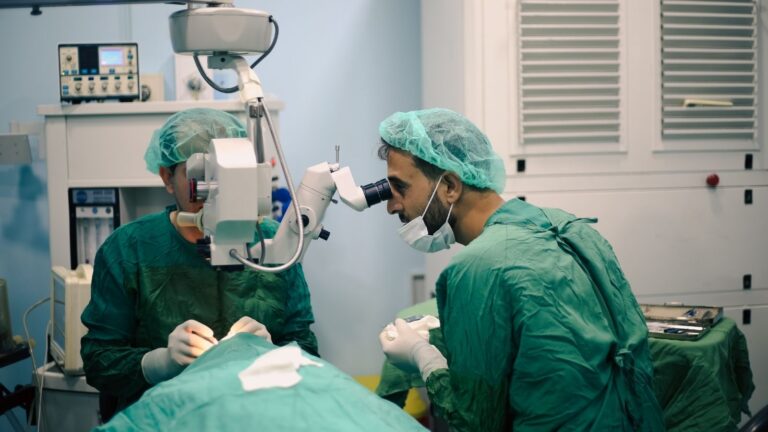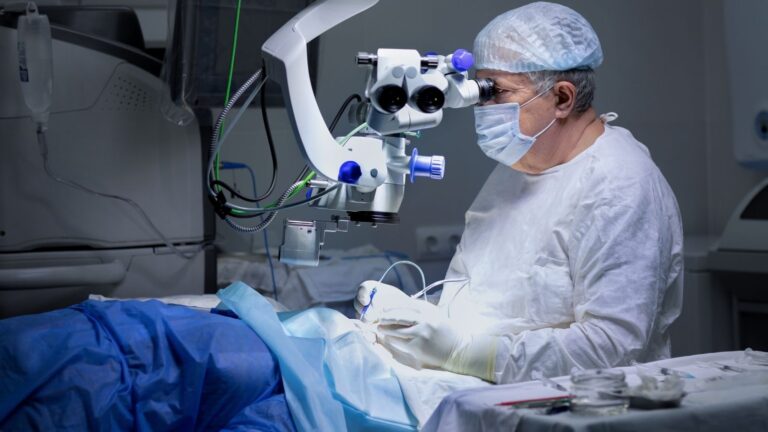
Refractive errors are visual disorders that occur as a result of the eye's corneal and lens structure failing to focus light correctly onto the retina. Refractive errors include myopia, hyperopia, astigmatism, and age-related near-vision difficulty, presbyopia. These conditions can cause blurred vision, eye strain, headaches, and difficulty focusing. Eyeglasses and contact lenses are non-surgical fundamental correction options. In suitable adults, corneal laser or intraocular lens applications may also be evaluated. The choice of treatment is made based on prescription strength, corneal structure, age, and coexisting eye diseases. No single method is suitable for all patients, and no absolute guarantee can be given regarding visual outcomes.
How Do Refractive Errors Occur?
The cornea and natural lens in the front part of the eye focus light onto a specific point on the retina. When the length of the eye and the refractive power of these structures are not compatible, the image is not formed clearly. In myopia, light tends to focus in front of the retina, whereas in hyperopia, it focuses behind it. In astigmatism, irregularity in the curvature of the cornea or lens leads to light gathering at different points. Presbyopia is associated with the gradual decline in the natural lens's ability to focus at near distances over time. Genetic predisposition, age, eye growth, and prolonged near work can influence these conditions. The cause of the refractive error should be determined through a comprehensive eye exam.
Myopia, Hyperopia, and Astigmatism
While myopia causes distant objects to appear blurry, near vision may be better. In hyperopia, focusing at near distances can become difficult, though high degrees can also affect distance vision. Astigmatism can cause complaints similar to shadowed, distorted, or double vision at both near and far distances. These errors can occur individually or coexist in the same eye. In children, uncorrected significant refractive errors can negatively affect visual development. In high myopia, retinal issues must be evaluated separately. Eyeglasses, contact lenses, and appropriate surgical options are determined based on individual examination findings.
How Does Presbyopia Affect Near Vision?
Presbyopia is near-focusing difficulty arising from the reduced flexibility of the eye's natural lens. The need to hold reading material further away and eye strain during near tasks may be observed. Reading glasses, progressive lenses, and suitable contact lenses can help reduce complaints. In some patients, a monovision approach or different intraocular lens options may be evaluated. However, laser procedures that correct distance vision do not entirely halt the age-related changes of the natural lens. Multifocal lenses may not be suitable for everyone and can create visual effects such as halos around lights. When planning treatment, a person's reading habits, driving, and retinal health are evaluated together.
What Are the Symptoms of Refractive Errors?
Refractive errors can be noticed as an inability to make out distant signs or difficulty reading nearby text. Headaches, squinting, and eye fatigue during prolonged work are common complaints. In astigmatism, images may be perceived as shadowed or scattered. In children, moving closer to the television, inability to see the board at school, and distractibility can occur. Fluctuations in vision throughout the day may stem not only from prescription changes but also from dry eye or blood sugar fluctuations. Sudden vision loss, light flashes, and newly developing dense floaters may suggest problems other than refractive errors. The source of symptoms should be investigated through evaluation of the cornea, lens, and retina.
Eyeglasses and Contact Lens Treatment
Eyeglasses are a fundamental correction method that helps focus light more appropriately onto the retina. Different lens designs can be used for myopia, hyperopia, astigmatism, and presbyopia. Contact lenses, on the other hand, sit on the corneal surface to correct the refractive error without using glasses. Soft, rigid gas-permeable, toric, or multifocal lenses are evaluated based on personal needs. Improper use of lenses, lack of hygiene, and sleeping with lenses can increase the risk of corneal infections. Contact lens tolerance may be limited in individuals with dry eye or significant allergies. Using glasses or lenses does not make surgical treatment of the refractive error mandatory.
Laser Treatment for Vision Errors
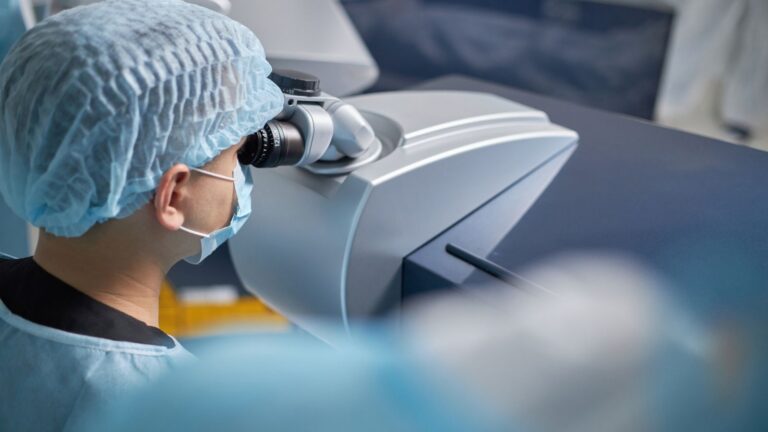
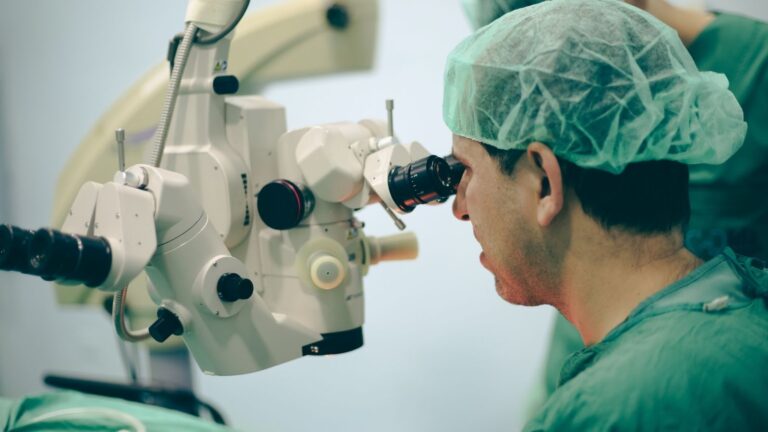
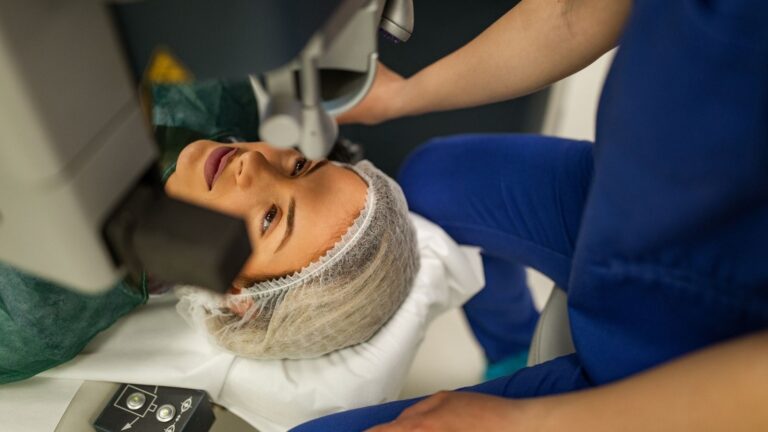
Laser treatment for vision errors aims to focus light more appropriately onto the retina by reshaping the cornea. It can be evaluated for suitable patients at certain degrees of myopia, hyperopia, and astigmatism. In surgical decision-making, not only the prescription number but also the corneal map and the amount of residual tissue remaining after the procedure are important. Laser methods do not alter the natural eye lens and do not completely eliminate the age-related need for near vision. The same laser technique cannot be used for every ocular anatomy. Although a reduced need for glasses is possible after the procedure, a low prescription may persist in some individuals. Results vary depending on corneal structure, healing characteristics, and initial refractive error.
Differences Between LASIK, PRK, and SMILE
LASIK, PRK, and SMILE are refractive surgery methods that reshape the corneal structure using different techniques. In the LASIK procedure, a thin flap is created on the cornea and the underlying tissue is shaped with a laser. In PRK and TransPRK methods, the procedure is performed from the corneal surface without flap creation. In the SMILE method, a small tissue piece inside the cornea is removed through a limited incision. Recovery time, early-period discomfort, and potential complications can differ among methods. Corneal thickness, dry eye, prescription number, and lifestyle are taken into account during selection. No single technique is unconditionally superior to others for all patients.
Phakic Intraocular Lens Applications
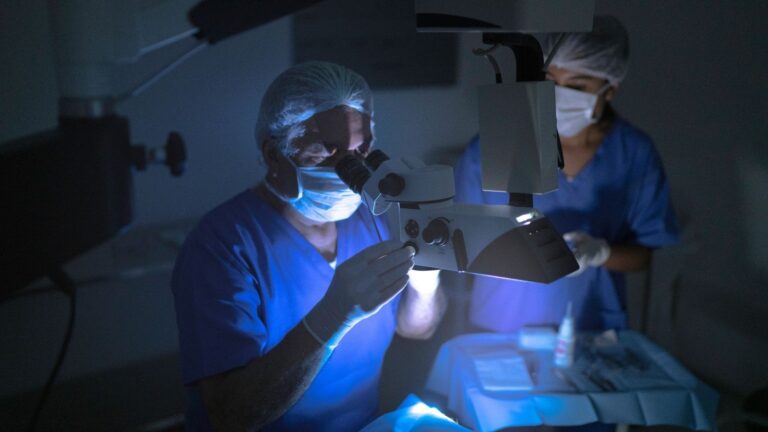
A phakic intraocular lens is an artificial lens placed inside the eye while leaving the natural lens in place. It can be evaluated in selected patients where corneal laser is not suitable or the prescription is high. Suitability of the lens is determined by anterior chamber depth and the status of corneal endothelial cells. In patients with astigmatism, toric lens options may also come to the fore. Because the procedure is intraocular surgery, it carries risks such as infection, intraocular pressure elevation, and cataracts. Follow-up may be required to evaluate lens position, eye pressure, and endothelial cells. This method is not suitable for every high myopia patient.
Cataract and Lens Exchange
Removal of the natural eye lens and placement of an artificial lens can be evaluated in patients with cataracts or in selected refractive error cases. While monofocal lenses aim to focus at a specific distance, multifocal lenses can support vision at multiple distances. Procedures commonly referred to as smart lenses do not provide the same visual result in every patient. Retinal disease, severe dry eye, and night driving requirements are important in lens selection. Halos, glare, or reduced contrast around lights can occur with multifocal lenses. Benefits and surgical risks of lens exchange in individuals without cataracts should be evaluated separately. Lens selection is personalized according to eye structure and daily vision needs.
Myopia Control in Children
Myopia progression in children can contribute to increasing prescription numbers and, in some individuals, the risk of retinal issues. Use of appropriate eyeglasses or contact lenses supports visual development. Low-dose atropine drops or specialized lenses for myopia control can be evaluated in selected cases. Increasing time spent outdoors and taking breaks during prolonged near work can be supportive. Atropine does not produce the same effect in every child and can cause side effects such as light sensitivity. Laser surgery in children is not applied as a routine myopia control method. The treatment plan is determined based on age, changes in prescription, and structural features of the eye.
How Are Orthokeratology Lenses Used?
Orthokeratology is the temporary reshaping of the corneal surface using specialized contact lenses worn during sleep. After removing the lens, glasses-free vision throughout the day can be supported in some patients. The effect is not permanent, and the cornea returns to its prior structure when usage is discontinued. Overnight lens wear can increase the risk of serious corneal infection when proper hygiene is not maintained. This method may not be suitable for individuals with dry eye, active infection, or corneal disease. When planning application in children, usage discipline and regular follow-up are important. Orthokeratology is not a surgical procedure and does not yield the same outcome in every degree of myopia.
Who Is Not Suitable for Laser Treatment?
Corneal laser may not be suitable for individuals with keratoconus, suspicious corneal topography, and insufficient tissue thickness. Suitability is not determined by looking at a single corneal thickness measurement alone. Severe dry eye, active infection, and uncontrolled ocular surface diseases must be treated first. Surgery is generally postponed in individuals whose prescription continues to change. Hormonal changes during pregnancy and lactation can affect measurement reliability. Personal risks are evaluated separately in patients with uncontrolled diabetes, active autoimmune disease, or glaucoma. Inability to undergo laser treatment does not mean that eyeglasses, contact lenses, or suitable intraocular lens options cannot be evaluated.
Which Evaluations Are Performed Prior to Treatment?
Prior to treatment, prescription, visual acuity, and the corneal surface are examined in detail. Corneal topography, tissue thickness, and pupil measurements assist in surgical planning. Dry eye, eyelid issues, and retinal health must also be evaluated. Individuals using contact lenses may need to discontinue lens use for a specified period prior to measurements. This duration varies based on lens type and corneal measurement results. In patients considered for intraocular lenses, anterior chamber depth and endothelial cell count are also examined. Potential benefits, limitations, and complications should be evaluated before deciding on treatment.
Possible Side Effects of Treatment
Following laser treatments, dry eye, stinging, light sensitivity, and temporary visual fluctuations may occur. Halos around lights at night, glare, or reduced contrast may persist longer in some patients. Under-correction, over-correction, and changes in prescription over time can create the need for additional treatment. Flap-related issues in LASIK and corneal healing-related haze in surface lasers can develop. In rare cases, corneal infection or ectasia (structural weakening of the cornea) may occur. Infection, cataracts, and elevated intraocular pressure are also evaluated in intraocular lens surgery. The level of side effects varies based on the applied method and individual eye anatomy.
Post-Treatment Recovery and Care
Recovery time differs depending on whether LASIK, PRK, SMILE, or intraocular lens applications were performed. Prescribed antibiotic, anti-inflammatory, or lubricating drops should be used as recommended. It is important not to rub the eye, to protect it from impacts, and to avoid contact with unsterilized water. Return to swimming, makeup, intense exercise, and contact lens wear is determined based on personal healing progress. Remaining in front of screens for long periods can increase dry eye complaints in the early period. Severe pain, increasing redness, or sudden vision decrease warrant prompt evaluation. Regular check-ups ensure monitoring of corneal healing and potential complications.
Will Vision Errors Recur?
Following laser or lens treatment, vision prescriptions may change again over time in some individuals. This condition can be related to natural changes in eye structure, corneal healing, or myopia progression. In individuals with a high initial prescription, the need for additional correction may vary. Age-related presbyopia can necessitate reading glasses even if distance vision was successfully corrected. Cataract development or other eye conditions can also affect visual quality later on. Not every prescription change implies that laser can be re-applied. Decision for additional treatment is made by re-examining corneal thickness and overall eye health.
Refractive Errors Treatment in Izmir
When planning treatment for refractive errors in Izmir, myopia, hyperopia, astigmatism, and presbyopia are evaluated separately. Ocular structure is taken into account when choosing among eyeglasses, contact lenses, corneal laser, or intraocular lenses. Suitability of LASIK, PRK, TransPRK, and SMILE methods is determined after detailed measurements. When there is a high prescription or corneal structure unsuitable for laser, different options can come to the fore. In children, priority is given to preserving visual development and monitoring myopia progression. When researching treatment for vision errors around Izmir and Konak, evaluation based on personal examination findings is important. The treatment method should be planned according to the person's age, daily needs, and eye health.
Refractive Errors Treatment Prices
Refractive errors treatment prices may vary depending on the chosen method and medical characteristics of the eye. Eyeglasses, contact lenses, laser surgery, and intraocular lens applications require different planning processes. Prescription number, corneal structure, and whether the procedure is planned for one or both eyes can affect the scope. Preoperative measurements and postoperative follow-up needs should also be evaluated. It is not possible to determine which method is suitable or provide personal pricing without an examination. Price information can be shared after the treatment plan is finalized. You can contact us via our website to get information about refractive errors and suitable treatment options for you.