
A trifocal lens is an artificial intraocular lens implanted after removal of the eye's natural lens and creates three focal zones for near, intermediate and distance vision. It is most commonly used during cataract surgery. In some people, it may also be preferred to assess age-related difficulty with near vision and refractive errors together. The main aim of trifocal lenses is to reduce the need for glasses during daily activities at different distances. However, the same visual quality should not be expected in every patient, nor should it be expected that glasses will be completely discontinued. Lens selection is based on a detailed eye examination and individual visual needs.
What Does a Trifocal Lens Do?
A trifocal intraocular lens is designed to support different needs such as looking into the distance, using a computer and reading. When the natural lens of the eye loses its transparency due to cataract, it is surgically removed. The trifocal lens is implanted during the same operation to replace the natural lens that has been removed. Its three different focal zones aim to support near, intermediate and distance vision. However, the performance of the lens may vary according to retinal health, corneal structure and any residual refractive error. The trifocal lens, one of the options commonly referred to as a smart lens, is not a suitable solution for everyone.
How Does a Trifocal Lens Work?
Trifocal lenses have a special optical structure that directs light entering the eye towards different focal zones. The distance focus aims to support everyday distance vision, the intermediate focus supports distances such as a computer screen, and the near focus supports tasks such as reading. Optical rings or similar structures on the lens play a role in distributing light. The visual system attempts to interpret the required information from the images produced by the different focal points. This way of working may cause effects such as halos, glare or reduced contrast in some people. Therefore, a trifocal structure does not mean perfect vision at every distance and in every lighting condition.
Differences Between Trifocal and Other Lenses
Monofocal lenses generally support vision at a selected distance. Bifocal lenses usually create two focal zones for distance and near vision. Trifocal lenses also target intermediate vision in addition to these two distances. EDOF lenses offer a different optical approach, particularly for distance and intermediate vision, by extending the depth of focus. With some EDOF lenses, glasses may still be needed for reading at near distances. The appropriate lens type varies according to the person's occupation, daily habits, eye health and visual expectations.
When Is a Trifocal Lens Used?
Trifocal lenses are most commonly considered for people planning to undergo cataract surgery. Cataract is a vision problem that occurs when the natural lens of the eye loses its transparency. During surgery, the cloudy lens is removed and replaced with an intraocular lens. Trifocal options may be considered for people who wish to reduce the use of glasses for distance, intermediate and near vision. Individual needs are also important when selecting a lens for patients experiencing difficulty with near vision due to presbyopia. Suitability is determined by examining all structures of the eye, not solely according to the refractive error.
Can a Trifocal Lens Be Implanted Without a Cataract?
In some people, a trifocal lens may be considered as part of refractive lens exchange even if a cataract has not developed. In this procedure, the natural lens of the eye is removed and replaced with an artificial lens. The aim may be to assess difficulty with near vision and certain refractive errors together. However, removal of the natural lens is an irreversible procedure. The risks of infection, retinal problems and other risks specific to intraocular surgery must also be assessed. Therefore, the decision must be made by comparing the expected benefits and possible disadvantages on an individual basis.
Who Is Suitable for a Trifocal Lens?
A trifocal lens may be considered for people who wish to reduce the use of glasses at different distances and whose eye structure is suitable. It is important that the corneal surface is regular and retinal health is considered adequate. The condition of the optic nerve and tear film are also included in the selection process. The person's computer use, reading habits and frequency of driving at night are assessed in detail. Realistic expectations are required regarding possible halos, glare and the adaptation process after surgery. Different lens options may be suitable for two people of the same age or with similar prescriptions.
When Is a Trifocal Lens Not Recommended?
Advanced macular disease, marked diabetic retinal problems or glaucoma with optic nerve damage may limit the use of trifocal lenses. Keratoconus, irregular astigmatism and marked disorders of the corneal surface may also affect image quality. Uncontrolled dry eye may reduce the accuracy of preoperative measurements. Problems with the capsule in which the lens is placed and the supporting tissues must also be assessed. Other lens designs may be preferred for people who drive frequently at night or have an occupation requiring high contrast in low light. Each of these conditions is assessed by considering the severity of the condition and individual visual needs.
Toric Trifocal Lenses for Astigmatism
For people with regular astigmatism caused by the corneal structure, a toric trifocal lens may be considered. This lens aims to support three different viewing distances while also helping to correct astigmatism. Detailed corneal measurements are required to determine suitability. The amount and axis of astigmatism and whether it is regular are important during the selection process. Positioning the lens inside the eye on the planned axis affects the visual outcome. Not every type of astigmatism is suitable for a toric trifocal lens, and a different approach may be required in some eyes.
Can People Who Have Previously Had Laser Surgery Receive a Lens?
The refractive characteristics of the cornea may have changed in people who have undergone laser surgery such as LASIK or PRK. This may make it more difficult to calculate the power of the intraocular lens and predict the visual outcome after surgery. Previous laser treatment does not always prevent the use of a trifocal lens. However, corneal topography, optical irregularities and records of the previous surgery must be carefully examined. The possibility of reduced contrast or light scatter may be more pronounced in some patients. Therefore, the appropriate lens is selected by assessing corneal quality and individual expectations together.
How Should You Prepare for Trifocal Lens Surgery?
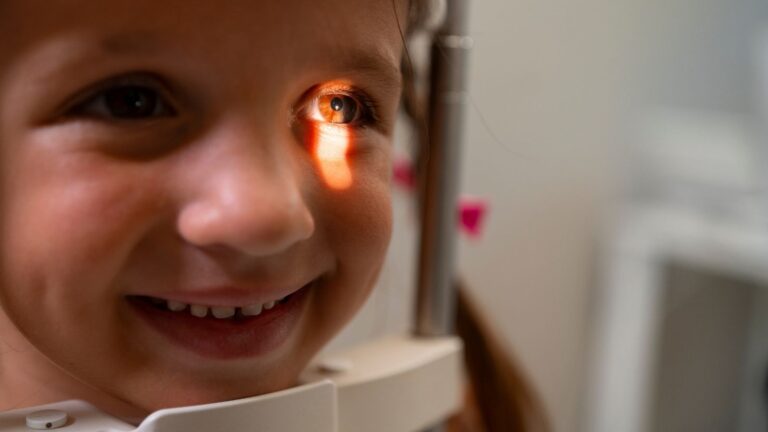
The general structure of the eye is examined in detail before surgery. Biometric measurements, corneal curvature, the length of the eye and the amount of astigmatism help determine lens power. Corneal topography or tomography is valuable for detecting surface irregularities. Examination of the retina and macula may be supported with optical coherence tomography when necessary. If dry eye is detected, ocular surface treatment may be planned first to improve the reliability of the measurements. Night vision expectations, medicines being used and accompanying conditions are also assessed when planning surgery.
How Is Trifocal Lens Surgery Performed?
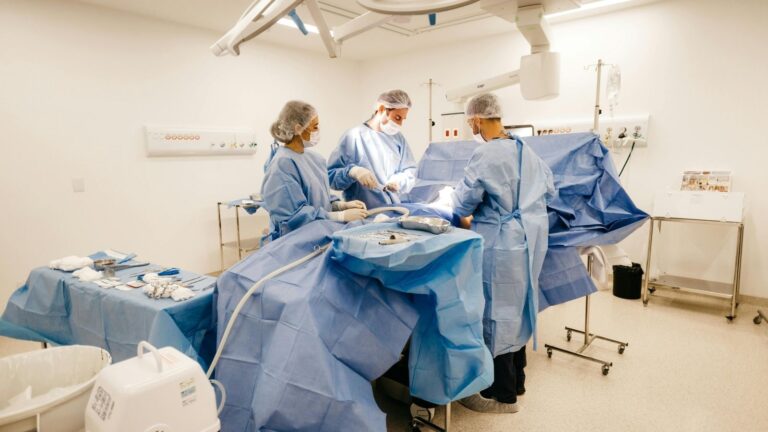
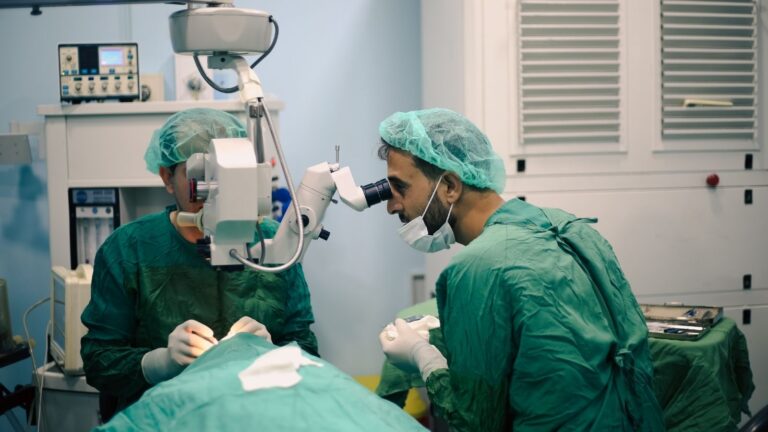
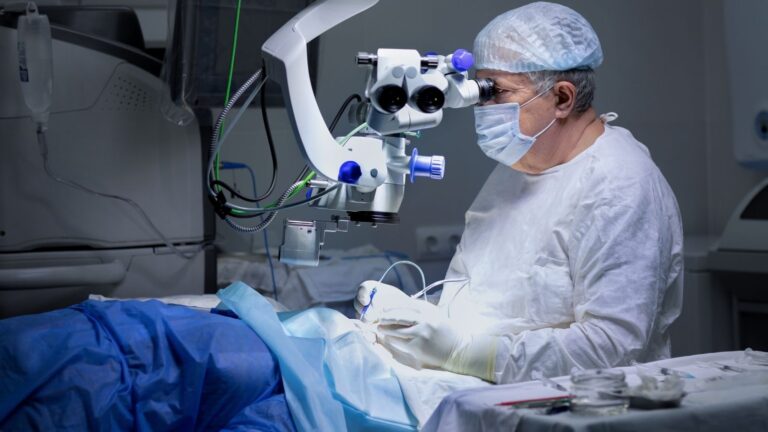
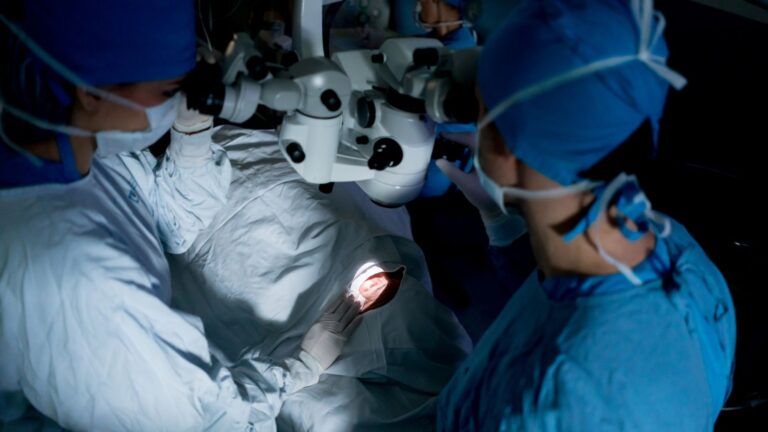
Trifocal lens surgery involves removing the natural lens of the eye and implanting a trifocal intraocular lens in its place. The procedure is generally planned under topical or local anaesthesia. The lens affected by cataract is usually broken up and removed using ultrasound energy in the phacoemulsification method. A foldable intraocular lens is then implanted in the natural lens capsule where appropriate. If a lens with a toric design has been selected, it is positioned according to the axis of astigmatism. The duration of surgery, the method used and the planning between the two eyes may vary according to the person's clinical condition.
Is Trifocal Lens Surgery Performed with a Laser?
Trifocal lens surgery is not directly a laser vision correction procedure. The basic procedure involves removing the natural lens of the eye and implanting an artificial lens inside the eye. Phacoemulsification is frequently used in cataract surgery. This method uses ultrasound energy to break up the natural lens. Femtosecond laser assistance may be considered for certain stages of surgery in some patients. However, it is not accurate to say that every trifocal lens operation is performed with a laser.
Advantages and Limitations of Trifocal Lenses
Trifocal lenses may help suitable patients meet their visual needs at near, intermediate and far distances. The aim is to reduce the frequency of glasses use in daily life. However, reduced contrast in low light and halos around lights may occur. The quality of vision provided by the lens is related to the person's eye structure and the accuracy of preoperative measurements. Some people may continue to use glasses at certain distances or when reading small print. Therefore, the potential benefits and limitations of the treatment must be assessed together.
Halos, Glare and Night Vision
The distribution of light across three focal zones by trifocal lenses may cause visual side effects in some people. Seeing rings around light sources is described as halos. Uncomfortable scattering from headlights or streetlights may be experienced as glare. These symptoms may become more noticeable, particularly when driving at night or in dimly lit environments. Although the symptoms may decrease over time, it cannot be said that they will disappear completely in everyone. For people whose night vision is important for their occupation, lens selection must take these possibilities into account.
Possible Risks of Trifocal Lens Surgery
Trifocal lens implantation carries the medical risks seen with other intraocular operations. Infection, intraocular inflammation, corneal oedema and changes in intraocular pressure may develop. Macular oedema, retinal tears and retinal detachment are also possibilities that must be considered. Decentration of the lens, a change in the axis of a toric lens or an unexpected refractive error may affect vision. The condition of the retina must be assessed separately in people with high myopia. Prompt assessment is required if severe pain, increasing redness, sudden vision loss, flashes of light or the sensation of a curtain in the field of vision occurs.
When Does Vision Improve After Surgery?
The time required for vision to recover varies according to the structure of the eye and healing after surgery. Mild blurred vision, sensitivity to light or fluctuations in vision may occur during the initial period. Corneal oedema and dryness of the ocular surface may affect these symptoms. Some people quickly achieve vision that makes daily activities easier, while adaptation may take longer in other patients. Beginning to use both eyes together may also change the visual experience. It is not accurate to say that definite and complete clarity will be achieved within a specific period.
Adaptation to a Trifocal Lens
The process by which the visual system becomes accustomed to interpreting the images produced by a trifocal lens is called neuroadaptation. This process does not progress at the same rate in every person. During the initial period, halos around lights or transitions between different distances may be felt more noticeably. Dry eye, residual astigmatism and the position of the lens may affect adaptation. If visual symptoms persist, it is important to assess the underlying causes instead of simply waiting. Neuroadaptation does not mean that all symptoms will necessarily disappear.
Will Glasses Be Needed After Surgery?
Trifocal lenses are designed to reduce the need for glasses. Nevertheless, it cannot be said that every patient will see without glasses under all conditions after surgery. Glasses may be needed for very small print, reading in low light or prolonged near work. Residual astigmatism and other refractive errors may also create a need for additional correction. The optical characteristics of the lens and individual expectations directly affect the outcome. Clearly assessing the possibility of needing glasses before surgery helps create a realistic plan.
Care After Trifocal Lens Surgery
It is important to use the recommended eye drops appropriately after surgery. The eye must not be rubbed and should be protected from impact. The timing of returning to swimming pools, dirty water, strenuous exercise and eye make-up is determined according to individual healing. Intraocular pressure, lens position and the progress of vision are assessed during follow-up examinations. Sunglasses may be considered appropriate for people who experience sensitivity to light. If increasing pain, marked redness or a sudden reduction in vision occurs, the patient should not wait until the scheduled follow-up date.
What Happens If Blurred Vision Develops Later?
Blurred vision that develops after surgery may have different causes. Dry eye, residual refractive error or changes in the position of the lens may affect image quality. At a later stage, the capsule behind the lens may become cloudy. This does not mean that the cataract has returned. If posterior capsule opacification is detected, YAG laser capsulotomy may be considered in suitable patients. If vision decreases, treatment must be determined according to the cause of the problem.
Trifocal Lens Surgery in Izmir
When planning trifocal lens surgery in Izmir, the patient's eye health and daily visual needs are assessed together. The condition of the cataract, corneal measurements, retinal health and astigmatism affect lens selection. The person's expectations and possible visual side effects may be discussed during an examination performed by Assoc. Prof. Berkay Akmaz in Konak. It is not appropriate to use the same lens for every patient. A trifocal lens may be considered for some people, while toric, EDOF or monofocal lenses may be preferred for others. The decision to proceed must be based on examination findings and individual needs.
Trifocal Lens Surgery Prices
Trifocal lens surgery prices may vary according to the characteristics of the selected lens and individual surgical planning. The need for a toric lens to correct astigmatism may affect the assessment. Whether the procedure is performed on one or both eyes is also considered during planning. The necessary tests, accompanying eye conditions and the surgical method to be used are also assessed. It is not accurate to provide a single fee applicable to everyone without an examination. You can contact us through the website for information about trifocal lens options and the assessment process.