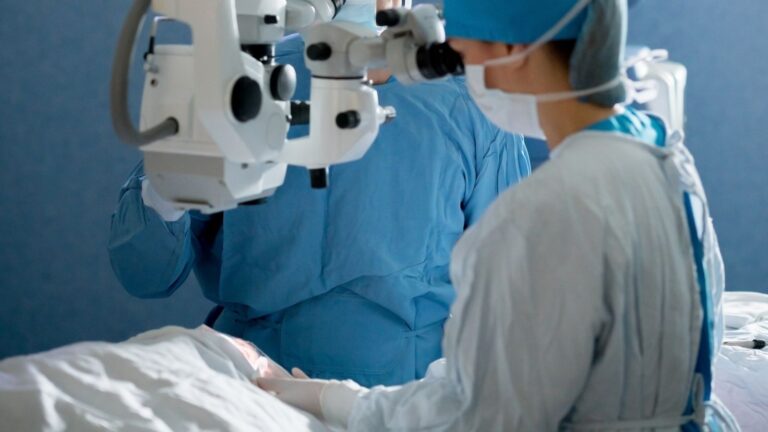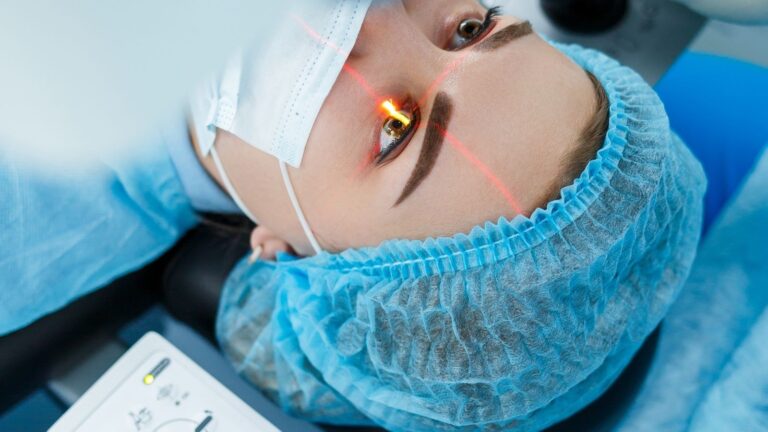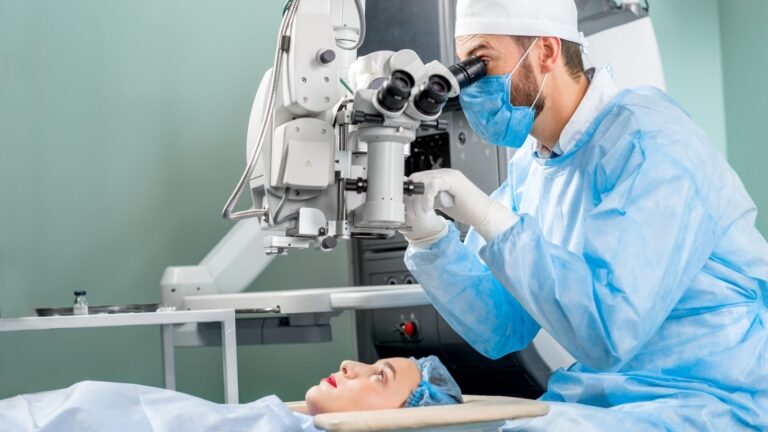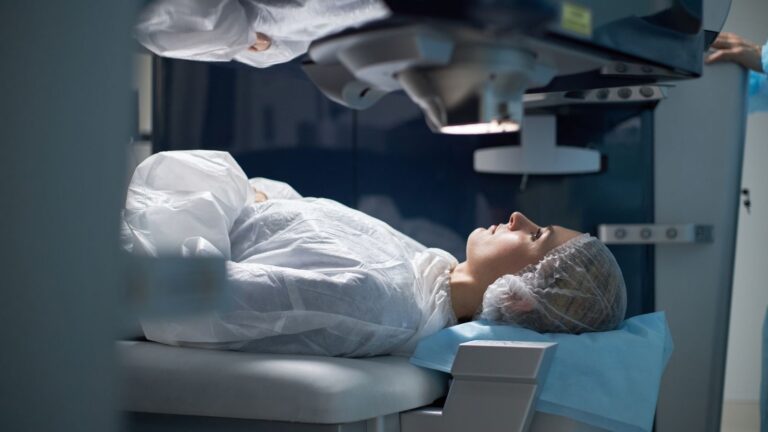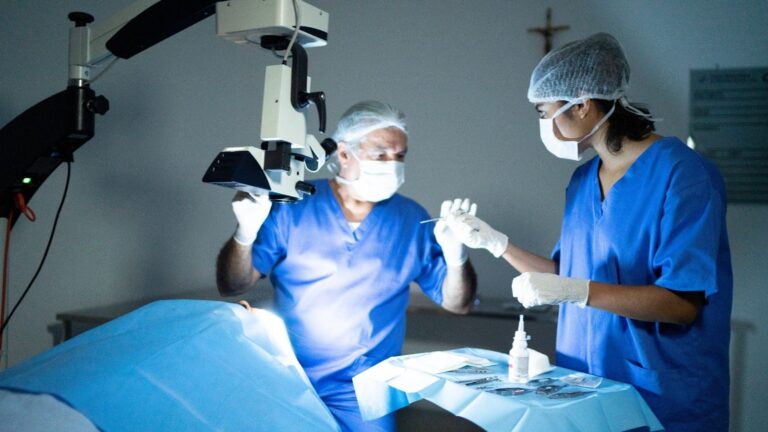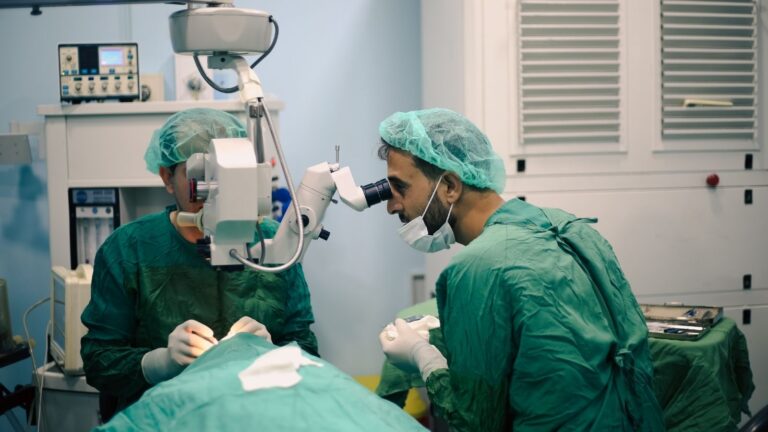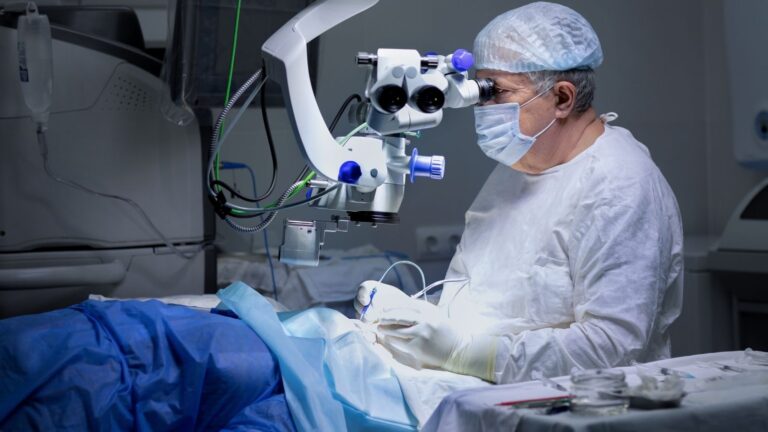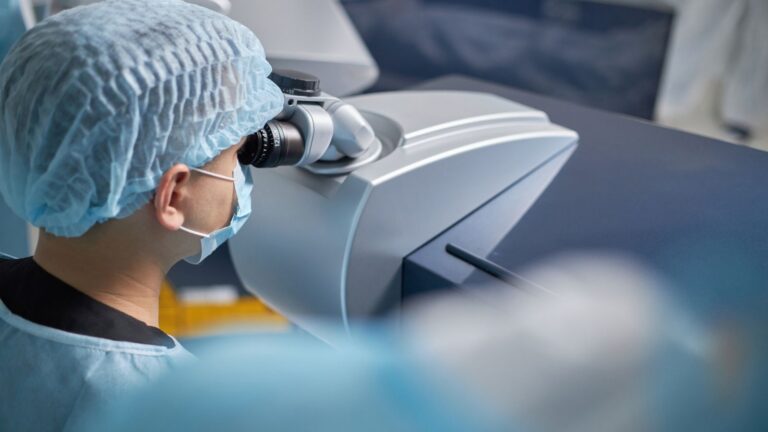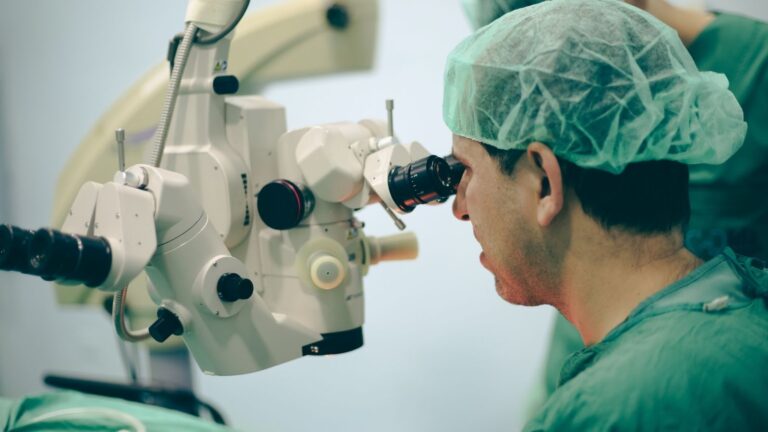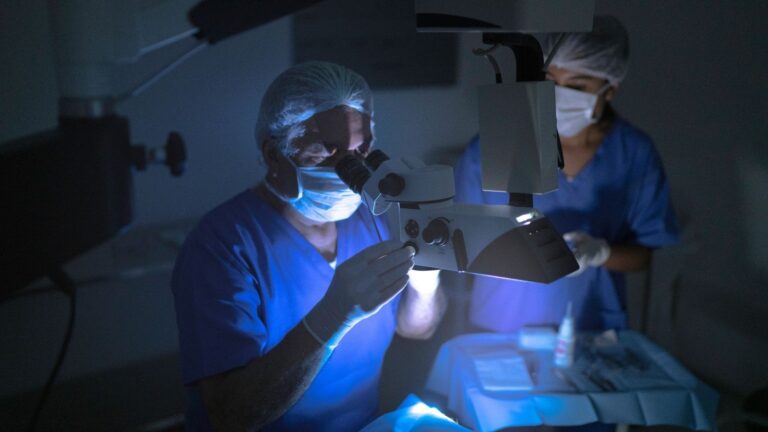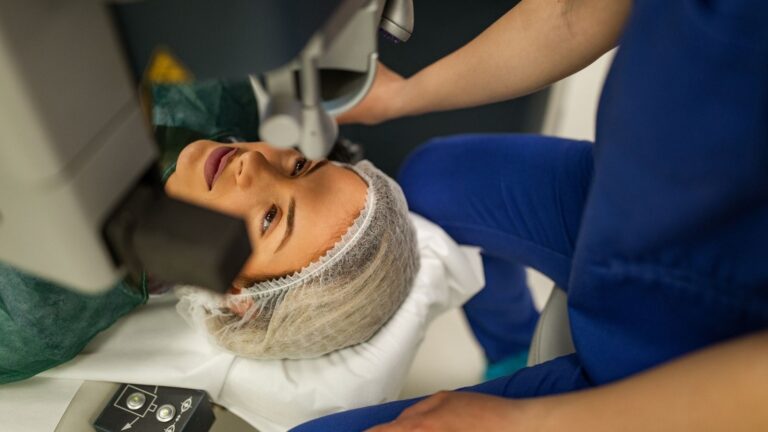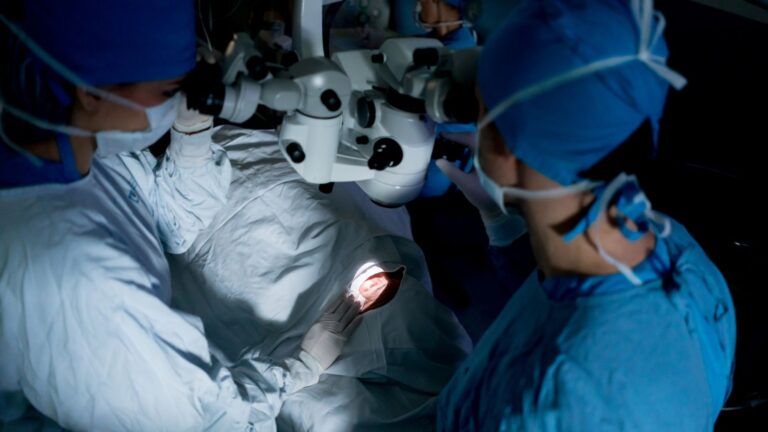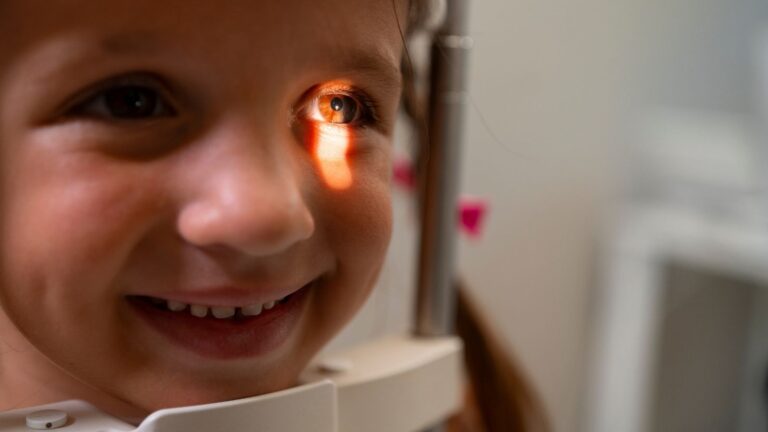
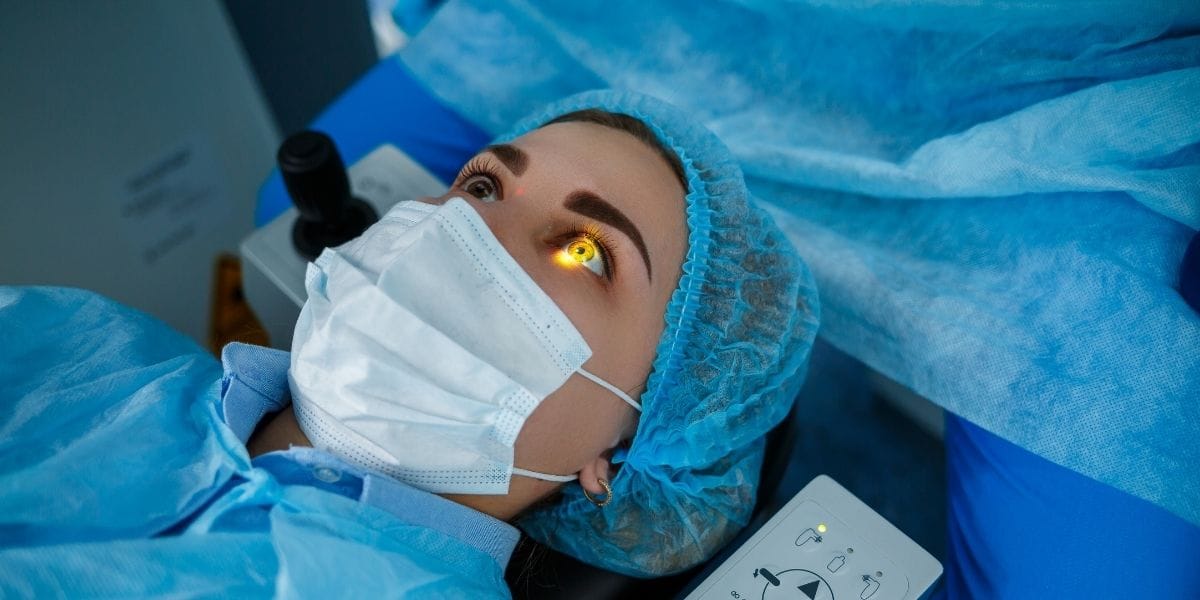
LASIK eye surgery is a treatment for refractive errors based on reshaping the transparent corneal tissue at the front of the eye with a laser. It may be performed in suitable patients with myopia, hyperopia or astigmatism to reduce the need for glasses or contact lenses. During the procedure, a thin flap is created in the cornea and the underlying tissue is reshaped with an excimer laser. The flap is then repositioned. Surgical planning takes into account the thickness, shape and biomechanical properties of the cornea as well as the eye prescription. Since every patient's eye structure is different, results and recovery may vary from person to person.
What Is LASIK Eye Surgery?
LASIK is one of the laser surgery methods intended to change the way the cornea refracts light. A thin flap prepared on the corneal surface is lifted to access the underlying tissue. The excimer laser removes a controlled amount of corneal tissue according to the existing refractive error. This aims to help light focus more appropriately on the retina. After the procedure, the flap is repositioned and sutures are generally not used. Suitability for the procedure is determined following a detailed eye examination and corneal measurements.
Which Vision Problems Can LASIK Treat?
LASIK may be considered for the treatment of refractive errors such as myopia, hyperopia and astigmatism. For myopia, the aim is to improve distance vision by making the centre of the cornea flatter. For hyperopia, a different laser profile is used to alter the refractive power of the cornea. For astigmatism, the aim is to correct the difference in refraction between the meridians of the cornea. Not every prescription level is suitable for LASIK. The decision is based not only on the prescription but also on how much corneal tissue can be removed and the overall health of the eye.
How Is Suitability for LASIK Determined?
When LASIK is planned, the eye prescription is expected to have remained stable for a certain period. Corneal thickness, maps of the anterior and posterior surfaces, tear film status and pupil characteristics are examined. Intraocular pressure is measured and the retina is assessed. Previous eye operations, medications used and systemic diseases are also taken into account. In people with high myopia, structural risks in the posterior part of the eye are assessed separately. Suitability is not determined by a single measurement or by age alone.
Why Is Corneal Mapping Important?
Corneal topography and tomography show the shape of the cornea and its thickness in different areas in detail. These examinations help identify problems such as keratoconus or irregular corneal thinning. The amount of corneal tissue that will remain after laser treatment is an important part of surgical planning. However, a safe assessment cannot be reduced to a specific thickness value alone. The shape of the cornea, the amount of tissue to be removed and its structural strength should be assessed together. If unsuitable measurements are identified, different treatment options may be considered.
How Is LASIK Eye Surgery Performed?
Before LASIK eye surgery, the ocular surface is numbed with anaesthetic eye drops. A device is placed to keep the eyelids open. A thin flap is created in the cornea with a microkeratome or femtosecond laser. After the flap is lifted, the excimer laser reshapes the corneal tissue according to the patient's measurements. Once the procedure is complete, the flap is repositioned and its position is checked. The duration of surgery may vary depending on the technology used and the structure of the eye.
What Is Femto LASIK?
Femto LASIK is a LASIK method in which the corneal flap is prepared with a femtosecond laser instead of a mechanical microkeratome. After the flap has been created, an excimer laser is again used to correct the refractive error. This approach may also be known by different commercial names on certain platforms. The use of a femtosecond laser does not mean that the method is suitable for every patient. Corneal structure, tear film status and surgical planning remain determining factors. The technique to be used is selected according to the examination findings.
Customised LASIK Treatments
In some LASIK treatments, the laser plan may be adjusted according to the optical characteristics of the eye or the corneal surface map. Wavefront measurements help assess certain irregularities in the optical system of the eye. In topography-guided treatments, the surface characteristics of the cornea are included in the treatment plan. These methods are not used in the same way for every eye. The quality of the measurements, the structure of the cornea and the existing refractive error determine which approach is suitable. Customised planning does not mean that night vision problems or other complications will definitely be prevented.
Who Is Suitable for Monovision LASIK?
With the monovision approach, one eye may be planned to contribute to distance vision and the other to near vision. This option may be considered for some patients with age-related difficulty seeing at close range. However, not everyone can adapt to the difference in focus created between the two eyes. Depth perception, night vision or the quality of binocular vision may be affected. In suitable patients, adaptation may be assessed with a contact lens trial before surgery. Monovision is not a treatment that stops age-related changes in the natural lens of the eye.
Who Cannot Have LASIK Surgery?
LASIK may not be suitable for people with keratoconus, pronounced corneal irregularity or insufficient corneal tissue. Uncontrolled dry eye and active eye infections should also be assessed before the procedure. Surgery is generally postponed during pregnancy and breastfeeding because the eye prescription may change. Uncontrolled diabetes or certain immune system disorders may affect wound healing. For people with cataracts, glaucoma or retinal diseases, the decision is based on the status of the existing condition. Having difficulty with near vision or being above a certain age is not an absolute barrier on its own.
What Should Be Considered Before Surgery?
Since contact lenses can temporarily alter the shape of the cornea, their use may need to be discontinued before measurements are taken. The length of this period is determined according to the type of lens and the characteristics of the cornea. If there is an active infection around the eye or eyelid inflammation, this condition is treated first. Medications used, dry eye symptoms and previous eye surgery should be disclosed during the assessment. Patients may be asked not to apply make-up or heavy cosmetic products around the eyes on the day of surgery. Since temporary blurred vision may occur after the procedure, transport should be planned in advance.
The First Few Days After LASIK
Burning, stinging, watering and sensitivity to light may occur after LASIK. Vision may fluctuate during the initial period and change as the cornea heals. Not rubbing the eyes is important for maintaining the position of the flap. Protective glasses or an eye shield may be used when considered necessary. Prescribed eye drops should be used as recommended, and follow-up examinations should not be missed. If increasing pain, worsening vision or pronounced redness develops, an assessment is required without delay.
How Long Does Blurred Vision Last After LASIK?
Blurred vision after LASIK is one of the symptoms that may occur during the early recovery period. Irregularities in the tear film, temporary oedema and corneal healing may cause vision to fluctuate. Vision stabilises more quickly in some people, while this process may take longer in others. In patients with dry eye in particular, clarity may vary during the day. Blurring that progressively worsens or occurs together with pain should not be considered a normal sign of recovery. If symptoms persist or progress, the corneal surface and flap should be examined in detail.
Dry Eye and Light Sensitivity
Temporary changes in the corneal nerves after LASIK may affect the balance of the tear film. This can cause burning, stinging, a foreign-body sensation and fluctuating vision. Symptoms may be more pronounced in people who had dry eye before surgery. Artificial tear drops and additional treatments when necessary help support the ocular surface. Sensitivity to light may also occur during the recovery period. The duration and severity of symptoms vary according to individual characteristics.
Night Vision and Halos
Some patients may notice halos, glare or light scatter around light sources after surgery. These symptoms may be more pronounced when driving at night or in low-light environments. Pupil characteristics, the corneal surface and the condition of the tear film may affect the symptoms. Good visual acuity does not mean that night vision complaints will never occur. Some symptoms may diminish over time, while they may last longer in certain patients. If complaints persist, the ocular surface and the optical characteristics of the cornea are reassessed.
Possible Risks of LASIK Surgery
Infection, inflammation and problems related to the corneal flap may develop after LASIK. Displacement or wrinkling of the flap, or epithelial cells growing beneath it, may require additional treatment. The eye prescription may be corrected insufficiently or more than intended. Some patients may experience dry eye, night vision problems or reduced visual quality. Structural complications such as corneal ectasia require more detailed follow-up. For this reason, the possible benefits and risks should be assessed together before a surgical decision is made.
What Is Corneal Ectasia?
Corneal ectasia is an irregular forward bulging of the cornea caused by reduced structural strength. This condition may increase astigmatism and impair visual quality. Corneal irregularities that were not detected before surgery or insufficient tissue thickness may increase the risk. Corneal mapping and assessment of the tissue that will remain during surgical planning are therefore important. If ectasia develops, treatments intended to strengthen the cornea or special contact lenses may be considered. The treatment is selected according to the severity of the condition and the structure of the cornea.
What Should Aftercare Be Like Following LASIK?
The prescribed eye drops should be used at the recommended frequency after surgery. Not rubbing the eyes and protecting them from impact are important for the flap. It may be necessary to avoid dusty, smoky environments or settings with a risk of infection for a period. The time for returning to swimming pools, the sea, saunas and intensive sports activities is determined according to the signs of recovery. Sunglasses may provide protection from external factors and sensitivity to light. During follow-up examinations, the corneal surface, flap and level of vision are assessed together.
Can the Eye Prescription Increase Again?
The eye prescription may change again over time in some patients after LASIK. This may be related to the degree of the initial refractive error and the healing characteristics of the eye. The ageing process and changes in the natural lens of the eye may also affect visual needs. Not every change in prescription means that laser treatment can be repeated. The decision regarding an additional procedure is based on corneal thickness, the surface map and visual expectations. Some patients may need to use glasses or contact lenses again.
Will Reading Glasses Be Needed After LASIK?
LASIK changes the refractive power of the cornea but does not stop the age-related loss of near focusing in the natural lens. Therefore, reading glasses may be needed later. A person who can see clearly in the distance without glasses may continue to use glasses for reading. Although options such as monovision may be considered for some patients, they are not suitable for everyone. Vision may also change if cataracts develop, and different treatment options may then be considered. Expectations regarding distance and near vision should be discussed together before surgery.
What Are the Alternatives to LASIK?
PRK or TransPRK, also known as No-Touch Laser, may be considered for some patients who are not suitable for LASIK. These methods do not involve the creation of a corneal flap as in LASIK. Other laser methods such as SMILE may also be an option for people with a suitable refractive error and corneal structure. Phakic intraocular lenses may be considered for some patients who are not suitable for corneal laser treatment. Glasses and contact lenses are also among the non-surgical options. The appropriate approach is determined according to the structure of the eye, the prescription and the person's needs.
LASIK Eye Surgery in Izmir
When planning LASIK eye surgery in Izmir, the degree of the refractive error and the structure of the cornea are assessed together. For people applying from Konak and the surrounding area, corneal mapping, tear film balance and a retinal examination are parts of the treatment plan. Standard LASIK or femtosecond laser-assisted options may be considered for suitable patients. If the corneal structure is unsuitable, different laser methods or non-surgical options may be considered. The decision for surgery is not based solely on the eye prescription. After treatment, the level of vision and corneal healing are monitored through follow-up examinations.
LASIK Eye Surgery Prices
LASIK eye surgery prices may vary according to the surgical method used and the scope of the assessments to be performed. The flap creation technique, customised laser planning and required examinations may affect the scope of the procedure. The condition of both eyes and any additional ocular surface treatments are also considered during planning. For this reason, it is not appropriate to provide a single price that applies to everyone without an examination. The suitable method and scope of treatment are determined after a detailed eye examination. You can contact us through the website to obtain information about LASIK eye surgery and treatment options suitable for you.