Contents:
No-Touch laser, medically known as TransPRK, is a laser method used to treat refractive errors such as myopia, hyperopia and astigmatism. In this procedure, the corneal surface is reshaped with a laser, and no flap is created as it is in LASIK. No-Touch laser costs may vary depending on the patient's eye structure, the degree of refractive error and the scope of the treatment plan. Corneal thickness, prescription and preoperative tests are considered during this assessment. The laser technology used, operating room conditions and postoperative follow-up are also parts of treatment planning. Since every patient has a different eye structure, the appropriate method and scope of the procedure can only be determined after an examination.
Clinical Infrastructure and Operating Room Conditions
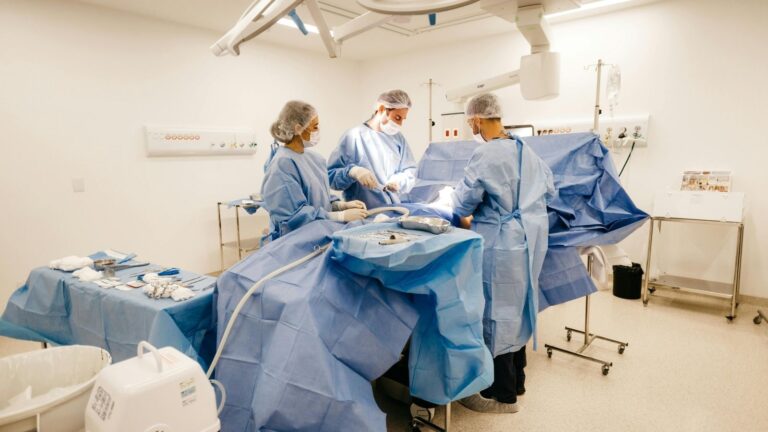
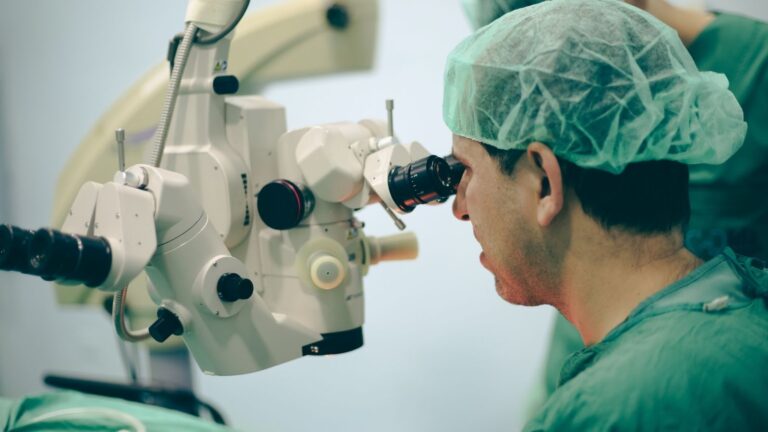
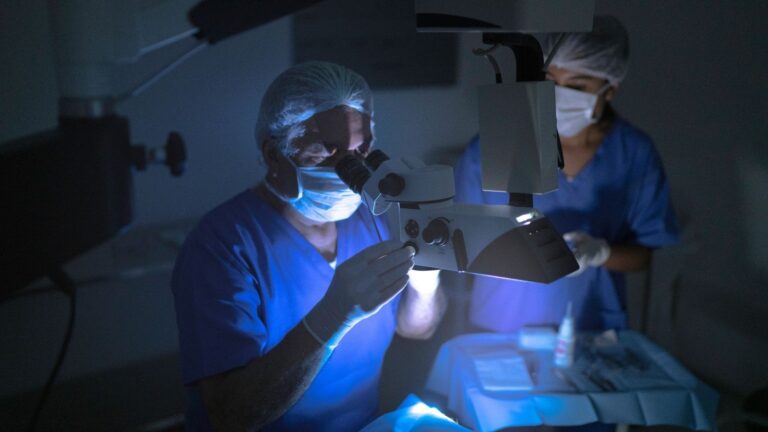
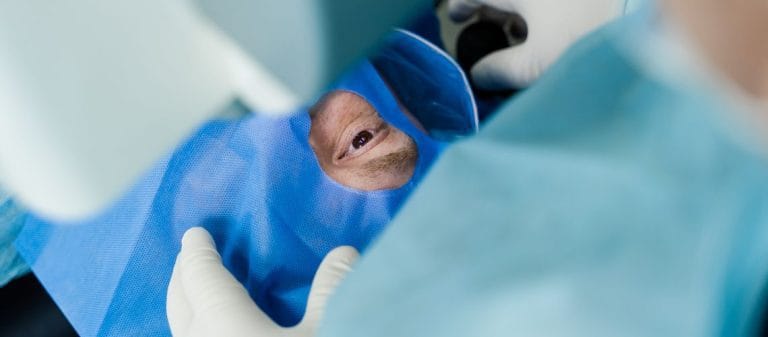
The technical infrastructure of the healthcare facility where the laser surgery will be performed is one of the factors affecting the treatment process. Hygiene, sterilisation and infection control rules must be followed in the operating room. Ventilation systems, ambient temperature and humidity levels are important for ensuring that laser devices operate under suitable conditions. Patient-specific medical materials and preoperative measurements are also part of the preparation process. Regular maintenance of operating room equipment and calibration of the devices are among the factors considered when assessing clinical infrastructure. These factors determine the overall scope of treatment that may influence No-Touch laser costs.
The working practices, patient volume and examination processes of healthcare facilities may differ. Some centres plan procedures with larger teams, while the time allocated to examinations and follow-up may vary at other clinics. The scope of preoperative tests may also differ from one patient to another. Additional assessments may be performed when the corneal structure requires a more detailed examination. The postoperative follow-up plan is also determined according to the person's eye structure and recovery process. Therefore, treatment should be assessed by considering not only the day of the procedure but also the medical processes before and after it.
Surgeon’s Experience and Treatment Planning
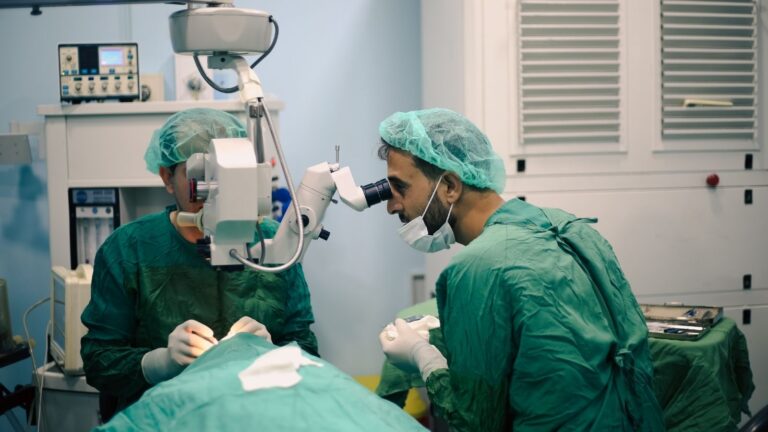
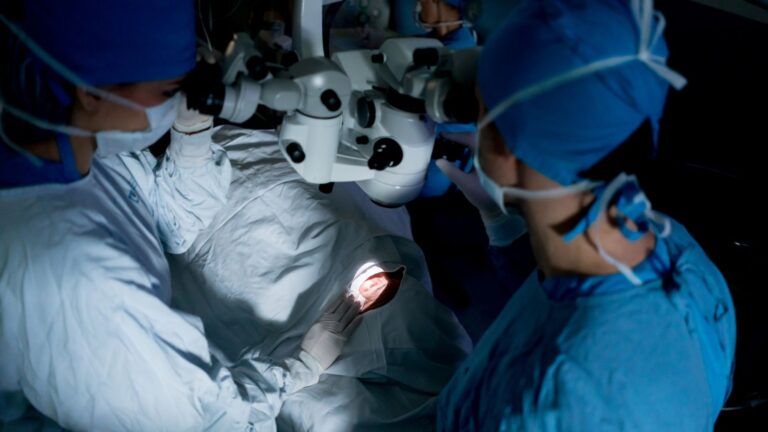
The approach of the physician assessing the patient's eye structure is as important in treatment planning as the features of the laser device. The surgeon examines the findings to determine whether No-Touch laser treatment is suitable for the patient. Corneal thickness, prescription, degree of astigmatism and the condition of the ocular surface are assessed together. The physician's professional experience may contribute to identifying treatment options suitable for different eye structures. However, no surgical method or procedure means that all risks have been completely eliminated. The factors considered in connection with the surgical assessment during treatment include:
- Assessment of the refractive error and corneal structure.
- Professional knowledge of the laser technology used.
- Selection of the surgical method suitable for the patient.
- Preparation of a personalised treatment plan.
- Prior assessment of potential risks.
- Planning of the postoperative follow-up process.
The physician's assessment is not limited to measuring the prescription. Dry eye, structural irregularities in the cornea and previous eye diseases are also examined. Laser treatment may not be suitable for some patients, or another method may be considered. Potential risks and the recovery process should be explained clearly before treatment. The patient's expectations should also be considered together with the medical findings. This approach helps ensure that the treatment plan is prepared according to the person's eye structure.
Eye Structure and Refractive Error
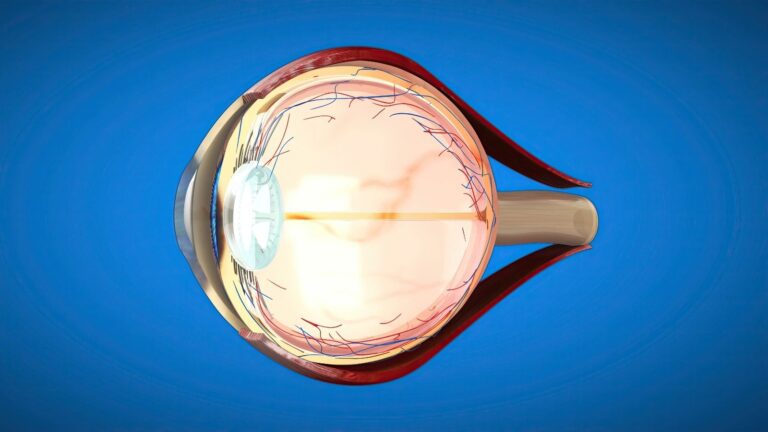
Each person has a different corneal thickness, prescription and ocular surface structure. Therefore, it is not possible to apply the same laser settings to every patient. The treatment plan for an eye with mild myopia may differ from that of an eye with a high prescription or astigmatism. The degree of refractive error may affect the scope of the procedure performed on the corneal surface. However, it cannot be said that every patient with a high prescription is suitable for laser treatment. Suitability is determined by assessing the examination findings and necessary tests together.
Corneal topography is one of the examinations that provides information about the shape of the corneal surface and potential irregularities. Corneal tomography and thickness measurements may also be used in treatment planning. Whether the prescription has changed recently and the condition of the tear film are also assessed. Additional measurements or alternative treatment options may be considered for certain eye structures. The time allocated to the examination and the scope of the tests may vary according to these findings. These differences in eye structure are also considered when assessing No-Touch laser costs.
Laser Technology Used
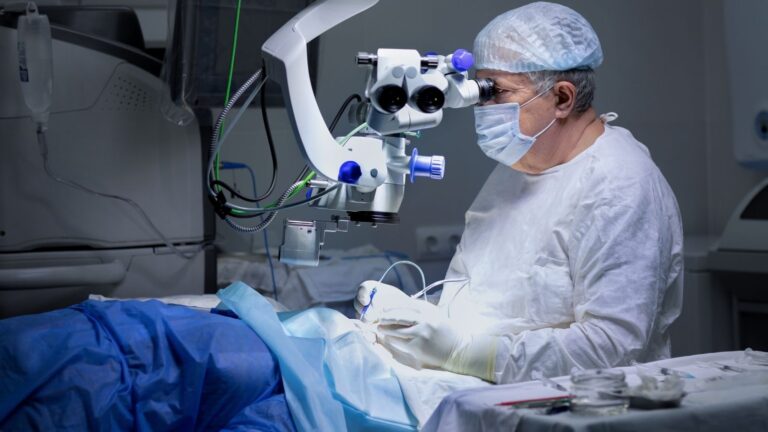
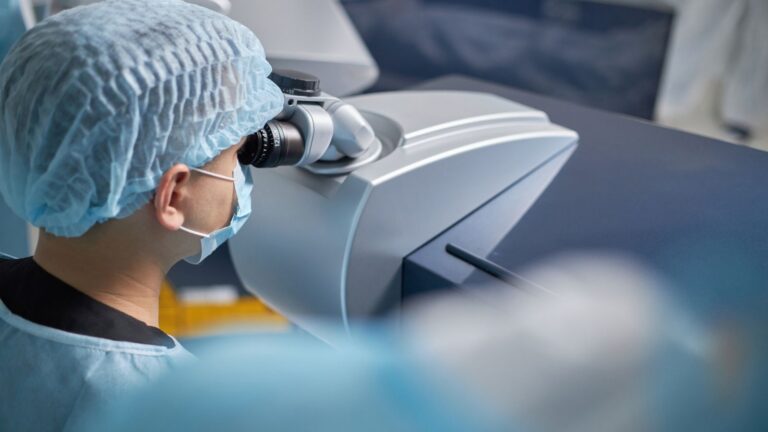
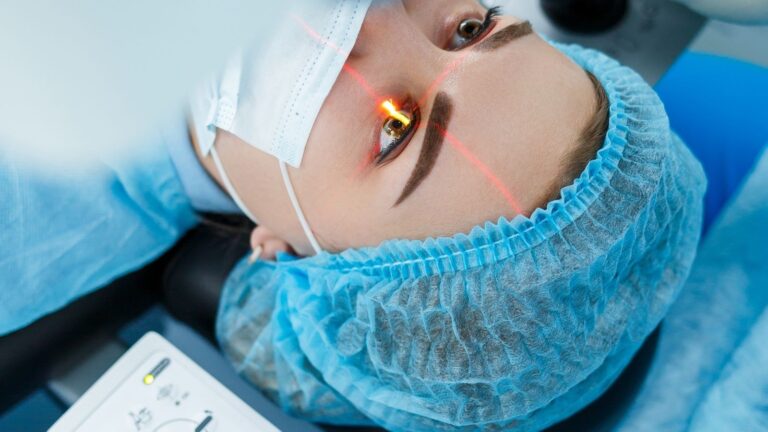
An excimer laser is used to reshape the corneal surface in TransPRK. The technical features, maintenance procedures and software infrastructure of laser devices may differ. Some systems include technologies that help track eye movements. These features vary depending on the model and technical equipment of the device. Regular maintenance, calibration and safety checks of the devices are part of clinical planning. The main factors assessed in connection with laser technology include:
- Technical features of the laser device.
- Regular maintenance and inspection procedures.
- Device calibration.
- Software and measurement systems.
- Eye-tracking technologies.
- Medical materials used during the procedure.
- Technical conditions of the operating room.
Although the features of the laser device are considered in treatment planning, they do not determine the choice of method on their own. The patient's corneal structure and refractive error should also be assessed independently of the device's features. The presence of eye-tracking systems does not mean that all risks have been eliminated. Similarly, the use of a newer device does not indicate that the same result will be achieved in every patient. The treatment decision is made by assessing the examination findings together with the available technical resources. Therefore, device features alone are not a sufficient criterion when assessing No-Touch laser costs and the scope of treatment.
Personalised Measurement and Planning
The corneal surface does not have the same structure in every patient. Therefore, in some cases, detailed eye measurements are performed, and the treatment plan is prepared according to the individual findings. Wavefront analysis and topography-guided examinations may provide additional information about the eye's optical characteristics. These measurements help assess the laser settings to be used in certain patients. However, using these technologies does not guarantee a definite improvement in night vision or visual quality. Outcomes may vary depending on the person's eye structure and postoperative recovery process.
Symptoms such as halos around lights or light scatter may occur after different laser procedures. Pupil diameter, the existing refractive error and corneal structure are important when assessing these conditions. Additional measurements may be performed in patients when considered necessary, and the treatment plan may be reviewed. The software and detailed measurement systems used may change the scope of personalised planning. Nevertheless, no technical assessment can guarantee a particular visual outcome. The aim is to determine the surgical approach suitable for the patient's eye structure.
Planning for One or Both Eyes
Whether No-Touch laser treatment is performed on one or both eyes is determined according to the patient's examination results. The prescription and corneal structure may not be the same in both eyes. Both eyes may be suitable for treatment in some patients, while in other cases, the procedure may be planned for only one eye. Measurements and laser settings are assessed separately for each eye. Operating room preparation, sterilisation procedures and device checks are considered for every procedure. The preparation stages assessed during treatment planning include:
- Taking separate measurements for each eye.
- Assessing the corneal structure.
- Sterilising the operating room.
- Checking the laser device before the procedure.
- Determining treatment settings suitable for the patient.
- Preparing the surgical team and materials.
- Planning postoperative check-ups.
The scope of treatment may differ between procedures performed on one eye and those performed on both eyes. However, treating both eyes during the same session may not be suitable for every patient. Which eye will be treated and how the procedures will be planned are determined according to the medical assessment. The patient's daily life, recovery process and visual needs may also be considered in this decision. In some cases, a different treatment method may be recommended for one eye. Therefore, planning should be based on the characteristics of each eye rather than solely on the number of procedures.
TransPRK and Other Laser Methods
Methods used in laser eye surgery differ in how they are applied to the cornea. In LASIK and Femto-LASIK, a corneal flap is created, and the laser is applied beneath this layer. In TransPRK, the corneal surface is treated with the laser without creating a flap. This difference may change the devices used and the stages of the procedure. However, differences between the methods do not mean that one is more suitable than the others for all patients. Treatment should be selected according to the eye structure and examination findings.
During No-Touch laser treatment, the part of the corneal surface treated with the laser is not manipulated with a mechanical surgical instrument. However, this term does not mean that there will be no contact with the eye at any stage of treatment. Equipment used during the examination, eye drops or a protective contact lens that may be fitted after the procedure can be parts of the treatment. The duration of the procedure and the recovery period may vary according to the patient's eye structure and the scope of treatment. It is not possible to make a general assessment that TransPRK is safer, more affordable or more successful than other procedures. Each method is suitable for different patient groups and has different factors that require consideration.
Recovery Process and Follow-Up
After TransPRK, the epithelial tissue on the corneal surface needs to heal. Stinging, tearing, sensitivity to light and temporary blurred vision may occur during the first few days. A temporary contact lens may be used when necessary to protect the corneal surface. The duration of eye drop use and the frequency of follow-up appointments are determined according to the patient's condition. The time required for vision to recover is not the same for everyone. Therefore, postoperative follow-up is an important part of the treatment process.
Since a corneal flap is not created in TransPRK, flap-related problems are not expected with this procedure. However, dry eye, delayed healing of the corneal surface, infection or changes in visual quality may occur after the procedure. It cannot be guaranteed that the need for glasses will be completely eliminated after treatment or that the prescription will not change in later years. For people who actively participate in sports and those in certain professions, the method is selected by assessing the person's lifestyle together with their eye structure. A detailed examination is required before No-Touch laser costs and the treatment plan can be assessed properly. You can use the contact information on our website to arrange an examination.