Contents:
A phakic lens is an artificial lens implanted in the eye without removing the eye's natural lens and is used to correct refractive errors. This method may be considered particularly for some patients who are unsuitable for laser treatment. Intraocular lens surgery costs may vary depending on the patient's eye structure, the lens model to be used and the scope of the treatment plan. Corneal thickness, the depth of the anterior chamber and the need for astigmatism correction are also included in the assessment. Detailed preoperative measurements help determine which lens may be used. Since every patient has a different eye structure, the surgical plan and lens are selected individually.
How Is Phakic Lens Surgery Planned?
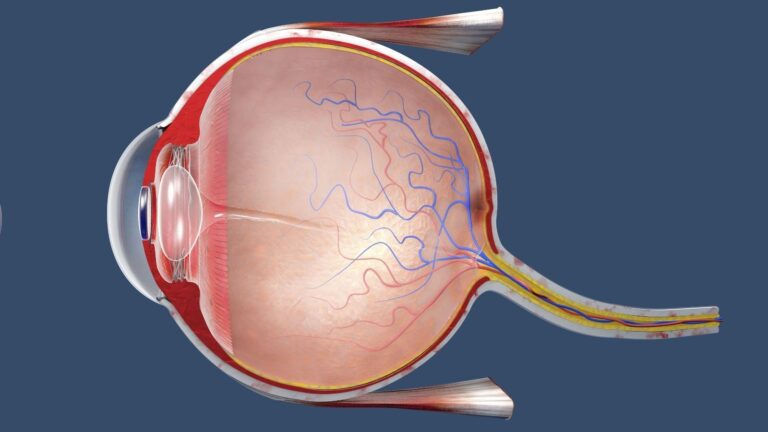
Phakic lens surgery is performed by implanting a lens suitable for the person's refractive error inside the eye. The eye's natural lens remains in place during the procedure. The size and optical characteristics of the artificial lens are determined according to preoperative measurements. The anatomy of the anterior segment of the eye, the condition of the cornea and the prescription are assessed together. The patient's visual needs and existing eye diseases are also considered during surgical planning. Therefore, the same lens or treatment approach cannot be used for every patient.
Lenses implanted inside the eye are designed for long-term use following the relevant medical assessments. However, the lens may need to be replaced or removed in some cases. The compatibility of the lens with the tissues inside the eye and its appropriate positioning should be assessed before surgery. The degree of the refractive error, the presence of astigmatism and the depth of the anterior chamber are also important when selecting the method. Suitability for treatment is not determined solely according to the glasses prescription. The surgical decision is made by assessing all measurements relating to the eye structure together.
Rules on Sharing Prices
There are legal restrictions concerning the publication of prices and campaigns in online content about healthcare services. In Türkiye, promotional activities by healthcare facilities intended for domestic audiences should not include explicit prices, discounts, campaigns or promotional information. Therefore, it is inappropriate to publish specific amounts or price ranges for phakic lens surgery. Information about treatment should focus on the patient's eye structure and medical needs. Promoting healthcare services through commercial campaigns or prize draws may also violate the relevant regulations. The main practices that should be avoided in digital content include:
- Publishing an explicit price list.
- Announcing discounts.
- Promoting offers or campaigns.
- Organising prize draws and gifts.
Separate regulations apply to promotional activities concerning international health tourism under the relevant authorisation documents and overseas publication requirements. However, content intended for patients within Türkiye must comply with the general promotional rules. Treatment planning is performed after assessing the person's eye structure and preoperative measurements. The lens model to be used is also selected based on this assessment. A single scope of treatment applicable to everyone cannot be established without an examination. Therefore, intraocular lens surgery costs should not be assessed independently of an individual medical evaluation.
Preoperative Measurements and Tests
The anatomical structure of the eye is examined in detail before phakic lens surgery. The depth of the anterior chamber, the condition of the endothelial cells on the inner surface of the cornea and the pupil diameter are assessed. Corneal topography may be used to examine the structure of the corneal surface and potential irregularities. Measuring the spaces inside the eye helps select a lens of an appropriate size. Alternative treatment options may be considered for patients whose anterior chamber is not sufficiently deep or whose endothelial cell structure is unsuitable. The main examinations that may be used before surgery include:
- Corneal topography.
- Anterior chamber depth measurement.
- Endothelial cell count.
- Assessment of pupil diameter.
- Intraocular pressure measurement.
- Fundus examination.
- Optical analyses when necessary.
The degree to which the pupil dilates in the dark may be considered when assessing night vision. Some patients may require an assessment of symptoms such as light scatter or halos around lights. The optical diameter and design of the lens are determined according to the eye structure. The adequacy of the corneal endothelial cells is also important when assessing surgical suitability. The lens is intended to be positioned at an appropriate distance from the surrounding tissues. All these measurements help determine the lens model and surgical approach to be used.
Differences Between Phakic Lenses and Laser Treatment
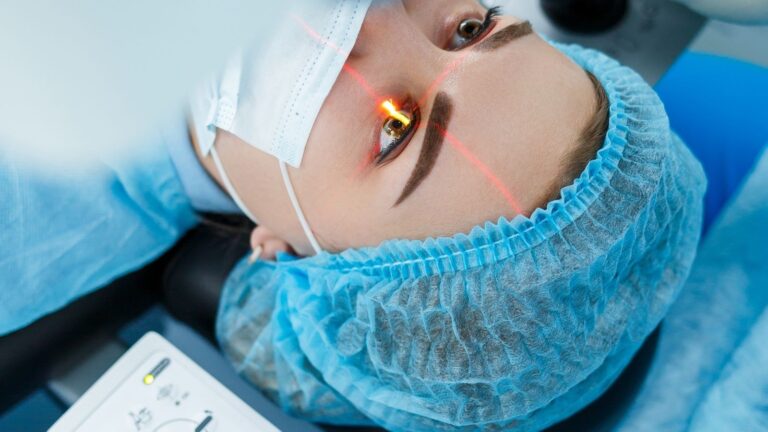
Although laser treatments and phakic lens surgery are considered for the same purpose, they are performed differently. Laser surgery aims to correct refractive errors by reshaping the corneal tissue. In phakic lens surgery, an artificial lens is implanted inside the eye without thinning the corneal tissue with a laser. However, this does not mean that phakic lens treatment is more suitable than laser methods for every patient. The suitability of both approaches is determined according to the eye structure, refractive error and existing eye diseases. The treatment should be selected following a detailed examination.
Intraocular lens treatment may be considered particularly for some patients for whom laser surgery is unsuitable due to a high prescription or corneal structure. However, not every eye with a high prescription is suitable for phakic lens surgery. There must be sufficient anatomical space inside the eye, and the corneal endothelial structure must be assessed. The size and optical characteristics of the lens are determined according to individual measurements. The medical materials used during surgery may also vary depending on the selected method. The main materials used in phakic lens surgery include:
- Phakic lens implanted inside the eye.
- Gels that help protect the tissues inside the eye.
- Microsurgical instruments.
- Sterile surgical materials.
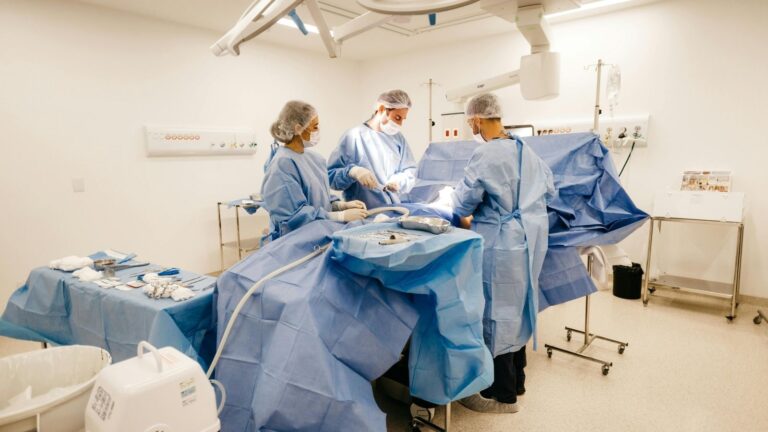
Phakic lens surgery should be performed under appropriate operating room conditions. Sterilisation practices, surgical equipment and postoperative check-ups are parts of the planning process. The characteristics of the lens implanted inside the eye differ from the devices and materials used in laser treatment. Therefore, the application processes of the two methods are not assessed in the same way. The potential risks and recovery process should be explained to the patient for both treatments. The method should be selected according to the person's eye health and medical needs.
How Are Phakic Lens Models Selected?
Phakic lenses may differ in terms of manufacturing materials, optical properties and design. Some lens models are considered only for myopia or hyperopia, while others may also help correct astigmatism. A toric phakic lens is one of the lens options that may be considered for astigmatism in suitable patients. The lens power, size and optical diameter are determined according to the eye structure. The properties of the material and the location where the lens will be implanted are also considered during the selection process. The main characteristics that may be assessed when selecting a lens include:
- Manufacturing material of the lens.
- Capacity to correct the refractive error.
- Astigmatism correction feature.
- Size and optical diameter of the lens.
- Design and positioning characteristics.
- Model-dependent ultraviolet filter properties.
Lens models may differ in terms of manufacturing location, materials and design features. Some lenses are specially sourced according to the patient's measurements. The anatomical structure inside the eye is as important as the technical features when selecting the model. Not every lens is suitable for every patient. The degree of astigmatism, prescription and anterior chamber measurements may change the treatment plan. The appropriate lens model should be selected by assessing all examination results together.
Clinical Infrastructure and Surgical Planning
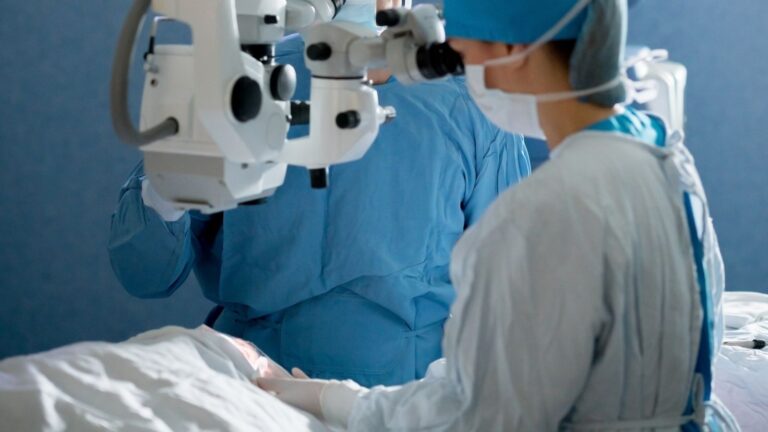
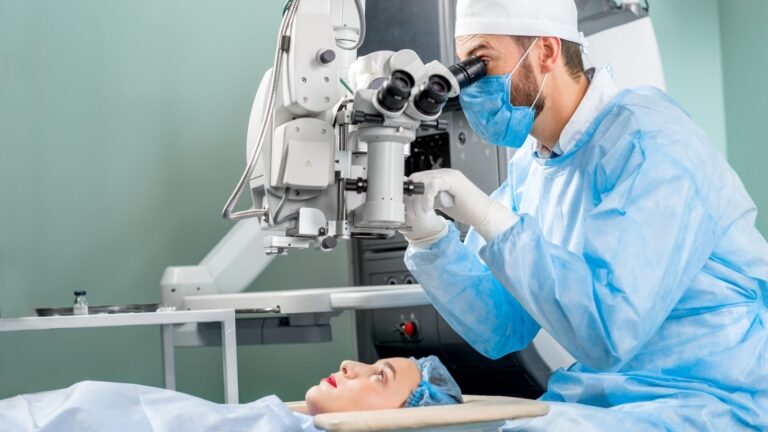
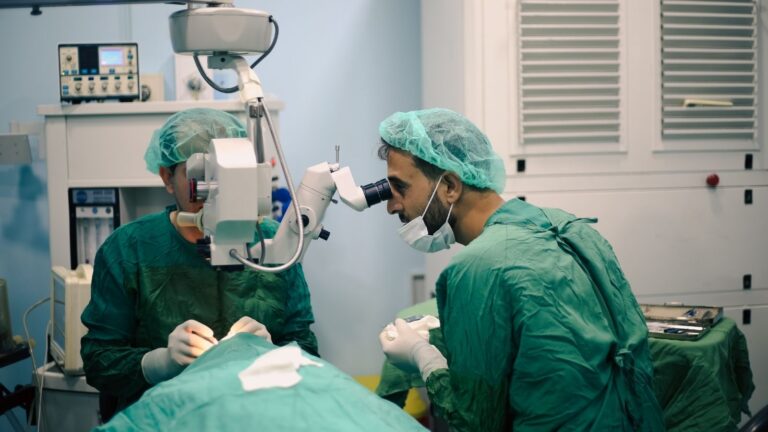
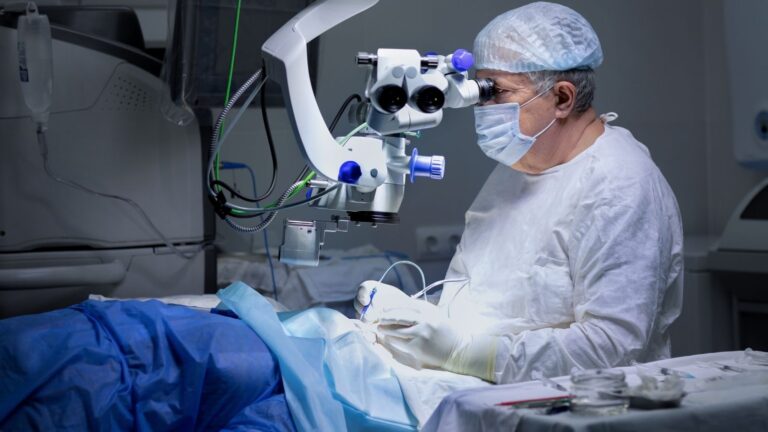
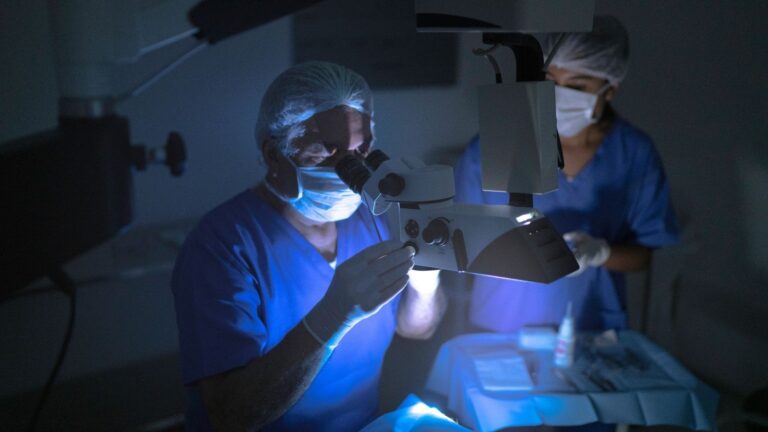
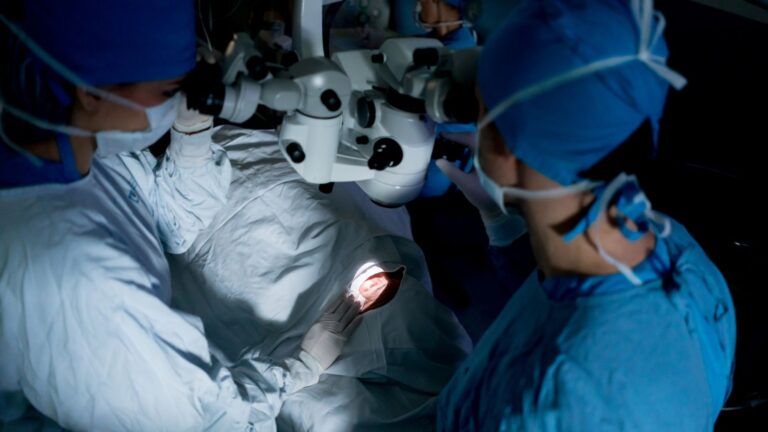
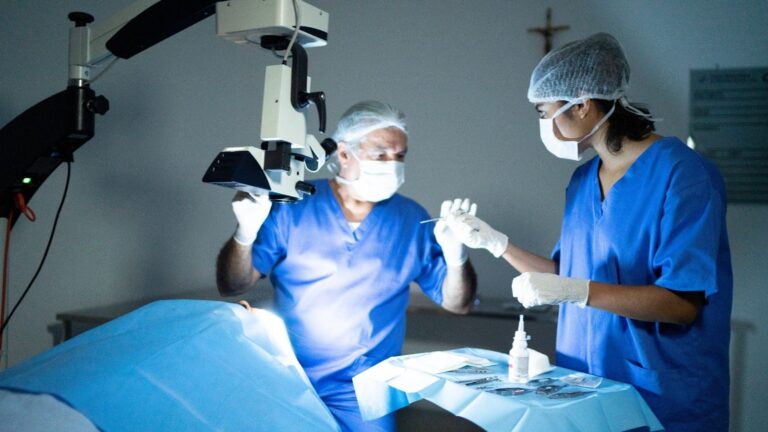
In addition to the lens used in phakic lens surgery, the infrastructure of the healthcare facility where the procedure is performed is also important. Operating room conditions, sterilisation practices and preparation of surgical equipment are parts of the treatment process. The microscopes and other microsurgical instruments used are also considered during procedural planning. The physician's surgical experience in this field may contribute to determining the approach suitable for the patient's eye structure. However, no surgery can be considered completely risk-free or guarantee a particular outcome. The surgical process should be planned according to the person's eye health and medical needs.
Some phakic lens models may be sourced from abroad. In such cases, manufacturing and supply processes may affect the availability of the lens. Exchange rates, logistics and import procedures may also need to be considered for certain models. Whether the treatment is performed on one or both eyes may change the surgical plan. Separate measurements must be taken for each eye, and the appropriate lens must be selected. The main factors that may affect the process include:
- Manufacturing location of the lens.
- International supply and logistics processes.
- Changes in exchange rates.
- Import and procurement conditions.
- Planning for one or both eyes.
- Operating room and sterilisation preparations.
If surgery is planned for both eyes, the anatomical characteristics of each eye should be assessed separately. Whether the eyes are operated on the same day or at different times depends on the patient's condition and surgical planning. It may not always be possible to use lenses with the same characteristics in both eyes. The prescription and degree of astigmatism may differ between the right and left eyes. The postoperative follow-up plan is also arranged according to the procedure performed. Therefore, phakic lens surgery should be planned according to individual measurements and the needs of each eye.
Patient Characteristics Assessed During the Examination
Suitability for phakic lens surgery is not determined by assessing the prescription alone. The patient's age, daily life and visual expectations are also considered during the examination. Night driving or the visual requirements of certain professions may be assessed during treatment planning. Systemic diseases and previous eye surgeries are also important. Intraocular pressure, the corneal endothelial structure and retinal health should be examined separately. The main patient characteristics that may be assessed during the examination include:
- Age.
- Prescription and degree of astigmatism.
- Daily lifestyle habits.
- Occupational visual requirements.
- Frequency of night driving.
- History of systemic diseases.
- Existing eye diseases.
Regular eye examinations are required after phakic lens surgery. Intraocular pressure, the position of the lens and the condition of the corneal endothelial cells may be monitored. Changes in intraocular pressure, sensitivity to light or other surgical complications may occur in some patients. Therefore, suitability for treatment and potential risks should be assessed in detail before surgery. The lens model and individual treatment plan must be determined before intraocular lens surgery costs can be assessed properly. You can contact me using the contact information on my website to arrange an examination.