
Contents:
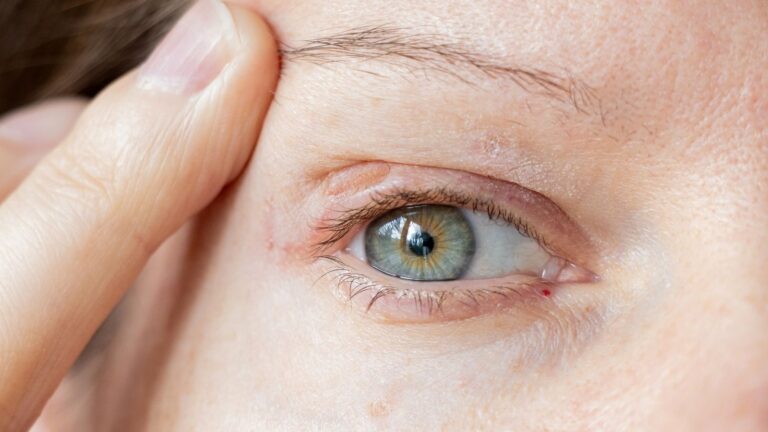
Known medically as entropion, inward turning of the eyelid is an eyelid condition in which the eyelid margin turns towards the surface of the eye. It most commonly affects the lower eyelid, but in some cases it may also affect the upper eyelid. When the eyelid turns inward, the eyelashes and eyelid skin rub against the cornea, the transparent layer of the eye. This friction can cause symptoms such as irritation, watering, redness and sensitivity to light. If the problem persists for a long time, it may cause irritation and damage to the corneal surface that can affect vision. The treatment plan is determined according to why the eyelid has turned inward and the extent to which the ocular surface has been affected.
What Causes Entropion?
Maintaining the normal position of the eyelid depends on different muscles, ligaments and supporting tissues working together. When weakness or structural changes develop in one of these structures, the eyelid margin may turn inward. In particular, loosening of the ligaments that maintain the horizontal tension of the eyelid can disrupt the balance of the lower eyelid. Weakness of the muscles that pull the lower eyelid downward may have a similar effect. The upward movement of the muscles around the eye over the eyelid margin may make the condition more pronounced. Because some patients have several of these changes at the same time, treatment planning is based on multiple factors.
Age-Related Entropion
One of the most common causes of entropion is the loosening of eyelid tissues with age. As people get older, the ligaments supporting the eyelid may stretch and the effectiveness of the muscles may decrease. When the tissues that hold the lower eyelid in the correct position weaken, the eyelid margin may begin to turn towards the eye. Initially, this may occur only when the eyes are squeezed shut or during frequent blinking. Over time, the eyelid may remain turned inward for longer periods and symptoms may increase. In age-related entropion, the affected supporting tissues are assessed during the examination to determine the appropriate surgical approach.
Other Causes of Entropion
Entropion does not always develop due to ageing. Scar tissue on the inner surface of the eyelid may pull the eyelid inward. Previous trauma, burns, certain surgical procedures and chronic ocular surface diseases may contribute to this condition. Diseases such as trachoma, mucous membrane pemphigoid and Stevens-Johnson syndrome may also cause structural changes on the inner surface of the eyelid. Entropion caused by muscle spasms may develop when there is significant eye irritation and involuntary muscle contraction. Congenital entropion is less common and must be distinguished from other eyelid conditions in children that cause the eyelashes to turn towards the ocular surface.
The main conditions that may cause entropion include:
- Age-related loosening of the eyelid and ligaments.
- Scar tissue on the inner surface of the eyelid.
- Previous trauma or burns.
- Chronic ocular surface and eyelid diseases.
- Involuntary contraction of the muscles around the eye.
- Congenital differences in eyelid structure.
What Are the Symptoms of Entropion?
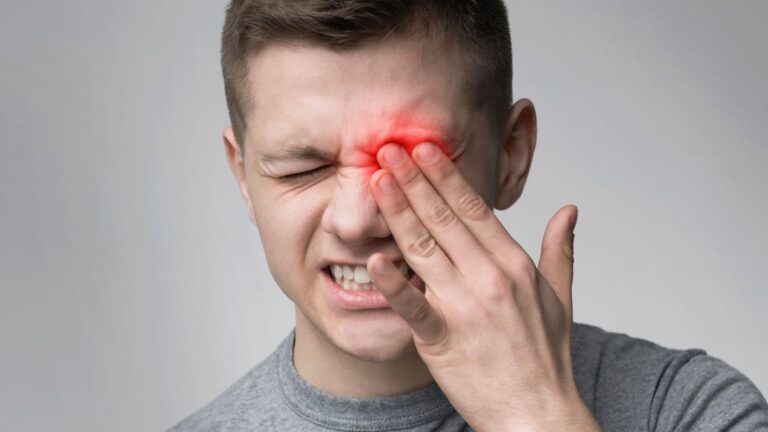
The most common symptom of entropion is a stinging sensation caused by the eyelashes touching the ocular surface. Patients may describe discomfort as if there were sand or a foreign body in the eye. Watering, redness and sensitivity to light are also common symptoms. As the eyelid turns further inward, friction during blinking may increase and symptoms may become more pronounced. If the corneal surface becomes damaged, pain, blurred vision and difficulty keeping the eye open may occur. The severity of the symptoms depends on how far the eyelid has turned inward and the degree of irritation on the ocular surface.
Symptoms that may occur with entropion include:
- Stinging and a foreign body sensation in the eye.
- Constant or intermittent watering.
- Redness of the ocular surface.
- Sensitivity to light.
- Discomfort along the eyelid margin.
- Pain and blurred vision.
How Is Entropion Diagnosed?
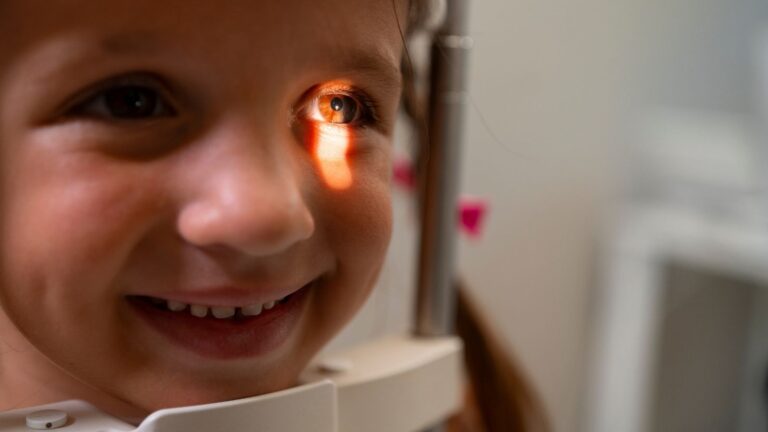
Entropion is diagnosed through a detailed examination of the eyelid position and ocular surface. During the examination, changes in the eyelid during blinking and forceful eye closure are assessed. Lower eyelid laxity can be evaluated by pulling the eyelid away from the eye and observing how it returns to its original position after release. The function of the muscles that pull the eyelid downward and the condition of the tissues surrounding the eye are also reviewed. A slit-lamp examination is used to determine whether the eyelashes are touching the cornea and whether surface irritation is present. When necessary, special dyes are used to examine scratches and tissue damage on the corneal surface in greater detail.
Assessments that may be used during diagnosis include:
- Examination of eyelid position.
- Eyelid laxity tests.
- Assessment of eyelid movements during blinking.
- Slit-lamp examination of the ocular surface.
- Examination of the corneal surface using a special dye.
- Evaluation of the tear film.
Difference Between Entropion and Misdirected Eyelashes
Eyelashes rubbing against the eye do not always mean that the eyelid has turned inward. In a condition known as trichiasis, the eyelid remains in its normal position, but some eyelashes grow in the wrong direction and touch the ocular surface. In entropion, the main problem is that the eyelid margin itself turns inward. In distichiasis, an additional row of eyelashes may be present alongside the normal row. In epiblepharon, which may occur particularly in children, a fold of eyelid skin pushes the eyelashes towards the ocular surface. Although these conditions can cause similar symptoms, the treatment used depends on the underlying problem.
Removing misdirected eyelashes may provide temporary relief for some patients. However, because the eyelashes can regrow, symptoms may recur over time. Methods such as electrolysis, radiofrequency, laser treatment or cryotherapy may be considered for suitable patients. The choice of treatment depends on the number and location of the affected eyelashes. If the eyelid has genuinely turned inward, removing the eyelashes alone will not correct the eyelid problem. It is therefore important to determine the cause of the eyelash irritation correctly before treatment.
Non-Surgical Supportive Treatments
Non-surgical methods may be used in entropion to protect the ocular surface and temporarily reduce symptoms. Artificial tear drops and eye gels help relieve irritation caused by friction from the eyelashes. Appropriate taping methods may be used in some patients to direct the eyelid outward. Bandage contact lenses may be used when necessary to protect the cornea from contact with the eyelashes. However, these lenses require regular monitoring and may not be suitable for every patient. These methods are not expected to provide a permanent solution while the structural eyelid problem persists.
Temporary everting sutures or botulinum toxin injections may also be considered in selected patients. These methods may be used particularly when surgery needs to be postponed or in patients with pronounced muscle spasms. The duration of their effects may vary from person to person, and repeat treatment may be required over time. If there is an infection or significant surface damage, the necessary medications may be added to the treatment plan. Antibiotic eye drops are not routinely used in every patient and are preferred only when medically necessary. The supportive treatment used is determined by considering the condition of the ocular surface and the person's general health.
How Is Entropion Surgery Performed?
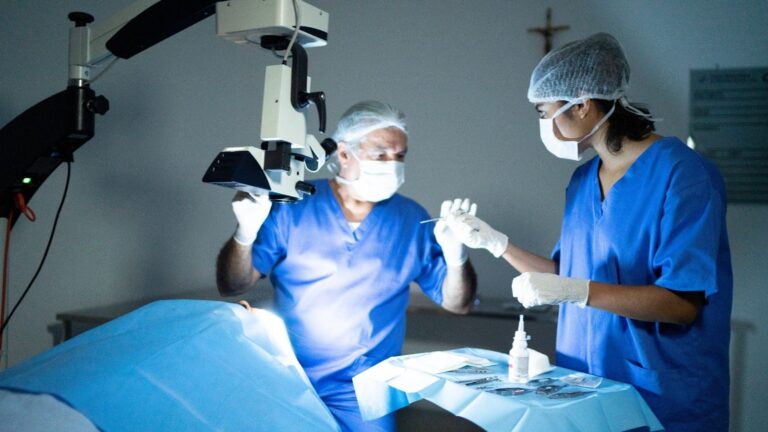
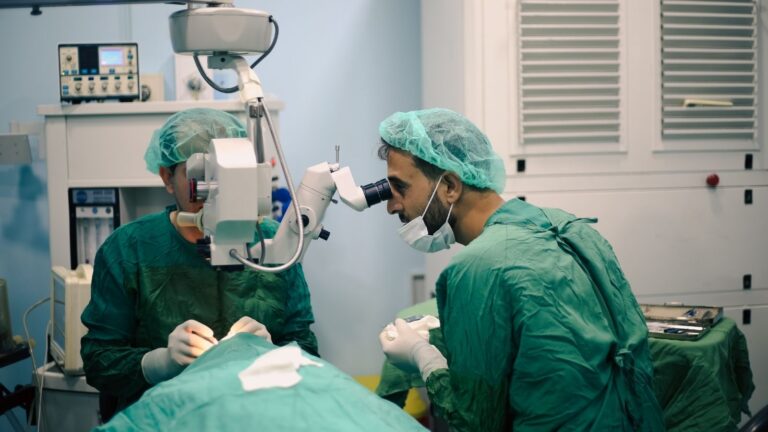
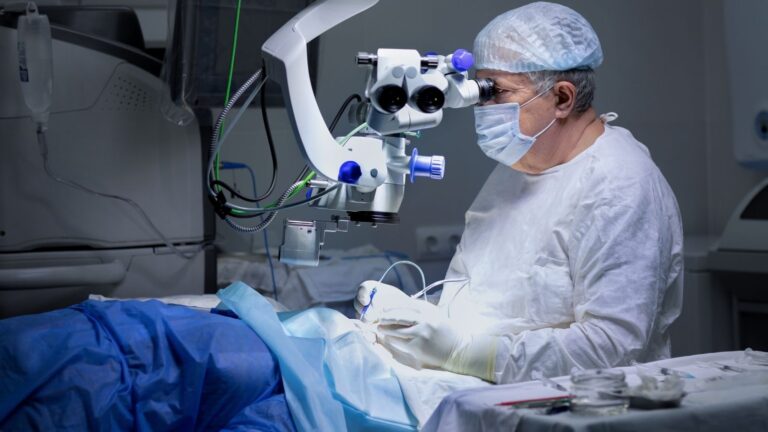
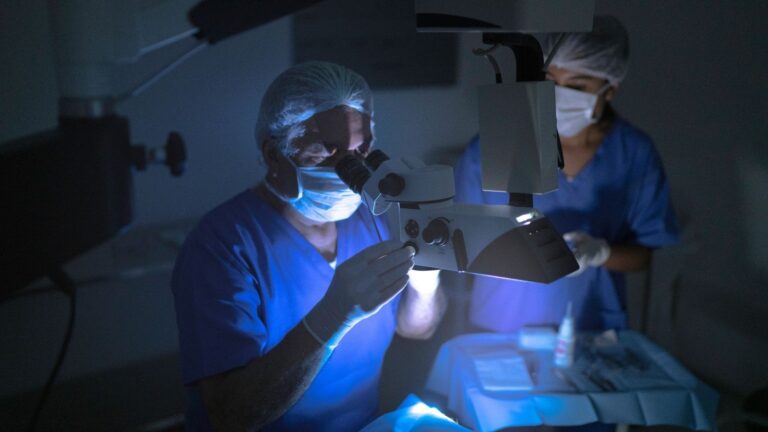
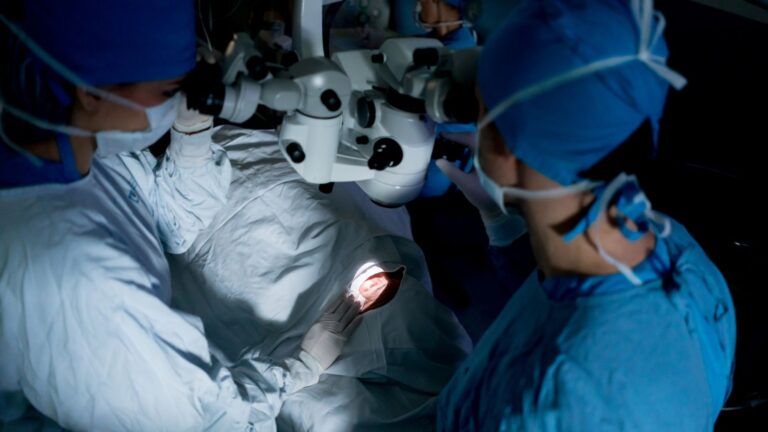
Entropion surgery is planned to return the inward-turning eyelid to its normal position and reduce contact between the eyelashes and the ocular surface. The surgical method used varies depending on the horizontal laxity of the eyelid, the condition of the muscles and whether scar tissue is present. In age-related lower eyelid entropion, the loosened supporting tissues may need to be tightened. If the muscles that pull the lower eyelid downward have weakened, these muscles may be repositioned. Some patients may also benefit from sutures that turn the eyelid margin outward. Although the operation can usually be performed under local anaesthesia, the choice of anaesthesia is determined according to the patient's condition and the extent of the procedure.
Methods that may be used in surgical planning include:
- Tightening the supporting tissues at the outer corner of the eyelid.
- Repairing or reattaching the lower eyelid muscles.
- Surgical sutures that turn the eyelid outward.
- Correcting structural changes in the muscles around the eye.
- Releasing scar tissue.
- Using a tissue graft when necessary.
More Than One Method May Be Required
In some patients, entropion is caused by a problem in a single tissue, while in others several anatomical changes are present together. For example, loosening of the eyelid ligaments and weakness of the lower eyelid muscles may occur at the same time. In this situation, tightening only one part of the eyelid may not be sufficient. Supporting the outer corner of the eyelid and correcting the lower eyelid muscles may be planned together during surgery. Pressure exerted by the muscles surrounding the eye on the eyelid margin may also be addressed during the same procedure when necessary. The methods used together are determined according to the preoperative examination findings and the movement characteristics of the eyelid.
More than one surgical step is not necessary for every patient. A simpler procedure may be sufficient for people with a more limited eyelid problem. In contrast, patients with advanced eyelid laxity or pronounced scar tissue may require a more comprehensive approach. The aim of surgery is to place the eyelid in a position that is compatible with the ocular surface without turning it excessively outward. The healing process and the outcome may vary according to the individual's tissue characteristics. When determining the appropriate method, the cause of the condition, the state of the cornea and the possibility of recurrence are considered together.
How Is Cicatricial Entropion Treated?
Cicatricial entropion develops when scar tissue on the inner surface of the eyelid pulls the eyelid towards the ocular surface. This condition may be associated with previous infections, burns, trauma or chronic inflammatory eye diseases. When planning treatment, both the position of the eyelid and the cause of the scar tissue are investigated. If the underlying inflammatory disease is still active, this process may first need to be brought under control. During surgery, tissues pulling the eyelid inward may be released and lengthening of the shortened inner surface may be planned. In patients for whom it is considered necessary, mucosal tissue taken from inside the mouth or other tissue grafts may be used.
The treatment of cicatricial entropion may require a different surgical approach from cases caused by age-related eyelid laxity. The type and amount of graft used are determined according to the degree of damage to the inner surface of the eyelid. A tissue graft is not necessary for every patient. However, in cases with significant shortening, external tightening alone may not be sufficient to correct the problem. After treatment, both the position of the eyelid and the healing of the ocular surface are regularly assessed. Cases associated with a chronic disease may require longer-term monitoring.
Recovery After Surgery
Mild swelling, bruising and tenderness may occur in the eyelid after entropion surgery. These symptoms are generally part of the healing process and decrease over time. Applying a cold compress as recommended during the first few days may help reduce swelling and discomfort. Prescribed eye drops or ointments should be used regularly for the specified period. It is important not to rub the eyelid or apply pressure to the surgical area. The time required to return to daily activities varies depending on the surgical method used and the individual's healing characteristics.
Whether the sutures need to be removed and the intervals between follow-up visits are determined according to the method used. Postoperative recommendations concerning washing the face, bathing and returning to physical activities should be followed. Wearing sunglasses may help reduce sensitivity to light during the recovery period. Severe pain, sudden loss of vision, rapidly increasing redness or significant discharge should not be considered normal. If these symptoms occur, an assessment should be performed without delay. Regular follow-up visits are important for monitoring whether the eyelid is healing in the correct position and whether the ocular surface is protected.
Potential Risks of Entropion Surgery
As with any surgical procedure, certain complications may occur following entropion surgery. Temporary swelling, bruising or mild bleeding may occur in the eyelid. Infection, delayed wound healing and differences in appearance between the eyelids are less common complications. If the eyelid is not corrected sufficiently, the inward turning may continue or recur over time. If the eyelid is overcorrected, it may turn outward and ectropion may develop. Some patients may also experience dry eye, changes in eyelid closure or the need for additional treatment.
Potential risks vary according to the cause of the entropion and the surgical technique used. More detailed planning may be required for patients who have previously undergone surgery or have extensive scarring on the inner surface of the eyelid. Preoperative adjustments for people taking blood-thinning medication should be evaluated together with the physician monitoring the medication. Patients should not discontinue these medications on their own. Following postoperative recommendations and attending scheduled follow-up visits help ensure that potential problems are detected early. Additional medication or a new surgical assessment may be planned when necessary.
What Happens If Entropion Is Left Untreated?
If entropion is left untreated, the eyelashes continue to rub against the ocular surface. Constant friction can cause superficial scratches and persistent areas of irritation on the cornea. In more advanced cases, there may be a risk of corneal ulcers, infection and scar tissue formation. These changes can affect visual quality and lead to permanent vision problems. Evaluation should not be delayed, particularly if symptoms such as pain, inability to tolerate light or blurred vision are present. You can contact me using the details on my website to schedule an examination appointment.