
Contents:
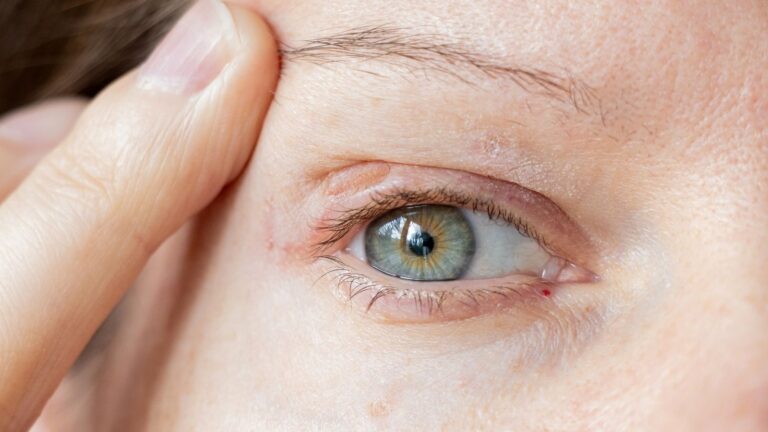
Trichiasis is an eyelid disorder in which the eyelashes emerge from their normal positions but grow in the wrong direction and come into contact with the ocular surface. Commonly known as inward-growing eyelashes, the condition may cause continuous irritation of the cornea or conjunctiva. Irritation, watering, redness and sensitivity to light are among the common symptoms. The problem may affect only a few eyelashes or occur across a larger section of the eyelid. Prolonged contact may cause scratches on the corneal surface and increase the risk of infection. Treatment is determined according to the number of misdirected eyelashes, the structure of the eyelid and the underlying cause.
How Do Eyelashes Protect the Eye?
Eyelashes are located along the edge of the eyelid and perform a protective function against dust, small particles and foreign bodies. Under normal conditions, they extend outward and away from the ocular surface. As the eyelid moves, the eyelashes follow this movement without touching the ocular surface. The muscles, supporting tissues and eyelash follicles along the eyelid margin help maintain this arrangement. A change in the angle at which the eyelashes emerge may impair their protective function. In this situation, the eyelashes rub against the ocular surface with every blink and cause discomfort.
How Does Trichiasis Develop?
Misdirected eyelash growth may be associated with structural changes in the tissues along the eyelid margin. Persistent inflammation can cause tissue damage around the eyelash follicles. Scar tissue that develops while this damage heals may alter the structure of the eyelid margin. As the scar tissue contracts over time, the angle at which the eyelashes emerge may also change. As a result, eyelashes that should normally extend outward turn towards the ocular surface. In some patients, the problem is limited to the eyelash follicles, while in others the tissues on the inner surface of the eyelid may also be affected.
Adhesions or shortening on the inner surface of the eyelid may indirectly change the position of the eyelashes. This may occur particularly after chronic ocular surface diseases or previous trauma. Misdirected eyelash growth sometimes develops in only one area. In more extensive cases, several eyelashes along the eyelid may come into contact with the eye. The size of the affected area is one of the important factors determining the treatment method. The assessment must therefore examine not only the eyelashes but also the overall structure of the eyelid.
Causes of Inward-Growing Eyelashes
Trichiasis often develops after another condition affecting the eyelid tissues or following previous damage. Chronic blepharitis may alter the direction of the eyelashes by causing long-term inflammation around their roots. Infections such as trachoma may cause this problem by creating scar tissue on the inner surface of the eyelid. Trauma, burns and previous eyelid surgery may also affect the structure of the eyelid margin. Certain autoimmune diseases may cause permanent changes to the ocular surface and the inner eyelid. Age-related structural changes may also make it easier for the eyelashes to come into contact with the ocular surface in some patients.
Conditions that may contribute to the development of trichiasis include:
- Chronic blepharitis.
- Trachoma infection.
- Eyelid trauma.
- Chemical or thermal burns.
- Previous eyelid surgery.
- Autoimmune ocular surface diseases.
- Age-related eyelid changes.
Diseases such as mucous membrane pemphigoid and Stevens-Johnson syndrome may be associated with scarring of the ocular surface. In these conditions, the inner surface of the eyelid may shorten and the position of the eyelashes may change. Because the cause is not the same in every patient, a detailed assessment is performed before treatment. If the underlying disease remains active, new eyelashes may also grow in the wrong direction after treatment. Removing only the eyelash rubbing against the eye is therefore not always sufficient. Determining the cause of the structural changes in the eyelid is an important part of treatment planning.
What Are the Symptoms of Trichiasis?
Symptoms of trichiasis may vary depending on the degree of friction between the eyelashes and the ocular surface. The most common complaint is a persistent sensation of having a foreign body or grain of sand in the eye. Patients may report that the irritation increases when they blink. Redness and watering may occur due to irritation of the ocular surface. If the cornea is affected, sensitivity to light, pain and blurred vision may also develop. In some patients, even a single eyelash can cause significant discomfort.
Symptoms that may occur with trichiasis include:
- Irritation and a foreign body sensation in the eye.
- Constant or intermittent watering.
- Redness of the ocular surface.
- Sensitivity to light.
- Pain while blinking.
- Blurred vision.
- Discomfort around the eyelid.
Watering may be a protective response to irritation of the ocular surface. However, increased tear production does not eliminate contact between the eyelash and the ocular surface. Even if symptoms are mild initially, they may increase as the friction continues. Constant rubbing of the eye may also make the surface irritation more pronounced. Symptoms such as pain, inability to tolerate light or reduced vision may indicate that the cornea has been affected more significantly. Assessment should not be delayed in these cases.
Potential Effects on the Cornea
The cornea is the transparent layer at the front of the eye and plays an important role in clear vision. Continuous contact between the eyelashes and this surface may initially cause small scratches and superficial abrasions. Repeated blinking throughout the day causes the irritation to continue. Disruption of the corneal surface may weaken its natural protection against infections. In advanced cases, a corneal ulcer or more pronounced tissue damage may develop. The risk of these problems depends on the duration of eyelash contact and the general condition of the ocular surface.
Deep corneal wounds may leave scar tissue as they heal. The location and size of the scar may affect visual quality to different degrees. Some patients may also develop corneal vascularisation or loss of transparency. However, not every case of trichiasis results in advanced corneal damage. Early diagnosis and appropriate treatment can help prevent the progression of ocular surface irritation. Persistent irritation and watering should therefore not be regarded simply as temporary discomfort.
How Is Trichiasis Diagnosed?
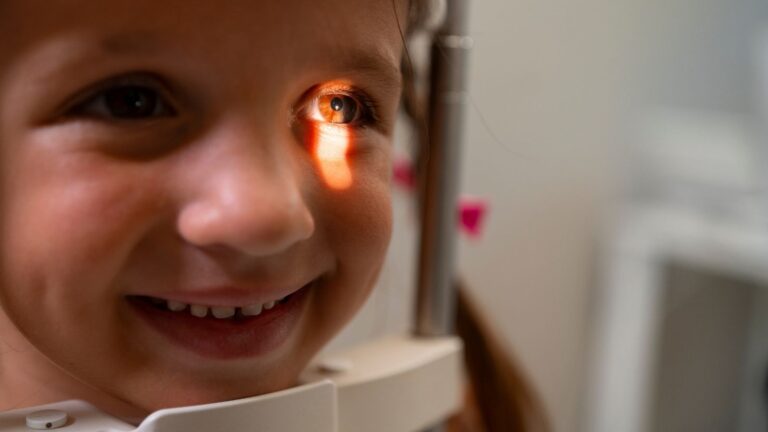
Trichiasis is diagnosed through a detailed examination of the eyelid margin and ocular surface. A slit lamp is used to examine the direction in which the eyelashes emerge and whether they are touching the cornea. The number and location of misdirected eyelashes are determined. Whether the eyelid is in its normal position is also assessed. When necessary, a special dye may be used to examine scratches and areas of irritation on the corneal surface. The presence of scar tissue, adhesions or shortening on the inner surface of the eyelid is also important for treatment planning.
The main factors that may be evaluated during the examination include:
- Direction of eyelash growth.
- Number of eyelashes touching the eye.
- Position of the eyelid.
- Damage to the corneal surface.
- Structural changes on the inner surface of the eyelid.
- Signs of chronic inflammation or infection.
The patient is also asked about previous eye surgery, trauma and eyelid diseases during diagnosis. Persistent blepharitis or recurrent infections are included in the assessment. Pronounced ocular surface dryness may also contribute to worsening symptoms. In some patients, only one eyelash causes the problem, while a larger area of the eyelid is affected in others. Identifying the underlying cause allows both the existing eyelashes and potential future problems to be assessed. The treatment method is determined by considering all these findings together.
Differences from Similar Eyelid Conditions
Contact between the eyelashes and the ocular surface does not always indicate trichiasis. Other eyelid conditions such as entropion, distichiasis and epiblepharon may cause similar symptoms. In trichiasis, the eyelashes emerge from their normal positions but grow towards the ocular surface. In entropion, the eyelid itself turns inward, causing the eyelashes to touch the eye. In distichiasis, additional eyelashes may be present in a different area alongside the normal row of eyelashes. In epiblepharon, a fold of eyelid skin may push the normal eyelashes towards the ocular surface.
Distinguishing between these conditions is important for selecting the appropriate treatment method. In a patient with entropion, simply removing the eyelashes does not correct the inward turning of the eyelid. The origin and location of the additional eyelashes in distichiasis must be assessed separately. Epiblepharon may occur particularly in children and does not require surgical intervention in every case. Some patients may have more than one eyelid condition at the same time. The cause of the eyelash irritation is therefore determined through a detailed examination of the eyelid anatomy.
Methods That Provide Temporary Relief
When planning trichiasis treatment, the initial aims are to protect the ocular surface and reduce the patient's symptoms. Artificial tear drops and thick eye gels may reduce the effects of friction between the eyelashes and the cornea. In suitable patients, removing the eyelashes touching the eye with a special instrument may provide temporary relief. Because this procedure does not completely eliminate the eyelash follicle, the eyelashes may grow back over time. A bandage contact lens may be considered in some cases to protect the cornea. The method used depends on the degree of ocular surface damage and the number of affected eyelashes.
Measures that may provide temporary support include:
- Artificial tear drops.
- Thick eye gels.
- Removal of misdirected eyelashes.
- Use of a bandage contact lens in suitable patients.
- Treatment of accompanying ocular surface problems.
Removing the eyelashes may provide short-term relief, particularly when only a few eyelashes are touching the eye. However, newly emerging eyelashes may grow in the same direction. Bandage contact lenses can help protect the cornea from direct contact but require regular monitoring because of the risk of infection. Using these lenses without an individual assessment or for long periods without supervision is not appropriate. Eye drops and gels also do not correct the structural eyelid problem on their own. Temporary methods are therefore generally considered a supportive part of a more comprehensive treatment plan.
Treatments Targeting the Eyelash Follicles
If only a small number of eyelashes are touching the eye, treatments targeting the eyelash follicles may be used. The purpose of these treatments is to reduce the likelihood of the affected eyelashes growing back. Laser treatment, radiofrequency, electrolysis and cryotherapy are among the methods that may be considered for this purpose. The appropriate procedure varies according to the location of the eyelash and the condition of the eyelid tissue. Some patients may require more than one treatment session. The possibility of eyelash regrowth may not be eliminated completely after treatment.
Methods that may be applied to the eyelash follicles include:
- Laser treatments.
- Radiofrequency ablation.
- Electrolysis.
- Cryotherapy.
During laser treatment, controlled energy is applied to the targeted eyelash follicle. Radiofrequency and electrolysis attempt to disable the follicle using a fine treatment instrument. Cryotherapy is based on the controlled cooling of specific areas. The suitable patient group and potential side effects differ for each method. Scarring along the eyelid margin, changes in skin colour or damage to surrounding healthy eyelashes may occur. When selecting the procedure, preserving the eyelid tissue is therefore considered alongside the number of affected eyelashes.
When Is Trichiasis Surgery Required?
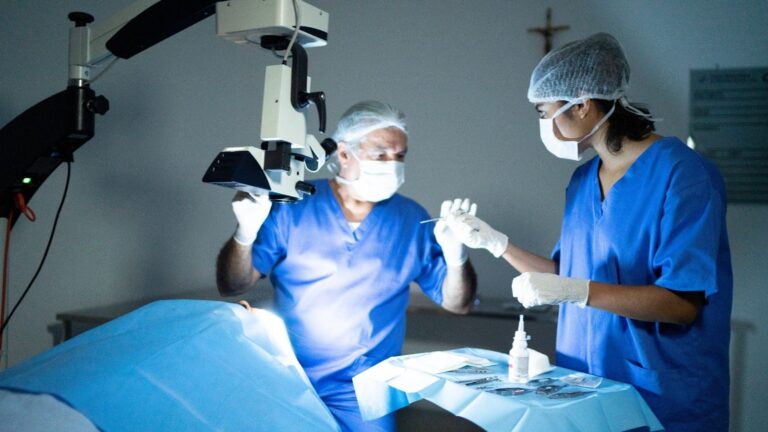
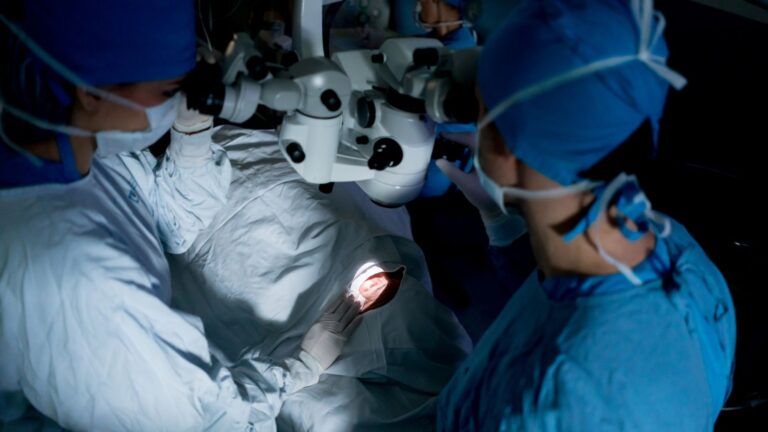
Trichiasis surgery may be considered when misdirected eyelashes affect a large area or there is a pronounced structural eyelid abnormality. Treating many eyelashes individually at their roots may result in excessive intervention along the eyelid margin in some patients. The presence of scar tissue or shortening on the inner surface of the eyelid may also change surgical planning. In these cases, the aim is not only to eliminate the eyelashes but also to correct the relationship between the eyelid and the ocular surface. The need for surgery is assessed by considering the degree of corneal damage and the response to other treatments. Surgery is not required in every case of trichiasis.
If another eyelid condition such as entropion accompanies the change in eyelash direction, it must also be treated. Removing the eyelashes alone may not be sufficient without correcting the inward turning of the eyelid margin. Structural changes caused by previous surgery or chronic inflammation may require more detailed planning. In some patients, the tissue containing the eyelashes is repositioned. In others, the shortened tissue on the inner surface of the eyelid must be repaired. The method used is determined according to the part of the eyelid that is affected.
Methods Used in Eyelid Surgery
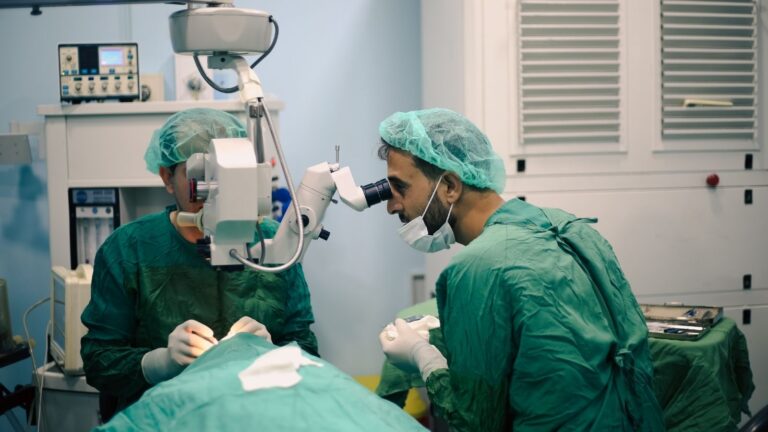
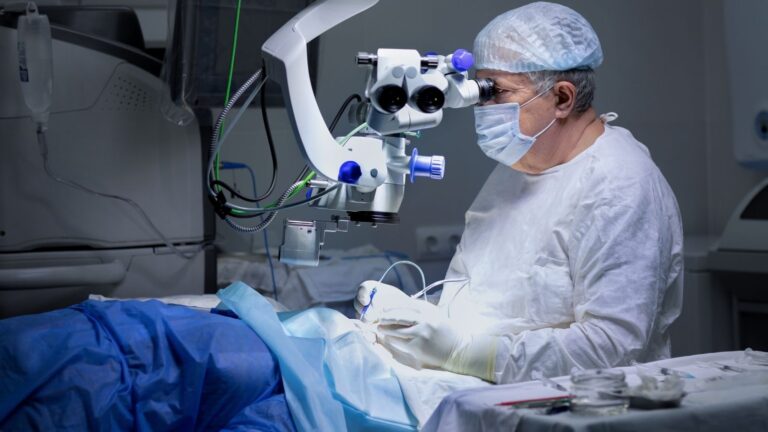
Repositioning the eyelid tissue containing the eyelashes is one of the surgical methods that may be preferred in certain patients. During this procedure, the section containing the eyelashes is adjusted so that it no longer comes into contact with the ocular surface. If there is pronounced shortening on the inner surface of the eyelid, surgical procedures that lengthen the inner layer may be considered. In some cases, surgical methods that change the direction of the eyelid's supporting tissue may be used. Mucosal tissue taken from inside the mouth or other suitable grafts may be used to repair the inner surface of the eyelid when necessary. The approach selected varies according to the extent of the condition and its underlying cause.
Surgical methods that may be used for eyelid problems associated with trichiasis include:
- Repositioning the tissue containing the eyelashes.
- Turning the eyelid margin outward.
- Releasing scar tissue.
- Repairing the eyelid's supporting tissue.
- Using a mucosal graft when necessary.
It is important to preserve the eyelid's ability to close during surgery. While moving the eyelashes away from the ocular surface, care is taken to avoid making the eyelid excessively tight. In scar-related diseases, controlling the underlying inflammatory process may also affect the outcome. A single surgical method may be sufficient in some cases, while several approaches may be used together in others. Recovery time after surgery varies depending on the extent of the procedure and tissue structure. The direction of new eyelash growth and the condition of the corneal surface are evaluated through regular follow-up examinations after treatment.
Recovery After Surgery
Mild swelling, bruising or tenderness may occur in the eyelid after trichiasis treatment. These symptoms may persist for different lengths of time depending on the extent of the procedure. Applying a cold compress as recommended during the first few days may help reduce swelling. Eye drops or ointments considered necessary should be used for the prescribed period. Antibiotic or corticosteroid medications are not used in the same way for every patient and are planned according to individual assessment. It is important not to rub the eyelid and to protect the treated area.
After some surgical procedures, eyelid closure may temporarily change. In this situation, artificial tears or thick eye gels may be recommended to protect the ocular surface. Follow-up examinations assess the eyelid position, corneal surface and eyelash regrowth. If severe pain, sudden loss of vision, significant discharge or rapidly increasing redness develops, an assessment should be performed without delay. Recovery time may vary according to the presence of an underlying disease and the type of procedure performed. Regular follow-up helps detect potential problems early.
Treatment of Underlying Conditions
Treating only the eyelashes touching the eye is not always sufficient in trichiasis. If chronic blepharitis persists, inflammation along the eyelid margin may cause new eyelashes to grow in the wrong direction. Eyelid hygiene and necessary medication may therefore be planned together with treatments targeting the eyelashes. Appropriate supportive treatments may be used if the ocular surface is dry. Autoimmune diseases that cause scarring may also need to be brought under control separately. Assessing the cause of the condition helps reduce the likelihood of new problems developing.
Structural changes caused by previous trauma or eyelid surgery also affect the treatment plan. In some patients, the problem is limited to a single misdirected eyelash. In others, extensive changes may be present on the inner surface of the eyelid. Because of these differences, it is not appropriate to use the same treatment for every patient. The number of eyelashes, eyelid position and effect on the cornea should be evaluated together. The scope of treatment is determined according to all these findings.
What Happens If Trichiasis Is Left Untreated?
Leaving inward-growing eyelashes untreated for a long time may allow irritation of the ocular surface to continue. Symptoms that initially appear as irritation and watering may become more pronounced over time. Recurrent scratches on the cornea may increase the risk of infection and ulcers. In advanced cases, scar tissue may develop and affect visual quality. Some patients with severe corneal damage may require additional surgical treatments. However, the same outcomes are not expected in every patient, and the risk varies according to the degree of ocular surface damage.
The purpose of treatment is to reduce contact between the eyelashes and the ocular surface and protect the cornea. Early assessment can help bring existing irritation under control before it progresses. Symptoms such as persistent irritation, sensitivity to light and blurred vision should not be ignored. The treatment method is determined by examining the underlying condition and eyelid structure. Regular follow-up makes it possible to assess whether the eyelashes are growing in the wrong direction again. You can contact me using the details on my website to schedule an examination appointment.