Contents:
Congenital cataract is a clouding of the eye's lens that is present at birth or develops early in life. Loss of lens transparency can prevent light from reaching the retina properly. The condition may occur in one or both eyes. The density and location of the cataract within the lens determine the extent to which visual development is affected. Close monitoring may be sufficient for some babies, while early surgical intervention may be required in others. Diagnosis and treatment planning should be based on a detailed paediatric eye examination.
What Is Congenital Cataract?
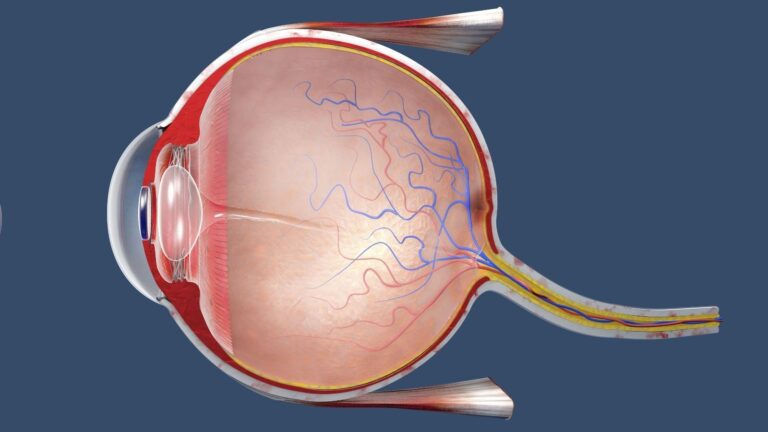
Congenital cataract refers to clouding of the eye's lens that is present at birth. Lens opacities that develop during the first months of life are also classified as infantile cataracts. Because the visual system continues to develop after birth, it is important for sufficient light to reach the retina. When lens opacity obstructs the visual axis, visual development may be adversely affected. The risk of amblyopia may increase, particularly in dense, centrally located cataracts. Therefore, the condition must be diagnosed promptly and an appropriate treatment plan prepared.
Not every congenital cataract causes the same degree of vision loss. A small opacity at the edge of the lens may have a limited effect on visual development. In contrast, a dense cataract located behind the pupil may substantially reduce the amount of light reaching the retina. Whether the cataract affects one or both eyes also changes the evaluation process. Any accompanying eye diseases and the baby's general health must also be examined. The need for treatment is determined by assessing these findings together.
Unilateral and Bilateral Cataracts
Whether congenital cataract occurs in one or both eyes is important when investigating possible causes. A unilateral cataract may develop in some babies without another systemic disease. However, other problems affecting eye development or other intraocular conditions must also be considered. Genetic, metabolic or infection-related causes may be investigated in greater detail in bilateral cataracts. However, not all bilateral cases are hereditary. The evaluation should be based on the baby's ocular findings and general health.
A family history of congenital cataract may affect the need for genetic testing. Some patients may also show symptoms involving other organs. In such cases, assessment by paediatric, genetic or metabolic specialists may be required. Whether the cataract is limited to the eye must also be investigated. Classifying the condition helps to establish the appropriate monitoring and treatment plan. Congenital cataract cases may generally be evaluated as follows:
- Unilateral cataract.
- Bilateral cataract.
- Cataract associated with other diseases.
- Cataract affecting only the eye.
Causes of Congenital Cataract
Genetic characteristics, metabolic diseases and certain infections during pregnancy may contribute to the development of congenital cataract. Changes in the structure of the proteins that maintain lens transparency can cause cataracts. Genetic variations affecting the development and communication of lens cells are also among the possible causes considered. In some children, cataract may occur as part of a broader syndrome. It may not be possible to identify the exact cause in every patient. The scope of the investigation may vary depending on whether the cataract is unilateral or bilateral.
Assessing genetic causes may be particularly important in babies with a family history of similar eye diseases. Genetic tests and eye examinations of family members may be planned when necessary. However, the same genetic investigations are not required for every baby. The baby's development, birth history and other examination findings should be evaluated together. Genetic test results may help plan follow-up and family counselling. Identifying the cause of the cataract may enable accompanying health problems to be detected early in some patients.
Metabolic Diseases and Infections During Pregnancy
Galactosaemia is one of the metabolic diseases that can cause lens opacity in some babies. This condition involves a problem with the way galactose is processed in the body. When diagnosed early, an appropriate nutritional and treatment plan is prepared by a paediatric metabolic specialist. In some cases, the lens opacity may regress once the metabolic disorder is brought under control. However, cataracts cannot be expected to resolve spontaneously in every patient with galactosaemia. Treatment decisions should be based on the baby's general condition and eye examination findings.
Certain infections contracted during pregnancy may also affect the baby's eye development. These infections may affect the retina or other organs in addition to the lens. The expectant mother's pregnancy history and the baby's postnatal findings should be evaluated together. Opinions from paediatric and infectious disease specialists may be obtained when necessary. Not every infection should be assumed to cause cataracts. The main infectious agents evaluated during pregnancy include:
- Rubella.
- Toxoplasma.
- Cytomegalovirus.
- Herpes viruses.
- Syphilis.
Cataract Types and Location
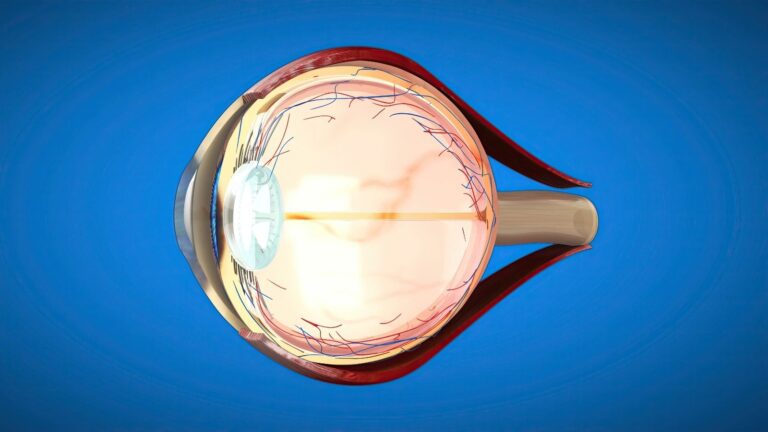
Congenital cataract can develop in different parts of the eye's lens. In some patients, the entire lens becomes densely cloudy. In some babies, the opacity is limited to the centre of the lens or a particular layer. Whether the cataract obstructs the visual axis is important when planning treatment. Small opacities in the front or back of the lens may not always require surgery. The main types evaluated according to the location of the cataract include:
- Total cataract.
- Nuclear cataract.
- Lamellar cataract.
- Anterior polar cataract.
- Posterior polar cataract.
Dense and centrally located cataracts carry a higher risk of affecting visual development. Regular monitoring may be planned for small opacities located outside the visual axis. Whether the cataract grows over time should also be monitored. Visual acuity, eye movements and other ocular findings are evaluated together. It would not be accurate to state that every total cataract must be operated on at the same time. Surgical timing should be determined according to the baby's age, general health and eye examination results.
Signs Families May Notice
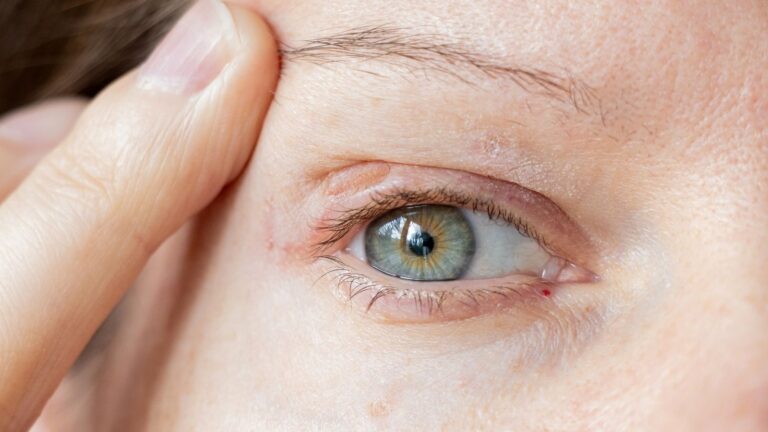
Because babies cannot verbally express visual problems, observations made by their families are important. A white or grey reflection in the pupil requires attention. This condition is medically known as leukocoria. Some families may notice the white reflection in photographs or under certain lighting conditions. A baby not looking at faces, not following toys or having difficulty making eye contact should also be evaluated. The main signs families should watch for include:
- A white or grey appearance in the pupil.
- Different light reflections between the eyes.
- Strabismus.
- Involuntary eye movements.
- Difficulty following toys or faces.
- Poor response to visual stimuli.
A white reflection in the pupil is not caused only by cataracts. Retinal diseases, developmental problems within the eye and serious conditions such as retinoblastoma may produce a similar finding. Therefore, evaluation should not be delayed if a white pupil is noticed. Although a light reflection in a photograph does not always indicate a disease, recurrent or pronounced asymmetry is important. Findings such as strabismus and involuntary eye movements also require a paediatric eye examination. Early evaluation helps identify the problem affecting vision.
Why Is the Red Reflex Test Important?
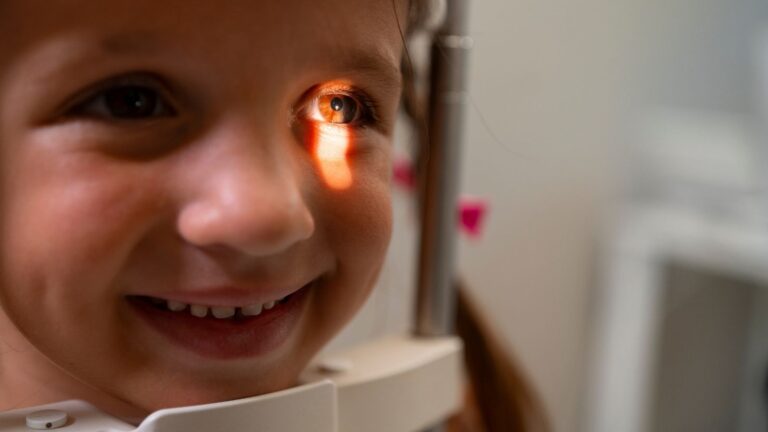
The red reflex test is an examination that helps assess the transparency of the eye's optical media. The reflection of light directed into the pupil from the retina is examined. In healthy eyes, this reflection usually appears similar in both eyes. In the presence of a cataract or another intraocular problem, the reflex may weaken, disappear or differ between the two eyes. This test is an important screening method in newborn assessments and during childhood follow-up. A detailed eye examination should be performed if an abnormal finding is detected.
A normal red reflex test does not mean that all eye diseases have been definitively ruled out. Some small or progressive cataracts may become more apparent over time. Visual signs noticed by the family should therefore also be considered. When necessary, a detailed examination is performed after dilating the pupils. Ocular ultrasonography may be used if a dense cataract prevents examination of the back of the eye. The diagnosis is made by evaluating the examination and necessary imaging results together.
How Is the Timing of Surgery Determined?
The timing of surgery in the treatment of congenital cataract is important for visual development. Surgery may be planned earlier for dense cataracts that completely obstruct the visual axis. Unilateral and bilateral cases are not evaluated in the same way. The baby's age, suitability for anaesthesia and cataract density should be considered together. Very early surgery carries certain risks, while a delay may increase the likelihood of amblyopia. Therefore, there is no single surgical week that applies to all babies.
The treatment plan for a baby with a dense cataract should be prepared following assessments by paediatric ophthalmology and anaesthesia teams. Regular monitoring may be sufficient for mild cataracts that do not affect central vision. In some patients, pupil size and visual development may also influence the decision to operate. Cataract progression is reassessed during follow-up examinations. The purpose of surgery is to allow light to reach the retina and support visual development. However, even timely surgery alone does not guarantee normal visual development.
How Is Cataract Surgery Performed in Babies?
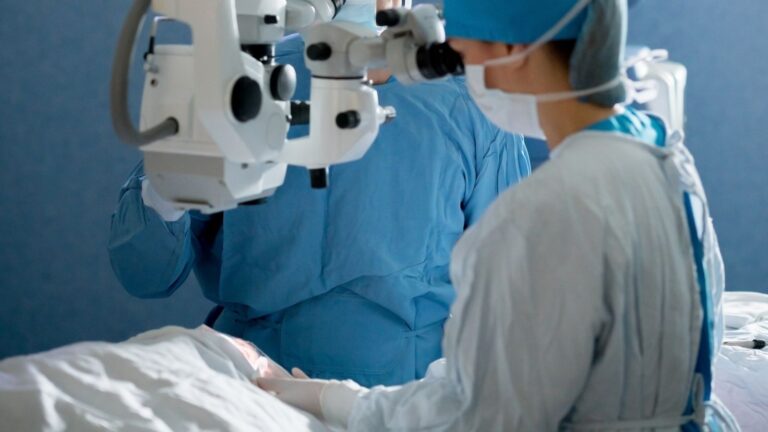
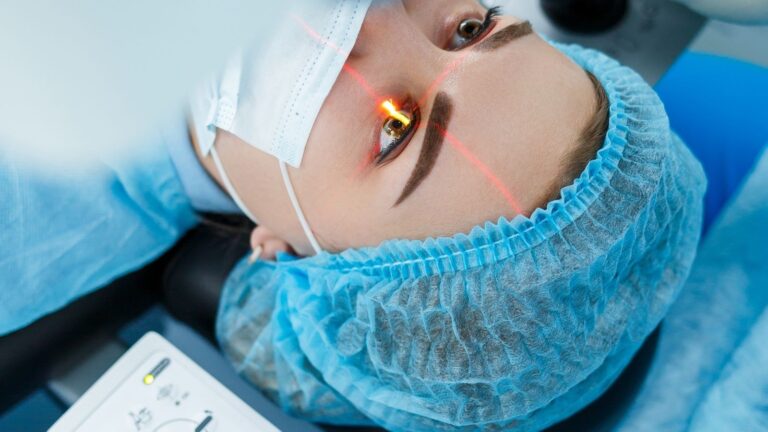
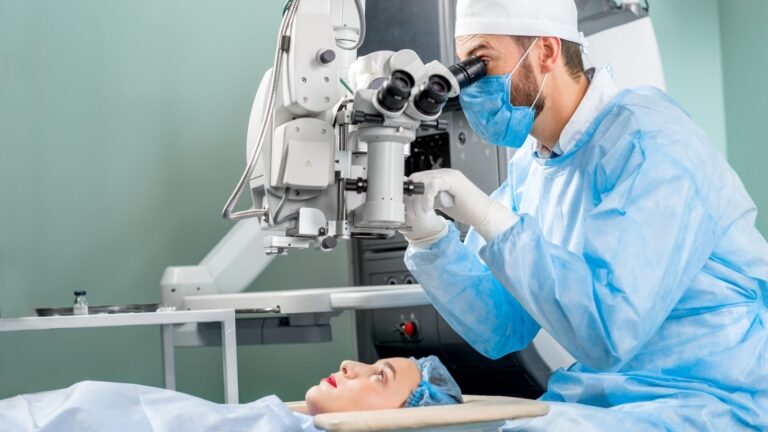
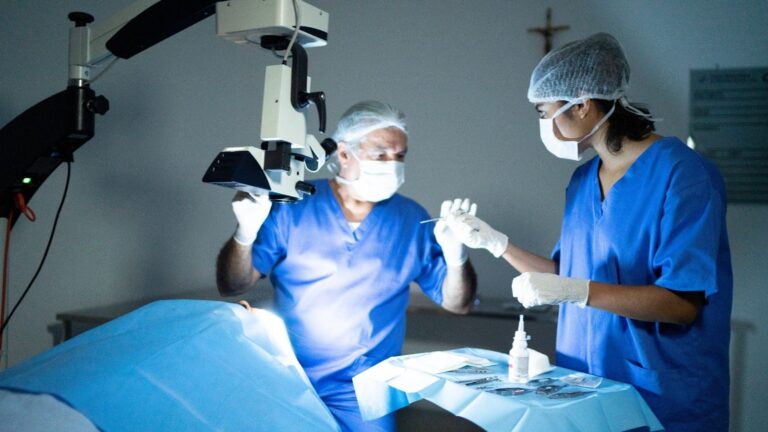
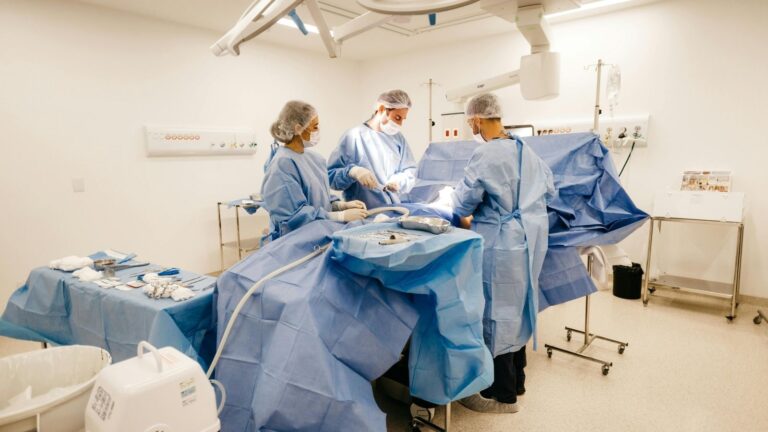
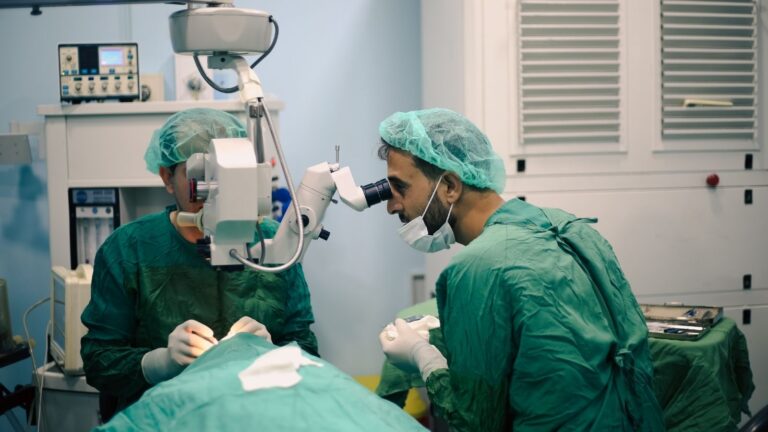
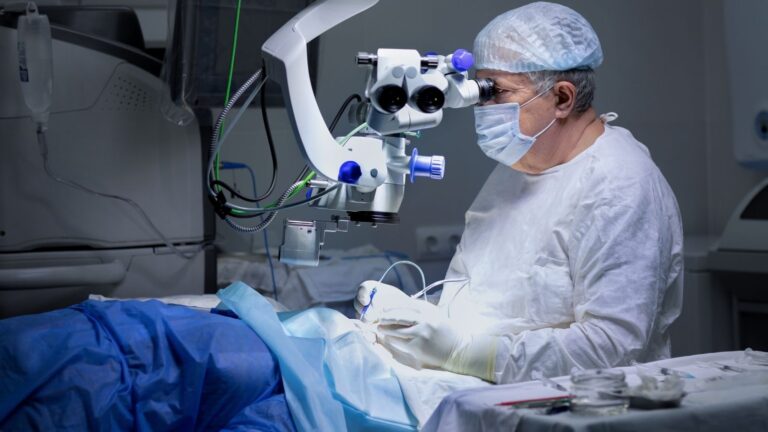
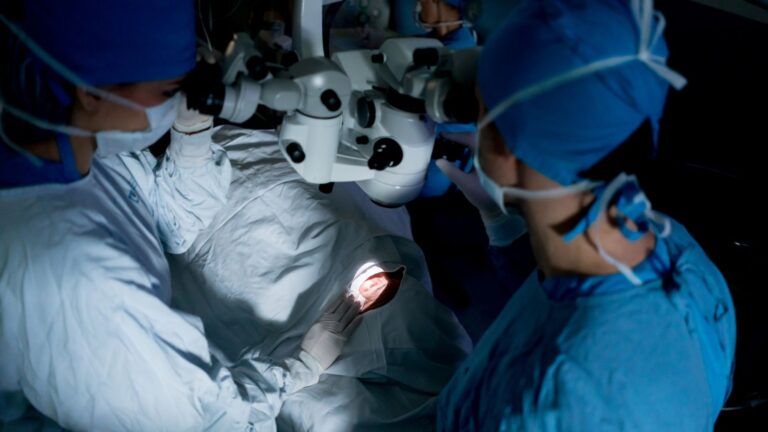
Congenital cataract surgery is performed to remove the clouded eye lens. Because the lens structure in babies differs from that of adults, the surgical technique may also vary. The smaller and more flexible eye tissues require personalised surgical planning. Surgery is generally performed after the necessary assessments regarding paediatric anaesthesia have been completed. The density of the cataract and the anatomical structure of the eye influence the method used. The same surgical steps may not be necessary in every operation.
The capsule surrounding the lens in babies may be more flexible than in adults. This affects the microsurgical instruments and procedural steps used during surgery. Additional procedures involving the posterior capsule may be considered in young children to prevent the visual axis from becoming cloudy again. Limited removal of the anterior vitreous may also be planned when necessary. Whether an intraocular lens will be implanted is evaluated separately. The main characteristics that affect surgical planning in a baby's eye include:
- Flexibility of the lens capsule.
- Small anatomical structure of the eye.
- Soft lens tissue.
- Postoperative inflammatory response.
- Possibility of the visual axis becoming cloudy again.
- Continued growth of the eye.
Glasses and Contact Lenses After Surgery
Removing the natural lens changes the focusing power of the eye. The absence of an artificial lens inside the eye is known as aphakia. In this situation, optical correction methods such as glasses or contact lenses may be used to provide a clear image. Contact lenses may be a more suitable option for some patients with unilateral cataract. Aphakic glasses may also be considered for children who have undergone bilateral cataract surgery. The method selected should be determined according to the baby's age and eye structure.
As the baby grows, the refractive power of the eye and the structure of the cornea may change. The contact lenses or glasses used must therefore be reassessed at regular intervals. Families should be given detailed instructions about contact lens cleaning and wear time. A follow-up examination may be required if redness, discharge or discomfort develops on the ocular surface. Not every child has to use the same type of lens. The main options considered for visual rehabilitation include:
- Aphakic contact lenses.
- Aphakic glasses.
- Intraocular lenses in suitable patients.
Are Intraocular Lenses Implanted in Babies?
The use of intraocular lenses in babies is evaluated according to the child's age and the anatomical characteristics of the eye. Because the eye continues to grow during the first years of life, calculating the lens power can be difficult. For this reason, an artificial lens may not be implanted during surgery in some very young babies. However, it would not be accurate to state that intraocular lenses are never used in all children below a certain age. Whether the cataract is unilateral or bilateral and whether contact lens use is possible may influence the decision. The assessment regarding lens implantation should be personalised.
In some children, an intraocular lens may be implanted during the first operation, while in others it may be placed later. This is known as secondary intraocular lens implantation. When determining lens power, the continued growth of the eye in subsequent years is taken into account. The need for glasses may therefore continue after surgery. Implanting an artificial lens does not mean that the child will never need glasses in the future. The decision should be made by evaluating visual development and potential surgical risks together.
Amblyopia and Patching Therapy
Removing the cataract is only one part of the treatment required for visual development. Particularly in unilateral cataracts, the brain may prefer to use the eye with better vision. This may cause amblyopia, commonly known as lazy eye, in the operated eye. Appropriate optical correction with glasses or contact lenses is important during this process. Amblyopia treatment should be planned according to the child's age and visual development. In some patients, patching the unaffected eye for specific periods may be recommended.
The duration of patching therapy is not the same for every child. Daily application time is determined according to the visual acuity of the operated eye and the child's age. Excessive or uncontrolled patching may also affect visual development in the other eye. The patching programme should therefore be arranged by the physician and updated during follow-up examinations. Different visual rehabilitation methods may also be considered for certain age groups. Regular adherence by the family to the treatment plan is important for supporting visual development.
Which Problems Are Monitored Long Term?
Children who have undergone congenital cataract surgery require regular long-term monitoring. Increased intraocular pressure and glaucoma may develop after surgery. This risk may arise during early childhood or in later years. In some children, elevated intraocular pressure may not cause noticeable symptoms. The intraocular pressure and optic nerve should therefore be assessed regularly. The main conditions monitored during long-term follow-up include:
- Increased intraocular pressure.
- Glaucoma.
- Recurrent clouding of the visual axis.
- Strabismus.
- Amblyopia.
- Postoperative inflammatory changes.
- Changes in glasses or contact lens prescription.
After surgery in babies, clouding may redevelop in the tissues surrounding the lens. Additional treatment or surgery may be required if this affects the visual axis. The position of the lens is also monitored in children with an intraocular lens. A separate assessment should be made if strabismus or involuntary eye movements are present. Visual acuity and the need for optical correction may change as the child grows. Follow-up should therefore not be limited to the first few months after surgery.
Family Follow-Up and Visual Development
Congenital cataract treatment is not a short process completed with surgery. The child's use of glasses or contact lenses, patching therapy and regular eye examinations should be planned together. Family adherence to treatment plays an important role in supporting visual development. The optical correction methods used may be reassessed as the baby grows. Intraocular pressure, retinal structure and visual development are monitored during follow-up visits. Because each child's treatment process and visual acuity differ, an individual follow-up plan should be prepared.
Evaluation should not be delayed if a white pupil, strabismus or an inadequate response to visual stimuli is noticed. Early recognition of congenital cataract helps ensure that appropriate treatment is planned in a timely manner. However, visual acuity after surgery may vary depending on the duration of the cataract and any accompanying eye diseases. When glasses, contact lenses or patching therapy are required, their use should be monitored regularly. The appropriate treatment approach is determined following a detailed paediatric eye examination. You can contact me using the details on my website to schedule an examination appointment.