
Laser Eye Surgery
FIELDS OF EYE HEALTH
Treatments
Review the assessment areas for your eye health and vision needs.
01
Astigmatism and Presbyopia Treatment
Astigmatism is a refractive error that prevents light from focusing on a single point on the retina. Presbyopia, on the other hand, is the age-related decline in the eye's ability to focus on near objects. Both conditions can coexist in the same individual and affect both distance and near vision. Treatment does not always require […]
Learn more02
Glaucoma (Eye Pressure) Surgery
Ocular hypertension, medically known as glaucoma, refers to a group of eye diseases that can cause progressive damage to the optic nerve. Elevated intraocular pressure is an important risk factor, but pressure may not be elevated in every glaucoma patient. Similarly, not everyone with high intraocular pressure develops glaucoma. Because the disease usually does not […]
Learn more03
Treatment of Refractive Errors (Eye Disorders)
Refractive errors are visual disorders that occur as a result of the eye's corneal and lens structure failing to focus light correctly onto the retina. Refractive errors include myopia, hyperopia, astigmatism, and age-related near-vision difficulty, presbyopia. These conditions can cause blurred vision, eye strain, headaches, and difficulty focusing. Eyeglasses and contact lenses are non-surgical fundamental […]
Learn more 04
04Lens Health
Cataract Surgery
Cataract surgery involves removing the eye's natural lens after it has lost its transparency and replacing it with an artificial intraocular lens. A cataract prevents light from reaching the retina properly, causing blurred vision. The purpose of surgery is to remove this obstruction and support visual function. The decision to operate is based not only […]
Learn more 05
05Refractive Surgery
Laser Eye Surgery (Excimer Laser)
Excimer laser is a laser technology designed to correct refractive errors by reshaping the cornea, the transparent front layer of the eye. In suitable people with myopia, hyperopia and astigmatism, it is used to help light focus more evenly on the retina. This technology is used in some procedures commonly known as laser eye surgery. […]
Learn more 06
06Ocular Surface Health
Dry Eye Surgery
Dry eye develops as a result of insufficient tear production or rapid evaporation from the ocular surface. Treatment may include artificial tears, eyelid care, inflammation control and, in suitable patients, tear duct plugs or surgical methods.
Learn more 07
07Eyelid Health
Drooping Eyelid (Ptosis) Surgery
Drooping eyelid surgery is a surgical treatment performed to correct a restricted visual field or an abnormal eyelid position caused by the upper eyelid sitting lower than normal. This condition, known as ptosis, may be congenital or develop later due to ageing, muscle diseases, nerve disorders or trauma. Drooping may affect one or both eyes. […]
Learn more 08
08Retinal Health
Macular Degeneration Treatment
Macular degeneration is a condition that affects the macula, the central part of the retina at the back of the eye, and may lead to a reduction in central vision. Medically known as age-related macular degeneration, this condition is more common, particularly in older age. The macula is involved in functions such as reading, recognising […]
Learn more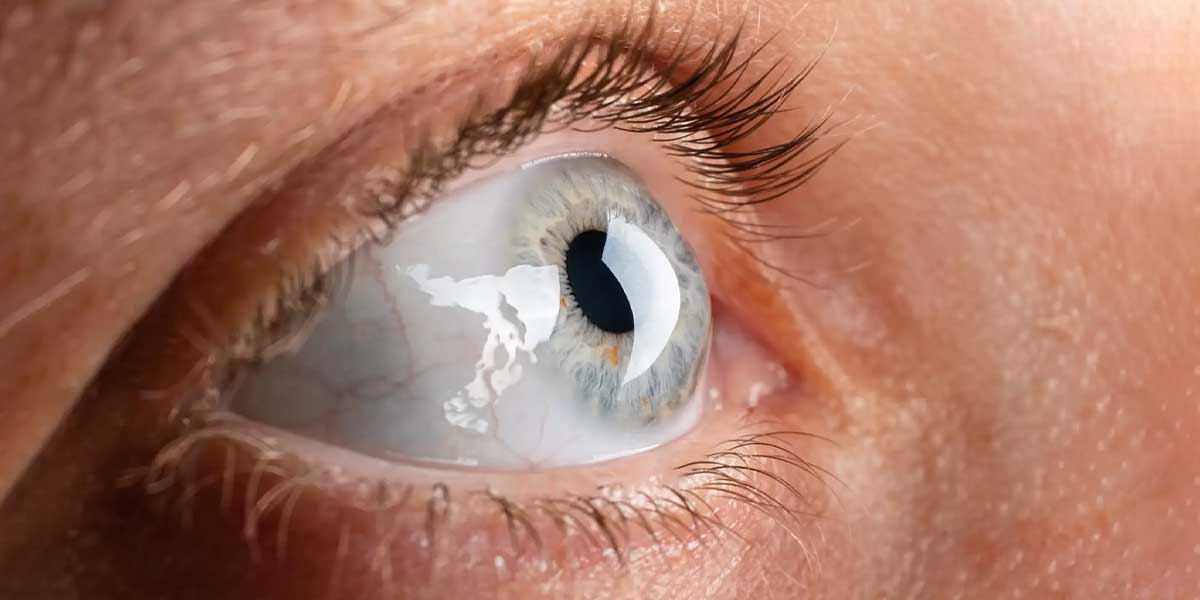 09
09Corneal Health
Keratoconus Surgery
Keratoconus is a condition in which the transparent corneal layer at the front of the eye gradually thins, changes shape, and bulges forwards into a cone. This structural change may adversely affect visual quality by causing irregular astigmatism and myopia. The condition is often detected during adolescence or young adulthood and may occur at different […]
Learn more 10
10Intraocular Lenses
Smart Lens / Intraocular Lens Surgery
Smart lens surgery is a term commonly used to describe a surgical procedure involving the use of multifocal, trifocal, or extended depth of focus intraocular lenses. During surgery, the eye's natural lens is removed and replaced with an artificial intraocular lens. This procedure is most commonly performed during cataract surgery. It may also be considered […]
Learn more 11
11Lacrimal Drainage System
Treatment of Lacrimal System Disorders
Lacrimal system disorders are conditions that affect tear production, distribution across the ocular surface, or drainage into the nasal cavity. Disorders within this system may cause dry eye, persistent watering, discharge, and recurrent infections. Sometimes the symptoms result from insufficient tear production, while in other cases the existing tears cannot drain through the ducts. As […]
Learn more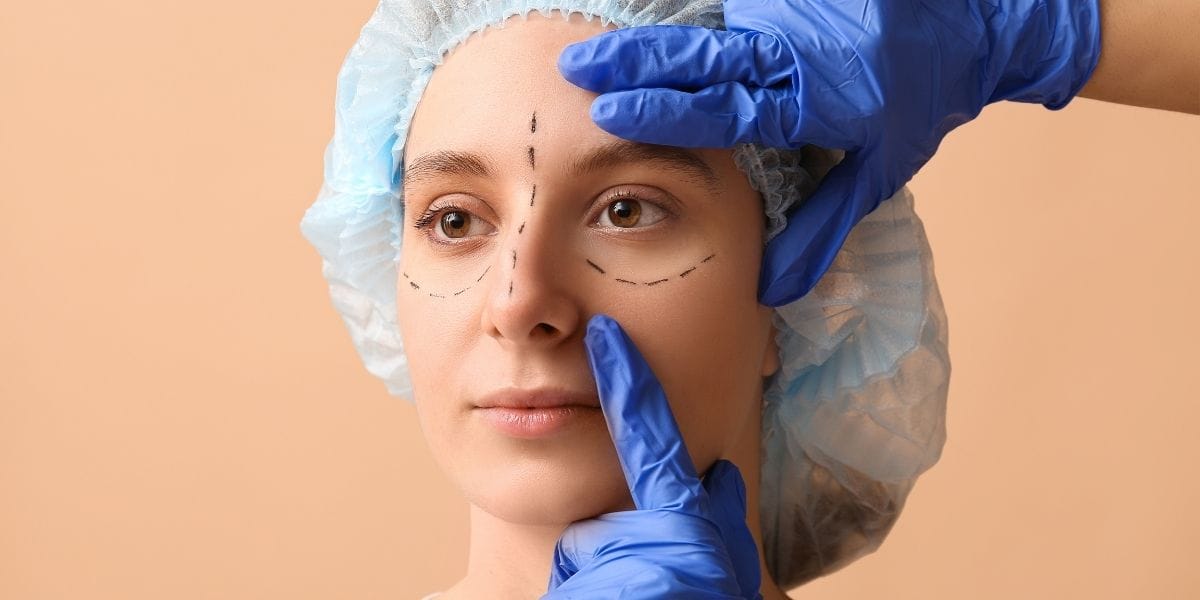 12
12Oculoplastic Assessment
Lower Eyelid Aesthetic Surgery
Lower eyelid aesthetic surgery is a surgical procedure for structural changes such as under-eye bags, excess skin, wrinkles, and eyelid laxity. Medically known as lower blepharoplasty, this procedure assesses both the appearance of the eye area and the function of the eyelid. The treatment plan is based on the condition of the fatty tissue beneath […]
Learn more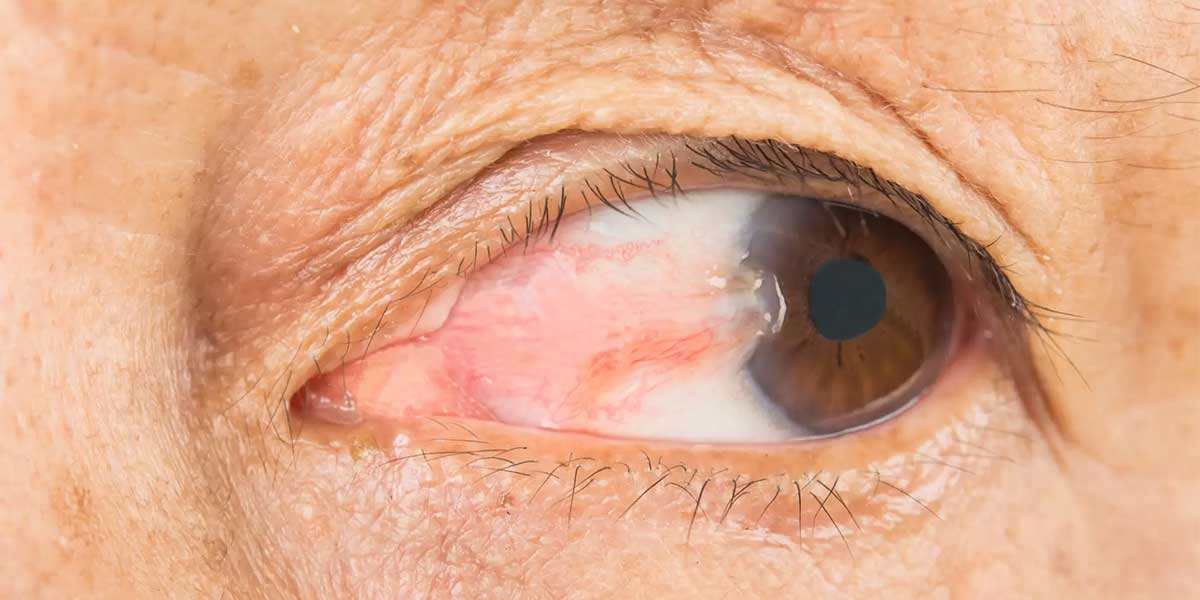 13
13Ocular Surface Health
Pterygium Surgery (with Tissue Adhesive and Graft)
A pterygium is a usually triangular change on the ocular surface that develops when the conjunctival tissue covering the white part of the eye grows towards the cornea. Commonly known as pterygium (surfer's eye), this condition is referred to as pterygium in medical literature. It develops more frequently on the side of the eye closest […]
Learn more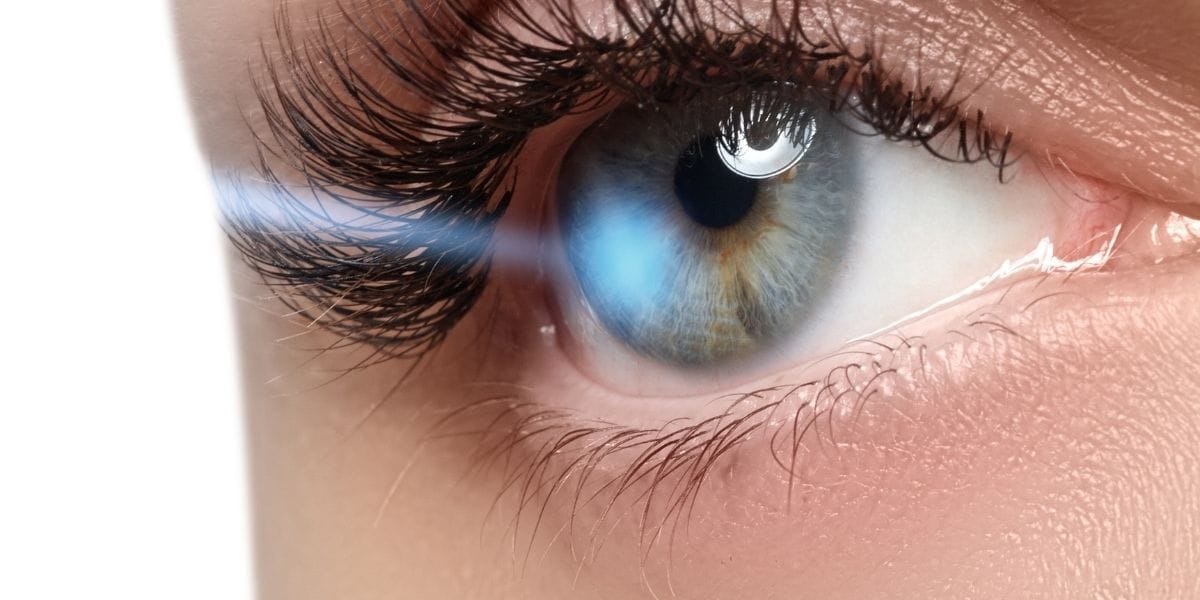 14
14Corneal Assessment
No-Touch Laser (TransPRK)
No-Touch laser is a corneal surface laser treatment used to correct refractive errors such as myopia, hyperopia, and astigmatism in suitable patients. In this method, known as TransPRK, the epithelial layer of the cornea is removed with an excimer laser, and the underlying tissue is reshaped using the same laser. A corneal flap is not […]
Learn more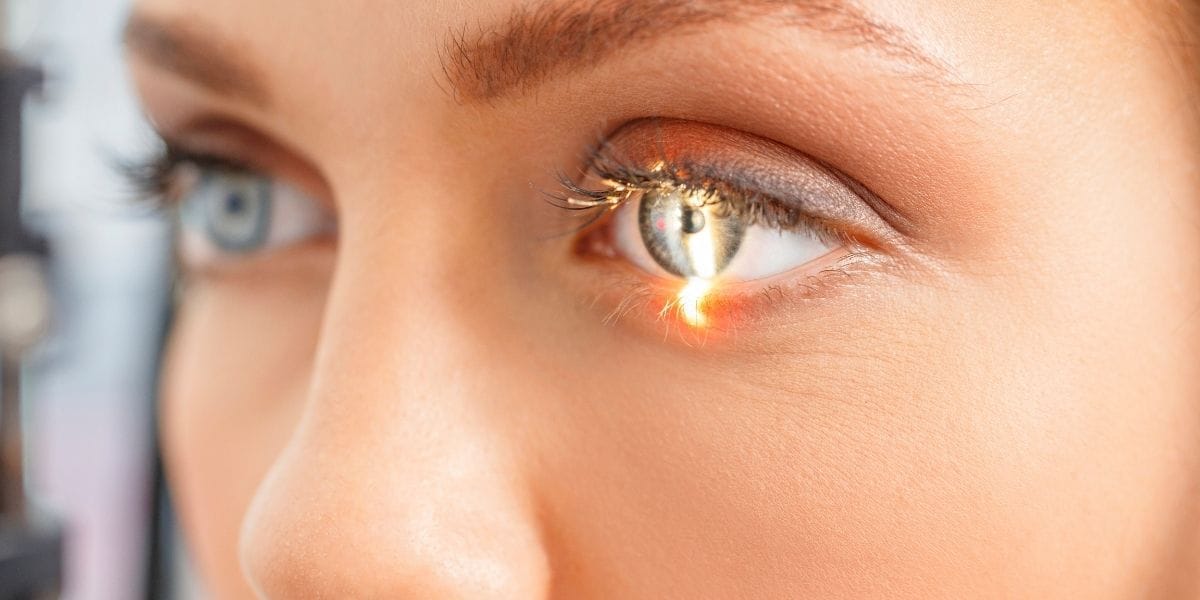 15
15Refractive surgery
SMILE Laser
SMILE laser is a refractive surgical method that aims to alter the refractive power of the eye by removing a thin piece of tissue created within the cornea through a small incision. This procedure, whose name is an abbreviation of Small Incision Lenticule Extraction, may be considered particularly in cases of myopia and suitable astigmatism. […]
Learn more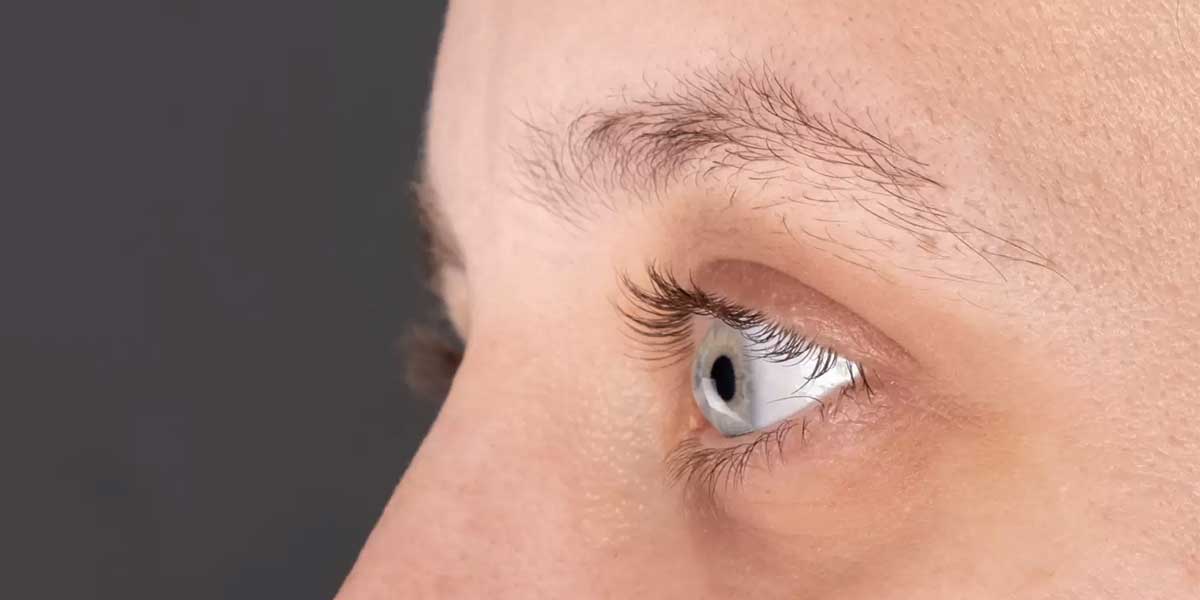 16
16Corneal assessment
Corneal Transplantation
Corneal transplantation is a surgical procedure performed when the transparent corneal layer at the front of the eye has been damaged by disease, infection, trauma or a structural disorder. Corneal transplantation involves replacing all of the damaged tissue or only the affected layer with corneal tissue obtained from a suitable donor. Also known as keratoplasty, […]
Learn more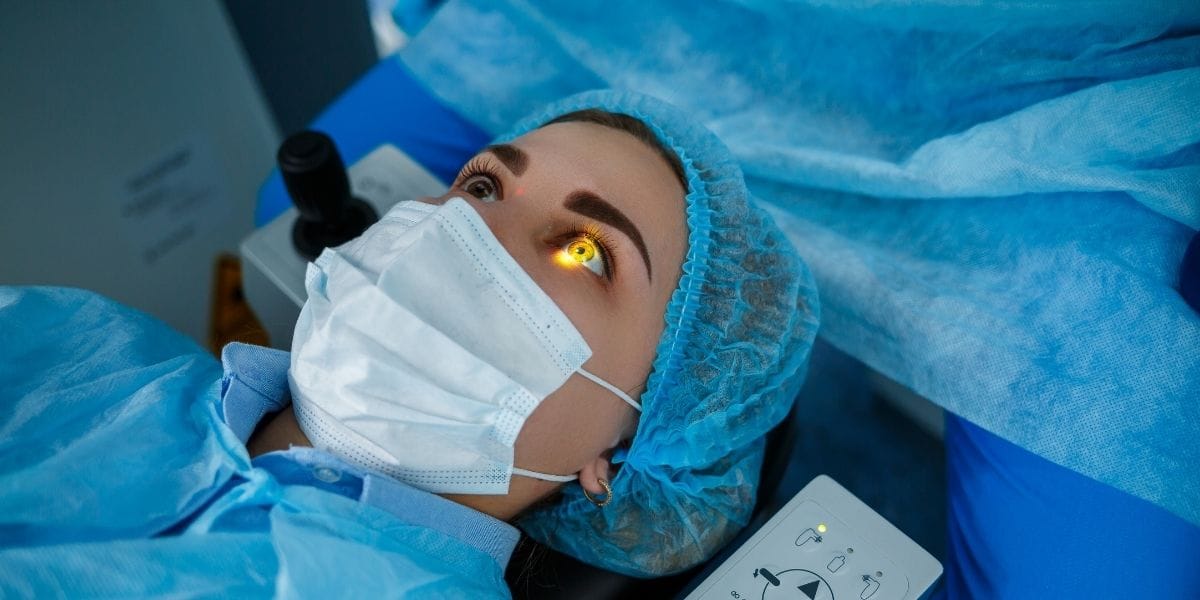 17
17Refractive Surgery
LASIK Eye Surgery
LASIK eye surgery is a treatment for refractive errors based on reshaping the transparent corneal tissue at the front of the eye with a laser. It may be performed in suitable patients with myopia, hyperopia or astigmatism to reduce the need for glasses or contact lenses. During the procedure, a thin flap is created in […]
Learn more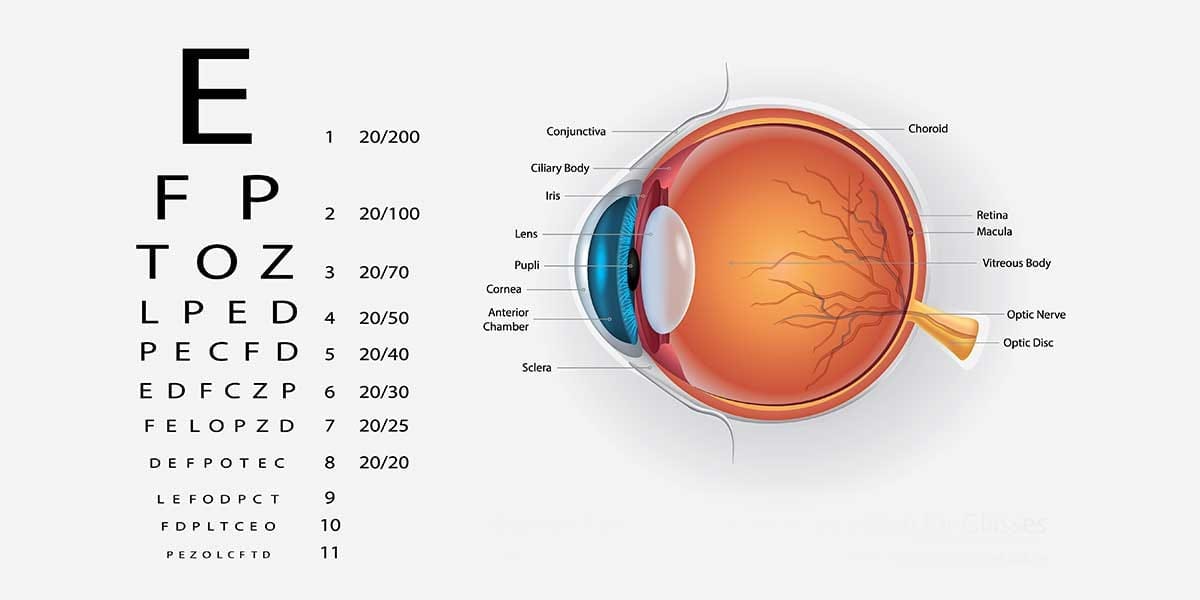 18
18Retinal health
Diabetic Retinopathy Treatment
Diabetic retinopathy is an eye disease that occurs when long-term or uncontrolled diabetes damages the blood vessels of the retina at the back of the eye. Diabetic retinopathy may progress without symptoms at first and can eventually cause vascular leakage, bleeding inside the eye or swelling at the centre of vision. Commonly described as diabetes […]
Learn more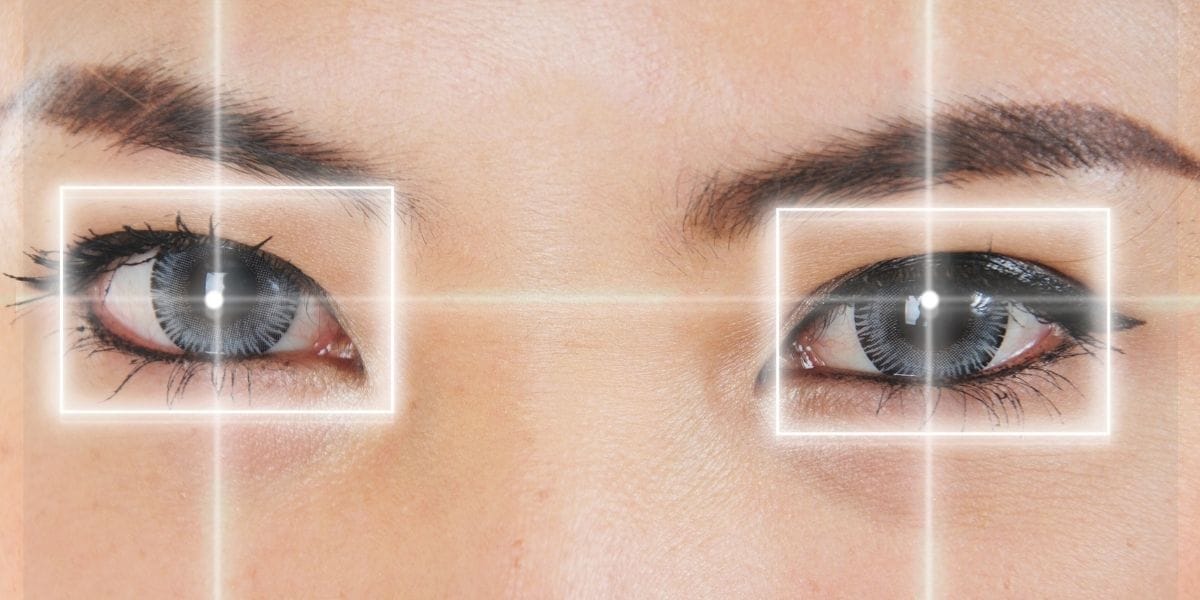 19
19Corneal assessment
PRK Laser Eye Surgery
PRK laser eye surgery is a corneal surface treatment used to correct refractive errors such as myopia, hyperopia and astigmatism in suitable patients. In the method known as photorefractive keratectomy, the outermost epithelial layer of the cornea is removed and the underlying tissue is shaped with an excimer laser. Unlike LASIK surgery, no corneal flap […]
Learn more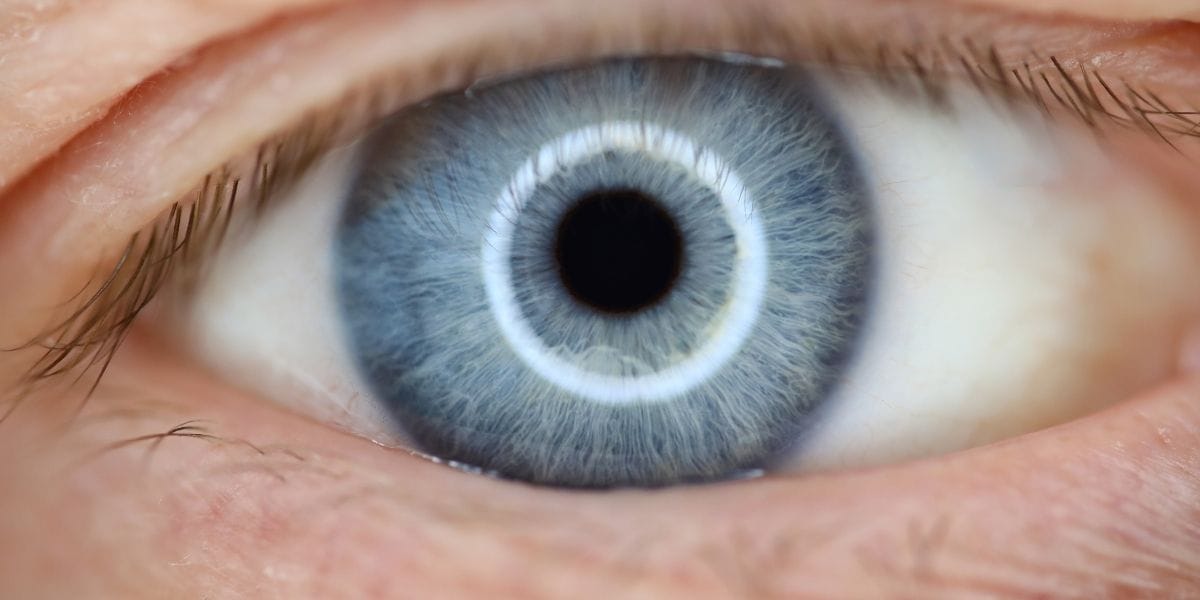 20
20Astigmatism assessment
Toric Intraocular Lenses for Astigmatism
A toric intraocular lens for astigmatism is an artificial lens implanted in the eye during cataract surgery or refractive lens exchange and designed to reduce the optical effect of regular corneal astigmatism. These lenses are medically known as toric intraocular lenses. A toric lens does not change the shape of the cornea but aims to […]
Learn more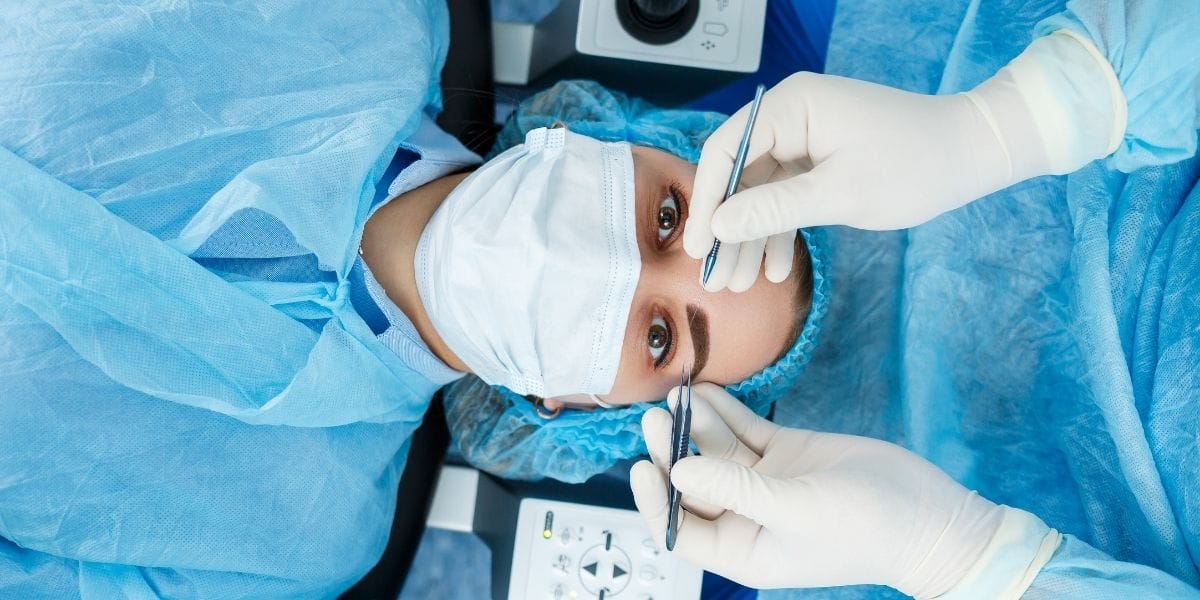 21
21Intraocular lenses
Trifocal Lens Surgery
A trifocal lens is an artificial intraocular lens implanted after removal of the eye's natural lens and creates three focal zones for near, intermediate and distance vision. It is most commonly used during cataract surgery. In some people, it may also be preferred to assess age-related difficulty with near vision and refractive errors together. The […]
Learn more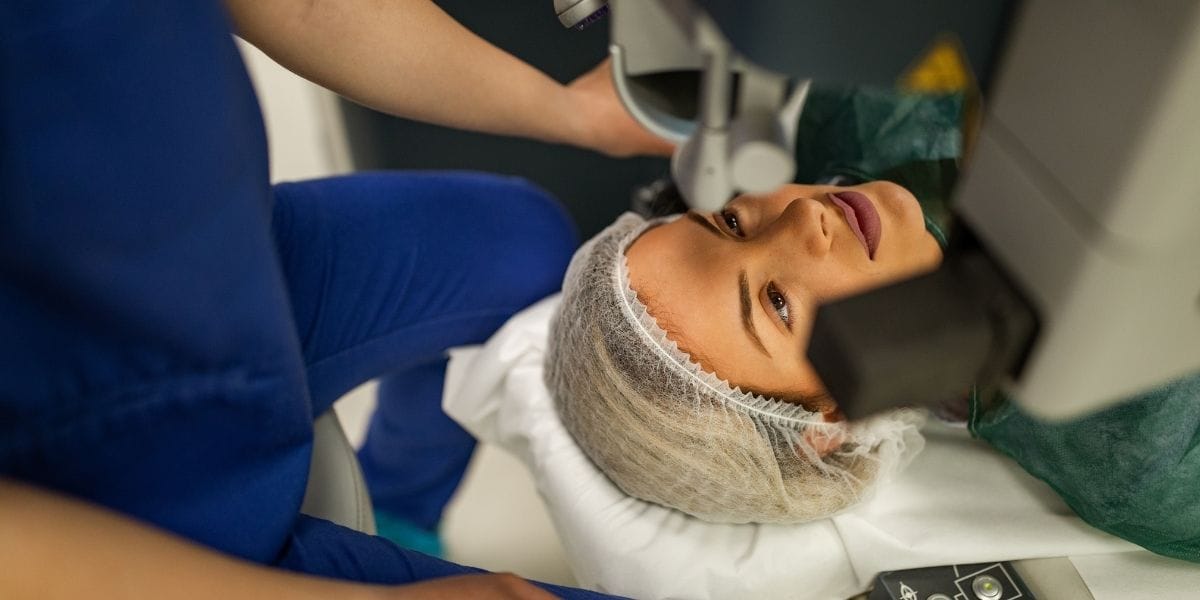 22
22Intraocular lenses
Multifocal Intraocular Lens
A multifocal intraocular lens is an artificial lens that is implanted in the eye after the natural lens has been removed and is designed to support vision at multiple distances. The procedure is most commonly performed together with cataract surgery. In some people without cataracts, it may be considered as part of refractive lens exchange. […]
Learn more 23
23Intraocular Lenses
Phakic Intraocular Lens Treatment
Phakic intraocular lens treatment in Izmir is a treatment for refractive errors in which an additional artificial lens is implanted inside the eye without removing the eye's natural lens. It may be considered particularly for people with high myopia, certain types of hyperopia or astigmatism. It may be an alternative when laser surgery is considered […]
Learn more 24
24Lens health
Femtosecond Laser-Assisted Cataract Surgery
In femtosecond laser-assisted cataract surgery, certain stages of the operation are planned with the assistance of a laser. The surgical method, intraocular lens options, suitability criteria, possible risks, the recovery process and points to consider when researching prices are discussed. Femtosecond laser-assisted cataract surgery is a method that uses laser technology during certain surgical stages […]
Learn more 25
25Intraocular Lenses
Implantable Contact Lens Treatment
Implantable contact lens treatment involves placing an artificial lens inside the eye without removing the natural lens, with the aim of reducing refractive errors. Implantable contact lens treatment may be considered particularly for selected patients with high myopia, astigmatism or an unsuitable corneal structure. Terms such as phakic intraocular lens and ICL may be used […]
Learn moreLET'S PLAN THE FIRST STEP TOGETHER
If you have any questions, let’s talk.
Contact us through your preferred channel to plan your examination and appointment.
EYE HEALTH IN VIDEOS
All videos Hear it from your doctor.
Videos about eye health, examination procedures, and frequently asked questions.
Partner Institutions
Our clinic has agreements with the following institutions and private insurance providers.