Contents:
LASIK laser eye surgery is planned by considering the patient's corneal structure, prescription, overall eye health and the surgical method to be used. This procedure, which aims to reduce the need for glasses or contact lenses, requires an individual assessment for each person. Corneal thickness, the condition of the ocular surface and the degree of refractive error play an important role in selecting the method. The medical devices used, operating room conditions and postoperative follow-up process are also parts of treatment planning. Not every eye structure is suitable for the same method. Therefore, the surgical decision should be made after a detailed examination and all necessary tests have been completed.
How Is the Laser Method Determined?
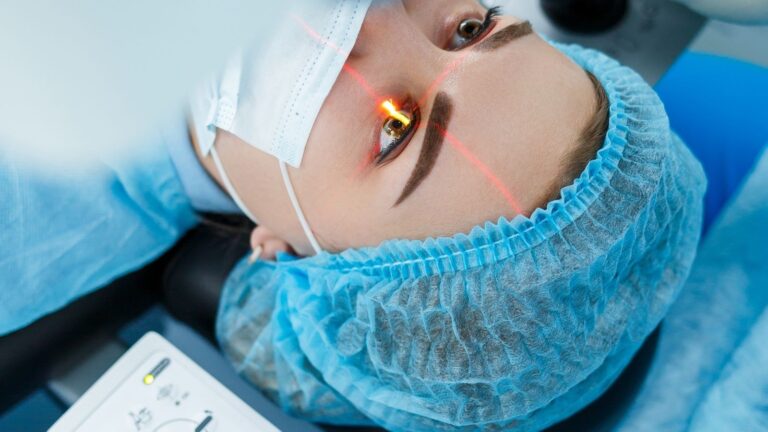
Laser eye surgery includes methods that may be used in suitable patients following the assessment of refractive errors such as myopia, hyperopia and astigmatism. The technique is selected according to the person's corneal structure, current prescription and ocular surface characteristics. In methods such as SMILE, tissue created within the cornea is removed through a small incision. In surface treatments, a corneal flap is not created as it is in LASIK. Each approach differs in terms of how it is performed, the recovery process and follow-up requirements. It is not possible to say that one method is more suitable than the others for everyone. The surgical technique should be selected according to the person's medical characteristics.
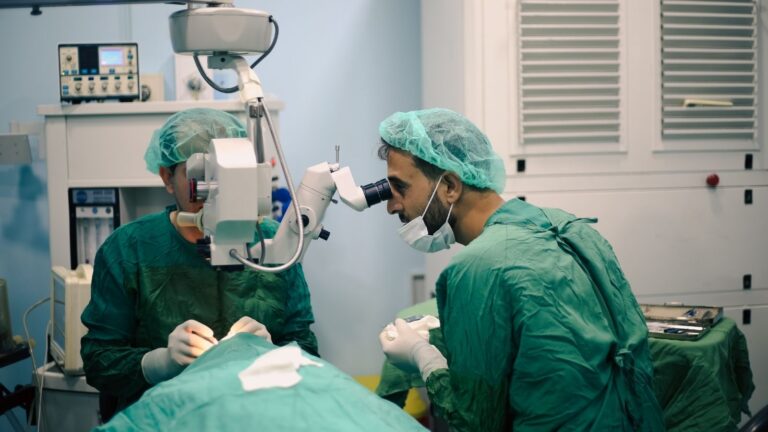
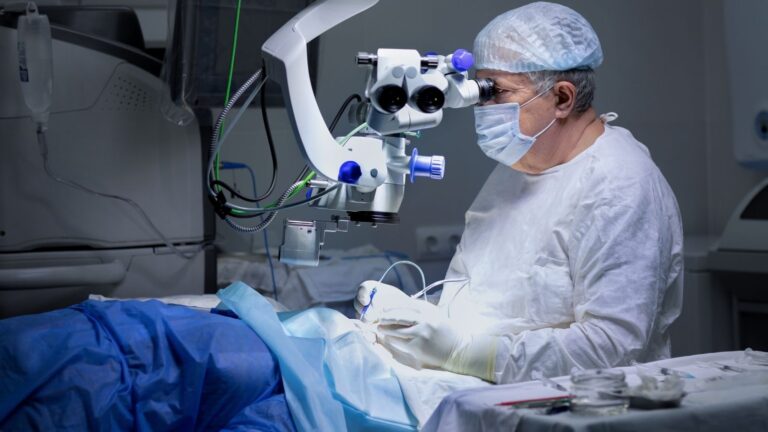
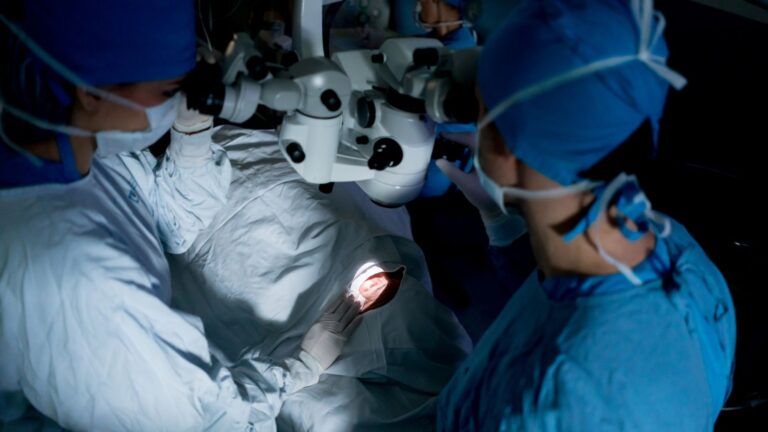
In Femto-LASIK, a femtosecond laser is used to create a corneal flap, while an excimer laser is used to correct the refractive error. Surface treatments such as PRK and TransPRK involve different treatment steps targeting the surface layers of the cornea. In SMILE, the lenticule created within the cornea is removed through a small incision. The operating principles of the devices, the materials required during the procedure and the subsequent follow-up plan may vary depending on the method. Phakic intraocular lens implantation may also be considered an option for some patients. However, this is not a laser method and is a separate surgical procedure involving the placement of a lens inside the eye. The main methods that may be considered for correcting refractive errors include:
- LASIK.
- Femto-LASIK.
- SMILE.
- PRK.
- TransPRK.
- Phakic intraocular lens implantation.
Why Are Operating Room Conditions Important?
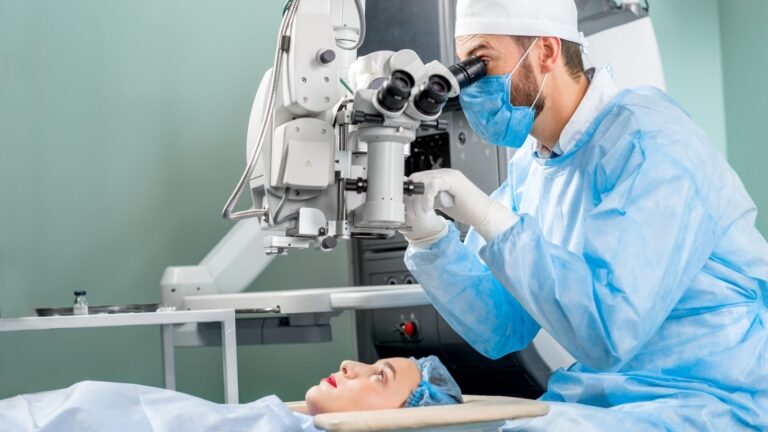
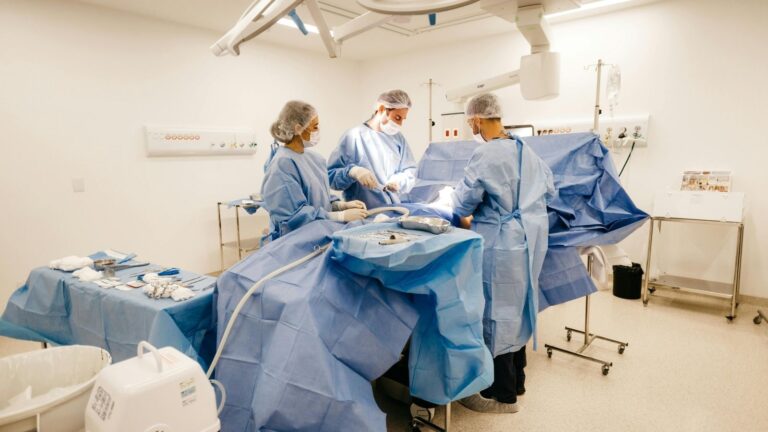
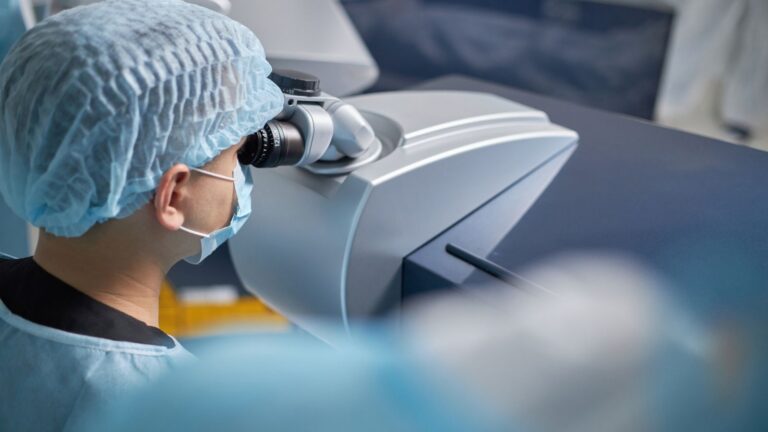
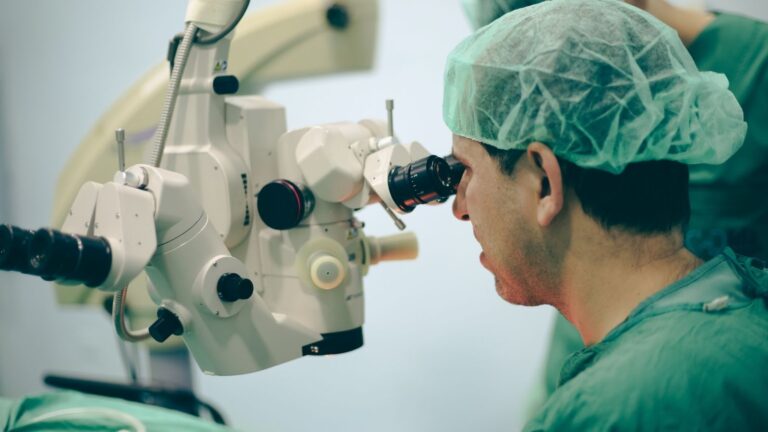
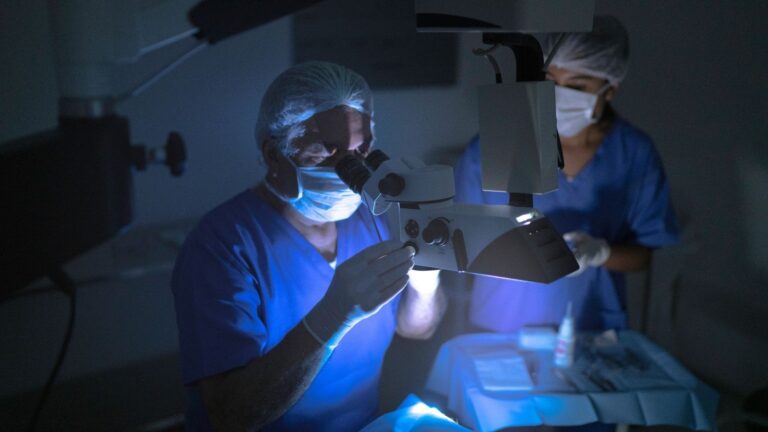
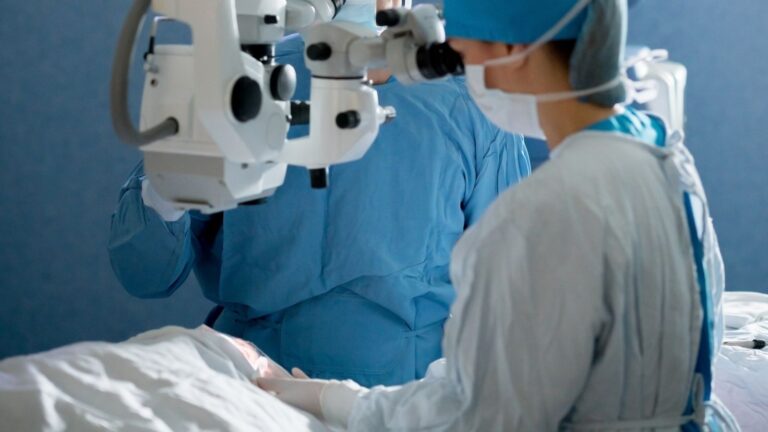
Devices used in laser surgery must be operated under appropriate technical and environmental conditions. Temperature, humidity and ventilation in the operating room should be regulated according to the operating ranges specified by the manufacturer. Cleanliness of the surgical area and infection control practices are also important parts of the planning process. Regular maintenance and calibration of the equipment support the proper operation of the devices. Materials used during the procedure must also comply with sterilisation requirements. When assessing operating room infrastructure, both the features of the device and the conditions under which it is used should be considered.
Climate control and ventilation systems in healthcare facilities are planned in accordance with applicable technical requirements. Appropriate air filtration systems may help control particles in the environment. Uninterruptible power supplies may help protect devices against electrical fluctuations. Maintenance and calibration of laser systems should be performed in accordance with the manufacturer's recommendations and relevant regulations. The technical characteristics of the surgical environment are among the factors that may affect procedural safety. The main components that may be considered when assessing operating room infrastructure include:
- Appropriate climate control systems.
- Air filtration and ventilation infrastructure.
- Pressure control systems used when necessary.
- Regularly maintained laser devices.
- Uninterruptible power supplies.
- Sterilisation and infection control practices.
Which Tests Are Performed Before Surgery?
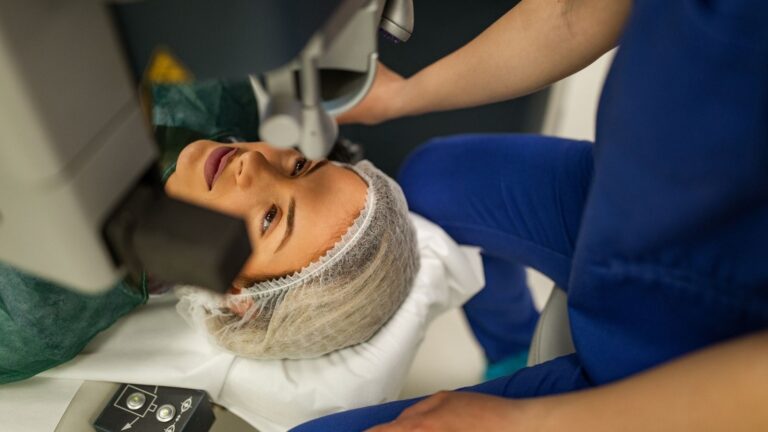
Preoperative assessment is as important as the surgical procedure itself when planning laser surgery. Measuring the patient's prescription alone is not sufficient to determine suitability. The structure of the corneal surface, corneal thickness, tear film and condition of the fundus should be assessed together. Corneal tomography provides detailed information about the front and back surfaces of the cornea and helps identify structural irregularities. Pachymetry is used to assess corneal thickness. These examinations may help prevent unnecessary surgical procedures in unsuitable patients. Assessing the corneal structure and the amount of tissue expected to remain after surgery are among the fundamental elements that should be considered in surgical planning.
During the preoperative eye examination, the patient's age, general health and changes in prescription are also assessed. Whether there has been a significant recent change in the prescription is important when evaluating the stability of the refractive error. Dry eye, corneal thinning, structural irregularities or other eye diseases may affect the choice of method. Laser surgery may not be suitable for some patients, in which case other treatment options may be considered. The physician may also consider possible approaches if an additional intervention becomes necessary in the future. The main preoperative assessment methods include:
- Corneal tomography.
- Corneal topography.
- Pachymetry.
- Tear function assessment.
- Fundus examination.
- Pupil diameter measurement.
- Detailed assessment of the prescription.
The results of these tests are interpreted together with the patient's medical history, not in isolation. Corneal thickness appearing sufficient is not considered adequate on its own if the other findings are unsuitable. Similarly, having a prescription within a particular range does not always mean that laser surgery can be performed. Depending on the examination findings, the procedure may be postponed or another treatment method may be recommended. Contact lens wearers may need to follow the preparation instructions provided by their physician to ensure that the measurements are assessed accurately. The final decision should be made after all tests have been evaluated and the patient has been informed.
Physician Assessment and Follow-Up Process
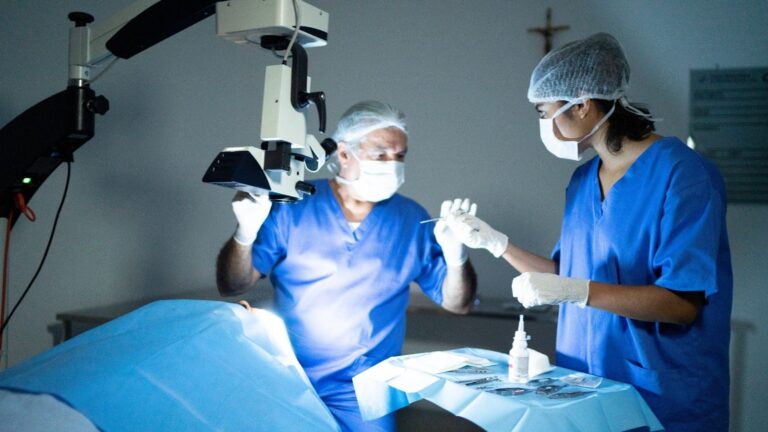
In addition to the technology used in laser surgery, the medical specialisation and clinical approach of the physician assessing the procedure are also important. The surgical plan should be based not only on the technical features of the device but also on the patient's needs and examination results. The physician should explain the available methods and the potential risks associated with the procedure in clear language. The frequency of postoperative check-ups may vary depending on the method used and the individual's recovery process. Healthcare facilities may also differ in their working practices and approaches to patient follow-up. When evaluating the treatment process, it is important for the patient to make an informed decision and share their expectations with the physician.
In some healthcare facilities, examinations, surgical planning and postoperative check-ups may be carried out by different team members. In other settings, the same physician may be directly involved in more stages of the process. The patient's clinical needs and follow-up requirements should form the basis for assessing these working models. It would not be correct to conclude that one healthcare facility is better than another based solely on its working model. Establishing healthy communication with the physician, receiving clear answers to questions and attending regular check-ups are important during the treatment process. The main factors that may be considered when assessing the physician and treatment process include:
- Specialisation in ophthalmology.
- Professional experience with surgical methods.
- Detailed assessment of examinations and tests.
- Clear information about potential risks.
- Preparation of a postoperative follow-up plan.
- Clear answers to the patient's questions.
What Are the Potential Risks of Laser Surgery?
Although laser eye surgery is a surgical procedure that may be performed in suitable patients, it is not completely free of risk. Dry eye, temporary stinging, sensitivity to light or halos around lights may occur after the procedure. Some people may experience changes in night vision or results that differ from what was expected in terms of refractive correction. Less commonly, problems such as infection, changes in the corneal structure or the need for additional treatment may also occur. These possibilities vary according to the person's eye structure, the method used and the recovery process. A detailed preoperative assessment and postoperative check-ups help identify potential problems at an early stage. It should be remembered that the outcomes of any surgical or interventional procedure may vary from person to person.
Rules for Providing Information About Healthcare Services
Medical accuracy, patient safety and professional ethics should be the basis of information provided about healthcare services. In Türkiye, healthcare facilities and healthcare professionals are required to comply with the relevant legislation in their promotional activities. Information about prices, discounts, campaigns or promotions should not be included in promotional and informational activities intended for domestic audiences. Offering healthcare services through prize draws, gifts or incentive-based marketing practices is also inappropriate. Statements that may create the impression that a particular device, method or healthcare facility is superior to others should also be avoided. These rules aim to help patients make decisions based on medical necessity rather than commercial influence.
The use of patient images is also regulated separately. The patient's explicit consent must be obtained before images are shared, and patient privacy must be protected. If before-and-after images are used, the same environmental and technical conditions must be provided, and the dates of the procedure and the images must be stated. Images must not be misleadingly edited, and patient information must be protected in accordance with the law. Sharing patient images taken during surgery is prohibited under the relevant regulations. The fundamental principles that should be followed in healthcare content can be summarised as follows:
- Do not share information about prices, discounts, campaigns or promotions.
- Do not use prize draws, gifts or incentive-based marketing practices.
- Do not guarantee definite results or success.
- Do not compare treatment methods in a misleading manner.
- Protect patient privacy and personal data.
- Comply with explicit consent and regulatory requirements when sharing images.
- Limit information to scientific and medical data.
The assessment of laser eye surgery should take the person's eye structure and health into consideration. Each patient may have a different refractive error, corneal characteristics and treatment expectations. Therefore, a method considered suitable for another person should not be expected to produce the same result for everyone. Preoperative tests, evaluation of surgical options and explanation of potential risks form the basis of the decision-making process. It would not be appropriate to make a definitive statement about any treatment method before a suitability assessment has been completed. You can arrange an examination with an ophthalmologist to learn which treatment option may be suitable for your eye structure.