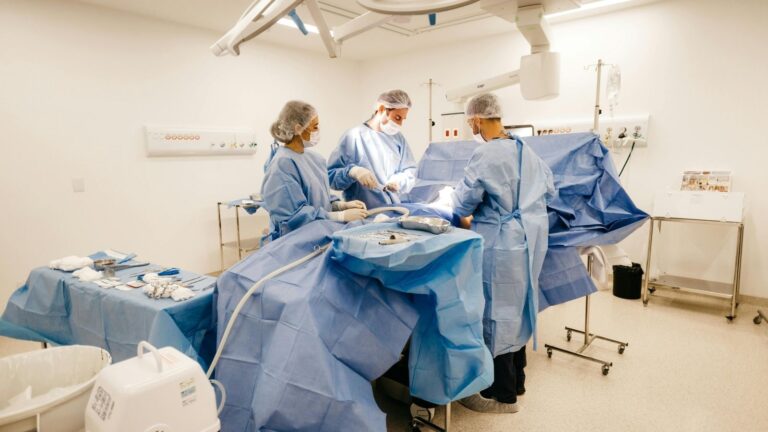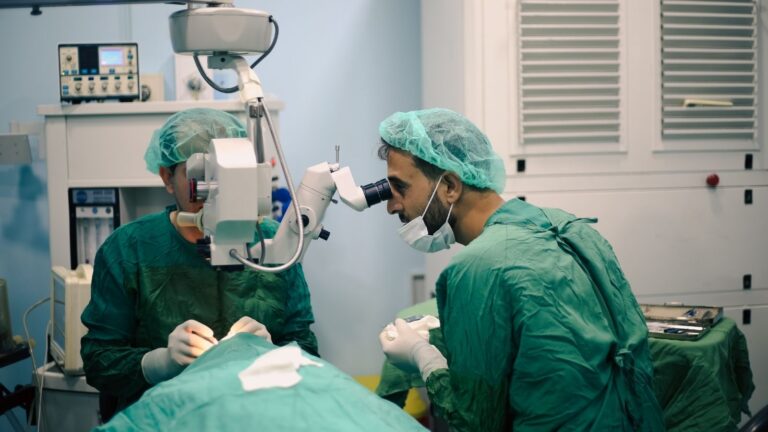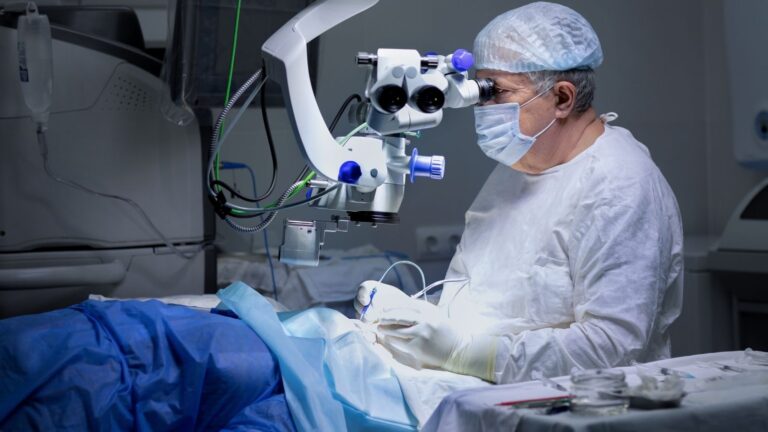
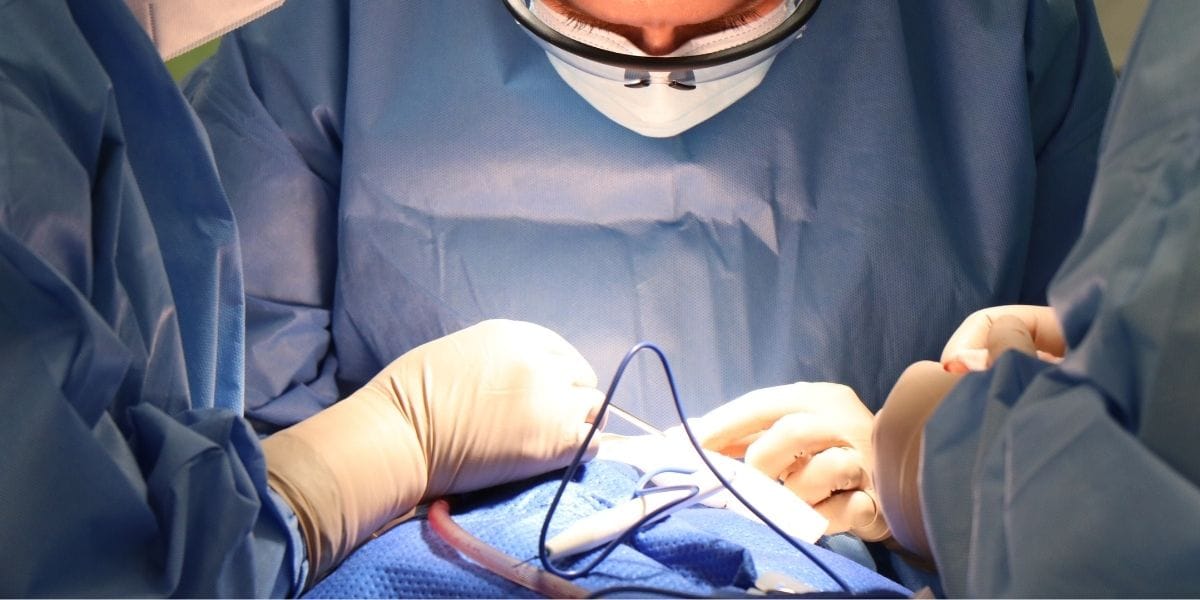
Cataract surgery involves removing the eye's natural lens after it has lost its transparency and replacing it with an artificial intraocular lens. A cataract prevents light from reaching the retina properly, causing blurred vision. The purpose of surgery is to remove this obstruction and support visual function. The decision to operate is based not only on the presence of a cataract but also on how vision problems affect daily life. The lens to be used is selected after assessing the corneal structure, retinal health and individual needs. Outcomes are not the same for every patient, and accompanying eye diseases may affect the level of vision that can be achieved.
What Is a Cataract?
A cataract is the loss of transparency in the eye's natural lens, which is located behind the pupil. When the lens, which normally helps focus light on the retina, becomes cloudy, image clarity decreases. It is not a layer that forms on the surface of the eye. A cataract does not spread from one eye to the other, but it may develop in both eyes at different times. It usually progresses slowly and may not cause noticeable symptoms at first. As the clouding increases, everyday activities such as reading, driving and recognising faces may become more difficult.
What Causes Cataracts?
Cataracts are most commonly associated with age-related changes in the structure of the eye's lens. Diabetes, long-term corticosteroid use and eye injuries may also increase the risk of developing cataracts. Previous eye surgery, intraocular inflammation and certain hereditary factors may play a role. Smoking and extensive exposure to sunlight are also among the risk factors. Some cataracts may be present at birth or develop during childhood. Although reducing risk factors may be beneficial, cataracts cannot be said to be preventable in every case.
What Are the Symptoms of Cataracts?
Cataract symptoms include hazy or blurred vision, faded colours and sensitivity to light. Headlights may appear uncomfortable when driving at night, or halos may form around lights. Stronger lighting may be needed for reading. Frequent changes in a glasses prescription or shadowed, double vision in one eye may also occur. Symptoms generally develop slowly and usually do not cause pain. Sudden vision loss, significant pain or severe redness should not be attributed solely to cataracts.
Can Cataracts Be Treated Without Surgery?
In the early stages, updating a glasses prescription and increasing ambient lighting may make daily life easier. However, these measures do not eliminate the clouding of the lens. There are no eye drops, medicines or exercises proven to clear cataracts. Laser vision correction procedures also do not restore transparency to a clouded natural lens. The main treatment for vision loss caused by cataracts is the surgical removal of the cloudy lens. However, not every cataract requires surgery as soon as it is detected.
When Is Cataract Surgery Necessary?
The timing of surgery is determined by the extent to which the vision problem affects the person's daily life. Difficulty with reading, working, driving or personal care is important in the assessment. Glare and night vision problems may affect a person's life even if their measured vision is above a certain level. Therefore, the decision is not based solely on a single visual acuity measurement from an eye examination. Surgery may also be required if the cataract makes it difficult to examine the retina or causes problems related to intraocular pressure. The timing is planned by assessing the symptoms and examination findings together.
Should You Wait for a Cataract to Mature?
The lens does not need to become completely white or vision to decline severely before cataract surgery can be considered. Surgery may be assessed at an appropriate time if daily activities are affected. By contrast, regular monitoring may be sufficient for people with limited symptoms. Very dense cataracts may make surgery technically more difficult in some eyes. Waiting may not be appropriate in cases such as increased intraocular pressure or an obstructed retinal examination. The right time for each patient is determined by considering the characteristics of the cataract and individual needs.
Why Are Cataracts Important in Children?
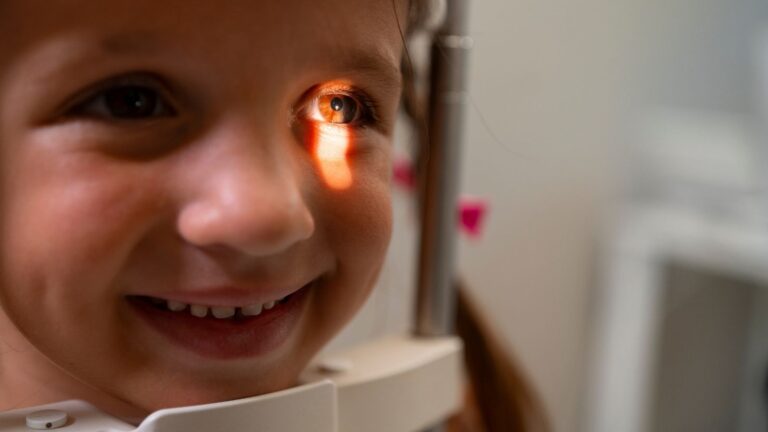
Cataracts are not a condition seen only in older adults. They may be present at birth or develop during childhood. Childhood cataracts that significantly obstruct vision may negatively affect visual development. Delayed treatment may increase the risk of amblyopia in some children. However, not every minor lens opacity carries the same urgency. The timing of treatment should be determined by considering the child's age, the degree of clouding and visual development.
What Examinations Are Performed Before Surgery?
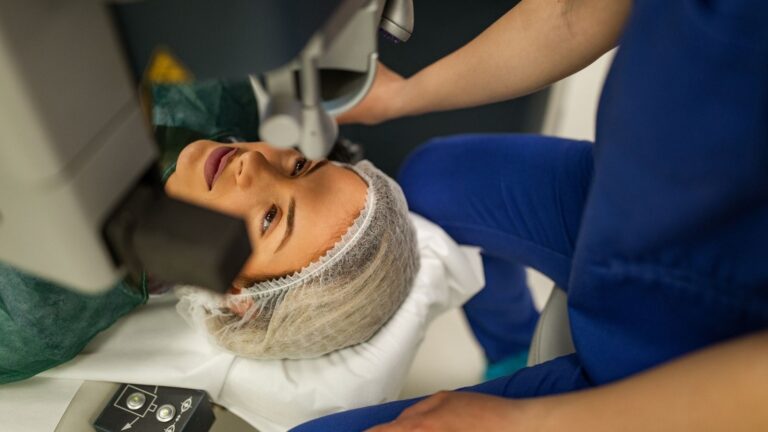
Before surgery, visual acuity, intraocular pressure, the cornea and the natural lens are assessed. The pupil may be dilated to examine the condition of the retina and optic nerve. Biometric measurements help calculate the power of the intraocular lens to be implanted. Corneal topography or tomography may be required when planning for astigmatism or a special lens. Optical coherence tomography may be considered in cases of diabetes, macular disease or lower-than-expected vision. Significant dry eye should be addressed before surgery because it may affect the accuracy of measurements.
Should Blood Thinners Be Stopped Before Surgery?
Blood thinners or medicines that affect blood clotting must be disclosed before surgery. These medicines are not automatically stopped for most standard cataract operations. Discontinuing them may create significant cardiovascular or clotting risks for some people. Whether treatment should be continued or temporarily interrupted is determined according to the surgical plan and the assessment of the physician who prescribed the medicine. Some medicines used to treat prostate conditions may also affect the behaviour of the pupil during surgery. No regular medicine should be stopped without a medical assessment.
How Is Cataract Surgery Performed?
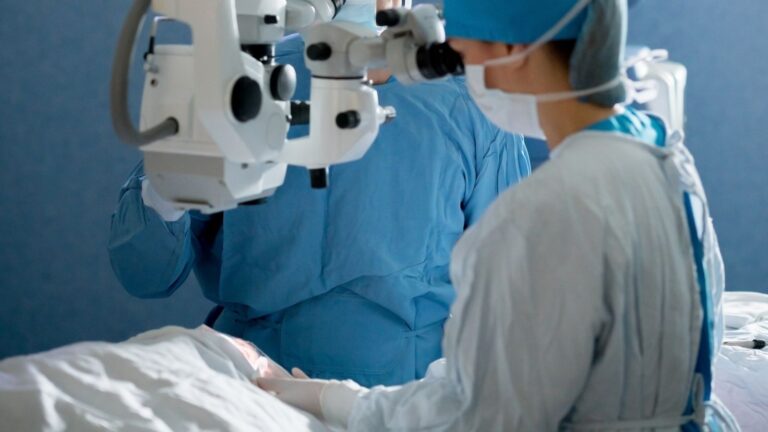
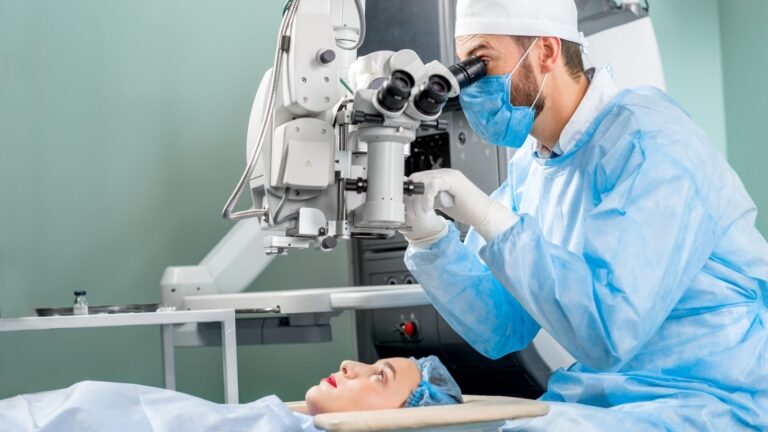
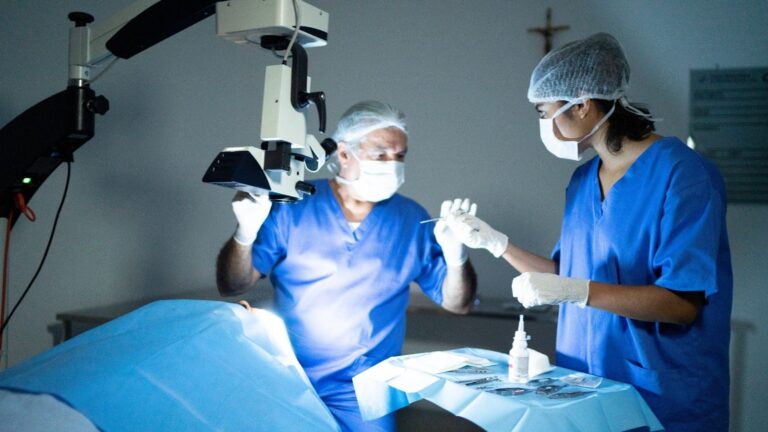
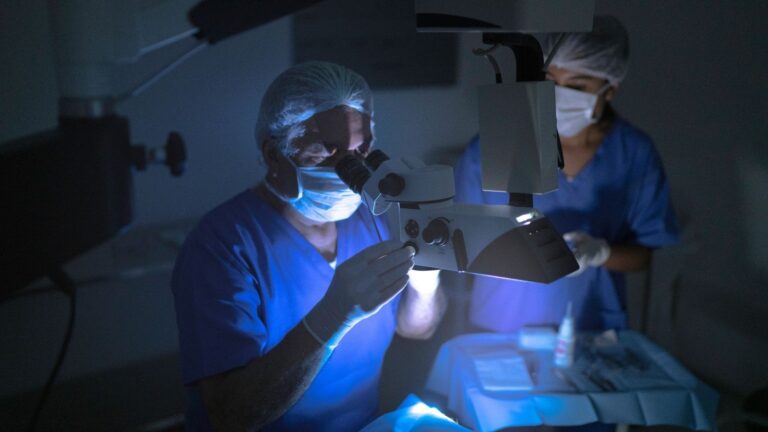
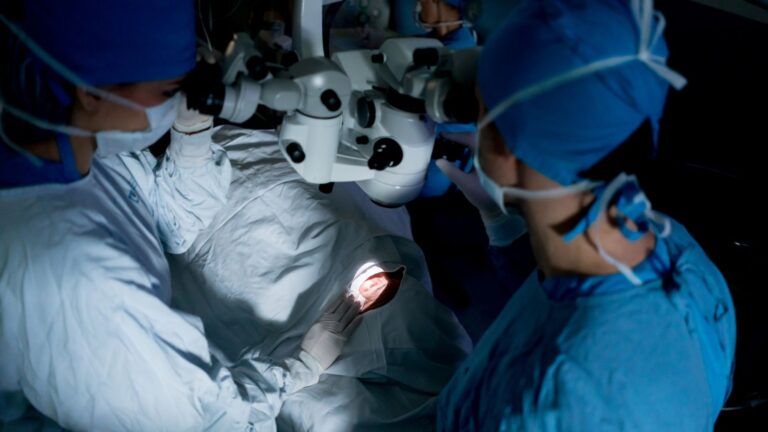
The operation is usually performed under topical anaesthesia with eye drops or under local anaesthesia. A small incision is made in the front part of the eye to access the capsule of the natural lens. In the phacoemulsification method, the clouded lens is broken up using ultrasound energy and removed from the eye. An appropriate intraocular lens is then generally placed inside the natural lens capsule. Different surgical techniques may be required for very dense cataracts or in special circumstances. The duration of the procedure, the need for stitches and the time of discharge may vary according to the condition of the eye.
How Long Does the Operation Take, and Is It Painful?
The duration of surgery varies depending on the density of the cataract, the structure of the eye and any needs that arise during the procedure. Preparation and postoperative monitoring are planned separately from the surgical time. Eye-drop or local anaesthesia is intended to reduce significant pain. Temporary pressure, awareness of light or mild discomfort may be experienced. Different anaesthesia methods may be considered for children, patients who have difficulty controlling movement or in special circumstances. Although surgery may be planned as a day procedure for suitable patients, the decision on discharge is made individually.
What Is Laser Cataract Surgery?
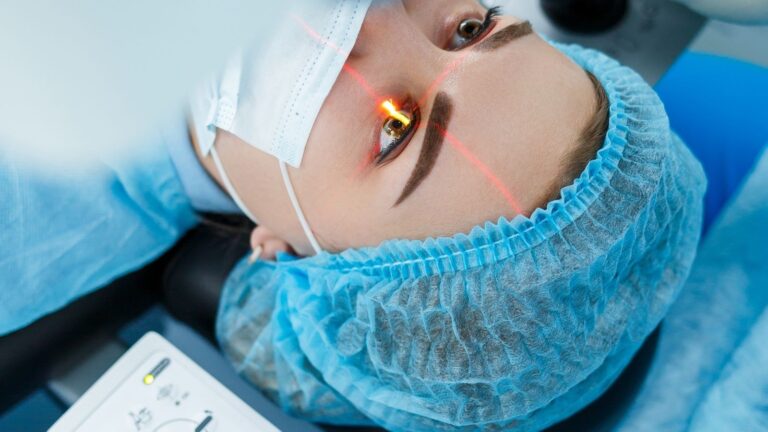
A femtosecond laser may be used to assist with certain stages of some cataract operations. These stages may include making corneal incisions or creating an opening in the lens capsule. However, not every stage of cataract surgery is performed with a laser. In standard phacoemulsification, ultrasound energy is used to break up the lens. Laser assistance is not necessary for every patient and does not by itself guarantee a better visual outcome. The appropriate method is selected after assessing the characteristics of the cataract and the anatomical structure of the eye.
Which Lenses Are Used in Cataract Surgery?
Monofocal lenses generally support vision at one selected distance. Toric lenses help reduce the effect of regular corneal astigmatism in suitable patients. Multifocal and trifocal lenses are considered with the aim of reducing the need for glasses at different viewing distances. EDOF lenses aim to provide a broader range of vision, particularly at distance and intermediate ranges. Each type of lens has different characteristics in terms of viewing distances, possible light phenomena and the need for glasses. The choice is made by considering retinal health, corneal structure and the person's daily needs.
Are Smart Lenses Suitable for Everyone?
The term smart lens is commonly used for certain multifocal or extended-depth-of-focus lenses. This term does not describe a single lens model or a treatment suitable for everyone. Trifocal and multifocal lenses may help reduce the use of glasses in selected patients. However, halos around lights at night, glare or reduced contrast may occur. These lenses may not be suitable for people with macular disease, advanced glaucoma or significant corneal irregularity. Individual expectations and eye health should be assessed together without guaranteeing a life free from glasses.
Do Diabetes and Retinal Diseases Affect Surgery?
Diabetes may affect the development of cataracts and the healing process after surgery. Retinal assessment is particularly important in people with diabetic retinopathy or macular oedema. Macular degeneration or other retinal diseases may limit the level of vision that can be achieved after surgery. However, these conditions do not always mean that cataract surgery cannot be performed. In some patients, removing the cataract may make it easier to monitor the retina and plan the necessary treatments. The surgical decision should be made by assessing retinal findings together with the expected visual improvement.
For Whom Is Cataract Surgery Postponed?
Surgery may be postponed if there is an active eye infection, uncontrolled intraocular inflammation or significant ocular surface problems. Untreated macular oedema and serious corneal problems may also need to be assessed first. An unstable general health condition may affect the anaesthesia plan or the timing of surgery. The presence of diabetes, heart disease, glaucoma or a neurological condition is not in itself an absolute barrier to surgery. For people who have difficulty controlling movement, the anaesthesia approach may be adjusted to their individual circumstances. The aim is to assess the expected benefit of surgery and the possible risks in a balanced manner.
Can Both Eyes Be Operated On at the Same Time?
Cataracts may be present in both eyes, but they may not progress at the same rate. Operations are planned on different days in most cases. This allows the healing and visual outcome of the first eye to be assessed. In selected patients, surgery on both eyes on the same day may also be considered under certain conditions. In this case, separate surgical safety and sterilisation procedures must be followed for each eye. Appropriate timing is determined according to the condition of the eyes and the patient's general health.
Possible Risks of Cataract Surgery
Cataract surgery, like other intraocular operations, carries certain risks. Infection, intraocular inflammation, bleeding, corneal oedema or increased intraocular pressure may occur. A tear in the lens capsule, displacement of the artificial lens and an unexpected refractive outcome are possible. Macular oedema, retinal tears and retinal detachment are also among the potential complications. Non-infectious inflammatory reactions may also develop and must be distinguished from infection. Risks should be assessed by considering accompanying eye diseases and the characteristics of the operation.
When Does Vision Become Clear After Surgery?
The time required for vision to recover varies from patient to patient. Blurred vision, sensitivity to light or mild stinging in the eye may occur during the initial period. Corneal oedema, dry eye and pre-existing retinal problems may affect the speed of recovery. Some people experience visual relief in a short time, while clearer vision may take longer for others. Adapting to a new pattern of vision with multifocal lenses may also take time. It cannot be stated that every patient will achieve completely clear vision within a specific period.
What Should You Pay Attention to After Surgery?
The recommended eye drops should be used at the prescribed frequency and for the stated duration. It is important not to rub the eye and to protect it from impact. The timing of returning to activities such as swimming, contact with unclean water, strenuous exercise and wearing eye make-up is determined according to individual recovery. Follow-up examinations assess visual acuity, intraocular pressure, the cornea and the position of the artificial lens. Returning to daily life and driving should be planned according to the person's vision. In the event of unexpected symptoms, the scheduled follow-up date should not be awaited.
Are Glasses Needed After Surgery?
The need for glasses after surgery varies according to the characteristics of the implanted lens and the condition of the eye. If a monofocal lens is planned for distance vision, glasses may be needed for near vision. Although toric lenses help reduce the effect of astigmatism, additional correction may still be required. Multifocal, trifocal and EDOF lenses aim to reduce the use of glasses at certain distances. Nevertheless, glasses may be required for reading small print, in low light or for specific tasks. No lens guarantees complete independence from glasses for every patient.
Can a Cataract Return?
Because the natural lens removed during surgery does not grow back, the same cataract does not recur. However, the capsule left behind the artificial lens may become cloudy over time. This condition, known as posterior capsule opacification, may be mistaken for the cataract returning. Reduced vision, light scatter or hazy vision may develop. In suitable patients, YAG laser capsulotomy may be used to open the part of the cloudy capsule in the visual axis. Whether this procedure is necessary is determined according to examination findings and the person's visual symptoms.
Which Symptoms Require Urgent Assessment?
Mild stinging or temporary sensitivity to light may occur after surgery. By contrast, increasing pain, significant redness and sudden loss of vision are not considered normal. Flashes of light, a sudden increase in floaters or the sensation of a curtain in the field of vision may indicate retinal problems. Heavy discharge and rapidly worsening vision should also be assessed without delay. If these symptoms occur, it is not appropriate to wait for the scheduled follow-up date. Early assessment is important for identifying the cause of the problem and planning the necessary approach.
Cataract Surgery in Izmir
When cataract surgery in Izmir is planned, visual symptoms, the severity of the cataract and overall eye health are assessed together. Corneal measurements, retinal findings and astigmatism affect the selection of an appropriate lens. Daily-life needs may also be considered during an assessment by Assoc. Prof. Dr. Berkay Akmaz in the Konak district. It is not appropriate to use the same surgical method or the same lens for every patient. Monofocal, toric, multifocal or EDOF options may be assessed according to individual characteristics. The treatment plan should be created in line with examination results and realistic visual expectations.
Cataract Surgery Prices
Cataract surgery prices may vary according to the characteristics of the intraocular lens to be used and the individual surgical plan. Monofocal, toric, trifocal or EDOF lens options may create differences in the assessment. The characteristics of the cataract, accompanying eye diseases and required tests also affect planning. Whether the procedure is performed on one or both eyes is also taken into account. It is not appropriate to state a single fee applicable to everyone without an examination. You can contact us through the website for information about cataract surgery and suitable lens options.