Contents:
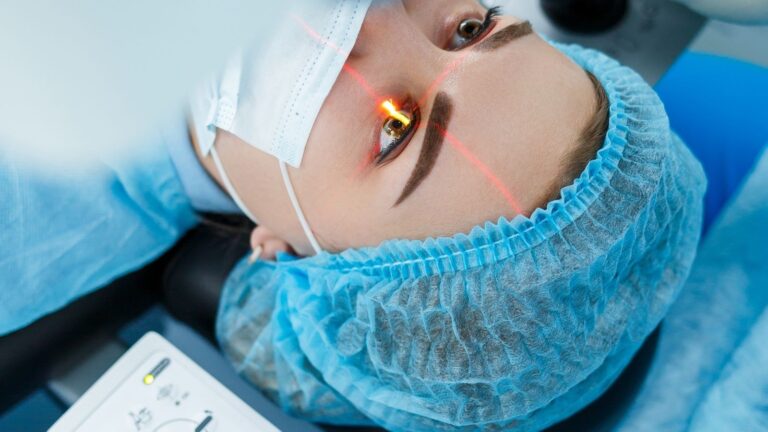
PRK is a laser surgery method used to treat refractive errors such as myopia, hyperopia and astigmatism. During the procedure, the epithelial layer on the surface of the cornea is removed, and the cornea is reshaped with a laser. PRK laser surgery costs may vary depending on the technology used, the patient's eye structure and the scope of the treatment plan. Preoperative measurements, medical materials used and postoperative check-ups are also included in this assessment. Since each patient has a different corneal structure and refractive error, treatment is not planned in the same way for everyone. Therefore, the procedure should be assessed following a detailed eye examination.
Determining Factors in PRK Treatment
The same treatment plan is not used for every patient undergoing refractive surgery. Prescription, corneal thickness and the characteristics of the refractive error vary from person to person. The scope of the method may affect the devices and medical materials required. How the epithelial layer on the corneal surface is removed also varies depending on the selected technique. Preoperative tests and the postoperative follow-up plan are also parts of the treatment process. The main factors considered when assessing PRK laser treatment include:
- Laser technology used.
- Technical features of the devices.
- Disposable surgical materials.
- Preoperative tests.
- Medical solutions used.
- Postoperative check-ups.
Conventional PRK and No-Touch
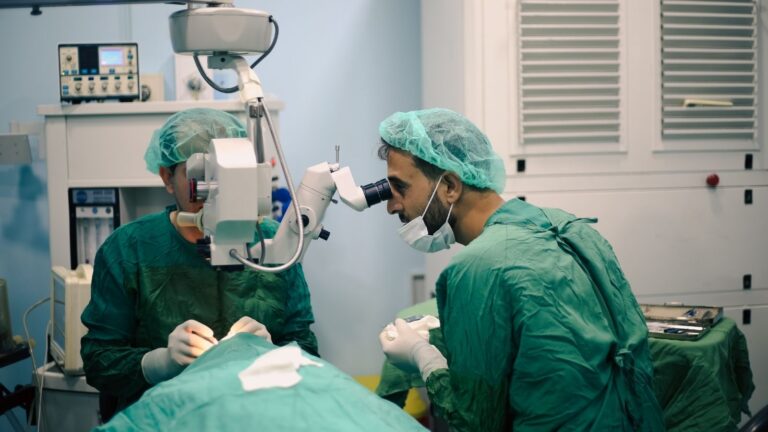
Conventional PRK is one of the laser treatments applied to the corneal surface. In this method, the epithelial layer covering the cornea is removed using suitable medical instruments or solutions. The corneal surface is then reshaped using an excimer laser. The materials used during the procedure and the treatment stages are determined according to the patient's eye structure. The same preparation process or technique may not be required for every patient. The main materials that may be used in conventional PRK include:
- Suitable medical solutions.
- Surgical instruments that help remove the epithelial layer.
- Excimer laser device.
- Sterile medical consumables.
In the TransPRK method, known as No-Touch laser, the procedure on the corneal surface is performed using the laser system. The laser-treated corneal surface is not manipulated with a mechanical surgical instrument. However, equipment used during the examination, eye drops or a protective lens fitted after the procedure may be parts of the treatment process. The software and device features used in TransPRK may differ from those used in conventional PRK. The suitability of both methods is assessed by considering the patient's corneal structure and prescription. It cannot be said that one method is better than the other for all patients.
Prescription and Scope of Treatment
The degree of the patient's refractive error is one of the factors affecting the scope of the procedure. The treatment plan may differ for eyes with high myopia or significant astigmatism. The amount of correction to be performed on the cornea is determined according to the prescription and corneal structure. However, this should not be interpreted to mean that every patient with a high prescription is suitable for laser treatment. Corneal thickness and the condition of the ocular surface should also be assessed separately for suitability. These medical differences are also considered when assessing PRK laser surgery costs.
The duration of the laser application and the procedure settings may vary according to the planned correction. Medical applications that help protect the corneal surface may be considered for some patients. The solutions or additional treatment steps used are not the same for every patient. The physician plans any applications considered necessary according to the corneal structure and scope of the procedure. Therefore, it is not possible to determine how treatment will proceed by considering the prescription alone. The scope of the procedure is established by assessing all examination findings together.
Treatment of One or Both Eyes
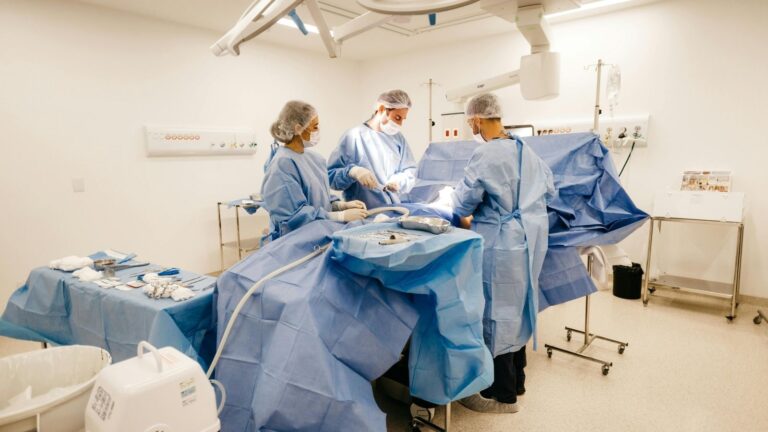
PRK laser treatment may be performed on one or both eyes depending on the patient's eye structure. Both eyes may be assessed in the same session for some patients, while a different plan may be required in other cases. The prescription, corneal thickness and treatment needs may differ between the two eyes. Even when both eyes are treated in the same session, a separate medical assessment and appropriate sterilisation measures are required for each eye. If the right and left eyes are treated on different days, the operating room preparations are planned again. The main preparation stages considered for separate sessions include:
- Preparing the operating room for the procedure.
- Completing sterilisation procedures.
- Preparing disposable surgical materials.
- Checking the devices before the procedure.
- Preparing the necessary medical solutions.
- Assessing the patient before the procedure.
Whether treatment is performed on one or both eyes is not determined solely by operational planning. The patient's eye health, daily life and recovery needs are also considered. In some patients, one of the eyes may not be suitable for laser treatment. In such cases, a different treatment approach may be considered for the other eye. The timing and scope of the procedure are determined according to the examination findings. Therefore, applying the same plan to both eyes is not always necessary.
Preoperative Measurements and Tests
Preoperative measurements play an important role in planning PRK treatment. A standard prescription measurement alone is not sufficient to determine surgical suitability. Corneal tomography helps provide a detailed assessment of the front and back surfaces of the cornea. Corneal thickness, surface curvature and potential structural irregularities are assessed during these examinations. Additional measurements examining the optical characteristics of the eye may also be performed in some patients. These tests allow the laser treatment to be planned according to the individual eye structure.
Devices that create a detailed map of the eye provide additional information that may be used in the treatment plan. The software and measurement systems used may support different assessments according to the corneal structure. However, no measurement method indicates that surgical risks have been completely eliminated. The prescription, corneal structure and general eye health should be assessed together when preparing the treatment plan. The scope of the required tests may vary according to the patient's condition. Preoperative examinations are also among the factors that may affect PRK laser surgery costs.
Contact Lens Use and Measurements
Patients who wear contact lenses may need to follow certain preparation instructions before preoperative measurements. Contact lenses can temporarily alter the natural shape of the corneal surface. This may affect measurements, particularly those taken during corneal mapping. How long contact lens use should be discontinued varies according to the type of lens and the eye structure. This period should be determined by the physician before the examination. Taking measurements under conditions close to the cornea's natural structure is important for treatment planning.
Measurements taken before the corneal surface has returned to its natural shape may make it more difficult to assess the treatment plan. Therefore, the measurements may need to be repeated when necessary. Incorrect or incomplete assessments may lead to visual outcomes that differ from what was expected after the procedure. Although it cannot be said that every patient will require an additional intervention, taking accurate measurements is important. Following the instructions provided during the preoperative preparation process helps support more accurate surgical planning. When contact lens use should be discontinued must be clarified during the examination.
Recovery Process and Eye Care
After PRK, the epithelial layer on the corneal surface regenerates and heals. Stinging, tearing, sensitivity to light and temporary blurred vision may occur during this period. When considered necessary, the physician may use a temporary bandage contact lens to protect the corneal surface. Some patients may require additional follow-up to assess the risk of corneal haze. The medications and care recommendations are determined according to the person's eye structure and recovery process. Products that may be required during the postoperative period include:
- Therapeutic bandage contact lens.
- Corticosteroid eye drops when considered necessary by the physician.
- Antibiotic eye drops.
- Artificial tear drops.
- Sunglasses with UV protection.
The duration and frequency of medication use may vary according to the patient. Corticosteroid or antibiotic eye drops should only be used as recommended by the physician. When the protective contact lens should be removed is also determined during the follow-up examination. Protecting the eyes from sunlight and following the recommendations provided are important during recovery. The time required for vision to recover is not the same for every patient. Regular check-ups help monitor the healing process of the cornea.
Physician Experience and Clinical Equipment
The physician's surgical experience and patient-specific assessment are important in PRK laser treatment. A detailed examination of the eye structure helps determine the appropriate treatment method. The physician should explain the potential risks, postoperative recovery process and required check-ups to the patient. However, no specific outcome can be guaranteed with any surgical procedure. The technical features of the excimer laser device used during treatment are also considered in the planning process. Eye-tracking systems, device calibration and operating room conditions may vary according to the equipment used.
PRK laser surgery costs should be assessed by considering the eye structure, devices used, preoperative tests and follow-up process together. Since each patient has a different corneal structure and treatment need, it would not be appropriate to make a standard assessment. The suitability of the surgical method is determined after a detailed examination and all necessary measurements have been completed. Potential risks and the recovery process should be assessed before the procedure. The treatment plan should be prepared according to the patient's eye health and individual needs. You can contact me using the contact information on my website to arrange an examination.