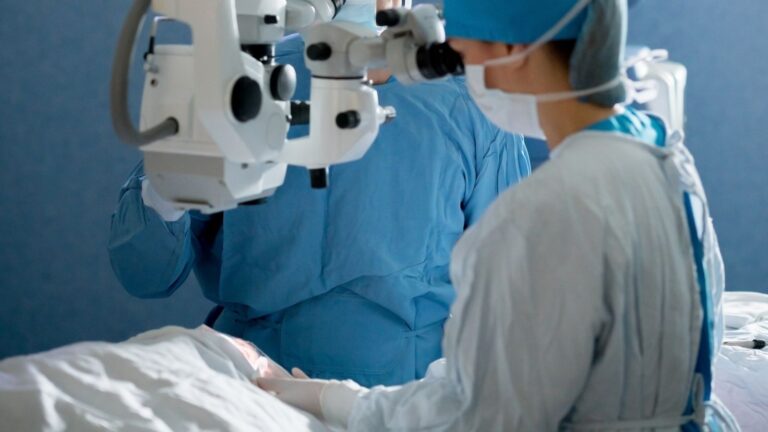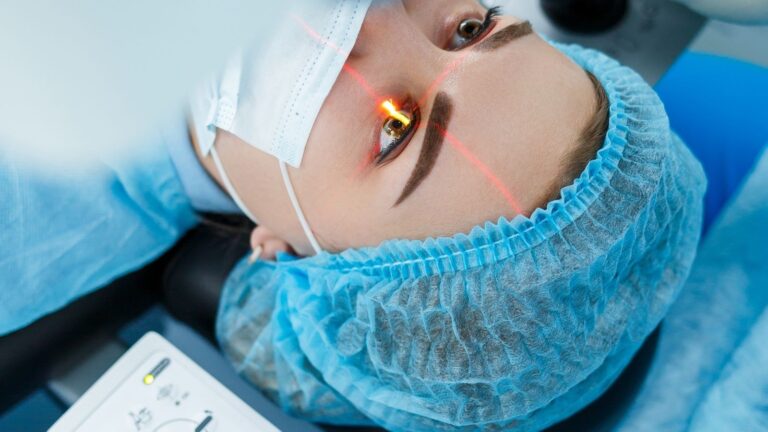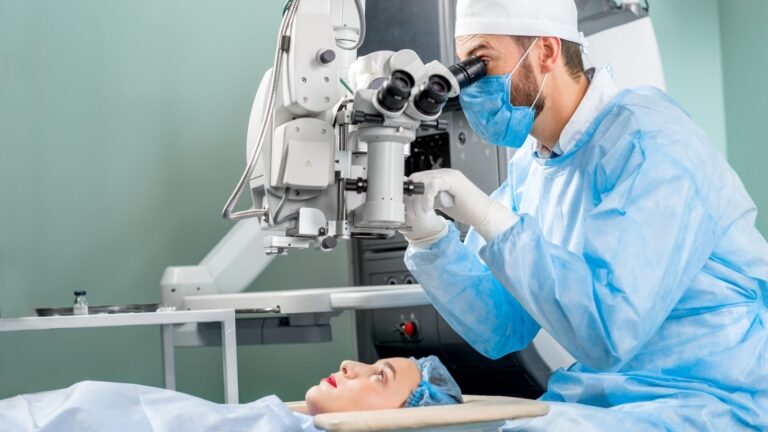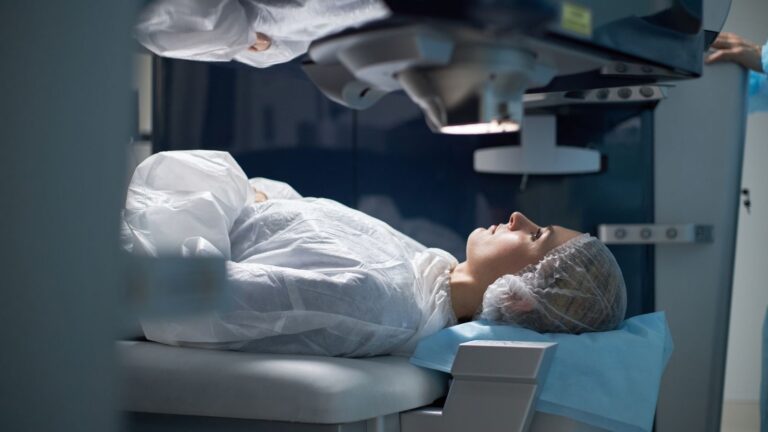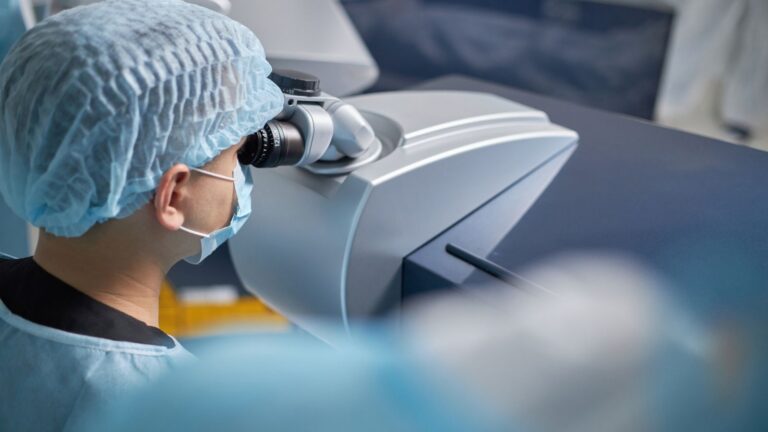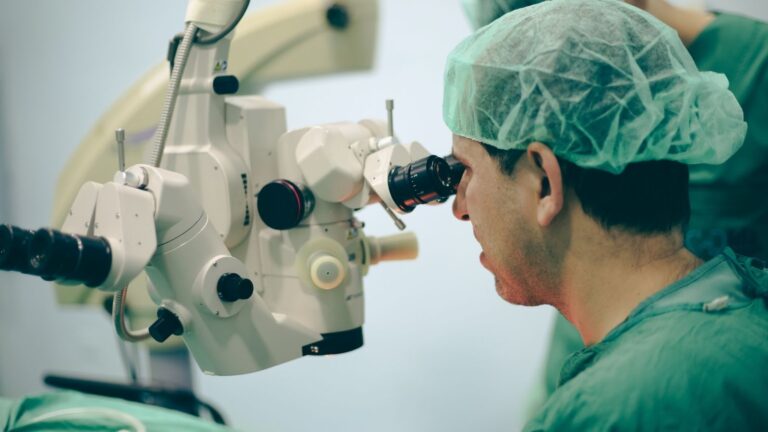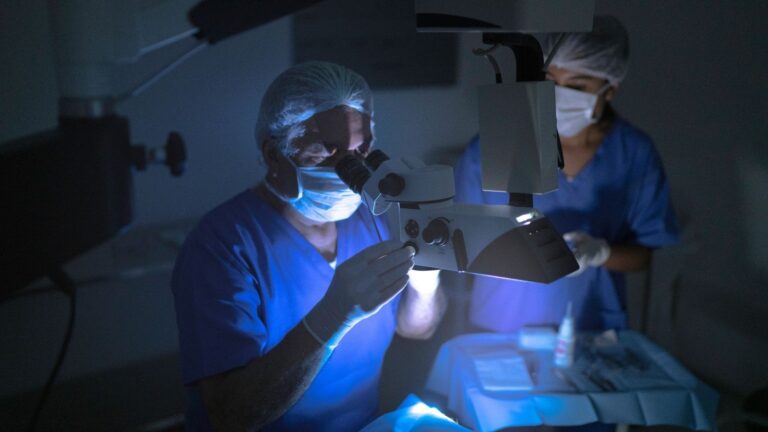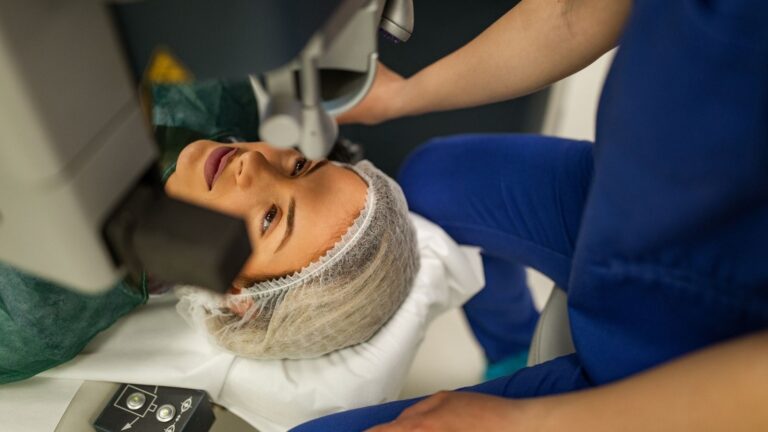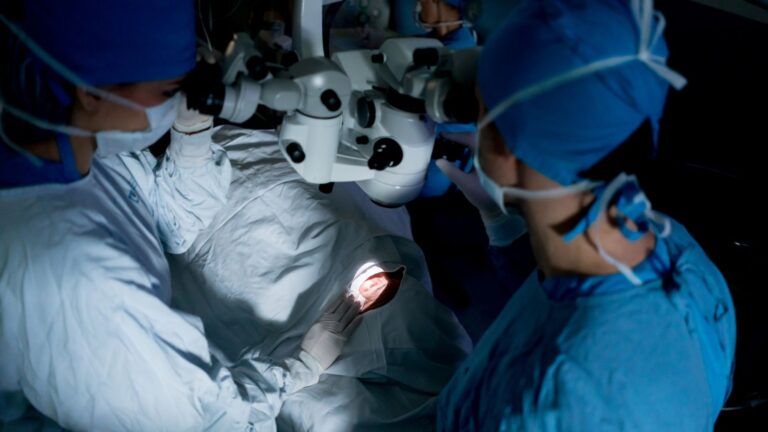
SMILE laser is a refractive surgical method that aims to alter the refractive power of the eye by removing a thin piece of tissue created within the cornea through a small incision. This procedure, whose name is an abbreviation of Small Incision Lenticule Extraction, may be considered particularly in cases of myopia and suitable astigmatism. During the procedure, a femtosecond laser is used to shape a piece of tissue called a lenticule. When the lenticule is removed, the structure of the cornea changes, and the way light focuses on the retina is adjusted. Unlike LASIK, a large corneal flap is not created. Suitability for treatment is determined not only by the prescription but also by detailed corneal measurements and overall eye health.
What Is SMILE Laser?
SMILE laser is a treatment method based on removing a lenticule created with a laser within the corneal tissue through a small incision. This procedure aims to reduce the existing prescription by changing the refractive power of the cornea. A large flap is not created in the cornea as it is in LASIK surgery. The surgical plan is prepared by considering the prescription and corneal characteristics. The same visual outcome or recovery period is not expected in every patient. Potential benefits and risks are assessed together before the procedure.
Which Refractive Errors Can SMILE Treat?
SMILE laser is primarily used for myopia and astigmatism that occurs together with myopia. In myopia, the shape of the corneal tissue is altered with the aim of improving distance vision. In patients with astigmatism, the refractive characteristics of the cornea along different axes are included in the planning. Special lenticule extraction protocols for hyperopia have also been developed on some newer device platforms. However, the suitability of these procedures depends on the approved indication of the device used and the patient's ocular structure. Not every refractive error or prescription can be treated with SMILE.
The Difference Between SMILE Pro and Standard SMILE
SMILE Pro is a lenticule extraction procedure performed using a different femtosecond laser platform and compatible software. The basic surgical principle is the removal of tissue created within the cornea through a small incision, as in the standard SMILE method. On newer platforms, the laser application time and surgical planning features may differ. Some systems may include tools to assist with centration or assessment of the astigmatism axis. These differences do not mean that every patient will experience faster recovery or better vision. The method is selected by assessing the device characteristics and the patient's corneal structure together.
How Is SMILE Laser Surgery Performed?
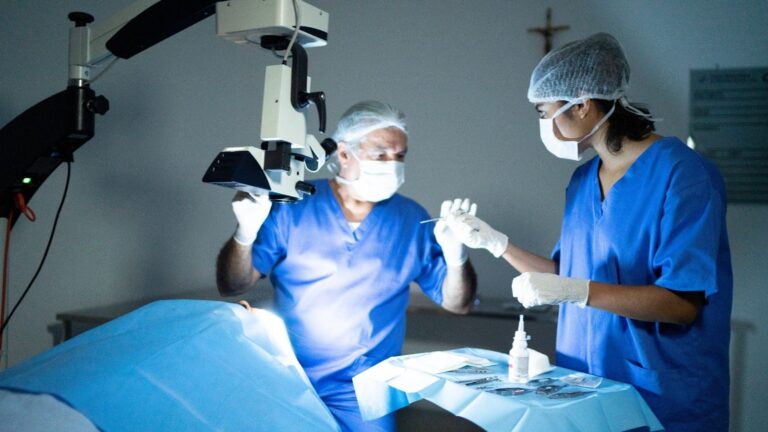
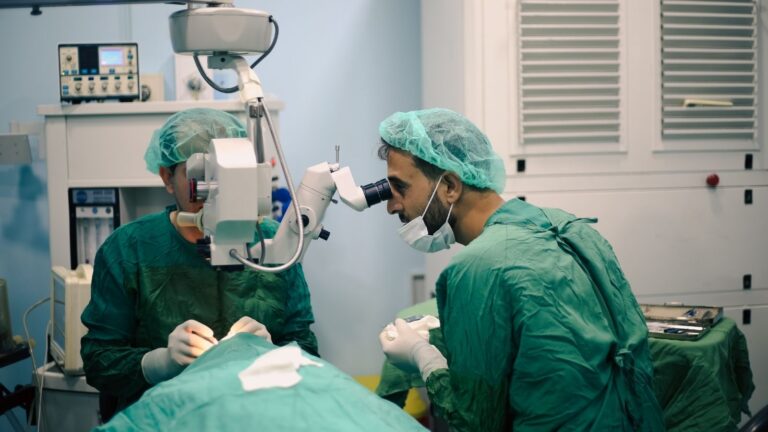
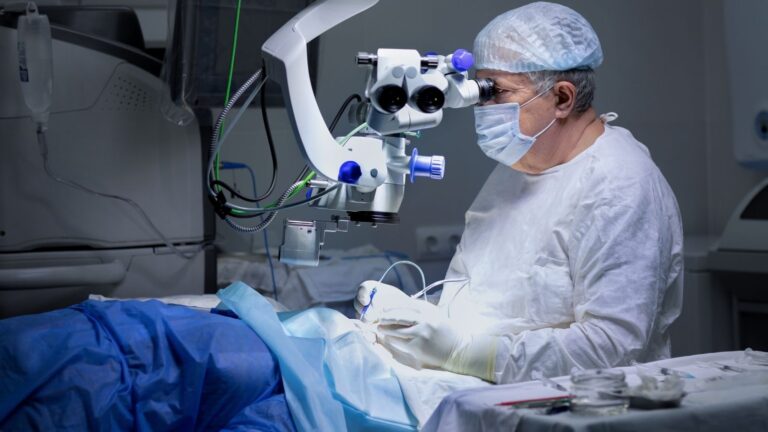
Before SMILE laser surgery, the ocular surface is numbed with anaesthetic drops. The eye is held in the appropriate position during laser application, and a lenticule is created within the cornea. During the same procedure, the femtosecond laser also creates the small entry incision through which the lenticule will be removed. The lenticule is then separated using specialised surgical instruments and removed from the cornea. This procedure aims to change the refractive power of the cornea according to the existing prescription. The duration of surgery and the postoperative assessment may vary according to the patient's ocular structure and the platform used.
What Does Lenticule Extraction Mean?
A lenticule is a thin, lens-shaped piece of tissue created within the cornea using a femtosecond laser. The thickness and shape of this tissue are determined according to the planned correction of the refractive error. When the lenticule is removed through the small incision, the curvature of the cornea changes. This aims to adjust the way light is focused within the eye. Incomplete removal of the lenticule or difficulty separating it during surgery may require further assessment. The procedure must be planned in a way that preserves adequate structural support in the cornea.
Differences Between SMILE and LASIK
The differences between SMILE and LASIK relate to how the cornea is accessed and the laser technology used. In LASIK, a flap is created in the cornea, and the underlying tissue is reshaped with an excimer laser. In SMILE, a large flap is not created, and the lenticule is formed using a femtosecond laser. Therefore, flap-specific concerns seen in LASIK, such as displacement of the flap, do not occur in the same way with SMILE. However, SMILE also carries risks associated with the incision, lenticule extraction, and corneal healing. The appropriate method is determined according to ocular structure, prescription, and the individual's needs.
Is a Thin Cornea Suitable for SMILE?
Limited corneal thickness does not automatically mean that a person is suitable for SMILE laser. Not every patient who is considered unsuitable for LASIK will be suitable for SMILE. Corneal thickness, the surface map, the amount of lenticule tissue to be removed, and the tissue that will remain after the procedure are assessed together when making the decision. SMILE may not be recommended if keratoconus or suspected corneal irregularity is present. A single thickness measurement does not constitute a safety threshold that applies to every patient. Suitability is assessed by examining the structural characteristics of the cornea together.
Who Is Suitable for SMILE Laser?
SMILE laser may be considered for people whose eye development is complete and whose prescription has remained stable for a certain period. The presence of myopia or a suitable degree of astigmatism may allow treatment options to be considered. Corneal thickness and the corneal map must be suitable for the planned procedure. For people who participate in active sports, the absence of a flap may be one of the characteristics considered when selecting a method. However, participating in sports or wearing contact lenses is not by itself sufficient for surgery. The decision is made after considering visual expectations and performing a detailed eye examination.
Who Is Not Suitable for SMILE?
SMILE may not be suitable for people with keratoconus, significant corneal irregularity, or insufficient corneal tissue. Surgery is generally postponed in patients whose prescription is continuing to change. Active eye infection, significant ocular surface inflammation, and uncontrolled dry eye should be assessed first. Hormonal changes that may occur during pregnancy and breastfeeding can affect the prescription. Uncontrolled diabetes or certain immune system disorders may alter the healing process. Suitability should be assessed individually in people who have previously undergone corneal surgery.
Can People with Dry Eye Have SMILE?
The absence of a large corneal flap in SMILE surgery may help limit the effect on the corneal nerves in some patients. However, this does not mean that dry eye will not develop after surgery. Burning, stinging, tearing, and temporary fluctuations in vision may also occur after SMILE. The severity of dry eye complaints before surgery and the condition of the tear film should be assessed. People with significant dry eye may first require treatment of the ocular surface. Suitability is determined according to the individual's ocular surface findings rather than the general characteristics of the method.
Which Tests Are Performed Before Surgery?
Before SMILE, the prescription and corneal thickness are measured in detail. Corneal topography and tomography are used to assess the surface structure, areas of thinning, and possible irregularities. Tear balance, eye pressure, and pupil characteristics are also examined. A retinal examination is particularly important in people with high myopia. Contact lens history and previous eye procedures are included in surgical planning. According to the results obtained, SMILE, another laser method, or non-surgical options may be considered.
Should Contact Lens Use Be Discontinued?
Contact lenses may temporarily affect the shape of the cornea. For this reason, patients may be asked to discontinue contact lens use before preoperative measurements. The required period may vary depending on whether the lenses are soft, toric, or rigid. If changes in the corneal map continue, the measurements may need to be repeated. When contact lens use should be discontinued is determined according to the individual's examination findings. The aim is to ensure that the measurements used in surgical planning reflect the true structure of the cornea.
The First Days After SMILE Laser
Burning, stinging, tearing, and light sensitivity may occur in the eyes after surgery. Vision may fluctuate during the first few days and may not become clear at the same rate in every patient. It is important not to rub the eyes and to protect the treatment area from impact. The recommended eye drops should be used as directed. Avoiding dusty and smoky environments may help protect the ocular surface. Severe pain, increasing redness, or worsening vision requires assessment without delay.
When Does Vision Become Clear?
The time required for vision to become clear after SMILE varies according to the patient's ocular structure and healing characteristics. In the early period, temporary changes in the cornea or irregularities in the tear film may cause blurred vision. Some people return to their daily activities sooner, while in others vision may stabilise more slowly. Night vision and adaptation to lights may also change over time. It cannot be said that every patient will begin to see clearly the next day. Blurring that persists longer than expected or progresses should be assessed at a follow-up examination.
Possible Risks of SMILE Laser
Technical concerns such as loss of the vacuum used to stabilise the eye may occur during SMILE. Difficulty separating the lenticule or incomplete removal of the tissue may require additional intervention. Infection, inflammation, and irregularity of the corneal surface may develop after surgery. Dry eye, light sensitivity, glare, and night vision difficulties may occur. Under-correction or over-correction of the prescription is also possible. Although structural complications such as corneal ectasia are rare, they require detailed assessment before surgery.
Is There a Risk of Corneal Ectasia?
The absence of a large corneal flap in the SMILE method does not mean that the risk of corneal ectasia is completely eliminated. Ectasia is the irregular forward bulging of the cornea as its structural strength decreases. A suspicious corneal map, insufficient tissue thickness, and a tendency towards keratoconus may increase the risk. Corneal topography and tomography should therefore be assessed carefully before surgery. The amount of tissue to be removed and the corneal structure that will remain are examined together during surgical planning. If ectasia develops, treatment options intended to strengthen the cornea may be considered.
Night Vision and Halos
Some patients may notice halos, glare, or light scatter around light sources after SMILE. These symptoms may become more noticeable when driving at night. Pupil characteristics, existing astigmatism, and the condition of the tear film may affect visual quality. The complaints may decrease over time in some people, while they may last longer in others. Correction of the prescription after surgery does not mean that no night vision concerns will occur. If symptoms persist, the corneal surface and visual measurements are reassessed.
What Should Aftercare Involve Following SMILE?
Prescribed eye drops and artificial tear products should be used as directed after SMILE. The eyes should not be rubbed, and the surface must be protected from possible impact. The timing of a return to swimming pools, the sea, and saunas is determined according to the healing process. The timing for resuming eye make-up and contact lens use is also assessed according to follow-up findings. Wearing sunglasses outdoors may help reduce light sensitivity. Corneal healing, vision, and possible complaints are assessed together during regular follow-up examinations.
Returning to Sports and Daily Life
The time required to return to daily activities varies according to the characteristics of the procedure and the individual's rate of healing. The absence of a flap is one of the characteristics that may be considered in people with an active lifestyle. However, beginning contact sports or intense exercise immediately after surgery may not be appropriate. It is important to protect the eye from impact and avoid environments that carry a risk of infection. Reduced blinking during screen use may increase temporary dry eye complaints. The timing of a return to work, sports, and driving is determined according to individual examination findings.
Can the Prescription Change Again?
The prescription may change again over time in some patients after SMILE. The initial refractive error, the healing response of the cornea, and age-related changes may affect this. Whether an additional correction is required is determined by assessing corneal measurements and visual complaints together. Repeat SMILE may not be possible in every patient. Different laser methods, glasses, or contact lens options may be considered when necessary. SMILE also does not eliminate the age-related need for near-vision correction or retinal risks associated with high myopia.
What Are the Alternatives to SMILE Laser?
LASIK, PRK, or TransPRK, also known as No-Touch laser, may be considered in patients who are unsuitable for SMILE. In LASIK, a corneal flap is created, while PRK and TransPRK are laser treatments applied from the surface. Phakic intraocular lens options may be considered in some people whose corneal structure is unsuitable for laser surgery. Glasses and contact lenses are also among the non-surgical alternatives. The healing process, suitability, and potential risks differ for each method. Treatment is selected according to the prescription, corneal structure, and the patient's lifestyle.
SMILE Laser Treatment in Izmir
When planning SMILE laser treatment in Izmir, the stability of the prescription and the corneal structure are assessed together. Corneal mapping, tear film examination, and retinal assessment may be performed in people attending from Konak and the surrounding area. The degree of myopia and astigmatism influences the selection of surgical options. In suitable patients, SMILE or different lenticule extraction protocols may be considered depending on the device specifications. If the corneal structure is unsuitable, alternative laser methods or non-surgical options are examined. The postoperative follow-up plan is prepared according to the individual's ocular surface and visual findings.
SMILE Laser Surgery Prices
SMILE laser surgery prices may vary according to the laser platform used and the scope of the treatment plan. The assessment processes for standard SMILE and SMILE Pro procedures may differ. The prescription, required corneal examinations, and additional ocular surface treatments may affect planning. Because every patient's ocular structure is different, it is not appropriate to provide a single price. The appropriate surgical method and scope of the procedure are determined after a detailed examination. You can contact us through the website for information about SMILE laser and treatment options suitable for you.