Contents:
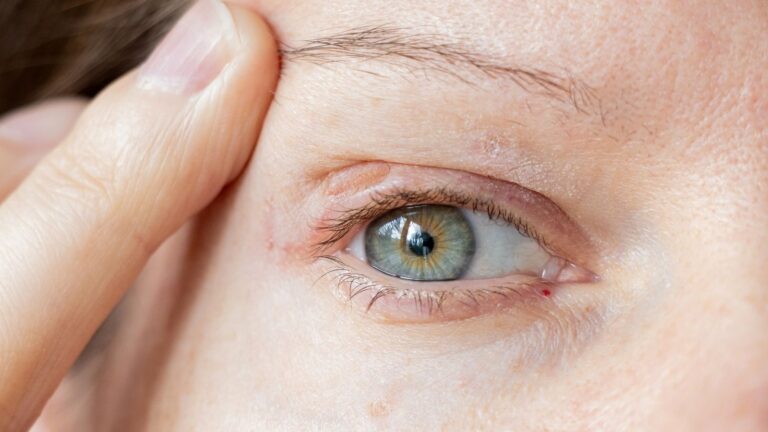
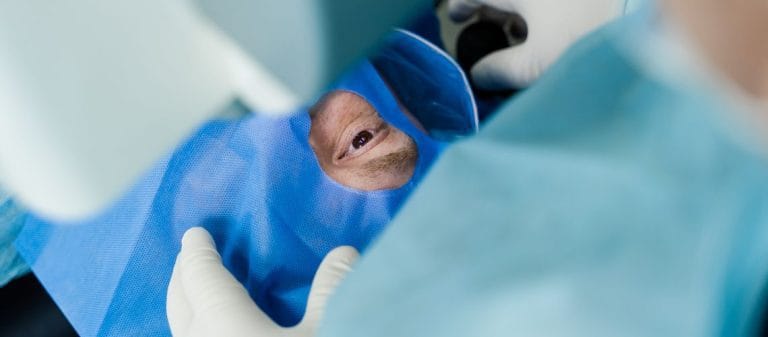
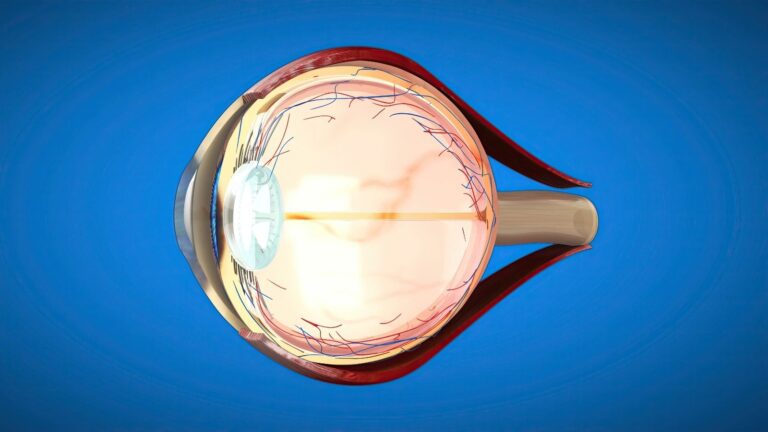
Pterygium, commonly known as surfer's eye, is an ocular surface condition in which tissue from the white part of the eye grows towards the cornea. It may cause redness, stinging, a foreign body sensation and changes in vision. Pterygium surgery costs may vary depending on the progression of the condition, the surgical technique to be used and the required medical materials. The surgery aims to remove the pterygium and, when necessary, repair the ocular surface using healthy tissue. Since every patient has a different ocular surface and pterygium size, the same surgical method is not used for everyone. The treatment plan is determined following a detailed eye examination.
How Is Pterygium Surgery Planned?
The first step in planning pterygium surgery is to assess how far the tissue has progressed across the eye. Growth of the pterygium towards the cornea may cause astigmatism or affect the field of vision. The size of the tissue, whether the eye has previously undergone surgery and the general condition of the ocular surface may change the treatment plan. Removing only the affected tissue may not be considered sufficient for some patients. Healthy tissue taken from the patient's own eye may be used to cover the ocular surface again. The scope of the method is determined according to the examination findings.
In the past, the ocular surface was sometimes left uncovered after the affected tissue was removed during pterygium surgery. This method, known as the bare sclera technique, does not involve an additional tissue graft. However, it may not be suitable for every patient because of the risk of recurrence. When necessary, covering the surgical area with conjunctival tissue taken from a healthy part of the eye may now be considered. The use of an amniotic membrane may also be considered for some patients. The main methods assessed when planning pterygium surgery include:
- Bare sclera technique.
- Conjunctival autograft.
- Amniotic membrane transfer.
Why Is a Tissue Graft Used?
Determining how to cover the exposed ocular surface after removing the pterygium is an important part of surgical planning. In the conjunctival autograft method, a thin piece of tissue is taken from a healthy part of the patient's own eye. This tissue is usually prepared from the area beneath the upper eyelid. It is then placed over the area from which the pterygium was removed. The aim is to support appropriate healing of the ocular surface. Whether a tissue graft is used is determined according to the size of the condition and the characteristics of the ocular surface.
An amniotic membrane is another option that may be considered for repairing the ocular surface in some patients. It may be used particularly when a large area needs to be covered or in eyes that have previously undergone surgery. However, this material is not required for every pterygium operation. The method is selected according to the size of the tissue and the existing eye structure. The required surgical materials and duration of the operation may also vary depending on the selected technique. These differences are among the factors considered when assessing pterygium surgery costs.
Use of Sutures and Biological Adhesives
Different methods may be used to secure the healthy tissue placed on the ocular surface. Fine surgical sutures are used in some patients. Depending on the material, these sutures may dissolve on their own or be removed later. Stinging, tearing or a foreign body sensation may occur while the sutures are present. The duration of these symptoms varies according to the patient's eye structure and recovery process. The fixation technique is selected according to the tissue used and the surgical assessment.
In procedures known as sutureless pterygium surgery, biological adhesives may be used to secure the tissue in suitable patients. These materials help the transplanted tissue adhere to the ocular surface. However, using a biological adhesive does not mean that all postoperative discomfort will be eliminated. Every patient has a different eye structure and recovery process. The suitability of the method is determined according to the findings assessed during surgery. The main factors considered during fixation include:
- Characteristics of the suture material used.
- Need for a biological adhesive.
- Size of the transplanted tissue.
- Condition of the ocular surface.
- Sterile materials used during surgery.
Surgical Materials and Operating Room Conditions
The surgical materials used in pterygium surgery may vary depending on the method. Suture materials, biological adhesives and equipment used for tissue grafting are parts of the treatment plan. Single-use materials must be used specifically for each patient. Operating room sterilisation and infection control are also important elements of the surgical process. Products must be prepared in accordance with the manufacturer's instructions and medical conditions of use. Therefore, sharing a single-use material between different patients is inappropriate.
The method used to secure the tissue graft may affect the duration of the operation. Some procedures require sutures, while biological adhesives may be used in others. However, the duration of the procedure is not determined solely by the material used. The size of the pterygium, how far it has progressed onto the cornea and whether the eye has previously undergone surgery are also important. Operating room preparations and surgical equipment are planned according to the patient's needs. Pterygium surgery costs should also be assessed by considering all these variables together.
Can Pterygium Recur?
There is a possibility that the condition may recur after pterygium surgery. The risk of recurrence may vary according to the patient's age, the condition of the ocular surface and the surgical technique used. Exposure to sunlight and chronic irritation of the ocular surface are also among the factors that should be considered. How the ocular surface is repaired after the affected tissue is removed is important during follow-up. However, no method can guarantee that pterygium will not recur. The risk of pterygium recurrence should be assessed during preoperative and postoperative check-ups.
If pterygium recurs in an eye that has previously undergone surgery, a second surgical procedure may be considered. Recurrent cases may involve adhesions or scar tissue on the ocular surface. This may require surgical planning that differs from the first operation. Tissue grafting or additional medical applications considered appropriate may be assessed for some patients. If medications that affect cell proliferation are required, their potential benefits and risks should be considered together. Whether revision surgery is necessary is determined following a detailed eye examination.
Postoperative Recovery
Redness, stinging, tearing and temporary discomfort may occur after pterygium surgery. The recovery period varies according to the surgical method and the person's eye structure. When considered necessary, the physician may recommend eye drops or other treatments that help protect the ocular surface. The duration and frequency of medication use are determined according to the individual assessment. Follow-up examinations should be performed to monitor the eye's recovery. Following the postoperative recommendations helps ensure that the ocular surface is assessed regularly.
In some patients, the pterygium may affect the shape of the corneal surface and cause astigmatism. Changes in the corneal structure may occur after the pterygium is removed. Therefore, the glasses prescription used before surgery may be reassessed after recovery. However, not every patient needs to replace their spectacle lenses. If new glasses are required, the assessment should be performed after the ocular surface and vision measurements have stabilised. The main products that may be required during the postoperative period include:
- Eye drops recommended by the physician.
- Artificial tear products.
- New prescription spectacle lenses when necessary.
- Sunglasses with ultraviolet protection.
Sun Protection and Follow-Up Examinations
Prolonged exposure to sunlight is one of the environmental factors considered in the development of pterygium. Wearing sunglasses with ultraviolet protection may be recommended after surgery. It is also important to be careful in dusty, windy environments or conditions that irritate the ocular surface. However, wearing sunglasses does not mean that the condition will definitely not recur. Regular examinations help assess changes in the ocular surface. The frequency of follow-up is determined according to the patient's recovery and the scope of the surgery.
Pterygium surgery costs are assessed by considering the size of the pterygium, the surgical method to be used and the required materials. The need for a tissue graft and the fixation technique may change the treatment plan. The surgical approach may differ in eyes that have previously undergone surgery. Postoperative follow-up and any eye drops considered necessary are also parts of the process. The appropriate treatment method should be determined following a detailed eye examination. You can contact me using the contact information on my website to arrange an examination.