Contents:
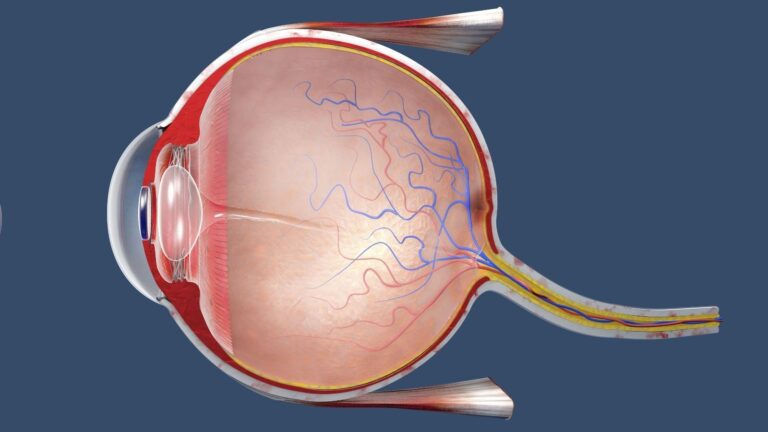
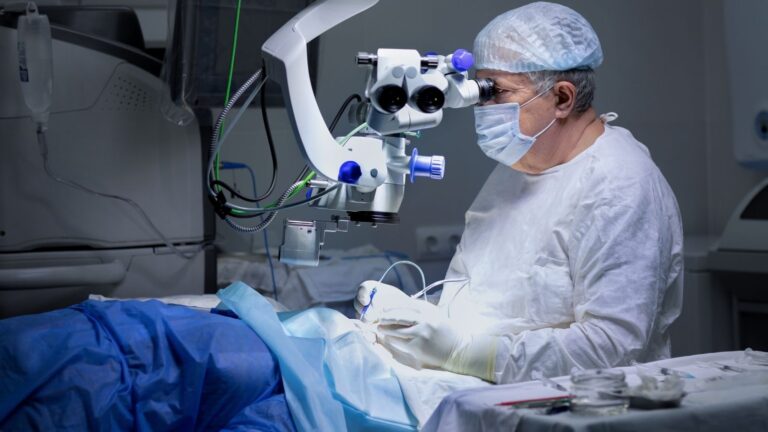
Vitrectomy is an eye operation performed to remove the vitreous gel in the back of the eye and treat retinal diseases. It may be considered for conditions such as retinal detachment, diabetes-related vitreous haemorrhage, macular holes and membrane formation on the retina. Vitrectomy surgery costs may vary depending on the type of condition, scope of the surgical procedure and medical materials required. The anaesthesia method, placement of gas or silicone inside the eye and postoperative follow-up also affect the planning. Every patient has a different retinal structure and degree of disease progression. Therefore, the scope of the operation is determined following a detailed eye examination and the necessary imaging tests.
Condition of the Disease and Surgical Planning
The type and progression of the retinal condition are among the main factors determining how the operation will be performed. Removing a thin membrane over the centre of vision does not involve the same surgical stages as treating a dense diabetes-related vitreous haemorrhage. The procedures performed on a patient with retinal detachment may also differ. In some cases, retinal tears must be sealed or blood inside the eye must be removed. As the extent of the condition increases, the duration of the operation and the required equipment may change. Retinal surgery should be planned according to each patient's eye structure and existing condition.
The patient's general health is also assessed before surgery. Conditions such as diabetes, high blood pressure and heart disease may affect the anaesthesia plan. The patient's medications and previous medical history should also be considered. An additional assessment may be performed by an anaesthetist when necessary. Surgical preparation and the monitoring systems used during the operation are determined according to the patient's condition. The main factors that may affect the scope of the operation include:
- Anaesthesia method to be used.
- Monitoring of the patient's vital signs.
- Duration of the surgical procedure.
- Type and progression of the retinal disease.
- Supportive medical equipment to be used.
Microsurgical Instruments and Devices
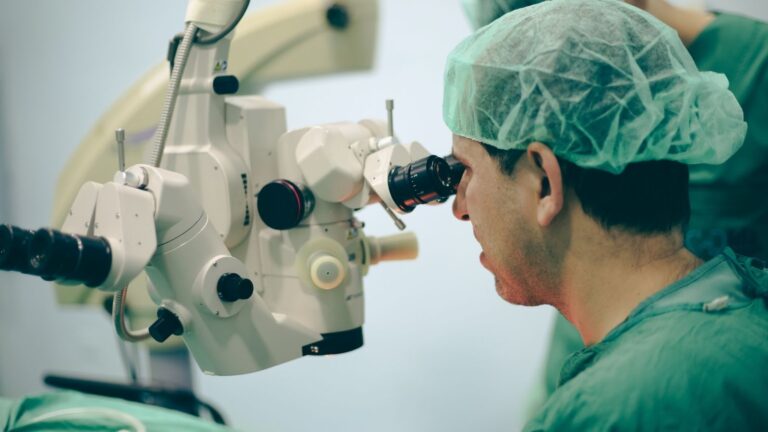
Fine surgical instruments are used to access the back of the eye during vitrectomy. The diameter of these instruments is expressed using a measurement unit known as gauge. As the gauge value increases, the diameter of the instrument decreases. Access using finer instruments may allow the procedure to be performed through smaller incisions in suitable patients. Sutures may not be required in some cases, but this does not apply to every operation. The thickness of the instruments is selected according to the characteristics of the condition and the surgical plan.
The technical features of the devices used in microincisional vitrectomy are also important. Systems that remove vitreous tissue support the fluid balance inside the eye and the progress of the surgical procedure. Some materials used to access the inside of the eye are single-use and prepared specifically for the patient. The use of other surgical instruments may vary according to the product's characteristics and sterilisation conditions. Surgical equipment is not selected solely according to the fineness of the instrument. Instrument sizes commonly used in vitrectomy surgery include:
- 23 gauge.
- 25 gauge.
- 27 gauge.
The use of fine surgical systems does not mean that every patient will experience the same recovery process. The type of retinal disease and scope of the procedure affect the postoperative period. Sutures may be required at the surgical entry sites in some cases. The type of materials used varies according to the technical requirements of the operation. The condition of the tissues inside the eye and the procedures to be performed are assessed together during surgical planning. These technical differences are among the factors that may affect vitrectomy surgery costs.
Intraocular Gas and Silicone
In some retinal operations, air, gas or silicone oil may be placed inside the eye after the surgical procedure has been completed. This application, known as intraocular tamponade, is used in suitable cases to support the healing of the retina. However, tamponade is not required in every vitrectomy operation. The substance used is selected according to the type of retinal disease and the surgical findings. The location of the retinal tear and the condition of the tissue may also affect this decision. The main tamponade options that may be considered during treatment include:
- Sterile air.
- Medical gases suitable for intraocular use.
- Silicone oil.
Air or gas placed inside the eye may be absorbed naturally within a certain period. The absorption period varies depending on the type of gas used. Air travel and travelling to high altitudes with gas inside the eye may cause a dangerous increase in intraocular pressure. Therefore, restrictions concerning travel and daily life should be clearly discussed after surgery. Patients with gas inside the eye should also inform the anaesthesia team before undergoing another operation. Maintaining a particular head position may be recommended in some cases, but this requirement is not the same for every patient.
Silicone oil is another tamponade option that may be considered for certain complex retinal diseases. Unlike gas, it is not absorbed naturally inside the eye. In suitable patients, its removal may be planned through a second surgical procedure after a certain period. However, how long the silicone remains in the eye varies according to the condition. When silicone removal is required, operating room preparations and a surgical assessment are performed again. Therefore, the choice of tamponade should be considered when assessing vitrectomy surgery costs and the scope of the treatment process.
Cataract and Retinal Surgery
After vitrectomy, some patients may develop clouding of the eye's natural lens, or an existing cataract may progress. This possibility is considered during surgical planning, particularly in patients whose natural lens remains in place. In suitable cases, cataract surgery and vitrectomy may be performed during the same session. This approach, known as combined phacovitrectomy, is not necessary for every patient. The condition of the natural lens and the characteristics of the retinal disease should be assessed together. The decision to combine the operations is made according to the eye examination and surgical requirements.
In an eye with a cataract, clouding of the natural lens may make it difficult to assess the retinal tissue. In such cases, removing the cataract first and then performing retinal surgery may be planned. Implanting a suitable intraocular lens during the operation may also be considered. However, performing both procedures during the same session is not always necessary or appropriate. The patient's eye structure, degree of disease progression and general health should be considered. The main stages that may be performed during combined surgery include:
- Removing the clouded natural lens.
- Implanting an intraocular lens when appropriate.
- Removing the vitreous tissue.
- Performing the necessary surgical procedures for the retinal disease.
Removing Membranes from the Retina
Thin membranes that form on the retinal surface or over the centre of vision may affect visual quality. Conditions such as an epiretinal membrane or macular hole may require surgical assessment of these tissues. Since the membranes are very thin, specialised imaging and staining techniques may be used during surgery. The medical dyes used help make the relevant tissues more visible. This allows the surgeon to assess the tissue on the retinal surface using suitable instruments. The main medical materials that may be used during this stage include:
- Medical dyes suitable for intraocular use.
- Microsurgical scissors.
- Fine-tipped graspers and forceps.
The materials used may vary depending on the type of condition and the procedure to be performed. Membrane peeling or the use of medical dyes is not required in every vitrectomy operation. Some surgical instruments may be single-use, while others may be used in accordance with appropriate sterilisation rules. The procedure should be planned in detail due to the delicate structure of the tissues in the back of the eye. However, the technology or surgical materials used do not guarantee a particular visual outcome. The condition of the membranes on the retina is one of the factors affecting the scope of treatment when assessing vitrectomy surgery costs.
Postoperative Care and Follow-Up
The recovery process after vitrectomy varies according to the type of procedure and the condition of the retinal disease. Temporary redness, sensitivity or blurred vision may occur. When considered necessary, the physician may recommend antibiotic or corticosteroid eye drops. These medications should only be used according to the specified instructions. The condition of the retinal tissue and intraocular pressure are assessed during follow-up examinations. Postoperative follow-up is an important part of the surgical process.
Some patients who have gas placed inside the eye may be instructed to maintain a particular head position. The duration and form of this position are determined according to the characteristics of the retinal disease. Special pillows may be used to support the head in the appropriate position when necessary. However, not every patient needs to lie in the same position or follow the same restrictions for the same length of time. The time required to return to daily life may vary according to the tamponade used and the recovery process. The main products that may be needed after surgery include:
- Antibiotic eye drops recommended by the physician.
- Corticosteroid eye drops.
- Artificial tear products.
- Positioning support pillows when necessary.
- Protective eye patches or shields.
Vitrectomy surgery costs are determined by assessing the type of retinal disease and the scope of the surgical procedure together. The microsurgical instruments, choice of intraocular tamponade and anaesthesia method may change the treatment plan. Planning cataract surgery during the same session or removing silicone oil at a later stage may also affect the stages of the process. Every patient has a different retinal structure and recovery process. The appropriate surgical approach should be determined following a detailed eye examination and the necessary imaging tests. You can contact me using the contact information on my website to arrange an examination.