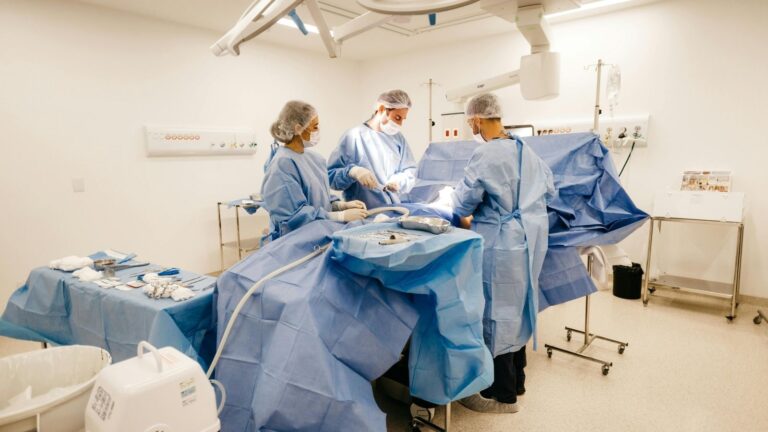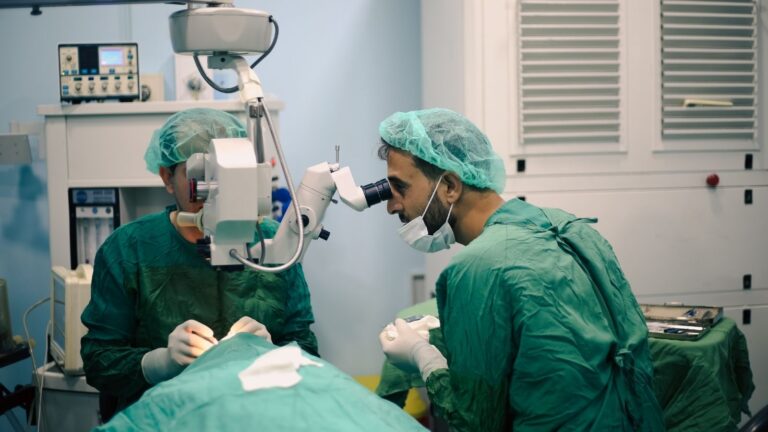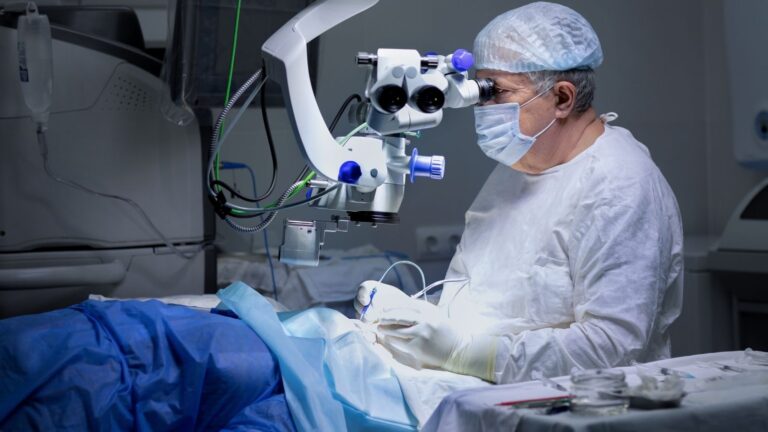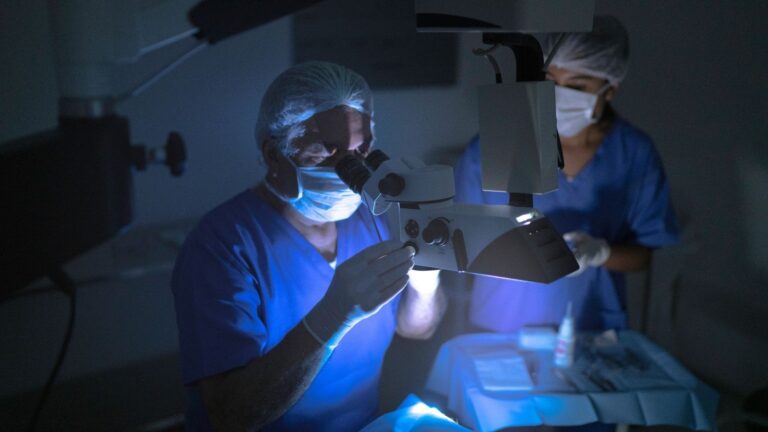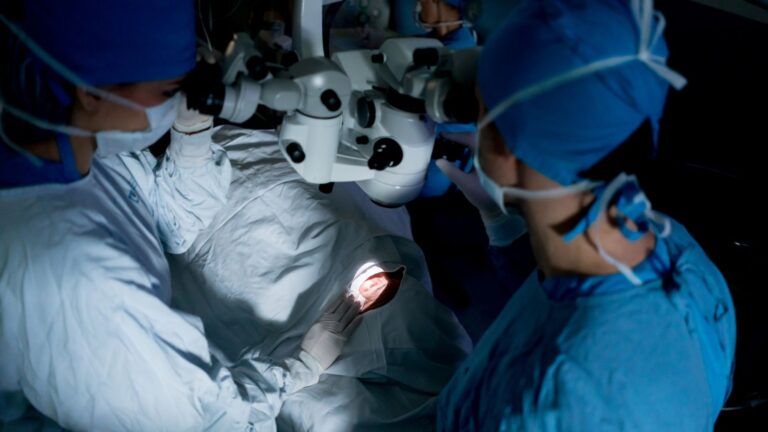
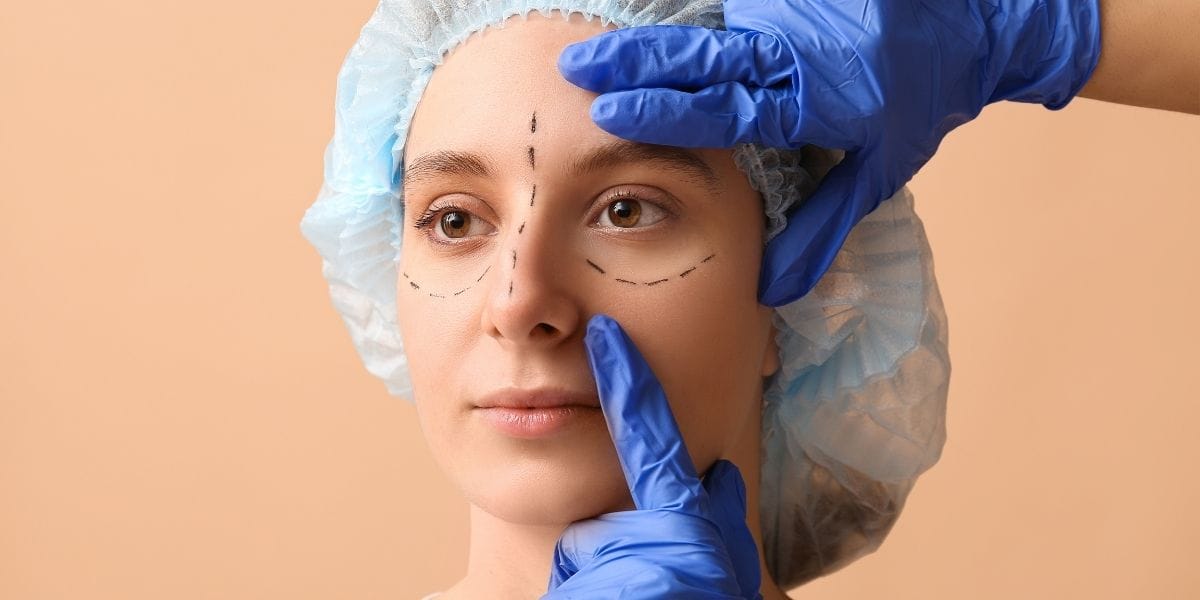
Lower eyelid aesthetic surgery is a surgical procedure for structural changes such as under-eye bags, excess skin, wrinkles, and eyelid laxity. Medically known as lower blepharoplasty, this procedure assesses both the appearance of the eye area and the function of the eyelid. The treatment plan is based on the condition of the fatty tissue beneath the eyes and the characteristics of the structures that support the eyelid. In some patients, the fatty tissue may need to be repositioned, while in others excess skin may need to be removed or eyelid support strengthened. The aim of surgery is not only to reduce under-eye bags but also to preserve the natural position of the eyelid. The appropriate surgical approach is determined according to examination findings and personal expectations.
What Is Lower Eyelid Aesthetic Surgery?
Lower eyelid aesthetic surgery is an operation to correct changes in the lower eyelid caused by ageing or structural characteristics. Under-eye bags, skin laxity, and a pronounced transition between the eyelid and cheek are among these changes. During lower blepharoplasty, excess skin or fatty tissue may be assessed, and the surrounding tissues may be supported when necessary. The procedure may be performed through an incision on the inside of the eyelid or below the lash line. The method selected is not the same for every patient. Dry eye, eyelid laxity, and previous procedures around the eyes are also taken into account when planning the surgery.
Why Do Under-Eye Bags Form?
Age-related tissue laxity is an important factor in the formation of under-eye bags. When the supporting structures that hold the fatty tissue around the eyes in place weaken, the fatty tissue may become more prominent. Genetic characteristics, lower eyelid anatomy, and volume loss in the midface can also affect this appearance. Allergies, temporary fluid retention, and certain systemic conditions may increase swelling around the eyes. However, not every under-eye swelling indicates fatty protrusion that requires surgery. Correctly identifying the cause of the swelling is important when selecting the appropriate treatment approach.
Who Is Lower Eyelid Aesthetic Surgery Suitable For?
Lower eyelid aesthetic surgery may be considered for people with prominent under-eye bags or excess skin. A deepened transition between the lower eyelid and cheek and a pronounced tear trough may also be taken into account when planning surgery. Functional assessment is particularly important in patients who develop tearing or irritation of the ocular surface due to eyelid laxity. The decision to operate is not based solely on age or concerns about appearance. Eye health, eyelid position, general health, and expectations are assessed together. Whether the procedure is suitable for the individual is determined after an examination.
How Is Lower Eyelid Surgery Performed?
Under-eye bag surgery may be performed using different techniques according to the anatomical characteristics of the lower eyelid. In some patients, the incision is made immediately below the eyelashes, while in others it is made on the inner surface of the eyelid. When necessary, a limited amount of prominent fatty tissue is removed or repositioned towards hollow areas beneath the eyes. In people with excess skin, removal of an appropriate amount of skin may be planned. If eyelid support is weak, additional procedures may be performed to support the outer corner of the eye. The primary aim during surgery is to make an adjustment appropriate to the existing concern while preserving eyelid function and the ocular surface.
When Is the Transconjunctival Approach Used?
Transconjunctival lower eyelid aesthetic surgery is a method that provides access to the fatty tissue through an incision made on the inner surface of the lower eyelid. It may be considered particularly for people with prominent fatty bags but limited excess skin. Because the incision is located on the inside of the eyelid, no surgical incision is made in the eyelid skin. However, this approach is not suitable for every patient and carries risks, like other surgical procedures. If there is pronounced skin sagging or eyelid laxity, different techniques or additional procedures may be required. The choice of method is based on eyelid structure, the amount of skin, and examination findings.
Is Fatty Tissue Removed?
How the fatty tissue is managed during lower eyelid surgery is determined according to the patient's anatomy. In people with prominent fatty bags, a limited amount of excess fat may need to be removed. In some patients, the fatty tissue is instead repositioned towards the tear trough or hollow areas beneath the eyes. Because removing too much fat can cause a hollow appearance beneath the eyes, planning must be carried out carefully. Repositioning may help balance the transition between the lower eyelid and cheek. The approach to be used is assessed according to the distribution of volume around the eyes.
Why Is Eyelid Support Important?
Appropriate contact between the lower eyelid and the ocular surface is important for the even distribution of tears. When eyelid tissues are lax, the risk of the eyelid being pulled downwards or turning outwards after surgery may increase. This can cause dry eye, tearing, and irritation of the ocular surface. When necessary, supporting structures at the outer corner of the eye may be strengthened using methods such as canthopexy or canthoplasty. These procedures are not required in every patient. The need is determined according to the degree of eyelid laxity assessed during the examination.
Tear Trough and Cheek Transition
The tear trough is the anatomical transition area extending between the lower eyelid and the cheek. When this area becomes more pronounced, hollowness and shadowing beneath the eyes may appear more noticeable. In suitable patients, repositioning fatty tissue may help reduce irregularity in the transition area. Prominent swellings over the cheek or malar festoons, however, may develop through different mechanisms. For this reason, not every festoon or dark circle beneath the eyes can be corrected with lower eyelid surgery alone. During surgical planning, the eyelid, tear trough, and midface are assessed together.
Preparing for Lower Eyelid Aesthetic Surgery
Before surgery, the structure of the eyelid, tear balance, and condition of the ocular surface are examined in detail. Previous eye surgery, thyroid disease, allergies, and regularly used medicines are included in the assessment. The use of blood-thinning medicines is addressed before surgery, and these medicines must not be stopped without medical assessment. If fillers have previously been applied around the eyes, the product used and the treatment area are taken into account when planning surgery. Because smoking can affect wound healing, it is also assessed before surgery. The expected changes and limitations of the procedure are explained according to the examination findings.
Who Is Not Suitable for Surgery?
Uncontrolled dry eye should be carefully assessed before lower eyelid surgery. Surgery may be postponed if active thyroid eye disease or an ongoing infection around the eyes is present. In people whose general health is unsuitable for surgery or anaesthesia, the existing risks must first be brought under control. Pronounced eyelid laxity, protrusion of the eyeball, and tissue changes caused by previous surgery may make the operation more complex. However, these conditions do not always mean that the procedure is definitively unsuitable. Suitability is determined by assessing the risks and expected benefits together.
What Type of Anaesthesia Is Used During Surgery?
Lower eyelid aesthetic surgery may be performed under local anaesthesia, sedation, or general anaesthesia, depending on the scope of the procedure. With local anaesthesia, the surgical area is numbed, and sedation may be used when necessary to help the patient relax. General anaesthesia may be considered for more extensive procedures or when additional procedures are planned at the same time. The choice of anaesthesia is based on the patient's general health and the characteristics of the surgery. The duration of the procedure may vary depending on the technique used and any additional interventions. The postoperative discharge and follow-up plan is also determined according to the same assessment.
Risks of Lower Eyelid Surgery
Swelling, bruising, tenderness, and temporary dry eye may occur after lower eyelid surgery. Infection, delayed wound healing, and a noticeable scar at the incision site are also among the possible risks. Downward pulling or outward turning of the eyelid may cause dryness of the ocular surface and tearing. Some patients may develop asymmetry, double vision, or an eyelid appearance that differs from what was expected. Although serious bleeding around the eye is rare, it may require urgent assessment because of the potential effect on vision. If a sudden decrease in vision, severe pain, or rapidly increasing swelling develops, intervention should be planned without delay.
Dry Eye and Eyelid Position
It is important to identify existing dry eye symptoms before eyelid surgery. Changes in blinking or an inability to close the eyelid fully may increase symptoms of dryness after surgery. Downward pulling of the lower eyelid may leave more of the ocular surface exposed. Therefore, supportive surgical procedures may be considered in patients with eyelid laxity. Artificial tear drops and treatments that protect the ocular surface may be used when necessary. Regular monitoring of eyelid position helps ensure that potential problems are identified promptly.
What Should Aftercare Involve?
After lower eyelid aesthetic surgery, the eye area should be kept clean and the care instructions provided should be followed. When considered appropriate, a cold compress may help reduce swelling and discomfort around the eyes. Keeping the head elevated while resting may also help control oedema. Prescribed eye drops, ointments, and other medicines should be used as directed. It is important not to rub the eyes or apply unapproved products to the incision area. The timing for resuming the use of contact lenses, make-up, and skincare products is determined according to the healing process.
How Long Do Swelling and Bruising Last?
Swelling and bruising around the eyes can be expected after surgery. The severity of these symptoms may vary according to the surgical method used and the individual's healing characteristics. Swelling may become more noticeable during the first few days and gradually decrease thereafter. In some patients, bruising may take longer to resolve completely. Eye drops or ointments may cause temporary blurred vision. If swelling continues to increase, marked redness develops, or pain becomes more severe, a follow-up assessment should be performed.
What Is the Return to Daily Life Like?
The time required to return to daily life depends on the scope of the procedure and the healing process. During the initial period, patients may be advised to avoid heavy lifting, intense exercise, and movements that could increase pressure around the eyes. Driving should be considered in light of visual clarity and the effects of any medicines being used. Wearing sunglasses may help protect the eye area from sunlight, wind, and external factors. The timing of suture removal varies according to the material used and wound healing. At follow-up examinations, the plan for returning to daily activities is tailored to the individual.
When Are the Results of Surgery Assessed?
The result of lower eyelid surgery cannot be assessed immediately because of the swelling and bruising seen during the early period. Tissue healing and stabilisation of the eyelid position may take time. The appearance of the result depends on skin structure, the distribution of fatty tissue, and anatomical characteristics before surgery. Because the ageing process continues after surgery, new changes may develop around the eyes over time. It cannot be said that the operation will completely eliminate every wrinkle, dark circle, or swelling. Results are assessed through regular follow-up and within the framework of realistic expectations.
How Are Unexpected Outcomes Assessed?
Changes in eyelid position, asymmetry, or persistent tearing may occur after surgery. These concerns may be caused by tissue healing, inadequate eyelid support, or sensitivity of the ocular surface. Not every change seen during the early period indicates a permanent problem. During the examination, eyelid position, wound healing, and tear balance are assessed together. Treatments that protect the ocular surface or additional procedures may be considered when necessary. The approach to be followed is determined according to the cause of the symptoms and the time elapsed since surgery.
Lower Eyelid Aesthetic Surgery in Izmir
When planning lower eyelid aesthetic surgery in Izmir, under-eye bags, excess skin, and eyelid support are assessed together. For people attending from Konak and the surrounding area, the condition of the ocular surface and the anatomical structure of the lower eyelid are examined in detail. The surgical method is selected according to eyelid function as well as concerns about appearance. In suitable patients, a transconjunctival approach, repositioning of fatty tissue, or eyelid support procedures may be considered. Previous surgery and dry eye symptoms may affect the treatment plan. The decision to operate is made by assessing personal expectations and medical findings together.
Lower Eyelid Aesthetic Surgery Prices
Lower eyelid aesthetic surgery prices may vary according to the scope of the planned procedure and the surgical method to be used. Repositioning fatty tissue, removing excess skin, and additional eyelid support procedures may influence the assessment. The type of anaesthesia and the conditions in which the operation will be performed may also affect the planning. Because each patient's eyelid structure and needs are different, it is not appropriate to provide a single price. The scope of treatment is determined according to examination findings. You can contact us through the website for information about lower eyelid aesthetic surgery and the assessment process suitable for you.