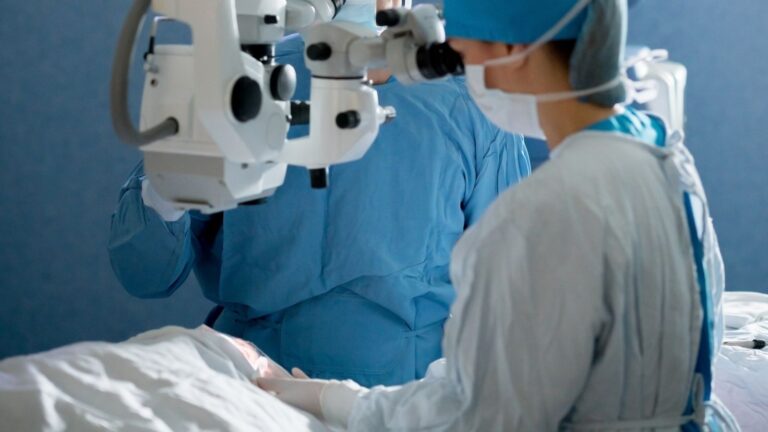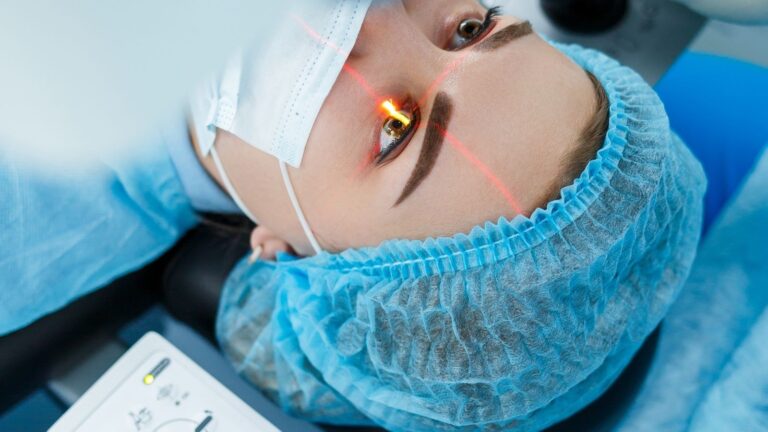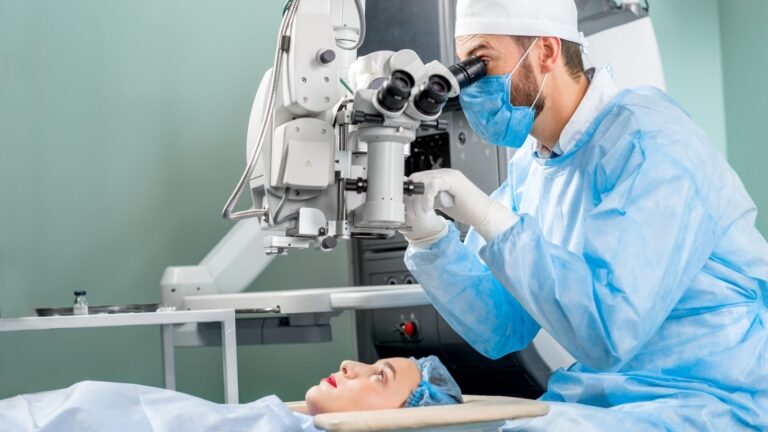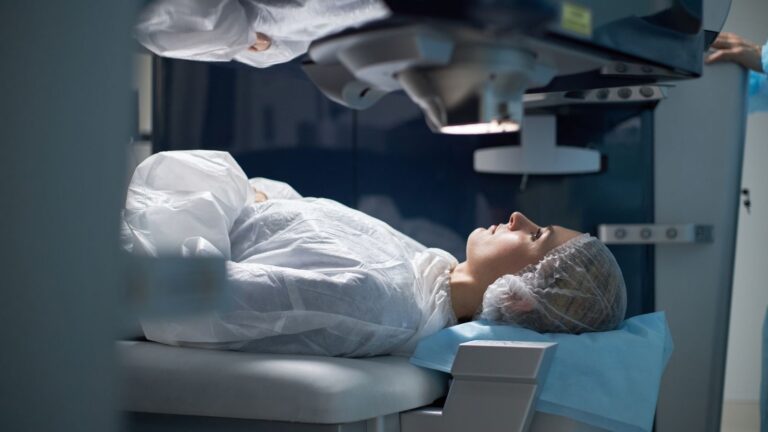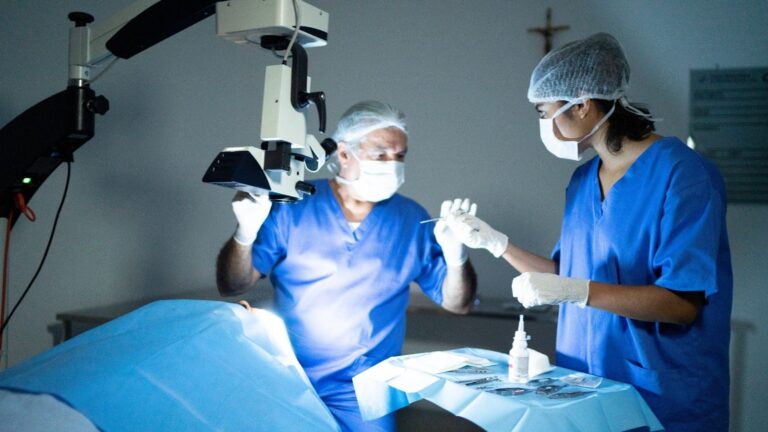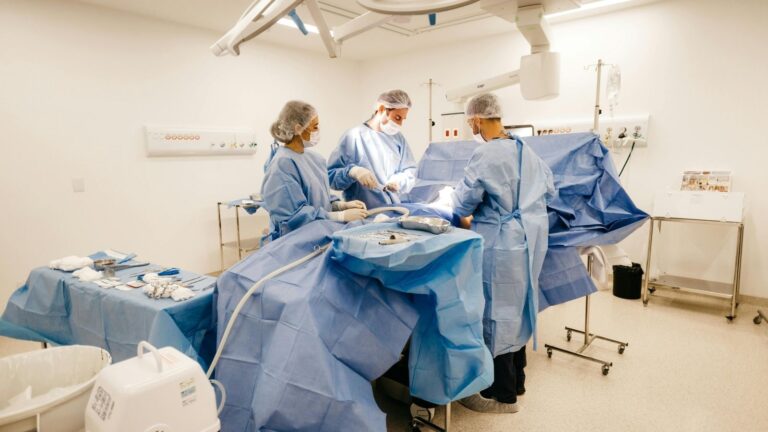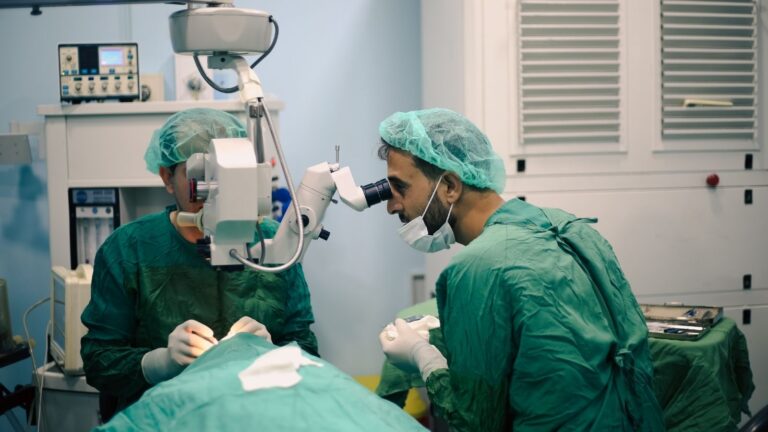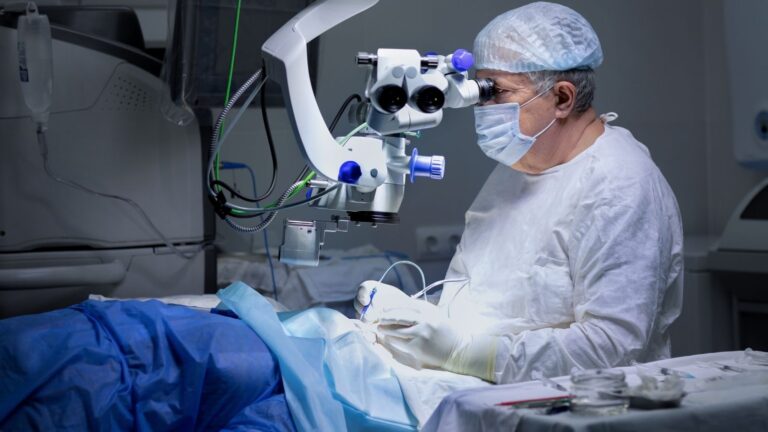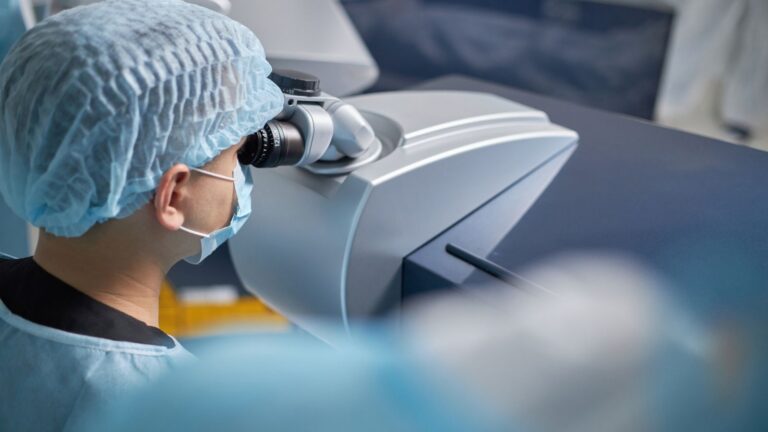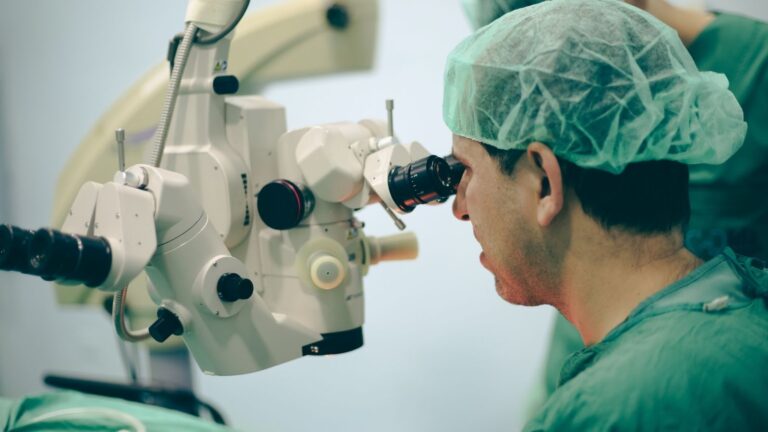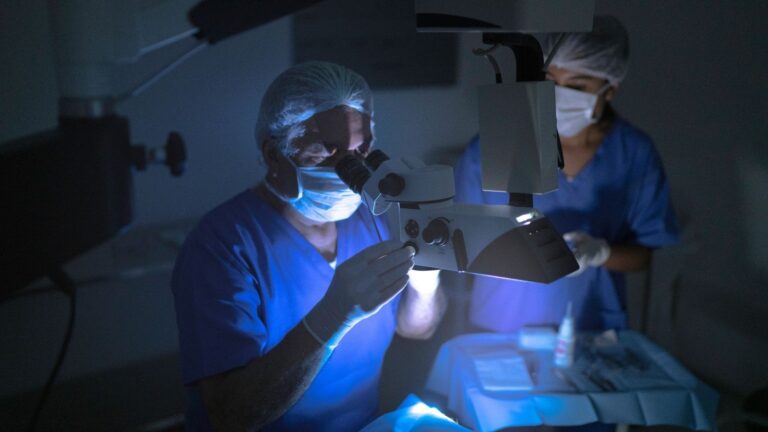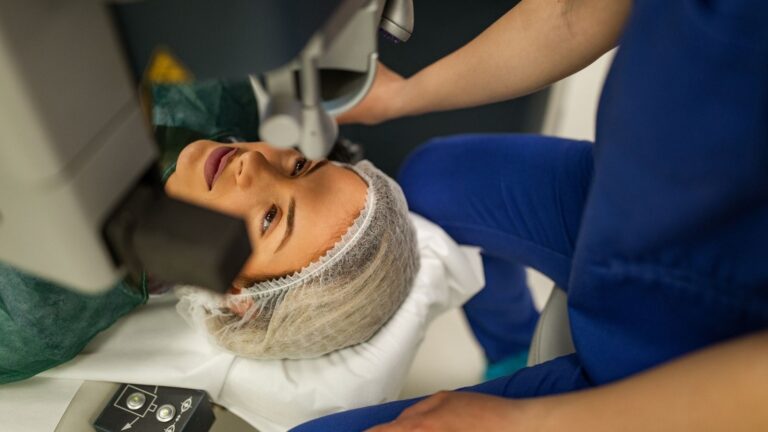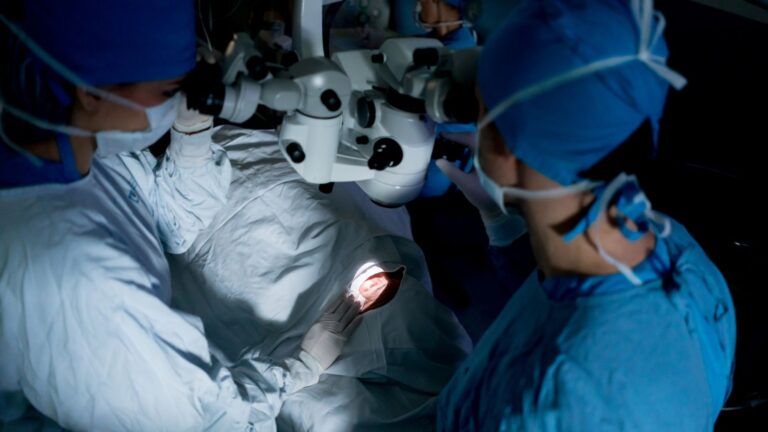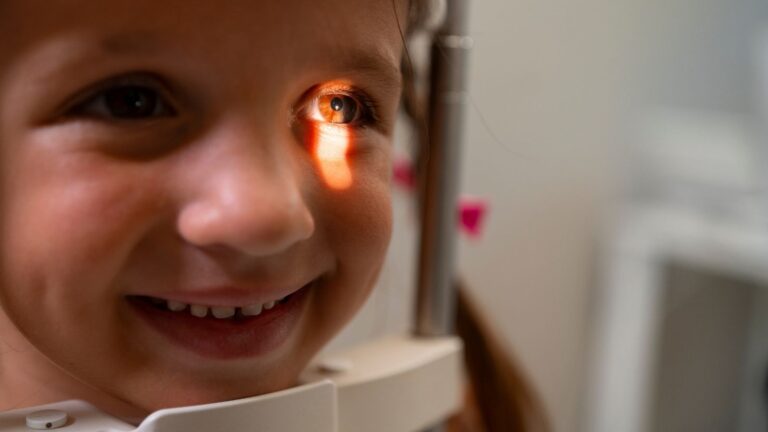

No-Touch laser is a corneal surface laser treatment used to correct refractive errors such as myopia, hyperopia, and astigmatism in suitable patients. In this method, known as TransPRK, the epithelial layer of the cornea is removed with an excimer laser, and the underlying tissue is reshaped using the same laser. A corneal flap is not created as it is in LASIK surgery. The term no-touch means that the epithelium on the corneal surface is not scraped with a mechanical instrument during laser treatment. A bandage contact lens may be placed after the procedure to protect the ocular surface. The treatment plan is prepared according to corneal thickness, the surface map, and the patient's visual needs.
What Is No-Touch Laser?
TransPRK is a form of photorefractive laser surgery performed from the surface of the cornea. After the outermost epithelial layer of the cornea is removed with a laser, the tissue is reshaped according to the refractive error. The epithelial tissue regenerates after surgery. The method does not involve creating a large flap within the cornea as in LASIK. This characteristic may allow surface treatment to be considered in some patients with a suitable corneal structure. However, it cannot be said that the procedure is suitable for every patient or carries no risks.
Which Refractive Errors Can TransPRK Treat?
TransPRK may be considered for correcting myopia, hyperopia, and astigmatism in suitable patients. In myopia, the refractive power of the cornea is altered to improve distance vision. The laser plan used for hyperopia and astigmatism varies according to the structure of the eye. Whether the procedure can be performed depends on the degree of the prescription and the specifications of the device used. This method is not a treatment for diabetic retinopathy, macular degeneration, muscle pain, or skin conditions. The refractive errors for which it may be used are determined through a detailed eye examination.
What Does No-Touch Laser Mean?
The term no-touch means that the cornea is not mechanically scraped while the epithelium is removed with the laser. It does not mean that there will be no contact with the eye at any stage of the procedure. Anaesthetic drops are applied before surgery, and a device may be used to keep the eyelids open. A bandage contact lens may also be placed on the ocular surface when treatment is complete. Statements suggesting that the epithelial tissue is not removed at all or that the cornea is not treated are incorrect. The main characteristic of the method is that surface preparation and corneal reshaping are performed with an excimer laser.
How Is No-Touch Laser Performed?
Before No-Touch laser surgery, the ocular surface is numbed with anaesthetic drops. The patient is asked to look at a fixed point on the laser device. The excimer laser first removes the epithelial layer from the corneal surface. The corneal tissue is then reshaped according to the refractive error. When considered necessary, additional procedures that affect corneal healing may be assessed. Once the procedure is complete, a protective bandage contact lens may be placed on the ocular surface.
How Does the Epithelial Layer Heal?
The epithelium is a protective layer of cells that covers the outer surface of the cornea and can regenerate itself. Because this layer is removed with a laser during TransPRK, it must regenerate after surgery. Burning, stinging, tearing, and light sensitivity may occur during the healing period. The time required for the epithelium to close varies according to the patient's ocular surface health and individual healing characteristics. A bandage contact lens may help protect the ocular surface during this process. Whether the epithelium has healed completely is assessed at a follow-up examination.
The Difference Between No-Touch Laser and PRK
TransPRK and conventional PRK are surface laser treatments that do not involve creating a corneal flap. In conventional PRK, the epithelium may be removed mechanically or with suitable adjunctive methods. In TransPRK, the epithelium is removed using a laser. In both methods, the underlying corneal tissue is reshaped with an excimer laser. Temporary discomfort may occur with both procedures while the epithelial tissue heals. The appropriate method is determined according to corneal structure and surgical planning.
The Difference Between No-Touch Laser and LASIK
In LASIK surgery, a thin flap is created in the cornea, and the underlying tissue is reshaped with a laser. No-Touch laser is applied to the surface of the cornea and does not involve creating a flap. The absence of a flap means that LASIK-specific risks, such as displacement of the flap, do not occur. However, because the surface epithelium must regenerate, discomfort may be more pronounced during the first few days. In some patients, visual clarity may also take longer to develop than after LASIK. Corneal measurements and the patient's needs are assessed together when choosing between the two methods.
Is It Suitable for Thin Corneas?
No-Touch laser may be considered as an alternative in some patients because it does not involve creating a corneal flap. However, having a thin cornea does not by itself mean that a person is suitable for TransPRK. The corneal map, total thickness, amount of tissue to be removed, and supporting tissue that will remain after the procedure must be assessed together. Routine refractive surgery may not be suitable for people with keratoconus or suspected corneal irregularity. Not every patient who is unsuitable for LASIK is a candidate for TransPRK. Safe planning is based on individual corneal measurements.
Who Is Suitable for No-Touch Laser?
No-Touch laser may be considered for people whose eye development is complete and whose prescription has remained stable for a certain period. Myopia, hyperopia, or astigmatism must be within the limits suitable for treatment. Corneal thickness and the surface map must be suitable for the planned procedure. The method may be considered in some patients seeking an option that does not require a flap. Surgical options may also be assessed according to lifestyle in people who participate in active sports. Definitive suitability is determined after a detailed eye examination and the necessary measurements.
Who Cannot Have No-Touch Laser?
TransPRK may not be suitable for people with keratoconus or significant corneal irregularity. Active eye infection, ocular surface inflammation, and uncontrolled dry eye should be assessed first. The procedure is generally postponed in patients whose prescription is continuing to change. Hormonal changes during pregnancy and breastfeeding may affect the stability of measurements. Uncontrolled diabetes, immune system disorders, and certain medicines may alter the healing process. The effect of each medical condition on surgery must be assessed individually.
Which Tests Are Performed Before Surgery?
Before surgery, the eye prescription, visual acuity, and corneal thickness are measured. The structure of the surface is examined in detail using corneal topography and tomography. Tear balance, eye pressure, and pupil characteristics are also assessed. A retinal examination is particularly important in patients with high myopia. Previous eye conditions, medicines used, and contact lens history are included in the treatment plan. These measurements determine whether TransPRK or other treatment options are suitable.
Why Must Contact Lens Use Be Discontinued?
Contact lenses may temporarily alter the shape of the cornea. These changes may affect corneal measurements taken before surgery. The required period without contact lenses is determined according to the type of lens and the corneal structure. The necessary waiting period may differ for soft, toric, and rigid lenses. If the measurements are unstable, the corneal map may need to be reassessed. The aim is to ensure that the laser plan is prepared according to the true structure of the cornea.
Why Is a Bandage Contact Lens Used?
After TransPRK, a protective bandage contact lens may be placed until the epithelium on the corneal surface regenerates. This lens helps reduce friction caused by eyelid movement. It also helps protect the healing surface from external factors. The use of a bandage lens does not contradict the term no-touch, because no-touch refers to how the laser is applied. The timing of lens removal is determined according to epithelial healing. If the lens becomes displaced, the patient should not attempt to reinsert it without assistance.
The First Days After No-Touch Laser
Recovery after No-Touch laser begins with regeneration of the epithelium on the corneal surface. Burning, stinging, tearing, and light sensitivity may occur during this period. Vision may be blurred during the first few days and may fluctuate throughout the day. It is important to use the recommended drops regularly and avoid rubbing the eyes. The severity of complaints may vary from person to person. Increasing pain, discharge, marked redness, or worsening vision should be assessed without delay.
Are Pain and Light Sensitivity Normal?
Sensitivity of the ocular surface can be expected while the epithelial layer regenerates. Some patients experience mild discomfort, while others may have more pronounced pain. Anaesthetic drops are effective during the procedure, but this does not mean that there will be no postoperative pain. Pain relief medicines considered appropriate and prescribed eye drops may help manage the complaints. Wearing sunglasses may provide relief from light sensitivity. Continuously increasing pain or marked deterioration in one eye should not be considered a normal sign of healing.
When Does Vision Become Clear?
Visual clarity after TransPRK depends on epithelial healing and the regularity of the corneal surface. Blurred vision and visual quality that fluctuates during the day may occur in the early period. Vision may still take time to stabilise after the bandage lens is removed. Dry eye, a high prescription, or differences in healing may affect this process. It cannot be said that every patient will begin to see clearly within the same period. Blurring that lasts longer than expected or progresses is assessed according to examination findings.
Possible Risks of No-Touch Laser
Infection, delayed healing of the corneal surface, and inflammation may occur after No-Touch laser. Dry eye, light sensitivity, glare, and night vision difficulties may also develop. Under-correction or over-correction of the prescription may require further assessment in some patients. Corneal haze and irregular wound healing may affect visual quality. Although corneal ectasia is rare, it may present a risk in an unsuitable corneal structure. Referring to the method as no-touch does not mean that infection and other surgical risks have been eliminated.
What Are Corneal Clouding and Haze?
Haze is cloudy healing tissue that may develop in the cornea after surface laser treatment. When pronounced, it may affect visual quality and light perception. High prescription corrections, intense sunlight, and individual healing characteristics may alter the risk. In some patients, additional medicines may be considered during surgery to reduce the risk of corneal haze. Regular use of the recommended drops and protection from sunlight are important after surgery. Changes on the corneal surface are monitored during follow-up examinations.
Dry Eye and Night Vision
Changes in the tear film after TransPRK may cause temporary or longer-lasting dry eye complaints. Burning, stinging, and fluctuating vision are among the symptoms of this condition. Halos or glare around lights at night may also be noticed. Pupil characteristics, the corneal surface, and the prescription may affect the severity of the symptoms. Artificial tear drops may be used when necessary to support the ocular surface. Persistent complaints should be assessed according to individual examination findings.
What Should Postoperative Care Involve?
Prescribed antibiotic drops and other treatments should be used as directed after surgery. The bandage contact lens remains in place under supervision until the ocular surface has healed. It is important not to rub the eyes, to prevent contact with unclean water, and to protect the eye area. The timing of a return to swimming pools, the sea, saunas, and intense sporting activities is determined according to healing findings. Wearing sunglasses may help reduce light sensitivity and protect the cornea from external factors. Because some drops used for a prolonged period may affect eye pressure, follow-up examinations should not be missed.
Can the Prescription Change Again?
After No-Touch laser, the prescription may change again over time in some patients. The initial refractive error and the healing response of the cornea may affect this. Age-related changes in the natural lens may also lead to a need for reading glasses later. Not every change in prescription means that repeat laser treatment can be performed. Whether an additional procedure is required is determined by assessing corneal thickness and the surface map. Glasses, contact lenses, or other treatment options may be considered when necessary.
What Are the Alternatives to No-Touch Laser?
Other refractive surgical procedures, including conventional PRK, LASIK, and SMILE, may be considered as alternatives to TransPRK. In LASIK, a corneal flap is created, while in SMILE a lenticule is removed from within the cornea. PRK and TransPRK are laser methods applied from the surface. Phakic intraocular lens options may be considered in some patients whose corneal structure is unsuitable for laser treatment. Glasses and contact lenses are also non-surgical alternatives. The method is selected according to the prescription, corneal structure, and the patient's needs.
No-Touch Laser Treatment in Izmir
When planning No-Touch laser treatment in Izmir, the prescription, corneal thickness, and corneal surface map are assessed together. Tear status and retinal health may also be examined in people attending from Konak and the surrounding area. Suitability for myopia, hyperopia, and astigmatism is determined according to individual measurements. Preferring a method that does not involve creating a flap does not mean that TransPRK can be performed in every patient. Alternative treatments are considered if the corneal structure is unsuitable. Epithelial healing and vision are monitored through regular follow-up examinations after the procedure.
No-Touch Laser Prices
No-Touch laser prices may vary according to the prescription, corneal measurements, and the scope of the planned treatment. The laser profile to be used, required tests, and additional ocular surface treatments may influence the assessment. The condition of both eyes and the need for postoperative follow-up are also included in the planning. It is therefore not appropriate to provide a single price that applies to everyone without an examination. The treatment method and scope are determined after a detailed eye examination. You can contact us through the website for information about No-Touch laser and treatment options suitable for you.