Drooping eyelid surgery is a surgical treatment performed to correct a restricted visual field or an abnormal eyelid position caused by the upper eyelid sitting lower than normal. This condition, known as ptosis, may be congenital or develop later due to ageing, muscle diseases, nerve disorders or trauma. Drooping may affect one or both eyes. In some patients, it affects only appearance, while in others it may interfere with visual development or daily activities. When planning treatment, eyelid height, the strength of the levator muscle and the condition of the ocular surface are assessed together. The surgical method is selected according to the underlying cause and the patient's individual characteristics.
What Causes Ptosis?
Weakening of the levator muscle that raises the eyelid or of the tissue connecting this muscle to the eyelid may cause ptosis. In age-related ptosis, the connective tissue known as the levator aponeurosis may loosen or separate from its attachment over time. In congenital cases, the levator muscle may not have developed sufficiently. Trauma, previous eye surgery and long-term contact lens use may also contribute to drooping of the eyelid. Myasthenia gravis, Horner syndrome and certain neurological disorders affecting eye movements are among the causes of acquired ptosis. A mass or marked swelling in the eyelid may also mechanically pull the eyelid downwards.
Symptoms and Effects on Vision
The main sign of ptosis is that the upper eyelid sits lower than its normal position. When the eyelid covers part of the pupil, the upper visual field may become restricted. The person may constantly raise their eyebrows or tilt their head backwards to see more comfortably. This may cause tension in the forehead and a feeling of fatigue during the day. In some patients, the drooping may become more noticeable later in the day. Accompanying double vision, restricted eye movements or changes in pupil size require further investigation of the underlying cause.
Is Sudden Drooping of the Eyelid Important?
Sudden drooping of the eyelid should not always be regarded as an age-related change. Urgent assessment may be required, particularly when it is accompanied by double vision, a severe headache or a difference in pupil size. Problems affecting the nerves that control eye movements may sometimes occur together with drooping of the eyelid. Drooping that varies during the day and muscle fatigue may suggest different neuromuscular disorders. In such cases, the priority is not to decide on surgery but to identify the cause of the problem. Symptoms that develop suddenly or progress rapidly should be medically assessed without delay.
Congenital Drooping of the Eyelid in Children
Congenital drooping of the eyelid is most often associated with differences in the development of the muscle that raises the upper eyelid. If the drooping is mild, the child may be monitored through regular examinations. However, if the eyelid covers the visual axis, visual development may be affected and there may be a risk of amblyopia. Pressure from the eyelid may also cause astigmatism in some children. Constantly tilting the head backwards may indicate that the child has developed a compensatory posture to see. The timing of treatment is determined according to the degree to which vision is affected and the function of the levator muscle.
How Is Drooping of the Eyelid Assessed?
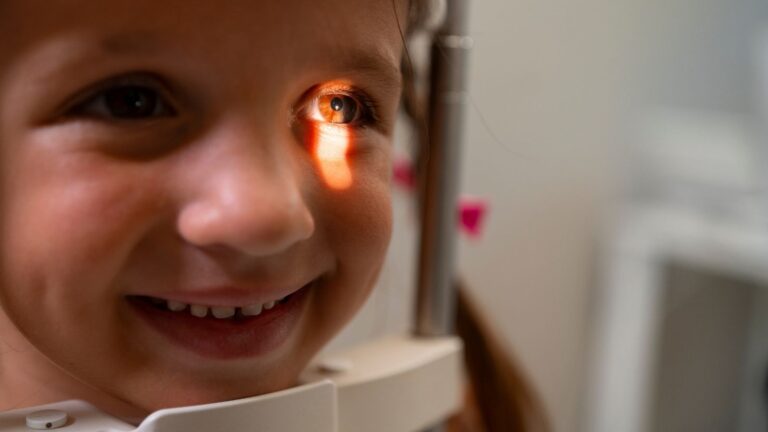
During the examination, the height of the eyelid, its relationship with the pupil and the symmetry between the two eyelids are assessed. The amount of movement produced by the levator muscle is measured to determine the appropriate surgical method. Eye movements, pupil reactions and tear balance are also important parts of the examination. When necessary, a visual field test may be used to investigate the effect of the eyelid on vision. In some patients, an assessment performed with eye drops helps plan methods that can be applied from inside the eyelid. If a neurological cause is suspected, additional tests and imaging methods may be considered.
Ptosis and Eyelid Aesthetics
Ptosis is the eyelid itself sitting lower than its normal position. Loosening of the upper eyelid skin does not always mean that true eyelid drooping is present. Drooping of the eyebrow or excess skin may make the eyelid appear low and may require a different treatment plan. Blepharoplasty addresses excess skin, whereas ptosis surgery aims to adjust the structures that raise the eyelid. Some patients may have both problems, and the procedures may be considered within the same surgical plan. Removing only the excess skin without making the correct distinction may not correct true ptosis.
When Is Ptosis Surgery Required?
Ptosis surgery may be considered when drooping of the upper eyelid affects the visual field or causes significant functional complaints. In children, a risk to visual development may bring the timing of surgery forward. In adults, difficulty with reading, driving or daily tasks is considered when making the treatment decision. Marked asymmetry between the eyelids may also be a reason for assessment in some patients. However, surgery is not necessary in every mild case of ptosis. The decision for surgery is made after identifying the cause and examining the health of the ocular surface.
Levator Muscle and Aponeurosis Repair
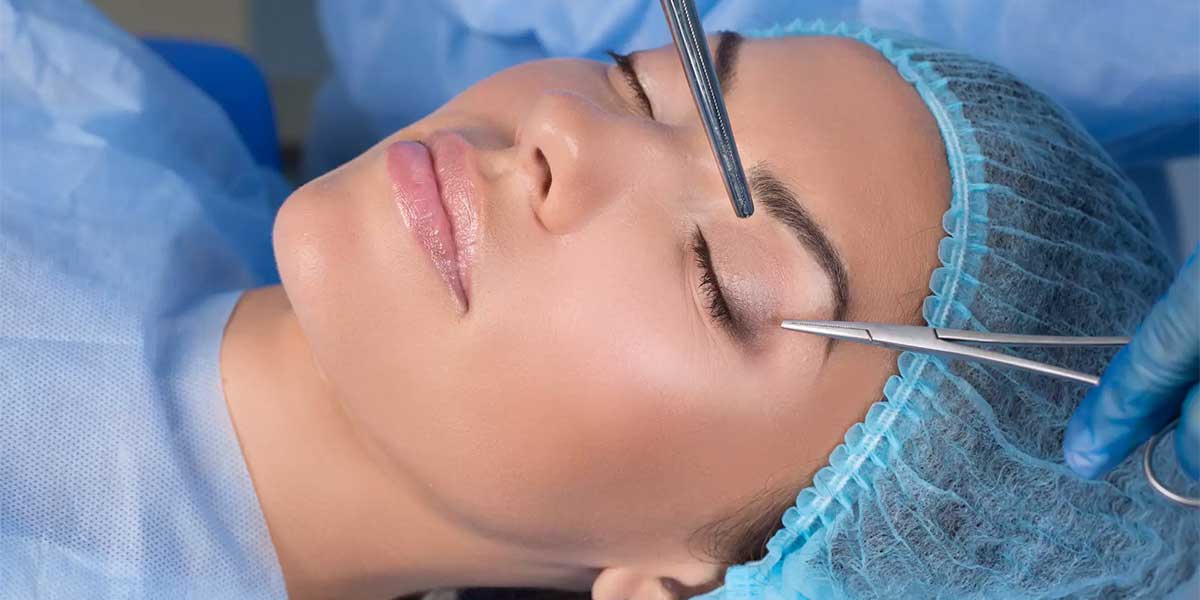
If the levator muscle has sufficient function, surgical methods designed to strengthen the structure that raises the eyelid may be used. In age-related ptosis, the levator aponeurosis may be reattached to the appropriate area or tightened. Shortening of the levator muscle may also be considered in cases where muscle function is moderate. These procedures are generally performed through an incision made in the natural crease of the upper eyelid. Healing of the incision may vary according to the person's skin structure and the characteristics of the surgery. The aim is to increase eyelid height while preserving the eye's ability to close.
How Is Müller Muscle Surgery Performed?
Müller's muscle is one of the supporting structures that contributes to the position of the upper eyelid. Resection of Müller's muscle and the conjunctiva from inside the eyelid may be considered for mild or moderate ptosis in suitable patients. Because this method is performed through the inner surface of the eyelid, no surgical incision is made in the skin. Suitability is determined according to the function of the levator muscle and the response to certain examination tests. The method cannot be used for every type of eyelid drooping. Dry eye, eyelid structure and existing surgical requirements are considered during the selection process.
Who Is Frontalis Sling Surgery Suitable For?
Frontalis sling surgery is a method considered when the levator muscle cannot raise the eyelid sufficiently. In this procedure, the upper eyelid is supported by a sling system that connects it to the forehead muscle. Silicone, suitable synthetic materials or the person's own tissue may be used for the sling. This option may be considered particularly in marked congenital ptosis when levator function is weak. After surgery, movement of the forehead muscle helps raise the eyelid. The method does not make eyelid movement completely identical to natural levator function and requires regular follow-up.
How Is the Timing of Surgery Determined in Children?
The timing of surgery in children is planned according to the extent to which ptosis affects visual development. Earlier intervention may be required if the eyelid covers the visual axis or significant astigmatism has developed. Regular monitoring may be preferred in cases where there is no risk to visual development. The child's head position, the difference in vision between the two eyes and the strength of the levator muscle are assessed together. Follow-up for amblyopia and refractive errors continues after surgery. The decision for surgery is based on examination findings rather than the child's age alone.
Are There Any Non-Surgical Treatment Methods?
The treatment of ptosis is primarily shaped by the underlying cause. When eyelid drooping is related to a neuromuscular disorder, treatment and control of the existing disease are considered first. In selected cases, a spectacle attachment that temporarily supports the eyelid or suitable medical treatments may be considered. Although some eye drops may have a temporary effect in certain types of ptosis, they are not suitable for every patient. Eyelid exercises are not an established treatment for correcting structural eyelid drooping. Botulinum toxin is also not used as a general treatment for ptosis, and temporary eyelid drooping may develop after some applications.
Preparation Before Surgery
Medications being used, previous eye operations and existing systemic diseases are assessed before surgery. If blood-thinning medication needs to be adjusted, the decision is made according to individual risks, and medication must not be stopped without medical advice. In people with dry eye or ocular surface disease, these conditions may first need to be brought under control. General anaesthesia may be planned for children and some adults, while local anaesthesia may be preferred for other patients. The fasting period and preparations on the day of surgery are determined according to the selected method of anaesthesia. The expected eyelid height, potential asymmetry and the possible need for an additional procedure are assessed before the operation.
How Is Ptosis Surgery Performed?
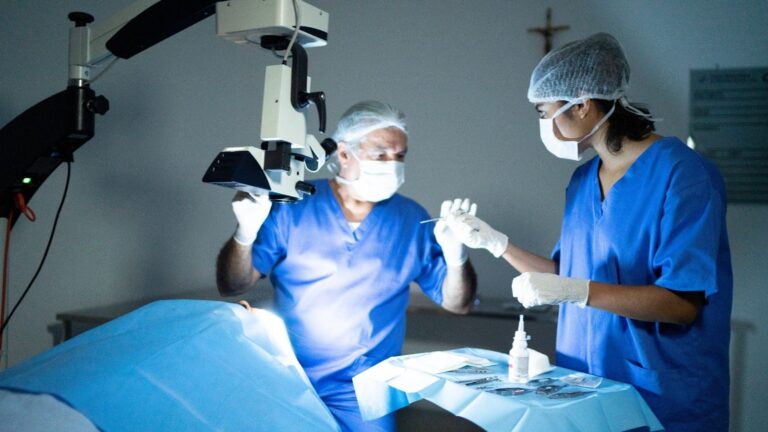
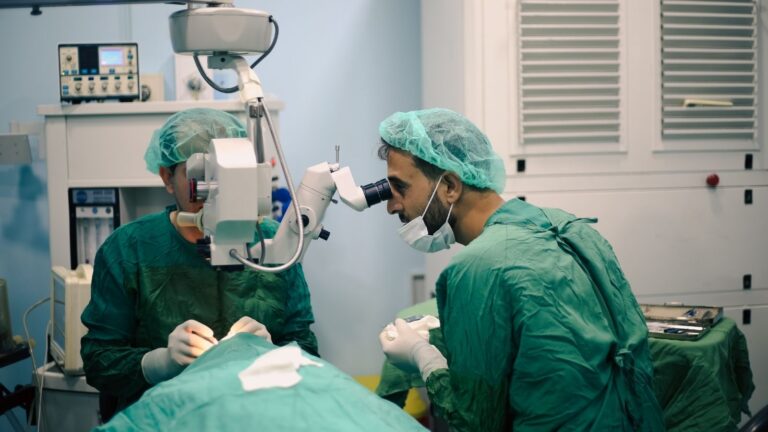
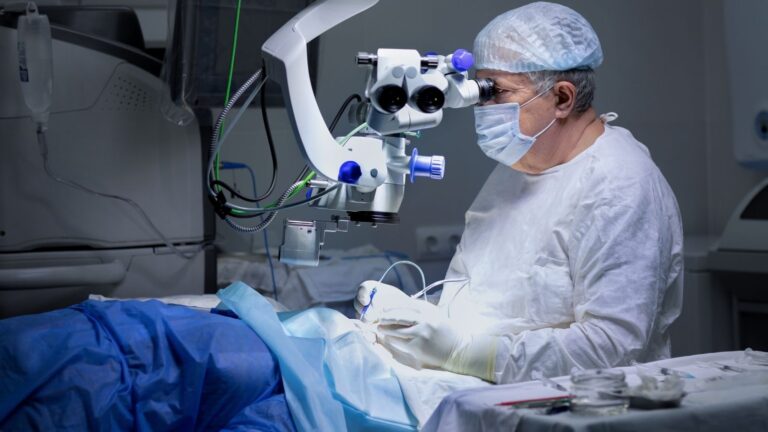
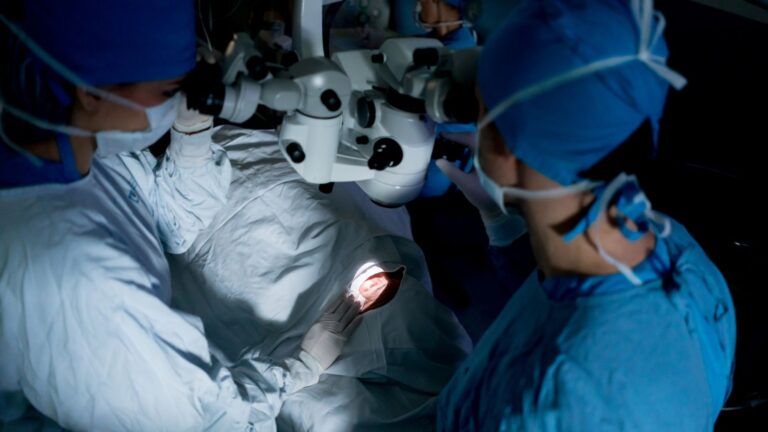
The technique used in ptosis surgery is selected according to the degree of eyelid drooping and the strength of the levator muscle. In procedures performed through an external approach, an incision is made in the natural eyelid crease to access the levator tissue. In suitable procedures using an internal approach, surgery is performed through the inner surface of the eyelid. If levator function is markedly weak, sling methods that use the forehead muscle may be considered. In some adults, eyelid height can be checked during the procedure under local anaesthesia. The duration of surgery, type of anaesthesia and discharge plan vary according to the scope of the procedure.
For Whom May Surgery Be Postponed?
Surgery may need to be postponed in people with an active eyelid infection or significant inflammation of the ocular surface. Uncontrolled dry eye is assessed separately because it may cause greater exposure of the cornea after surgery. In patients whose general health is unsuitable for anaesthesia, management of the existing risks takes priority. In sudden ptosis of unknown cause, the underlying condition must first be investigated. In cases related to muscle and nerve disorders, the decision for surgery is made according to the course of the disease. The presence of glaucoma or corneal disease alone does not mean that surgery cannot be performed in every patient.
Potential Risks of Eyelid Surgery
Swelling, bruising, tenderness and temporary blurred vision around the eye may occur after surgery. The eyelid remaining lower or higher than expected may require further assessment in some patients. A difference in height between the two eyelids or an irregularity in the eyelid crease may develop. Incomplete eye closure may cause problems such as dryness and irritation of the corneal surface. Infection, bleeding and problems related to wound healing are also among the surgical risks. If severe pain, a sudden change in vision or rapidly increasing swelling develops, an assessment should be performed without delay.
Postoperative Care and Recovery
Eye drops and ointments provided after surgery should be used as recommended. When considered appropriate, a cold compress and keeping the head elevated may help reduce swelling around the eye. It is important to keep the incision area clean and avoid rubbing the eye. The timing of returning to contact lens use, eye make-up, swimming and strenuous exercise is determined according to the state of healing. If the sutures need to be removed, this procedure is planned during the follow-up examination. The reduction in swelling and stabilisation of eyelid height may vary from person to person.
Dry Eye and Problems with Eye Closure
When the eyelid is positioned higher after ptosis surgery, more of the ocular surface may remain exposed. This may cause burning, stinging and watering, particularly in people who already have dry eye. In some patients, the eyelids may not close completely during sleep. Artificial tear drops and suitable eye ointments may help protect the ocular surface. If a significant closure problem or corneal irritation is detected, additional treatment may need to be planned. Tear assessment before and after surgery is important for monitoring these risks.
What Causes Asymmetry After Surgery?
The eyelids may not naturally be at exactly the same height. In the early postoperative period, swelling and tissue healing may cause temporary asymmetry. When ptosis in one eye is corrected, the position of the other eyelid may also change. This may be related to neural balance mechanisms that affect both eyelids together. Reassessment is required if there is a persistent difference in height, undercorrection or overcorrection. The need for an additional procedure is determined according to examination findings after healing has been completed.
Can Drooping of the Eyelid Recur?
Drooping of the eyelid may recur in some patients after ptosis surgery. Age-related tissue laxity, changes in muscle function and underlying diseases may affect the risk of recurrence. Loosening of the sling material or separation of the levator tissue again are also among the possible causes. In children, additional assessments may be required later due to growth. Recurrent drooping does not always mean that the same surgical method will be used. A new treatment plan is prepared according to the current eyelid structure and the characteristics of previous procedures.
Drooping Eyelid Surgery in Izmir
When planning drooping eyelid surgery in Izmir, the cause of ptosis, its effect on the visual field and the function of the levator muscle are assessed. Visual development and the risk of amblyopia are examined separately in children attending from Konak and the surrounding area. In adults, age-related changes, previous operations and ocular surface health may affect the treatment plan. In suitable patients, levator repair, methods performed through the inside of the eyelid or frontalis sling options may be considered. The surgical approach is determined according to each patient's eyelid structure. After treatment, eyelid position and the ocular surface are monitored through regular follow-up examinations.
Ptosis Surgery Prices
Ptosis surgery prices may vary according to the cause of the eyelid drooping and the planned surgical method. Whether the procedure is performed on one or both eyes may affect the assessment. Levator repair, Müller muscle surgery and frontalis sling surgery require different planning. The method of anaesthesia and additional eyelid procedures may also change the scope of treatment. For this reason, it is not appropriate to provide a single fee that applies to everyone before an examination. You can contact us through the website to receive information about drooping of the eyelid and the treatment options suitable for you.