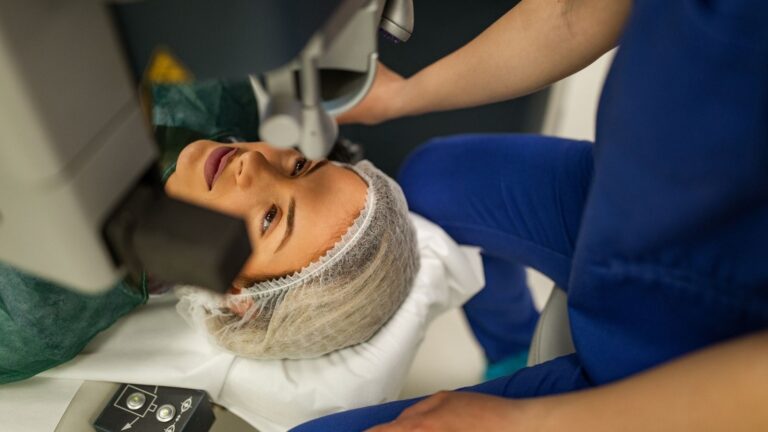

Implantable contact lens treatment involves placing an artificial lens inside the eye without removing the natural lens, with the aim of reducing refractive errors. Implantable contact lens treatment may be considered particularly for selected patients with high myopia, astigmatism or an unsuitable corneal structure. Terms such as phakic intraocular lens and ICL may be used in relation to the different lens types associated with this surgical method. The procedure differs from conventional contact lenses that are placed on and removed from the cornea. The depth of the eye's anterior chamber, corneal endothelial cells and retinal health should be examined in detail before the procedure. Treatment may reduce the need for glasses in some patients, but it is not risk-free or suitable for everyone. Visual outcomes vary according to the structure of the eye and the initial refractive error.
What Is an Implantable Contact Lens?
An implantable contact lens is an artificial lens that is surgically placed inside the eye and designed for long-term use. A phakic intraocular lens is implanted while leaving the person's natural lens in place. Depending on its type, the lens may be positioned in front of the iris or in the space between the iris and the natural lens. It helps the light entering the eye to focus more appropriately on the retina. Instead of thinning the cornea with a laser, it adds an extra lens to the eye's optical system. It is not inserted and removed daily and does not require care with external contact lens solutions. Suitability is determined not only according to the eye prescription but also according to anatomical measurements inside the eye.
Which Refractive Errors Do Phakic Lenses Correct?
Phakic lenses are primarily considered for the correction of high myopia. Toric lenses may be used when astigmatism is also present. Some lens models may also be considered for certain degrees of hyperopia, depending on suitability. The correction range and intended use are not the same for every lens. It is important for the eye prescription to have remained stable for a certain period when planning surgery. Retinal risks associated with high myopia do not disappear completely even when the refractive error is corrected. The procedure should therefore be planned by considering not only the refractive error but also the overall health of the eye.
What Types of Intraocular Lenses Are Available?
Phakic lenses are classified as anterior chamber or posterior chamber lenses according to where they are implanted. Anterior chamber lenses are positioned in front of the iris, and some models are attached to the iris. Posterior chamber lenses are placed between the iris and the natural lens. Implants known as ICLs are among the posterior chamber phakic lenses. Regardless of where they are implanted, toric lenses have an optical design intended to correct astigmatism. Multifocal cataract lenses, however, are a separate group of lenses implanted after the natural lens has been removed. The lens is selected according to the anatomical characteristics of the eye and the refractive error intended to be corrected.
What Does a Toric Phakic Lens Do?
A toric phakic lens is designed to reduce astigmatism that occurs together with myopia. Astigmatism is associated with the inability of the cornea or natural lens to focus light evenly in different directions. Positioning the toric lens on the correct axis inside the eye is important for the visual outcome. Rotation or a change in the position of the lens may cause the correction of astigmatism to differ from what was expected. If necessary, an additional procedure may be considered to readjust the position of the lens. Not every type of astigmatism is suitable for a toric phakic lens. Corneal measurements and the spaces inside the eye should be assessed together before the procedure.
Difference Between a Phakic Lens and a Cataract Lens
In phakic lens surgery, the person's natural lens is not removed. In cataract surgery, the natural lens that has lost its transparency is removed and replaced with an artificial intraocular lens. The two procedures are therefore not the same surgical method. A phakic lens may be considered for suitable patients whose natural lens is clear. Different approaches, such as lens replacement, may be considered for people with cataracts. Multifocal lenses, popularly known as smart lenses, should not be regarded as belonging to the same category as phakic lenses. Lens selection is based on age, near-vision needs, cataract status and retinal health.
How Does It Differ From External Contact Lenses?
Conventional contact lenses are placed on the surface of the cornea and are inserted and removed according to their schedule of use. An implantable contact lens is surgically placed inside the eye. External contact lenses may require cleaning, solution and a lens case. Phakic lenses are not removed daily or cleaned at home. Intraocular lens implantation, however, involves surgical risks and requires long-term follow-up. Experiencing dryness or difficulty using external lenses does not automatically mean that a person is a candidate for a phakic lens. The choice between the two approaches is made by considering the structure of the eye, expectations and medical suitability.
Who Is a Candidate for an Implantable Contact Lens?
Implantable contact lens treatment may be considered for suitable adults whose eye prescription is stable and whose natural lens is clear. People with high myopia or insufficient corneal tissue characteristics for corneal laser surgery may be candidates. Sufficient anterior chamber depth is one of the important assessment criteria. The number and structure of the corneal endothelial cells also affect the surgical decision. If astigmatism is present, suitability for a toric lens may be assessed separately. The retina, intraocular pressure and pupil measurements should be evaluated comprehensively. A high eye prescription alone does not make surgery necessary.
Who Is Not Suitable for Treatment?
A phakic lens may not be suitable for people with insufficient anterior chamber depth or a low corneal endothelial cell count. Uncontrolled glaucoma, an active eye infection and significant inflammation inside the eye may increase the surgical risk. Different intraocular lens methods may be considered for patients with cataracts. Suitability should be assessed more carefully in people with a history of retinal detachment or serious retinal disease. The procedure may be postponed if the eye prescription is still changing. Pregnancy, uncontrolled diabetes and certain systemic diseases may affect the timing of surgery. Not every risk factor is an absolute contraindication, and the decision should be based on the individual's examination findings.
Which Measurements Are Taken Before Surgery?
Before the procedure, the eye prescription, visual acuity and corneal structure are assessed. The anterior chamber depth, internal dimensions of the eye and position of the natural lens are examined in detail. The corneal endothelial cell count is important for the long-term health of the tissue. Pupil size and a retinal examination help assess potential visual effects. The power and physical size of the lens are determined according to individual measurements. Some lens designs may require additional preparation to support the circulation of fluid inside the eye. People who wear contact lenses may be asked to stop wearing them for a certain period before the measurements.
Implantable Contact Lens Surgery
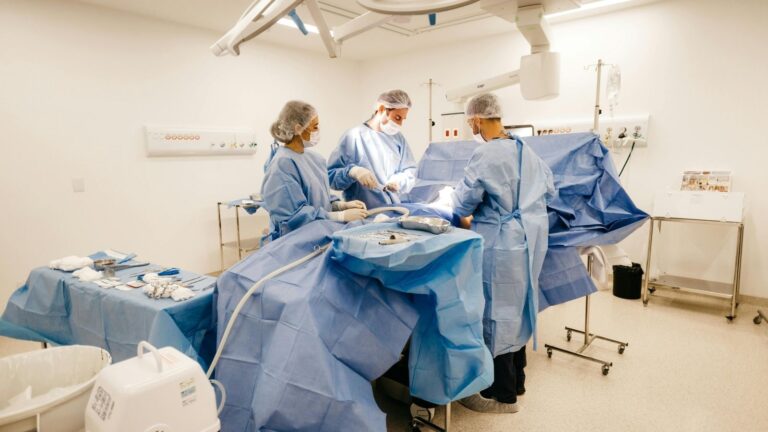
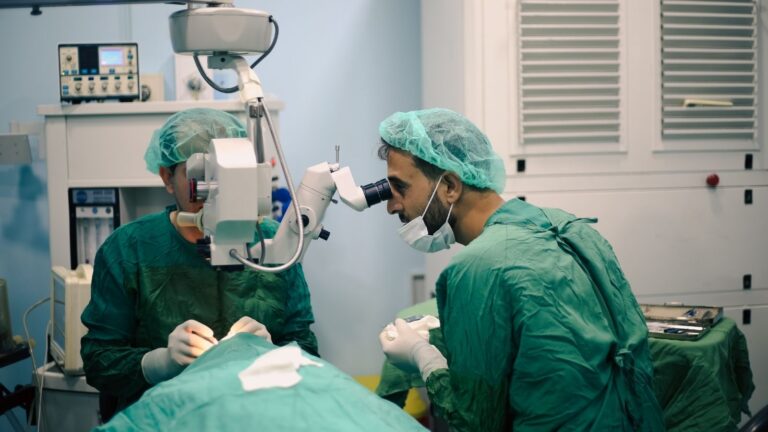
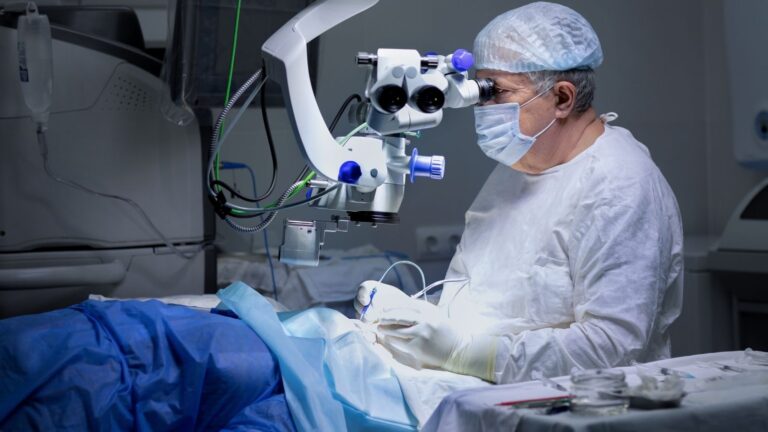
ICL surgery involves inserting the appropriate lens into the eye through a small incision. Depending on the patient's condition, the procedure may be planned using anaesthetic eye drops or other anaesthesia options. A posterior chamber lens is positioned behind the iris and in front of the natural lens. It is important to have sufficient space between the lens and the natural lens. If a toric lens is used, it is positioned according to the axis of the astigmatism. Intraocular pressure and the position of the lens are checked during and after the procedure. The duration of the surgery and the interval at which the two eyes are treated vary according to the individual plan.
Difference Between an Implantable Contact Lens and Laser Surgery
Laser surgery aims to reduce refractive error by reshaping the corneal tissue. In phakic lens implantation, an additional lens is placed inside the eye without thinning the cornea with a laser. It may therefore offer a different option for some patients with high prescriptions or people whose corneal structure is unsuitable. However, because phakic lens implantation is intraocular surgery, it carries its own risks. Being unsuitable for laser treatment does not necessarily mean that a phakic lens can be implanted. Neither method can guarantee that the need for glasses will be completely eliminated after the procedure. The appropriate option is determined by assessing the cornea, spaces inside the eye and retinal findings together.
Recovery After Surgery
Blurred vision, sensitivity to light or mild discomfort may occur during the first few days after surgery. The time required for vision to stabilise varies from person to person. Appropriate eye drops may be used to reduce the risk of infection and inflammation. It is important not to rub the eye and to protect it from impacts and contact with contaminated water. The timing of a return to strenuous exercise, swimming and eye make-up is determined according to the individual's recovery. Severe pain, increasing redness or a sudden reduction in vision should be assessed without delay. During the first follow-up examinations, the position of the lens, intraocular pressure and corneal health are evaluated.
Potential Risks of Implantable Contact Lenses
Infection, inflammation inside the eye and an increase in intraocular pressure may develop after phakic lens surgery. Placement close to the natural lens may be associated with cataract formation in some patients. A reduction in corneal endothelial cells may affect the transparency of the cornea in the long term. Halos around lights at night, glare or reduced contrast may occur. Rotation or displacement of the lens, or failure to fully correct the expected prescription, may require an additional procedure. The risks of retinal tears and detachment should also be assessed, particularly in patients with high myopia. No surgical method guarantees the complete absence of complications.
Lens Displacement and Intraocular Pressure
The position of the implanted lens inside the eye is important both for visual quality and for protecting the surrounding tissues. Insufficient space between the lens and the natural lens may increase the risk of cataracts. Excessive space or an effect on the circulation of fluid inside the eye may lead to increased pressure. Rotation of a toric lens may reduce the correction of astigmatism. In some cases, repositioning or replacing the lens may be considered. An increase in intraocular pressure may not always cause obvious symptoms. Regular follow-up should therefore not be based solely on the person's satisfaction with their vision.
Can an Implantable Contact Lens Be Removed?
Phakic intraocular lenses are designed to remain inside the eye for a long time. If a medical need arises, the lens may be surgically removed or replaced. The development of cataracts, failure of the lens to remain in the correct position or problems with intraocular pressure may require an additional procedure. The fact that the lens can be removed does not necessarily mean that the eye will return to its preoperative condition. Every additional surgical procedure carries risks of infection, inflammation and other complications. If cataract surgery becomes necessary in the future, removal of the phakic lens may be planned. The decision is made by assessing the position of the existing lens and its effect on eye health.
Will Reading Glasses Still Be Needed?
Because a phakic lens preserves the natural lens, the existing focusing ability may continue in younger patients. However, presbyopia may develop as the natural lens loses its flexibility over time. Reading glasses may then be required even if the distance prescription has been corrected. Phakic lens implantation does not completely prevent age-related changes in near vision. Low degrees of myopia, hyperopia or astigmatism may also remain in some patients after the procedure. Visual needs vary according to the person's occupation, reading habits and eye structure. Expectations regarding distance and near vision should be assessed realistically before surgery.
Why Are Regular Follow-Up Examinations Important?
Regular follow-up after implantable contact lens treatment helps determine whether the lens remains in the correct position. Intraocular pressure measurements allow pressure increases that may develop without symptoms to be detected. Examining the corneal endothelial cells at certain intervals is important for long-term corneal health. The natural lens is checked for clouding, and the area around the implanted lens is examined for changes. Retinal assessments should also continue in people with high myopia. Good vision does not mean that all potential complications have been ruled out. Follow-up intervals are planned according to the type of lens used and the individual's eye findings.
Implantable Contact Lens Treatment in Izmir
When planning implantable contact lens treatment in Izmir, the degree of refractive error and the anatomical structure of the eye are assessed together. Anterior chamber depth, endothelial cells, intraocular pressure and retinal health determine suitability for surgery. ICL or toric phakic lens options may be considered for people with high myopia or astigmatism. Being unsuitable for corneal laser surgery alone is not sufficient for implantable contact lens surgery. When researching implantable contact lens treatment in Izmir and the Konak area, an assessment based on individual measurements is important. The position of the lens and eye health should be monitored regularly after surgery. The method used is determined according to the person's medical needs and visual expectations.
Implantable Contact Lens Treatment Prices
Implantable contact lens treatment prices may vary according to the selected lens type and the individual surgical plan. The need for a toric lens, the degree of the eye prescription and whether the procedure is planned for one or both eyes may affect the scope. Preoperative measurements and postoperative follow-up requirements should also be considered. It is not appropriate to use the same lens or the same surgical approach for every patient. The suitable lens and the scope of the fees cannot be determined without an examination. Fee information can be provided once the medical assessment and treatment plan have been finalised. You can contact us through the website for information about implantable contact lens treatment and the options suitable for you.