Contents:
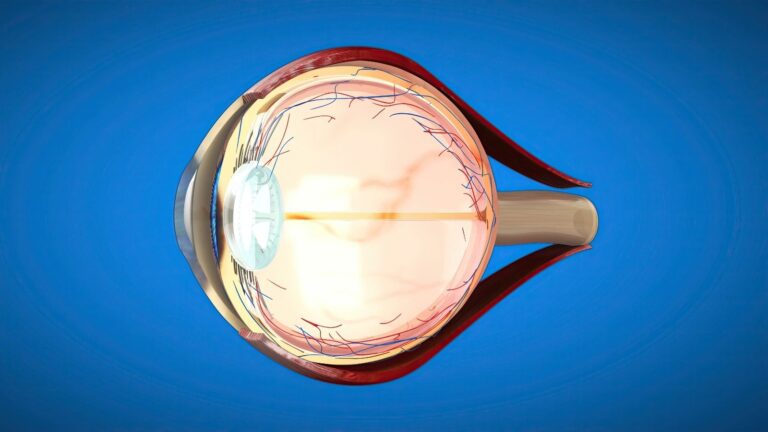
SMILE and SMILE Pro are laser surgery methods considered for myopia and suitable cases of astigmatism. In these procedures, a thin layer of tissue is created within the cornea using a femtosecond laser and removed through a small incision. SMILE Pro and SMILE laser surgery costs may vary depending on the features of the device used, the patient's corneal structure and the scope of the treatment plan. The physician's experience in refractive surgery, preoperative tests and clinical conditions are also included in the assessment. Since every patient has a different prescription and corneal anatomy, the same treatment plan is not applied to everyone. The suitability of the method is determined following a detailed eye examination and the necessary measurements.
Factors Affecting the Treatment Plan
The treatment process in laser surgery consists of different stages, from the preoperative assessment to postoperative check-ups. The devices, surgical materials and the patient's eye structure are the main components of this planning. Some medical materials are single-use and prepared specifically for the patient during the procedure. Operating room conditions, sterilisation practices and device checks are also important parts of the process. When planning SMILE laser treatment, not only the day of the procedure but also the preoperative tests and subsequent follow-up are considered. The scope of treatment may vary according to each patient's medical needs.
The person's prescription, corneal thickness and degree of astigmatism are important when determining the method to be used. Some patients may require additional measurements or more detailed corneal examinations. The software included in the treatment plan and the features of the devices used may also vary according to clinical practices. However, no laser method is suitable for every patient. Alternative treatment options may be considered when the eye structure is unsuitable for surgery. SMILE Pro and SMILE laser surgery costs are assessed by considering these variables together.
Technical Features of the Laser Device
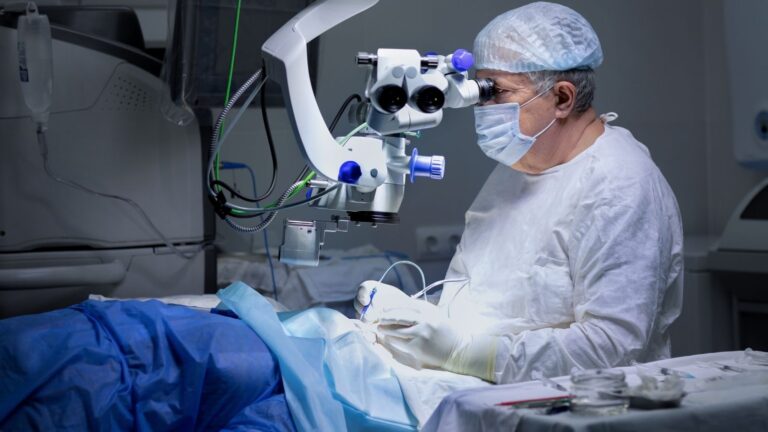
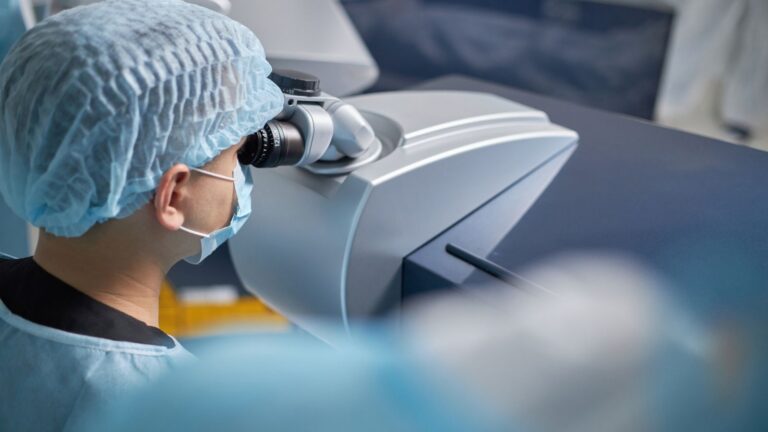
The technical features of the laser platforms used in clinics are among the factors affecting treatment planning. Femtosecond laser technology is used to create the layer of tissue that will be removed from within the cornea. The operating speed, software infrastructure and measurement systems of the devices may vary depending on the model. Some systems may include features that help centre the eye or apply the treatment plan more accurately. Device maintenance, calibration procedures and software updates are parts of the clinical infrastructure. These technical differences may affect the scope of the procedure and operational planning.
The duration of laser application in newer systems may vary depending on the platform used. However, a shorter procedure time does not mean that the treatment is suitable for everyone. The patient's corneal structure and prescription are as important as the technical features of the device. Each laser platform may have different operating conditions and treatment limits. Therefore, a newer device alone does not indicate that a better outcome will be achieved. The appropriate method should be determined according to the examination findings and medical assessment.
Physician Experience and Clinical Conditions
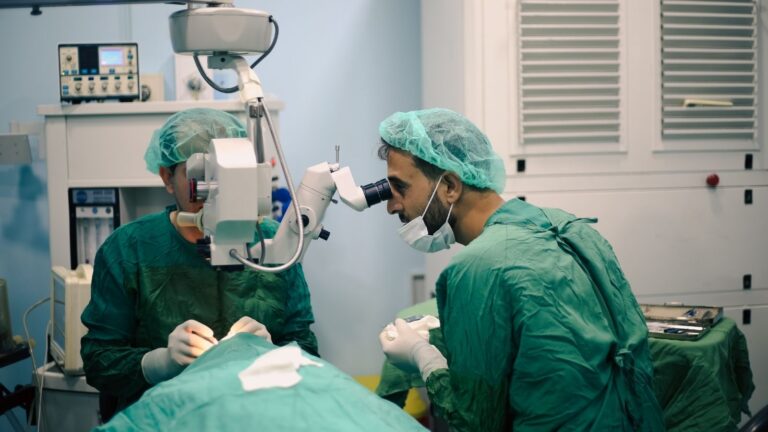
In SMILE and SMILE Pro procedures, the thin layer of tissue created within the cornea is removed through a small incision. This stage requires the surgical assessment and procedural experience of an ophthalmologist. The physician examines the corneal structure before the procedure to determine whether the method is suitable for the patient. Assessing situations that may arise during surgery is also part of the treatment plan. However, no surgical procedure means that all risks have been eliminated or that a particular outcome is guaranteed. The physician's experience, the method used and the patient's eye structure should be assessed together.
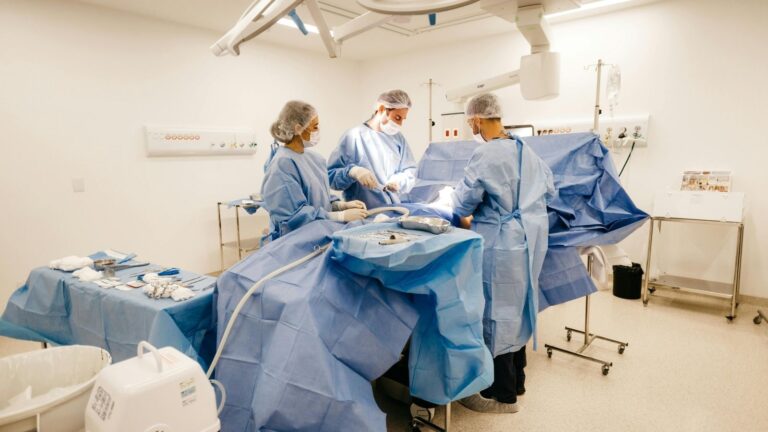
The sterilisation practices and technical infrastructure of the healthcare facility where the surgery is performed are also important. Preparation of the operating room, medical materials used and device checks are planned before the procedure. Clinical follow-up practices and postoperative examinations may vary depending on the healthcare facility. The patient should be informed about potential risks and the recovery process before the procedure. The treatment decision should not be based solely on device features or the facility's physical conditions. The patient's eye health and individual needs should be at the centre of all assessments.
Eye Structure and Personalised Planning
Preoperative measurements are performed to assess the degree of refractive error and whether the cornea is suitable for surgery. As the degree of myopia or astigmatism increases, the factors that need to be considered in the treatment plan may change. However, SMILE or SMILE Pro cannot be considered suitable for every patient with a high prescription. Corneal thickness, the condition of the ocular surface and existing eye diseases should also be examined. Corneal tomography is one of the methods used to assess the corneal structure and potential irregularities. When considered necessary, additional measurements are performed, and the treatment plan is tailored to the individual.
Some laser systems may include software that helps centre the eye and apply the treatment plan. These features vary depending on the technical infrastructure of the device used. The prescription and corneal structure are assessed together during personalised planning. However, the software used does not guarantee a particular visual outcome. Every patient's recovery process and response to surgery may differ. The scope of the personalised treatment plan is also considered when assessing SMILE Pro and SMILE laser surgery costs.
Laser Application Time
The active operating time of the laser may vary depending on the model of the device and the treatment to be performed. In some systems, creating the tissue within the cornea may be completed more quickly. However, the total duration of the surgery is not limited to the time during which the laser is active. Preparing the patient, positioning the eye correctly and completing the surgical procedure are also parts of the process. The patient's eye structure and the surgical plan should be considered during the procedure. A shorter procedure time does not mean that surgical risks have been completely eliminated.
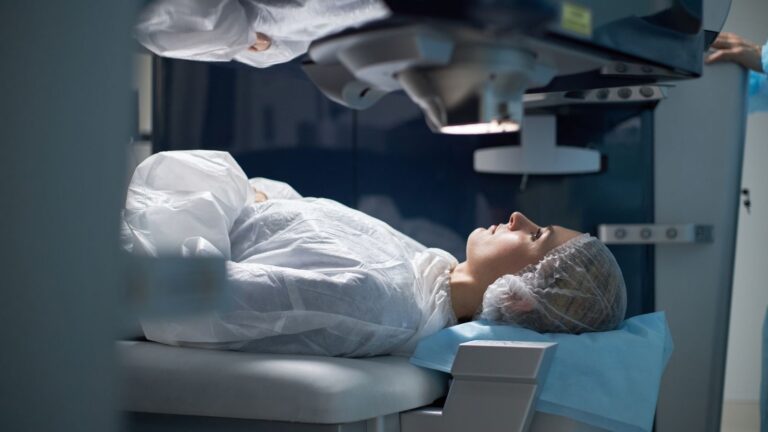
The operating practices of the devices and operating room planning may vary depending on the system used by the clinic. Operating room preparation, device checks and sterilisation practices are assessed before every procedure. The materials to be used during treatment are determined according to the patient and the method. The operating speed of the device is one of the factors considered in clinical organisation. However, the method should not be selected solely according to the duration of the procedure. The patient's eye health and suitability for treatment should always be the primary considerations.
Suction Loss and the Surgical Process
In SMILE and SMILE Pro procedures, the laser system must be properly aligned with the eye. A change in the position of the eye or a loss of connection with the device during the procedure may be described as suction loss. This situation is assessed differently depending on the stage of the procedure at which it occurs. When considered necessary, the physician may replan the procedure or consider a different surgical approach. A shorter laser application time may affect planning in some cases. However, it cannot be said that suction loss will never occur or that it can be prevented at the same rate with every device.
Unexpected situations during surgical procedures are managed according to the patient's eye structure and the findings obtained during the procedure. Additional check-ups or different treatment steps may be planned when necessary. Assessing such situations is part of the overall postoperative follow-up process. The same intervention should not be expected to be necessary for every patient. It is important to explain the surgical risks before the procedure and inform the patient. If the treatment plan changes, the approach to be followed is determined according to the physician's assessment.
Differences Between Laser Methods
Laser methods used to treat refractive errors differ in how they are applied to the cornea. In SMILE and SMILE Pro, the tissue created within the cornea is removed through a small incision. In LASIK, a corneal flap is created before the laser procedure is performed. Methods such as PRK and TransPRK involve different surgical steps targeting the corneal surface. Each method has a different recovery process, treatment limits and risks that need to be assessed. The main factors that may be considered when examining treatment options include:
- Active laser application time.
- Nature of the procedure performed on the cornea.
- Whether an incision or flap is created.
- Centring and tracking features of the device.
- Possibility of postoperative dry eye.
- Visual recovery process.
- Measurement systems and software used.
SMILE Pro laser treatment is one of the refractive surgery methods that may be considered for suitable patients. However, not creating a flap does not mean that the method is more suitable than other options for every patient. Dry eye, changes in visual quality or residual refractive error after the procedure may occur with different methods. The time required to return to daily life also varies according to the person's eye structure and recovery. Therefore, methods should not be compared solely based on procedure time or the technology used. The appropriate treatment option should be determined after a detailed eye examination.
Additional Intervention and Follow-Up
After laser surgery, a low degree of refractive error may remain in some patients, or the prescription may change over time. This varies depending on the person's corneal structure, recovery process and the treatment performed. A second procedure is not necessary for every patient. Whether an additional intervention is required is assessed according to the findings obtained during follow-up examinations. The method that may be used depends on the corneal thickness and the previous surgical procedure. In some cases, a different laser method or another treatment approach may be considered.
The devices and software used when planning additional treatment may vary according to the patient's eye structure. Detailed measurements must be taken before retreating a previously operated cornea. Not every eye structure is suitable for a second laser procedure. Postoperative check-ups help assess visual acuity and corneal healing. When assessing SMILE Pro and SMILE laser surgery costs, the scope of the treatment plan and the follow-up process should be considered together. You can contact me using the contact information on my website to arrange an examination.