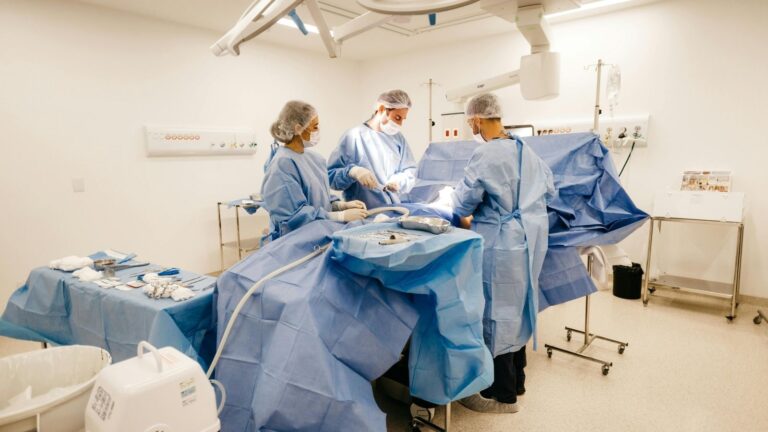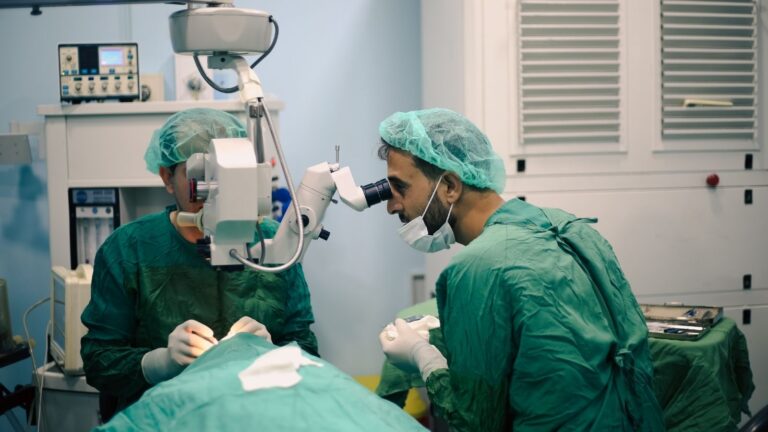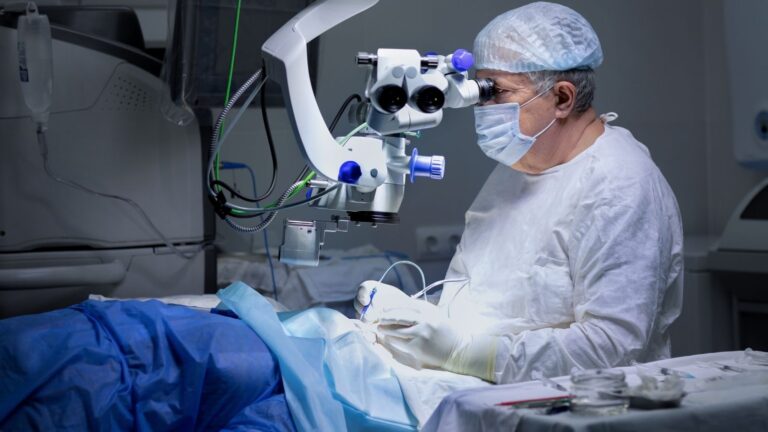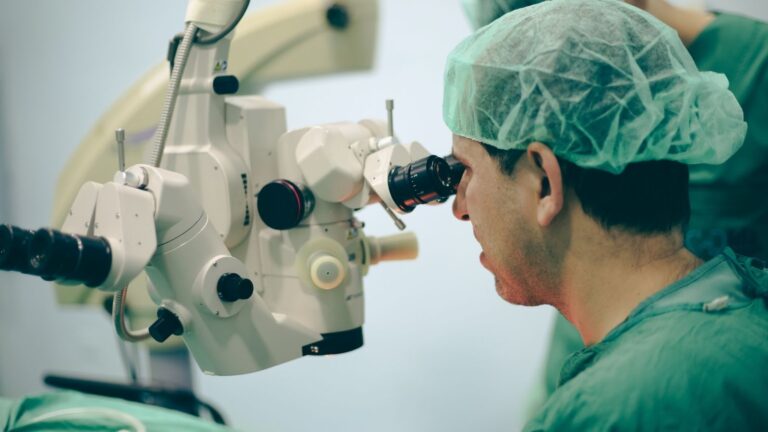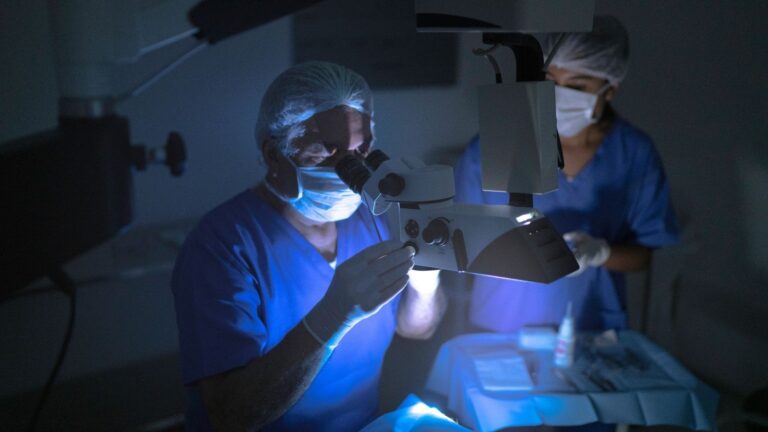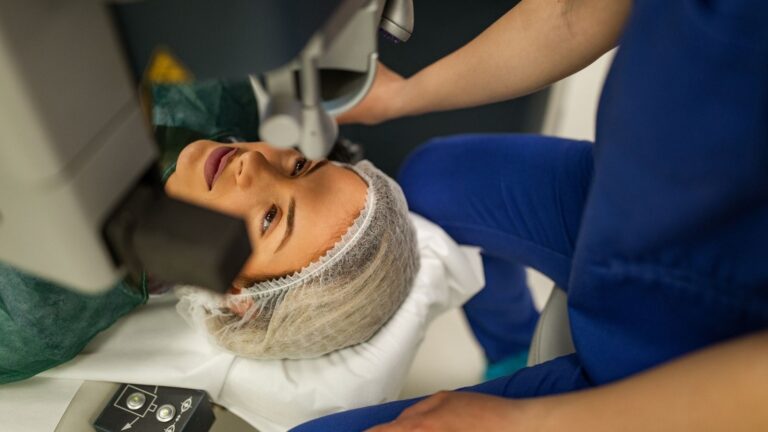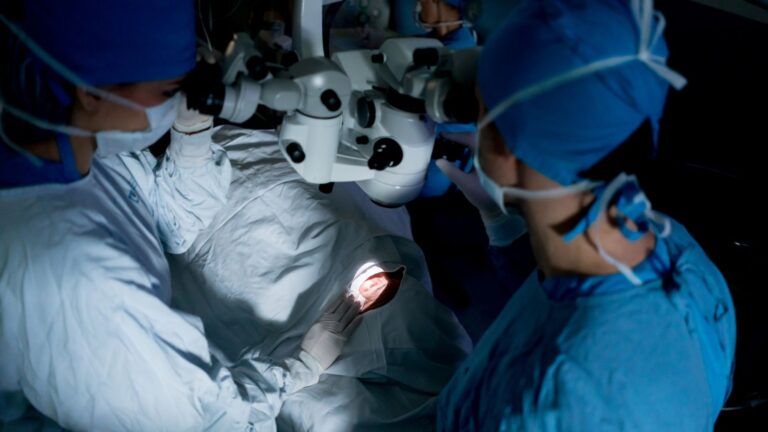
PRK laser eye surgery is a corneal surface treatment used to correct refractive errors such as myopia, hyperopia and astigmatism in suitable patients. In the method known as photorefractive keratectomy, the outermost epithelial layer of the cornea is removed and the underlying tissue is shaped with an excimer laser. Unlike LASIK surgery, no corneal flap is created during the procedure. The epithelial tissue regenerates after treatment. Therefore, clear vision and healing of the ocular surface require a certain amount of time. The treatment decision is made by assessing corneal thickness, the corneal surface map and the patient's eye health together.
What Is PRK Laser?
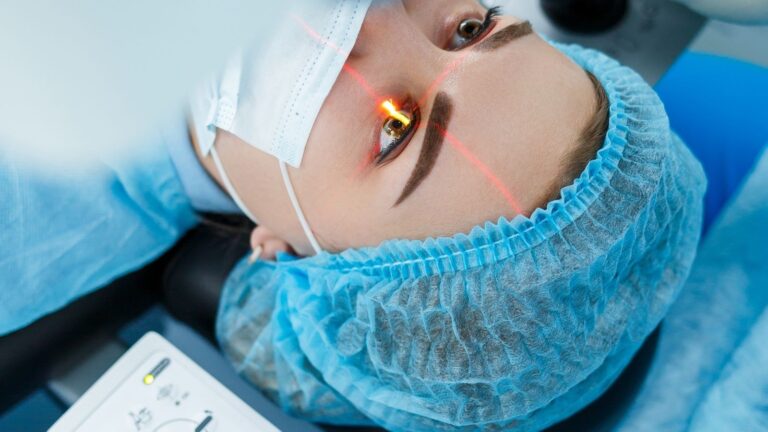
Photorefractive keratectomy is one of the laser treatments applied to the surface of the cornea. First, the epithelial layer covering the cornea is removed using an appropriate technique. The excimer laser then changes the shape of the corneal tissue according to the refractive error. This adjustment aims to allow light to focus more appropriately on the retina. Because no flap is created, flap-specific complications such as displacement do not occur. However, as the epithelium must regenerate, discomfort and blurred vision may occur during the early recovery period.
Which Refractive Errors Can PRK Treat?
PRK laser treatment may be considered for myopia, hyperopia and astigmatism in suitable patients. For myopia, the aim is to improve distance vision by changing the refractive power of the cornea. For hyperopia and astigmatism, the laser plan is tailored to the existing refractive error. Not every prescription or corneal structure is suitable for PRK. For high prescriptions, the amount of tissue to be removed and the healing characteristics of the cornea are also important. Surgical suitability is determined after an examination and corneal measurements.
How Is PRK Laser Eye Surgery Performed?
Before surgery, the ocular surface is numbed with anaesthetic eye drops. An appropriate device may be used to keep the eyelids open. Mechanical methods or suitable auxiliary applications may be used to remove the corneal epithelium. The excimer laser then reshapes the surface tissue of the cornea according to the patient's prescription. Where considered necessary, additional applications aimed at reducing the risk of corneal haze may be evaluated. After the procedure, a bandage contact lens may be placed to support the corneal surface.
Why Is the Epithelial Layer Removed?
The epithelium is the self-renewing layer of cells that covers the outer surface of the cornea. This layer is removed so that the excimer laser can reach the underlying corneal tissue to correct the refractive error. Removing the epithelium does not mean that a corneal flap is created. After treatment, the epithelium regenerates and covers the surface. Stinging, tearing and sensitivity to light may occur during this healing process. The time required for the epithelium to close varies according to individual healing characteristics.
Differences Between PRK, TransPRK and LASEK
PRK, TransPRK and LASEK are among the laser methods applied to the corneal surface. In conventional PRK, the epithelium may be removed mechanically or using suitable auxiliary methods. In TransPRK, the epithelium is removed with an excimer laser. In LASEK, the epithelial layer is loosened appropriately and may be repositioned after the procedure. The common feature of these methods is that they do not create a corneal flap as in LASIK. The appropriate technique is determined according to the corneal structure and surgical planning.
Difference Between PRK and LASIK
The difference between PRK and LASIK relates to where and how the laser is applied to the cornea. In LASIK, a thin flap is created in the cornea and the underlying tissue is shaped with a laser. In PRK, the epithelium is removed and the laser is applied directly to the corneal surface. The absence of a flap may be considered when selecting a method for people whose eyes may be exposed to impact. However, because the epithelium must regenerate after PRK, discomfort may be more pronounced during the first few days. Visual stabilisation may take longer in some patients than after LASIK.
Is a Thin Cornea Suitable for PRK?
Because PRK does not involve creating a flap, it may be considered for some thin corneas. However, having a thin cornea does not automatically mean that the procedure is suitable. The corneal map, thickness distribution and the amount of tissue that will remain after laser treatment must be assessed together. Surgery may not be suitable if there is an irregularity in the corneal structure or a risk of ectasia. Not every patient considered unsuitable for LASIK is a candidate for PRK. The decision is made by considering individual measurements and the structural strength of the cornea.
Can Patients with Keratoconus Undergo PRK?
Keratoconus is a condition that causes the cornea to become thinner and bulge forwards irregularly. Therefore, standard PRK to correct refractive errors is generally not suitable for people with keratoconus. Thinning the corneal tissue with a laser may increase its structural weakness. In certain special cases, different surface procedures may be considered together with treatments that strengthen the cornea. However, these procedures are not performed for the same purpose or under the same conditions as standard PRK. Suitability is determined after a detailed assessment of the corneal map and the course of the condition.
Who Is Suitable for PRK Laser Treatment?
PRK may be considered for people whose eye development is complete and whose prescription has remained stable for a certain period. The degree of myopia, hyperopia or astigmatism must be compatible with the corneal structure. The method may be preferred for some patients seeking an option that does not require the creation of a flap. Surgical planning for people who participate in active sports may also take their lifestyle into account. Tear film balance and the healing capacity of the ocular surface must also be assessed. Suitability is not determined solely by the prescription or corneal thickness.
Who Is Not Suitable for PRK?
PRK may not be suitable for people with significant corneal thinning, keratoconus or suspected corneal irregularity. Active eye infections and inflammation of the ocular surface must be treated first. Uncontrolled dry eye may make epithelial healing more difficult. Pregnancy, breastfeeding, uncontrolled diabetes and certain immune system disorders may affect the timing of surgery. Treatment may be postponed if the prescription is continuing to change. Medicines being used and previous eye conditions are included in the individual risk assessment.
Preoperative Examination and Preparation
Before PRK, visual acuity, prescription and corneal thickness are measured. The shape of the surface is assessed in detail using corneal topography and tomography. Tear film status, intraocular pressure and retinal health are also examined. Medicines being used, allergies and previous eye surgery are taken into account when planning treatment. Patients may be asked not to apply make-up or heavy cosmetic products around the eyes on the day of surgery. As temporary blurred vision may occur after the procedure, transport should be planned in advance.
Should Contact Lens Use Be Discontinued?
Contact lenses may temporarily change the shape of the cornea. This may prevent preoperative measurements from accurately reflecting its actual shape. The required period without contact lenses is determined according to the type of lens and the corneal structure. The same waiting period does not apply to soft, toric and rigid lenses. If instability is detected in the measurements, the corneal map may be reassessed. The aim is to plan laser treatment using accurate and current corneal measurements.
Why Is a Bandage Contact Lens Applied?
A bandage contact lens may be used after PRK to protect the corneal surface. This lens helps reduce friction caused by eyelid movement. It may provide greater protection for the ocular surface while the epithelium regenerates. However, a bandage lens does not completely eliminate the risk of infection. The time for removing the lens is determined according to the closure of the epithelium. If the lens becomes dislodged, the patient should not attempt to reinsert it without assistance.
The First Days After PRK Laser
Burning, stinging, tearing and sensitivity to light may occur after surgery. Vision may initially be blurred and may fluctuate during the day. As the epithelium regenerates, discomfort may be more pronounced in some patients than after LASIK. It is important to use the prescribed eye drops regularly. The eyes must not be rubbed and the bandage lens must be protected. If severe pain, increasing redness or deterioration in vision develops, an assessment should be performed without delay.
How Long Does Blurred Vision Last After PRK?
Blurred vision after PRK laser treatment is associated with healing of the corneal epithelium and remodelling of the surface. Vision may fluctuate significantly during the first few days. Even after the bandage lens is removed, the regularity of the corneal surface may take time to stabilise. Dry eye, high prescription corrections and individual healing characteristics may affect this process. It cannot be said that complete clarity will be achieved within the same period for every patient. Prolonged or progressively worsening blurred vision should be assessed in detail during a follow-up examination.
Pain and Light Sensitivity
The anaesthetic eye drops used during PRK surgery help reduce discomfort during the procedure. However, pain or a stinging sensation may develop after surgery while the epithelium heals. The severity of discomfort varies from person to person. Appropriate painkillers and eye drops that support the ocular surface may be used when necessary. Sunglasses may help reduce sensitivity to light. A sudden increase in pain or pain accompanied by discharge and redness requires further assessment.
Possible Risks of PRK Surgery
Infection, delayed epithelial healing and inflammation of the corneal surface may develop after PRK. Dry eye, sensitivity to light and complaints related to night vision may also occur. The prescription may be corrected by less or more than expected. Corneal haze, irregular astigmatism and reduced visual quality may require additional treatment in some patients. Although corneal ectasia is rare, it may pose a risk in an unsuitable corneal structure. Individual benefits and possible complications should be assessed together before deciding on surgery.
How Does Corneal Haze Develop?
Corneal haze may develop when healing tissue becomes more pronounced after surface laser treatment. This may cause light scatter and a reduction in visual quality. High prescription corrections, healing characteristics and intense exposure to sunlight may affect the risk. In suitable patients, additional applications such as mitomycin C may be considered during surgical planning. Regular use of postoperative eye drops and protection from the sun are parts of the follow-up process. The degree of corneal haze and the need for treatment are determined according to examination findings.
Dry Eye and Night Vision
Changes in tear film balance after PRK may cause burning, stinging and fluctuating vision. Symptoms may be more pronounced in patients who already have dry eye. Some people may notice halos, glare or light scatter around lights at night. The duration of symptoms varies according to the corneal surface and individual healing characteristics. Artificial tear drops may be used when necessary to support the ocular surface. Persistent visual complaints should be reassessed during follow-up examinations.
Use of Eye Drops After Surgery
Antibiotic eye drops may be used after PRK to reduce the risk of infection. Eye drops intended to control inflammation may also be adjusted according to corneal healing. Artificial tear products may help reduce dryness and discomfort. The duration and frequency of eye drop use are determined according to individual healing findings. As some steroid eye drops may increase intraocular pressure, regular follow-up is important. Medicines must not be discontinued or replaced with other products without medical advice.
Sun Protection and Daily Life
Using sunglasses after surgery may help reduce sensitivity to light and protect the cornea. The duration of exposure to intense sunlight, particularly outdoors, should be considered. Avoiding dusty, smoky environments and places with a risk of infection may be recommended. The timing of returning to swimming pools, the sea, saunas and intense exercise is determined according to the stage of healing. Reduced blinking while using screens may increase temporary symptoms of dryness. Decisions about driving and returning to work should be made with visual clarity in mind.
Can the Eye Prescription Change Again?
The prescription may change again over time in some patients after PRK. The degree of the initial refractive error and the healing response of the cornea may affect this. The need for additional correction is assessed differently for high prescriptions. Further laser treatment may not be possible for every change in prescription. The decision is made by assessing corneal thickness and the current surface map together. Glasses, contact lenses or different treatment options may be planned when necessary.
Will Glasses Be Needed After PRK?
PRK aims to reduce the existing refractive error but does not guarantee that the need for glasses will be completely eliminated. Some patients may need low-prescription glasses for distance vision. Age-related difficulty with near vision may also lead to a need for reading glasses later. If a cataract develops in the natural lens, a different treatment plan may be considered. Retinal risks associated with high myopia do not automatically disappear after laser treatment. Therefore, it is important to continue regular eye examinations after surgery.
PRK Laser Eye Surgery in Izmir
When planning PRK laser eye surgery in Izmir, the prescription and corneal surface map are assessed together. Tear film status, retinal health and corneal thickness are also examined in patients attending from Konak and the surrounding area. Surface treatment options such as conventional PRK or TransPRK may be considered for suitable patients. If the corneal structure is not suitable for laser surgery, different methods may be considered. The treatment decision is made by also taking the person's lifestyle and visual expectations into account. After surgery, epithelial healing and vision are monitored through regular follow-up examinations.
PRK Laser Eye Surgery Prices
PRK laser surgery prices may vary according to the planned method and the scope of the assessments to be performed. Corneal measurements, the laser profile to be applied and additional ocular surface treatments may affect the planning. Whether treatment is considered for one eye or both eyes may also change its scope. As every patient has a different eye structure, it is not appropriate to provide a single fee without an examination. The appropriate treatment method is determined after a detailed eye examination. You can contact the clinic through the website for information about PRK laser eye surgery and treatment options suitable for you.