
Contents:
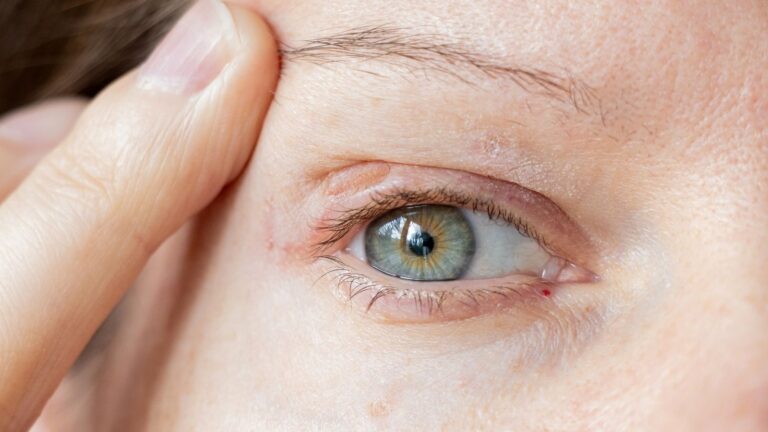
Dermatochalasis is sagging caused by excess skin and tissue laxity in the upper or lower eyelid. It usually develops with age but may also appear earlier due to genetic characteristics. Excess skin on the upper eyelid may sag over the eyelashes and narrow the field of vision. In the lower eyelid, skin laxity and forward protrusion of fatty tissue may occur. This condition may affect not only appearance but also eyelid function and daily visual comfort. The need for treatment is determined by assessing the eyelid structure and the patient's symptoms.
What Causes Sagging Eyelids?
Eyelid skin is among the thinnest skin tissues in the body. This area, which works continuously through blinking movements throughout the day, may be significantly affected by age-related changes. Changes occur in the structure of collagen and elastin fibres over time. As a result, the skin loses its elasticity, and the eyelid becomes lax. The muscles surrounding the eye and the structures supporting the fatty tissue may also be affected by this process. Sagging eyelids develop as a result of these combined changes.
Although ageing is one of the most common causes, the degree of sagging varies from person to person. A family history of early eyelid laxity may be associated with a similar predisposition. Prolonged exposure to sunlight and smoking may also adversely affect the skin structure. Recurrent eye allergies and eyelid swelling may make existing symptoms more noticeable. Irregular sleep may increase swelling around the eyes and make the sagging appear more prominent. The main factors associated with sagging eyelids include:
- Increasing age.
- Genetic predisposition.
- Prolonged sun exposure.
- Smoking.
- Recurrent eye allergies.
- Frequent swelling around the eyes.
- Structural characteristics of the connective tissue.
How Does the Eyelid Structure Change?
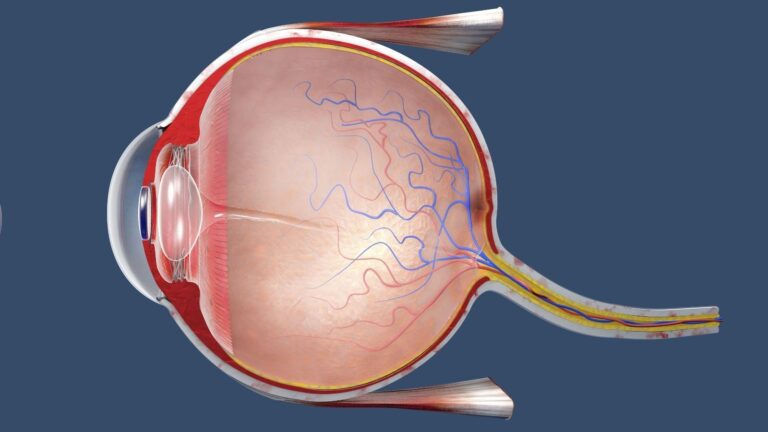
The eyelid consists of skin, muscle, supporting tissues and layers of fatty tissue. The outermost skin may become thinner and looser over time. The orbicularis oculi muscle beneath the skin is involved in opening and closing the eyelids. The structure of this muscle and the surrounding supporting tissues may change with age. The orbital septum, which holds the fatty tissue in the eye socket in place, may also weaken. These changes may appear as sagging or bags in the upper and lower eyelids.
Weakening of the orbital septum may cause the fatty tissue around the eye to protrude forwards. This may become particularly noticeable in the inner part of the upper eyelid and the lower eyelid. However, not every swelling around the eye is directly caused by fatty tissue. Allergic reactions, fluid retention or different eyelid conditions may create a similar appearance. Age-related changes in the supporting tissues of the face may also affect the position of the eyelids. Therefore, all layers of the eyelid should be examined together during the assessment.
Symptoms of Sagging Eyelids
Dermatochalasis affects only the appearance around the eyes in some patients. In advanced cases, excess skin may sag down over the upper eyelid and restrict vision. Narrowing may become particularly noticeable when looking upwards or using peripheral vision. Patients may complain of a feeling of heaviness in the eyelids and difficulty keeping their eyes open. These symptoms may become more noticeable while reading or towards the end of the day. The main symptoms that may occur with dermatochalasis include:
- Narrowing of the upper visual field.
- Feeling of heaviness in the eyelids.
- Eye fatigue that increases towards the end of the day.
- Constant need to raise the eyebrows.
- Tension or headache in the forehead.
- Difficulty reading and maintaining focus for extended periods.
- Excess skin and bags around the eyes.
Sagging skin may gather over the eyelashes in some patients. This may cause the forehead muscles to work harder to keep the eyes open. The degree to which the visual field is affected may be assessed with a visual field test when necessary. The severity of the symptoms cannot be determined solely by looking at the external appearance. The same amount of excess skin may cause different symptoms in different patients. The patient's visual needs and daily life should be considered when preparing the treatment plan.
Can Sagging Eyelids Cause Headaches?
Excess skin on the upper eyelid may cause the forehead muscles to work continuously in some patients. Involuntarily raising the eyebrows to keep the visual field open is one reason for this. When the forehead muscle, known as the frontalis, remains contracted for a long time, fatigue may develop in the forehead and temple areas. Some patients may complain of headaches that increase as the day progresses. However, not every headache is caused by sagging eyelids. Other potential causes of headaches should also be assessed separately.
Symptoms associated with sagging eyelids are assessed by examining the eyelid position and eyebrow movements. Whether the patient can keep their eyes open without raising their eyebrows may be checked. If narrowing of the visual field is present, this may help explain the symptoms. In suitable patients, the workload of the forehead muscles may decrease after surgical treatment. However, it cannot be guaranteed that the headaches will disappear completely. The treatment decision should be made by assessing the eyelid structure together with the patient's other health findings.
Differences Between Ptosis and Dermatochalasis
Dermatochalasis and ptosis may appear similar but develop for different reasons. The main problem in dermatochalasis is excess skin over the eyelid. In ptosis, the function of the muscle that lifts the eyelid or its connective tissue is affected. As a result, the eyelid margin may be positioned lower than it should be. Both conditions may occur at the same time in some patients. Distinguishing between ptosis and dermatochalasis is important for accurate surgical planning.
Blepharoplasty may be considered for a patient who only has excess skin. However, an additional surgical procedure may be required if the muscle that lifts the eyelid is also weak. Drooping eyebrows may also create the appearance of sagging eyelids. Conditions such as blepharochalasis, which causes recurrent eyelid swelling, are also considered during the differential diagnosis. Other conditions may need to be investigated if there is significant asymmetry, an eyelid mass or a persistent skin lesion. Therefore, not every drooping eyelid should be treated using the same method.
Who Is Suitable for Blepharoplasty?
Blepharoplasty is the surgical adjustment of excess eyelid skin and, when necessary, fatty tissue. It may be considered for functional reasons if excess upper eyelid skin narrows the field of vision. In some patients, the procedure may also be considered because of bags around the eyes and a feeling of heaviness. However, the need for surgery is not determined solely according to age. The eyelid's anatomical structure, the condition of the ocular surface and the person's symptoms should be examined together. The patient's general health is also important when determining surgical suitability.
Surgery is not always required when eyelid sagging is mild. Surgical options may be considered when there is significant excess skin, restricted visual field or a functional eyelid problem. Conditions such as dry eye, thyroid disease and previous eye operations may affect the planning. Different procedures may be required if ptosis or drooping eyebrows are also present. It is also important for the patient's expectations regarding surgery to be realistic. The surgical decision should be made following a detailed eyelid examination.
What Should Be Considered Before Surgery?
Medications and supplements should be assessed before eyelid surgery. Blood-thinning medication, aspirin and certain painkillers may affect the risk of bleeding during surgery. Supplements such as fish oil, vitamin E, ginkgo biloba and ginseng should also be disclosed to the physician. However, stopping prescribed medication without medical advice may cause serious health problems. Medication used for heart, vascular or blood-clotting conditions should not be stopped without consulting the relevant physicians. The main medications and products that should be disclosed before surgery include:
- Blood-thinning medication.
- Aspirin and similar medication.
- Certain painkillers.
- Vitamin E supplements.
- Fish oil and omega-3 products.
- Supplements containing ginkgo biloba and ginseng.
- Herbal products containing concentrated garlic extract.
Whether these medications or supplements should be discontinued is determined according to the person's health. The discontinuation period is not the same for every patient. The medication may need to be changed or continued in some cases. This decision should be made jointly by the physician performing the operation and the relevant specialist who prescribed the medication. Dry eye, allergies and previous eye operations are also assessed during the examination. Preoperative preparation should be planned according to the scope of the surgical procedure.
Upper Eyelid Surgery
Upper eyelid blepharoplasty aims to adjust the excess skin and any other tissues considered necessary. The amount of eyelid skin and the closing movement of the eyelid are assessed during surgical planning. When determining how much tissue should be removed, it is important that the eye can close comfortably after the procedure. The incision is generally planned along the natural crease of the eyelid. Adjusting the fatty tissue or muscle structure may also be considered when necessary. However, the same amount of skin, muscle or fatty tissue is not removed in every operation.
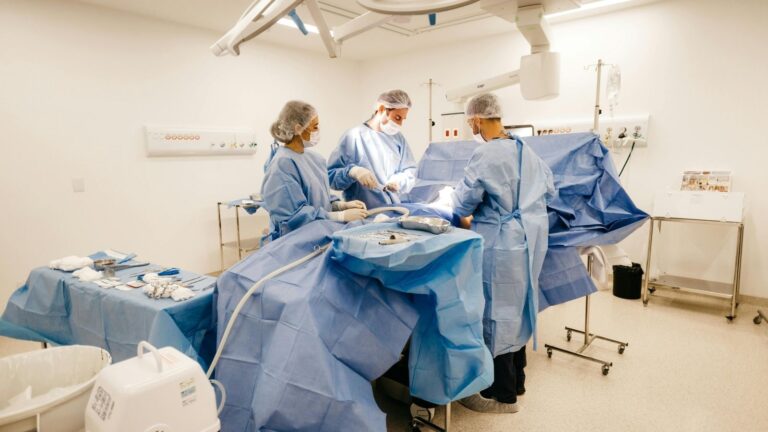
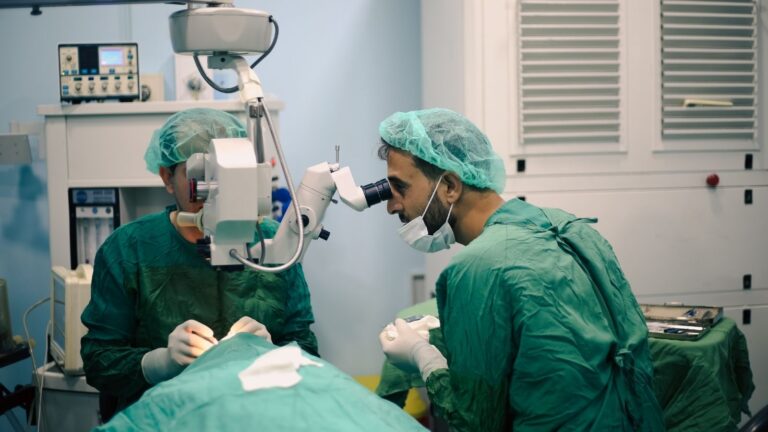
The procedure may be performed under local anaesthesia in suitable patients. Sedation or different anaesthesia methods may also be preferred in some cases. The duration of the operation varies depending on whether one or both eyelids are treated and whether additional problems are present. If ptosis is present, the muscle that lifts the eyelid may need to be assessed separately. Whether the patient can return home on the same day depends on their general health. The aim of surgery is to adjust the eyelid structure and function according to the individual's needs.
Lower Eyelid Surgery
Lower eyelid surgery may be considered for conditions such as excess skin and prominent fatty tissue in the lower eyelid. Since the lower eyelid is closely related to the cheek tissue, surgical planning varies according to the individual. Some patients only have prominent fatty tissue, while others also have skin laxity. The position of the eyelid margin and the condition of the ocular surface should be examined before surgery. The method is selected according to the existing symptoms and anatomical characteristics. The same surgical technique is not required for every case of lower eyelid bags.
Surgical methods performed from the inner surface of the eyelid may be considered for some patients with limited excess skin. This approach aims to reach the fatty tissue without making an incision through the skin. A different incision below the eyelashes may be used in patients with significant excess skin. In suitable cases, repositioning the fatty tissue may be considered instead of removing it completely. This procedure may help adjust the hollows beneath the eyes according to the individual anatomy. The supporting tissues in the outer part of the eyelid may also be treated when necessary.
Postoperative Recovery
Swelling, bruising and mild stinging may occur after eyelid surgery. Since the tissues surrounding the eyes are sensitive, the severity of these symptoms varies from person to person. Temporary watering or sensitivity to light may occur in some patients. Eye ointments used during recovery may cause short-term blurred vision. Tenderness around the suture sites is also among the symptoms assessed during recovery. The main conditions that may occur after surgery include:
- Swelling around the eyes.
- Bruising beneath the skin.
- Temporary watering.
- Sensitivity to light.
- Stinging around the suture sites.
- Short-term blurred vision.
Mild swelling and bruising may occur during recovery. However, severe pain, sudden loss of vision, rapidly increasing swelling or heavy bleeding should not be considered normal. Medical assessment should be obtained without delay if these symptoms occur. Significant difficulty closing the eyelids should also be assessed. The recovery period varies according to the surgical method and the person's tissue characteristics. The eyelid position and condition of the ocular surface are assessed together during follow-up examinations.
Postoperative Care Recommendations
When considered appropriate, the physician may recommend applying a cold compress around the eyes at certain intervals after surgery. The cold compress should be applied without causing direct damage to the skin. Keeping the head slightly elevated during sleep may help reduce swelling in some patients. Eye drops and ointments are selected according to the individual treatment plan. The timing of suture removal also depends on the material used and the recovery process. The same care plan should not be used for every patient.
Avoiding strenuous exercise and movements that may place pressure on the area around the eyes may be recommended during the initial period. When eye makeup can be resumed is determined according to the healing of the incision sites. The timing of returning to saunas, steam baths or similar environments also depends on the physician's assessment. Wearing sunglasses outdoors may help protect the area around the eyes. The appearance of the incision scars and the final shape of the tissues are assessed over time. Following postoperative recommendations allows the recovery process to be monitored regularly.
Are Non-Surgical Methods Effective?
Certain laser or energy-based procedures may be considered for mild skin laxity around the eyes. These methods aim to treat the appearance of the skin surface in suitable patients. However, they are not expected to eliminate significant excess skin or protruding fatty tissue. These procedures do not replace surgery in cases of advanced sagging that obstructs the visual field. Each method has its own indications and risks. Treatment should be selected by assessing the skin structure and eyelid anatomy.
Creams, massage and exercises cannot surgically correct existing excess skin. However, sun protection and appropriate care for the skin around the eyes may support general skin health. Controlling eye allergies and avoiding frequent eye rubbing are also important. Risks such as burns, colour changes or irritation around the eyes should be assessed for energy-based procedures. These treatments are not suitable for every patient. In cases of significant dermatochalasis, the need for treatment should be determined through an eye examination.
Potential Risks of Eyelid Surgery
In addition to temporary swelling and bruising, certain surgical complications may occur after blepharoplasty. These include infection, bleeding, dry eye and asymmetry between the eyelids. Some patients may develop incomplete eyelid closure or a change in the position of the lower eyelid. Prominent scar tissue or the need for additional surgery should also be considered. Although serious problems affecting vision are uncommon, they require urgent assessment. It cannot be guaranteed that the outcomes of any surgical procedure will be the same for every patient.
When planning dermatochalasis treatment, the degree of eyelid sagging, visual field and condition of the ocular surface are assessed together. The surgical approach may change if accompanying problems such as ptosis or drooping eyebrows are present. In suitable patients, blepharoplasty allows excess skin and structural changes in the eyelid to be addressed. The need for surgery should be determined according to the individual symptoms and examination findings. Regular postoperative check-ups and adherence to the recommended care plan are important. You can contact me using the contact information on my website to arrange an examination.