Astigmatism is a refractive error that prevents light from focusing on a single point on the retina. Presbyopia, on the other hand, is the age-related decline in the eye's ability to focus on near objects. Both conditions can coexist in the same individual and affect both distance and near vision. Treatment does not always require surgical intervention. While eyeglasses and contact lenses provide adequate correction for many people, laser or intraocular lens options may be evaluated depending on specific ocular structures. Treatment for astigmatism and presbyopia is planned by considering overall eye health and daily visual requirements, rather than solely relying on the desire to reduce dependency on glasses. The applicable methods and attainable visual outcomes vary from person to person.
What Are Astigmatism and Presbyopia?
Astigmatism mostly develops due to the uneven curvature of the cornea along different axes. Less frequently, structural changes in the natural lens of the eye can also contribute to astigmatism. In this condition, light cannot focus evenly on the retina, causing images to appear blurry or shadowed. Astigmatism can reduce clarity at both near and far distances, cause eye strain, and impair night vision. Regular astigmatism can generally be corrected with glasses, contact lenses, or appropriate surgical techniques. Irregular astigmatism—often associated with keratoconus, corneal trauma, or prior ocular surgery—requires a distinct evaluation and management approach. The selection of astigmatism treatment depends on assessing both the degree and source of the refractive error, alongside corneal structure.
Presbyopia occurs when the eye's natural lens and focusing system lose flexibility over time due to aging. Symptoms typically become noticeable in one's 40s, though onset varies based on pre-existing refractive errors and individual characteristics. Signs include holding reading material further away, difficulty reading fine print, and eye fatigue during near tasks. Near-vision difficulties may become more pronounced in low ambient light. Presbyopia is a natural part of the aging process rather than a disease. Available treatments do not fully restore the natural lens's youthful accommodative ability; instead, they support near vision through various optical adjustments. Consequently, expectations for distance, intermediate, and near vision are evaluated separately when planning presbyopia treatment.
What Are the Treatment Options?
The presence of both astigmatism and presbyopia does not mean a single approach is suitable for everyone. Non-surgical options include cylindrical power glasses, progressive lenses, toric contact lenses, and multifocal contact lenses. Surgical options may encompass corneal reshaping laser procedures or intraocular lens (IOL) implantation for suitable eyes. In a monovision approach, one eye is targeted for distance vision and the other for near vision. For individuals with cataracts, toric, multifocal, trifocal, or extended depth of focus (EDOF) IOLs may be evaluated under specific conditions. Additionally, certain near-vision eye drops aim to increase depth of focus by temporarily constricting the pupil. When selecting a method, its potential benefits, limitations, risks, and prospective long-term vision changes are collectively considered.
Glasses and Contact Lens Options
Eyeglasses represent one of the most fundamental non-surgical solutions for correcting coexisting astigmatism and presbyopia. While cylindrical correction addresses astigmatism, reading segments, bifocals, or progressive designs can be utilized for near vision. For individuals with significant desk-based work, occupational (office) lenses can support intermediate and near distances. When choosing contact lenses, toric lenses for astigmatism, and multifocal or monovision contact lenses for presbyopia can be evaluated. The fit of the lens on the ocular surface, tear film quality, and user habits directly influence visual quality. In certain eyes with irregular astigmatism, rigid gas-permeable (RGP) or scleral lenses may offer superior optical correction. Proper hygiene and adherence to replacement schedules are essential when wearing contact lenses.
How Is Laser Treatment Planned?
Corneal laser treatments reshape the refractive surface of the cornea to reduce astigmatism in suitable candidates. The specific procedure is selected based on corneal thickness, topography and tomography findings, the severity of astigmatism, and accompanying refractive errors. PRK, LASIK, and small-incision lenticule extraction techniques can be considered for astigmatism correction in selected eyes. These procedures do not halt the natural aging of the eye's internal lens, nor do they directly reverse presbyopia. To support near vision, monovision or blended vision targets may be integrated into the laser strategy. Multifocal corneal profiles designed for presbyopia are available on certain laser platforms, though they are not a universal standard for every eye. When defining surgical targets, potential trade-offs in distance vision, near vision, and depth perception are carefully weighed.
In a monovision configuration, the dominant eye is typically targeted for distance and the non-dominant eye for near or intermediate vision. The brain is expected to adapt to combining the distinct focus points from each eye. Adaptability to this arrangement varies significantly among individuals. Potential side effects include reduced depth perception, difficulty with night vision, or the need for supplementary glasses at specific distances. Therefore, a trial with contact lenses prior to permanent surgery is often beneficial. The trial process considers driving habits, screen time, reading, and occupational demands. Achieving good near vision does not prevent the continued progression of presbyopia or age-related lens changes over time.
Intraocular Lens (IOL) Options
Intraocular lenses are primarily evaluated during cataract surgery or when refractive lens exchange (RLE) is planned in selected patients. Toric monofocal lenses aim to reduce astigmatism while providing sharp focus at a single designated distance; reading glasses are typically required for near tasks with these lenses. Toric multifocal or trifocal lenses seek to support vision across multiple distances alongside astigmatism correction. Toric extended depth of focus (EDOF) lenses focus on broadening the clear range, particularly between distance and intermediate vision. No single lens type guarantees perfect vision across all distances or complete independence from glasses. Lens selection is guided by corneal measurements, retinal and optic nerve health, pupil characteristics, and personal lifestyle requirements.
Refractive lens exchange is an intraocular surgical procedure with a distinct risk profile compared to corneal laser surgery. In patients with high myopia, retinal risks require thorough pre-operative evaluation. Coexisting conditions such as macular disease, advanced glaucoma, significant corneal irregularities, or other vision-limiting ocular pathologies may compromise the functional benefits of multifocal IOLs. Potential visual phenomena associated with multifocal and EDOF lenses include halos, glare, or reduced contrast sensitivity. Accurate axis alignment is vital for toric IOLs, as rotation can diminish astigmatic correction. Preoperative biometry and corneal assessments determine lens power, though residual refractive errors requiring glasses, contact lenses, or enhancement procedures may still persist postoperatively.
When Should Treatment Be Considered?
The need for treatment is not determined solely by lens prescription strength. Functional visual impairment affecting reading, computer use, driving, or professional duties plays a key role in evaluation. If glasses or contact lenses offer satisfactory and comfortable vision, surgery is not mandatory. Surgical modalities are considered for individuals with stable refractive errors and suitable ocular anatomy. When cataracts impair vision, astigmatism and presbyopia correction can be planned concurrently during cataract surgery. A simple preference to avoid reading glasses does not independently justify intraocular surgery when weighing benefits against risks. The timing of treatment is determined by combining clinical findings with individual visual requirements and realistic expectations.
Who Might Not Be Suitable?
Surgical procedures may be postponed in patients with active ocular infections or uncontrolled ocular surface inflammation. Methods involving corneal tissue ablation are generally inappropriate for eyes with keratoconus, corneal thinning, or a heightened risk of corneal ectasia. Significant dry eye disease must be managed prior to surgery, as it can affect measurement accuracy and postoperative visual quality. Unstable, changing refractive errors make precise laser targeting unreliable. Furthermore, hormonal shifts during pregnancy and lactation can cause temporary fluctuations in eye measurements. Autoimmune conditions affecting wound healing, uncontrolled diabetes, or specific medications necessitate individualized risk assessments. The presence of these conditions does not automatically rule out all treatments; suitability depends on the specific modality chosen.
Retinal disorders, macular degeneration, advanced glaucoma, and optic nerve pathology require rigorous screening, particularly when considering multifocal IOLs, as these conditions can limit the optical performance of the lens. A history of high myopia or retinal tears makes a thorough retinal examination essential prior to lens exchange or the use of presbyopia-correcting miotic drops. Pupil-constricting drops may cause temporary dimming of vision, blurriness, or headaches, and are not suitable for everyone. Individuals with intraocular inflammation should avoid certain eye drops. Prospective candidates who drive at night or perform precision tasks in low light must carefully evaluate potential visual side effects. Treatment decisions should never rely solely on age or prescription numbers.
Pre-Treatment Examination and Measurements
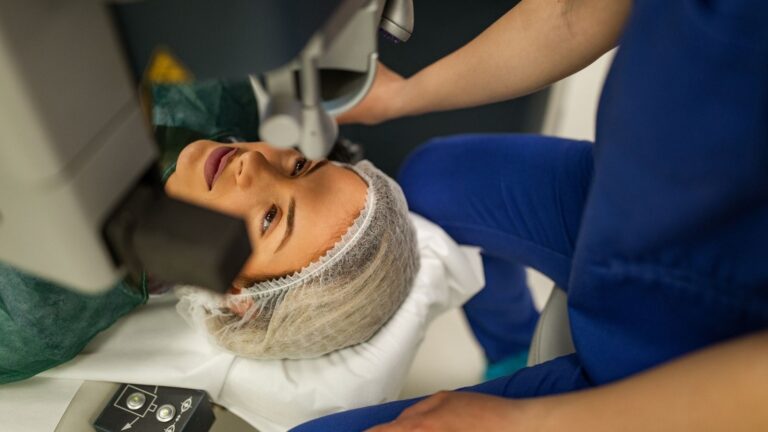
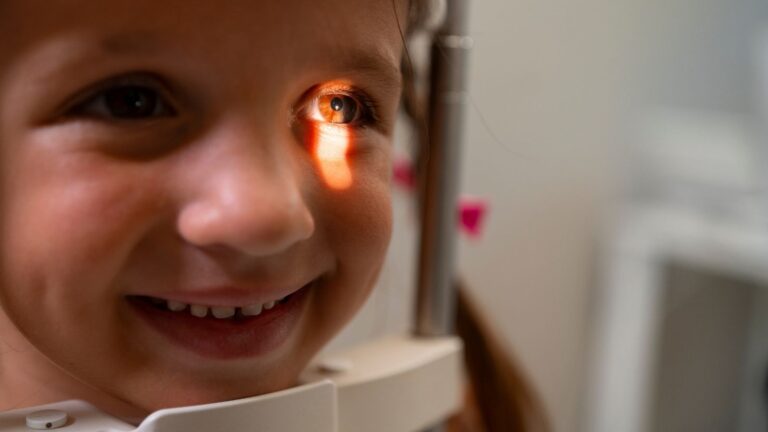
Comprehensive preoperative evaluations assess visual acuity, current prescription, and binocular function. Corneal topography and tomography map corneal shape and detect subtle irregularities, while pachymetry measures corneal thickness. Evaluation of the tear film and eyelid margins identifies conditions like dry eye or blepharitis that could skew measurements. Pupil size, intraocular pressure, natural lens clarity, retinal health, and optic nerve status are also systematically examined. If an IOL is planned, biometry measurements and specialized corneal assessments differentiate the primary sources of astigmatism. Because contact lenses temporarily alter corneal curvature, patients are instructed to discontinue lens wear for a specified period prior to measurements. The required discontinuation time varies based on whether lenses are soft, toric, rigid gas-permeable, or scleral.
Daily visual habits are as important as objective technical measurements. Key factors include primary working distances, night driving, screen time, reading habits, and occupational requirements. If monovision is considered, ocular dominance is established, and trial contact lenses are used when feasible to evaluate patient tolerance. Prior eye surgeries, current medications, and overall medical history are integrated into the treatment plan. Patients are counseled that glasses may still be necessary for certain tasks post-procedure. Additionally, natural age-related changes—such as future cataract development or presbyopic progression—are factored into long-term planning. This rigorous preparation minimizes the risk of selecting an unsuitable technique and helps align expectations realistically.
How Is the Treatment Performed?
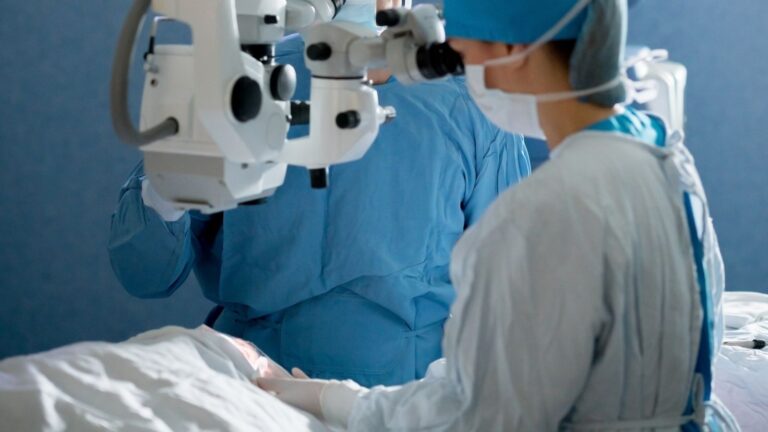
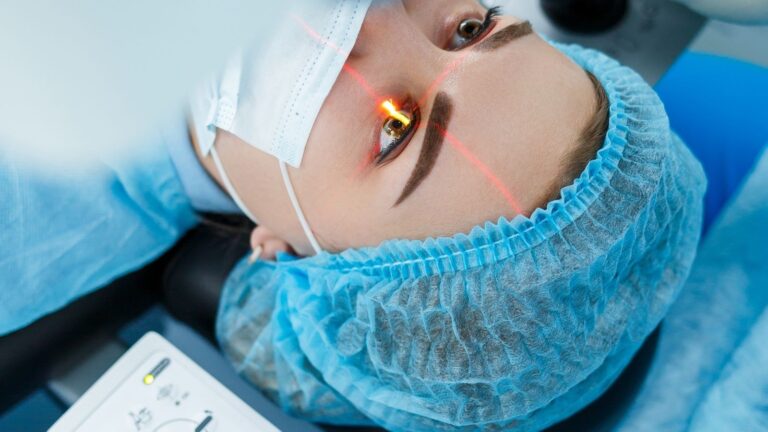
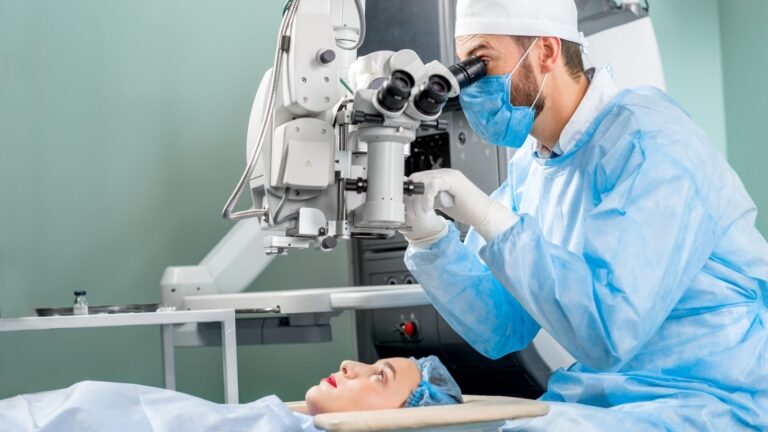
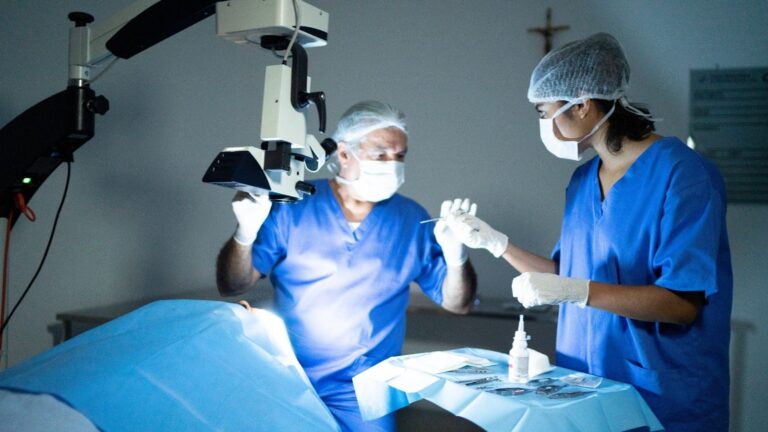
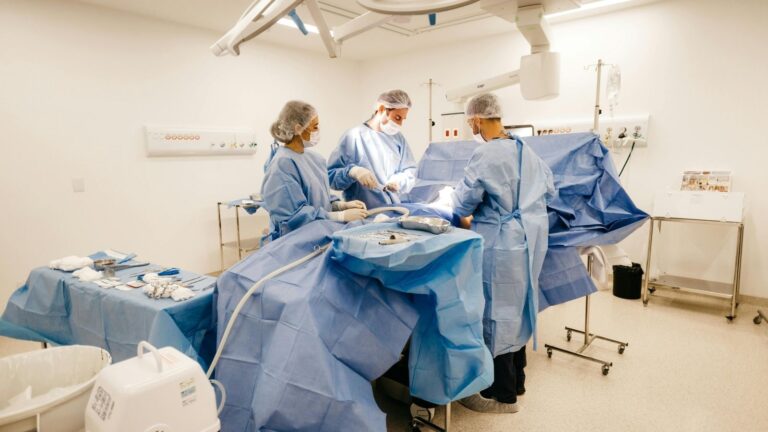
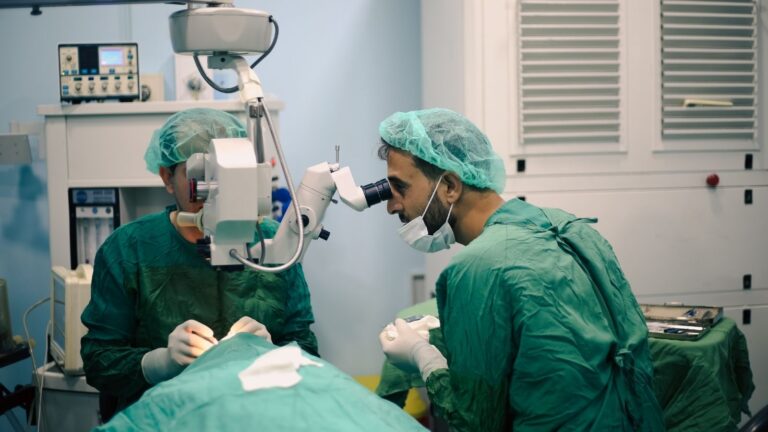
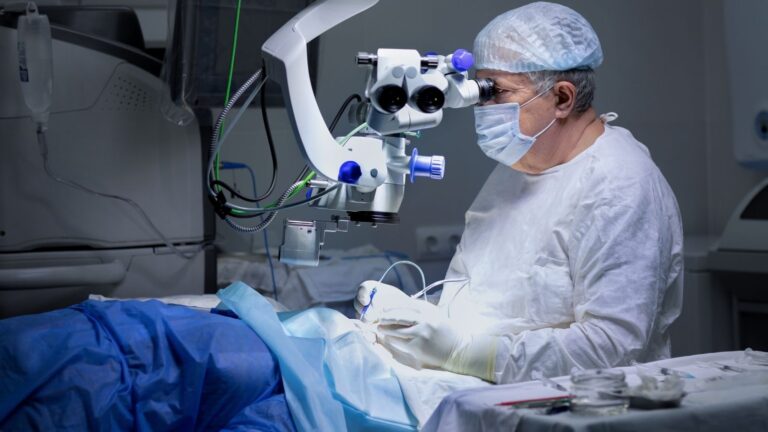
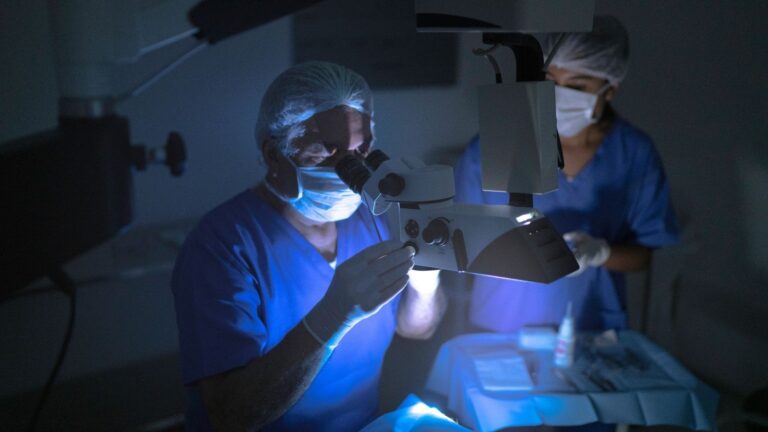
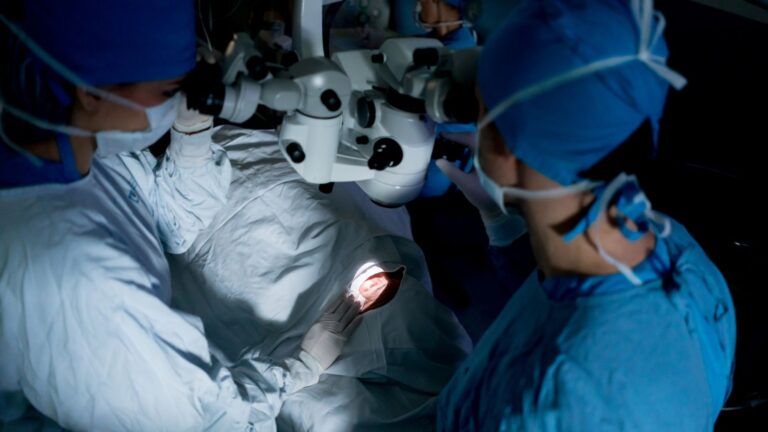
Corneal laser astigmatism correction is typically performed under topical anesthesia, targeting specific corneal layers depending on the chosen technique. LASIK involves creating a corneal flap and reshaping the underlying tissue with an excimer laser. Surface ablation techniques remove the outer epithelial layer before laser application, requiring time for epithelial regrowth. Small-incision lenticule extraction involves creating a thin tissue lenticule within the cornea using a femtosecond laser, which is then removed through a small incision. If monovision is planned, distinct refractive targets are assigned to each eye. In IOL surgery, the natural lens is removed and the calculated artificial lens is positioned within the capsular bag. Toric lenses require precise axis alignment, whereas multifocal or EDOF designs rely on pre-established target focal lengths.
Unlike surgery, presbyopia-correcting eye drops produce a temporary optical effect. Constricting the pupil increases depth of field, temporarily enhancing near vision without restoring the natural lens's flexibility. The regulatory approval, administration guidelines, and availability of these drops vary by country and approved indications. Pre-existing retinal conditions or intraocular inflammation must be ruled out before initiation. Symptoms such as sudden light flashes, new floaters, or a curtain-like shadow in the field of vision mandate immediate ophthalmic evaluation. Unsupervised or over-the-counter use of such drops without a proper medical exam is not recommended.
Possible Side Effects and Risks
Following corneal laser surgery, temporary stinging, tearing, light sensitivity, and visual fluctuations may occur. Dry eye symptoms may persist longer in some patients, impacting visual clarity. Glare, halos, starbursts, or reduced contrast sensitivity may be experienced during night vision. Under-correction, over-correction, residual astigmatism, or regression over time may necessitate glasses or secondary enhancement procedures. LASIK carries flap-related risks, whereas surface laser procedures entail a slower recovery and a risk of corneal haze. Although rare, infection and corneal ectasia represent serious complications that can threaten vision. Risk levels depend on baseline corneal structure, surgical technique, and post-operative compliance.
Complications following IOL surgery include infection, intraocular inflammation, pressure spikes, macular edema, or retinal detachments. Rotation of a toric lens can reduce astigmatic correction, potentially requiring surgical repositioning. Multifocal IOLs may induce halos, glare, or reduced contrast in low-light environments. Neural adaptation to complex optical profiles varies, and not all patients adjust equally well. Posterior capsule opacification (PCO) may develop over time, reducing vision and requiring a brief laser capsulotomy. Presbyopia eye drops may cause headaches, conjunctival hyperemia, temporary blurriness, or impaired night vision. Because each modality presents a distinct risk profile, potential side effects are analyzed on a case-by-case basis.
What Does the Success of Treatment Depend On?
Treatment success is not evaluated solely by Snellen acuity charts. Functional vision across distance, intermediate, and near ranges, as well as night vision quality, dictates overall success. Factors such as whether astigmatism is regular or irregular, corneal topography, coexisting eye diseases, and prescription stability determine predictability. For IOL procedures, precise biometry, appropriate lens selection, and rotational stability of toric lenses are critical. In monovision or multifocal systems, neuroadaptation plays a pivotal role. While dependency on glasses is often significantly reduced, complete freedom from eyewear cannot be guaranteed. Residual refractive errors can be managed with glasses, contact lenses, or secondary surgical touch-ups if needed.
How Should Post-Treatment Care Be Managed?
Postoperative care protocols vary according to the procedure performed. Following laser treatment, prescribed eye drops must be administered exactly as directed. Avoiding eye rubbing, eye makeup, and exposure to unsterilized water during the initial healing phase is essential. Recovery monitoring focuses on flap interface integrity after LASIK and epithelial healing after surface laser procedures. After IOL surgery, strict adherence to hygiene, drop regimens, and physical activity restrictions is required. Return to driving or work should be cleared based on clinical evaluation rather than arbitrary timelines. Follow-up visits are scheduled according to the recovery rate and clinical progress of the eye.
Mild stinging, light sensitivity, or brief visual fluctuations are expected after certain procedures. However, severe or worsening pain should not be considered normal. Sudden visual reduction, intense redness, discharge, new flashes of light, or a curtain-like shadow in the visual field warrant urgent medical attention. Halos and glare after IOL procedures may be more pronounced initially. The progression of these symptoms is monitored alongside visual acuity measurements during follow-up visits. Prescribed eye drops should not be discontinued or altered independently. If an unexpected symptom occurs post-treatment, patients should not wait for their scheduled appointment.
Can Vision Change After Treatment?
Changes in vision over time following astigmatism and presbyopia treatment stem from natural ocular aging and optical limitations rather than biological resistance. Following laser surgery, minor regression or residual refractive error can develop due to corneal wound-healing dynamics. Because presbyopia is progressive, previously adequate near vision correction may gradually become insufficient. If the natural lens was retained, future cataract formation will alter visual acuity and prescription needs. For IOL patients, toric lens rotation, posterior capsule opacification, or new retinal conditions can affect visual quality. These changes do not always require additional surgery; simple optical corrections like glasses or contact lenses are often effective. Any decision for secondary intervention requires comprehensive re-evaluation.
Treatment Planning in Izmir
When planning astigmatism and presbyopia treatment in Izmir, the relative contribution of each refractive error to the visual disturbance is evaluated first. Individuals with identical prescriptions may present with vastly different corneal shapes, lens clarity, and daily visual demands. Therefore, selecting a treatment based solely on brand names or specific technology is inappropriate. Evaluation requires comprehensive clinical exams, corneal imaging, and biometry when indicated. The presence of cataracts favors IOL options over corneal laser procedures. In non-cataractous eyes, non-surgical options, laser treatments, and monovision strategies are carefully compared regarding benefits and limitations. The primary objective is establishing an anatomically suitable and medically sound visual goal for each patient.
Astigmatism and Presbyopia Treatment Prices
The cost of astigmatism and presbyopia treatment varies depending on the selected technique and the diagnostic scope required. When reviewing 2026 treatment pricing, non-surgical options like glasses or contact lenses must be distinguished from surgical interventions such as laser or IOL surgery. Factors influencing total cost include the specific laser platform, customized treatment planning, the type of intraocular lens implanted, and post-operative follow-up care. While some patients receive identical treatments in both eyes, others require tailored approaches for each eye. Consequently, standard treatment costs cannot be established without a comprehensive eye examination and precise measurements. Pricing should not serve as the sole criterion for decision-making independent of medical suitability and safety. Current pricing details are disclosed based on the agreed-upon treatment scope following complete evaluation.