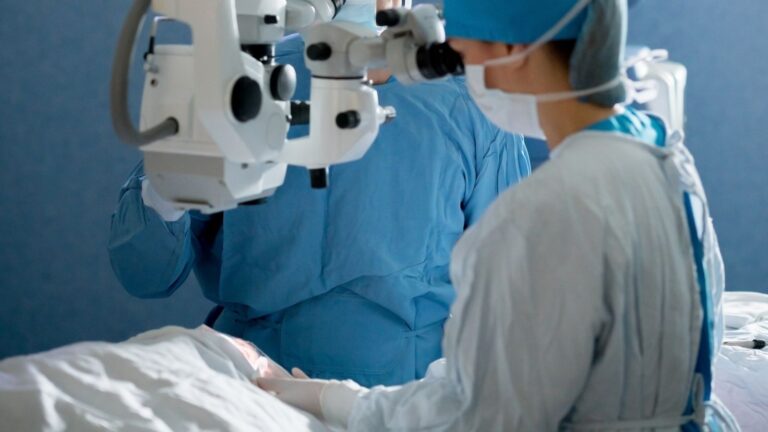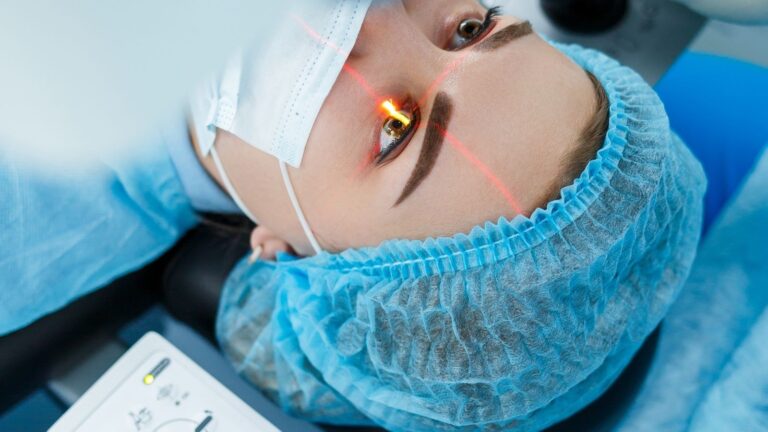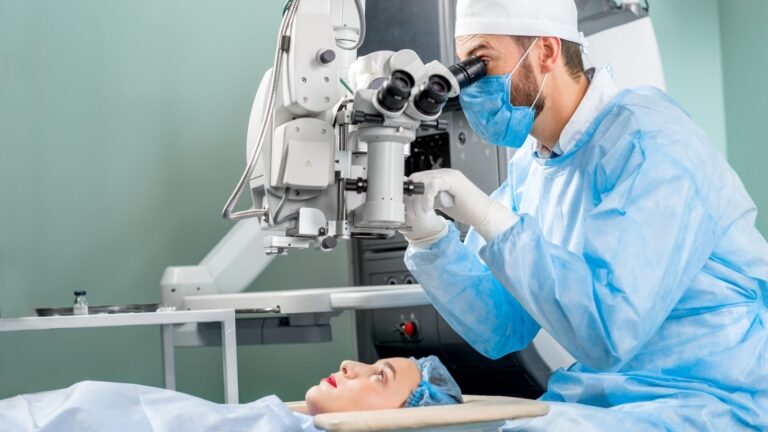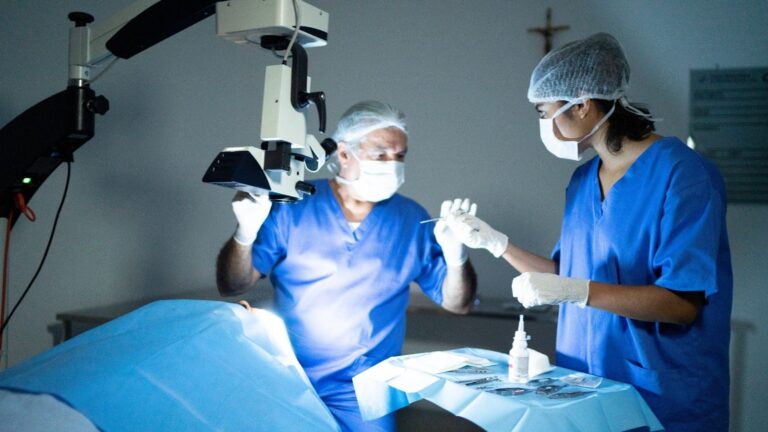

Smart lens surgery is a term commonly used to describe a surgical procedure involving the use of multifocal, trifocal, or extended depth of focus intraocular lenses. During surgery, the eye's natural lens is removed and replaced with an artificial intraocular lens. This procedure is most commonly performed during cataract surgery. It may also be considered as part of refractive lens exchange for some people without cataracts. Depending on the optical design of the lens, the aim is to reduce the need for glasses for distance, intermediate, and near vision. However, it cannot be stated that spectacle-free vision will be achieved at every distance or that the surgery is suitable for every eye structure. Suitability is determined by assessing the cornea, retina, optic nerve, and daily visual needs together.
What Is Smart Lens Surgery?
The eye's natural lens is a transparent structure that helps focus light onto the retina. A cataract may develop in this lens with age, or its ability to focus at near distances may decrease. During cataract surgery, the natural lens that has lost its transparency is removed and replaced with an artificial intraocular lens. Lenses commonly referred to as smart lenses are types of these artificial lenses with specific optical characteristics. These lenses are not electronic systems and do not fully restore the eye's natural focusing mechanism. They aim to support vision at multiple distances by creating different focal points or extending the depth of focus. The visual outcome depends on the health of the eye's other structures as well as the characteristics of the selected lens.
What Types of Smart Lenses Are Available?
Monofocal intraocular lenses are generally designed to focus at a single distance, and glasses may be required for other distances. Multifocal lenses aim to support distance and near vision by distributing light across multiple focal points. Trifocal lens designs also take intermediate-distance needs, such as computer use, into account in addition to distance and near vision. The range of vision provided by these lenses may vary according to their optical design and the person's eye structure. Distributing light across different focal points may cause some people to see halos or glare around lights at night. It should not be assumed that every multifocal lens will provide the same performance at all distances. The lens is selected according to factors such as the person's reading habits, screen use, occupation, and night-time driving.
Lenses with an extended depth of focus, known as EDOF lenses, aim to provide a wider range of vision, particularly at distance and intermediate ranges. Additional glasses may be required for near vision, especially when reading small print. Visual effects such as halos and glare vary according to the lens design, and they cannot be guaranteed to disappear completely with any type. A toric lens feature refers to a design intended to correct astigmatism. A toric design can be combined with monofocal, multifocal, trifocal, or EDOF lenses. A toric lens therefore does not indicate on its own how many focal points the lens has. The degree and axis of astigmatism are measured to assess whether a toric option is required.
Light-Adjustable Lenses
Some intraocular lenses may allow specific optical adjustments to be made through specialised light treatments after surgery. This approach does not apply to every multifocal or trifocal lens. The type of lens that can be used, the required equipment, and the availability of the procedure may vary according to the country and healthcare provider. When adjustment is planned, several follow-up appointments and light treatments may be required after surgery. With certain lenses, the patient may be asked to wear special ultraviolet-protective glasses until the adjustment process has been completed. This method also does not mean that all refractive errors will be eliminated or that the need for reading glasses will definitely end. Suitability is determined by assessing the technical characteristics of the lens together with the person's eye structure.
When Is Smart Lens Surgery Performed?
The most common reason for considering surgery is a cataract causing reduced vision that affects daily life. Functions such as reading, driving, working at a screen, or seeing comfortably in illuminated environments are assessed together with the examination findings. For people planning to undergo cataract surgery, the lens may be selected according to their expectations for distance and near vision after surgery. Accompanying refractive errors, such as presbyopia and astigmatism, are also considered at this stage. In suitable eyes with astigmatism, the aim may be to reduce the refractive error with a toric lens. However, the presence of a cataract does not mean that every patient should receive a multifocal or trifocal lens. A monofocal lens may be a more suitable option for some eye structures.
Replacing the natural lens in people without cataracts is called refractive lens exchange. This procedure is not automatically considered suitable solely because a person does not want to wear glasses. Removing the natural lens carries risks specific to intraocular surgery and changes the person's existing focusing ability. The risk of retinal tears or retinal detachment should be assessed separately, particularly in people with high myopia. Age, current refractive error, corneal laser options, and the condition of the natural lens are important in the decision-making process. Glasses, contact lenses, or a suitable laser procedure may offer a more balanced approach for some people. Treatment is selected by comparing the expected visual benefit with the surgical risks.
Who May Not Be Suitable?
For people with an active eye infection, untreated ocular surface inflammation, or significant dry eye, surgery is planned after these conditions have first been assessed. Conditions such as keratoconus, corneal irregularity, significant corneal scarring, or Fuchs corneal dystrophy may affect lens selection. Multifocal lenses, in particular, may not provide the expected outcome in eyes where corneal image quality is impaired. Uncontrolled glaucoma or advanced optic nerve damage may also be an unfavourable factor for multifocal optical designs. Macular degeneration, diabetic macular oedema, significant diabetic retinopathy, or other retinal conditions may limit visual potential. The presence of these conditions does not mean that cataract surgery cannot be performed at all, but the type of lens selected may be different. The decision on suitability is made by considering the severity of the condition and the overall health of the eye.
Weakness of the ligaments that hold the natural lens in place or insufficient capsular support may make it difficult to position some lenses safely. Previous eye surgeries and trauma may also affect measurement accuracy or surgical planning. Multifocal lenses may not be suitable for people who expect to be completely free from glasses under all circumstances or who would be unable to tolerate potential halos. Night vision should be assessed separately in occupations that require sensitive vision in low-light conditions. Uncontrolled systemic conditions or a history of intraocular inflammation may require the timing of surgery to be changed. Standard refractive lens planning used for adults does not apply to children or people whose refractive error is changing rapidly. In every case, suitability for surgery and suitability for a particular lens should be assessed separately.
Preoperative Examination and Preparation
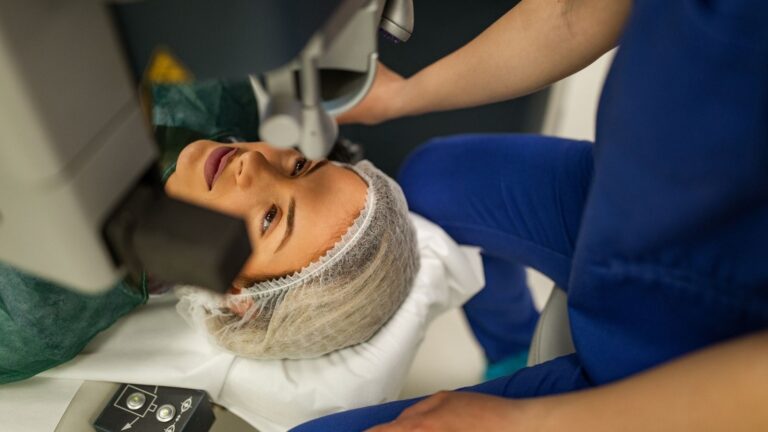
Before surgery, visual acuity, spectacle prescription, corneal structure, and the condition of the natural lens are assessed in detail. Corneal topography and keratometry help determine the degree and axis of astigmatism. Biometry measurements are used to calculate the length of the eye and the power of the intraocular lens. Optical coherence tomography may be performed when necessary to assess the macula and retina. Intraocular pressure, tear quality, pupil characteristics, and eyelid health are also examined. If dry eye or blepharitis is detected, the ocular surface may be treated first to make the measurements more reliable. The lens is selected by assessing these findings together with the person's distance, intermediate, and near visual needs.
Current medicines, previous surgeries, and accompanying conditions should be disclosed fully before surgery. Blood-thinning medicines should not be stopped without consulting the doctor managing the treatment. Many patients may be able to continue taking these medicines during cataract surgery, but the decision is made according to the surgical characteristics and general health status. Whether fasting is required is determined according to the type of anaesthesia or sedation to be used. People with diabetes may require an individual plan for fasting and medicine use. Patients may be asked not to use make-up, creams, or perfume around the eyes on the day of surgery. As temporary blurred vision may occur after the procedure, arranging transport in advance may be helpful.
How Is Smart Lens Surgery Performed?
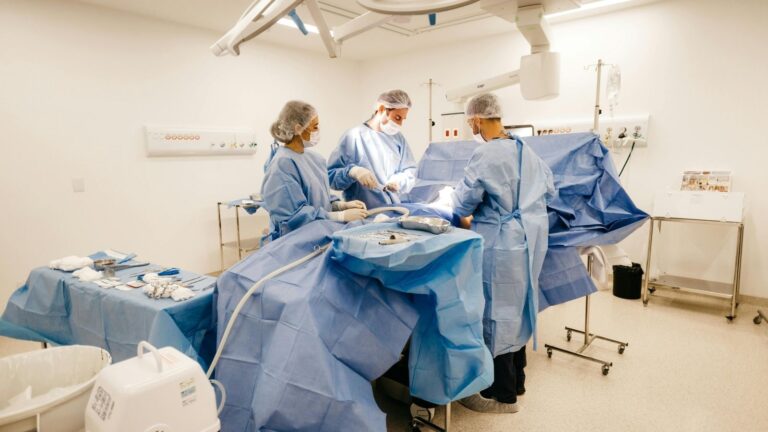
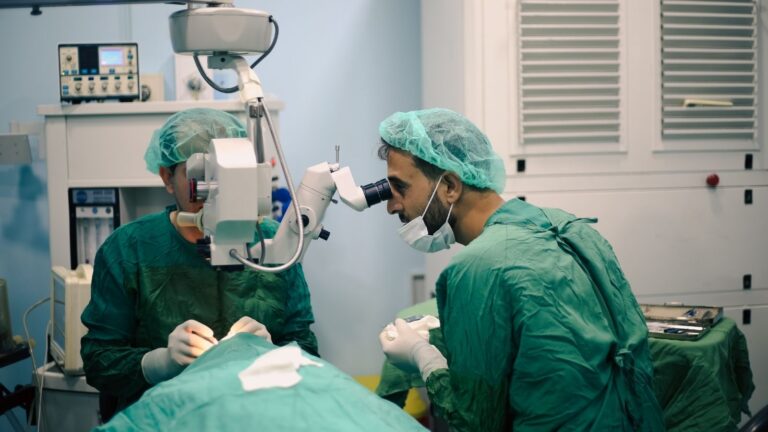
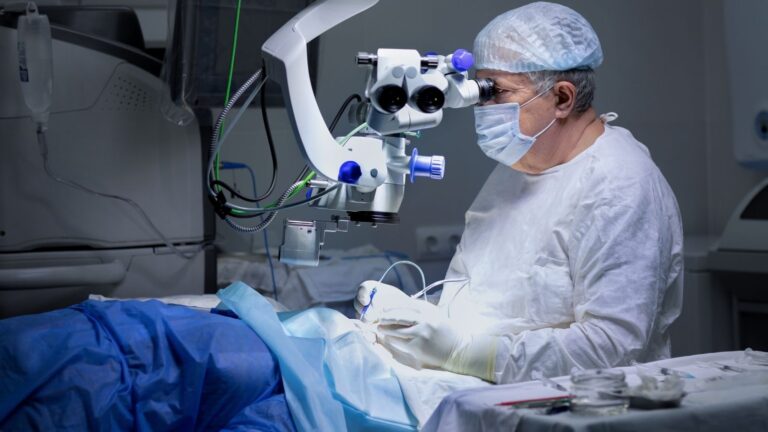
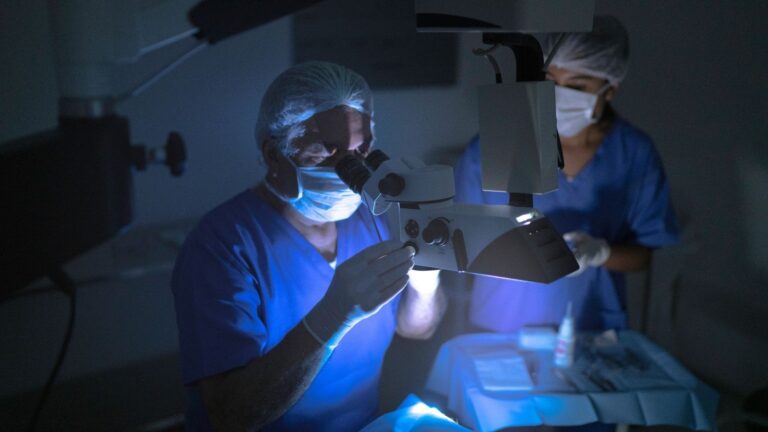
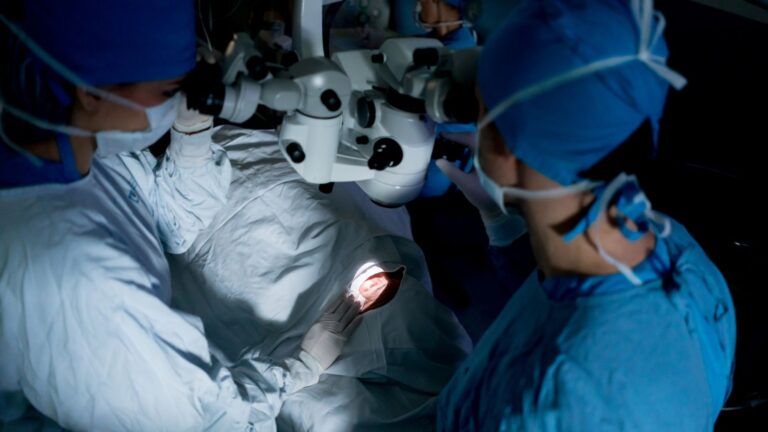
The surgery is generally performed under topical anaesthesia or another suitable local anaesthetic method. The eye and surrounding area are first prepared with an antiseptic solution. A small incision is made at the edge of the cornea, and a controlled opening is created in the anterior capsule of the natural lens. In phacoemulsification, the natural lens is broken into small pieces using ultrasound energy and removed from the eye. A foldable intraocular lens is then placed inside the capsule through the small incision. If a toric lens is used, it is important to position the lens according to the axis of astigmatism. The incision can often close by itself, but additional measures or sutures may be used if considered necessary.
The duration of surgery varies according to the hardness of the cataract, the anatomy of the eye, and the conditions encountered during surgery. Whether both eyes require surgery and the interval between procedures are planned individually. The same lens does not necessarily have to be used in both eyes, and the visual targets may be determined according to the structure of each eye. In some cases, findings detected during surgery may lead to a different lens being selected instead of the one initially planned. A protective dressing or eye shield may be placed over the eye after surgery. Same-day discharge may be possible, although this depends on the patient's general health and clinical assessment. The timing of the first follow-up examination is determined according to the condition of the eye.
Recovery After Smart Lens Surgery
Blurred vision, mild stinging, and sensitivity to light may occur during the first hours or days after surgery. Corneal oedema, the effects of pupil-dilating drops, or temporary ocular surface dryness may contribute to these symptoms. The speed of visual recovery is not the same for every patient. With multifocal lenses, the brain may need additional time to adapt to images arriving from different focal points. Some people may return to daily activities within a short time, while stabilisation of vision may take longer for others. Resuming activities such as reading, screen use, and driving should be assessed according to the examination findings. It cannot be guaranteed that clear vision will be achieved during the first few days or that recovery will be complete by a specific date.
The type and duration of eye drops used during recovery are determined according to the surgical plan. Antibiotic, anti-inflammatory, or ocular surface lubricating drops may be prescribed when considered necessary. The same drop regimen does not need to be used for every patient. It is important not to rub the eye and to protect it from impact during the initial period. Restrictions relating to water, make-up, swimming pools, saunas, and strenuous physical activity are arranged according to the individual's recovery. Intraocular pressure, lens position, corneal clarity, and visual acuity are examined during follow-up appointments. If severe pain, increasing redness, or sudden loss of vision develops, the scheduled appointment should not be awaited.
Possible Risks of Smart Lens Surgery
Smart lens surgery carries certain risks, like other forms of intraocular surgery. Infection, intraocular inflammation, bleeding, corneal oedema, and changes in intraocular pressure may occur. Fluid accumulation in the macula, retinal tears, or retinal detachment are also among the possible complications that require consideration. These risks may vary according to factors such as high myopia, accompanying retinal disease, or previous eye surgery. Displacement or inadequate centration of the intraocular lens, or rotation of a toric lens, may affect visual quality. In some cases, the lens may need to be repositioned or a different treatment may be required. It cannot be stated that every complication has the same likelihood of occurring in all patients.
Visual effects associated with multifocal lenses include halos, glare, starbursts, and reduced contrast in low light. These effects may become less noticeable over time for some people but may persist for longer in others. The spectacle prescription may differ from the intended result, or astigmatism may not be corrected fully. In rare cases, an intraocular infection called endophthalmitis may develop and require prompt intervention. Sudden flashes of light, new floaters, or a curtain-like shadow in the visual field may indicate a retinal problem. Severe pain, significant redness, discharge, or rapidly decreasing vision also require urgent assessment. The details of the risks vary according to the selected lens type and the preoperative condition of the eye.
Light Reflections After Surgery
Some people with multifocal or trifocal lenses may see halos and glare around light sources, particularly at night. This may be related to the distribution of light across different focal points within the optical design of the lens. Pupil size, irregularities of the corneal surface, and residual astigmatism may affect the severity of the symptoms. Postoperative dry eye may also increase reflections by causing irregular refraction of light. Although the form of visual effects may differ with EDOF lenses, it cannot be stated that light reflections will not occur with any design. Some symptoms may decrease over time as the brain adapts to the new visual pattern. However, it cannot be guaranteed that every patient will adapt fully or that the symptoms will disappear completely.
If light reflections significantly affect daily life or night-time driving, the ocular surface, lens position, and residual refractive error are assessed. Treating dry eye or providing appropriate spectacle correction may help reduce symptoms in some people. Possible causes such as rotation of the lens away from its axis, decentration, or capsular clouding are also investigated. Visual effects should not be attributed solely to the process of adapting to surgery. The time of onset, duration, and accompanying visual changes guide the treatment plan. Whether an additional procedure is required for severe and persistent problems is assessed individually. As procedures such as lens exchange carry new risks, the decision should be made after a detailed examination.
Why Can the Visual Outcome Vary?
Problems occurring after smart lens surgery do not generally result from a condition described as resistance to treatment. Changes in vision may be associated with residual refractive error, lens position, ocular surface problems, or retinal conditions. Rotation of a toric lens may reduce the correction of astigmatism. Clouding of the lens capsule over time may also cause a reduction in visual acuity. Commonly referred to as a secondary cataract, this condition does not mean that the removed natural cataract has formed again. Posterior capsule opacification may be treated with an Nd laser in suitable patients. Newly developed macular disease, glaucoma, or other eye conditions may also affect vision after surgery, so follow-up should continue.
What Determines the Success of Surgery?
The outcome of surgery does not depend solely on the brand of the lens used or whether it is multifocal. The accuracy of corneal measurements, calculation of intraocular lens power, and lens position during surgery affect the visual outcome. The health of the retina and optic nerve is important when assessing the level of vision that can be achieved. If macular degeneration, glaucoma, or diabetic retinal disease is present in addition to cataracts, the vision loss caused by these conditions cannot be eliminated through lens replacement alone. With multifocal lenses, the person's adaptation to the optical design and expectations regarding night vision are also determining factors. Some people may require additional glasses for distance, intermediate, or near vision after surgery. It is therefore not appropriate to provide a fixed success rate or promise spectacle independence for every patient.
Does a Smart Lens Last a Lifetime?
Intraocular lenses are generally manufactured to remain inside the eye for a long time. They do not have the same characteristics as contact lenses that need to be replaced regularly. However, it cannot be stated that no lens will ever require a further procedure under any circumstances. Additional assessment may be required if the lens becomes significantly displaced, unwanted optical effects persist, or another surgical reason develops. If posterior capsule opacification occurs, an appropriate laser procedure is generally considered rather than lens replacement. The intraocular lens remaining in place does not mean that conditions will not develop in other eye structures, such as the retina or cornea, in the future. Long-term visual follow-up should therefore continue according to the person's eye health.
What Should Aftercare Involve?
Prescribed drops should be used at the stated frequency and for the recommended duration after surgery. It is important to wash the hands before applying the drops and not to allow the tip of the bottle to touch the eye. Patients may be advised not to rub the eye, to protect it from impact, and to use a protective shield while sleeping if necessary. The appropriate time to resume swimming in pools or the sea, using saunas, wearing eye make-up, and performing strenuous physical activities is not the same for everyone. These periods are determined according to the condition of the cornea, the surgical technique, and the healing findings. Sunglasses may help reduce sensitivity to light and protect the eye outdoors. Before driving again, patients should make sure that their level of vision is sufficient.
Visual acuity, intraocular pressure, and intraocular lens position are examined during scheduled follow-up appointments. Retinal imaging or additional refractive error measurements may be performed when necessary. As visual quality may fluctuate during the initial period, the need for permanent glasses is reassessed after recovery is complete. Although mild stinging or watering may occur, significant pain, increasing redness, and sudden vision loss should not be considered normal. Flashes of light, numerous new floaters, or a shadow in the visual field should also be examined without delay. The dosage of medicines should not be changed by the patient, and drops should not be stopped earlier than recommended. Attending follow-up appointments helps detect potential problems at an early stage.
Smart Lens Surgery in İzmir
When planning smart lens surgery in İzmir, the condition of the natural lens and the presence of cataracts are assessed first. The shape of the cornea, astigmatism measurements, retinal health, and daily visual needs are then examined. Lens options may differ between people of the same age or with similar spectacle prescriptions. The decision to use a multifocal, trifocal, EDOF, or toric lens should not be based solely on the expectation of becoming free from glasses. Night-time driving, reading habits, time spent using a computer, and accompanying eye conditions are important during the selection process. Glasses, contact lenses, or corneal laser options may also be compared for people without cataracts. The treatment plan is prepared according to the person's eye structure and the medical suitability of the surgical method.
Smart Lens Surgery Prices
Smart lens surgery prices may vary according to the optical characteristics of the lens to be used, the surgical plan, and the examinations required. When considering smart lens surgery prices in 2026, it should be remembered that monofocal, trifocal, EDOF, and toric lenses do not have the same characteristics. The condition of the cataract, the degree of astigmatism, planning for both eyes, and follow-up requirements may affect the overall scope. As the same type of lens is not used for every patient, it is not appropriate to set a standard fee without a preliminary assessment. Cost information should not be considered independently of the medical suitability of the lens or the potential risks of surgery. Current pricing is determined according to the treatment plan considered suitable following the examination and measurements. The suitability of different options for the eye structure and their treatment scope should be assessed together, not only their prices.