
Contact us.
Choose the communication method that suits you best: phone or WhatsApp.
Talk to Assoc. Prof. Dr. Berkay Akmaz about your eye health. Let's assess your needs together and plan the examination process in an understandable way.

Start by choosing one of the most searched eye health topics.
Every eye structure and visual need is different. Examination findings will guide the determination of the appropriate approach for you.
 01
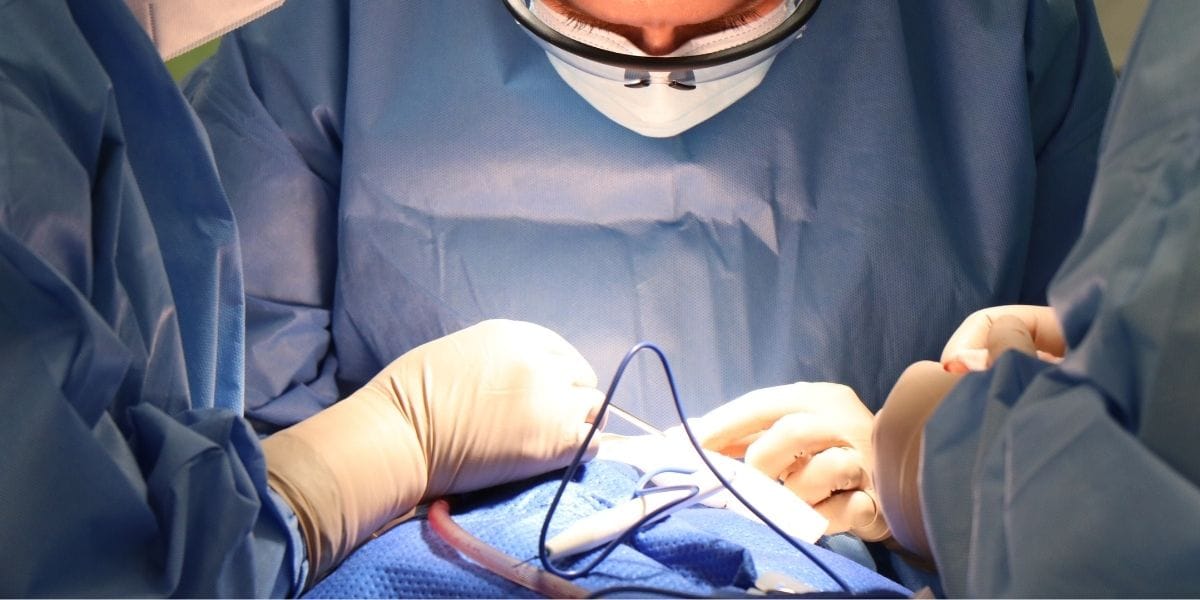
01Cataract surgery involves removing the eye’s natural lens after it has lost its transparency and replacing it with an artificial intraocular lens. A cataract prevents light from reaching the retina properly, causing blurred vision. The purpose of surgery is to remove this obstruction and support visual function. The decision to operate is based not only […]
Learn more 02
02Excimer laser is a laser technology designed to correct refractive errors by reshaping the cornea, the transparent front layer of the eye. In suitable people with myopia, hyperopia and astigmatism, it is used to help light focus more evenly on the retina. This technology is used in some procedures commonly known as laser eye surgery. […]
Learn more 03
03Dry eye develops as a result of insufficient tear production or rapid evaporation from the ocular surface. Treatment may include artificial tears, eyelid care, inflammation control and, in suitable patients, tear duct plugs or surgical methods.
Learn more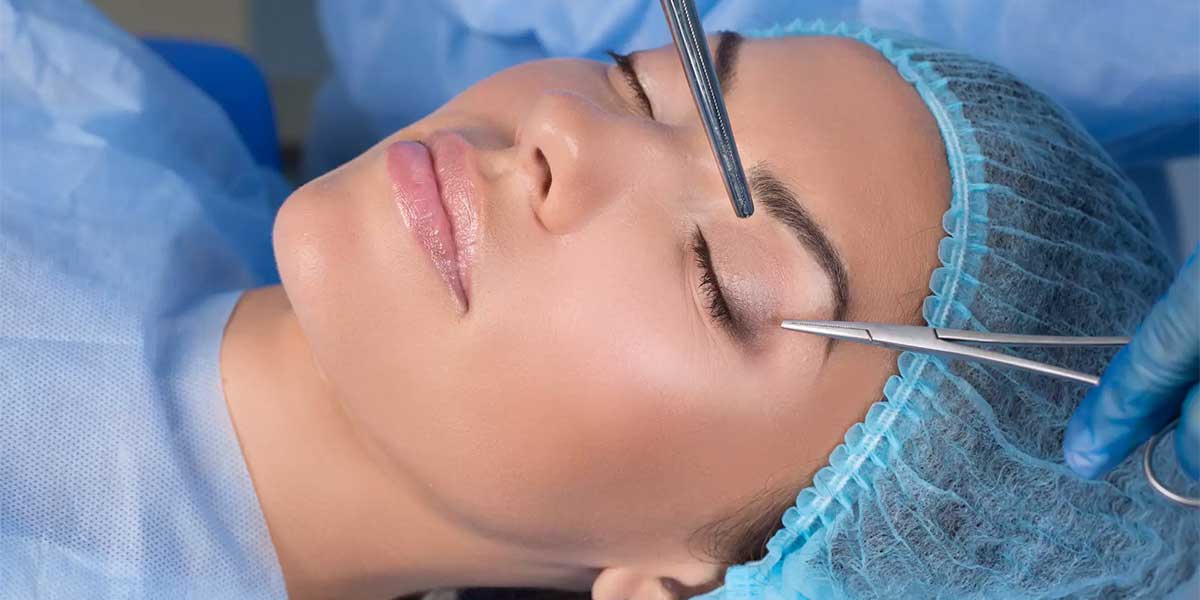 04
04Drooping eyelid surgery is a surgical treatment performed to correct a restricted visual field or an abnormal eyelid position caused by the upper eyelid sitting lower than normal. This condition, known as ptosis, may be congenital or develop later due to ageing, muscle diseases, nerve disorders or trauma. Drooping may affect one or both eyes. […]
Learn more 05
05Macular degeneration is a condition that affects the macula, the central part of the retina at the back of the eye, and may lead to a reduction in central vision. Medically known as age-related macular degeneration, this condition is more common, particularly in older age. The macula is involved in functions such as reading, recognising […]
Learn more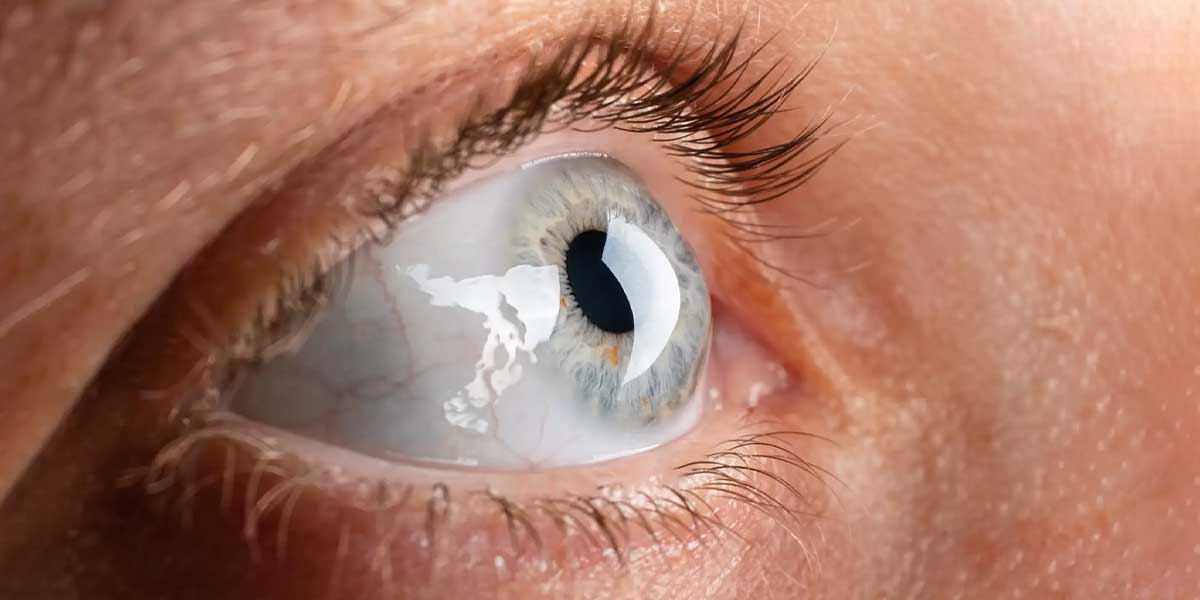 06
06Keratoconus is a condition in which the transparent corneal layer at the front of the eye gradually thins, changes shape, and bulges forwards into a cone. This structural change may adversely affect visual quality by causing irregular astigmatism and myopia. The condition is often detected during adolescence or young adulthood and may occur at different […]
Learn more 07
07Smart lens surgery is a term commonly used to describe a surgical procedure involving the use of multifocal, trifocal, or extended depth of focus intraocular lenses. During surgery, the eye’s natural lens is removed and replaced with an artificial intraocular lens. This procedure is most commonly performed during cataract surgery. It may also be considered […]
Learn more 08
08Lacrimal system disorders are conditions that affect tear production, distribution across the ocular surface, or drainage into the nasal cavity. Disorders within this system may cause dry eye, persistent watering, discharge, and recurrent infections. Sometimes the symptoms result from insufficient tear production, while in other cases the existing tears cannot drain through the ducts. As […]
Learn more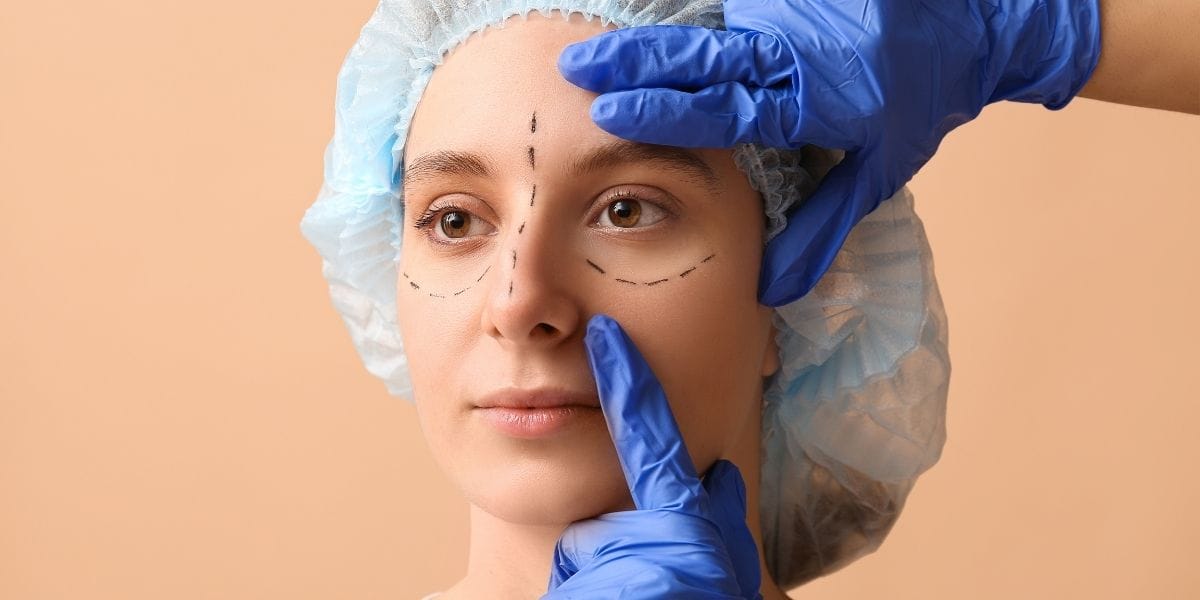 09
09Lower eyelid aesthetic surgery is a surgical procedure for structural changes such as under-eye bags, excess skin, wrinkles, and eyelid laxity. Medically known as lower blepharoplasty, this procedure assesses both the appearance of the eye area and the function of the eyelid. The treatment plan is based on the condition of the fatty tissue beneath […]
Learn more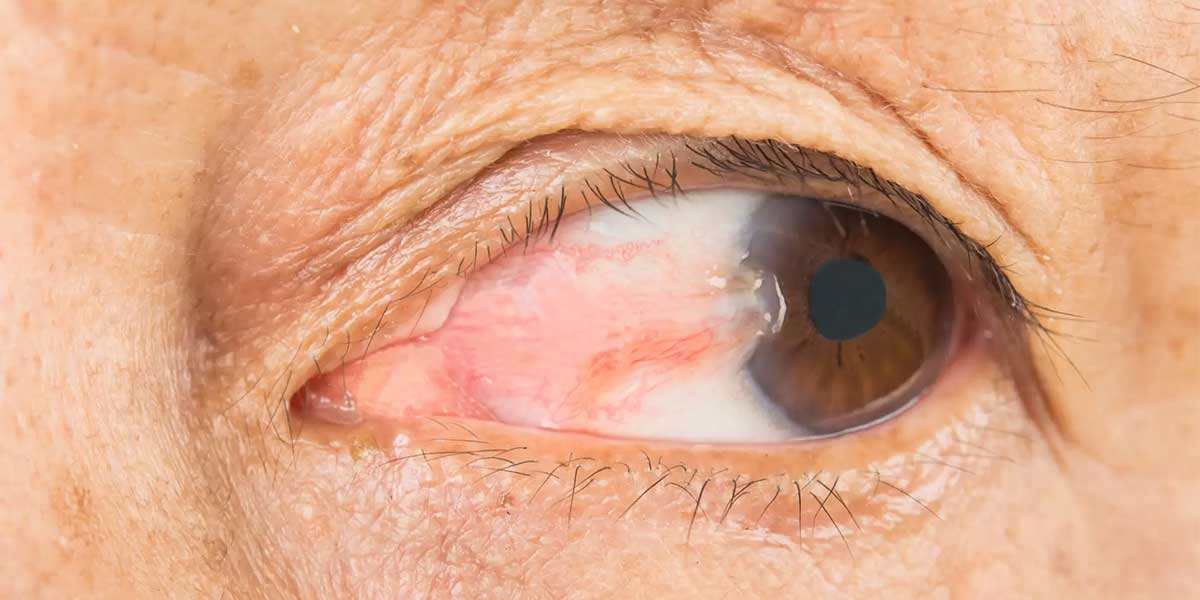 10
10A pterygium is a usually triangular change on the ocular surface that develops when the conjunctival tissue covering the white part of the eye grows towards the cornea. Commonly known as pterygium (surfer’s eye), this condition is referred to as pterygium in medical literature. It develops more frequently on the side of the eye closest […]
Learn more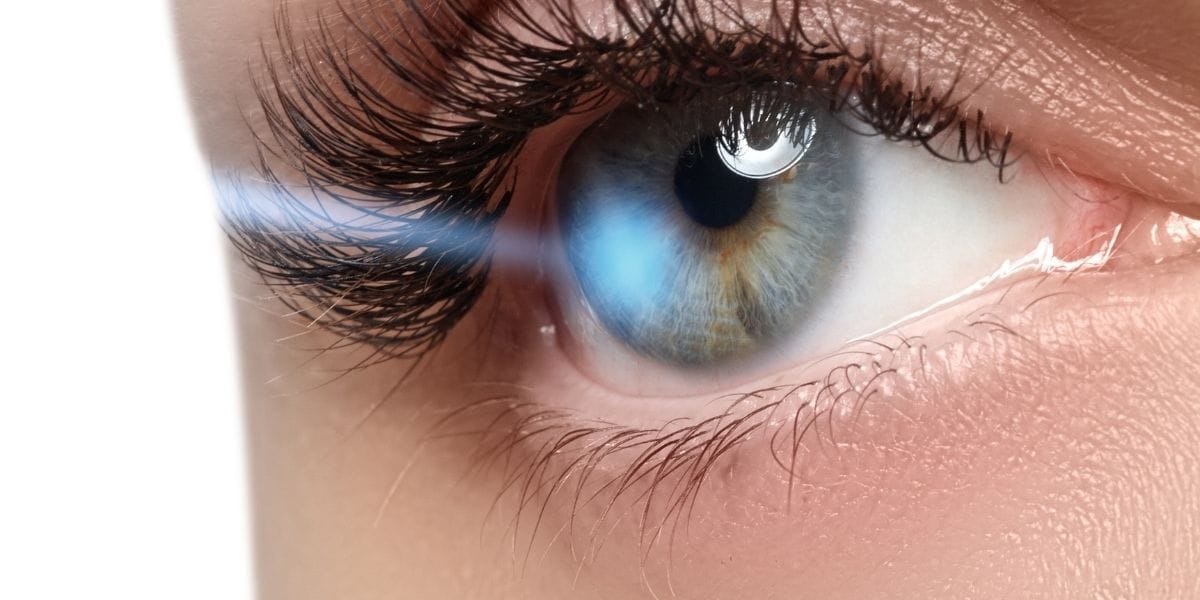 11
11No-Touch laser is a corneal surface laser treatment used to correct refractive errors such as myopia, hyperopia, and astigmatism in suitable patients. In this method, known as TransPRK, the epithelial layer of the cornea is removed with an excimer laser, and the underlying tissue is reshaped using the same laser. A corneal flap is not […]
Learn more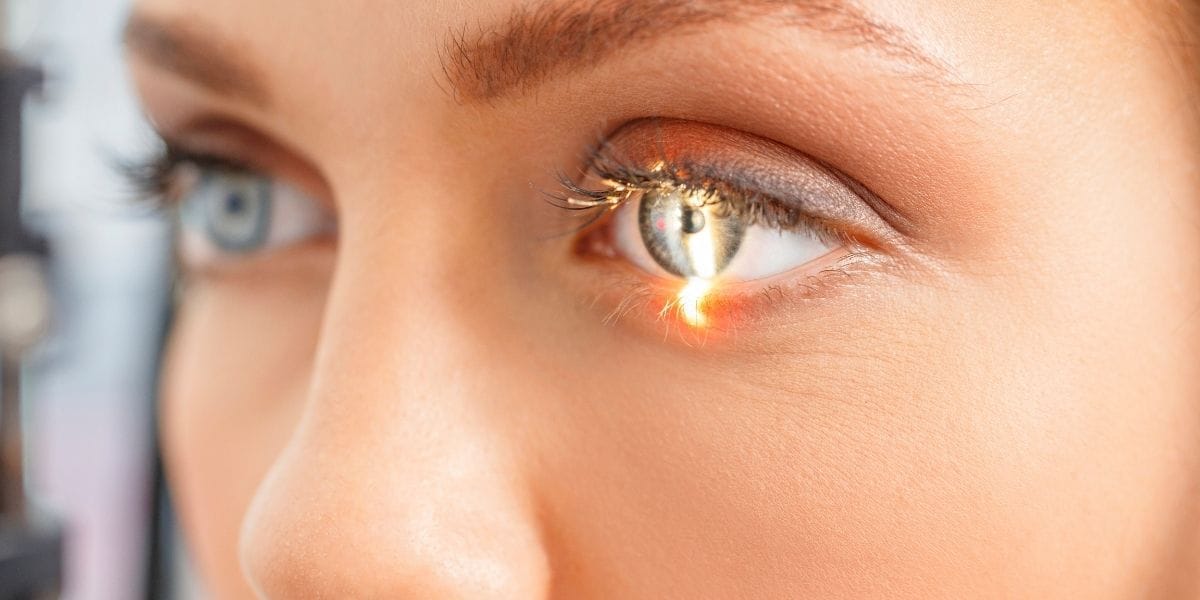 12
12SMILE laser is a refractive surgical method that aims to alter the refractive power of the eye by removing a thin piece of tissue created within the cornea through a small incision. This procedure, whose name is an abbreviation of Small Incision Lenticule Extraction, may be considered particularly in cases of myopia and suitable astigmatism. […]
Learn moreAssociate Professor Dr. Berkay Akmaz is an ophthalmologist who graduated from Ege University Faculty of Medicine. In his clinic in Alsancak, İzmir, he evaluates each patient individually, taking into account their specific vision needs and eye structure.
Know what steps to expect, from initial contact to physician evaluation.
Choose the communication method that suits you best: phone or WhatsApp.
Your vision needs, medical history, and necessary eye examinations will be reviewed together.
The examination findings, appropriate options, and follow-up approach should be clearly explained to you.
Contact us through your preferred channel to plan your examination and appointment.
Frequently asked questions about appointment preparation, eye examinations, and transportation to the clinic.
Review all questions.You can create a WhatsApp request through the appointment form or call our clinic directly. A suitable date and time will be finalized after discussion with you.
You can bring your eyeglasses or contact lenses, the results of your previous eye exams, and a list of any medications you regularly take.
Our clinic is located at Kültür Mahallesi Talatpaşa Bulvarı No:4, Alsancak, Konak / İzmir. You can get directions from the contact section.
The suitability decision is made during a physician's examination, based on a combined assessment of corneal measurements, eye structure, visual needs, and overall eye health.
Some measurements may require a break from contact lens use. You can get preparation information from our clinic by specifying the type of lenses you use during your appointment.
Clear, physician-assessed information articles about eye health and the examination process.
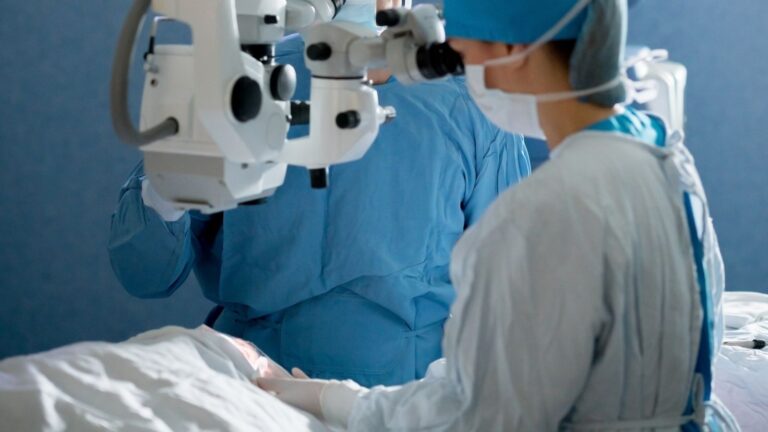
LASIK laser eye surgery is planned by considering the patient’s corneal structure, prescription, overall eye health and the surgical method to be used. This procedure, which aims to reduce the need for glasses or contact lenses, requires an individual assessment for each person. Corneal thickness, the condition of the ocular surface and the degree of […]
Read the article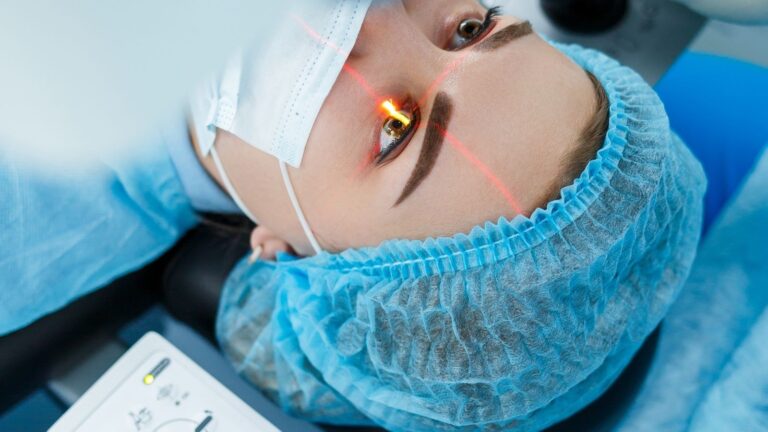
No-Touch laser, medically known as TransPRK, is a laser method used to treat refractive errors such as myopia, hyperopia and astigmatism. In this procedure, the corneal surface is reshaped with a laser, and no flap is created as it is in LASIK. No-Touch laser costs may vary depending on the patient’s eye structure, the degree […]
Read the article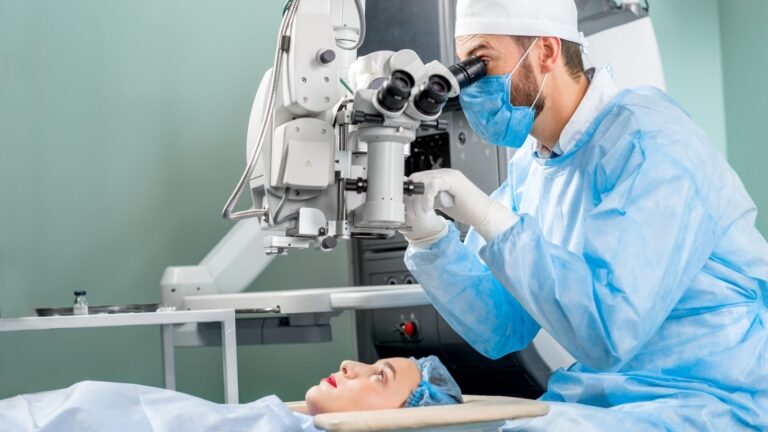
PRK is a laser surgery method used to treat refractive errors such as myopia, hyperopia and astigmatism. During the procedure, the epithelial layer on the surface of the cornea is removed, and the cornea is reshaped with a laser. PRK laser surgery costs may vary depending on the technology used, the patient’s eye structure and […]
Read the article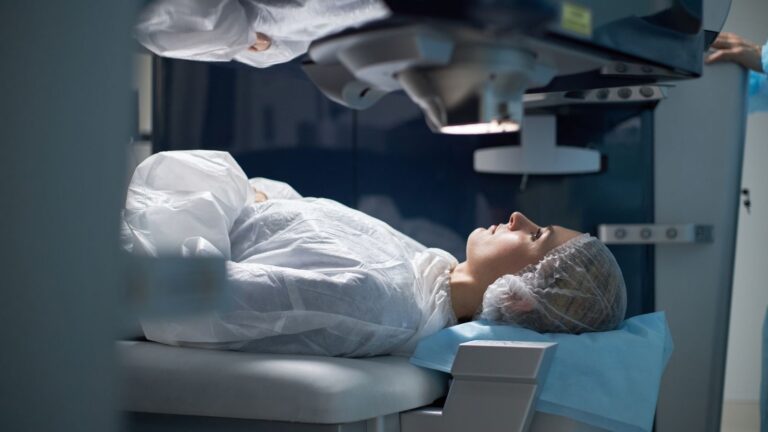
SMILE and SMILE Pro are laser surgery methods considered for myopia and suitable cases of astigmatism. In these procedures, a thin layer of tissue is created within the cornea using a femtosecond laser and removed through a small incision. SMILE Pro and SMILE laser surgery costs may vary depending on the features of the device […]
Read the article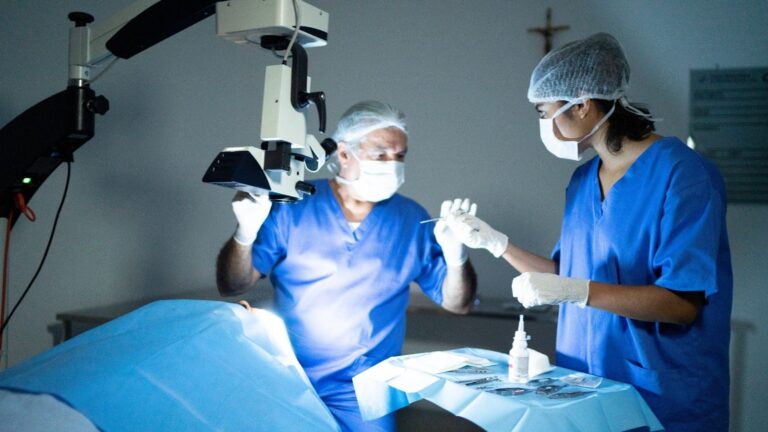
A phakic lens is an artificial lens implanted in the eye without removing the eye’s natural lens and is used to correct refractive errors. This method may be considered particularly for some patients who are unsuitable for laser treatment. Intraocular lens surgery costs may vary depending on the patient’s eye structure, the lens model to […]
Read the article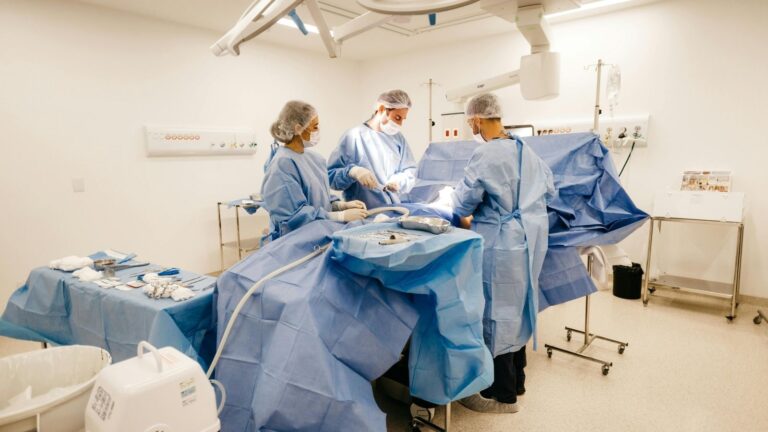
Ptosis is a condition in which the upper eyelid is positioned lower than normal. Drooping of the eyelid may be congenital or develop later due to ageing, trauma or certain diseases. Ptosis surgery costs may vary depending on the degree of drooping, the strength of the muscle that lifts the eyelid and the surgical method […]
Read the article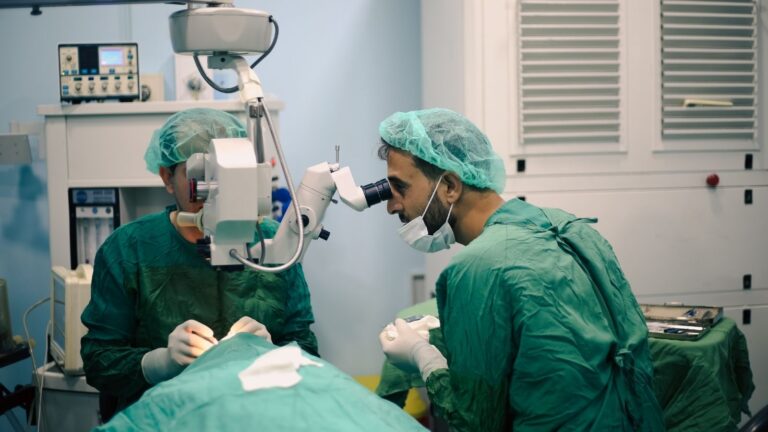
Pterygium, commonly known as surfer’s eye, is an ocular surface condition in which tissue from the white part of the eye grows towards the cornea. It may cause redness, stinging, a foreign body sensation and changes in vision. Pterygium surgery costs may vary depending on the progression of the condition, the surgical technique to be […]
Read the article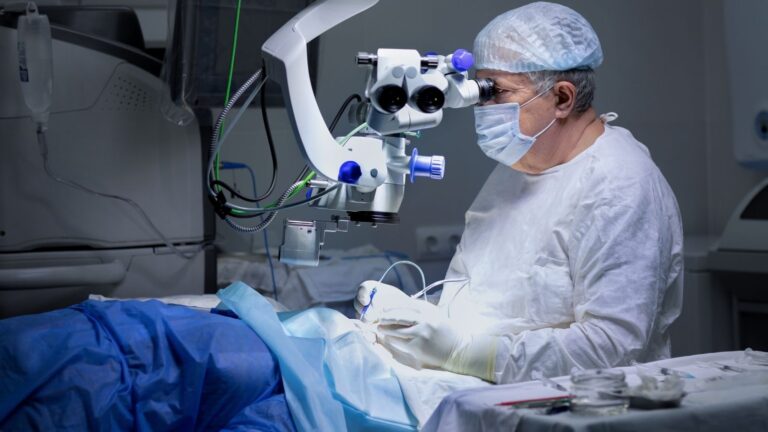
Vitrectomy is an eye operation performed to remove the vitreous gel in the back of the eye and treat retinal diseases. It may be considered for conditions such as retinal detachment, diabetes-related vitreous haemorrhage, macular holes and membrane formation on the retina. Vitrectomy surgery costs may vary depending on the type of condition, scope of […]
Read the article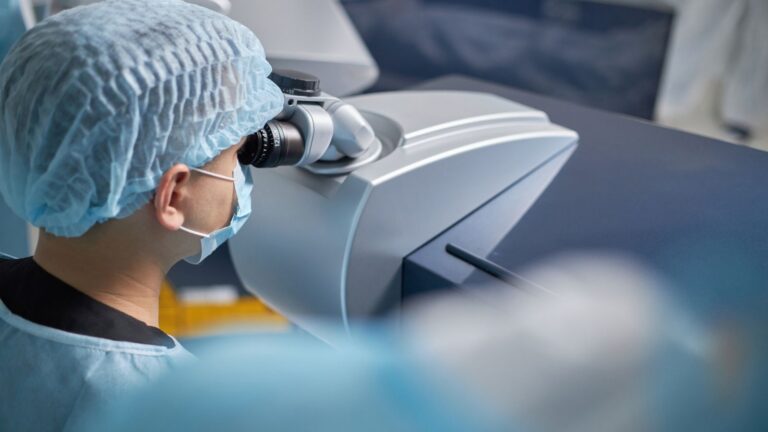
Retinal detachment occurs when the light-sensitive retinal layer separates from the supporting tissue underneath it. It may develop for different reasons, including a retinal tear, traction or fluid accumulation. Retinal detachment surgery costs may vary depending on the type and extent of the detachment and the surgical method to be used. The microsurgical instruments, choice […]
Read the article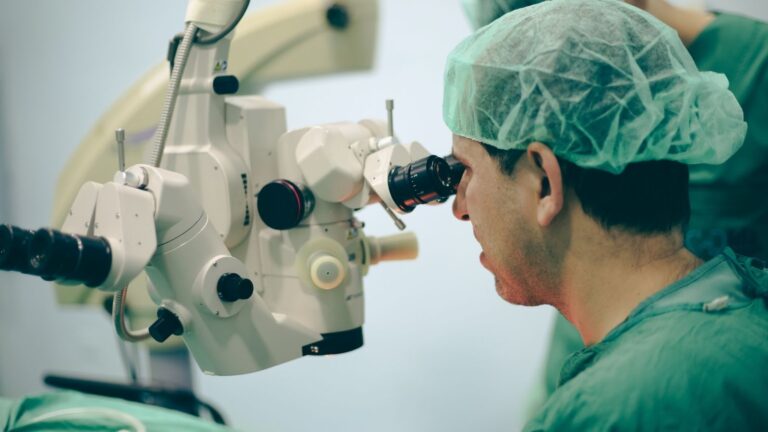
A macular hole is an opening that forms in the macula, the central part of the retina responsible for detailed vision. It may cause symptoms such as blurred central vision, straight lines appearing distorted and a dark area in the centre of the image. Macular hole surgery costs may vary depending on the size and […]
Read the article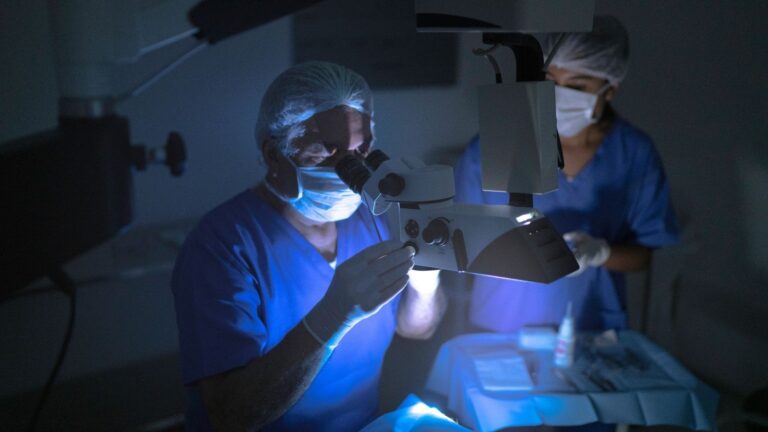
An epiretinal membrane is a thin layer of tissue that forms over the centre of vision in the retina. This membrane may exert traction on the centre of vision and cause symptoms such as blurred vision, distorted lines and image distortion. Epiretinal membrane surgery costs may vary depending on the structure of the membrane, the […]
Read the article
Tear duct obstruction is the partial or complete blockage of the pathways that carry tears from the ocular surface to the nasal cavity. It may cause persistent watering, discharge and recurrent infections of the lacrimal sac. Tear duct obstruction surgery costs may vary depending on the level of the obstruction, the surgical method to be […]
Read the article
Keratoconus is an eye condition in which the cornea gradually becomes thinner and bulges forwards. It may cause increasing astigmatism, frequent changes in prescription and reduced visual quality. Keratoconus treatment costs may vary depending on the stage of the condition, corneal thickness and the treatment method to be used. Cross-linking aims to strengthen the corneal […]
Read the article
Dermatochalasis is sagging caused by excess skin and tissue laxity in the upper or lower eyelid. It usually develops with age but may also appear earlier due to genetic characteristics. Excess skin on the upper eyelid may sag over the eyelashes and narrow the field of vision. In the lower eyelid, skin laxity and forward […]
Read the article
Congenital cataract is a clouding of the eye’s lens that is present at birth or develops early in life. Loss of lens transparency can prevent light from reaching the retina properly. The condition may occur in one or both eyes. The density and location of the cataract within the lens determine the extent to which […]
Read the articleYou can contact us directly regarding appointments, transportation to the clinic, or the examination process.
Call on the phone+90 547 917 11 37 Get directions to the clinicKültür Mahallesi, Talatpaşa Bulvarı No:4Videos about eye health, examination procedures, and frequently asked questions.
Our clinic has agreements with the following institutions and private insurance providers.