
Dry eye is an ocular surface disease that develops when the tear film that protects and moistens the eye decreases in quantity or deteriorates in quality. Dry eye may develop because of insufficient tear production, rapid evaporation or the eyelids being unable to distribute tears evenly enough. Burning, stinging, redness, sensitivity to light and blurred vision that varies throughout the day are among the common symptoms. Prolonged screen use, dysfunction of the oil glands along the eyelid margins and certain systemic diseases may increase the symptoms. Treatment usually begins with eye drops, eyelid care and environmental measures. Tear duct plugs or surgical procedures are considered only in suitable patients and when specific medical requirements are present. Not every patient with dry eye requires surgery, and the aim of treatment is to protect the ocular surface while controlling symptoms.
What Causes Dry Eye?
Dry eye may result from various problems involving tear production, distribution or the length of time tears remain on the ocular surface. Increasing age, hormonal changes and menopause are among the factors that affect tear volume. Spending long periods in front of a screen may reduce blinking frequency, causing the tear film to break down more quickly. Air conditioning, wind, smoke and low-humidity environments may increase evaporation from the ocular surface. Blockage of the meibomian glands along the eyelid margins may adversely affect the protective oil layer of the tears. Sjögren's disease, rheumatoid arthritis and certain other immune system diseases may also reduce tear production. Antihistamines, some blood pressure medicines and various systemic treatments may increase symptoms. Contact lens use, previous eye operations and incomplete eyelid closure should also be considered during the assessment.
What Are the Symptoms of Dry Eye?
Burning, stinging, a gritty sensation and redness of the eyes are common symptoms of dry eye. Some people may experience sensitivity to light, itching or significant discomfort when wearing contact lenses. Vision may become temporarily blurred, particularly during reading and screen use. Brief improvement in clarity after blinking may suggest irregularity of the tear film. Excessive watering may also occur from time to time in dry eye and is associated with reflex tear production caused by irritation. Symptoms may become more noticeable in windy weather, air-conditioned environments or at the end of the day. The severity of symptoms and the surface damage seen during examination may not always be at the same level. Other eye diseases should also be considered when there is severe pain, sudden loss of vision or pronounced redness in one eye.
What Are the Types of Dry Eye?
Dry eye is often assessed through two main mechanisms: reduced tear production and rapid tear evaporation. In the aqueous-deficient type, the tear glands cannot produce enough fluid to keep the ocular surface moist. This may be associated with ageing, certain medicines or immune system conditions such as Sjögren's disease. In the evaporative type, tears are present but disappear from the ocular surface more quickly than normal. Meibomian gland dysfunction, insufficient blinking and incomplete eyelid closure may contribute to this condition. In some people, both mechanisms occur together and the symptoms cannot be explained by a single cause. Ocular surface inflammation, nerve sensitivity and anatomical abnormalities may also affect the course of the disease. Treatment should therefore be planned according not only to tear volume but also to the condition of the eyelids and corneal surface.
How Is Dry Eye Diagnosed?
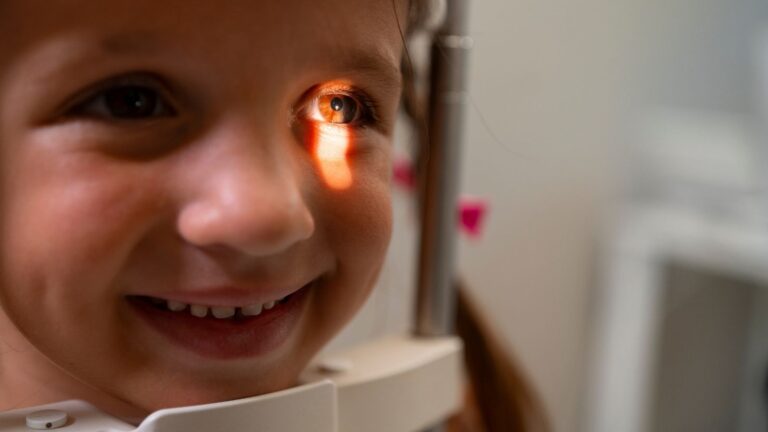
When diagnosing dry eye, the person's symptoms, medicines, screen habits and accompanying diseases are assessed together. A slit-lamp examination is used to inspect the ocular surface, eyelid margins and the openings of the meibomian glands. The Schirmer test is one method that may be used to assess tear production. Tear break-up time provides information about how long the tear film remains stable on the ocular surface. Dyes such as fluorescein or lissamine green may be used to investigate whether dry eye has caused damage to the corneal or conjunctival surface. In patients who require it, meibography may help assess the structure of the oil glands. In some cases, additional measurements related to tear osmolarity or ocular surface inflammation may also be planned. If there is dry mouth, joint symptoms or other systemic signs, underlying diseases should be assessed separately.
How Is Dry Eye Treatment Planned?
Dry eye treatment is determined according to the severity of the disease and the main factor disrupting the tear balance. In mild cases, environmental adjustments, regular blinking and suitable lubricating drops may be sufficient. If eyelid margin inflammation or meibomian gland dysfunction is present, eyelid care is added to the treatment plan. When there is significant inflammation on the ocular surface, prescription medicines may be considered for defined periods. In moderate or advanced tear deficiency, procedures that help tears remain on the ocular surface for longer may be considered. If the eyelid does not close completely or there is a structural abnormality, surgical options are examined separately. Treatment often requires several approaches to be used together. The same method should not be expected to suit every patient, nor should a single procedure be expected to eliminate all symptoms completely.
Artificial Tear Drops and Gels
Artificial tear drops are used to lubricate the ocular surface and support the balance of the tear film. The contents of the drops may vary according to the degree of tear deficiency or evaporation. Some products have a thicker consistency, while others contain ingredients intended to support the oily layer of the tears. Preservative-free products may be considered for people who need to use drops frequently during the day or who are sensitive to preservatives. Eye gels and ointments may provide longer-lasting lubrication but can cause temporary blurred vision. The timing of thicker products is therefore determined according to the person's daily needs. The frequency of drop use should be adjusted according to ocular surface findings and the severity of symptoms. Lubricating treatments may reduce symptoms, but they do not eliminate every underlying cause on their own.
How Is Eyelid Care Performed?
Eyelid care is an important part of treatment for people with meibomian gland dysfunction and eyelid margin inflammation. Compresses at an appropriate temperature may help soften the oily secretions along the eyelid margins. The duration and frequency of warm compresses should be determined according to the condition of the ocular surface. Excessively hot compresses may irritate the skin, so direct high heat should not be used. Cleaning the eyelid margins with appropriate products may help reduce deposits at the base of the eyelashes. Additional treatment may be required if rosacea, blepharitis or a specific infection at the base of the eyelashes is present. Squeezing the eyelids, rubbing them firmly or using unsuitable cleansers may adversely affect the ocular surface. Regular eyelid care helps reduce evaporation-related symptoms in some patients.
Medicines for Inflammation
Chronic inflammation of the ocular surface may contribute to disruption of the tear film and persistence of dry eye symptoms. Immunomodulatory eye drops such as ciclosporin may be considered in suitable patients. The effect of these medicines may not begin immediately, and the duration of use is determined according to examination findings. During periods of significant inflammation, corticosteroid eye drops may be added to the treatment plan under supervision and for a limited period. Long-term or uncontrolled corticosteroid use may lead to risks such as increased intraocular pressure, infection and cataracts. Different topical or oral medicines may also be considered for some people with eyelid margin infection or rosacea. Anti-inflammatory treatment is not necessary for every patient with dry eye. The choice of medicine is made by considering existing eye infections, other diseases and the person's response to previous treatments.
How Are Tear Duct Plugs Inserted?
Tear duct plugs are supportive materials placed into the small openings through which tears drain towards the nose. Also known as punctal plugs, they are intended to help existing tears remain on the ocular surface for longer. Plugs do not directly increase tear production and are not an operation that activates the tear glands. Different materials intended for temporary or longer-term use may be considered according to the patient's condition. The procedure is generally performed in a clinical examination setting and is not considered extensive surgery in the conventional sense. If there is active eyelid inflammation, a significant ocular surface infection or uncontrolled inflammation, these problems may need to be treated first. Excessive watering, a foreign-body sensation or displacement of the plug may occur after the procedure. It should be understood that plugs do not provide the same benefit in every type of dry eye and may be removed when necessary.
When Is Permanent Tear Duct Closure Considered?
Permanent narrowing or closure of the tear drainage openings may be considered in selected patients with significant tear deficiency. Methods such as thermal cauterisation aim to reduce tear drainage so that the existing fluid remains on the ocular surface for longer. This approach is generally considered for people who benefit from temporary plugs but frequently lose them or require long-term support. The procedure does not increase tear production or correct the function of the tear glands. Problems such as excessive watering, reopening of the drainage opening or, rarely, infection may occur after permanent closure. Planning the procedure before active ocular surface inflammation has been brought under control may not be appropriate. It is not necessary to close every tear drainage opening at the same time, and the procedure is tailored to individual findings. The surgical decision is made by assessing the results of other treatments together with the current state of tear drainage.
What Is Dry Eye Surgery?
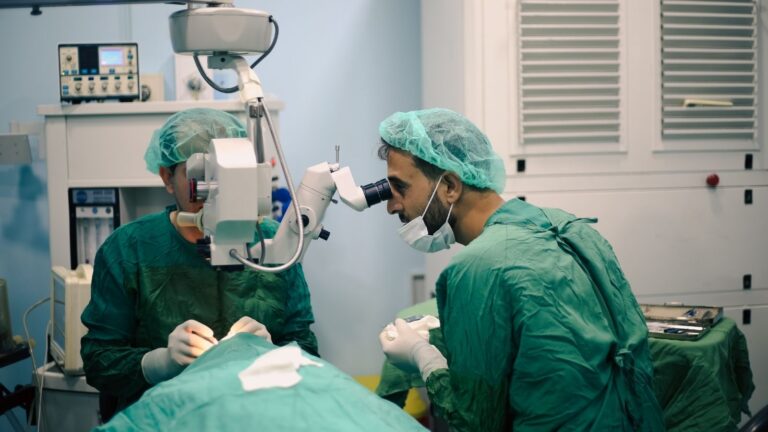
Dry eye surgery does not refer to a single standard procedure used for every type of dry eye disease. Surgical methods may be considered when the ocular surface cannot be protected despite medicines and supportive treatments or when there is a structural abnormality of the eyelids. Permanent tear duct closure, correction of eyelid position and tarsorrhaphy are among these methods. In very advanced and unusual cases, other surgical options intended to lubricate the ocular surface may also be considered. The aim of the procedure is to help tears remain on the ocular surface or reduce exposure of the cornea. Surgery does not increase tear production in every patient and does not guarantee complete elimination of dry eye. Some applications, such as tear duct plugs, are regarded as minor interventional procedures rather than operations. The appropriate method is determined according to the cause of the dryness and the level of ocular surface damage.
When Is Eyelid Surgery Necessary?
Incomplete eyelid closure, outward turning of the eyelid or insufficient contact with the ocular surface may increase dry eye symptoms. Facial paralysis, previous eyelid operations, age-related laxity and certain thyroid diseases may cause this condition. When the eyelid position is disrupted, tears cannot be distributed evenly over the cornea. Surgical methods to correct the eyelid structure may therefore be considered in suitable patients. The aim is to support the eyelid's protective function over the cornea and reduce surface damage caused by exposure. The surgical plan varies according to how the eyelid turns inwards or outwards and how much of the eye remains exposed. Lubricating drops or additional treatment may still be required after the procedure. Eyelid surgery should be considered only in patients whose structural problem plays a significant role in their dry eye symptoms.
When Is Tarsorrhaphy Performed?
Tarsorrhaphy involves temporarily or more permanently bringing a specific portion of the eyelids closer together. It aims to protect the cornea and limit evaporation by reducing the exposed surface of the eye. It may be considered in selected cases involving severe dry eye, incomplete eyelid closure or ocular surface damage that does not heal. It is particularly considered when the ocular surface cannot be protected adequately by other methods. Because the procedure may affect part of the field of vision, its benefits and limitations are assessed together. The extent of tarsorrhaphy is determined according to the eye's need for protection and the person's daily requirements. A temporary procedure may be sufficient for some patients, while longer-term protection may be required in other cases. This method is not routinely used for mild or ordinary dry eye symptoms.
Other Surgical Methods in Advanced Cases
Special surgical options may be considered for patients with very severe tear deficiency whose ocular surface cannot be protected with standard treatments. These may include using certain salivary gland tissues or ducts to help lubricate the ocular surface. These procedures are not routine treatments for ordinary patients with dry eye. They are generally considered in special situations involving severe surface disease, advanced tissue damage or markedly impaired tear production. The extent and potential benefit of surgery vary according to the current condition of the eye and previous treatments. Risks may include excessive watering, problems with tissue healing and the need for additional procedures. If there is a significant anatomical abnormality of the ocular surface, other procedures intended to correct it may also be considered. In such situations, the aim is not to achieve a definitive cure in a single step, but to create an appropriate treatment plan that protects the cornea.
IPL and Thermal Pulsation Treatments
Intense pulsed light and thermal pulsation are methods that may be considered particularly for evaporative dry eye associated with meibomian gland dysfunction. Thermal treatments use controlled heat and appropriate pressure to help mobilise thickened secretions in the eyelid glands. IPL may be planned for selected patients with certain skin and eyelid margin findings around the eyes. These methods are not suitable for every patient with dry eye and are not regarded as conventional surgery. Conditions that cause light sensitivity, medicines being used and skin characteristics should be examined before the procedure. It is important to protect the eyes appropriately during treatment. The potential benefit may vary according to the current condition of the glands and accompanying inflammation. Some patients may require repeat sessions or regular eyelid care.
Autologous Serum and Protective Lenses
Autologous serum eye drops are prepared from the person's own blood under appropriate conditions and may be considered as a treatment option in advanced ocular surface disease. These drops contain natural components that may contribute to healing of the corneal surface. They may be considered particularly for patients with significant surface damage despite standard lubricating treatments. Attention to preparation, storage and use conditions is important for reducing the risk of infection. Scleral lenses or certain protective bandage lenses may also help protect the ocular surface from external factors in selected patients. A scleral lens may reduce daily symptoms by helping maintain a fluid layer over the cornea. However, lens use is not suitable for every patient, and ocular surface health should be monitored regularly. Serum drops and protective lenses are considered parts of an individual treatment plan in severe cases.
The Role of Nutrition in Dry Eye
A balanced diet and adequate fluid intake may help support general eye health. In people with vitamin A deficiency, it is important to assess and appropriately correct the deficiency. Fish, walnuts and certain vegetable oils are among the foods that contain omega fatty acids. However, omega-3 supplements cannot be said to provide a clear benefit for every patient with dry eye or to replace the main treatment. Results regarding the effects of supplements may vary, and additional assessment may be needed particularly for people taking blood-thinning medicines. Simply drinking more water does not eliminate every type of tear deficiency. Vitamins and nutritional supplements should be assessed by considering whether a deficiency is present and the person's general health. Diet may be a supportive factor, but it is not a treatment for advanced dry eye on its own.
For Whom Is Treatment Unsuitable?
Every method used to treat dry eye should be assessed according to the patient's ocular surface characteristics and accompanying health conditions. Drops containing preservatives may increase irritation in people who need frequent application or are sensitive to these substances. Starting certain inflammation-modulating medicines may be postponed in patients with an active eye infection. Punctal plugs may be unsuitable for people with uncontrolled blepharitis or significant ocular surface inflammation. Conditions that cause sensitivity to light and certain medicines may affect the planning of IPL treatments. The choice of procedure should be made more carefully in patients whose eyelids do not close completely or who have corneal damage. The suitability of blood collection, preparation and storage conditions for autologous serum treatment is assessed separately. No treatment can be described as definitively suitable or unsuitable for everyone. The decision is based on assessing the expected benefit together with the individual risks.
How Should You Prepare Before Treatment?
Before treatment, how long the dry eye has persisted, the environments in which it worsens and products previously used are assessed in detail. Contact lens use, previous eye operations and regularly taken medicines must be considered. Underlying diseases may be investigated if there is dry mouth, joint pain or other systemic symptoms. If there is infection or severe inflammation at the eyelid margin, it may first be necessary to bring this condition under control. If a punctal plug or surgery is planned, tear drainage and the current state of the ocular surface are examined separately. Before IPL or thermal treatments, skin characteristics, light sensitivity and the structure of the eyelid glands are assessed. Using non-prescription drops, random antibiotics or corticosteroids may make it difficult to interpret examination findings correctly. The preparation process helps select a suitable treatment for the individual and prevent unnecessary procedures.
Side Effects of Dry Eye Treatment
Artificial tear drops may cause temporary blurred vision, brief burning or irritation related to their ingredients. Thick gels and ointments may blur vision for a period, particularly immediately after application. Immunomodulatory drops may cause burning, redness or temporary discomfort in some people. Uncontrolled use of corticosteroid medicines may lead to increased intraocular pressure, a higher risk of infection and other eye problems. Tear duct plugs may cause excessive watering, displacement, irritation or, rarely, infection of the drainage canal. Temporary redness and sensitivity may develop after thermal treatments or IPL. Failure to store autologous serum drops under appropriate conditions may increase microbial risks. With surgical procedures, possibilities such as infection, wound-healing problems and limited expected benefit are considered. The nature of the side effects varies according to the selected method and the condition of the person's ocular surface.
What Should You Pay Attention to After Treatment?
After dry eye treatment, the recommended drops, ointments and eyelid care practices should be continued as instructed. It is important not to rub the eyes firmly or touch them with unclean hands. If a punctal plug has been inserted, excessive watering, pain or signs that the plug has fallen out should be monitored. If eyelid surgery or tarsorrhaphy has been performed, cleaning the treatment area and lubricating the corneal surface are also important. Avoiding direct airflow from air conditioning and wind, regulating indoor humidity and taking breaks from screen use may help. If contact lens use is to be resumed, the timing should be determined according to the condition of the ocular surface. Prompt assessment is necessary in the event of worsening pain, significant redness, discharge or a sudden decrease in vision. The duration of aftercare varies according to the cause of the dryness and the procedure performed. Regular follow-up examinations allow healing of the ocular surface and possible problems to be monitored.
Does Screen Use Increase Dry Eye?
Blinking frequency may decrease while using a computer, phone or tablet, and blinking may not be completed fully. This makes it more difficult for the tear film to spread evenly over the ocular surface. Burning, stinging and temporary blurred vision may become more noticeable when focusing on a screen for long periods. Taking regular breaks, blinking consciously and positioning the screen at an appropriate height may help reduce symptoms. Positioning the screen slightly below eye level may limit the area of the ocular surface that remains exposed. Regulating indoor humidity and avoiding direct airflow from air conditioning are also supportive measures. Although taking breaks from screens is beneficial, it does not treat every type of dry eye on its own. If symptoms persist, the eyelid glands, tear structure and other factors should also be assessed.
Why Might Dry Eye Not Improve?
Persistent dry eye symptoms do not always indicate that true resistance to treatment has developed. Using lubricating drops alone may be insufficient if there is an underlying meibomian gland problem or impaired eyelid closure. Systemic causes such as Sjögren's disease may significantly affect tear production. Preservatives in the drops being used or applying them more frequently than necessary may prolong irritation in some people. Allergy, blepharitis, rosacea and contact lens problems may coexist with dry eye. In some patients, nerve sensitivity on the ocular surface may cause burning or pain that is more intense than the examination findings suggest. In this situation, focusing treatment solely on tear volume may not be sufficient. If symptoms persist, the diagnosis, treatments used and accompanying diseases should be reassessed. Treating multiple causes together is important for long-term control.
Can Dry Eye Resolve Completely?
The course of dry eye varies according to the underlying cause and the level of ocular surface damage. Symptoms related to environmental factors or temporary medicine use may decrease when the cause is removed. People with meibomian gland dysfunction, an autoimmune disease or a structural eyelid abnormality may require long-term follow-up. The main aim of treatment is to protect the ocular surface and control daily symptoms as much as possible. Some patients need several treatment methods to be used together at certain intervals. Eye drops may still be required after punctal plugs, IPL or a surgical procedure. No method can be said to eliminate dry eye definitively or prevent it from recurring. The response to treatment is assessed through regular follow-up examinations and changes in the person's daily life.
Possible Problems in Advanced Dry Eye
If advanced dry eye is not controlled, irritation and small epithelial defects may develop on the corneal surface. As the protective function of the tear film weakens, susceptibility to infection may increase. Prolonged surface damage may cause corneal clouding, ulceration or reduced quality of vision in some patients. Contact lens use may become difficult, and everyday reading or screen work may cause significant discomfort. If the eyelids do not close completely, the cornea may remain more exposed, particularly during sleep. Regular examination is important because the severity of pain does not always indicate the degree of damage. The condition should be assessed without delay if severe pain, sensitivity to light or a sudden change in vision develops. Early and appropriate treatment may help reduce progressive problems on the ocular surface.
Dry Eye Treatment in Izmir
When dry eye treatment in Izmir is planned, tear volume, the condition of the eyelid glands and ocular surface damage are assessed together. Screen-use habits, contact lens history, previous eye operations and systemic diseases are considered during the examination. Artificial tears, eyelid hygiene, appropriate medicines and punctal plugs in selected patients may be planned according to individual findings. IPL, thermal treatments or surgical procedures are considered only when suitability has been established. Dry eye surgery is not necessary for every patient with dry eye, and a single approach does not eliminate every cause. When researching dry eye treatment in Izmir and the Konak area, a detailed assessment of the ocular surface is important. The effect of the symptoms on daily life and the person's response to previous treatments are also considered during the treatment process. Regular follow-up helps the treatment plan to be adjusted according to changing needs.
Dry Eye Treatment and Surgery Prices
Dry eye surgery prices may vary according to whether a surgical procedure is actually necessary and the method planned. When dry eye treatment prices are assessed, the drops used, diagnostic examinations, eyelid care applications and interventional procedures are considered separately. Punctal plugs, thermal treatments, IPL or eyelid surgery require different planning processes. The severity of the disease, accompanying systemic conditions and whether treatment is planned for one or both eyes may also affect the scope. It is not possible to determine the appropriate procedure or individual cost based only on symptoms. The cause of the dryness and whether there is a surgical requirement should first be assessed through a detailed examination. Individual information about pricing may be provided after the treatment plan has been clarified. You can contact us through the website for information about the examination and suitable treatment options.