
Difficulty seeing up close, medically known as presbyopia, is a physiological condition that usually develops after the age of 40. As the eye's natural lens loses its flexibility, nearby objects appear blurred and everyday activities such as reading and writing become more difficult.
Symptoms of presbyopia include needing to hold reading material farther away, blurred vision, and eye fatigue. These complaints increase over time, negatively affect daily life, and become particularly noticeable during tasks requiring prolonged near work.
Presbyopia is diagnosed through a comprehensive eye examination. Glasses or contact lenses are the most commonly used solutions. Lenses with the appropriate prescription provide clear vision and can significantly improve the patient's quality of life.
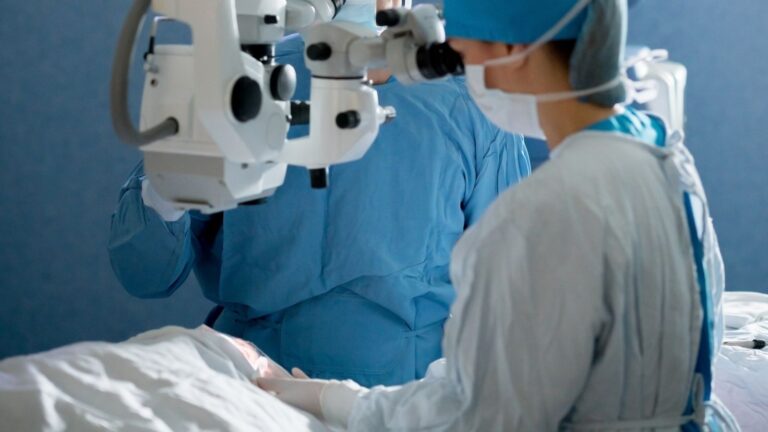
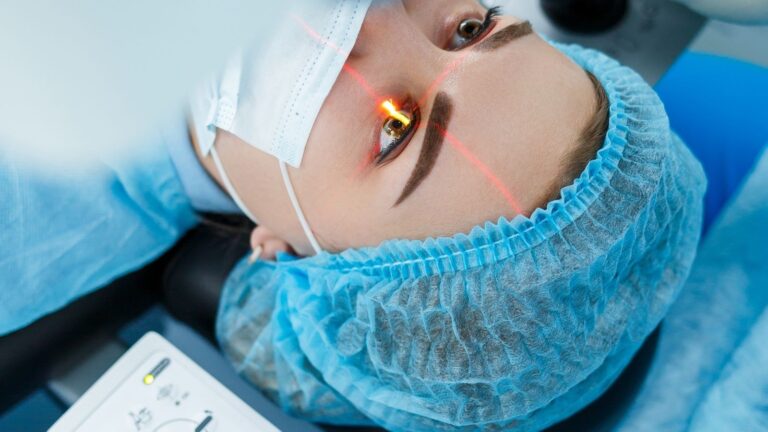
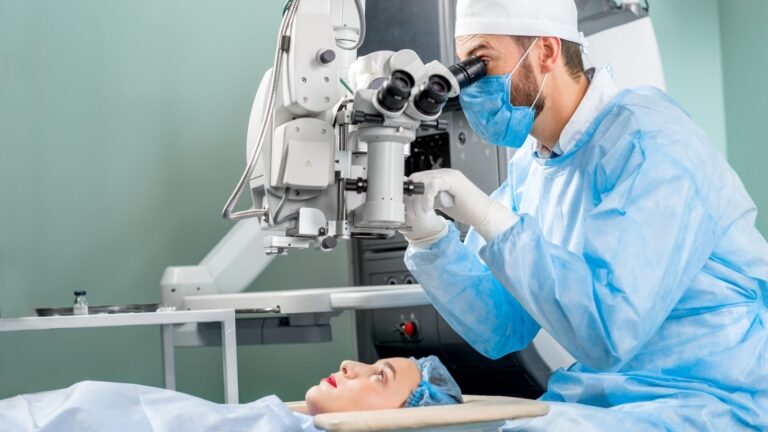
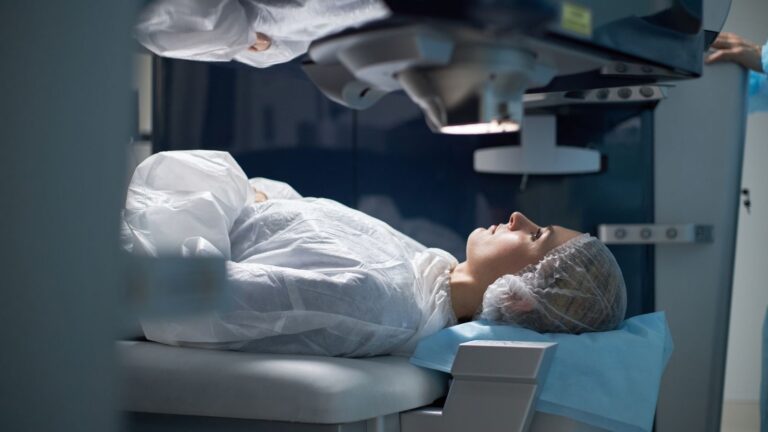
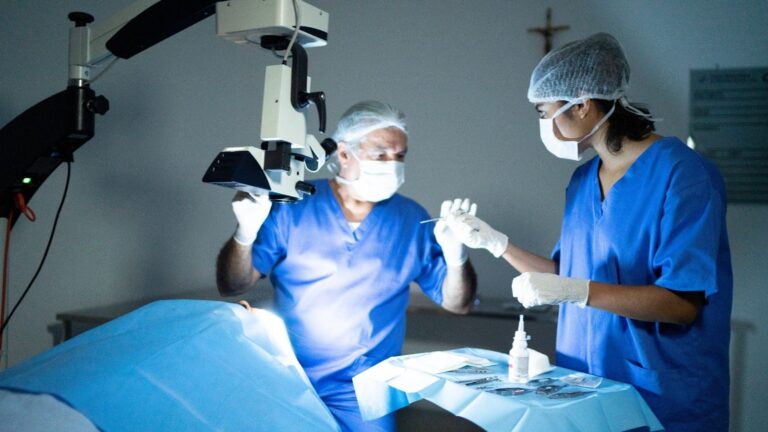
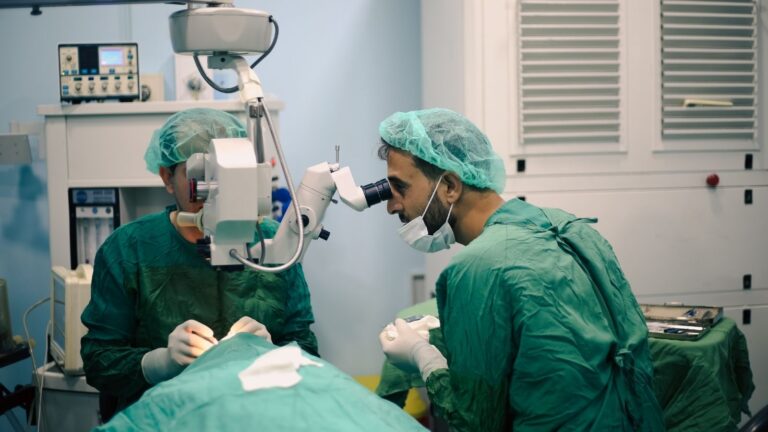
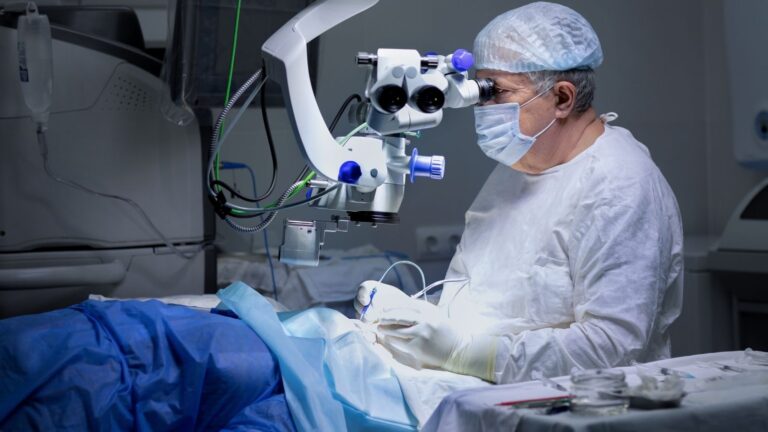
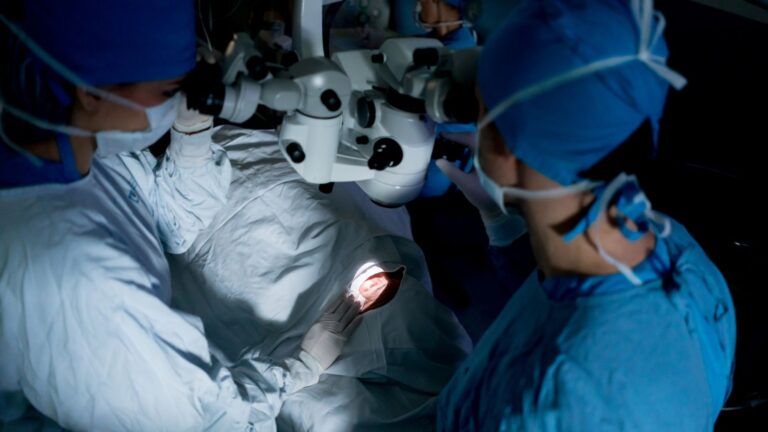
Surgical options are also available for the treatment of presbyopia. Laser procedures and multifocal lens implants are among the more permanent solutions. The appropriate method is determined according to the patient's eye structure and expectations.
| Definition | Reduced ability to see nearby objects because the eye's natural lens loses flexibility with age |
|---|---|
| Causes | Hardening and reduced flexibility of the eye's natural lens with age |
| Symptoms | Difficulty seeing up close, difficulty reading, squinting, headaches, eye fatigue |
| Diagnostic Methods | Eye examination, refraction test (measurement of visual prescription) |
| Treatment Methods | Reading glasses, bifocal or multifocal glasses, multifocal contact lenses, refractive surgery, intraocular lens implantation (trifocal IOL) |
| Complications | Headaches and eye fatigue caused by using an incorrect glasses prescription |
| Prevention | Presbyopia is a natural part of aging and cannot be prevented |
| Who Is More Commonly Affected | Everyone over the age of 40, particularly those with a family history |
| Recovery Period | It is permanent and managed throughout life with regular use of glasses or contact lenses |
| When to See a Doctor | If difficulty seeing up close, difficulty reading or performing daily tasks, or new vision problems develop |
Presbyopia is the age-related reduction in the ability to see nearby objects clearly as the eye's natural lens loses its flexibility. It usually begins after the age of 40 and causes difficulty seeing nearby objects such as reading material and phone screens. It is a natural part of aging and differs from refractive errors such as myopia and hyperopia. Reading glasses, multifocal lenses, or refractive surgical methods may be used for treatment.
Several fundamental mechanisms play a role in the development of presbyopia:
- Hardening of the Eye's Natural Lens
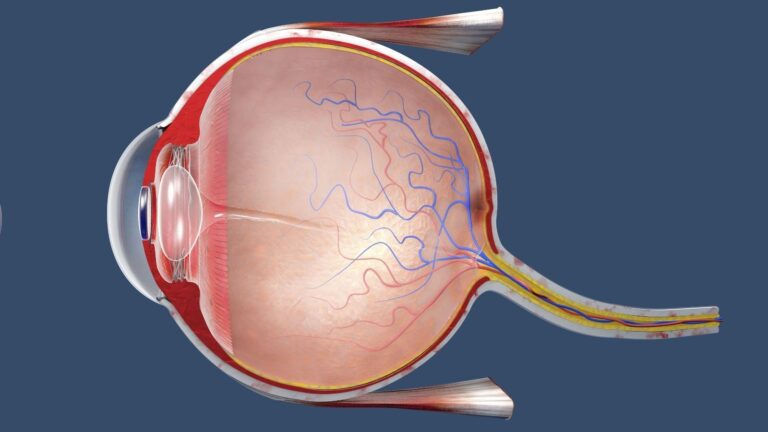
As a person ages, the protein structure of the eye's natural lens changes and the lens gradually becomes harder. Just like a piece of plastic that dries out and loses its flexibility over the years, the eye's natural lens can no longer bend as easily as it once did.
- Loss of Elasticity
The eye's natural lens becomes less able to change shape. It can be compared to a sponge that gradually loses its ability to deform. A sponge is flexible and soft when first purchased, but becomes hard and difficult to squeeze or reshape after prolonged use.
- Changes in the Zonular Fibers and Muscular System
During accommodation, the muscles surrounding the eye's natural lens, known as the ciliary muscles, contract or relax to adjust the shape of the lens. The zonular fibers connected to these muscles change the position of the lens. With age, the structure and strength of these muscles and fibers may decline. Just as a spring loosened by frequent use can no longer function fully, these fibers may no longer provide sufficient flexibility.
- Accumulation of Lens Proteins
Proteins within the eye's natural lens accumulate over time and may affect the transparency and flexibility of the lens. Some studies suggest that the accumulation and hardening of these proteins may accelerate the progression of presbyopia.
The common result of all these mechanisms is difficulty seeing nearby objects clearly. Initially, it may be experienced as mild difficulty reading small print. As the condition progresses, it can cause noticeable problems even during everyday tasks.
Presbyopia can cause various symptoms, particularly difficulty reading:
- Blurred Near Vision: This may appear as an inability to read small print clearly or distinguish fine details. The eyes strain when trying to focus on a mobile phone or book. Sometimes even holding the material at arm's length may not be sufficient to see the text clearly.
- Eye Fatigue and Pain: Stinging, burning, watering, or pain in the eyes may occur after prolonged reading or near work. This results from the additional effort made by the eye muscles.
- Headache: The intense effort required from the eye muscles for accommodation may cause tension-type headaches, particularly later in the day.
- Greater Difficulty in Low Light: In dim environments, the eyes must work harder to focus at close distances. People with presbyopia find it even more difficult to distinguish text when the light is inadequate.
- Need to Increase Reading Distance: The tendency to hold newspapers, books, or text on a phone farther away becomes more noticeable.
Similar difficulties with near focusing may also occur when reading signs while driving at night or viewing fine details in dark environments.
Presbyopia is described as a condition that almost everyone will experience with age. After the age of 45, many people begin to experience difficulty with near vision (presbyopia). Just as the gradual loss of skin elasticity is a natural process, the hardening of the eye's natural lens is also considered natural. Many studies suggest that genetic and environmental factors can affect how quickly the process develops and the age at which it begins. For example, some studies indicate that presbyopia may begin earlier in regions where people are exposed to high temperatures or intense ultraviolet light.
This inevitability does not mean that presbyopia begins at the same age in everyone. In some people, it appears around the ages of 37-38, while in others it becomes noticeable after the age of 45. It generally becomes clearly noticeable between the mid-40s and early 50s and usually reaches its highest level by the mid-60s. After this period, the rate of progression may slow and eventually stabilize.
Several factors may contribute to the earlier development of presbyopia:
- Environmental Factors: Presbyopia may appear earlier in occupational groups exposed to more intense sunlight in southern regions or required to work in high temperatures.
- Occupations Requiring Near Focus: Occupations involving prolonged computer use, handicrafts, or music, particularly reading sheet music continuously at close range, force the eye's natural lens and muscular system to work more intensively. Presbyopic symptoms may therefore be noticed earlier.
- Systemic Diseases: Conditions such as diabetes, anemia, and hormonal disorders may negatively affect the eye's focusing mechanism and accelerate near-vision problems.
- Habits: Smoking and heavy alcohol consumption can damage general health and reduce the renewal rate of eye tissues. This may contribute to the early symptoms of presbyopia.
Early presbyopia can be surprising because it causes difficulty seeing up close at ages when the condition is not yet common in the general population. Cases of presbyopia noticed even among people aged 35-38 have been recorded.
The first two conditions that come to mind when discussing near-vision impairment are presbyopia and hyperopia. Although both share the symptom of blurred near vision, their underlying mechanisms differ:
- Hyperopia
Hyperopia is a structural refractive error of the eye. The eyeball may be shorter than normal, or the cornea may be flatter. As a result, incoming light focuses behind the retina, and the person may have difficulty seeing clearly both near and far. However, when the eye's natural accommodation capacity is strong, a young person with mild hyperopia may not notice the condition for a long time.
- Presbyopia
The main problem in presbyopia is not the shape of the eyeball but the age-related hardening and loss of flexibility of the eye's natural lens. Even a person with completely normal vision at a younger age may develop difficulty seeing up close when presbyopia develops.
Presbyopia is therefore described as a natural process associated with the passage of time, while hyperopia is considered a structural refractive error.
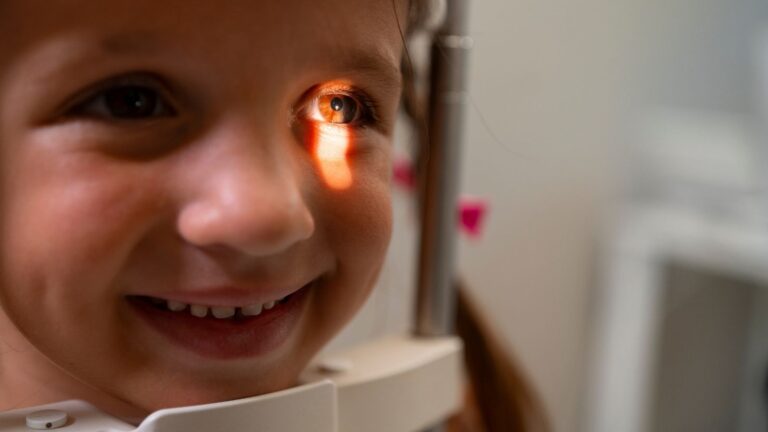
The diagnostic process is relatively straightforward and is performed during a routine eye examination. It usually includes the following steps:
- Visual Acuity Test
Special charts are used to determine how clearly the person can see at distance and near. Smaller letters and fine details are tested using near-vision charts.
- Refraction Examination
The refractive power of the eye is measured using instruments such as an autorefractometer or through retinoscopy. This determines whether the person has myopia, hyperopia, or astigmatism and whether additional lens power is needed for presbyopia.
- Measurement of Accommodation Range
Various methods are used to examine how much the eye's natural lens can change shape to focus at close distances. This helps determine how rigid the lens has become and how effectively it can still focus.
- Evaluation of Medical History and Complaints
Information about systemic conditions such as diabetes, anemia, and thyroid enlargement, as well as environmental factors such as intensive computer use and excessive exposure to ultraviolet light, is also important because these factors may contribute to the earlier onset of presbyopia.
An accurate diagnosis is essential for determining the most appropriate treatment method or glasses prescription.
Presbyopia may occur alongside many other age-related changes. Cataracts, which involve loss of transparency in the eye's natural lens, generally occur at older ages and may progress during the same period as presbyopia. Similarly, the risk of glaucoma increases with age. However, this may be considered a parallel process rather than one directly related to presbyopia.
Retinal diseases may also become more common during the period when presbyopia develops. Age-related macular degeneration, for example, impairs detailed vision. A person may therefore experience both presbyopic complaints and vision problems associated with macular degeneration during the same period. For this reason, the presence of other eye conditions must also be evaluated through a comprehensive eye examination during the diagnosis and treatment of presbyopia.
Various non-surgical methods are available for managing presbyopia. Glasses and contact lenses are among the most common choices:
- Reading Glasses
Reading glasses are a simple but effective solution. They contain single-vision lenses designed specifically for near distances. Because they are put on and removed as needed, they must be kept readily available.
- Bifocal and Trifocal Glasses
Bifocals contain a near-vision area in the lower portion and a distance-vision area in the upper portion. They may not be sufficient for tasks requiring intermediate vision, such as computer use. Trifocal glasses include an additional intermediate-distance area to address this problem. However, because bifocal and trifocal lenses have visible dividing lines, some people may choose not to use them for aesthetic or practical reasons.
- Progressive Glasses
Progressive lenses have a multifocal design that enables transitions between distance, intermediate, and near vision. Because the transition zones are gradual, they do not have the clearly visible divisions found in bifocal or trifocal lenses. Although they can provide a comfortable range of vision, first-time users may need an adaptation period.
- Contact Lenses
Monovision Lenses: One eye is fitted with a lens for distance vision and the other with a lens for near vision. The brain goes through a complex adaptation process to combine the two separate focusing systems. Although functional once the person adapts, this method may cause some difficulties with depth perception or night vision.
Multifocal Lenses: These are specially designed contact lenses with both distance and near focusing zones. Modern technologies have produced multifocal lenses with improved visual quality. However, they may not provide the same level of comfort for every user.
- Pharmacological Treatments (Eye Drops)
Pupil-constricting eye drops, known as miotic drops, have recently become a subject of research. Active ingredients such as pilocarpine increase depth of focus by constricting the pupil. This may temporarily improve the symptoms of presbyopia. Some approved drops are available for clinical use. However, because the required frequency of use, side-effect profile, and duration of effect may vary from person to person, medical supervision is important.
The advantages of non-surgical methods are that they are reversible and relatively low-risk. Surgical approaches may be considered in people with advanced presbyopia or those who are uncomfortable with these methods.
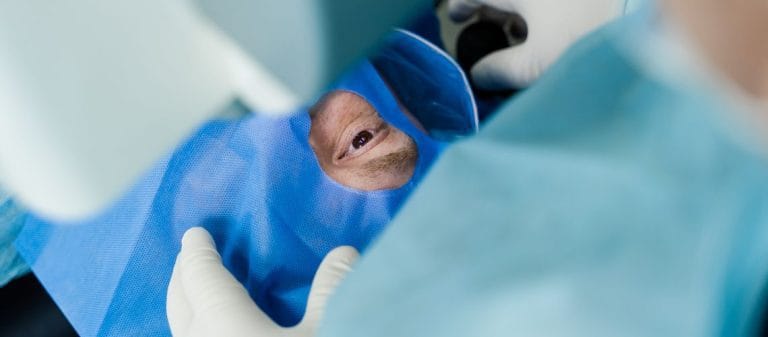
Surgical methods provide an option for people seeking a more permanent solution or who are uncomfortable with glasses and contact lenses:
- PresbyLASIK
This laser procedure creates a multifocal ablation pattern on the corneal surface to enable focusing at different distances. The cornea is reshaped to have different refractive powers in different areas, much like a lens. After this procedure, some patients may experience light scatter, halo effects, or loss of contrast during night vision.
- Corneal Inlay Procedures
KAMRA Inlay: This is a small ring-shaped implant placed within the corneal tissue. It is intended to improve near vision by increasing depth of focus.
Raindrop Inlay: This is a transparent hydrogel implant placed in the center of the cornea to improve near vision. Side effects such as corneal opacity have been reported in some patients.
Flexivue Microlens: This implant has a transparent central area and a peripheral area with refractive power. It can be removed or replaced when necessary.
- Lens Exchange Operations
Refractive Lens Exchange (RLE): The person's natural lens is removed and replaced with a multifocal or trifocal artificial lens, also known as an intraocular lens or IOL. It is generally preferred more often in older people and those at risk of cataracts.
Phakic Lens Implants: An additional artificial lens is implanted while the person's natural lens remains in place. This method is generally used for high refractive errors, but multifocal designs suitable for presbyopia are also available.
- Scleral Procedures
These include procedures such as scleral expansion bands, which aim to restore flexibility to the eye's natural lens by changing the pressure on the ciliary muscles. Although results in the scientific literature are inconsistent, partial improvement has been reported in some cases.
Although surgical procedures offer more radical and permanent results, they also carry risk factors and the possibility of complications, as with any operation. Dry eyes, light scatter, halos, difficulty driving at night, risk of infection, and undesirable refractive outcomes are among these risks. Selecting an appropriate patient, conducting a detailed preoperative evaluation, and managing expectations realistically are extremely important.
There has recently been considerable interest in pharmacological agents developed for presbyopia. Pupil-constricting miotic drops, in particular, can help sharpen near vision. Drops containing pilocarpine are among the approved treatment options and may improve near vision for several hours. However, the effect is temporary and regular daily use may be required.
Some molecules described as lens-softening agents are also being investigated. These were expected to increase flexibility by reorganizing the protein structures accumulated within the eye's natural lens. However, clinical trials have not produced results as successful as expected, so there is currently no widely used lens-softening medication. Research in this field is continuing.
Presbyopia cannot be completely prevented or eliminated because it is considered a natural part of aging. However, certain lifestyle changes may slightly delay its onset or reduce the severity of its symptoms:
- Regular Sleep and Healthy Nutrition
A healthy sleep routine and a diet rich in vitamins and minerals are important for general eye health. They support the renewal capacity of the body's cells and help the eye's natural lens remain healthier.
- UV Protection
High levels of ultraviolet exposure may accelerate the premature aging of the eye's natural lens. Wearing high-quality sunglasses helps minimize these harmful effects.
- Regular Eye Examinations
In addition to presbyopia, conditions such as latent hyperopia, astigmatism, and cataracts can be detected early. Eye examinations performed at appropriate intervals are important for both early diagnosis and accurate treatment planning.
- Breaks from Digital Screens
Prolonged near focusing causes the eye muscles to become excessively fatigued. Practices such as the 20-20-20 rule, looking approximately 20 feet (~6 meters) away for 20 seconds every 20 minutes, allow the eyes to rest.
- Limiting Smoking and Alcohol
Smoking and alcohol increase free radicals in the body and damage vascular structures. This can negatively affect many organs, including the eyes, and contribute to the earlier development of presbyopic symptoms.
Although these measures cannot eliminate presbyopia completely, they can help protect eye health and slow the progression of near-vision difficulties.
Because computers, smartphones, and tablets are now widely used, the term digital eye strain is frequently encountered. Continuously looking at screens from a close distance reduces the blinking rate, potentially causing dry eyes and an increased need for near focusing. This is even more noticeable in people with presbyopia because eyes already experiencing difficulty with near vision must make additional effort to view a screen.
When digital eye strain and presbyopia occur together, they can cause considerable discomfort in everyday life:
- Having to put on and remove reading glasses throughout long working hours,
- Watery eyes, burning, or blurred vision,
- Temporary loss of clarity when changing focus, such as looking away from a computer and focusing on a distant point,
Neck and back pain may occur because of postural problems such as leaning forward or raising the head excessively to see the screen clearly.
Measures such as taking breaks to rest the eyes, adjusting screen brightness, using the correct glasses prescription, and making an effort to blink regularly can help manage this discomfort.