
Eye strain is a temporary condition that occurs after prolonged activities requiring visual focus, such as using a computer or phone or reading a book. Symptoms include burning, stinging, blurred vision, and headache.
Looking at digital screens for extended periods reduces the blinking rate, which can lead to dryness and fatigue. Taking regular breaks and using suitable lighting can reduce symptoms.
If eye strain becomes chronic, underlying eye disorders should be investigated. Hyperopia, astigmatism, or dry eye may trigger this condition.
Preventive measures include following the 20-20-20 rule, adjusting the viewing distance from the screen, and using artificial tears. Regular eye examinations help prevent eye strain from becoming persistent.
| Definition | Discomfort and fatigue in the eyes caused by activities requiring prolonged focus, such as computer use or reading. |
|---|---|
| Causes |
- Looking at screens for extended periods, including computers, phones, and tablets.
- Reading in poor lighting conditions.
- Dry eye.
- Wearing the wrong glasses.
| Symptoms |
|---|
- Eye pain or discomfort.
- Headache.
- Blurred vision.
- Dry or watery eyes.
- Neck and shoulder pain.
| Diagnostic Methods |
|---|
- Eye examination.
- Vision tests.
- Assessment of digital screen use habits.
| Treatment Methods |
|---|
- The 20-20-20 rule: Every 20 minutes, look at something 20 meters away for 20 seconds.
- Artificial tear drops.
- Providing suitable lighting.
- Checking glasses or contact lenses.
| Complications |
|---|
- Increased dry eye in the long term.
- Chronic headaches.
- Progression of vision problems.
| Prevention Methods |
|---|
- Having regular eye examinations.
- Reducing computer screen brightness.
- Using appropriate lighting in the working environment.
| Risk Factors |
|---|
- Prolonged use of digital screens.
- Inadequate lighting.
- Underlying eye diseases.
Eye strain is a condition characterized by discomfort and fatigue following prolonged and intensive visual concentration. It develops after activities such as using a computer, reading, or looking at screens for extended periods. Symptoms include blurred vision, headache, dry eyes, burning, and difficulty focusing. It can be prevented by taking regular breaks, adjusting screen brightness, and keeping the eyes moist. An eye examination is recommended if symptoms persist.
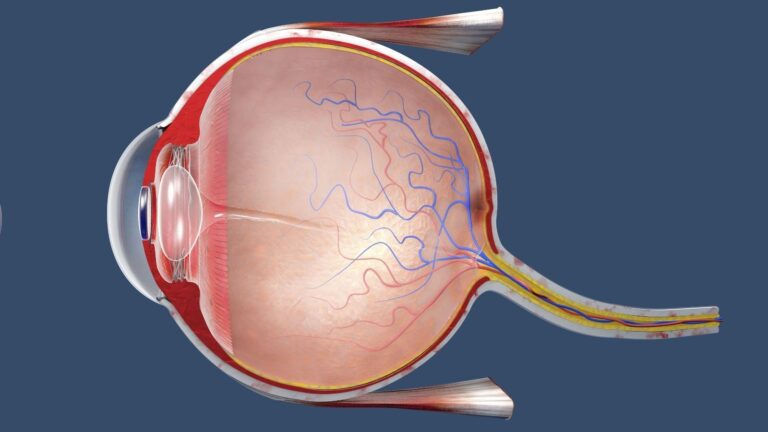
Understanding the structure and working mechanism of the eye is important for understanding eye strain. The eye performs two basic functions to produce clear vision:
- Accommodation: This is the system that allows the natural lens of the eye to change shape when looking at near or distant objects so that the image is clearly focused on the retina. This system is controlled by the ciliary muscles.
- Convergence: This is the inward movement of both eyes to focus on the same target. This convergence mechanism is used intensively during close-up activities such as reading a book or looking at a phone screen.
Prolonged close-up work or digital screen use may overwork these two systems, accommodation and convergence, and eventually cause symptoms such as eye pain, blurred vision, or watering. Just as an athlete who works the same muscle group for too long without an opportunity to rest may develop muscle pain, the eye muscles may undergo a similar process of "muscle fatigue."
A craftsperson who constantly focuses at close range while working on small details may experience pain around the eyes and mild headaches at the end of the day. This is a typical example of convergence and accommodation fatigue.
Eye strain may present with various symptoms. Not every patient experiences the same symptoms, but common complaints include:
Blurred Vision
- Difficulty focusing on near or distant objects
- Letters appearing to merge, particularly while reading text
Double Vision (Diplopia)
- Temporary episodes of double vision after prolonged reading or screen use
- Improvement after closing and reopening the eyes or looking at a different point
Headache
- Throbbing pain, generally in the forehead or around the eyes
- Becoming particularly noticeable in the evening
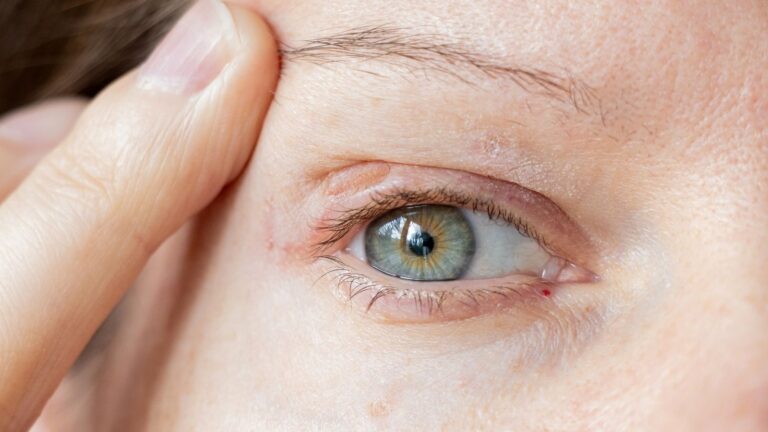
Dryness and Burning in the Eyes
- Stinging or a sensation of "sand in the eye"
- Paradoxical watering as a defense mechanism of the eye, known as reflex tearing
Light Sensitivity (Photophobia)
- Intolerance of bright light sources
- A need to squint or seek a dark environment
Pain and Heaviness in the Eyes
- Difficulty opening and closing the eyelids
- A feeling of pressure around the eyes at the end of a long day
Neck, Shoulder, and Back Pain
- Musculoskeletal pain caused by constantly leaning forward while looking at a screen or working at close range, particularly when combined with poor posture
Neck pain and dry eyes experienced by a student who studies or takes notes on a screen for hours during an examination period may intensify the symptoms of eye strain.
Various factors can cause "eye strain." Symptoms generally become more severe when several factors occur together.
Digital Screens
- Prolonged use of devices such as computers, tablets, and smartphones
- Dry eye caused by a reduced blinking rate
Unsuitable Lighting
- Working under excessively bright lighting or in a very dim environment
- Reflections from bright sunlight or intense office lighting
Poor Visual Habits and Lack of Ergonomics
- Looking at a monitor from too close or too far away
- Incorrect sitting position and constantly working with the head tilted forward
Irregular Sleep
- The eye muscles not being able to rest fully
- Exposure to blue light until late at night
Underlying Eye Diseases
- Latent strabismus and refractive errors requiring glasses, including myopia, hyperopia, and astigmatism
- Corneal surface problems such as dry eye disease
Contact Lens Use
- Wearing contact lenses for extended periods may cause dryness and irritation of the ocular surface
- Contact lenses may cause greater discomfort, particularly during computer use
Certain Occupational Groups
- Laboratory technicians, dentists, jewelers, and watch repairers who perform detailed close-up work
- Software developers or graphic designers who use screens intensively
Eye strain, or asthenopia, generally tends to improve with rest, ergonomic adjustments, and changes in visual habits. However, some symptoms may indicate more serious diseases. For example:
- Eye pressure or glaucoma: It may cause persistent and severe headaches and visual field loss. Eye strain does not typically cause this type of permanent vision loss.
- Cataract: Blurred vision gradually increases and night vision deteriorates, but the condition does not improve with rest.
- Retinal diseases such as macular degeneration: These may cause reduced central vision and occasional flashes of light. They also do not present as conditions that improve with rest.
- Dry eye disease: Although chronic ocular surface dryness may be confused with eye strain in people who use computers for extended periods, irritation caused by dry eye may continue even after resting.
If symptoms such as burning, blurriness, or eye pain persist despite simple precautions, a comprehensive eye examination should be performed to investigate whether another underlying disease is present.
The diagnosis of eye strain is based largely on the patient's medical history and an eye examination.
- Detailed Medical History: The doctor asks about the patient's visual activities, working habits, environmental conditions, and the duration of the current symptoms.
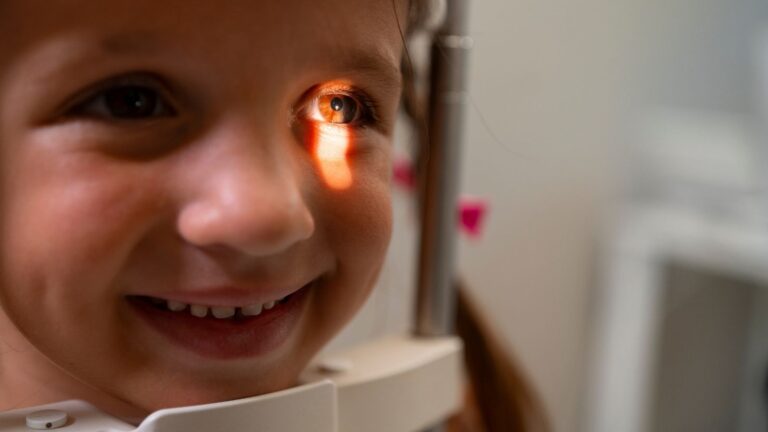
- Eye Examination: A standard visual acuity test, eye pressure measurement, biomicroscopic examination, and, when necessary, a fundus examination are performed.
- Additional Tests: In some cases, additional tests may be requested to measure convergence and accommodation abilities, such as the near point of convergence and accommodation amplitude.
When a patient who works as a computer engineer presents with the complaint, "My eyes become tired very quickly now, and everything becomes blurry when I look at the computer in the evening," an eye examination is first performed to determine whether a refractive error is present. If glasses are not required, convergence and the tear film are evaluated to clarify the diagnosis.
Managing eye strain is generally possible through lifestyle adjustments and several simple but effective methods.
The 20-20-20 Rule
- Every 20 minutes, look at something 20 feet, approximately 6 meters, away for 20 seconds
- A practical and effective habit for people who work at computers
Adjusting Screen Settings
- Adjusting brightness, contrast, and font size
- Using filters that reduce blue light or switching to night mode
Correct Sitting Position and Working Distance
- Positioning the screen slightly below eye level
- Maintaining a distance of approximately 50-70 cm
Using Suitable Lighting
- Positioning the light source so that it does not reflect directly onto the screen
- Preventing sunlight from shining directly into the eyes or onto the screen
Remembering to Blink
- The blinking rate decreases during prolonged screen use
- People with dry eye problems may use artificial tear drops
Rest and Sleep Routine
- Sleeping for 7-8 hours a day is recommended to allow the eyes to rest sufficiently
- Avoiding exposure to bright blue light during the evening
Choosing Ergonomic Glasses or Contact Lenses
- The eye muscles of people with mild myopia or hyperopia may work harder if they do not wear glasses
- Choosing lenses with an anti-reflective coating
Regular Eye Examinations
- Regular examinations can determine whether a refractive error or latent strabismus is present
- Eye pressure measurements should also be included in routine examinations after the age of 40
It is commonly observed that a person with eye strain may experience a 50% reduction in symptoms simply by reducing monitor brightness and beginning to take regular breaks.
Eye strain can generally be controlled without causing permanent damage. However, this requires both individual effort and medical treatment when necessary.
Orthoptic Exercises and Vision Therapy
- Exercises to strengthen the eye muscles, particularly in patients with convergence insufficiency
- Supporting coordinated use of the eyes while reading at close range
Artificial Tear Drops
- Prescribed in cases where dry eye findings are predominant
- Helping the ocular surface remain moist
Correction of Refractive Errors
- Correcting myopia, hyperopia, and astigmatism with glasses or contact lenses
- Glasses with an incorrect prescription may increase eye strain
Anti-Fatigue Glasses
- Special lenses with a slight addition for near vision or microprisms, particularly for people who look at screens for extended periods
- Eyewear adjustments based on occupational requirements
Environmental Adjustments
- Filters that reduce reflections on the screen
- Maintaining room temperature and humidity at suitable levels
Nutritional Support
- Foods containing omega-3, lutein, zeaxanthin, and vitamins A, C, and E may support visual function
- Some clinical studies have found evidence that antioxidants such as bilberry may be beneficial
Some recent studies have observed reduced symptoms of dry eye and eye strain in people with prolonged screen exposure who took a specified daily dose of omega-3 supplements. The aim is to strengthen the tear film.
Eye strain does not always indicate a serious underlying disease. However, consulting a specialist is important in the following situations:
Long-Lasting and Increasingly Severe Symptoms
- Eye pain and vision problems lasting from several days to several weeks that do not improve with rest
- Double vision becoming increasingly pronounced
Persistent Headache and Nausea
- Chronic and unbearable headaches accompanying eye strain
- Pain that begins immediately after waking in the morning or prevents sleep at night
Sudden Vision Loss
- Cases that are neglected because they are mistaken for eye strain but may actually involve a problem with the retina or optic nerve
- Dark areas or a curtain-like effect in the visual field
Risk of Other Eye Diseases
- A family history of glaucoma or early cataract
- Eye symptoms associated with systemic conditions such as diabetes, hypertension, or rheumatic diseases
A person with diabetes may mistake eye strain for a normal condition and notice intraocular bleeding or diabetic retinopathy too late. Regular eye examinations and taking symptoms seriously are therefore vital, particularly for people in risk groups.
Patients may often ignore simple recommendations and allow their symptoms to progress. Some common examples include:
Looking at Digital Screens "Without Taking Breaks"
- The mistaken belief that working or studying without breaks is "more productive"
- Not allowing the eye muscles time to rest
Ignoring Proper Lighting and Ergonomics
- Positioning the computer screen opposite direct sunlight or intense lighting
- Using a phone at high brightness in a dark room
Not Wearing Glasses When They Are Required
- Thinking, "I only have mild myopia, so I do not need glasses for minor problems"
- Increasing fatigue by forcing the eyes to work harder
Not Having Existing Glasses or Contact Lenses Checked Regularly
- Wearing glasses with an outdated prescription or exceeding the recommended contact lens wearing period
- Changes in prescription triggering symptoms of eye strain
Using Products Such as Drops or Sprays Randomly
- Certain eye drops used without a prescription or proper knowledge may cause side effects
- Using products containing substances that may aggravate dry eye
The commonly heard excuse among office workers, "I am too busy to take a break," may also reduce productivity in the long term. As eye strain increases, difficulty concentrating becomes more pronounced, headaches may develop, and the quality of work may eventually decline.
New-generation technological devices may also create additional stress for the eyes. Virtual reality headsets and 3D screens, in particular, may challenge the eyes' convergence and accommodation abilities in a different way.
Vergence-Accommodation Conflict
- Although the image is displayed on a fixed screen during virtual reality use, the brain perceives objects at different depths
- When the eyes cannot adapt, dizziness, nausea, and eye strain become more pronounced
Close and Intensive Visual Stimulation
- Because VR headsets are positioned very close to the eyes, the eye muscles may need to remain constantly focused at close range
- Occasionally removing the headset and looking at real objects in the distance allows the eye muscles to rest
Limiting Usage Time
- Spending hours playing games or using educational simulations with VR technology may substantially increase eye strain
- Taking a break of at least 5 minutes every 30 minutes is recommended to rest the eyes
Eye exercises are generally designed to relax the muscles around the eyes and strengthen accommodation and convergence abilities. Although the level of scientific evidence supporting these exercises varies, many patients report relief in practice.
Palming Exercise
- Warm your hands, for example by rubbing them together
- Close your eyes and gently place your warm palms over your eyelids
- Remain in darkness for several minutes and relax your eye muscles
Near-Far Focusing
- Hold a pencil approximately 30 cm from your nose
- Focus first on the pencil and then on a distant corner of the room
- Repeat this transition 10-15 times
Blinking Technique
- Consciously close and open your eyes every 3-4 seconds
- This helps compensate for reduced blinking during screen use
Drawing a Figure Eight
- Try to slowly draw a large "8" in the air with your eyes
- Repeat the shape several times using only eye movements without moving your head
Eye strain may significantly affect not only visual comfort but also overall quality of life.
- Reduced Productivity: Performance may decline, particularly in desk-based work or occupations requiring prolonged concentration.
- Headaches and Stress: Eye strain frequently occurs together with throbbing headaches, which may interfere with daily activities.
- Sleep Disorders: Intensive exposure to blue light may disrupt the circadian rhythm. A person who looks at a screen until late at night may fall asleep later and wake up tired in the morning.
- Withdrawing From Social Life: A person experiencing eye discomfort may prefer to rest instead of participating in social activities after work, which may lead to reduced social interaction.
A person who experiences burning and watering of the eyes together with a headache while watching a television series in the evening may prefer to rest instead of socializing. In the long term, this may also affect mental health.
As technology has become increasingly integrated into our lives, the factors that cause eye strain have multiplied. Educating both employees and students about eye health is therefore particularly important.
- For Students: In children who begin using digital screens at an early age, screen use may contribute to eye strain and create conditions for refractive errors that could develop in the future. Providing information in schools to increase awareness is an important step in protecting children's eye health.
- For Workplaces: Organizations should provide regular breaks, suitable lighting, and ergonomic working environments to improve employee productivity and reduce health problems.
- For Families: Parents should take a proactive approach by limiting their children's screen time and taking them for regular eye examinations.
Although eye strain can generally be resolved through rest and lifestyle adjustments, consulting an ophthalmologist without delay is recommended in the following situations:
- Symptoms that do not improve with rest or become more severe each day
- Persistent headaches, nausea, or narrowing of the visual field
- Flashes of light, sudden vision loss, black spots, or a curtain-like sensation
- Severe eye pain accompanied by redness and discharge, which may indicate an infection
- People with diabetes or hypertension and those with a family history of serious eye disease