Contents:
Dry eye is a multifactorial ocular surface disease that develops when the balance of the tear film protecting the eye is disrupted. It may result from insufficient tear production, tears evaporating more quickly than normal, or the tear composition failing to protect the ocular surface adequately. Burning, stinging, redness, foreign body sensation, and temporary blurred vision are among the common symptoms. The answer to what helps with dry eye varies depending on its cause and the changes affecting the ocular surface. Regulating screen use and using artificial tears may be sufficient for some people, while others may require an assessment of eyelid disorders, medications, or systemic conditions.
Studies estimate that the prevalence of dry eye ranges from approximately 5% to 50%, depending on the definition and diagnostic methods used. This wide range demonstrates that the same assessment cannot be made for every patient based on a single symptom or test result. The severity of symptoms does not always correspond to the examination findings. Diagnosis and treatment should therefore be planned by considering the patient's complaints together with the tear film and ocular surface findings.
How Does Dry Eye Develop?
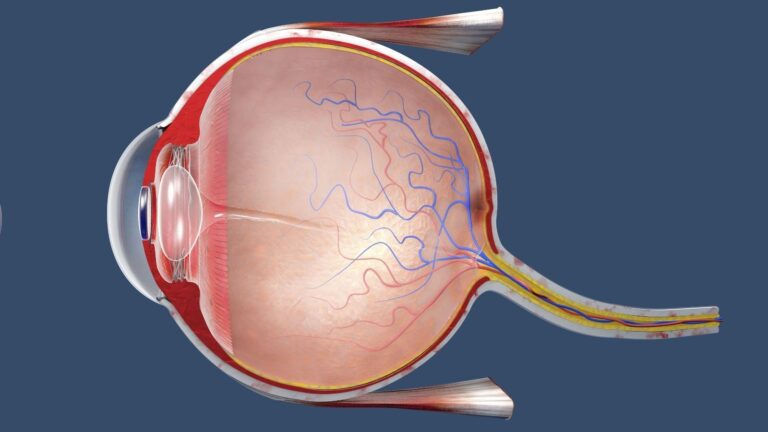
A healthy tear film helps keep the cornea and conjunctiva moist, protects the ocular surface from external factors, and maintains clear vision. Traditionally, the tear film is evaluated in terms of its lipid, aqueous, and mucin components. The lipid component produced by the meibomian glands along the eyelid margins limits evaporation. The aqueous component moisturizes the ocular surface, while the mucin component helps tears spread evenly across it. A disruption in any of these components may affect tear film stability.
When tear production decreases or tears evaporate quickly, tear concentration may increase and an inflammatory process may develop on the ocular surface. This process may affect the corneal and conjunctival cells, lacrimal glands, and nerves on the ocular surface. A cycle may then develop in which tear film instability, irritation, and inflammation reinforce one another. Some people may have pronounced symptoms with limited surface damage, while others may have milder complaints despite detectable ocular surface changes during examination.
What Causes Dry Eye?
Dry eye develops through two principal mechanisms: reduced tear production and rapid tear evaporation. Some people may have both mechanisms simultaneously. Reduced tear production may be associated with aging, diseases affecting the lacrimal glands, or certain medications. Meibomian gland dysfunction is one of the common causes of evaporative dry eye.
Working in front of a screen for extended periods may reduce blinking frequency and the completeness of each blink. Air-conditioned environments, low humidity, wind, and cigarette smoke may also cause tears to evaporate more rapidly. Contact lens use, incomplete eyelid closure, blepharitis, and certain structural eyelid problems may contribute to the condition. Advanced age, hormonal changes, thyroid disorders, diabetes, rheumatic diseases, and autoimmune conditions are also among the risk factors that should be assessed.
In autoimmune diseases such as Sjögren's syndrome, dry eye may be accompanied by other symptoms such as dry mouth. Allergy medications, certain psychiatric medications, diuretics, and some blood pressure medications may affect tear production. However, medication effects and individual risks vary. A medication suspected of contributing to dryness should not be discontinued or its dosage changed without consulting the doctor managing the treatment.
What Are the Symptoms of Dry Eye?
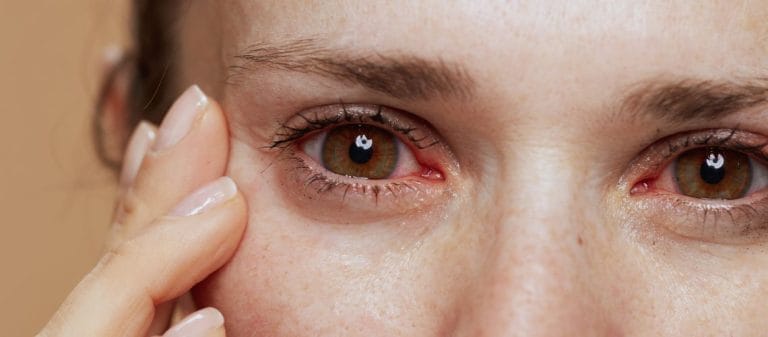
The most common complaints are burning, stinging, and a sensation of having sand in the eye. Redness, sensitivity to light, eye strain, and blurred vision that fluctuates throughout the day may also occur. Blurring that temporarily improves after blinking may be associated with tear film instability. Symptoms may become more noticeable after prolonged screen use, in windy or air-conditioned environments, and later in the day.
Some people notice that their eyes water despite feeling dry. This may be related to reflex tear production in response to ocular surface irritation. Even if the amount of fluid increases, tears may not remain evenly distributed across the surface if the lipid and mucin components are insufficient. Watering therefore does not always mean that the ocular surface is adequately moisturized.
How Should Daily Habits Be Adjusted?
One of the first steps in reducing dry eye is identifying environmental factors that worsen the symptoms. Air conditioners, fans, and heaters can be prevented from blowing directly toward the face, and workplace humidity can be maintained at an appropriate level. In windy weather, wraparound protective glasses may help limit tear evaporation. Avoiding smoking and cigarette smoke also helps reduce ocular surface irritation.
These adjustments are supportive and do not replace an examination when symptoms persist. Frequent eye rubbing should be avoided because it may increase irritation. Regular sleep and sufficient fluid intake are important for general health, but they do not eliminate dry eye on their own. Herbal mixtures, teas, or other substances should not be applied directly to the eyes because they may cause irritation, allergic reactions, or infection.
What Should Be Considered During Screen Use?
Looking at a computer, phone, or tablet screen for extended periods may reduce blinking frequency. Because the ocular surface remains exposed for longer, dry eye symptoms may increase. The 20-20-20 rule means looking at an object approximately 6 meters away for 20 seconds every 20 minutes. This approach does not replace treatment, but it is a practical way to remember to take regular breaks.
Consciously blinking fully several times during breaks may help distribute tears across the ocular surface. Adjusting screen brightness to the ambient lighting and reducing reflections support visual comfort. Positioning the screen slightly below eye level may reduce the opening between the eyelids and limit ocular surface exposure. Persistent stinging, redness, or blurred vision during screen use should not be managed through screen adjustments alone.
How Are Artificial Tears Used?
Artificial tears are among the principal options used to moisturize the ocular surface and relieve dryness. Their ingredients, viscosity, and duration of action may vary. More fluid drops may be sufficient for mild complaints, while thicker gels, nighttime ointments, or lipid-containing products may be considered for some people. Because thicker products may cause temporary blurred vision after application, the timing of use should be determined according to individual needs.
Preservative-free options may be considered for people who need to use drops frequently or have a sensitive ocular surface. However, this does not mean that every product containing preservatives is harmful to every patient. Because products do not have the same effect on everyone, the choice should be based on the type of tear deficiency and examination findings. Prescription eye drops containing corticosteroids or medications that regulate the immune response should not be used without medical supervision because of risks such as increased intraocular pressure and infection.
Are Diet and Water Consumption Effective?
Adequate fluid intake helps maintain the body's overall fluid balance, but drinking more water does not resolve every case of dry eye on its own. Fish such as salmon, sardines, and mackerel and foods such as walnuts, flaxseeds, and chia seeds contain omega-3 fatty acids. A balanced diet supports general health, but no specific food can be said to treat dry eye. In a controlled study involving 535 people with moderate to severe dry eye, taking 3,000 mg of omega-3 supplements daily for 12 months did not produce better results than a placebo.
This result does not mean that foods containing omega-3 should not be consumed. However, supplements should not be expected to reduce dry eye in every person. If omega-3 supplementation is being considered, current medications, bleeding risk, and existing conditions should be taken into account. The supplement and dosage should be selected based on an individual assessment.
Do Contact Lenses Increase Dryness?
Contact lenses may affect tear film balance and increase dryness in some people. Stinging, redness, blurred vision, and discomfort at the end of the day may become more pronounced, particularly with prolonged use. It is important to pay attention to the lens material, wearing time, replacement schedule, and cleaning. People with dry eye may need a more suitable type of lens or shorter wearing times.
Temporarily discontinuing contact lens use may be considered when symptoms worsen. Contact lens solutions may also irritate the ocular surface in some people. Significant pain, intense redness, sensitivity to light, discharge, or reduced vision while wearing contact lenses may indicate a more serious problem, such as an infection. The lenses should be removed and medical assessment should not be delayed if these symptoms occur.
Warm Compresses and Eyelid Care
When the meibomian glands along the eyelid margins do not function properly, tears may evaporate more quickly. A warm compress at a suitable temperature may help soften thickened oil secretions in some people. Gentle eyelid massage and cleaning along the lash line, performed as recommended, may then help the gland secretions flow out. Excessive pressure should not be applied to the eyelids, and temperatures that could burn the skin should be avoided.
When blepharitis is also present, eyelid hygiene may become a more important part of the treatment plan. However, the same cleansing product, compress duration, or frequency of application is not recommended for everyone. The material used must be clean and should not irritate the eye area. Eyelid care is used as part of the treatment plan when necessary, not as a replacement for eye drops or other treatments.
How Is Dry Eye Diagnosed?
Diagnosis involves assessing the patient's symptoms, medical history, screen and contact lens habits, current medications, and ocular surface examination findings together. Questionnaires such as the 12-question OSDI may be used to measure the effect of symptoms on daily life in a standardized manner. However, a questionnaire result or a single test is not sufficient to confirm a dry eye diagnosis. Dry eye tests provide complementary information about tear quantity, tear film stability, ocular surface damage, and the eyelid oil glands.
The Schirmer test measures how much a special paper strip placed under the lower eyelid becomes wet within 5 minutes. It may be performed with or without anesthesia, and the results have different meanings depending on the method used. The tear breakup time test evaluates how long it takes for the first dry area to appear in the tear film after blinking. The results of fluorescein-based TBUT and device-measured NIBUT without dye should not be interpreted using the same reference values.
Surface damage to the cornea and conjunctiva may be examined using dyes such as fluorescein or lissamine green. Meibography provides images of the meibomian glands inside the eyelids, but gland function is assessed separately through eyelid examination and the quality of the secretions. Tear osmolarity may provide numerical information about the concentration of dissolved substances in the tears. Because test thresholds may vary according to the method, device, and clinical presentation, the results are interpreted together with the symptoms and other examination findings rather than in isolation.
When Is Advanced Treatment Required?
Lifestyle adjustments, artificial tears, and eyelid care may not be sufficient for some people. Prescription anti-inflammatory eye drops may be considered when significant inflammation is present on the ocular surface. Device-assisted treatments such as controlled heat systems or intense pulsed light may be used in selected people with meibomian gland dysfunction. Suitability for these treatments is determined according to skin characteristics, eyelid structure, and examination findings.
In some people with reduced tear production, punctal plugs may help existing tears remain on the ocular surface for longer. Plugs may be designed for temporary or longer-term use, but they are not necessary for every patient. Excessive watering, displacement of the plug, irritation, or, rarely, infection may occur after the procedure. If active ocular surface inflammation or infection is suspected, the condition must be assessed before the plugs are inserted.
For selected people who do not respond adequately to standard treatments and have significant ocular surface damage, autologous serum eye drops prepared from the patient's own blood or specialized contact lenses that protect the ocular surface may be considered. Biological tissue applications may be considered in some cases involving corneal damage that does not heal. All these methods require advanced assessment and regular follow-up. The aim of treatment is not always to eliminate dryness completely, but to control the symptoms and protect the ocular surface.
What Happens If Dry Eye Is Left Untreated?
When dry eye is not controlled, burning, stinging, light sensitivity, and fluctuating vision may continue. Screen use, reading, driving, and wearing contact lenses may become more uncomfortable. Small areas of damage may develop on the corneal surface in some people. In severe cases, particularly those associated with autoimmune diseases, infection, corneal wounds, or more serious surface problems affecting vision may develop.
Not every case of dry eye is expected to progress and cause permanent damage. The course of the disease varies according to the underlying cause, the effects on the ocular surface, and the treatment provided. Environmental adjustments and appropriate treatment can control symptoms in many people. Regular follow-up allows changes in tear film balance and the corneal surface to be assessed.
When Is an Examination Necessary?
Burning, stinging, redness, and blurred vision lasting for days or weeks should be assessed. An examination should not be delayed if there is a noticeable decline in visual quality, increasing pain, intense sensitivity to light, or discharge. Sudden pain and redness in contact lens users may indicate a more serious ocular surface problem. Severe pain, sudden vision loss, or rapidly developing changes in vision require same-day assessment.
This content has been prepared for general informational purposes. Diagnosis and treatment require an examination and individual assessment by an ophthalmologist.