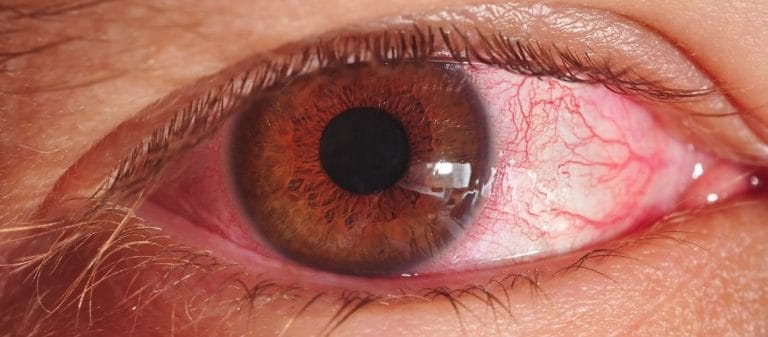
Conjunctivitis is inflammation of the conjunctiva that usually develops due to viral or bacterial agents. It manifests with redness, watering, burning and discharge from the eye. Since it may be contagious, early diagnosis and isolation are important.
Viral conjunctivitis commonly occurs alongside influenza or a cold. Watery eyes, stinging and light sensitivity are typical symptoms. Following hygiene precautions and using supportive eye drops are generally sufficient for treatment.
Bacterial conjunctivitis is characterized by heavy discharge and eyelids sticking together. Appropriate antibiotic eye drops can provide improvement within a short time. If left untreated, it may lead to more serious complications.
Allergic conjunctivitis develops in response to triggers such as pollen or dust. It causes severe itching and watering. Antihistamine eye drops and avoiding allergens are the main treatment approaches. Regular follow-up is important.
| Definition | Inflammation of the thin membrane called the conjunctiva, which covers the white part of the eye and the inner surface of the eyelids. |
|---|---|
| Types |
- Viral Conjunctivitis: Usually associated with the common cold and is contagious.
- Bacterial Conjunctivitis: Characterized by purulent discharge and is contagious.
- Allergic Conjunctivitis: Caused by allergens such as pollen and dust and is not contagious.
- Chemical Conjunctivitis: Develops following exposure to chemical substances.
| Causes |
|---|
- Viruses, such as adenoviruses.
- Bacteria, such as staphylococci and streptococci.
- Allergens, such as pollen and animal dander.
- Chemical irritants.
- Foreign bodies in the eye.
| Symptoms |
|---|
- Redness of the eyes.
- Eye discharge that may be clear, yellow or green.
- Itching or burning sensation in the eye.
- Eyelid swelling.
- Light sensitivity.
| Diagnostic Methods |
|---|
- Eye examination.
- Culture of eye discharge to distinguish between bacterial and viral causes.
| Treatment Methods |
|---|
- Viral: Usually resolves on its own. Soothing eye drops may be recommended.
- Bacterial: Antibiotic eye drops or ointments.
- Allergic: Antihistamine eye drops and avoidance of allergens.
- Chemical: Rinsing the eyes with plenty of water and obtaining urgent medical care.
| Complications |
|---|
- Corneal infection in rare cases.
- Chronic conjunctivitis.
- Scarring of the eye in severe cases.
| Prevention Methods |
|---|
- Washing hands regularly.
- Avoiding touching the eyes.
- Not sharing personal belongings such as towels and pillows.
- Avoiding allergens.
| Risk Factors |
|---|
- Poor hygiene.
- History of allergies.
- Colds or upper respiratory tract infections.
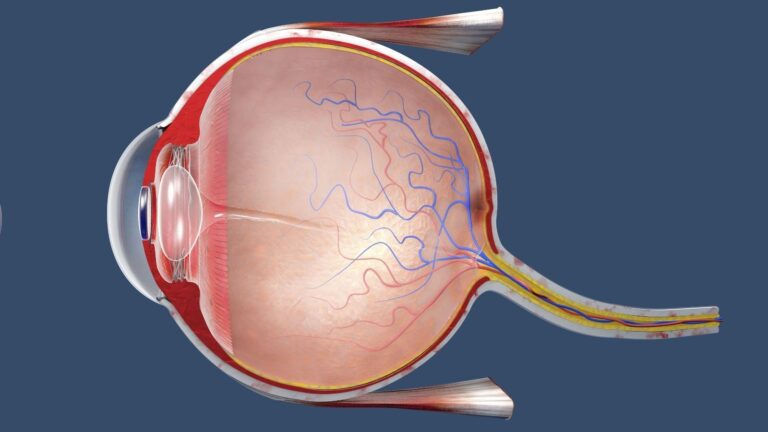
Conjunctivitis is inflammation of the conjunctival layer that covers the white part of the eye and the inner surface of the eyelids. It generally develops due to viral or bacterial infections, allergies or irritants. It manifests with symptoms such as redness, watering, itching, burning and crusting. Infectious forms may be contagious. Treatment is arranged according to the cause and may include antibiotic eye drops, antihistamines or supportive therapies.
Conjunctivitis begins when the thin membrane called the conjunctiva is exposed to various factors. Viruses, bacteria, allergens and even chemical substances can disrupt the integrity of this membrane and cause inflammation. If we compare the eye to a window in a house, the conjunctiva is like a thin layer that protects the window frame and sill. Just as a small crack in the sill can expose the interior to wind, rain and harmful agents, a similar situation occurs in the conjunctiva. When this thin membrane becomes irritated, symptoms such as redness, burning and watering can quickly develop.
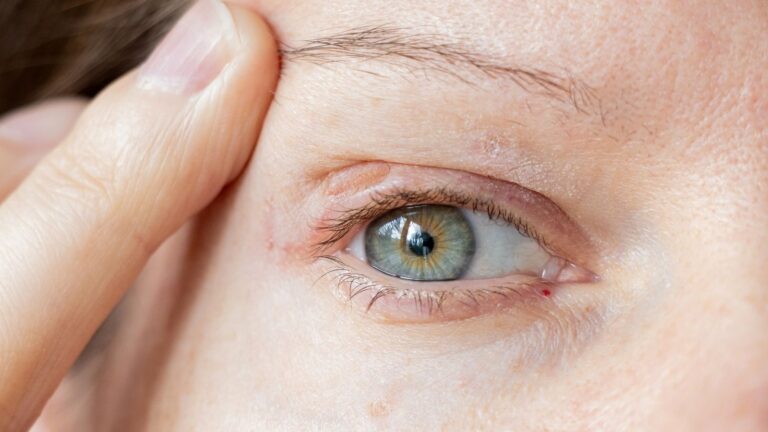
The most typical symptom of conjunctivitis is redness. Inflammation of the conjunctiva causes the blood vessels in the area to dilate. This can be compared to the bloodshot appearance that develops after a sleepless night becoming more pronounced and persistent. However, symptoms are not limited to redness:
- Watering (Increased Tear Production): When viruses or allergens irritate the conjunctiva, the eye responds by producing more tears than normal to protect itself. This can be compared to a faucet that continuously drips because its seal has worn out.
- Stinging and Burning Sensation: Patients often complain of discomfort that feels as though grains of sand are present in their eyes. This sensation results from the inflamed tissue rubbing against the surface and stimulating the nerve endings.
- Itching: Itching is the predominant complaint in allergic conjunctivitis. Consider the itching and sneezing that begin in your nose after spending a long time outdoors during summer. Similar irritation can develop in the eyes. When the eyes and nose are exposed to the same allergens, conjunctivitis becomes almost inevitable.
- Discharge (Pus or Watery Discharge): Bacterial conjunctivitis causes heavy, thick, yellow-green discharge. Discharge in viral conjunctivitis is clearer or slightly whitish. Just as there is a difference between dirty water spraying from a burst pipe and clean water flowing from a faucet, the nature of the discharge can provide information about its cause.
- Eyelid Swelling and Eyelids Sticking Together in the Morning: The tissues around the eyes also respond to inflammation. Swelling and eyelids sticking together are common.
- Light Sensitivity (Photophobia): Light sensitivity may develop, particularly in viral conjunctivitis, if the cornea is also involved.
Each of these symptoms provides clues about the course and cause of the condition. However, a definitive diagnosis often requires a specialist eye examination.
- How Does Viral Conjunctivitis Develop?
Viral agents, particularly adenoviruses, are among the most common causes of conjunctivitis. A viral infection in the patient's nose or throat can easily spread to the eye. Just as warm air may unintentionally pass into another room while trying to heat one room in a house, infections within the body can always spread to different organs. Viral conjunctivitis usually causes clear, watery discharge and pronounced redness. This form is highly contagious and can lead to outbreaks through contact such as shaking hands with an infected person or sharing towels.
- What Are the Characteristics of Bacterial Conjunctivitis?
Bacterial conjunctivitis is generally associated with bacteria such as Staphylococcus aureus, Streptococcus pneumoniae or Haemophilus influenzae. It is characterized by thick yellow-green discharge. So much pus may accumulate that the eyelids are stuck together upon waking in the morning. This can create discomfort similar to the difficulty of cleaning a burnt layer from the bottom of a pot left unattended in the kitchen. Antibiotic eye drops are frequently used for treatment.
- Why Does Allergic Conjunctivitis Develop?
Allergic conjunctivitis begins following exposure to environmental triggers such as pollen, house dust mites, animal dander or chemical substances. The body overreacts because it perceives these agents as harmful. Severe itching, watering and sometimes a stringy, mucus-like discharge may occur. Just as constant sneezing and a runny nose during spring result from pollen irritating the nasal lining, the same mechanism affects the ocular surface in allergic conjunctivitis.
- Under What Conditions Do Chemical and Mechanical Factors Cause Conjunctivitis?
The eye is a sensitive organ and becomes irritated when exposed to chemicals or foreign bodies. For example, if the chlorine balance in a swimming pool is unsuitable, it may trigger inflammation of the conjunctiva. Spending a long time in dusty or windy environments may also produce symptoms resembling conjunctivitis because fine particles adhere to the ocular surface. Just as dust and leaves entering through an open window during strong winds can create disorder inside a house, the eye quickly begins to react to these irritants.
- Viruses: Particularly adenovirus, herpes simplex virus and, more rarely, other viral agents.
- Bacteria: Common bacteria such as staphylococci, streptococci and Haemophilus.
- Allergens: Pollen, house dust, mold, animal dander, perfumes and ingredients in cosmetic products.
- Chemical Substances: Pool chlorine, cleaning products, smoke and spray paints.
- Contact Lenses: Contact lenses that are not cleaned properly or are worn for extended periods can carry agents that cause conjunctivitis.
- Autoimmune and Systemic Diseases: Although rare, different immune system disorders and systemic diseases may cause symptoms resembling conjunctivitis.
Viral and bacterial conjunctivitis spread quickly, particularly in shared living environments. If an infected person does not cover their mouth or nose when sneezing, droplets can easily contaminate nearby surfaces and infect other people. Shared towels, makeup products and pillowcases also create suitable conditions for transmission. This is similar to a small amount of sugar spilled on a kitchen counter attracting ants and quickly leading to an entire trail of ants. A minor agent can cause widespread transmission within a short time.
Conjunctivitis can usually be diagnosed through clinical observation. During an eye examination, an ophthalmologist can often reach the correct diagnosis by evaluating the appearance of the conjunctiva, the type of discharge and accompanying symptoms. More advanced examinations may be performed when necessary:
- Conjunctival Culture: Particularly when a bacterial cause is suspected, a sample taken from the eye is cultured in a laboratory to identify the responsible bacterium.
- PCR Test: Polymerase chain reaction testing may be used to diagnose viral agents such as adenovirus.
- Cytological Examination: A swab is examined under a microscope to identify cell types such as eosinophils, which are particularly associated with allergic conjunctivitis.
These methods are used especially in persistent or recurrent cases or when standard treatments do not produce a response. In a typical case, an ophthalmologist can usually make the diagnosis through a straightforward examination and begin treatment immediately.
Treatment of Viral Conjunctivitis
- Viral conjunctivitis usually tends to resolve on its own if the immune system is functioning adequately. Artificial tears, cold compresses and sometimes anti-inflammatory eye drops may be recommended for symptomatic relief. Just as antibiotics are ineffective for a mild cold, they do not work against viral conjunctivitis. If the clinical condition is severe, however, antiviral drops or ointments may be used under medical supervision.
Treatment of Bacterial Conjunctivitis
- Antibiotic eye drops and ointments form the basis of treatment for bacterial conjunctivitis. Treatment usually lasts between 7 and 10 days. Regular eye cleaning is recommended for patients with heavy discharge. Just as cleaning a dirty plate requires patience, a cloth and suitable detergent, eye discharge should be cleaned periodically with a sterile wipe or clean water. This prevents the infectious agent from remaining in the tissue for an extended period and accelerates recovery.
Treatment of Allergic Conjunctivitis
- Treatment of allergic conjunctivitis begins by identifying and avoiding the allergen. When triggers such as pollen are difficult to avoid, eye drops containing antihistamines or mast cell stabilizers may be used. In severe cases, the ophthalmologist may recommend corticosteroid eye drops for a short period. These medications suppress inflammation in the eye, much like firefighters rapidly extinguishing a burning building. Since prolonged corticosteroid use can cause undesirable effects, medical supervision is essential.
Supportive Measures
- Cold Compress: Highly effective in reducing swelling and discomfort in the eye.
- Artificial Tears: Keep the ocular surface moist and help relieve stinging and burning.
- Regular Eye Cleaning: Cleaning the area around the eye with a sterile cloth or cotton swab is particularly important when heavy discharge is present.
- Taking a Break from Contact Lenses: Avoiding contact lenses until conjunctivitis has resolved helps prevent the infection from spreading or recurring.
- Hand Hygiene: Washing your hands frequently and correctly is perhaps the most important preventive measure. You should take particular care before touching your eyes, as though you were a surgeon preparing for an operation.
- Not Sharing Personal Belongings: Sharing towels, makeup products and pillowcases is one of the main causes of spreading the infection.
- Avoiding Eye Contact: Touching the eyes with your hands or contaminated materials allows microorganisms to settle directly on the conjunctiva.
- Cleaning Shared Areas: Regularly cleaning frequently touched surfaces in crowded environments such as schools, dormitories and offices reduces the rate at which the condition spreads.
- Respiratory Hygiene: The mouth and nose should always be covered when sneezing or coughing to prevent viruses from spreading through droplets.
- Contact Lens Care: Lenses must be disinfected regularly, worn only for the recommended period and never shared with another person.
Simple conjunctivitis may lead to serious conditions if it is neglected or left untreated. Some patients avoid professional help for a long time because they assume it will resolve on its own. However, the condition may sometimes threaten the cornea, which lies over the pupil. The cornea allows light to enter the eye clearly. If conjunctivitis persists, it may develop into a more serious condition such as keratitis, which is inflammation of the cornea.
Similarly, severe bacterial infections can spread to the tissues around the eye and even into the eye socket. This requires serious medical intervention. Intravenous antibiotics and even hospitalization may be necessary.
- Severe Eye Pain and Vision Loss: Ordinary conjunctivitis may cause mild stinging, burning and slight blurred vision. Severe pain and a noticeable reduction in vision, however, suggest a condition beyond conjunctivitis.
- Light Sensitivity and a White Spot on the Eye: Some viral infections can involve the cornea, causing photophobia and white spots on the cornea. A specialist examination should be performed without delay.
- Symptoms That Persist or Worsen Despite Treatment: If redness, swelling and discharge continue to increase despite antibiotics or other eye drops prescribed by a doctor, a different agent or a highly resistant microorganism may be involved.
- Eye Redness and Discharge in Newborns: If conjunctivitis progresses in a newborn, it may cause permanent eye damage. Early intervention is therefore important.
- Severe Symptoms in Contact Lens Users: If a contact lens user suddenly develops intense redness, pain or blurred vision, urgent conditions such as a corneal ulcer must be ruled out.
- Taking Time Off Work or School: Several days of rest are recommended for highly contagious viral or bacterial cases. This helps prevent the condition from spreading in shared environments and allows the eyes to rest.
- Use of Makeup Products: People with conjunctivitis should thoroughly clean products such as mascara and eyeliner or replace them if possible. Otherwise, the same microorganisms may come into contact with the eyes again.
- Nutrition and Rest: Improving the body's overall resistance is important when fighting any infection. A diet rich in protein, vitamins and minerals, drinking plenty of water and getting regular sleep contribute to recovery.
- Avoiding Rubbing the Eyes: When itching increases, people instinctively want to rub their eyes. This makes it easier for the infection to spread and further intensifies irritation. Just as repeatedly scratching a mosquito bite causes the area to become red and swollen, rubbing can similarly damage the eye.
- "Conjunctivitis Is Not a Serious Disease and Will Resolve Without Medication." Some mild cases may resolve on their own. However, if an underlying bacterium or serious virus is present, delayed treatment may damage sensitive eye tissues, including the cornea.
- "Chamomile Water and Tea Compresses Are Always Beneficial." Herbal applications may cause harm rather than benefit when used without medical supervision. Herbal compresses that are not prepared under appropriate hygienic conditions increase the risk of infection.
- "We Can Use Any Eye Drops We Have Whenever the Eye Becomes Red." Not every eye drop is suitable for every condition. Using an antibiotic eye drop against a virus is unnecessary and may contribute to the development of antibiotic resistance.
- "There Is No Harm in Sleeping with Contact Lenses." Wearing lenses longer than recommended substantially increases the risk of conjunctivitis. Because it prevents the ocular surface from receiving sufficient oxygen, it may create an ideal environment for bacteria and viruses to multiply.
- Limit Contact with Your Eyes: Do not touch your eyes with your hands. If you must do so, wash your hands with soap first.
- Avoid Sharing Personal Items: Products such as makeup, towels and pillowcases should always be reserved for individual use.
- Be Careful in Crowded Environments: During outbreaks, avoid close contact and touching surfaces as much as possible.
- Do Not Neglect Contact Lens Care: Clean lenses regularly every day, use disinfectant solutions recommended by your doctor and discard lenses once their intended period of use has expired.
- Strengthen the Immune System: A balanced diet, adequate sleep and regular exercise improve the body's ability to fight infections.
How Many Days Does Conjunctivitis Take to Resolve?
Although the duration varies according to the causative agent and the patient's general health, viral forms usually improve within 7-14 days. Bacterial cases improve within an average of 5-7 days with appropriate antibiotic treatment. Allergic conjunctivitis may continue for as long as exposure to the allergen persists.
Is Conjunctivitis More Common in Children?
Yes. Viral and bacterial conjunctivitis spread rapidly, particularly among children attending school or daycare. Children whose immune systems are still developing are more susceptible because of insufficient hygiene in shared areas and handwashing habits that are not yet fully established.
Is Conjunctivitis Dangerous During Pregnancy?
Conjunctivitis during pregnancy generally does not pose a direct danger to the baby. Considering the changes that occur in the immune system, however, it is advisable for expectant mothers to consult an ophthalmologist if they develop any signs of infection. The treatment plan can be adjusted according to the stage of pregnancy.
Can Conjunctivitis Be Treated at Home?
Relief can be achieved at home in mild cases by following the supportive measures recommended by a doctor. Medical assistance is essential, however, in bacterial or severe viral cases. Incorrect home remedies used in prolonged cases of conjunctivitis may make the condition worse.
Is Conjunctivitis Associated with the Common Cold?
Most cases of viral conjunctivitis develop together with an upper respiratory tract infection or shortly afterward. Since the immune system is weakened during this period, the body becomes more susceptible to other infections. Conjunctivitis and cold or flu-like infections are therefore more common during seasonal transitions.