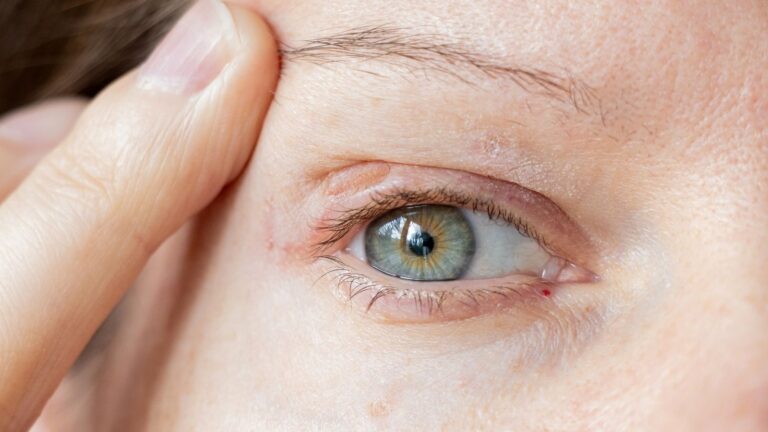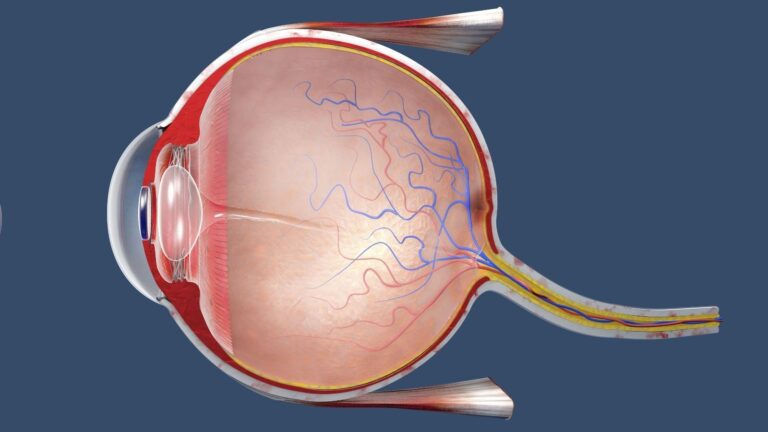
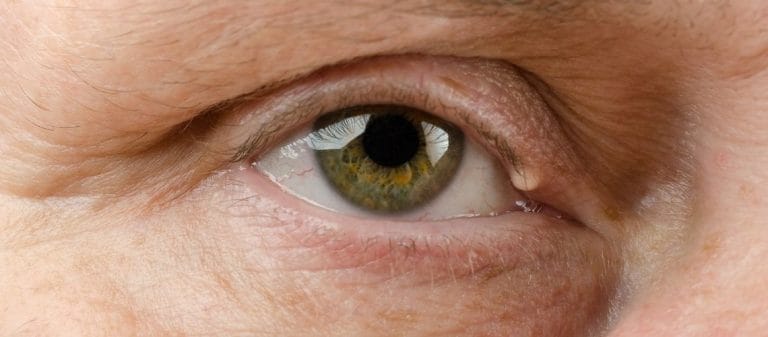
A chalazion is a chronic inflammatory cyst caused by blockage of the oil glands in the eyelid. It is usually painless, but it can cause cosmetic concerns and may gradually grow large enough to affect the visual field.
Symptoms of a chalazion include swelling, redness, and a firm lump on the eyelid. Mild pain may occur during the acute phase, but the pain usually disappears as the condition progresses and the lump becomes more noticeable.
The condition can be easily diagnosed through an eye examination. In its early stages, warm compresses and medication may help it resolve. If left untreated, however, a chalazion may become persistent and require surgical intervention.
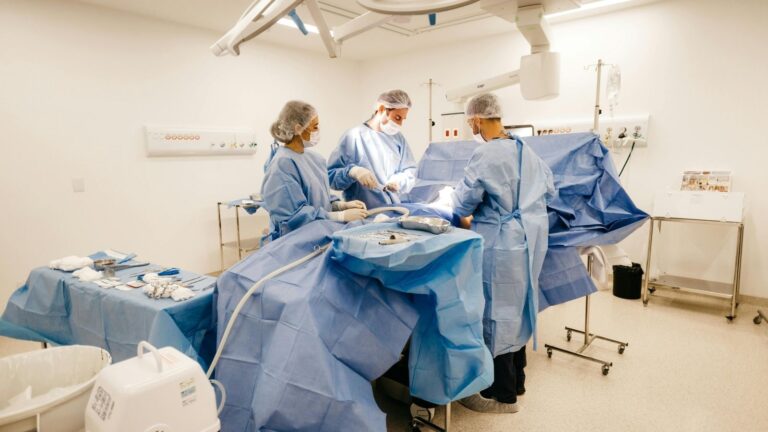
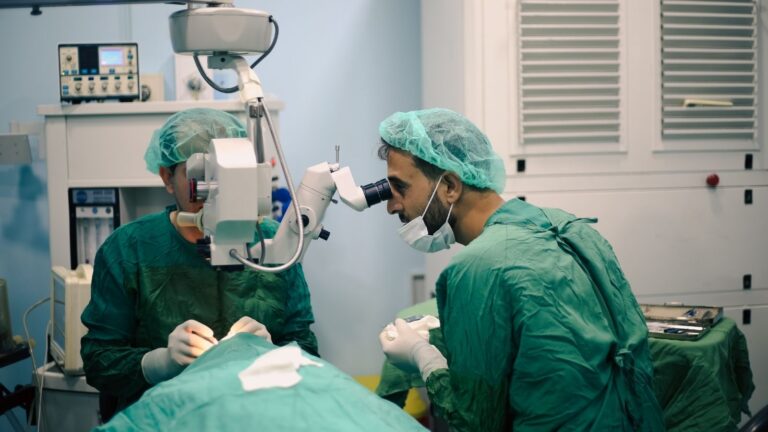
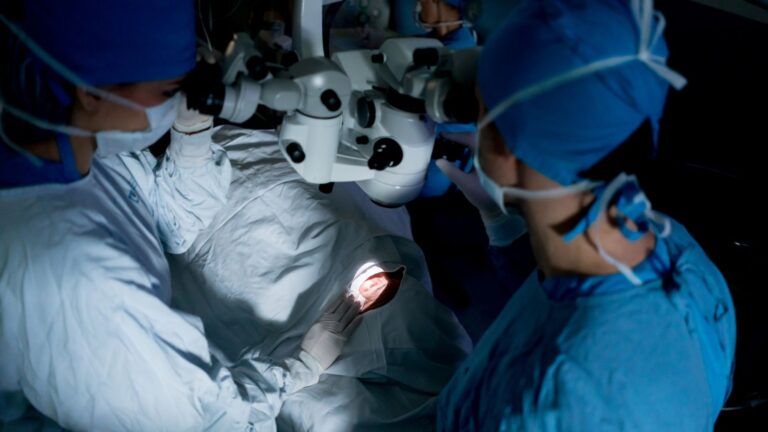
Surgical treatment is performed under local anesthesia, and draining the cyst generally allows for rapid recovery. Regular eyelid hygiene helps reduce the risk of recurrence and provides long-term protection.
| Definition | A usually painless, round, and slow-growing cyst or swelling caused by blockage of the oil glands in the eyelid |
|---|---|
| Causes | Blockage of the meibomian glands, chronic blepharitis, oily skin, previous stye (hordeolum) |
| Symptoms | Eyelid swelling, a lump, mild tenderness, and rarely redness and pain; blurred vision in large chalazia |
| Diagnostic Methods | Eye examination (diagnosis is based on clinical findings), rarely biopsy |
| Treatment Methods | Warm compresses, eyelid hygiene, antibiotic and/or corticosteroid drops or ointments, and surgical drainage in persistent cases |
| Complications | Eyelid deformity, a persistent lump, rarely infection, and occasional recurrence |
| Prevention | Maintaining eyelid hygiene, treating chronic blepharitis, and paying attention to makeup and contact lens hygiene |
| More Common In | People with oily skin, chronic eyelid inflammation, or contact lens use |
| Recovery Time | Recovery within several weeks with treatment, although some cases may be resistant to treatment |
| When to See a Doctor | If the swelling grows, becomes painful and red, causes visual impairment, or recurs frequently |
A chalazion is a usually painless and slow-growing cyst caused by blockage of the meibomian glands in the eyelid. Mild redness and swelling may initially occur, and the lesion gradually develops into a firm nodule. It does not pose a serious risk unless it becomes infected. Treatment usually involves warm compresses, antibiotic drops, and, in rare cases, surgical drainage.
The origin of a chalazion is quite similar to other blockage processes in the body. Just as blocked oil glands in the skin can cause pimples or cysts, the meibomian glands in the eyelid can also become blocked for various reasons. Oil then accumulates inside them, resulting in the chalazion commonly described as an "eyelid cyst."
- Function of the Oil Glands
The meibomian glands, which are arranged along the inner eyelid, secrete oil into the tear film. Their purpose is to preserve moisture on the surface of the eye and prevent tears from evaporating too quickly. This system is essential for eye comfort. The oil layer becomes particularly important in conditions such as dry eye.
- How the Blockage Begins
When the meibomian glands become blocked, the oil that would normally flow out cannot drain and accumulates inside the gland, forming a small cyst. This accumulation causes a localized inflammatory response. The most characteristic feature of a chalazion, however, is that this inflammation is usually not microbial or bacterial. Instead of a typical infection, the process primarily involves a blocked duct, trapped oil, and the body's inflammatory response.
- Chronic Inflammation and Sensitivity
In some people, chronic inflammation around the eyelids and skin conditions can predispose them to chalazia. For example, people with blepharitis, which is inflammation of the eyelid margin, or rosacea, a skin condition characterized by facial redness and inflammatory flare-ups, experience persistent irritation that interferes with proper meibomian gland function. This increases the risk of blockage.
- Inadequate Cleaning and Environmental Factors
Dirt, dust, or makeup residue accumulating around the eyes can interfere with the normal drainage of the ducts. Eyelid makeup that is not properly removed may especially cause the problem to become chronic. Environmental factors such as air pollution, dusty surroundings, and prolonged contact lens use may also trigger blockage.
- Characteristics of the Oil Secretion in the Eye
In some people, the oil produced by the glands may have a thicker consistency. Minor differences in lipid metabolism can cause the glands to become blocked more easily. This is one of the underlying reasons for recurrent chalazion episodes.
- Relationship with a Stye (Hordeolum)
A hordeolum, also known as a stye, is usually a painful swelling near the eye associated with a bacterial infection. If a hordeolum does not drain completely during the healing process or develops a capsule-like structure, it may sometimes turn into a chronic chalazion. Although the two conditions are different, one may follow the other.
Not every swelling that appears on the eye has the same cause. Two important conditions can look similar but develop through different mechanisms: a chalazion and a hordeolum, commonly known as a stye. Distinguishing between them is important for determining the appropriate treatment and approach.
- Cause and Onset
Chalazion: Rather than an infection, it involves a blockage and the resulting inflammatory response. Oil that cannot drain through the duct accumulates in the eyelid and causes swelling.
Hordeolum (Stye): This condition is usually bacterial in origin. Microorganisms such as Staphylococcus aureus can cause an infection in the area. It is an acute inflammation of a hair follicle or meibomian gland. It is therefore generally painful and red.
- Pain, Redness, and Noticeable Symptoms
Chalazion: The swelling is usually painless or causes only very mild discomfort. Redness is minimal or may be absent.
Hordeolum: The infection may cause severe pain, increased warmth in the area, pronounced redness, and tenderness. The entire eyelid may swell and become sensitive enough for light to cause discomfort.
- Location and Depth Within the Eyelid
Chalazion: It is felt deeper in the eyelid, in the middle or inner area where the meibomian gland is located. When the eyelid is turned outward or gently touched, it may feel like a firm or soft cyst-like nodule.
Hordeolum: It is located near the base of the eyelashes or just beneath the eyelid. It may resemble a painful pimple, and a yellow-white collection may sometimes be visible at its tip.
- Duration and Speed of Recovery
Chalazion: It usually develops slowly and may remain unchanged for a long time. Even under suitable conditions, recovery can take weeks or even months.
Hordeolum: It often develops rapidly, with redness and swelling becoming noticeable over a short period. With treatment or warm compresses, it may rupture, drain, and provide relief within a few days.
- Differences in Treatment
Chalazion: Because it is not infectious, antibiotics are not always necessary. Warm compresses, gentle massage, and, in rare cases, steroid injections or surgical drainage may be used.
Hordeolum: Because it is bacterial in origin, antibiotic drops or ointments are often used. Treatment is supported with warm compresses. Earlier medical intervention may be necessary if pain and redness are severe.
These two conditions can sometimes develop into one another or occur together. For example, if inflammation does not clear completely after a hordeolum heals and a blockage remains, it may turn into a chalazion. They can usually be distinguished through their clinical appearance, level of pain, and treatment approach.
Not every bump on the eyelid is a chalazion, but certain common symptoms may indicate the presence of this cyst. The first thing most people notice is a small swelling on the upper or lower eyelid. Commonly reported symptoms include:
- Feeling of a Lump or Irregularity on the Eyelid
A person may feel a lentil-sized lump when touching the area with a finger. It often remains fixed beneath the skin, is slightly separated from the surrounding tissue, and may feel firm or sometimes softer.
- Painless or Mildly Painful Swelling
A chalazion typically does not cause pain. However, mild discomfort or a feeling of pressure may occur when the cyst first develops. In some patients, a slight ache or tenderness may be experienced as the growing chalazion places pressure on the eyelid.
- Mild Redness and Swelling
Mild redness may occasionally be observed in the tissue surrounding the chalazion. If the cyst is large and presses on the underlying tissue, the swelling may also increase. However, the redness and swelling are not as intense or warm as those associated with a hordeolum.
- Blurred Vision or Pressure
Larger chalazia can press on the eyeball and cause temporary visual disturbances similar to astigmatism. This may occur particularly when the cyst contacts or slightly pushes against the cornea.
- Watery Eyes or a Feeling of Dryness
Because a chalazion prevents the meibomian glands from functioning properly, the tear film may become disrupted. This can cause excessive tearing in some people and a feeling of dryness in others. It may also feel as though dust has entered the eye.
- Feeling of Heaviness in the Eyelid
If the swelling becomes large enough, the eyelid may feel heavy. This sensation may become more noticeable later in the day.
A chalazion may sometimes be present without causing noticeable symptoms. A person may simply notice a small bump on the eyelid when looking in the mirror, without experiencing pain or significant discomfort. If the cyst is very small and does not affect vision or appearance, the person may not notice it unless the area is gently touched.
Chalazia are generally described as "painless cysts." However, some people may experience mild discomfort depending on the size and location of the cyst.
- Degree of Pain
During the Early Stage or in the Presence of Inflammation: When a chalazion has recently developed or there is secondary irritation or infection in the area, redness and pain may occur. Just as a newly formed pimple on the skin may initially ache slightly, a chalazion can also cause discomfort during its early stage.
During Growth: As the cyst grows, the pressure it places on the eyelid may increase. This may present as a mild ache or a feeling of fatigue while blinking.
- Contact with the Ocular Surface
If the enlarging cyst comes into greater contact with the eyeball, it may cause mild irritation or pressure on the cornea. This can lead to stinging, watering, or the sensation that dust has entered the eye.
- Secondary Infection
A chalazion is not typically a contagious infection. In some cases, however, bacteria may cause a secondary infection in the area. Classic signs of infection may then develop, including increased redness, warmth to the touch, and throbbing pain. The condition may also begin to resemble a hordeolum.
- Chronic Discomfort
Although a chalazion is usually painless, chronic and large chalazia can eventually create a persistent "foreign body sensation" or "feeling of heaviness." For example, a person may experience more eyelid fatigue than usual while working at a computer for long periods.
- Individual Sensitivity
Pain tolerance varies from person to person. Some people are bothered by even a small swelling, while others can live with much larger cysts. A person's eye health history, such as chronic dry eye or blepharitis, may also affect how pain is perceived.
In summary, a chalazion does not typically cause severe pain. However, an increase in size, inflammation, or individual sensitivity may cause pain or discomfort. If pressure and pain in the eye persist for a long time, it should be remembered that another eye condition or an additional problem may be present.
Treating a chalazion does not always require aggressive intervention. In many cases, the body repairs the blocked gland on its own, and the cyst gradually shrinks and disappears. Various treatment methods may be considered if it is very large or does not resolve for a long time.
Warm Compress
- How Is It Applied? A clean cloth or cotton pad is soaked in comfortably warm water and held over the closed eye for about 10 to 15 minutes. Ideally, this should be repeated 3 to 4 times a day.
- What Is the Benefit? Heat helps soften the oil inside the gland and open the blocked duct. It also increases local blood circulation, making it easier for immune cells to reach the area.
Eyelid Massage
- What Does It Do? Gentle massage after a warm compress helps the softened oil drain through the duct.
- Points to Consider: It is very important to keep the fingertips clean. Excessive pressure should be avoided to prevent irritation. Gentle massage from top to bottom or from the inner area outward is appropriate.
Medication
- Antibiotics: Although a chalazion is not usually a microbial condition, antibiotic drops or ointments may be prescribed for a short period if there is a secondary infection or blepharitis along the eyelid margins.
- Steroid Injection: If the cyst is very persistent and the aim is to reduce it without surgery, a steroid injection may be administered into the eyelid. This procedure helps shrink the cyst by calming the inflammatory response.
Surgical Intervention
- When Is It Necessary? Surgery may be considered if the chalazion has not improved for more than 1 to 2 months, affects vision, or causes significant cosmetic discomfort.
- How Is It Performed? The cyst is usually drained through a small incision on the inside of the eyelid under local anesthesia. An external incision is generally avoided to prevent a visible scar on the eyelid.
- Recovery Process: Mild swelling and bruising may occur after the procedure, but substantial recovery is generally achieved within 1 to 2 weeks.
Additional Support and Hygiene Recommendations
- Eyelid Cleaning: Maintaining eyelid hygiene with baby shampoo or special eyelid cleansing solutions frequently recommended by ophthalmologists may help prevent recurrence.
- Contact Lens and Makeup Use: During treatment, it may be necessary to pause contact lens use or limit makeup, particularly to reduce the risk of inflammation.
Alternative and Supportive Approaches
- Hot Water Bottle or Steam: To vary the warm compress application, holding a warm water bottle over the eyelid or allowing steam to reach the eyelid during a warm shower may provide similar benefits.
- Diet and Nutrition: A diet rich in omega-3 fatty acids, including fish, flaxseed, and walnuts, is suggested to support healthier meibomian gland function.
- Rest and Stress Management: Although a direct association with chalazion is difficult to establish, improving the body's overall resilience may make it easier to manage chronic inflammation and skin problems.
Treatment varies from one case to another. Some people obtain relief within a week using mild warm compresses, while others may require surgery after months of treatment. The main point is to treat the eyelid cyst gently, monitor its development, and seek specialist support when necessary.
Although it is difficult to guarantee that chalazia can be prevented completely, maintaining eyelid hygiene and adopting a few simple habits can significantly reduce the risk of developing them.
Regular Eyelid Cleaning
- Why Is It Important? Oil, makeup residue, and dead skin cells accumulating along the eyelid margin can block the openings of the meibomian glands.
- How Is It Done? Gently cleaning the eyelids with lukewarm water and baby shampoo helps remove dirt that accumulates during the day. Special eyelid cleansing wipes or foams available at pharmacies may also be useful.
Keeping Hands Clean and Rubbing the Eyes Less
- Hand Hygiene: Washing the hands before touching the eyes is very important for preventing bacteria and viruses from being transferred to the eyes.
- Eye-Rubbing Habit: Constantly rubbing the eyes because of dust or itching may irritate the openings of the glands and contribute to blockage.
Makeup Hygiene
- Lifespan of Makeup Products: Bacteria can grow easily in products such as mascara and eyeliner. It is therefore recommended that these products be replaced every 3 to 6 months.
- Cleaning Before Bed: Sleeping with makeup on prevents the area around the eyes from breathing and increases the risk that residue will cause blockage the following day.
Care with Contact Lens Use
- Lens Cleaning: Hands should be washed before and after inserting or removing lenses. The lens solution should be changed regularly, and the lens case should be kept clean.
- Taking Breaks: It is important to remember that prolonged contact lens use can cause friction along the eyelid margins and to rest the eyes when necessary.
Reducing Environmental Factors
- Protection in Dusty and Dirty Environments: Glasses or sunglasses can be worn to protect the eyes when necessary.
- Dry and Air-Conditioned Environments: Tears evaporate more quickly, increasing the likelihood of residue forming along the eyelid margin. Room humidifiers or regular use of eye drops, such as artificial tears, may therefore be helpful.
Healthy Lifestyle Habits
- Nutrition: Consuming foods rich in omega-3 and following a diet rich in antioxidants can have a positive effect on eye health.
- Regular Sleep: Sleep deprivation and fatigue may increase the body's susceptibility to inflammation. Getting 6 to 8 hours of quality sleep each day is also beneficial for resting the eyelids.
A chalazion usually does not cause a serious health problem, and many mild cases can improve with methods applied at home. However, professional support may be more appropriate in certain situations.
- Cysts That Persist for More Than 1 Month
If the swelling does not decrease despite warm compresses and massage, or if it continues to grow, a specialist should be consulted. Persistent lumps can sometimes lead to misdiagnosis. Although rare, certain eyelid tumors may resemble a chalazion.
- Effects on Vision
If the size of the cyst causes blurred vision, double vision, or persistent pressure in the eye, the condition should not be ignored. An examination by an ophthalmologist can determine how visual quality has been affected.
- Severe Pain, Redness, and Increased Warmth
A chalazion is typically painless. However, severe pain when touched, noticeable warmth in the eyelid, or localized redness may indicate a hordeolum or another infection.
- Recurrent Cases
In some people, chalazia recur. A cyst may appear to resolve but return a few weeks later. Chronic blepharitis, rosacea, or structural problems in the meibomian glands may underlie these recurrences. The ophthalmologist investigates the cause and may perform additional assessments when necessary, such as eyelid function tests or the use of special drops.
- Cosmetic and Psychological Discomfort
Although it may not constitute a medical emergency, a large chalazion can cause social and cosmetic concerns. If the person is bothered by a cyst that remains clearly visible when looking in the mirror, interventions such as surgery or injection may be considered.
- Accompanying Systemic Symptoms
Symptoms such as fever, severe headache, or widespread redness in other areas of the face are generally not directly associated with a chalazion. However, another infection or systemic condition may be present at the same time. It is important to seek medical assistance without delay in such cases.
Early diagnosis and intervention may make treatment shorter and easier. Chalazia that are left untreated for a long time may prolong the recovery process and increase the risk of other complications.
Several practical methods can be used at home to support the body's healing process when swelling appears on the eyelid. These methods are generally simple, safe, and soothing. However, it should be remembered that persistent cases must be evaluated by a specialist.
- Warm Compress
How Should It Be Applied? Soak a thin, clean cloth in warm water, squeeze out the excess water, and place it over the eyelid. Holding it in place for an average of 10 to 15 minutes is ideal, and the application can be repeated 3 to 4 times during the day.
Benefits: The warmth softens the blocked oil and supports healing by increasing blood circulation.
- Gentle Eyelid Massage
Timing: It is more effective when performed after the compress, while the skin and cyst are softened.
Technique: Using clean fingertips, gently massage the eyelid from the inner area outward or from top to bottom. Excessive pressure may cause irritation, so the massage must remain gentle.
- Eye Hygiene and Cleaning
Mild Cleansers: Cleaning the eyelid with baby shampoo or solutions specially developed for the eyelids helps prevent the existing cyst from becoming further blocked by dirt and reduces the risk of recurrence.
Taking a Break from Makeup: Avoiding or minimizing eye makeup during recovery allows the area to breathe.
- Herbal Support
Chamomile Compress: Some people describe a warm chamomile tea compress as calming and soothing. However, the risk of an allergic reaction should not be overlooked. If it is being tried for the first time, testing it on a small area may be reasonable.
Green Tea Bag: Some people report relief after placing warm green tea bags over the eyes. Tea polyphenols may have a mild antioxidant effect.
- Temporarily Avoiding Contact Lenses and Makeup
Why Is It Helpful? Minimizing irritation of the eyelid can support the cyst's healing process. It also reduces the risk of infection.
- Omega-3 and Healthy Fats
Dietary Support: Omega-3 fatty acids found in foods such as salmon, sardines, walnuts, and flaxseed are thought to support the function of the oil glands in the eyes.
- Cleaning and Hand Hygiene
Simple but Effective: Always washing your hands before touching your eyes prevents bacteria and dirt from being transferred to the eyes.
When applied regularly, these simple methods may help a chalazion shrink or disappear in many people. If no visible improvement is achieved within 2 to 3 weeks, or if the condition worsens, seeking professional support is the more sensible choice.
The healing process of a chalazion varies according to the size of the cyst, the person's bodily resistance, and the treatment method used. It may begin to subside within a few weeks, while in some cases it can persist stubbornly for months.
Natural Course
- Small Chalazia: Small chalazia that are detected early and supported with methods such as warm compresses may shrink noticeably within 2 to 4 weeks.
- Large or Chronic Chalazia: Some cysts can remain for a long time and may not disappear for 2 to 3 months. Professional intervention may generally be required when they persist for longer than 1 month.
Differences According to the Treatment Method
- With Warm Compresses and Massage: Many chalazia may improve with regular application and patience. However, the person must pay attention to eyelid hygiene and general care.
- Steroid Injection: After a single injection, the cyst is expected to shrink within several weeks. Although faster results may be possible, this treatment is not necessary in every case.
- Surgical Intervention: A chalazion drained surgically usually improves quickly. However, bruising and swelling after the procedure may mean that the eyelid requires 1 to 2 weeks to recover.
Individual Factors
- Immune System: In people with strong bodily resistance, inflammation may follow a more balanced course and healing may occur more quickly.
- Hygiene and Skin Type: The process is generally shorter in people who maintain eyelid hygiene, do not have oily skin, or do not have additional problems such as chronic blepharitis.
Patience and Follow-Up
- It is not always easy to predict exactly when a chalazion will disappear. Some cysts resolve quickly, while others persist. Failing to see results after applying warm compresses for a few days does not mean that the treatment is ineffective. Consistency and regular follow-up are important.
For many people, a chalazion improves after several weeks of patient care. However, if healing is significantly delayed or the swelling grows instead of decreasing, consulting an ophthalmologist is the most appropriate step.
A chalazion often appears to be a minor problem and does not cause serious complications. Nevertheless, certain problems may develop if it is left untreated or under particular circumstances.
Secondary Infection
- How Does It Develop? Over time, the cyst may become irritated or provide a suitable environment for microorganisms to multiply. This can result in an intense abscess-like infection.
- Symptoms: Increased pain, redness, warmth, and sometimes general symptoms such as fever may occur.
Visual Disturbances
- Pressure on the Cornea: A large chalazion may gently push against the eyeball and alter the shape of the cornea, causing temporary astigmatism. This can result in blurred or shadowed vision.
- Permanent Effects: These disturbances generally resolve when the eyelid cyst disappears. However, permanent effects may rarely occur if pressure continues for a long time and the condition is neglected.
Problems After Surgical Intervention
- Surgical Scar or Bruising: A fine scar may remain if the incision is made on the outside of the eyelid. Because the operation is generally performed from the inside, the risk of visible scarring is minimal. Bruising or swelling for several days after surgery is considered normal.
- Eyelid Deformity: In very rare cases, minor changes in the eyelid structure may occur after surgery. Experienced physicians choose methods that minimize this risk.
Recurrence
- Why Does It Recur? If a chronic condition causing the chalazion, such as blepharitis, rosacea, or meibomian gland dysfunction, has not been addressed, the cyst may recur.
- Prevention: Maintaining eyelid hygiene, attending regular medical checkups, following a healthy diet, and taking other preventive measures may reduce the risk of recurrence.
Rare and Specific Complications
- Secondary Eyelid Problems: Very large chalazia can alter the eyelid margin and cause mild difficulty closing the eyelids.
- Risk of Misdiagnosis: If a lesion thought to be a persistent "cyst" is actually caused by a different type of tumor, delayed diagnosis may result in the need for more serious treatment.
These complications are quite uncommon. Nevertheless, as with any eye-related complaint, it is important to remain attentive and undergo a medical examination when necessary. The eye is not only the source of vision but also an organ of considerable social and psychological importance.