
Stinging in the eyes is usually caused by dryness, the presence of a foreign object, or an infection. The discomfort can reduce visual quality and negatively affect everyday comfort.
Insufficient tears, prolonged screen use, and contact lenses are among the common causes. These factors may irritate the cornea.
When an infection is present, stinging may be accompanied by redness, discharge, and pain. Allergic reactions commonly cause itching and watering.
Treatment is directed at the underlying cause. Artificial tears, antibiotics, or allergy treatments may be used. Persistent symptoms should be assessed by an ophthalmologist.
| Possible Causes | – Dry eye – Eye strain caused by prolonged screen use – Foreign objects such as dust, dirt, or an eyelash – Contact lens irritation – Allergies – Infectious or allergic conjunctivitis – Blepharitis, inflammation of the eyelids – Corneal abrasion – Eye infections such as keratitis – Chemical irritation caused by cleaning products or smoke |
|---|---|
| Symptoms | – Stinging or discomfort in the eye – Redness – Watering – Sensitivity to light – Itching or burning in the eye – Foreign body sensation – Blurred vision in some cases |
| Risk Factors | – Prolonged screen use – Insufficient tear production – Exposure to wind or dry air – Improper contact lens use – Exposure to allergens or chemicals – Poor eye hygiene |
| Diagnostic Methods | – Eye examination – Tear production test, Schirmer test – Fluorescein staining to assess corneal damage – Microbiological examination if an infection is suspected |
| Treatment Methods | – Artificial tears or gels for dry eye – Careful cleaning of the eye if a foreign object is present – Antihistamine eye drops for allergies – Antibiotic drops or ointments for bacterial infections – Protective eye drops or a bandage contact lens for a corneal abrasion – Staying in a humid environment to reduce irritation |
| Prevention | – Avoiding rubbing the eyes with dirty hands – Taking regular breaks during prolonged screen use, following the 20-20-20 rule – Maintaining hygiene around the eyes – Following contact lens use instructions – Wearing glasses to protect the eyes from wind and dry air – Avoiding allergens |
Stinging in the eyes is an uncomfortable condition that creates the sensation of having a foreign object in the eye. It is generally associated with dry eye, damage to the corneal surface, infections, or contact lens use. The sensation may intensify when blinking and may be accompanied by symptoms such as watering and redness. Treatment varies according to the underlying cause and generally involves artificial tears or antibiotic medication if an infection is present.
Stinging in the eyes is a common complaint that may result from many different factors. Environmental irritants, dry eye syndrome, infections, and allergic reactions may cause discomfort on the surface of the eye. Correctly understanding and treating this condition requires identifying the underlying cause.
- Environmental Irritants: Environmental factors such as smoke, wind, and air pollution may cause dryness and irritation on the surface of the eye. Volatile organic compounds and fine airborne particles can disrupt the tear film and increase discomfort.
- Dry Eye Syndrome, DES: DES, which is associated with modern lifestyles, develops because of reduced tear production or increased tear evaporation. Prolonged screen use and air-conditioned environments are among its common causes.
- Blepharitis: Blepharitis is inflammation of the eyelids and is generally associated with bacterial colonization or blockage of the oil glands. It may cause redness, burning, and itching in the eyes.
- Conjunctivitis: Conjunctivitis is inflammation of the conjunctiva caused by infections or allergic reactions. Viral and bacterial infections are common causes. Allergic conjunctivitis is an excessive immune response to allergens such as pollen.
- Allergic Reactions: The immune system's response to allergens may cause symptoms such as watering, itching, and stinging in the eyes. This condition is generally associated with inflammatory mediators released by mast cells.
- Other Causes: Although less common, inflammation of eye tissues such as episcleritis, neuropathic pain after LASIK, and infections caused by Demodex mites may also cause stinging in the eyes.
Stinging is a common symptom of various eye diseases. Although it is difficult to determine its exact prevalence, research into the conditions that cause it provides important information about how frequently this symptom occurs. Dry eye disease, allergic conjunctivitis, and blepharitis are among its most common causes.
Dry eye disease is one of the principal causes of stinging in the eyes. Its worldwide prevalence ranges from 5% to 34%. This broad range results from differences in diagnostic methods and the characteristics of the populations studied. The prevalence of dry eye disease increases with age, and it becomes a particularly common complaint among older adults. Hormonal changes mean that women are affected more frequently than men.
Stinging in the eyes is a common symptom of allergic conjunctivitis. Studies conducted in the United States show that this condition affects up to 40% of the population. Frequent exposure to allergens such as pollen may cause the symptom to become more pronounced seasonally. Because allergic conjunctivitis is generally underreported, its actual prevalence is likely higher.
Blepharitis, which is characterized by inflammation of the eyelids, is observed in 37% to 47% of patients. In addition to stinging, it may cause complaints such as itching and dry eyes. Blepharitis may become more noticeable after visually demanding activities such as prolonged computer use.
The prevalence of eye stinging increases with age. Environmental exposures, particularly air pollution, pollen, and dry air, may also cause this symptom to occur more frequently.
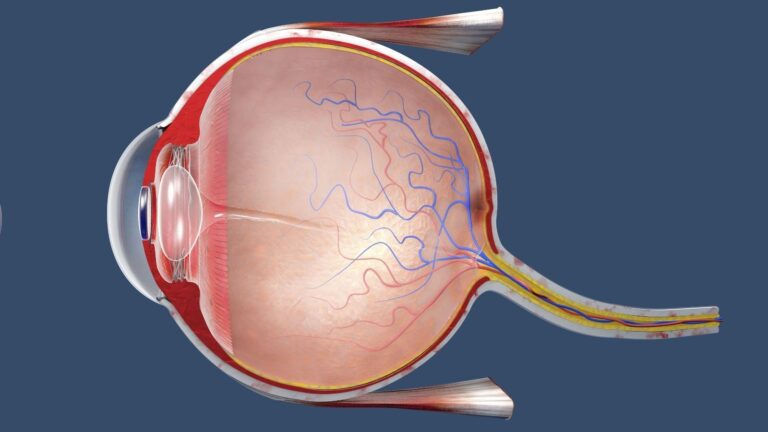
Stinging in the eyes is the result of a complex process that leaves the ocular surface vulnerable to environmental factors and internal mechanisms. The condition begins with disruption of the integrity of the ocular surface and stimulation of receptors in the ophthalmic branch of the trigeminal nerve. The ocular surface consists of the cornea and conjunctiva, which contain receptors sensitive to various physical, chemical, and thermal stimuli. Irritants weaken the tear film and cause dry areas to form on the corneal surface. This exposes nerve endings and creates discomfort.
Environmental factors such as smoke, pollutants, and wind increase tear evaporation and disrupt the moisture balance of the ocular surface. Destabilization of the tear film causes hyperosmolarity, which triggers inflammatory responses on the ocular surface. Exposure to blue light, in particular, increases the production of reactive oxygen species in the corneal epithelium, causing oxidative stress and inflammation that intensify the stinging sensation.
Allergic reactions are another important cause of stinging in the eyes. Allergens such as pollen produce an inflammatory response in the conjunctiva through the immune system. Histamine released from mast cells during this process causes itching and burning while also dilating the blood vessels and causing redness.
Dry eye disease leaves the ocular surface vulnerable because of reduced tear production or increased evaporation. Increased osmolarity causes the release of inflammatory mediators, which weakens the integrity of the corneal epithelium. Tear deficiency stimulates sensory nerve endings and produces a stinging sensation.
Conditions such as blepharitis disrupt the composition of tears and cause the ocular surface to become dry because of meibomian gland dysfunction. This process triggers inflammation and increases discomfort.
Stinging in the eyes is a multifaceted complaint with several possible causes and generally presents with various symptoms. Patients may report burning, itching, dryness, stinging, or a gritty sensation in their eyes. These symptoms frequently occur together with redness, watering, sensitivity to light, photophobia, and blurred vision. The severity and duration of the symptoms may vary between individuals. Some people experience mild discomfort, while others develop severe symptoms that affect their daily lives.
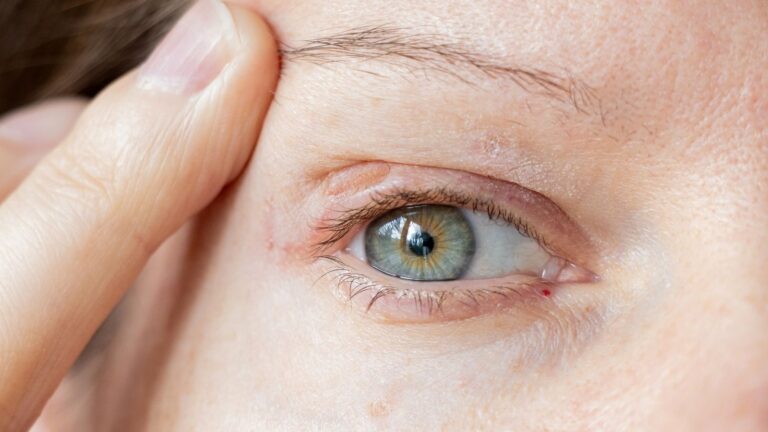
In dry eye syndrome, dryness and stinging are prominent because of insufficient tear production or poor tear quality. Symptoms may worsen throughout the day and are generally affected by environmental conditions such as wind and low humidity. Conditions such as blepharitis cause inflammation of the eyelids. In these cases, symptoms may include stinging, itching, redness, and crusting around the eyes.
Allergic conjunctivitis is characterized by severe itching, watering, and redness of the eyes. The condition generally worsens following contact with allergens and may negatively affect quality of life. Less commonly, disorders such as corneal neuralgia or superior limbic keratoconjunctivitis may cause similar symptoms, although the symptoms may be more chronic and resistant in these conditions.
Diagnosing stinging in the eyes requires a comprehensive approach to identify the underlying cause. Taking a detailed patient history, performing a comprehensive clinical examination, and using diagnostic tests when necessary are the main components of this process.
The first step in diagnosis is understanding the characteristics of the patient's symptoms. The onset, duration, severity, and relationship of the stinging sensation to environmental factors are investigated in detail. Factors such as seasonal allergies, prolonged screen use, contact lens use, and recent infections are assessed. Information about medication history, systemic diseases, and previous eye conditions may also assist diagnosis.
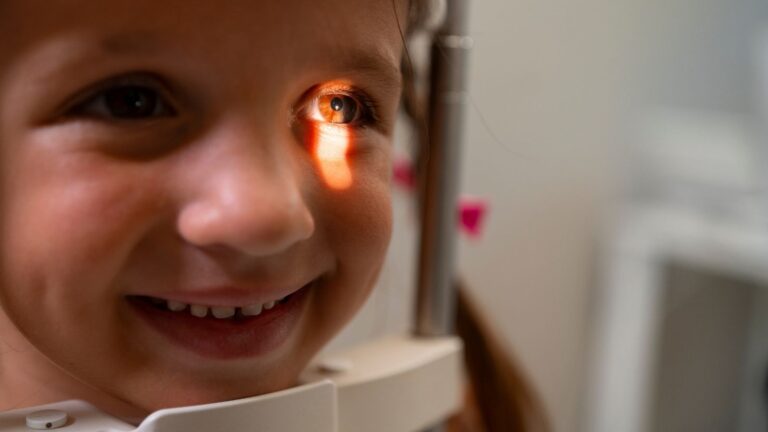
A detailed eye examination is performed to determine the causes of the stinging. Visual acuity is assessed to identify any visual impairment that may be associated with the sensation. During an external examination of the eyelids, signs of inflammation and crusting that may indicate conditions such as blepharitis are investigated. Slit-lamp biomicroscopy is used to examine structures such as the conjunctiva and cornea and assess findings such as redness or punctate epithelial damage. Tear film analysis is critical for diagnosing dry eye disease. The Schirmer test measures tear production, while tear breakup time measures tear film stability.
Certain specialized tests may be performed based on the clinical findings. Microbiological cultures are used to identify infectious causes. Allergy tests are performed in patients with suspected allergic conjunctivitis. Optical coherence tomography, OCT, may assist in evaluating conditions such as keratitis or neuropathic pain. Corneal sensitivity testing may reveal nerve damage and help diagnose neuropathic pain.
Finally, a differential diagnosis is made between conditions such as dry eye disease, blepharitis, conjunctivitis, and neuropathic pain. This process is essential for determining the correct treatment plan. Patients whose symptoms are persistent or severe should consult an ophthalmologist.
Treatment of stinging in the eyes varies according to the underlying cause. Correct diagnosis is essential for an effective treatment plan. Treatment approaches may generally be examined under three principal categories: excimer laser surgery for corneal abnormalities, treatment of the tear system for insufficient tear production, and targeted treatment for infections.
- Excimer Laser Surgery for Corneal Abnormalities:
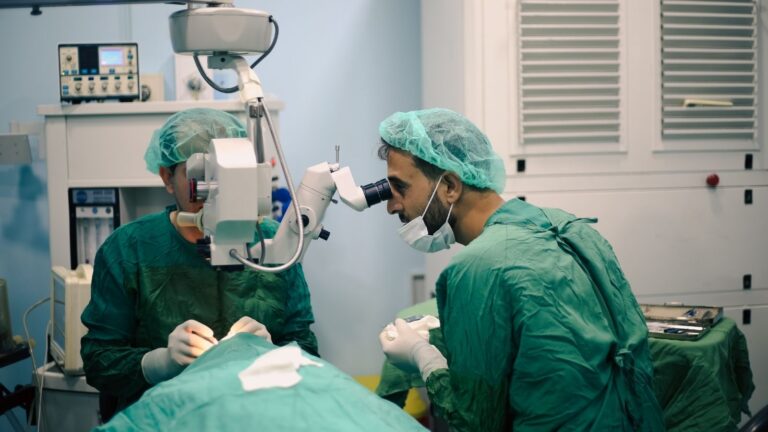
Stinging caused by corneal irregularities may be corrected with excimer laser surgery. This treatment is performed using procedures such as photorefractive keratectomy, PRK, and laser-assisted in situ keratomileusis, LASIK. PRK reshapes the stroma after removal of the corneal epithelium, while LASIK creates a corneal flap and reshapes the underlying tissue. Smoothing the cornea improves visual acuity and relieves the stinging sensation. Treatments planned according to the individual topography of the cornea provide more precise results tailored to the patient's needs.
- Treatment of the Tear System for Insufficient Tear Production:
Dry eye syndrome involves discomfort and irritation caused by insufficient tears. Artificial tears supplement natural tears and provide short-term relief. Preservative-free formulations are more suitable for frequent use. Prescription medications, particularly anti-inflammatory agents such as cyclosporine and lifitegrast, may increase tear production. Punctal plugs are inserted into the tear ducts to help retain moisture on the ocular surface. Lifestyle measures supported by environmental changes and supplements such as omega-3 fatty acids complement treatment.
- Treatment of Infections:
When stinging is caused by an infection such as conjunctivitis or dacryoadenitis, treatment is determined according to the underlying pathogen. Antibiotic drops or oral treatments are used for bacterial infections. Treatment of viral infections generally focuses on relieving symptoms, while hygiene measures help prevent the infection from spreading. Fungal infections require prolonged treatment with antifungal medication.
Stinging in the eyes is a response produced by the sensitive structures of the ocular surface for various reasons. Failing to take this symptom seriously or leaving it untreated may result in more complex complications. Potential complications of conditions that cause stinging include:
- Dry Eye Syndrome, DES:
If dry eye syndrome, which results from insufficient tear production or rapid tear evaporation, is left untreated, it may cause serious complications such as corneal surface damage, eye infections, and vision loss. Persistent discomfort may also reduce quality of life and make daily activities more difficult.
- Blepharitis:
If blepharitis, an inflammation of the eyelids, is not treated appropriately, it may cause eyelash loss, damage to the cornea from misdirected eyelashes, styes, and chalazia. More advanced cases may result in inflammation, ulceration, and scarring of the ocular surface.
- Conjunctivitis:
Inflammation of the conjunctiva generally follows a benign course. However, particularly when bacterial or viral conjunctivitis is left untreated, the infection may spread more deeply and cause complications that can lead to vision loss. Allergic conjunctivitis may damage the ocular surface over the long term.
- Uveitis:
Uveitis, an inflammation of the middle layer of the eye, is a serious condition that may progress to permanent vision loss. Because it may be associated with systemic inflammatory diseases, it requires prompt diagnosis and treatment for both eye health and general health.
- Contact Lens Problems:
Improper contact lens use may cause infections and corneal ulcers. If these conditions are not treated promptly, they may result in permanent vision loss. Careful contact lens hygiene is critical for preventing these complications.
Stinging in the eyes is not merely a source of discomfort. It may be an early sign of serious health problems. Correct assessment of the underlying causes and timely treatment are therefore vitally important.
Stinging in the eyes is a common complaint that negatively affects quality of life. Treatment decisions are made by considering the cause and severity of the symptoms together with the patient's general health. Conditions requiring intervention include serious underlying problems such as refractive errors, dry eye syndrome, and infections.
- Corneal Abnormalities:
Corneal deformities or surface irregularities may be corrected using advanced technologies such as excimer laser surgery. This method is suitable for treating refractive errors such as myopia, hyperopia, and astigmatism. Before deciding on treatment, a detailed eye examination should be performed and corneal thickness, visual acuity, and overall eye health should be assessed. Treatment is generally recommended for patients whose visual impairment cannot be corrected with glasses or contact lenses.
- Dry Eye Syndrome:
When tear production is insufficient, the duration and severity of the symptoms determine the need for treatment. Artificial tears may be sufficient in mild cases, while prescription medications or punctal plugs may be used in more advanced cases. Lifestyle changes and environmental adjustments are also considered part of treatment for patients with chronic dry eye symptoms. It is particularly important for people who spend long periods in front of screens to rest their eyes by taking regular breaks.
- Infections:
Starting treatment early in the presence of bacterial, viral, or fungal infections helps prevent complications. If symptoms such as redness, discharge, and pain are accompanied by a risk of vision loss, an ophthalmologist should be consulted without delay. Treatment involves antibiotic, antiviral, or antifungal medication according to the type of pathogen causing the infection.
When stinging becomes severe or persistent, consulting an ophthalmologist for an appropriate diagnosis and treatment plan is essential.
Although treatment is planned according to the underlying causes, certain conditions may restrict treatment or require special precautions. Understanding these conditions is important for improving treatment success and preventing complications.
- Corneal Problems:
Corneal abnormalities may prevent invasive interventions such as laser surgery. Progressive thinning disorders such as keratoconus weaken the structure of the cornea and make surgery risky. Similarly, corneal thinning, edema, or active infections may adversely affect surgical outcomes. Insufficient corneal thickness may also make treatment contraindicated.
- Insufficient Tear Production:
Artificial tears are commonly used for conditions such as dry eye syndrome. However, the preservatives contained in some artificial tears may cause reactions in sensitive individuals. Autoimmune diseases may also damage the lacrimal glands and complicate treatment. Systemic medications may affect tear production and reduce treatment effectiveness.
- Infections:
Antibiotic treatments are effective in managing infections, but incorrect use may cause complications. Because antibiotics are ineffective against viral or fungal infections, their use in these conditions creates a risk of inappropriate treatment. Prolonged antibiotic use may also cause excessive growth of resistant bacteria.
The treatment and recovery process for stinging in the eyes may vary according to the underlying cause. In general, however, recovery involves certain stages and aims to improve the patient's quality of life.
To manage the symptoms effectively, the underlying cause must first be identified. Possible causes include environmental factors, infections, allergies, dry eye syndrome, and surgical interventions. A detailed examination by an ophthalmologist and additional tests when necessary are important at this stage.
Treatment generally begins with measures to relieve the symptoms. Artificial tears, warm compresses, antibiotics, or antihistamines may be used. For example, antibiotics are the first choice when the stinging is caused by an infection, while moisturizing eye drops are effective for problems related to dry eye.
Inflammation commonly occurs during the recovery process. It can be controlled with appropriate medication management. Corticosteroids or nonsteroidal anti-inflammatory medications are selected according to the severity of the inflammation and the patient's individual circumstances.
The success of treatment is assessed through regular follow-up examinations. Visual clarity, tear film balance, and the integrity of the ocular surface are monitored during this process. Recovery after surgery and the management of chronic conditions should take place under specialist supervision.
Potential complications must be monitored carefully during and after treatment. Conditions such as corneal clouding, infection, or dry eye may be managed with early intervention.
Preventing stinging in the eyes requires careful consideration of environmental factors, individual habits, and underlying health conditions. Protective eyewear is recommended to minimize exposure to environmental irritants. People exposed to smoke, wind, and air pollution can support their eye health by protecting their eyes from these factors. Improving indoor air quality with humidifiers and air purifiers may also reduce irritation.
Avoiding known allergens is important for preventing stinging caused by allergic reactions. Taking precautions against allergens such as pollen, house dust mites, and animal dander may relieve symptoms. Regular cleaning of living areas and the use of allergen-proof bedding covers may be beneficial.
People with chronic conditions such as blepharitis should pay attention to eyelid hygiene. Gently cleaning the eyelids helps prevent bacterial buildup and inflammation. Contact lens users should follow hygiene rules carefully and should not exceed the recommended wearing times.
People who spend long periods in front of screens may follow the 20-20-20 rule to prevent digital eye strain. Adequate fluid intake and a diet rich in omega-3 fatty acids also support tear production and protect eye health.
Regular eye examinations play a critical role in the early diagnosis and treatment of health problems that may cause stinging. If symptoms persist, consulting an ophthalmologist is the most appropriate approach.
Which vitamins are effective in preventing stinging in the eyes?
Vitamins A, C, and E, together with omega-3 fatty acids, may support eye health and reduce the risk of stinging. These vitamins protect eye tissues from damage caused by free radicals and help prevent inflammation. Omega-3 fatty acids may also increase tear production and relieve dry eye symptoms.
Can stinging in the eyes be a symptom of systemic disease?
Yes, stinging may be a symptom of certain systemic diseases. Autoimmune conditions such as Sjögren's syndrome may affect the lacrimal glands and cause dry eye syndrome together with an associated stinging sensation.
Can children also experience stinging in the eyes?
Yes, children may also experience stinging in the eyes. Conditions such as allergic conjunctivitis or foreign objects entering the eye may cause this sensation in children. Their complaints should be taken seriously, and an ophthalmologist should be consulted when necessary.
What simple methods can be used at home for stinging in the eyes?
Applying a cold compress, using artificial tears, and resting the eyes may help relieve stinging. However, a specialist should be consulted if the symptoms persist.
Can stinging be caused by contact lens use?
Yes, improper contact lens use or poor lens hygiene may cause stinging. It is important to clean lenses correctly and follow the recommended wearing times.
Does stinging in the eyes increase seasonally?
Yes, allergic reactions become more common during seasons with high pollen levels and may cause increased stinging. Taking the necessary precautions during allergy seasons is important.
Can stinging in the eyes be related to computer use?
Yes, prolonged computer use may cause eye strain and dry eye syndrome, leading to a stinging sensation. Taking regular breaks and adjusting screen brightness may be beneficial.
In which occupational groups is stinging in the eyes more common?
Stinging is more common among people who work at computers for long periods, welders, and occupational groups exposed to chemicals. Using protective equipment is important.
Which herbal remedies are recommended for stinging in the eyes?
Natural methods such as chamomile tea compresses and cucumber slices may relieve stinging. However, these methods provide temporary relief. A doctor should be consulted for a lasting solution.
What complications may occur if stinging in the eyes is left untreated?
Untreated stinging may lead to serious complications such as corneal damage, infections, and vision loss. Early diagnosis and treatment are important.
Which symptoms accompanying stinging require urgent medical attention?
Symptoms such as severe pain, sudden vision loss, sensitivity to light, and intense redness require urgent medical attention. They may indicate a serious eye condition.
Which lifestyle changes are recommended for managing stinging in the eyes?
Regular eye examinations, following the 20-20-20 rule during screen use, and maintaining eye hygiene may help prevent stinging. Using humidifiers and drinking enough water may also be beneficial.