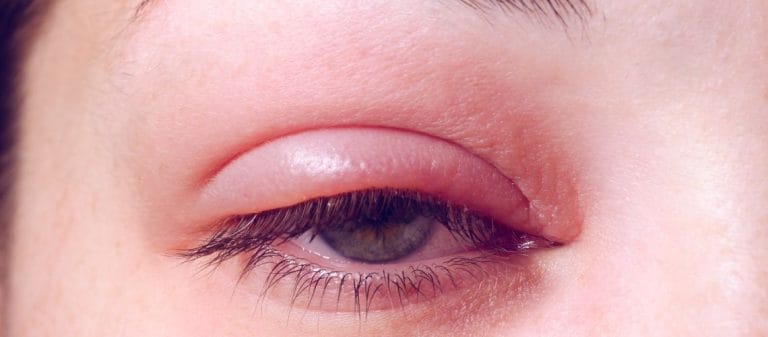
Eyelid swelling may develop because of infection, allergy, trauma, or systemic diseases. Mild swelling in the morning is generally harmless, but persistent and painful swelling requires medical assessment.
Infections such as styes and chalazia frequently cause eyelid swelling. Warm compresses and medication may be used in these cases. Antihistamine treatment is preferred for allergic edema.
Systemic causes may include kidney disease, thyroid disorders, and circulatory problems. In such cases, eyelid swelling may indicate an underlying disease.
Treatment of eyelid swelling depends on identifying the cause correctly. Early diagnosis and appropriate treatment help protect visual health and relieve symptoms quickly.
| Possible Causes | – Allergic reactions to pollen, dust, medication, or cosmetics – Infections such as styes, conjunctivitis, or cellulitis – Foreign object in the eye – Trauma or impact – Blepharitis, inflammation of the eyelids – Thyroid diseases such as Graves' disease – Insect bites – Blocked tear duct – Cyst or chalazion around the eye caused by blocked oil glands – Systemic diseases such as kidney failure or edema |
|---|---|
| Symptoms | – Eyelid swelling – Redness – Pain or tenderness in some cases – Itching or burning – Watery eyes – Hardness or a nodule in the eyelid – Blurred vision in severe cases |
| Risk Factors | – Exposure to allergens – Poor hygiene – Rubbing the eyes with dirty hands – Chronic eyelid diseases such as blepharitis – History of trauma around the eye – A weakened immune system |
| Diagnostic Methods | – Eye and eyelid examination – Allergy tests in suspected cases – Microbiological culture for infection when necessary – Blood tests and thyroid function tests when a systemic disease is suspected |
| Treatment Methods | – Antihistamine or corticosteroid eye drops for allergic conditions – Antibiotic or antiviral treatment for infections – Warm compresses and, when necessary, surgery for chalazia or cysts – Cold compresses for trauma – Treatment of systemic diseases such as thyroid disorders or kidney failure |
| Prevention | – Avoiding allergens – Maintaining eye hygiene by washing the hands frequently – Removing eye makeup at night – Cleaning and using contact lenses correctly – Avoiding cosmetic products that irritate the eyes – Wearing sunglasses or protective eyewear |
Eyelid swelling is referred to as periorbital edema in the medical literature and was first described by ancient civilizations. Prominent figures in ancient medicine, such as Hippocrates and Galen, generally associated eyelid swelling and inflammation with fluid imbalances in the body. During this period, the causes of eye diseases were explained in terms of general health rather than anatomical details. The Renaissance brought major advances in medical knowledge and made it possible to understand specific causes of eyelid swelling.
The identification of the meibomian glands marked a turning point in understanding eyelid disorders. These glands were found to be located along the eyelid margins and to secrete an oily substance called meibum, which prevents the tear film from evaporating. First mentioned by Galen, the glands were examined in detail by German physician Heinrich Meibom in 1666. Meibom's work revealed their anatomical characteristics and functions, providing a better understanding of the mechanisms underlying conditions such as eyelid swelling.
Important advances were made in the description and treatment of eyelid diseases during the 19th century. Dr. Karl Stellwag von Carion, for example, provided a detailed description of blepharitis and emphasized its relationship with meibomian gland dysfunction, MGD. In the early 20th century, the role of Demodex mites in chronic blepharitis was discovered, and the importance of eyelid hygiene became better understood.
Today, conditions that cause eyelid swelling can be examined in detail using modern imaging technologies and tools such as biomicroscopy. Innovations such as meibography visualize the meibomian glands and facilitate diagnosis. Together with antibiotics, immunomodulatory agents, and other targeted treatments, these developments have made the management of conditions causing eyelid swelling more effective.
Eyelid swelling may result from numerous local and systemic factors. Different symptoms and treatment approaches may be required depending on the underlying cause. The principal causes can be grouped into infectious, inflammatory, systemic, and other causes.
- Infectious Causes:
Blepharitis is a chronic inflammation of the eyelid margins and is generally associated with the bacterium Staphylococcus aureus. Symptoms include redness, itching, crusting, and swelling. Treatment generally focuses on eyelid hygiene, while antibiotics may be necessary in some cases.
A stye, hordeolum, is an acute infection of the oil glands in the eyelid. It presents as red and painful swelling and is generally treated with warm compresses and antibiotic ointments.
A chalazion develops when the meibomian glands become blocked. Because it is not an infection, it is generally painless. It is treated with warm compresses, although surgery may be required in persistent cases.
- Inflammatory and Allergic Causes:
Exposure to allergens such as pollen or cosmetic products may cause redness, itching, and swelling of the eyelid. Antihistamines and avoidance of the allergen relieve symptoms.
Contact with irritants may lead to inflammation and swelling of the eyelid, as occurs in contact dermatitis.
- Systemic Causes:
Thyroid disorders such as Graves' ophthalmopathy may cause eyelid swelling. Kidney disease and allergic reactions may also trigger the condition. Treatment focuses on the underlying disorder.
- Other Causes:
Trauma or age-related tissue weakness may also cause eyelid swelling. Lifestyle changes or surgical procedures may provide a solution. Regardless of the cause, severe or persistent swelling should be assessed by an ophthalmologist.
Eyelid swelling is a common condition affecting different age groups and populations. Blepharitis, styes, chalazia, and ocular rosacea are among the principal disorders that cause eyelid swelling. Blepharitis is characterized by inflammation of the eyelid margins and affects a significant proportion of the population. Studies have found signs of blepharitis in 37% to 47% of patients. The condition is particularly common among individuals aged 50 and over, fair-skinned women, and people with skin conditions such as rosacea.
Chalazia are painless cysts caused by blockage of the meibomian glands. The condition is more common among men and older age groups. A study involving a veteran population reported a chalazion prevalence of 6.04%. Most affected individuals were white men, and the presence of systemic conditions such as diabetes was among the risk factors for developing a chalazion.
A stye develops when oil glands in the eyelid become infected by bacteria such as Staphylococcus aureus. It develops acutely and generally presents as red, painful swelling. Although specific prevalence data are limited, it is frequently encountered in clinical settings.
Ocular rosacea is common among people with cutaneous rosacea and causes symptoms such as inflammation, redness, and swelling along the eyelid margins. Studies have shown ocular involvement in 72% of people with cutaneous rosacea. It generally affects both sexes equally and is more common among people in their fifties.
Finally, meibomian gland dysfunction, MGD, is one of the principal causes of these eyelid disorders. Worldwide studies have detected MGD in 54% of people undergoing eye examinations.
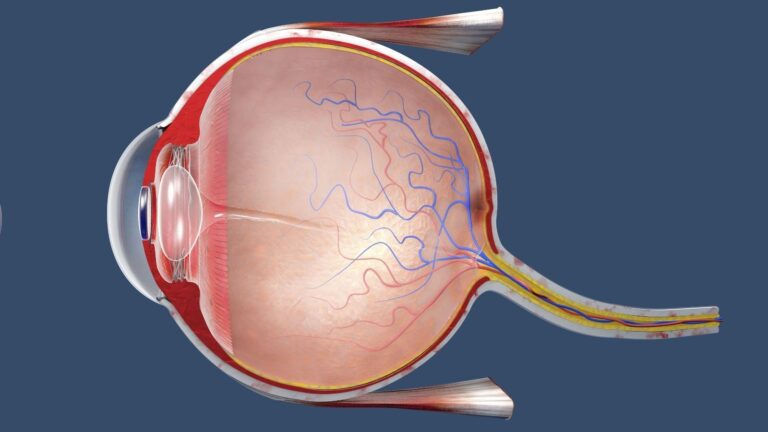
Eyelid swelling results from complex physiological and pathological processes. These processes are associated with mechanisms such as fluid accumulation and inflammation in the eyelid tissues. The eyelids contain many anatomical components, ranging from thin skin tissue to the tarsal plates. Because these structures have rich vascular and lymphatic systems, they are sensitive to disturbances in fluid balance.
Normally, there is a balanced flow of fluid between the blood vessels and the lymphatic system. However, increased vascular permeability may be triggered by the release of inflammatory mediators such as histamine and cytokines during immune responses. These mediators create gaps in the blood vessel walls, allowing fluids to enter the surrounding tissues. This appears as noticeable edema in the eyelid.
The drainage function of the lymphatic system plays a critical role in preventing fluid accumulation. Blockage or dysfunction of the lymphatic channels may cause fluid accumulation and swelling. The loose structure and thin skin of the eyelid tissues also make the edema more visible.
Mechanical factors may also contribute to the process. Blockage of the meibomian glands may cause localized inflammation and be associated with conditions such as chalazia.
Eyelid swelling generally causes discomfort around the eyes and may develop for different reasons. Its most common symptoms include redness, tenderness, and warmth of the eyelid skin. The swelling is often accompanied by pain or a sensation of pressure. Excessive tearing, sensitivity to light, photophobia, and gritty or burning sensations are also common. Some people may notice crusting along the eyelid margins in the morning. More serious cases may cause blurred vision and drooping of the eyelid, ptosis. These symptoms may vary according to the severity of the underlying cause. When symptoms resulting from conditions such as blepharitis, styes, chalazia, or allergic reactions are prolonged or severe, they should be assessed by an ophthalmologist for correct diagnosis and treatment.
Because eyelid swelling may have different causes, correct diagnosis is the foundation of an effective treatment plan. Diagnosis follows a systematic approach involving a detailed medical history, a careful physical examination, and supporting diagnostic tests when necessary.
The first step is to understand the patient's complaints in detail. The onset and course of the swelling provide critical clues. Sudden swelling generally suggests an infection or allergic reaction, while chronic swelling may be related to inflammatory or systemic causes. Accompanying symptoms such as pain, redness, itching, discharge, and changes in vision should be investigated carefully. The patient's allergy history, recent infections, trauma, and underlying medical conditions such as thyroid disease should also be evaluated. Environmental factors and lifestyle habits are important, particularly exposure to allergens, the use of new cosmetic products, and contact lens use.
Physical examination is another critical stage in understanding the cause. The eyelids are inspected carefully for redness, swelling, lesions, and deformities. During palpation, tenderness, firmness, and increased warmth are assessed to help distinguish infection from inflammation. Ocular structures such as the conjunctiva and cornea are evaluated to determine whether deeper structures are affected. Examination of the regional lymph nodes may also provide information about viral or bacterial infections.
Specialized tests may be required according to the clinical findings. A slit-lamp examination provides a detailed assessment of the ocular structures. Microbiological cultures may be obtained when necessary to identify infectious agents. If a systemic disease is suspected, laboratory tests such as a complete blood count or thyroid function tests may be performed. Imaging methods such as CT or MRI may be used for infections that have spread to the orbit or for tumors.
Treatment begins with correctly identifying the underlying cause. The treatment plan may include different methods depending on whether the swelling is associated with infection, allergy, structural problems, or cosmetic concerns. An assessment by an ophthalmologist is important for effective treatment in every case.
- Treatment of Infection-Related Swelling:
Infections such as blepharitis, styes, and chalazia may be treated by maintaining eyelid hygiene. Warm compresses help open blocked oil glands and promote drainage. Topical antibiotic ointments are effective for mild infections, while oral antibiotics may be necessary in more serious cases. If inflammation is pronounced, short-term topical corticosteroids may be added to treatment.
- Management of Allergic Reactions:
For swelling caused by allergies, antihistamines may be used orally or topically. These medications relieve symptoms by blocking the effects of histamine. Topical or systemic corticosteroids may be used in severe cases. However, corticosteroid application to the sensitive eyelid skin should be monitored carefully.
- Surgical Interventions:
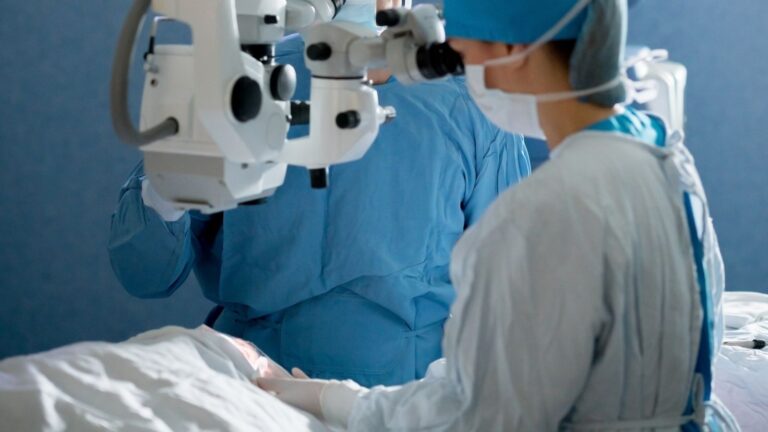
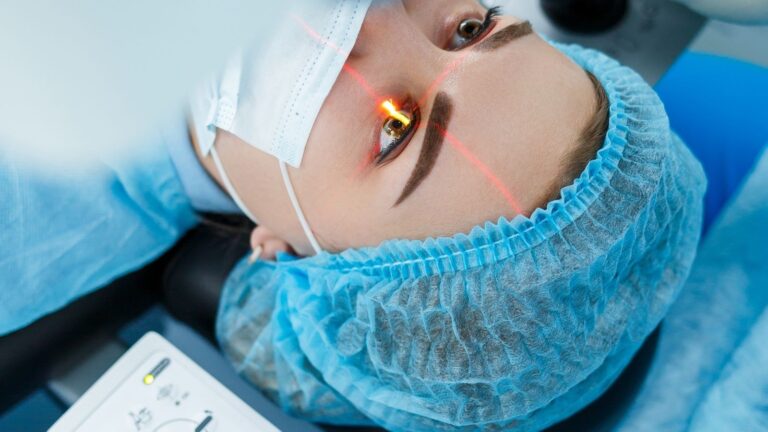
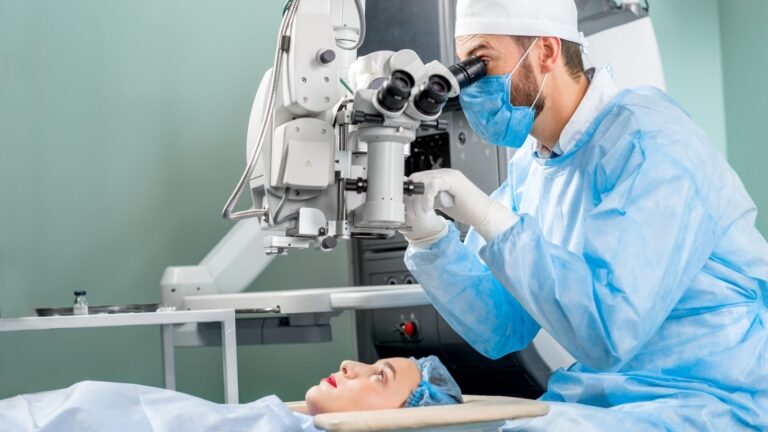
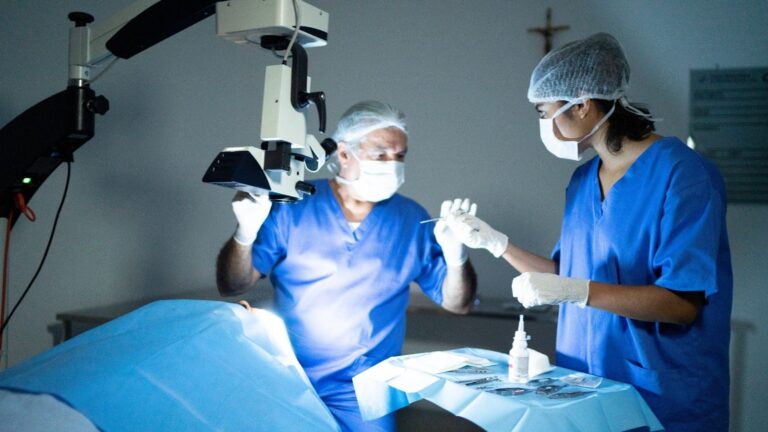
Swelling resulting from structural problems may be corrected with surgical procedures such as blepharoplasty. Conditions such as sagging upper eyelids and inward or outward turning of the eyelid, entropion or ectropion, may be treated surgically. Excess skin, muscle, and fat are removed during the procedure, providing both functional and cosmetic improvement. Recovery may take several weeks.
- Treatment of Cosmetic Concerns:
Age-related skin sagging and under-eye bags may be treated with blepharoplasty. Surgery aims to create a younger and refreshed appearance. Incisions are made along the natural eyelid creases to minimize visible scarring.
Eyelid swelling should not be neglected.
Eyelid swelling is often caused by a chronic condition such as blepharitis and may lead to serious complications if left untreated. One of the most common complications is the formation of a stye, hordeolum. It develops when eyelash follicles become swollen because of a bacterial infection and is generally painful. A chalazion is a painless but uncomfortable hard cyst resulting from blockage of the meibomian glands. If left untreated, the cyst may become chronic and require surgery.
Dry eye syndrome is another common complication of blepharitis. Eyelid inflammation disrupts the natural balance of the tear film and may cause dryness, irritation, and stinging. Persistent inflammation may lead to long-term eye infections such as chronic conjunctivitis. Redness, discharge, and discomfort are frequently observed in this condition.
In more advanced cases, blepharitis may affect the cornea and cause corneal ulcers or scarring. These complications carry a risk of vision loss and require urgent medical treatment. Chronic inflammation may also cause eyelashes to grow in the wrong direction or fall out, leading to further irritation of the ocular surface.
Although rare, serious infections of the tissues around the eye, such as orbital cellulitis, may develop if the condition is left untreated. Because orbital cellulitis carries a risk of vision loss or more serious systemic infection, it should be treated as an emergency.
Regular eyelid hygiene and specialist supervision are extremely important for preventing complications of blepharitis. Symptoms should therefore not be ignored, and early treatment should be provided.
Treatment depends on correctly diagnosing the underlying cause. The appropriate time for treatment varies according to the type and severity of the specific disorder causing the swelling. The timing and method of treatment are determined by symptoms affecting quality of life, the risk of complications, and the possibility that the condition may progress.
Eyelid problems that restrict the visual field or make daily activities difficult may require surgery. Drooping eyelids, ptosis, or excess skin, dermatochalasis, may significantly impair vision and cause secondary problems such as headaches or neck pain. In such cases, surgery should be performed at an appropriate time to improve vision and quality of life.
Eyelid swelling caused by infections such as blepharitis, styes, and cellulitis requires early treatment. Associated symptoms include pain, redness, and tenderness. Topical or oral antibiotics may be prescribed for bacterial infections, while steroid medications may be used for severe inflammation. Prompt treatment prevents the infection from spreading and reduces the risk of complications.
When eyelid swelling is caused by an allergic reaction, treatment involves antihistamines, mast cell stabilizers, and corticosteroids. If symptoms such as swelling, itching, and redness affect the patient's daily life, treatment should begin as soon as possible. Avoiding the substances that cause the allergy is also an important step in preventing recurring problems.
In addition to functional problems, cosmetic concerns may also be a reason for eyelid surgery. Blepharoplasty removes excess skin and fat, improves facial symmetry, and enhances appearance. The timing of surgery is planned according to the patient's needs and expectations.
Treatment can be successful when the underlying cause is diagnosed correctly. However, treatment or surgical intervention may be unsuitable in certain circumstances, and these situations should be assessed carefully.
- Severe Dry Eye Syndrome:
Eyelid surgery should be planned carefully for individuals with dry eye syndrome. Changing the position of the eyelid or affecting the blinking mechanism may disrupt tear distribution and worsen symptoms. Dry eye should therefore be treated first.
- Uncontrolled Systemic Diseases:
When systemic conditions such as diabetes and hypertension are not properly managed before surgery, they may increase the risk of perioperative complications such as infection, healing problems, or bleeding. Bringing these conditions under control is important for surgical success and patient safety.
- Bleeding Disorders:
Patients with hemophilia or those taking blood-thinning medication may face a risk of bleeding after eyelid surgery, potentially resulting in serious complications. A hematological assessment should be performed before surgery, and medications should be adjusted when necessary.
- Active Infections:
When active infections such as conjunctivitis or a stye are present around the eye, surgery may cause the infection to spread. Surgery should be postponed until the infection has been treated.
- Psychological Instability:
People who approach surgery with unrealistic expectations or have psychiatric disorders may experience dissatisfaction and psychological problems. These circumstances should be assessed carefully before surgery.
- Allergic Reactions and Other Treatment Contraindications:
The use of antibiotics or corticosteroids may cause serious adverse effects in patients who are allergic to these medications. Corticosteroids are also contraindicated in patients with glaucoma, herpes simplex, and certain systemic infections. A detailed medical history should be obtained before treatment, and alternative methods should be considered.
Eyelid swelling requires different recovery processes depending on the underlying cause. Postoperative swelling generally reaches its highest level within the first 48 to 72 hours after the procedure and then begins to decrease. Cold compresses are recommended to relieve the swelling. Keeping the head elevated, particularly while sleeping, helps regulate blood circulation and reduce swelling. Keeping incisions clean and dry reduces the risk of infection, while prescribed eye drops and ointments help maintain the eye's moisture balance.
Antibiotic treatment generally provides rapid improvement in infection-related swelling. However, careful eyelid hygiene is important for preventing the infection from spreading. Warm compresses improve circulation and support recovery. Medical assistance should be obtained if symptoms such as increasing swelling, redness, or pain develop.
Recovery after cosmetic eyelid surgery involves similar measures. During the early postoperative period, patients should avoid activities such as watching television and reading to help prevent dry eye. Sunglasses are recommended to protect the eyes.
For swelling caused by allergic reactions, antihistamine or corticosteroid treatment may be used. Following the medication schedule, avoiding allergens, and attending regular medical examinations accelerate recovery. Because long-term corticosteroid use may cause adverse effects, treatment must continue under specialist supervision.
A multifaceted approach is necessary to prevent the condition from recurring or reduce its severity.
Eyelid hygiene is a fundamental step in preventing infections and inflammation. Regularly cleaning the eyelids with a gentle cleanser reduces the accumulation of dirt and oil and lowers the risk of conditions such as blepharitis and styes. Suitable cleansers such as diluted baby shampoo may be used. Applying warm compresses for 5 to 10 minutes each day also supports the proper function of the meibomian glands and protects eye health.
People who are sensitive to allergens should be aware of triggers such as pollen, dust, and pet dander. Hypoallergenic cosmetic products should be preferred, while antihistamine treatment or preservative-free eye drops may be used to relieve allergy symptoms. If allergic reactions continue, consulting an allergy specialist is recommended.
Adopting healthy lifestyle habits is important for preventing eyelid swelling. Adequate and regular sleep helps prevent fluid accumulation around the eyes. Keeping the head slightly elevated while sleeping reduces fluid retention. Reducing salt intake, limiting alcohol consumption, and drinking water regularly support eye health. Regular exercise improves general circulation and helps reduce swelling.
Cosmetic products should be used carefully. Avoiding expired products, removing makeup properly, and choosing fragrance-free products help prevent irritation. Contact lenses should be used in accordance with hygiene rules, and lens cases should be cleaned regularly.
Avoiding environmental irritants, wearing sunglasses with UV protection, and managing medical conditions such as thyroid disease are vitally important for preventing eyelid swelling.