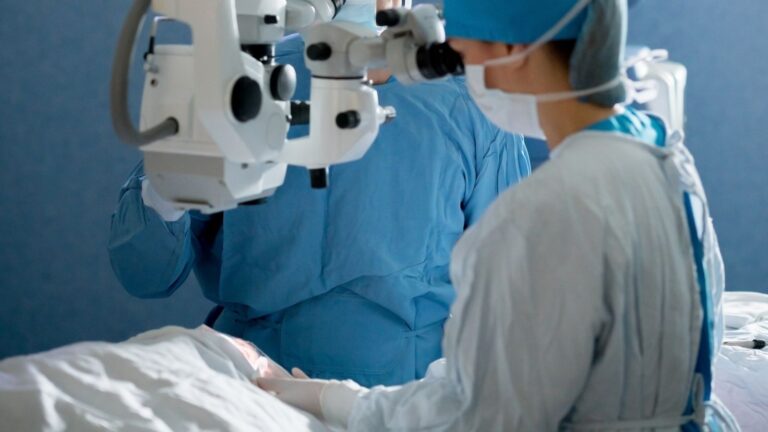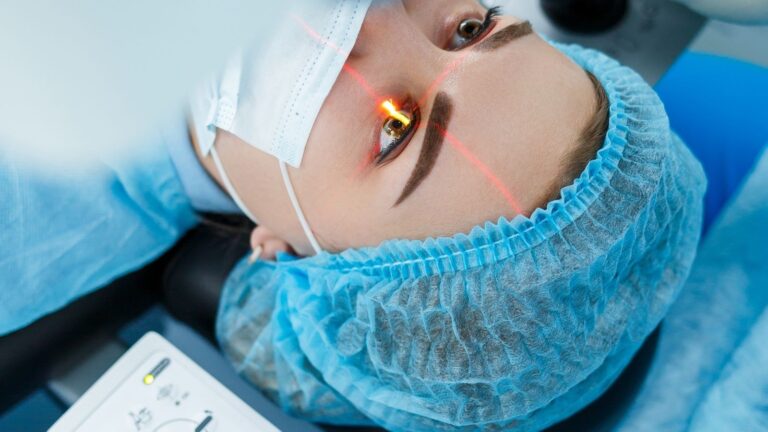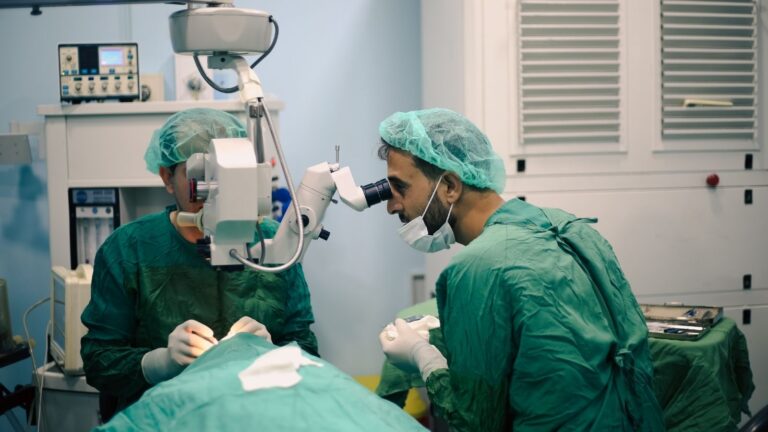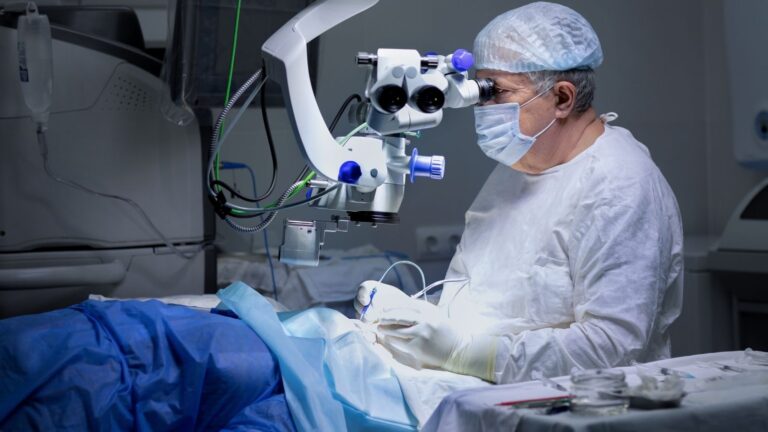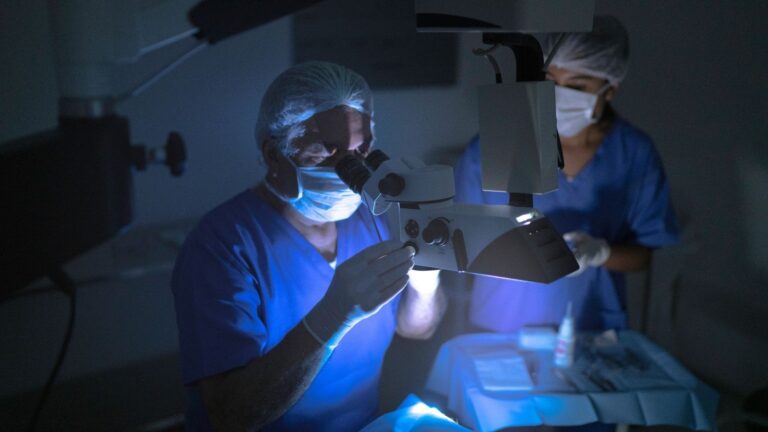

Phone and computer use after eye surgery may affect the recovery process. It is particularly important not to strain the eyes during the first few days. The physician's recommendations should be followed.
Looking at digital screens for extended periods may cause dryness and fatigue. During the first few weeks, screen time should be kept short and regular breaks should be taken.
Sensitivity to screen light may increase after certain procedures, particularly laser surgery. During this period, screen brightness should be adjusted and prescribed eye drops should be used regularly.
Screen use is not completely prohibited in the long term. However, controlled use and regular follow-up examinations are necessary to protect eye health.
Eye tissue needs time to recover after surgery. During this process:
- Healing rate of the tissues: Incisions inside the eye, laser procedures, or lens implantation can be compared to a delicate sapling taking root after being planted. Just as exposure to strong winds and harsh weather before the roots have settled may interrupt a sapling's development, eye tissues need time to recover. Screen light and prolonged focusing may delay the healing of these sensitive tissues.
- Destabilization of the tear film: The blinking reflex tends to decrease while looking at digital devices. This thins the tear film and may increase dry eye symptoms, particularly after surgery. Patients may commonly experience burning, stinging, or the sensation of sand in the eye.
- Changes in intraocular pressure: Intensive focusing may sometimes cause fluctuations in intraocular pressure. Sudden pressure changes may produce undesirable outcomes, particularly after certain procedures such as glaucoma or cataract surgery.
- Light sensitivity: The eye may become sensitive to light after surgery because of surgical trauma. Bright light and blue light wavelengths emitted by digital screens may cause discomfort.
These factors demonstrate the need to manage postoperative screen time carefully. This can be compared to trying to slice a loaf of bread before it has fully cooled after coming out of the oven. Just as warm bread may fall apart, eye tissues may be strained if they are used intensively before regaining their integrity after surgery. The bread cools and the eye heals over time, making normal use much safer afterward.
Although every procedure has individual differences, the general periods requiring attention are as follows:
- The First 24 to 48 Hours
Surgeons generally recommend minimizing phone, tablet, and computer use during this period. At this critical stage, the eye is trying to regain its natural balance, while the internal tissues are more vulnerable to trauma, light discomfort, and dryness. Depending on the type of surgery and the physician's recommendations, this period may be longer or shorter for some patients.
- Careful and Brief Use During the First Week
When screen use is necessary, it is best to keep it as brief as possible and stop before discomfort develops. Additional measures such as reducing phone brightness, activating night mode, or using a blue light filter may reduce potential eye fatigue.
- Gradual Increase After the First Week
If recovery is progressing well, screen time may be increased gradually according to the physician's recommendations. For example, use limited to a total of 1 to 2 hours a day during the first week may be increased to 3 to 4 hours during the second week. Because every patient is different, it is difficult to establish a standard protocol. The process should continue under medical supervision.
These recommendations are intended to support slow and steady healing, similar to the way the body closes a wound. Excessive screen exposure during the early period may cause eye irritation and fluctuations in visual quality.
Although devices with larger screens generally allow more comfortable focusing than phones, similar precautions apply regarding duration.
- Sensitive First 48 Hours
Because of postoperative sensitivity, avoiding computer use during the first two days is frequently recommended. This can be compared to immediately planting and cultivating a freshly plowed field. Allowing the soil to rest gives seeds an opportunity to take root. The eye also needs this period of rest.
- Short and Intermittent Use
If essential tasks must be completed after the second or third day, beginning with periods of 10 to 15 minutes may be helpful. Using eye drops and performing frequent blinking exercises between these periods are recommended.
- Gradual Increase During the Following Days
Computer use may be increased over the following weeks under medical supervision. However, if any abnormal symptom such as blurred vision, pain, burning, or stinging occurs, the person should move away from the screen and rest the eyes.
Prolonged screen exposure may adversely affect recovery through several mechanisms:
- Reduced Blinking
While using digital screens, the normal blinking rate of 15 to 20 times per minute may decrease to 5 to 7 times. Consequently, the tear film cannot moisturize the ocular surface adequately, which may aggravate postoperative dry eye.
- Digital Eye Strain
"Digital eye strain" is a term increasingly used in modern life. People who look at screens for extended periods may experience focusing problems, eye pain, headaches, and even neck and muscle tension. After surgery, this fatigue is more likely to affect recovery adversely.
- Imbalanced Lighting and Reflections
Bright light reflected by screens and the blue light spectrum may place additional stress on the eyes. Because an operated eye may be more sensitive to light, this can cause greater discomfort.
- Risk of Infection
Although it may not appear to be directly related to screen time, prolonged concentration and dryness may increase the urge to rub the eyes. Rubbing can irritate surgical sutures or incisions and transfer microorganisms to the ocular surface.
Small screens, including phones and tablets, are viewed from shorter distances and often have higher brightness levels. This requires additional near-focusing effort. Computer screens are generally positioned farther away and are larger, allowing text and images to be viewed with less strain. However, prolonged computer use carries similar risks. It is therefore not possible to state definitively that phones are more harmful or computers are safer. The duration and manner of use are decisive for both devices.
Dim or excessively bright environments are important factors affecting comfort after eye surgery. In a well-lit environment:
- The contrast required between the screen and the environment decreases.
- Visual comfort increases because the pupils do not constrict excessively.
- The degree of eye strain partially decreases.
Looking at a bright screen in darkness, however, can cause excessive dilation of the pupils, increase light sensitivity, and trigger eye fatigue. Just as a powerful flashlight suddenly switched on in darkness causes discomfort, the eyes may experience greater strain. Ambient lighting should therefore be adjusted carefully when using digital devices after surgery.
Patients should monitor various warning signs after any eye surgery. These symptoms may indicate that screen use is excessive and is straining the eye:
- Increasing Redness
Mild redness is normal. However, if burning, stinging, and redness increase while looking at a screen, the duration should be shortened or a break should be taken.
- Headache and Pain Around the Eyes
These symptoms generally indicate strain. Prolonged focus on a fixed screen may create muscle tension in eyes that have received a new lens implant or undergone corneal surgery.
- Blurred or Fluctuating Vision
Visual quality may fluctuate after surgery. If these fluctuations increase while looking at a phone or computer screen and decrease with rest, adjusting screen time may be helpful.
- Severe Dryness or Watering
Digital devices may increase dryness by disrupting the distribution of tears. Excessive watering may sometimes occur as a reflex response to dryness. This paradoxical reaction indicates that the screen is straining the eye.
- Increased Light Sensitivity
If bright screen light causes discomfort, this may also be a warning sign. After eye surgery, an effect similar to sensitivity to a camera flash may occur, indicating difficulty adapting to screen light.
Using the drops and medications prescribed after surgery significantly accelerates recovery. The most commonly recommended medication groups include:
- Antibiotic Drops: These are used to prevent postoperative infections. If a person tends to rub the eyes while using a screen, the likelihood of microbial contamination increases. These drops act as a barrier against possible infectious agents.
- Steroid or NSAID Drops: These control inflammation and support healing. Because digital screen light and prolonged use may extend the inflammatory response, these drops are important.
- Artificial Tears: These are prescribed or recommended to relieve dry eye symptoms. The reduction in blinking while looking at digital devices makes these drops more valuable. Preservative-free formulations are particularly comfortable during long-term use.
Regular and correct use of these drops is important both for the success of the surgery and for minimizing screen-related side effects.
Eyes that have undergone surgery are more sensitive to environmental factors during the first few weeks. The following settings may be adjusted on every digital device:
- Brightness Setting
Screen brightness should be adjusted to match the lighting in the environment. A screen that is too bright or too dim requires additional visual effort. A moderate brightness level that feels comfortable should be selected.
- Contrast and Text Size
The contrast level may be increased to make text clearer. Larger fonts reduce visual effort. Small fonts require greater near focusing and may trigger eye fatigue during the postoperative period.
- Blue Light Filter
Many phones and computers include a "Night Mode" or "Blue Light Filter" feature. Blue light may cause retinal discomfort and affect sleep patterns. These filters reduce the blue light emitted by the screen and increase visual comfort.
- Screen Protector Films
Anti-glare and blue light filtering screen protectors may improve the user experience. These filters may support eye comfort, particularly in brightly illuminated offices or environments with direct sunlight.
- The 20-20-20 Rule
This rule can be summarized as "looking at a point 20 feet, approximately 6 meters, away for 20 seconds every 20 minutes." It helps relax the eye muscles and prevents the postoperative eye from remaining continuously fixed on a screen.
Cataract surgery replaces the cloudy natural lens with an artificial lens. The adaptation process to this new lens may differ between patients. During the first few days, some people may experience mild fluctuations in visual acuity, brighter colors, or excessive light sensitivity. Digital device use may make this adaptation more difficult because:
The focusing characteristics of the new lens may be different. Focusing at near or far distances may require a different amount of effort than before. Spending long periods in front of a screen may slow adaptation.
Dry eye complaints may become more noticeable after cataract surgery. While the tissues around the new lens recover during the first few weeks, screen-related dryness may become more uncomfortable.
Monitoring intraocular pressure is one of the issues requiring attention during the postoperative period. Prolonged near focusing may affect the internal dynamics of the eye.
People who have undergone cataract surgery should therefore approach television and computer use carefully after the procedure. This plays a critical role in protecting eye health.
Excimer laser procedures such as LASIK, PRK, and LASEK are delicate treatments applied to corneal tissue. During these procedures, a thin layer of the cornea is lifted or surface ablation is performed. The main considerations regarding screens are:
- Corneal Dryness and Epithelial Healing: After surgery, the cornea rebuilds its superficial epithelial layer. Digital screens reduce blinking frequency and may slow epithelial healing while increasing dryness.
- Light Sensitivity: Light sensitivity is pronounced during the first few days after laser procedures. Bright screens or strongly illuminated environments may increase corneal discomfort.
- Flap Displacement (LASIK): The corneal flap created during LASIK adheres to its position within a short time. During the first few days, however, rubbing the eyes, crying intensely, or staring at a screen for extended periods may adversely affect flap integrity.
- Rapid Visual Stabilization: Vision generally improves noticeably within a few days after LASIK and PRK. Excessive screen use may increase fluctuations in visual quality and place stress on the eye.
Just as a delicate flower must gradually become accustomed to sunlight, eyes recovering from laser surgery must adapt carefully to the digital world.
The eye uses its muscles to focus at near and far distances. Prolonged near focusing causes fatigue in these muscles. Taking breaks from screens allows them to relax. This can be compared to resting the leg muscles after a long marathon. Just as a marathon runner maintains performance more effectively by taking food and water breaks instead of running 42 kilometers without stopping, the eye muscles also recover through short breaks. This need is even greater after surgery because a healing eye becomes tired more quickly than under normal conditions.
Digital screens may emit significant amounts of blue light. Some studies suggest that high levels of blue light exposure may cause oxidative stress in retinal cells. However, this risk may not be significant in practice for most people. Nevertheless, taking additional precautions may be beneficial because the eye is healing and more sensitive after surgery. Blue light filters or protective glasses may reduce discomfort. This approach can be compared to wearing a hat or sunglasses when the midday sun is strongest. When direct exposure to harmful rays is prevented, the skin or eyes experience less strain.
The ocular surface may feel drier than usual after surgery. Ambient temperature and humidity can increase or decrease the severity of dryness:
- Dry Environments: Air-conditioned offices, homes with intensive heating during winter, and regions with very low humidity may increase dryness. This can aggravate postoperative discomfort.
- Humid Environments: Moderate humidity helps keep the tear film stable. Very high humidity may cause a misty or sweaty sensation around the eyes, but it generally does not increase postoperative dry eye complaints.
Creating an appropriate environment for screen use after surgery is therefore important for recovery comfort. A balanced environment reduces eye sensitivity.
In addition to digital screen use, several activities may pose risks to eye health:
- Being in Dusty or Smoky Environments: The postoperative ocular surface is more sensitive to particles. If screens are used in such environments, dryness may also increase.
- Excessive Near Work: Not only digital screens but also books, crafts, or viewing a phone from a very close distance may strain the eyes. After surgery, maintaining a viewing distance of at least 30 to 40 cm is generally recommended.
- Exposure to Water and Steam: Swimming pools, saunas, and Turkish baths should be avoided during the first few days after surgery. This may increase both infection risk and eye irritation.
These activities may further intensify the challenges associated with screen use. They also require caution after surgery.
Every patient has a different eye anatomy, healing capacity, and type of surgery. Individual assessment is therefore vital in addition to general recommendations. The specialist who performed the procedure has the best understanding of the patient's eye pressure, corneal thickness, possible retinal problems, and healing rate. This is similar to a tailor making clothing according to the measurements of a particular person. A standard pattern may not always fit. The physician can therefore provide the most accurate information about how long to wait before returning to screens, which drops should be used more frequently, and under which circumstances another follow-up appointment is necessary.
People who habitually spend hours in front of screens without noticing the passage of time should take additional care after surgery. The following measures may help:
- Using an Alarm or Timer
A reminder may be set on the phone or computer for every 20 to 30 minutes. When the alarm sounds, taking a short break and resting the eyes is beneficial.
- Eye Exercises
Simple focusing exercises recommended by specialists may be performed. For example, alternating focus between a nearby object and a distant one increases the flexibility of the eye muscles.
- Using Artificial Tears or Eye Drops
Applying drops at specific intervals compensates for the reduced blinking reflex during screen use and decreases discomfort.
- Limiting Screen Time
Dividing activities such as watching videos, browsing social media, or playing games into short sessions reduces the burden on the eyes.
Television is generally viewed from a greater distance and may cause less eye strain than near screens. However, screen size and brightness are also important. Watching a bright television in a dark room may cause discomfort after eye surgery. Reading a book does not involve the blue light associated with digital screens, but very small print and inadequate lighting may cause similar strain. Taking breaks and optimizing lighting conditions are therefore also recommended when reading.
Long-term use of phones, tablets, and computers, which have become part of modern life, may have certain effects on eye health:
- Development of Myopia: Exposure to screens for many hours from a very young age may contribute to myopia. Although this risk does not increase specifically after surgery, eye fatigue remains an important consideration.
- Digital Eye Strain and Neck or Back Problems: Remaining in the same position continuously may increase neck and back pain. Although this does not directly affect the surgical area after eye surgery, it influences general physical health.
- Chronic Dry Eye: Prolonged screen exposure may permanently disrupt the tear film balance. Although this condition may improve during postoperative recovery, it can become persistent if it is not managed carefully.
Long-term interaction with screens requires additional care in operated eyes. Just as a vehicle should be serviced before a long journey, a person who has undergone eye surgery should manage the process through regular medical examinations and appropriate digital habits.
Mild pain or burning after surgery may be considered normal. However, if these complaints increase noticeably while looking at a screen, several possible causes should be considered:
- Dry Eye Episodes: If the tear film is not sufficiently stable, prolonged screen use may increase burning or stinging.
- Infection or Inflammation: If the pain becomes severe, visual quality deteriorates, or heavy discharge develops, an infection should be considered. Consulting a specialist without delay is essential.
- Changes in Intraocular Pressure: Fluctuations in eye pressure may cause pain after certain procedures. Intense concentration while using a screen and, in rare cases, stress may affect this pressure.
These symptoms indicate how much digital device use may affect the postoperative eye. If pain and burning increase while looking at a screen and decrease with rest, limiting screen time and consulting the physician would be appropriate.
The days after surgery also provide an opportunity to explore alternative activities that protect eye health:
- Audiobooks and Podcasts: These are effective ways to obtain information or enjoy entertainment without exposure to screen light.
- Light Exercise and Walking: After receiving medical approval, taking short walks in fresh air supports physical health and helps relax the eye muscles.
- Meditation and Breathing Exercises: Reducing stress may indirectly help the eyes rest. Relaxation during the postoperative period supports recovery.
- Listening to Music or Light Crafts: Listening to music or doing crafts that do not require intensive near focusing may provide relaxation without excessively tiring the eyes.
These alternatives reduce the visual burden created by digital devices and benefit both mental and eye health.
Postoperative digital screen use can significantly affect the patient's comfort and the success of surgery. Although screen use may be unavoidable, the following fundamental principles should be remembered:
- Careful Beginning
Screens should be avoided as much as possible during the first 24 to 48 hours. This period may be shorter or longer depending on the type of surgery.
- Gradual Increase and Breaks
During the following days, brief use, frequent breaks, and adjustments that increase eye comfort, such as activating a blue light filter or reducing brightness, should be prioritized.
- Managing Dryness
Artificial tears, regular blinking exercises, and attention to ambient humidity are the main ways to reduce postoperative dry eye.
- Monitoring Symptoms
If redness, pain, blurred vision, or similar symptoms intensify with continued screen use, the duration should be reduced immediately and a specialist should be contacted.
- Personalized Guidance
Every operation is unique, and every eye heals at a different rate. Specialist supervision and individualized medical guidance should therefore always take priority.
Digital screens are an integral part of modern life. Completely avoiding phones, tablets, and computers after eye surgery is impractical for many people. Nevertheless, eye health can be protected through conscious and careful use. Adequate rest, correct use of prescribed drops, ergonomic adjustments, and complete adherence to the physician's recommendations contribute to long-term surgical success and patient satisfaction.