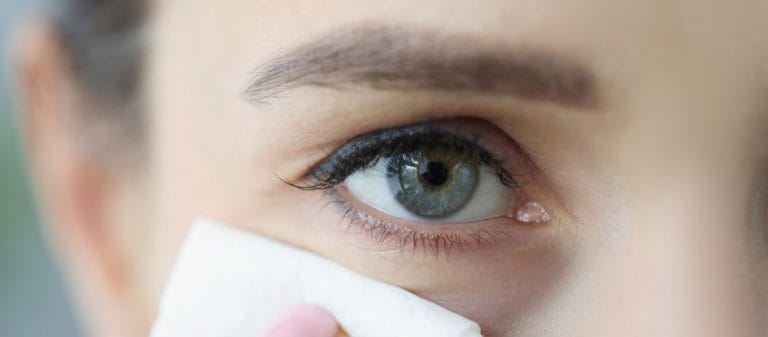
Eye cleaning is important for preventing infections and protecting eye health. The safest method is to clean the eyes gently with sterile materials without rubbing them. Incorrect practices may cause irritation.
If there is discharge or a foreign-body sensation in the eye, it should be rinsed with sterile saline. Tap water is not recommended because it may contain microorganisms and chemicals.
Contact lens users should pay particular attention to eye hygiene. Inserting, removing, and storing lenses hygienically is critical for eye health.
A physician should be consulted in cases of eye allergy or infection, and medications should not be used without medical advice. Regular cleaning and examinations support long-term eye health.
Every organ in the body has its own protective mechanisms. The eyes also have protective structures such as tears, eyelids, eyelashes, and tear ducts. However, these natural mechanisms may not always be sufficient. Dust, makeup residue, air pollution, wind, and various chemicals encountered during the day may accumulate on the ocular surface and cause irritation or even infection.
Imagine the ocular surface as the windshield of a car. Just as insects, dust, and mud sticking to the windshield obstruct vision and threaten driving safety, dirt, allergens, and microorganisms accumulating on the ocular surface can negatively affect clear vision and eye health. Flaking or discharge around the eyelids may create a suitable environment for bacteria and other pathogens to reproduce. Scientific studies show that regular eye hygiene significantly reduces the risk of infections such as conjunctivitis and keratitis.
In certain situations, the eyes become more sensitive than usual and require additional care. Examples include:
- Contact Lens Use:
Because contact lenses create a direct contact surface between the eye and the outside world, following hygiene rules is essential. Incorrect cleaning or prolonged use of contact lenses may allow microorganisms to adhere to the lens and cause serious infections such as contact lens-related keratitis.
- Eyelid Conditions Such as Blepharitis and MGD (Meibomian Gland Dysfunction):
Inflammation of the eyelids or impaired oil secretion from the meibomian glands frequently causes crusting and flaking around the base of the eyelashes. This reduces visual comfort and may become chronic if left untreated. Proper eyelid cleaning is the first step in controlling the symptoms.
- Period After Surgical Procedures:
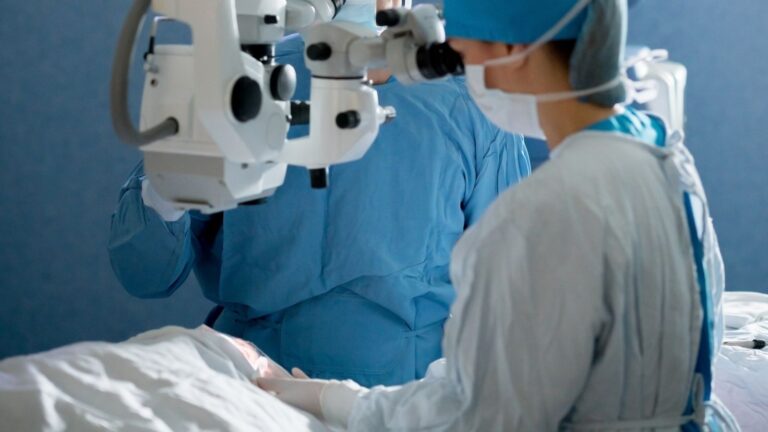
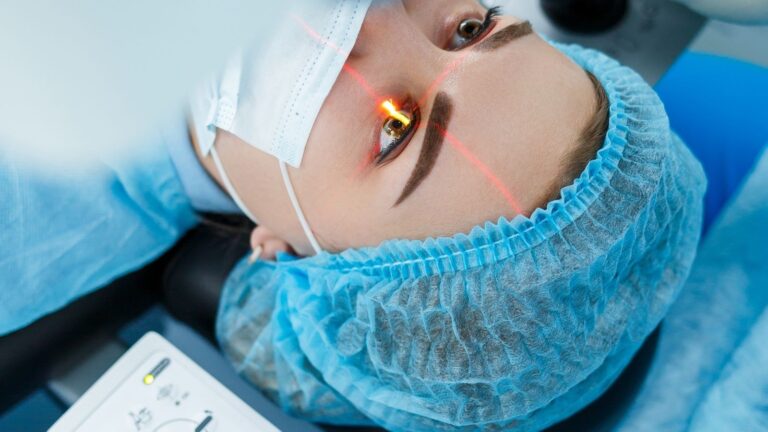
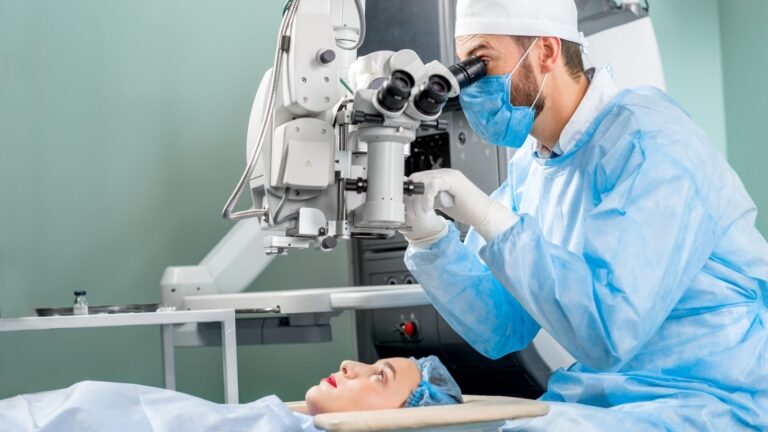
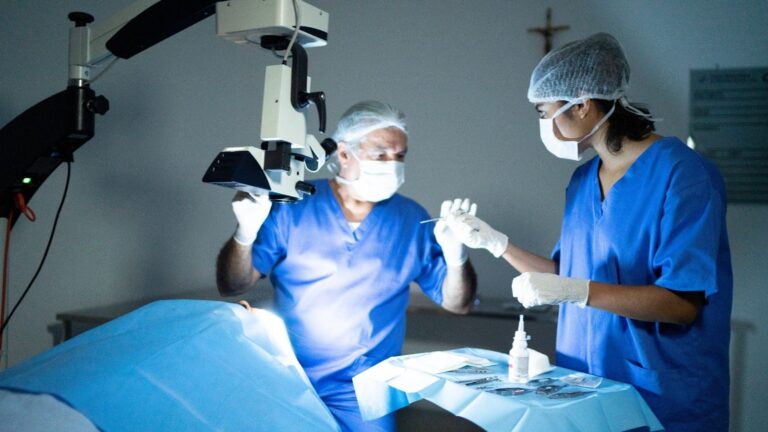
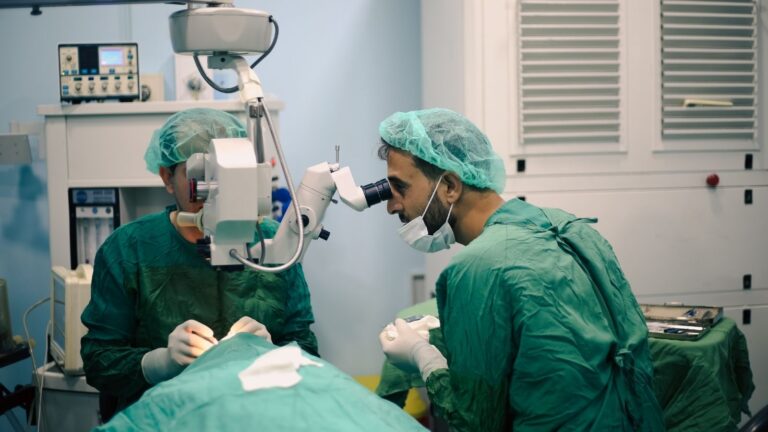
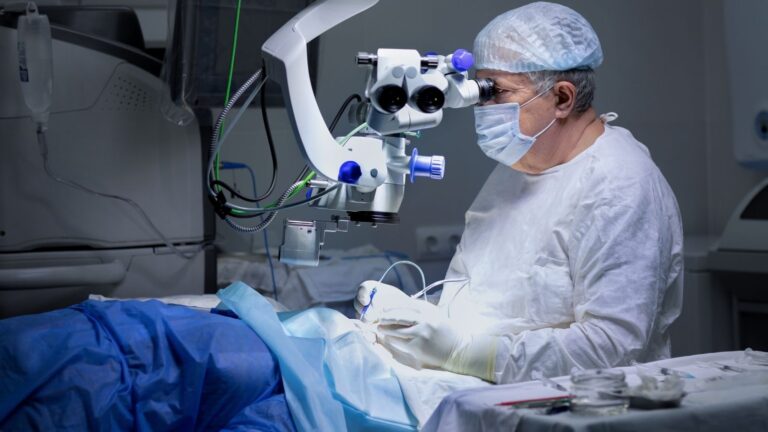
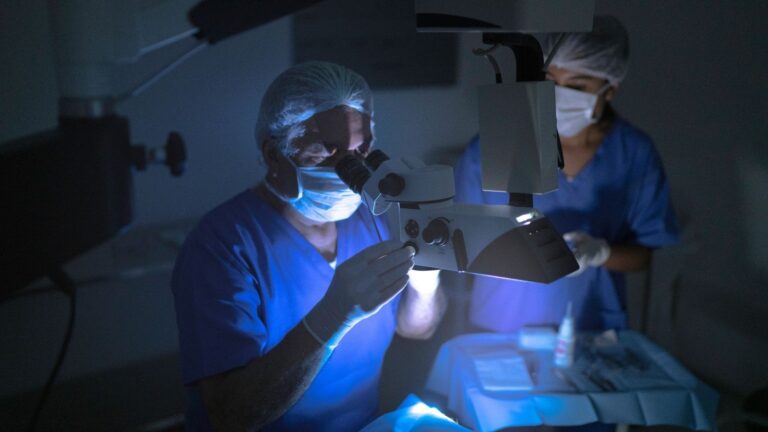
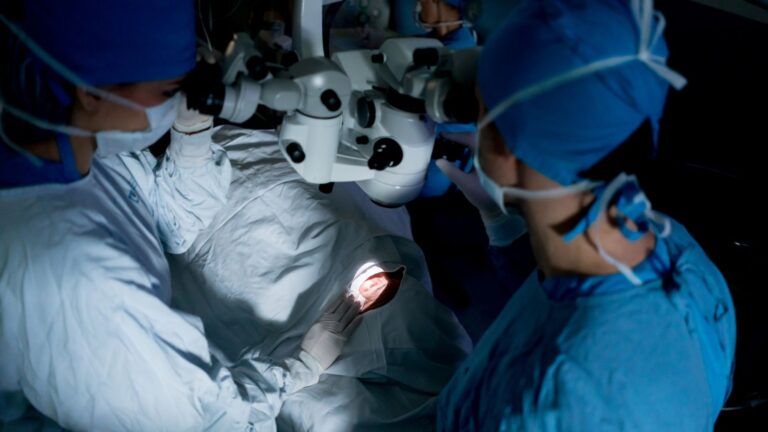
After operations such as cataract surgery, refractive surgery such as LASIK, or corneal transplantation, the cleaning protocols recommended by the physician must be followed precisely. The instruments used during surgery and postoperative dressings must be sterile. However, failure to maintain personal hygiene may also negatively affect healing.
- Chemical Exposure:
Immediately and correctly rinsing the eyes after exposure to strong chemicals at work or home significantly reduces the risk of permanent damage. Scientific sources emphasize that delayed irrigation after contact with alkaline substances may cause severe damage to corneal tissue.
- Allergic Reactions:
In conditions such as seasonal pollen allergy or dust sensitivity, allergens accumulating in the eyes may cause excessive watering, itching, and redness. Removing the allergens and using appropriate eye drops may alleviate these findings.
Just as even the most secluded corners of a home require regular cleaning, the eyes may need additional care in certain situations. Neglecting eye hygiene, particularly among people in risk groups, may cause damage that is difficult to reverse.
Chemical contact with the eye requires urgent intervention. If a chemical accidentally splashes or comes into contact with the eye, the following steps should be taken:
- Rinse Immediately:
Whether at home, at work, or outside, begin rinsing the eye using the nearest source of clean water. Sterile saline or lactated Ringer's solution is preferable when available. Most specialists recommend rinsing for at least 15 minutes because alkaline substances may penetrate deeply into the cornea and cause permanent damage.
- Separate the Upper and Lower Eyelids:
If an eyelid speculum or similar instrument is unavailable, gently separate the eyelids using clean fingertips. The objective is to allow the water to reach the entire surface of the eye. Otherwise, the chemical may remain in deeper areas and reduce the benefit of rinsing.
- Monitor the pH:
In a hospital setting, the pH of the ocular surface is measured after irrigation following alkaline or acidic burns. Irrigation should continue until the pH returns to its normal level of 7.0-7.2. Although this facility is not available in every home, the main principle following chemical exposure is prolonged irrigation with plenty of fluid.
- Seek Medical Assistance:
After rinsing has been completed, an emergency department or ophthalmologist must be consulted. The type of chemical, degree of damage, and possible corneal epithelial defects can be determined only through a specialist examination.
Imagine placing too much detergent in a washing machine. If you stop the machine after only a short rinse, detergent residue will remain on the clothing and may irritate the skin. Similarly, brief or inadequate eye irrigation may leave chemical residue behind and cause further damage.
Contact lenses offer a practical alternative to glasses but also carry serious risks when they are not cleaned correctly. Studies have found that severe infections such as keratitis may develop because a significant proportion of contact lens users do not follow hygiene rules.
- Do Not Sleep with Your Contact Lenses:
Except for certain products marketed for extended overnight wear, sleeping with contact lenses may reduce oxygen supply to the eye and promote bacterial growth. A lens left in the eye throughout the night acts like a covering that prevents the skin from breathing. You may wake the following morning with complaints such as eye redness, burning, and stinging.
- Use the Cleaning Solution Correctly:
Do not leave the bottle open and do not use contact lens solution after its expiration date. To save money, some users reuse the solution or fail to clean the lens case for long periods. This creates highly favorable conditions for microbial growth.
- Pay Attention to the Lens Case:
Studies show that the hygiene of the contact lens case is at least as important as the cleanliness of the lenses. Fungi and bacteria can reproduce much more rapidly than expected. It is therefore recommended to replace the lens case at least once a week or clean it carefully with boiled water and soap. The case must be allowed to dry completely after cleaning.
- Rest the Eyes:
Prolonged contact lens use may reduce oxygen levels on the ocular surface and impair tear quality. Returning to glasses periodically when contact lenses are not necessary is another way to rest the eyes.
Maintaining contact lens hygiene is as important as keeping the eye in a sterile surgical environment. Neglect may cause problems that progress to permanent eye damage.
When a foreign object such as a grain of sand, dust, an eyelash, or a small metal fragment enters the eye, the natural reaction may be to rub it. However, rubbing may push the object deeper into the cornea or cause a scratch. The correct approach is as follows:
- Clean the Hands:
Wash your hands with soap and water before attempting to remove the foreign object. Otherwise, microorganisms may be transferred to the eye.
- Gently Irrigate the Eye:
If the object is small and located on the surface, try to remove it by rinsing the eye with sterile saline or, if this is unavailable, clean water that may have been boiled and cooled. The purpose is not to use pressurized water, which could damage the eye, but to remove the foreign material with a gentle flow.
- Examine the Upper and Lower Eyelids:
Foreign objects may sometimes become trapped inside an eyelid. It may be necessary to gently turn the upper eyelid to examine it. Doing this without professional assistance is difficult, but if attempted, it should be done very slowly and carefully. Material such as flakes, discharge, or fine metal residue may be present underneath.
- Equipment That May Be Used:
In a hospital, foreign objects are removed using sterile instruments such as an ophthalmic spud or needle tip. If these instruments are unavailable at home and the object is large, consulting an ophthalmologist is the safest option. Using sharp objects to remove it yourself may cause permanent damage.
- Antibiotic Drops or Ointment Afterwards:
If there is any suspicion of a scratch or irritation on the ocular surface, an antibiotic drop or ointment recommended by the ophthalmologist may reduce the risk of infection. Eye patching was frequently used in the past, but current studies emphasize that it does not make a significant contribution to healing and may even increase bacterial growth.
A foreign-body sensation may be described as though a fine hair is stuck to the eye. However, this feeling may occur even when no object is present, as in dry eye syndrome. If the symptoms do not resolve or continue to worsen, consulting an ophthalmologist is the most appropriate action.
Eye makeup, including mascara, eyeliner, and eyeshadow, has become part of modern life. Although it highlights the area around the eyes, it also carries certain risks. Failing to keep mascara brushes clean or applying contaminated brushes to eyeliner and eyeshadow palettes may create an environment in which bacteria and fungi can grow.
- Pay Attention to Makeup Expiration Dates:
Products such as mascara are generally recommended to be replaced every 3-6 months. Microorganisms that grow inside the product after it has been opened may cause conditions such as styes, conjunctivitis, and keratitis.
- Avoid Contact with the Eye During Application:
The eyeliner or mascara brush should not touch the eye directly. A mirror should always be used during application, and sudden movements should be avoided.
- Do Not Share:
Using a friend's mascara or eyeliner while thinking that a single use will not cause a problem is one of the most common ways of contracting an infection. Even today, many conjunctivitis outbreaks may occur through shared makeup products.
- Always Remove Eye Makeup:
Sleeping with eye makeup on prevents the eyelids from breathing and promotes bacterial growth. Makeup residue may also disrupt the tear film and increase dry eye symptoms.
Like the knives, spoons, and plates used in a kitchen, makeup products should be personal, clean, and replaced regularly. This considerably reduces the risk of developing a serious eye infection while trying to improve your appearance.
Warm compresses play an important role in cleaning and restoring the function of the glands along the eyelid margins, particularly in conditions such as blepharitis, meibomian gland dysfunction, and dry eye. When hardened butter is warmed slightly, it becomes easier to spread. Similarly, applying a temperature of approximately 40°C makes the secretions in blocked meibomian glands more fluid and helps open the obstructed ducts.
- Application Method:
Soak a clean cloth or a commercially available heated eye mask in warm water that is not hot enough to burn the skin and place it over the eyelids. An average application time of 5-10 minutes is appropriate.
- Frequency:
Some specialists may recommend warm compresses twice a day. However, patient comfort and the physician's advice are important. Applying compresses too frequently or at an excessively high temperature may irritate the skin.
- Massage:
A gentle eyelid massage may be performed after the warm compress. This helps the thick secretions in the meibomian glands drain outward. Hard or traumatic movements must be avoided.
To maintain the benefits of a warm compress, it is important to ensure that the temperature is preserved during application. Some studies show that the effectiveness of the compress decreases when sufficient warmth is not maintained.
There are several safe methods for cleaning the eyes. Each method has different advantages and areas of use.
- Cleaning with Sterile Saline:
Eye irrigation in hospitals is generally performed using 0.9% sodium chloride solution. This is the fluid most compatible with ocular tissues. It is sold in pharmacies in small, single-use ampoules and can be used easily at home.
- Specialized Irrigation Devices (Morgan Lens and Others):
In emergency departments or during surgical procedures, specialized lens-like devices such as the Morgan Lens provide a continuous flow into the eye. This rinses the eye continuously at an even pressure and removes harmful substances.
- Clean Water as a Temporary Solution:
If sterile fluid is unavailable, rinsing with clean water is appropriate as an immediate first-aid measure. For longer-term use, sterile solutions recommended by an ophthalmologist or sold in pharmacies should be used. Tap water may contain microorganisms such as Acanthamoeba.
- Cotton Swabs or Lint-Free Cloths:
When dirt and oil accumulate around the eyelid margins, gently wiping them with a sterile cloth or cotton swab soaked in warm water or a cleaning solution recommended by the physician may be effective. The movement should proceed from the inner corner near the nose toward the outer corner.
- Disposable Wipes or Specialized Eye Pads:
Disposable pads designed for eye cleaning are available in pharmacies. These products are regularly used to clean the base of the eyelashes and eyelid margins, particularly in patients with blepharitis.
Each method has its own advantages and limitations. The important point is to select a solution and technique appropriate for the eyes and follow the rules of sterility.
Common eye-cleaning mistakes are sometimes made unknowingly and sometimes because of the belief that nothing harmful will happen. Incorrect practices, however, carry serious risks:
- Frequently Rubbing the Eyes:
Attempting to relieve itching or a foreign-body sensation by rubbing the eyes may cause corneal abrasions. This makes it easier for microorganisms to attach to the surface and increases the risk of a corneal ulcer.
- Using Unsuitable Household Substances:
Attempting to clean the eye with antiseptic solutions, bleach-like substances, or cologne may cause serious chemical damage. Ocular tissues are extremely delicate and sensitive.
- Contaminated Equipment:
Wiping the eye with non-sterile cloths, wet wipes, or reused pieces of cotton is equivalent to transferring microorganisms directly into the eye. Similarly, failing to replace contact lens solution for months or rarely cleaning the lens case creates comparable risks.
- Insufficient Application Time:
When the eye must be rinsed because of dust or chemical exposure, irrigation lasting only a few seconds is generally inadequate. The substance cannot be removed completely from the eye within such a short period.
- Avoiding Professional Assistance:
Waiting too long after an eye injury or infection may make the condition much more difficult to manage. An untreated minor corneal scratch, for example, may develop into a serious infection that causes a permanent scar or even vision loss.
Avoiding these mistakes is critical for protecting eye health. Scientific studies show that more than 80% of eye conditions may be preventable through appropriate hygiene and early medical intervention.
Mild watering, slight discharge upon waking, or minor redness may often be explained by simple fatigue or inadequate sleep. However, certain situations require urgent or prompt professional evaluation:
- Severe Pain and Vision Loss:
If sudden, extremely severe eye pain is accompanied by blurred vision or vision loss, an ophthalmologist should be consulted without delay.
- After Chemical Contact:
Rinsing should begin immediately, followed by consultation with an emergency department or ophthalmologist. Alkaline burns, such as those caused by bleach, are among the most damaging chemical injuries to the eye.
- Red and Inflamed Eye:
Conditions such as conjunctivitis, keratitis, and uveitis may cause intense redness, light sensitivity, yellow-green discharge, and pain. Specialist advice should be obtained rather than waiting when these symptoms develop.
- After Trauma or Impact:
A blow to the eye may sometimes cause only temporary pain and redness. In other cases, it may result in a retinal tear, lens subluxation, or sudden increase in intraocular pressure. Specialist examination is essential to exclude these risks.
- Uncontrolled Allergic Reactions:
Prescription medication or allergy testing may be required if the eyes continue to water, itch, and become red despite measures taken at home.
Eye cleaning and hygiene are sometimes neglected in the demands of daily life, even though they are among the foundations of health. Like the supporting columns of a building, the eyes need regular examination, care, and cleaning to bear their workload and provide clear vision. Studies show that a large proportion of eye problems can be prevented through simple precautions and correct cleaning practices. A minor eye irritation that is neglected may eventually become damage that is difficult to repair. If there is any doubt, the most appropriate step is to consult an ophthalmologist.