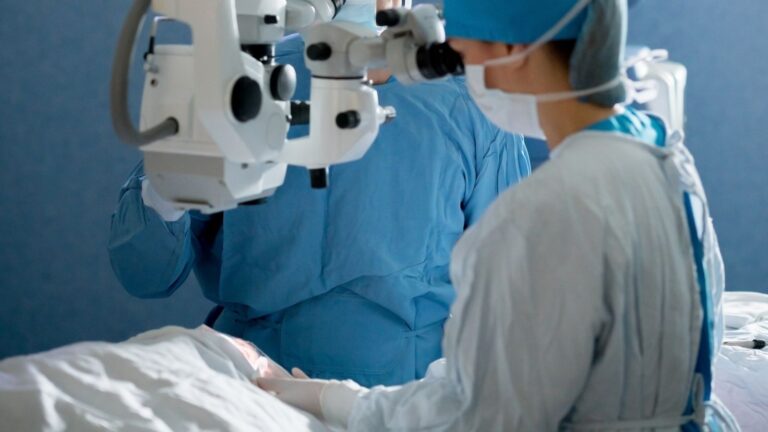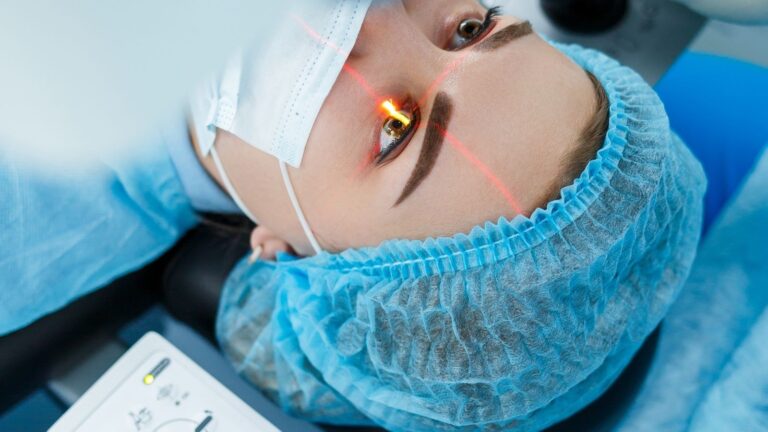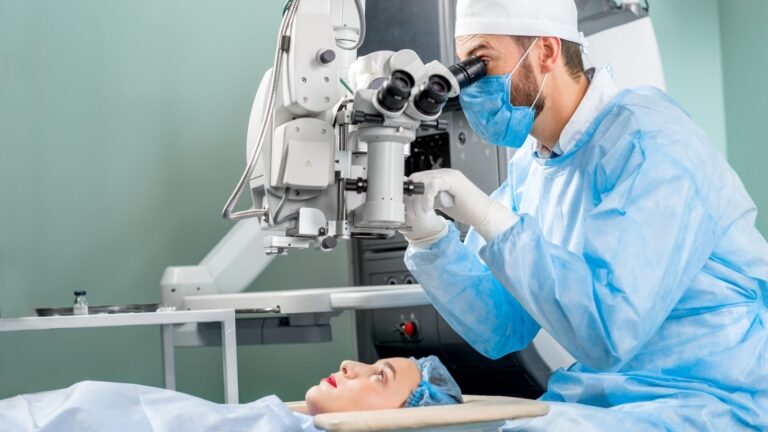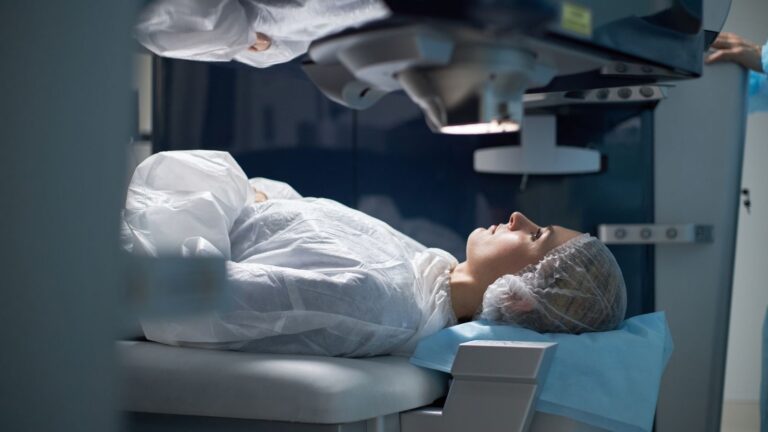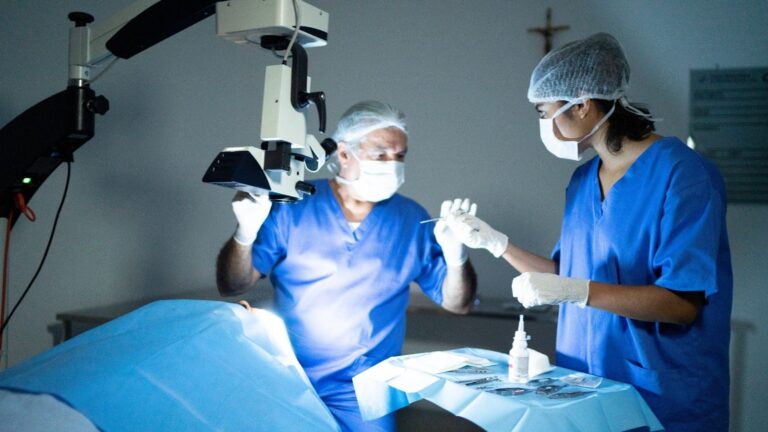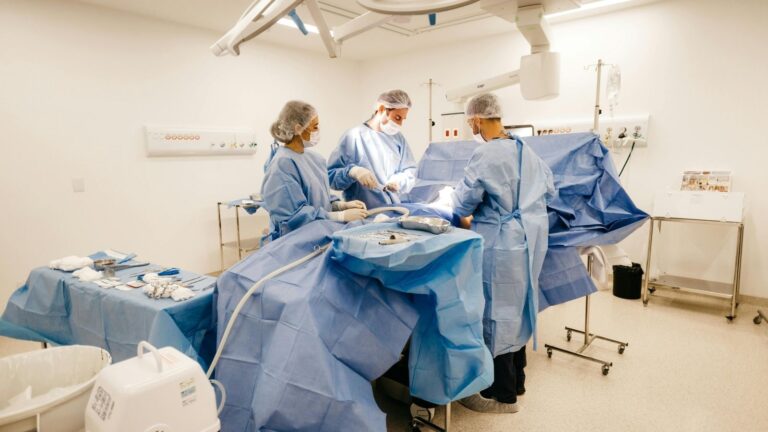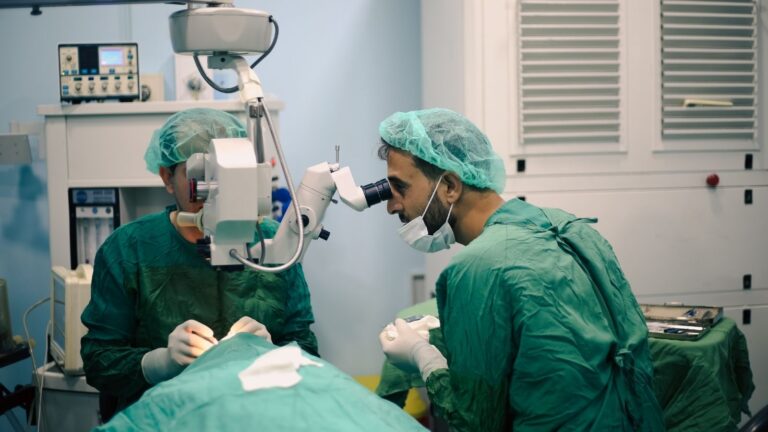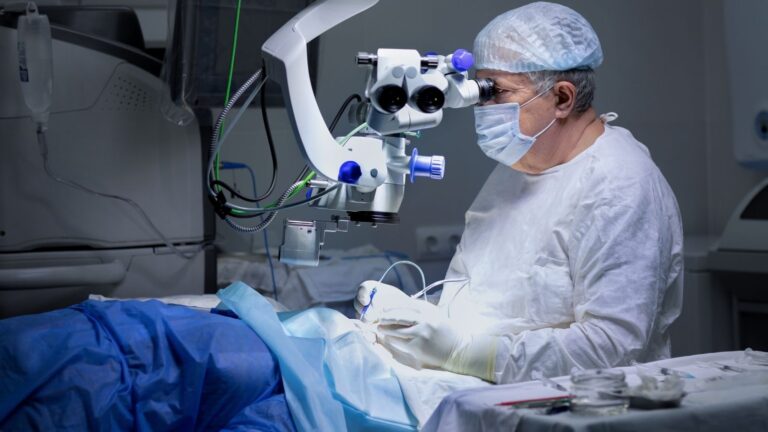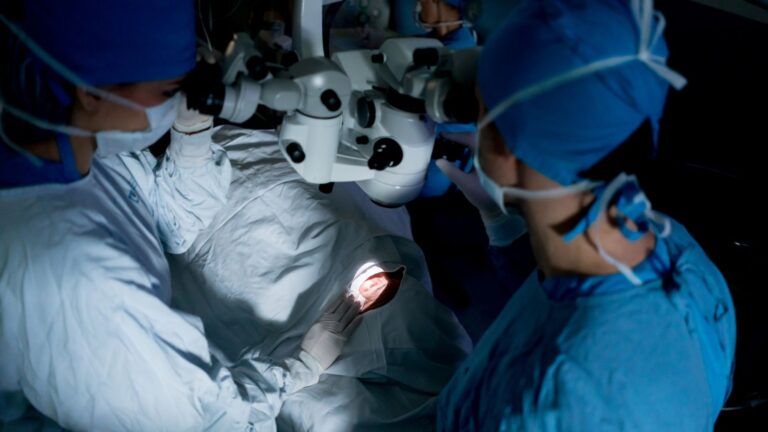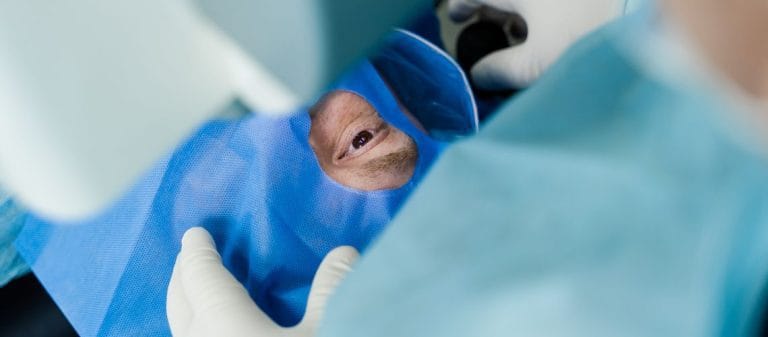
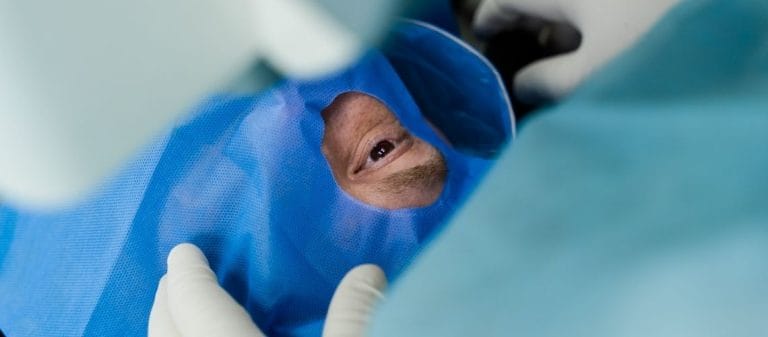
Laser eye surgery, such as LASIK, PRK, or SMILE, can be performed a second time when necessary. A second laser procedure may be considered if the desired vision correction was not achieved after the first operation or if the prescription has increased again. The decision is based on the structure of the eye.
Corneal thickness and overall eye health are examined in detail before a second laser operation. Repeat laser treatment may not be possible in patients who do not have sufficient corneal tissue.
A second operation is not performed before the healing process from the first surgery has been completed. A waiting period of at least several months is generally required. During this period, the stability of the eye is monitored and the risks are evaluated.
Repeat laser surgery can provide safe results in appropriately selected patients. However, alternative treatment methods should also be considered. Specialist evaluation is the most important step in creating the correct treatment plan.
Although the first laser eye procedure, such as LASIK, PRK, or SMILE, is generally highly successful, every eye heals somewhat differently. A small amount of residual refractive error may remain after surgery. Although less significant than before, this residual error may still create a need for glasses or contact lenses. In another scenario, the eye may appear to partially return toward its original prescription over time. This is known as regression. In short, a second operation may be considered if completely clear vision was not achieved after the first procedure or if blurred vision returns over time.
Natural age-related changes may also make an additional laser procedure necessary. Presbyopia, which generally develops after the age of 40, causes difficulty seeing at close distances. Although laser surgery may sharpen distance or intermediate vision, it cannot prevent the natural lens from losing flexibility with age. Cataracts are another common age-related eye condition. In such situations, the question of whether vision can be corrected with a second laser procedure may arise.
Every eye and refractive error is different. The decision to perform a second laser operation therefore depends on many parameters, including eye health, corneal thickness, the technique used during the first operation, possible complications following that operation, the patient's age, and personal expectations.
Some patients expect 20/20 vision after surgery and may feel disappointed if they achieve 20/25 or 20/30 vision, which represents only mild blurring. Statistically, approximately 99 percent of patients achieve 20/40 vision or better after their first laser eye surgery, which is generally sufficient for everyday activities. More than 90 percent achieve 20/20 vision. These figures make it largely unfair to describe the operation as unsuccessful. Most people become completely independent of glasses, while the remaining small proportion can usually function comfortably in daily life without them.
Some patients, however, want to reduce their dependence on glasses or contact lenses to zero. Their occupation and lifestyle may influence this expectation. A margin of error of even 1 percent may be important for a pilot, surgeon, or professional athlete. If very clear night vision is required, even mild light scatter, halos, or glare may reduce comfort. Surgical success is therefore evaluated not only according to numbers but also according to expectations and lifestyle requirements. At this point, a minor enhancement through a second laser procedure may help achieve the desired result.
The first laser eye operation can considerably correct myopia, hyperopia, and astigmatism. However, when treatment begins with a high prescription, such as myopia greater than -6.00 diopters, more corneal tissue must be ablated. In rare cases, this may leave a small residual error, such as approximately -1.00 diopter. Once the eye has completed its healing period, this remaining refractive error may be corrected with a second procedure.
Another age-related factor is presbyopia. As people age, the natural lens loses its flexibility and clear near vision becomes more difficult. Someone who underwent surgery in their 30s and achieved excellent distance vision may have difficulty reading in their 40s and feel that the operation has deteriorated. In reality, this new condition reflects the natural aging process of the eye. Laser surgery does not stop this process. It only reshapes the cornea. A second procedure may therefore sometimes be recommended to reduce near-vision problems. Specialized treatment protocols such as monovision or Laser Blended Vision may be used to improve near vision. The patient's daily habits, occupation, and expectations are considered when making this decision.
Dry eye is one of the most frequently discussed complaints following laser eye surgery. Partial disruption of the nerves on the ocular surface may cause fluctuations in tear production after the operation. According to available data, almost half of patients may experience dry eye symptoms of varying severity after LASIK. These symptoms usually decrease considerably within several weeks or months, but they may persist longer in people who already had dry eye disease. Dryness may also affect visual quality and create the impression that the operation did not produce the desired result.
In such a scenario, controlling dry eye before considering a second laser procedure is very important. Healing and visual quality may also vary in people with a previous dry eye diagnosis or allergic eyes. If dry eye becomes severe or persistent after the first operation, a detailed tear film examination is performed before a second procedure. The purpose is to distinguish whether the symptoms are caused by a refractive error that can be corrected through additional surgery or by blurred vision resulting from dry eye.
Technical difficulties during the first procedure may also slightly affect the outcome. One example is fixation difficulty, meaning that the patient cannot focus fully on the target point. Small eye movements while the laser is being directed may prevent the cornea from being shaped exactly as intended. These technical issues may contribute to the decision to perform a second operation. The patient and physician can reduce the risk of recurrence by considering more advanced tracking systems or a different surgical method.
The first LASIK operation has very high success rates. However, approximately 1-2 percent of patients require a minor enhancement after surgery. In other words, one or two people out of every hundred may say that their vision is not exactly as clear as expected and that they need a small adjustment. Some studies have reported more specific rates of 0.7-2 percent. The rate may increase when treatment begins with higher levels of myopia or when the corneal shape is less than ideal.
How successful is the second operation? Although very large studies providing comprehensive details about repeat surgery are limited, existing evidence indicates that second operations or enhancement procedures can also produce very good results. Outcomes are generally favorable if the first procedure did not cause serious complications, such as permanent corneal damage or abnormal scar tissue, and the eye has sufficient corneal thickness for another operation.
Statistics also show that time is an important factor. If many years have passed since the first operation, such as more than five years, the possibility of complications such as epithelial ingrowth may increase. Epithelial ingrowth occurs when epithelial tissue grows beneath the corneal flap. One study reported that the risk of epithelial ingrowth was 16 times higher when the procedure was repeated after five years. The surgical decision therefore depends not only on the current prescription but also on the time between the operations and the health of the cornea.
A certain period is required after the first laser eye operation for the eyes to heal completely and the refractive error to stabilize. A second operation is generally not considered before three months. The prescription may fluctuate slightly while tissue healing continues. Some physicians extend this waiting period to six months in certain situations because even minor changes within the eye generally stabilize by then.
One study reported that patients undergoing repeat treatment had their second operation after an average of approximately 15 months. This is not a standard rule, but it provides a reasonable period for the eye to heal, the prescription to stabilize, and the physician to assess all risk factors. Some patients wait much longer because they achieved good vision during the first postoperative year but experienced a prescription change later. Although some risks increase when five years or more have passed, a second operation may still be considered after the physician weighs its advantages and disadvantages.
Every surgical procedure carries risks. This also applies to laser eye surgery. Compared with the first operation, certain issues may become more critical during the second procedure:
- Corneal Thickness and Ectasia:
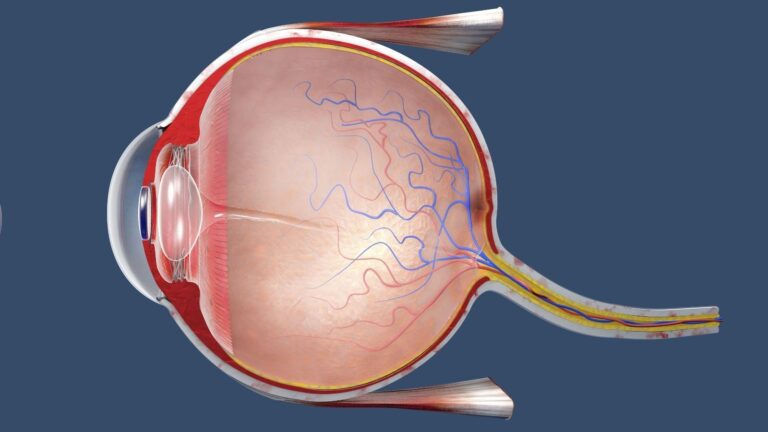
The cornea can be compared to a piece of fabric being cut and shaped during laser surgery. The fabric has a specific thickness and texture. If too much is removed, it becomes worn and weak. Similarly, the cornea has a specific thickness, and every laser treatment removes some tissue. If the cornea is not sufficiently thick or is structurally vulnerable before the second procedure, a serious condition such as corneal ectasia may develop. In ectasia, the cornea becomes thinner and bulges forward.
- Flap-Related Problems:
During the first LASIK operation, a thin flap is lifted from the cornea. If a second operation is required, the surgeon may choose to lift the same flap again or use a completely different technique, such as PRK. Relifting the flap may create difficulties depending on how the previous wound healed and adhered. Epithelial tissue may grow beneath the flap, or flap stability may become a concern.
- Worsening Dry Eye:
Dry eye that developed after the first procedure may become more pronounced after the second. Reduced tear quality may irritate the ocular surface and slow healing. Dry eye must therefore be diagnosed and treated before surgery.
- Light Scatter, Halos, and Other Visual Side Effects:
Side effects such as light scatter at night, halos around car headlights, and glare may increase after the second operation. Every procedure performed on the cornea can affect surface smoothness and contribute to these optical effects.
- Infection and Inflammation:
Although laser technologies have advanced, every eye operation carries a risk of infection and inflammation. This risk cannot be eliminated completely during a second operation, but careful surgical techniques and hygiene measures keep it low.
In summary, although the risks may increase, physicians are familiar with these conditions and can minimize them considerably by taking appropriate precautions. Risk is evaluated individually for every patient. A comprehensive preoperative analysis is performed using corneal maps, topographic measurements, dry eye tests, and other examinations.
Several alternative methods may be considered when a second operation is unsuitable or not preferred:
- PRK (Photorefractive Keratectomy)
PRK involves removing the epithelium from the corneal surface and applying the laser without lifting a flap as in LASIK. It may be preferred for people with borderline corneal thickness or those at risk of flap-related complications.
- LASEK (Laser-Assisted Sub-Epithelial Keratectomy)
This can be considered an intermediate procedure between PRK and LASIK. The corneal epithelium is separated as a thin layer, the laser treatment is performed, and the epithelial layer is then repositioned.
- SMILE (Small Incision Lenticule Extraction)
This minimally invasive procedure uses a smaller incision and is particularly employed to correct myopia and astigmatism associated with myopia. The absence of a flap may provide an advantage for some patients. In eyes with a suitable corneal structure, the risk of dry eye has been reported to be lower than with LASIK.
- ICL (Implantable Collamer Lens)
This procedure involves placing an additional lens inside the eye while leaving the natural lens in place. It is a good alternative for people with very high myopia or corneas that are unsuitable for laser surgery.
- RLE (Refractive Lens Exchange)
This may be considered similar to early cataract surgery. The natural lens is removed and replaced with an artificial intraocular lens. It may provide a solution for both distance and near-vision problems, including presbyopia, but it is a lens-based rather than corneal procedure.
- Ortho-K (Night Lenses)
For people who do not want glasses or surgery, specially designed lenses worn at night reshape the cornea and provide clear daytime vision. This is a temporary but repeatable non-surgical method.
- Glasses and Contact Lenses
Sometimes the most practical and lowest-risk option remains glasses or contact lenses. Advances in technology have increased the comfort and variety of contact lenses. Options include toric lenses for astigmatism and multifocal lenses. Patients who begin developing presbyopia in their 40s may prefer reading glasses instead of a second operation.
Aftercare following a second operation is similar to that required after the first, but closer monitoring and more meticulous personal care are necessary. Detecting and treating even a minor problem on the corneal surface or flap at an early stage becomes more critical.
- Use of Eye Drops:
Antibiotic, corticosteroid, or nonsteroidal drops are used to prevent inflammation and reduce the risk of infection. Because dry eye is also common, artificial tears can provide substantial relief. The drops must be used regularly and without missing doses.
- Protecting the Eyes:
Patients are advised to avoid dusty or smoky environments, refrain from rubbing their eyes, and wear sunglasses when possible. The eyes should be treated like a sensitive camera lens and protected from potentially damaging environments.
- Attending Follow-Up Examinations:
Follow-up examinations are important during the first few days, after several weeks, and, when necessary, over the following months. The physician examines the corneal surface and flap in detail for signs of infection, epithelial ingrowth, or inflammation.
- Nutrition and Lifestyle:
Drinking plenty of water, maintaining a balanced diet, and consuming foods rich in omega-3 fatty acids may support eye health. Prolonged screen use may trigger dry eye, so taking short breaks according to methods such as the 20-20-20 rule is important for relieving the eyes.
- Swimming Pools and the Sea:
As after the first operation, it is advisable to avoid swimming in pools or the sea for a certain period, generally at least several weeks, after the second procedure. Particular attention should be paid to hygiene.
A comprehensive eye examination is essential before considering a second laser operation. The physician evaluates several fundamental points:
- Corneal Thickness and Topography
The corneal tissue remaining after the first operation must be sufficiently thick for a second procedure. The shape of the cornea is also examined to determine whether it is regular and whether any ectatic changes are present.
- Stability of the Prescription
The physician determines whether sufficient time has passed since surgery and whether the prescription has stabilized. A person is more likely to be a candidate for a second operation if no significant prescription change has occurred during the previous 6-12 months.
- Age and Natural Eye Conditions
After the age of 50, other treatment plans may need to be considered because of cataracts or presbyopia. If the patient has an early cataract, cataract surgery or refractive lens exchange may be more appropriate than another laser procedure.
- General Eye Health
Additional conditions such as dry eye, keratoconus, glaucoma, or serious retinal problems may make a second operation risky. Alternative methods such as an ICL may need to be considered.
- Systemic Diseases
Systemic conditions such as diabetes and autoimmune diseases that affect wound healing require greater caution during a second operation.
- Realistic Expectations
If a person approaches the second operation expecting absolutely perfect vision, the physician must provide information and, when necessary, help establish realistic expectations. A second procedure can achieve substantial improvement, but it cannot completely change the laws of nature.
Three main approaches are generally considered for the second procedure:
- Second LASIK by Lifting the Existing Flap
If the flap created during the first operation remains sufficiently flexible and stable to be lifted safely, the surgeon may lift the same flap and perform a more precise ablation. This method may become more difficult if the flap edges have adhered strongly or if there is a risk of epithelial ingrowth.
- Surface Ablation with PRK or LASEK
Surgeons who do not want to lift the flap again may remove or move aside the epithelial tissue on the corneal surface, apply the laser, and allow the epithelium to regenerate. Although recovery is somewhat longer and more uncomfortable than with LASIK, flap-related complications are avoided.
- Creating a New Flap with a Femtosecond Laser
Advanced femtosecond lasers can create a second flap in the cornea with highly precise depth settings. However, advanced equipment and experience are required to prevent the new flap from intersecting with the previous one. Sufficient corneal thickness is also essential for this procedure.
The objective of all three methods is to minimize the remaining refractive error and obtain clearer vision. The most appropriate procedure is selected according to corneal maps, the patient's condition, and the physician's experience.
Aging is a natural process affecting the entire body, including the eyes, and no laser operation can stop it. Presbyopia may develop after the age of 40 and cataracts after the ages of 50-60. Whether a second or even a third operation can be performed depends on the degree of these age-related changes, the presence of cataracts, and the flexibility of the natural lens.
For example, monovision may be used as a second procedure in a person of presbyopic age. The aim is to adjust one eye slightly for near vision and the other for distance vision to achieve functional vision at both ranges. Not every patient can tolerate this arrangement, but many successful examples exist. Similarly, a person with an early cataract may undergo lens exchange instead of another laser procedure. This can address both the cataract and refractive error.
Whether it is the first or second laser eye operation, several general principles should be followed:
- Routine Eye Examinations:
Visiting an ophthalmologist every year or every two years is important for monitoring intraocular pressure, retinal health, corneal thickness, and other parameters. These examinations are necessary not only for refractive errors but also for general eye health.
- Awareness of Age-Related Changes:
Having undergone laser surgery does not prevent future age-related eye conditions such as presbyopia or cataracts. If vision deteriorates, a detailed examination should be performed before immediately assuming that another laser procedure is needed. The problem may instead be an early cataract or another eye disease.
- Eye Hygiene and Protection:
Measures such as wearing protective glasses when working in dusty or contaminated environments and taking breaks to reduce dry eye during prolonged screen use help preserve the outcome of the first surgery and support long-term eye health.
- Balanced Nutrition and a Healthy Lifestyle:
Like other organs, the eyes benefit from proper nutrition. Green leafy vegetables, fish, walnuts, foods rich in omega-3 fatty acids, and antioxidants contribute positively to eye health. Habits such as smoking, which negatively affect circulation and tissues, may also cause problems in the eyes.
- Wearing Protective Glasses:
If you will remain outdoors for a long time, particularly during periods of intense sunlight, wearing UV-filtering sunglasses protects the eyes from harmful radiation. Protective glasses are also recommended during sports, housework, gardening, and other activities involving a risk of flying particles.