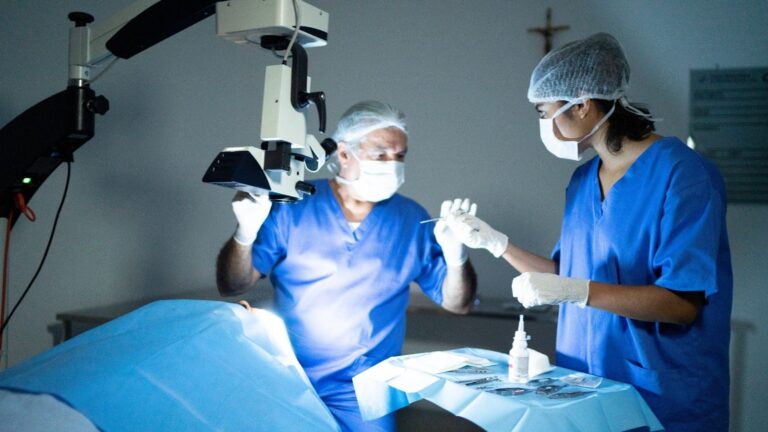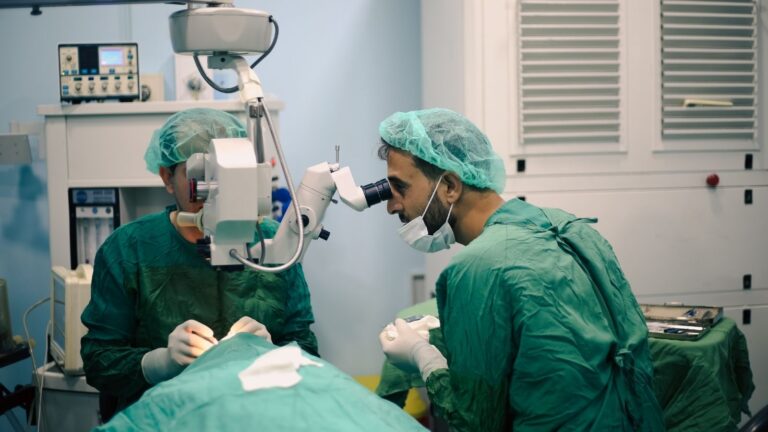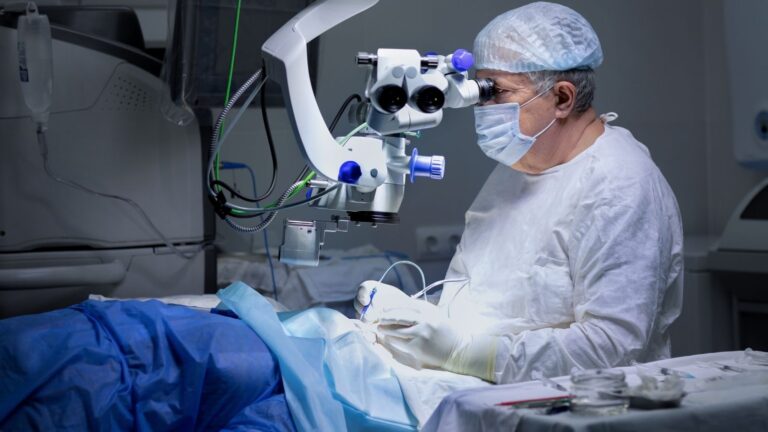

Amblyopia is not a condition that can be treated directly with an excimer laser. However, the refractive errors that cause amblyopia can be corrected with laser treatment. This may improve visual quality and help the weaker eye to be used more effectively.
The most effective methods for treating amblyopia are patching therapy during childhood and the use of appropriate glasses. Laser procedures may be considered a supportive method and can improve visual quality, particularly in adults.
Excimer laser treatment may reduce the risk of amblyopia by correcting refractive errors such as myopia, hyperopia, and astigmatism. However, because the visual capacity of the weaker eye depends on coordination between the brain and the eye, complete recovery may not be possible.
In conclusion, laser treatment does not eliminate amblyopia, but it plays a supportive role by correcting the underlying refractive errors. Early diagnosis and conventional treatments are the most effective approaches for preventing amblyopia.
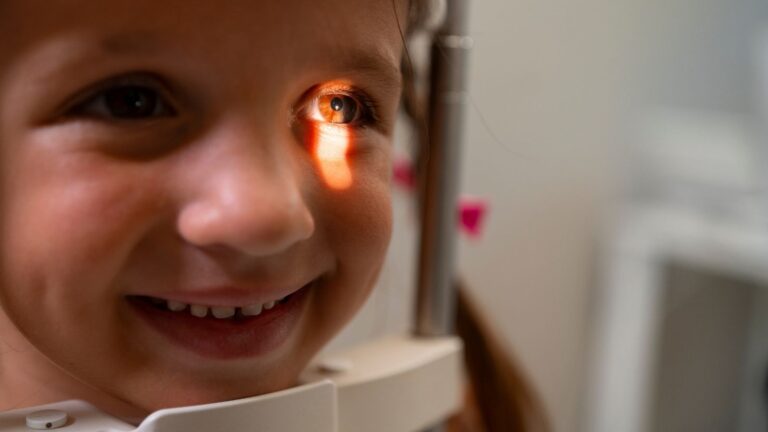
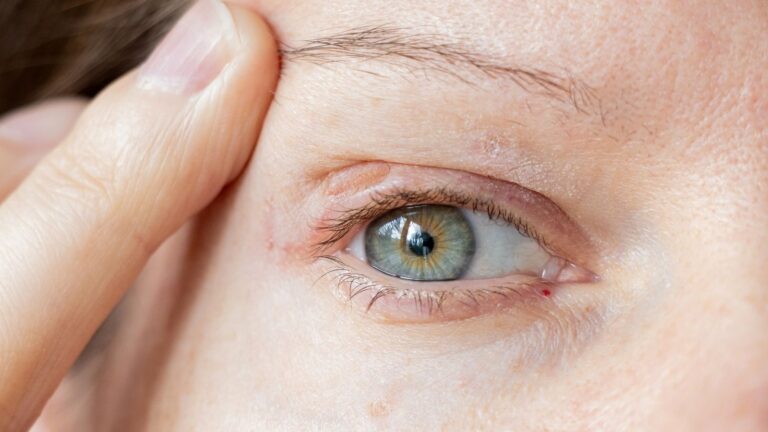
Amblyopia is a condition in which one eye sees less clearly than the other even though there is no structural abnormality in the eye itself. Imagine a cinema with two projectors. If one projector produces a clear image while the other produces a blurred image, the cinema manager, representing the brain, will prefer the projector providing the clear image. Over time, the image produced by the blurred projector, representing the weaker eye, is increasingly ignored. Because the "visual pathways" of that eye are not used sufficiently, their development also falls behind.
This "lazy eye" usually develops during childhood, particularly within the first 7 to 9 years while the visual system is still developing. It occurs because the signals transmitted to the brain are of poor quality or insufficient. The main contributing factors may include:
- Strabismus: When the two eyes cannot look at the same point, the brain may suppress the weaker eye to cope with double vision.
- Anisometropia: If there is a significant difference in refractive error between the eyes, for example, if one eye is highly myopic while the other is relatively healthy, the brain will again favor the eye that provides a clearer image.
- Deprivation: Conditions such as congenital cataracts or drooping eyelids, known as ptosis, prevent sufficient light and a clear image from reaching the affected eye.
The most significant effect of amblyopia is a permanently reduced ability to see clearly with the affected eye. Even when the person wears glasses or contact lenses, vision in that eye may not be fully corrected. Impaired depth perception may also occur.
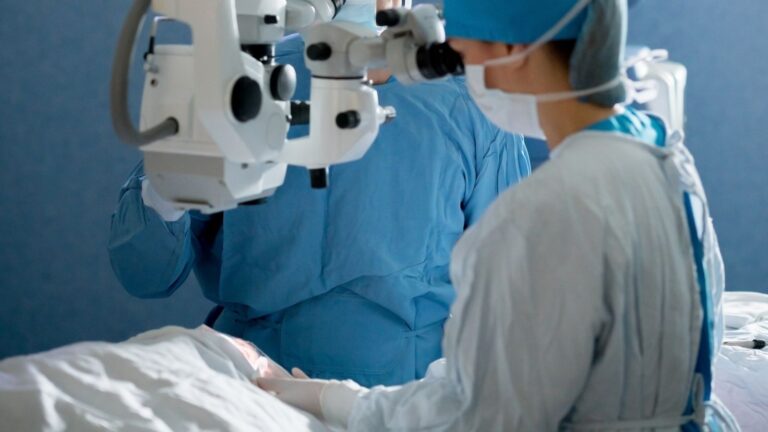
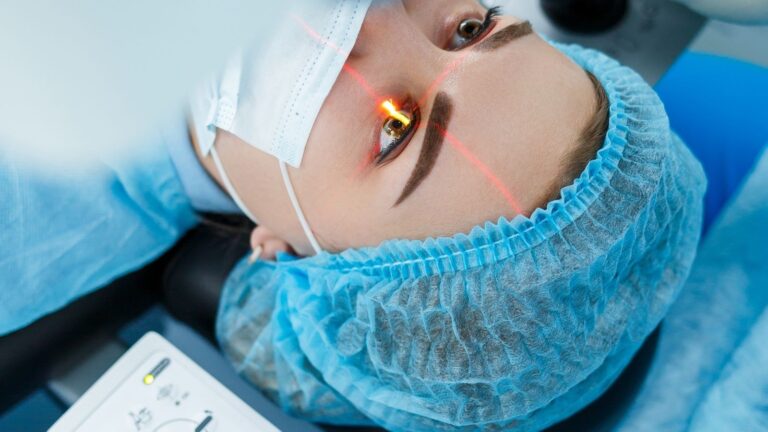
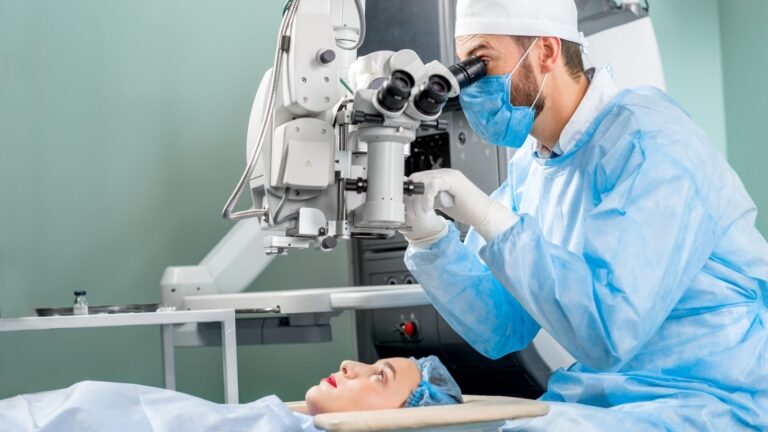
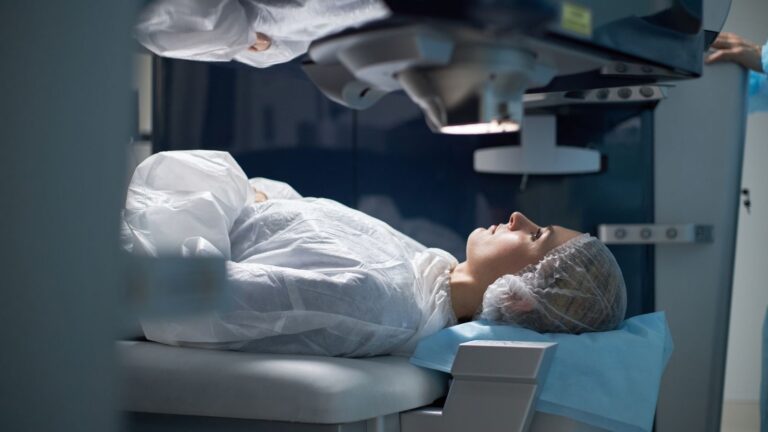
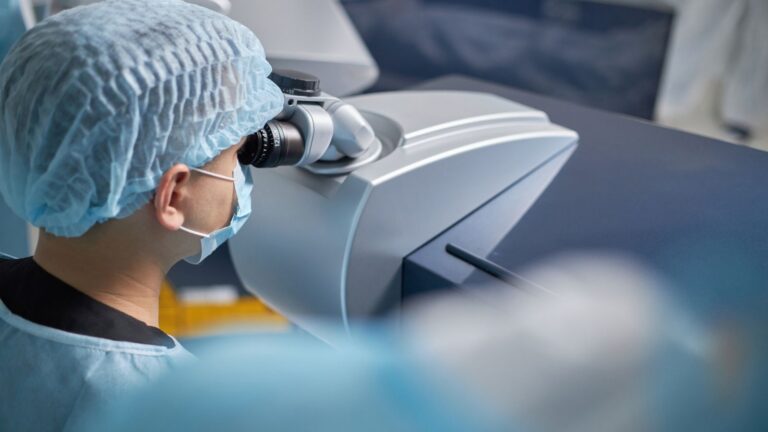
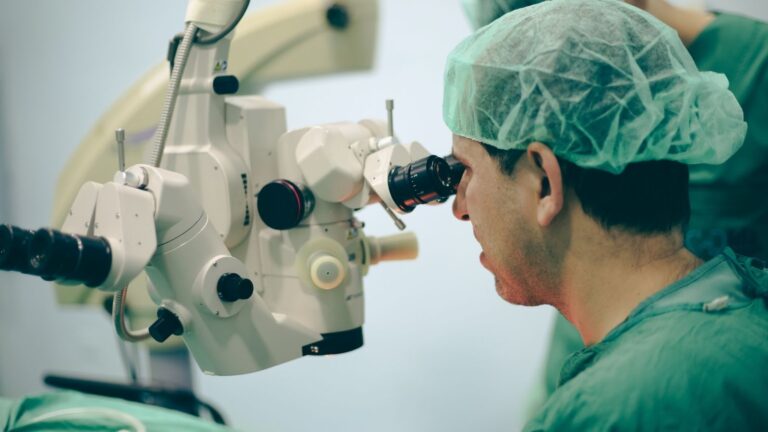
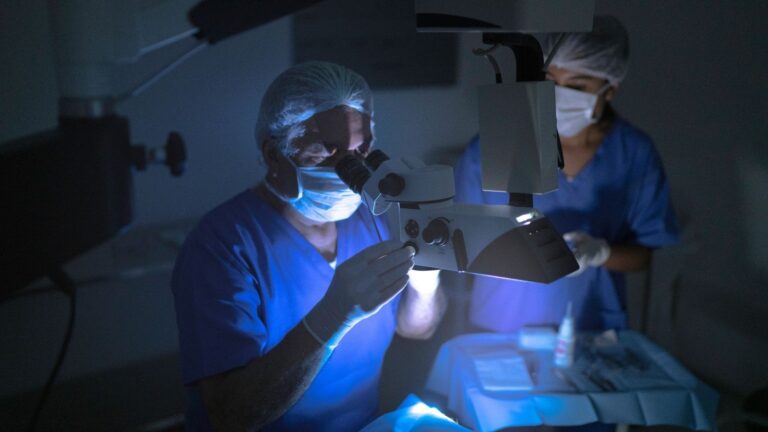
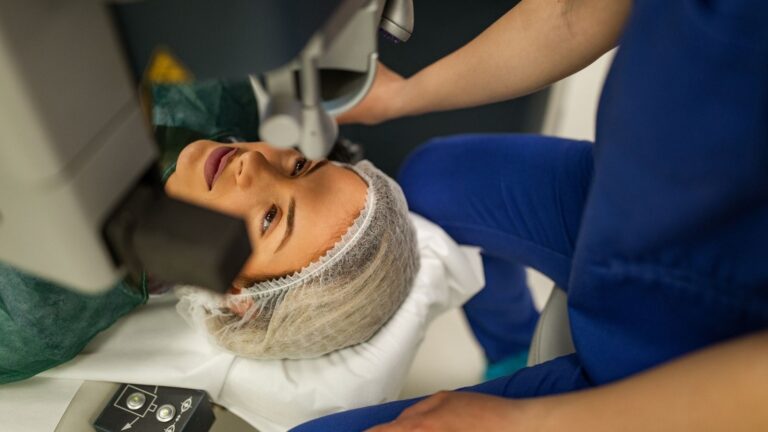
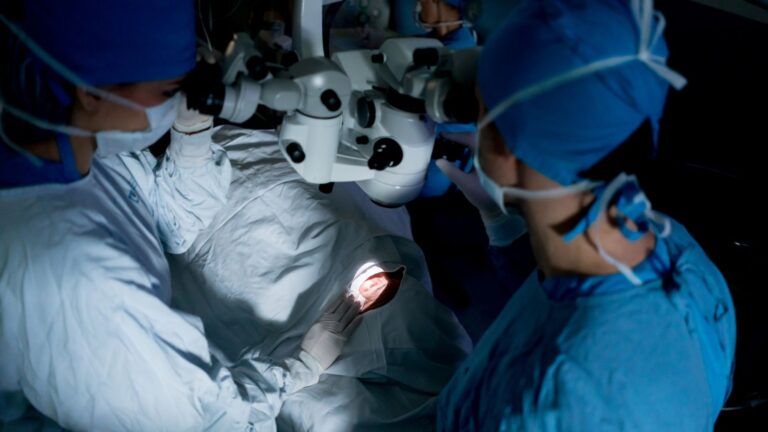
Excimer laser is a technology used to reshape the cornea to reduce or eliminate refractive errors. It is commonly used for conditions such as myopia, hyperopia, and astigmatism. Since a high refractive error is one of the most common causes of amblyopia, equalizing the refractive powers of the eyes with laser treatment in conditions such as anisometropic amblyopia is important for achieving more balanced visual coordination.
Imagine that music is playing loudly in one ear and quietly in the other. The brain will eventually favor the side that provides the more balanced sound. Excimer laser surgery is like bringing the volume levels in both ears closer together, allowing the brain to use both. The brain may recognize that the weaker eye is now also receiving a clear image and may begin to treat both eyes under more "equal conditions."
This approach may provide greater benefits when applied during childhood, while the eye and visual center are still developing. However, it can also be used in adults to correct a significant difference in prescription between the eyes, known as anisometropia, and may therefore prevent existing amblyopia from becoming more severe.
Excimer laser surgery, particularly methods such as LASIK and PRK, has been performed for many years and has a very high safety profile. In adult patients, correcting a significant difference in prescription, for example, when one eye has -6 diopters of myopia and the other has -1 diopter, improves visual comfort over the long term. Similarly, in a person with amblyopia who cannot see clearly even with glasses, laser treatment may reduce or completely eliminate the need for glasses.
Research indicates that laser procedures performed using advanced technologies such as wavefront-guided treatment produce more satisfactory results. These methods are planned to correct not only standard myopic or hyperopic refractive errors but also higher-order optical errors known as aberrations. Like a spectacle lens made specifically for one person, this provides an opportunity for personalized treatment.
As with any surgical procedure, excimer laser treatment involves minor risks. Side effects such as dry eye, temporary corneal haze, or mild stinging may occur during the first few weeks. However, complication rates are generally very low when the procedure is performed at experienced centers and patients are selected appropriately.
Anisometropic amblyopia describes a condition in which one eye has a very high prescription while the other has a low or normal prescription. You can imagine this as wearing a pair of shoes in which one is too tight and the other is too loose. You would constantly feel uncomfortable while walking, and the brain would automatically place the more comfortable foot in the "leading" position.
Excimer laser treatment reduces the difference in prescription, like providing shoes that fit both feet properly. When this difference is eliminated during childhood, the brain becomes more inclined to process and use information from both eyes together. In adults, amblyopia may not disappear completely. However, because the large difference between the eyes is reduced after laser treatment, a noticeable improvement in daily quality of life may be achieved.
Effectiveness rates vary according to the initial difference in prescription, the patient's age, and the severity of the amblyopia. Some studies report that correcting a significant difference in myopia or hyperopia provides at least several lines of improvement in visual acuity for a substantial proportion of patients. However, whether vision reaches a completely "normal" level is directly related to brain plasticity.
When evaluating success in amblyopia, it is important to define "success" correctly. The goal may not always be to achieve "20/20 vision." Sometimes, improving an eye that should see at 10/10 from 5/10 to 7/10 can make a significant difference in the person's daily life.
Some studies on laser procedures performed using wavefront technology show a significant improvement in corrected distance visual acuity (CDVA) in the amblyopic eye.
In people with high myopia or hyperopia, the improvement in vision after laser treatment may range from 40% to 80%. Many factors influence this wide range, including patient selection, postoperative care, and the healing potential of the eye.
Some studies report that approximately 60% to 70% of patients achieve clearer vision without glasses after laser surgery, at least compared with their previous vision.
The important objective is to stop the progression of amblyopia or achieve the best possible visual comfort in the current circumstances. Particularly in children, combining laser treatment with conventional methods such as patching therapy and glasses may provide faster improvement. Once the difference in prescription has been eliminated, the brain may respond more effectively to patching therapy.
Anisometropia, which is a significant difference in prescription between the eyes, is one of the leading causes of amblyopia in children. Imagine a child with -5 diopters in one eye and -1 diopter in the other. When the child begins wearing glasses, the excessively thick lens may cause discomfort. During the active and playful years of childhood, the child may sometimes be reluctant to wear glasses. Contact lenses may also be difficult to use at every age because of hygiene and handling requirements.
At this point, surgical procedures may be considered as an alternative in suitable cases. If the greater refractive error in a child is reduced with an excimer laser, the two eyes are encouraged to work together. However, because a child's eye is still growing and developing, additional follow-up requirements must be considered:
- Monitoring refractive changes: Children may experience fluctuations in their prescriptions as they grow older.
- Ocular surface health: PRK, or photorefractive keratectomy, may sometimes be preferred over LASIK in children because the eye tissue is more elastic and the surgical technique should be selected accordingly.
- Postoperative care: The child's adherence to the prescribed eye drops and follow-up examinations is equally important.
Wavefront technology is an advanced optical measurement method that creates a "fingerprint" of the eye. It not only measures the eye's refractive error, including myopia, hyperopia, and astigmatism, but also detects subtle optical defects known as higher-order aberrations. In simple terms, it is as if the eye were examined under a magnifying glass, every millimeter were analyzed, and the cornea were then corrected according to its precise needs.
In amblyopic eyes, small or large optical defects may be hidden in the eye that the brain has chosen not to use. Wavefront technology identifies these defects clearly and shapes the surgical plan accordingly. After laser correction, a clearer image is transmitted from that eye to the brain. The brain may then respond, "This eye now provides a good image too, so I can use it." Particularly when the difference between the eyes is reduced, using both eyes together, known as binocular vision, may become possible.
Although postoperative outcomes vary between patients, the following improvements can generally be expected:
- Improved visual acuity: Many patients achieve clearer vision without glasses or contact lenses than they had previously. Some studies report that one year after surgery, more than 60% of patients achieve uncorrected visual acuity (UCVA) equal to or better than their best-corrected visual acuity (BCVA) before surgery.
- Better depth perception: When both eyes provide images of similar quality, three-dimensional vision may improve. This may provide more comfortable visual perception when walking up or down stairs, catching a ball, or driving.
- Personal freedom and comfort: A noticeable improvement in quality of life is reported after laser treatment compared with wearing thick glasses or frequently using contact lenses.
Some eyes may not show the expected level of improvement after surgery. Particularly in adults, the visual centers may not reach their full capacity because the brain has suppressed the amblyopic eye for many years. Nevertheless, in cases involving significant differences such as anisometropia, even an improvement in existing visual comfort can be a major advantage.
Although laser surgery can significantly correct a refractive error, it may not always eliminate it completely. Additional temporary correction may also be required while the eye heals after surgery. Glasses or contact lenses may be used in the following situations:
- Preparation period: Some children or adults with high refractive errors may first wear glasses for a period to allow the eyes to adapt. If there is still no significant improvement with glasses or if adaptation problems occur, laser treatment may be planned.
- Postoperative recovery: Methods such as PRK may cause mild blurred vision during the first few days. During this period, the physician may recommend a protective contact lens or low-prescription glasses.
- Small residual prescription: A small amount of myopia or hyperopia may remain after surgery. The person may need glasses, particularly in situations requiring greater visual precision, such as driving at night.
- Precise correction: In some patients, conditions such as high astigmatism may not be completely corrected, and low-prescription glasses may provide additional support for clearer vision.