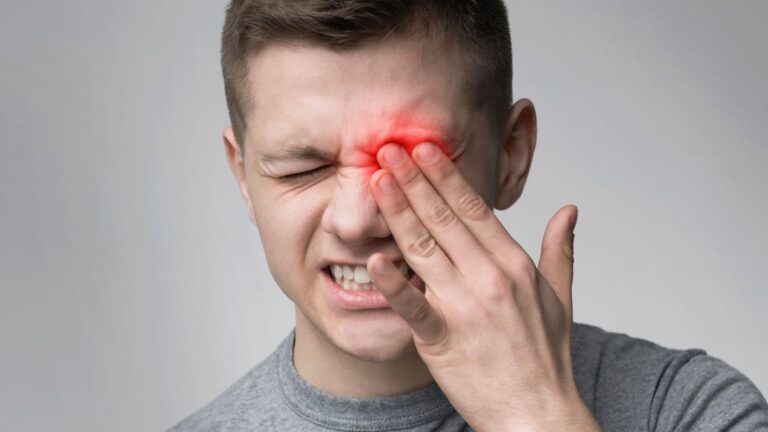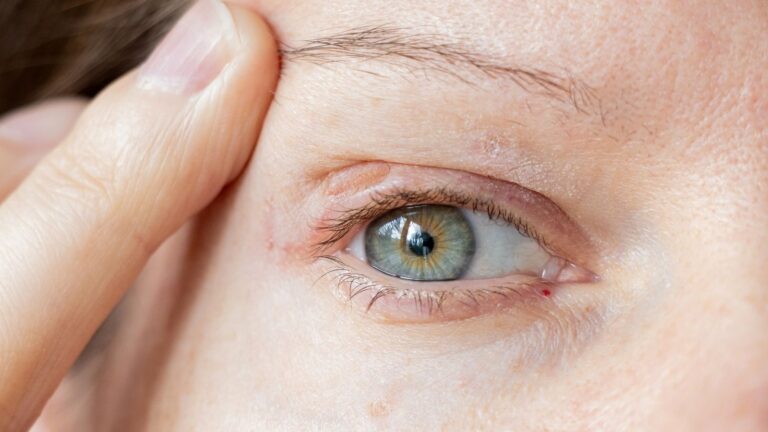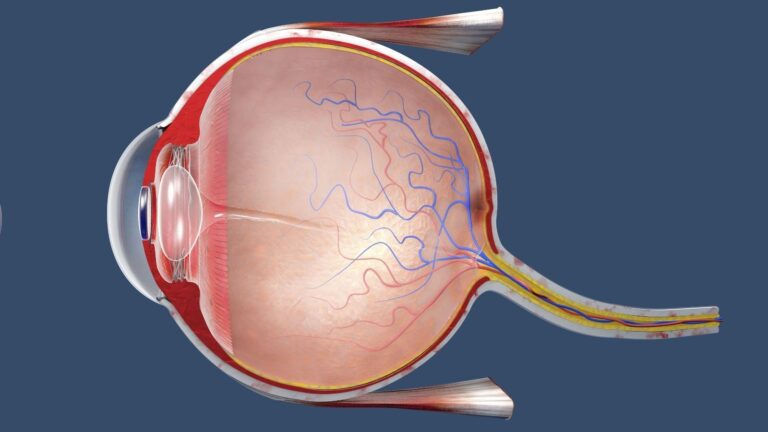

Blepharitis is a condition characterized by chronic inflammation along the edges of the eyelids. It is associated with redness, itching, burning, and flaking around the base of the eyelashes. It is often recurrent.
Causes of the condition include blocked oil glands, bacterial buildup, and skin diseases. It may be associated with conditions such as rosacea and seborrheic dermatitis.
Eyelid hygiene, warm compresses, and cleansing with antibacterial shampoos are important in treatment. Antibiotic or anti-inflammatory eye drops may be used when necessary.
Blepharitis may not resolve completely, but it can be kept under control with regular care. Maintaining proper hygiene is the most effective way to relieve symptoms.
| Definition | Chronic or acute inflammation occurring along the edges of the eyelids. |
|---|---|
| Causes | Bacterial infection, particularly Staphylococcus species, blocked oil glands, skin diseases such as seborrheic dermatitis and rosacea, and allergies. |
| Symptoms | Redness, swelling, itching, burning, watering, flaking, and a foreign body sensation along the eyelid margin. |
| Diagnostic Methods | Eye examination, microscopic examination of the eyelid, and tear tests. |
| Treatment Methods | Eyelid hygiene, including warm compresses and eyelid cleansing, antibiotic drops or ointments, corticosteroid drops, and oral antibiotics in severe cases. |
| Risk Factors | Oily skin, skin diseases, allergies, contact lens use, and inadequate eye hygiene. |
| Complications | Styes, chalazia, chronic conjunctivitis, corneal irritation, or sores. |
| Prevention | Regularly cleaning the eyelids, removing makeup thoroughly, and maintaining proper eye hygiene. |
| Who Is Affected | People of all ages, particularly those with oily skin or chronic skin conditions. |
Blepharitis is a chronic or acute inflammatory condition affecting the edges of the eyelids. It generally affects both eyes and presents with redness, swelling, flaking, or crusting along the eyelid margins. It can cause discomfort on the ocular surface but is not contagious. The most common causes include bacterial infections, blocked oil glands, and skin conditions such as seborrheic dermatitis.
Different mechanisms may contribute to this inflammation, including excessive growth of bacteria normally present around the eyelids, such as Staphylococcus aureus, or inadequate function of the oil-producing glands in the eyelids, known as the meibomian glands. Skin diseases such as rosacea, allergic susceptibility, and the presence of microscopic mites known as Demodex may also contribute to the development of blepharitis.
The eyelids act as a bridge between the skin and the eye. As a result, certain skin disorders and changes in tear composition may trigger a series of reactions that lead to blepharitis. To use a more concrete analogy, the base of the eyelashes can be thought of as a "garden," while bacteria are the "weeds in the garden." If the garden is regularly maintained, cleaned, and watered, weeds cannot easily multiply. If maintenance is neglected, however, they may quickly take over.
Rather than directly causing a sharp decline in vision, blepharitis reduces quality of life by creating persistent eye discomfort. This discomfort may sometimes be more noticeable upon waking in the morning. Some people experience mild itching and burning, while others may develop severe eyelid swelling, redness, and even temporary blurred vision.
The importance of blepharitis also comes from its potential to affect the tear film that protects the ocular surface. If the meibomian glands that produce the oily components of tears do not function properly because of blepharitis, tear quality may deteriorate and dryness may become more pronounced. Early recognition and management are therefore important for both comfort and the long-term protection of eye health.
Symptoms of blepharitis can range from mild discomfort to severe complaints. One of the most noticeable signs is the feeling that the eyes are "stuck together" when getting out of bed in the morning. Some of the most common symptoms are listed below:
- Red and Swollen Eyelids
Inflammation of the eyelid presents as redness of the skin. Visible swelling and tenderness may be present, particularly at the base of the eyelashes. The appearance may sometimes become noticeable enough to be easily recognized by another person.
- Flaking or Crusting at the Base of the Eyelashes
If you notice white, dandruff-like crusts or flakes at the base of your eyelashes when you wake up, this may be a common symptom of blepharitis. These flakes may fall off during blinking or eye rubbing and may sometimes enter the eye and cause discomfort.
- Itching, Stinging, and Burning
Depending on the degree of inflammation, discomfort can range from mild itching of the eyelids to a sharp burning sensation. Patients often describe a stinging sensation as though "sand has entered the eye." This sensation may become more intense in situations that reduce the blinking rate, such as spending extended periods in front of a screen.
- Watery or Dry Eyes
Blepharitis may destabilize the tear film. When the oily layer of the tears is disrupted, the ocular surface dries rapidly. This dryness may also trigger increased tear production as a reflex response. As a result, some people primarily experience dryness, while excessive watering is more prominent in others.
- Light Sensitivity (Photophobia)
Inflammation and irritation of the eyes may cause excessive sensitivity to light. Bright sunlight or harsh artificial lighting may become particularly uncomfortable.
- Fluctuations in Visual Acuity
Severe blepharitis may cause temporary blurred vision. Reduced tear quality may create blurriness that interferes with clear vision. The image may become clear again after resting, using artificial tears, or blinking more frequently, but it may subsequently become blurred again.
- Eyelash Loss or Misdirection
In long-standing and untreated cases, inflammation may cause eyelashes to fall out or grow in the wrong direction, toward the eye. Inward-growing eyelashes may rub against and irritate the corneal surface.
The severity of these symptoms varies from person to person, and symptoms are generally more intense in the morning. In chronic blepharitis, symptoms may periodically flare up and go into remission. Redness and crusting of the eyelids may occasionally improve, but they generally tend to recur.
The most effective way to understand blepharitis is to know where and how the inflammation develops. There are two main subtypes:
- Anterior Blepharitis
In this type, inflammation is concentrated on the front portion of the eyelid where the eyelashes grow. It generally results from excessive growth of bacteria such as Staphylococcus aureus or the contribution of skin conditions such as seborrheic dermatitis. Hard crusts or "flakes attached to the base of the eyelashes" may be observed.
Anterior blepharitis refers to inflammation affecting the outer surface of the eyelid. People with seborrheic dermatitis, which resembles dandruff and flaking of the scalp, may be more susceptible to this type of blepharitis. In bacteria-related cases, toxins produced by the microorganisms irritate the eyelid tissue and trigger the typical symptoms.
- Posterior Blepharitis
The main problem in posterior blepharitis is dysfunction of the oil glands located along the inner surface of the eyelid, known as the meibomian glands. The oil produced by these glands is essential for keeping the tear film stable. If the gland openings become blocked or the quality of the secretion deteriorates, the tear film evaporates rapidly and the ocular surface becomes dry. This causes both burning and stinging sensations and inflammation.
Posterior blepharitis is also frequently referred to as meibomian gland dysfunction. It is associated with skin diseases such as rosacea, and increased vascularity around the eyes, redness, and dryness are prominent symptoms. Even when inflammation is not directly visible at the base of the eyelashes, symptoms of posterior blepharitis may be pronounced because of reduced tear quality.
These two subtypes may sometimes occur together. In a condition known as "mixed blepharitis," anterior and posterior symptoms appear simultaneously. Treatment approaches may differ slightly depending on where the condition begins. However, the main principle is to maintain eyelid hygiene and control the inflammatory process.
Blepharitis can affect people of all ages. However, certain factors make some people more susceptible to the condition. Because the eyelids are an extension of the skin, blepharitis is known to occur more frequently in people with skin diseases.
- People With Skin Diseases Such as Seborrheic Dermatitis or Rosacea
Seborrheic dermatitis, which is characterized by skin flaking, redness, and an imbalance in oil production, may similarly affect the base of the eyelashes. People with rosacea already have sensitive skin because of facial redness and small inflamed bumps, and their eyelids may also become involved in this inflammatory process.
- People Predisposed to Meibomian Gland Dysfunction
In some people, genetic or environmental factors cause the oil secretion from the eyelid glands to be inadequate or of poor quality. Although this condition is frequently seen in middle-aged and older adults, it may also occur in younger people. Prolonged screen use, extended exposure to air-conditioned environments, and air pollution may adversely affect meibomian gland function and trigger blepharitis.
- People With High Demodex Mite Density
Demodex mites are normally present in small numbers in most people. However, their numbers increase in some individuals and cause irritation at the base of the eyelashes. These microscopic organisms prefer to live in hair follicles and oily areas of the skin. The Demodex population may increase in people with weakened immune systems or excessive skin oiliness.
- People With Allergic Susceptibility
In people who are highly sensitive to environmental allergens such as pollen, dust, animal hair, or makeup products, the eyelids become more vulnerable to irritation. This irritation may increase the susceptibility of eyelid tissues to infection or inflammation.
- People Who Do Not Maintain Proper Eye Hygiene
Sleeping with makeup on, failing to clean the base of the eyelashes regularly, or neglecting the hygiene of frequently used cosmetic products accelerates the development of blepharitis. For example, mascara brushes and eyeliners may become breeding grounds for bacteria when they are stored for long periods under unsuitable conditions.
- Contact Lens Use
Contact lenses provide significant comfort when used correctly. However, inadequate lens cleaning or exceeding the recommended wearing period may create conditions in which bacteria and other microorganisms accumulate on the ocular surface and eyelids. Over time, this may trigger the development of blepharitis.
Having one or more of these risk factors does not mean that a person will definitely develop blepharitis. However, people with these factors should take even minor eyelid discomfort seriously to help prevent possible complications.
Blepharitis is generally diagnosed through a specialist eye examination. The patient's complaints, the appearance of the eyelids, and certain supporting tests are evaluated together.
Clinical Examination
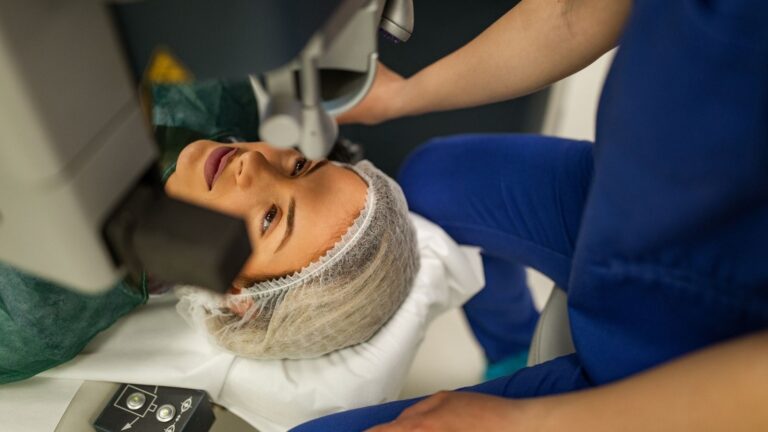
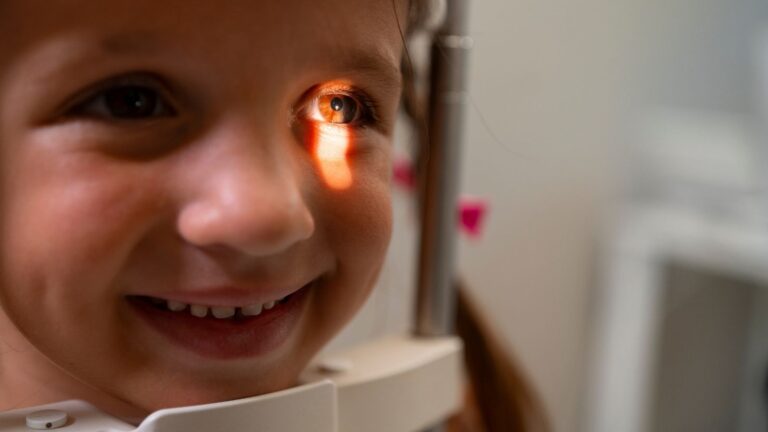
- The ophthalmologist uses a special microscope, known as a biomicroscope or slit lamp, to examine the eyelid margins and base of the eyelashes in detail. Findings such as redness, flaking, or blocked glands may be observed. If posterior blepharitis is suspected, the quality of the meibomian gland secretions is also evaluated. The consistency, color, and amount of oil released from the glands provide important clues.
Patient History
- Questions regarding when the condition began, how it has progressed, and whether it worsens in the morning or during the day play a critical role in diagnosis. Factors such as accompanying skin diseases, a history of allergies, makeup use, and prolonged screen exposure are also evaluated.
Additional Tests When Necessary
- Tear Quality Tests: Because blepharitis may disrupt the tear film, tests such as Tear Break-Up Time (TBUT) may be used to examine how quickly the tear film breaks down on the ocular surface.
- Eyelash Removal and Microscopic Examination: In suspected cases, several eyelashes may be removed and examined under a microscope for the presence of Demodex mites.
- Culture Test: In rare cases that do not improve or repeatedly recur, a sample may be taken from the base of the eyelashes or eyelid surface to determine whether bacteria or fungi grow under laboratory conditions.
Establishing a clear diagnosis is critical for planning the correct treatment. If the type of inflammation, whether anterior or posterior, and contributing factors such as bacterial density, Demodex, or skin disease are not identified, the effectiveness of the recommended treatment may be reduced.
Blepharitis often follows a chronic course, making continuity of treatment and care important. Regular cleaning of the eyelids and control of inflammation form the foundation of treatment.
Eyelid Hygiene
- Warm Compresses: Heat softens crusts along the eyelid margins and makes them easier to remove. It also makes thick or blocked oily secretions within the meibomian glands more fluid.
- Cleaning the Base of the Eyelashes (Lid Scrub): This can be performed using baby shampoo lightly diluted in warm water or special eyelid cleansing solutions available from pharmacies. The purpose is to gently remove bacterial plaque and flakes. When performed regularly, it significantly reduces irritation, particularly in anterior blepharitis.
Medications
- Topical Antibiotics: If the bacterial load is high or inflammation is pronounced, antibiotics may be prescribed as eye drops or ointments. These medications generally provide significant short-term relief.
- Oral Antibiotics: In blepharitis associated with meibomian gland dysfunction, or posterior blepharitis, long-acting low-dose antibiotics such as doxycycline may reduce inflammation along the eyelid margin through both antimicrobial and anti-inflammatory effects.
- Topical Steroids: When used temporarily during flare-ups, these medications may rapidly suppress eyelid inflammation. However, medical supervision is essential because prolonged use may cause side effects such as elevated eye pressure or glaucoma.
- Treatments for Demodex Mites: If microscopic examination identifies a high Demodex density, special cleansers or ointments containing tea tree oil or similar ingredients may be used. Certain recently developed medicated drops may also effectively reduce the number of Demodex mites.
Supportive and New Approaches
- Artificial Tears: Because blepharitis often occurs together with dry eye, artificial tear drops may help relieve symptoms.
- IPL (Intense Pulsed Light): Intense pulsed light treatment is sometimes used as supportive therapy, particularly for meibomian gland dysfunction. This method may improve gland function and reduce inflammation.
- Nutrition and Supplements: Foods or supplements rich in fatty acids such as omega-3 may help improve tear quality and support meibomian gland function.
Lifestyle Adjustments
- Spending prolonged periods in front of screens, remaining in air-conditioned environments, and failing to protect the eyes adequately in windy or dry weather may aggravate blepharitis. Increasing the blinking rate, especially by taking deliberate breaks while using a computer, regularly replacing makeup products, and paying additional attention to cleansing around the eyes also support treatment.
- Treatment success is closely related to regular care and adherence to medical recommendations. Many people tend to discontinue treatment as soon as their symptoms begin to improve. However, the main approach to blepharitis is maintenance treatment. Continuing a regular hygiene routine even after symptoms subside reduces the likelihood of another flare-up.
Contrary to common belief, blepharitis is generally not considered contagious. Excessive bacterial growth may accompany the condition, but organisms such as Staphylococcus aureus may also be found in the normal skin flora. These bacteria multiply excessively and cause problems because of imbalances in the individual's immune system, skin structure, or tear composition.
Certain types of conjunctivitis, commonly known as "pink eye," are highly contagious because they are easily spread by viruses or bacteria. Blepharitis does not have a similar widespread transmission mechanism. The underlying problem is "an imbalance between the bacteria and gland function within the person's own eyelids."
This does not mean that hygiene precautions can be neglected. Sharing makeup products or rubbing the eyes with dirty hands puts eyelid health at risk. Although blepharitis is not contagious, inadequate hygiene may trigger infections and prolong the condition.
Because eyelid inflammation has a strong tendency to recur, preventive strategies are particularly important. Prevention is valuable both for stopping symptoms from developing and for keeping existing symptoms under control.
- Regular Eyelid Hygiene
Regardless of whether a person is susceptible to blepharitis, establishing a regular eyelid hygiene routine is beneficial. Makeup should always be removed at the end of the day, and the base of the eyelashes should be gently wiped with a mild cleanser.
- Managing Skin Problems
If chronic skin diseases such as seborrheic dermatitis or rosacea are present, continuing treatment and care routines in accordance with specialist recommendations plays an effective role in preventing eyelid inflammation. Any uncontrolled area of inflammation or flaking on the facial skin may be considered a potential point from which the condition can spread to the eyelids.
- Avoiding Allergens and Irritants
People with allergic susceptibility should avoid environments that may irritate the eyes, such as areas with heavy dust or exposure during pollen season, whenever possible. Protective glasses may also be worn as a precaution. It is also important to choose hypoallergenic cosmetics or products specifically designed for use around the eyes.
- Contact Lens Care
Contact lens users should pay particular attention to lens hygiene and recommended wearing times. Avoiding sleeping in contact lenses, replacing lens solutions regularly, and cleaning the eyelids consistently are effective ways to help prevent blepharitis.
- Healthy Nutrition and Adequate Water Intake
Drinking plenty of water affects tear quality as well as overall health. Consuming fish, flaxseed, or similar foods rich in omega-3 fatty acids may support the lipid layer of the tear film and reduce dryness.
- Regular Eye Examinations
Periodic eye examinations provide opportunities for early diagnosis and intervention, particularly for people who are susceptible to eye diseases or frequently use screens. Many eye conditions, including blepharitis, are much easier to control when diagnosed early.
Preventive measures generally consist of simple habits. Just as brushing your teeth every day is natural, eyelid hygiene can similarly become part of a daily routine. Once this habit is established, the frequency and severity of blepharitis flare-ups decrease significantly.
Although blepharitis may initially appear to be only mild eyelid redness or morning crusting, it can cause several complications if left untreated. These complications may adversely affect both eye health and quality of life:
- Dry Eye (Keratoconjunctivitis Sicca)
When the meibomian glands that produce the oily components of tears are damaged, the length of time that the tear film can protect the ocular surface as a stable layer becomes shorter. This may cause progressively worsening dryness and redness. In addition to increasing burning and stinging, chronic dryness may cause microscopic injuries on the ocular surface.
- Conjunctivitis
Inflammation of the eyelid may spread to neighboring tissues and affect the conjunctiva, the membrane covering the front of the eye and the inner surface of the eyelid. Chronic conjunctivitis may then become part of the condition. Increased redness, watering, and stinging may sometimes be mistaken for "pink eye," although the underlying cause may be blepharitis.
- Stye and Chalazion
Blocked or infected eyelid glands may cause painful swellings known as styes or painless swellings known as chalazia. A stye is generally acute and painful, while a chalazion presents as a more chronic, firm lump. Both are closely associated with inflammation of the eyelid.
- Eyelid Malpositions (Entropion/Ectropion)
Long-standing inflammation may cause the eyelid margin to turn inward or outward. Inward turning, known as entropion, causes the eyelashes to rub against the ocular surface. Outward turning, known as ectropion, prevents the tears from spreading properly. These conditions may become severe enough to require surgical treatment.
- Corneal Injuries and Ulcers
Mechanical irritation caused by eyelashes growing in the wrong direction or the eyelid margin turning inward may damage the cornea. An increased bacterial load or reduced tear protection may even lead to corneal ulcers. This is a very serious condition that requires urgent treatment.
- Eyelash Deformities
Repeated inflammation may cause permanent changes in the color, thickness, or direction of eyelash growth. In addition to cosmetic concerns, these changes are important because they may impair the protective function of the eyelashes.
- Personal and Psychological Effects
Even when blepharitis does not clearly affect vision, persistent symptoms such as stinging, itching, and watering may disrupt a person's social and professional life. Noticeable eye redness or crusting upon waking may cause loss of self-confidence or avoidance of social environments.
The common factor behind all these complications is "blepharitis that has not been treated or controlled in time." Even when symptoms are mild, failing to take the necessary precautions increases the risk of more serious problems in the long term.
Simple measures such as warm compresses, eyelid hygiene, and appropriate drops or ointments are generally important during the initial stage of blepharitis. However, as with any condition, specialist support may become critical in certain situations:
- If Symptoms Are Becoming More Severe
If mild itching or slight discharge suddenly develops into widespread redness around the eyelid, intense stinging, or noticeable fluctuations in visual quality, specialist advice should not be neglected.
- If the Condition Does Not Improve for a Long Time
If a person regularly maintains eyelid hygiene and performs basic care but sees no improvement for several weeks, the condition may indicate more complex blepharitis or a different underlying cause.
- If Significant Vision Problems Develop
Blepharitis generally does not severely affect sharp vision. However, reduced tear quality and inflammation may cause blurred vision or light sensitivity. If these symptoms reach a level that interferes with daily life, specialist evaluation is required.
- Recurrent Styes or Chalazia
Styes and chalazia develop because of eyelid infection or blocked glands. If they recur frequently, chronic blepharitis may be present. Surgical intervention or long-term medication may sometimes be required.
- If Accompanying Systemic or Skin Diseases Are Present
If rosacea, seborrheic dermatitis, or other chronic diseases affecting the immune system are present, blepharitis symptoms may be more persistent and severe. These patients should be followed through coordinated care involving ophthalmology, dermatology, or other relevant specialties.
- If Discomfort Increases in Contact Lens Users
Contact lens users who notice increased stinging, burning, or redness when inserting or removing their lenses should suspect a possible blepharitis flare-up. Because corneal health may be endangered in the long term, specialist evaluation is also necessary in this situation.