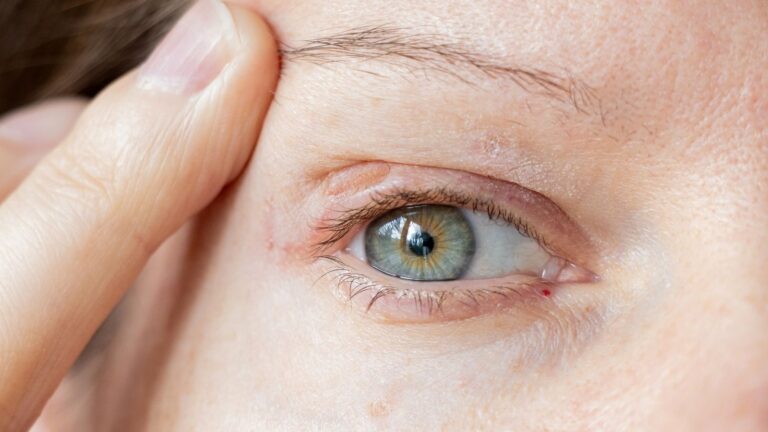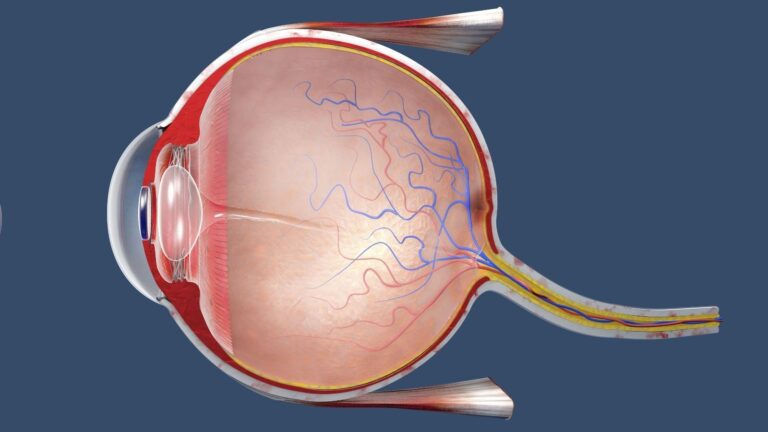
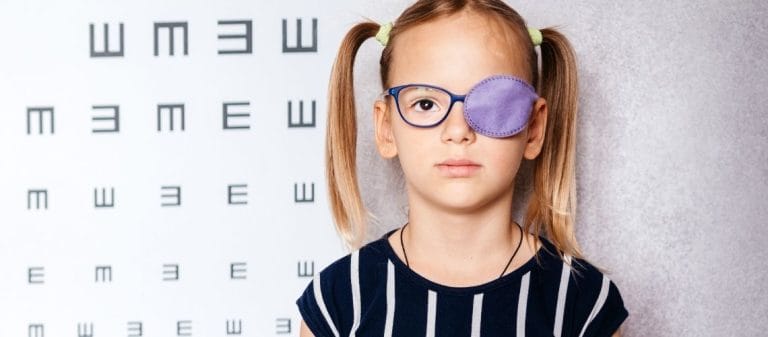
Amblyopia, commonly known as lazy eye, occurs when the vision in one eye does not develop normally during childhood. It involves reduced vision that cannot be fully corrected with glasses. If it is not diagnosed early, it may lead to permanent vision loss.
The most common causes of amblyopia include strabismus, high refractive errors, and congenital opacities in the eye. In these cases, the brain favors the image from the healthier eye, and visual development in the weaker eye falls behind.
Amblyopia can be diagnosed during childhood through a detailed eye examination. Vision tests and evaluation of eye movements play a critical role in diagnosis. Screening at an early age increases the likelihood of successful treatment.
Treatment options include patching therapy, special glasses, and orthoptic exercises. When these methods are applied at the appropriate time, amblyopia can be corrected to a significant extent. Regular follow-up increases the effectiveness of treatment.
| Definition | Reduced vision caused by one eye failing to achieve normal visual acuity. |
|---|---|
| Causes | Strabismus, anisometropia (a difference in refractive errors), cataract, and congenital drooping of the eyelid. |
| Symptoms | Reduced vision, usually in one eye, impaired depth perception, and strabismus. |
| Diagnostic Methods | Eye examination, vision test, ophthalmoscopy, and refraction measurement. |
| Treatment Methods | Glasses or contact lenses, patching therapy that covers the stronger eye, vision therapies, and rarely surgery. |
| Risk Factors | Family history of amblyopia, premature birth, and low birth weight. |
| Complications | Permanent vision loss and complete loss of depth perception if left untreated. |
| Prevention | Regular eye examinations during childhood, early diagnosis, and treatment. |
| Who Is Affected? | Usually children, although its effects continue into adulthood if left untreated. |
Amblyopia is a condition in which visual acuity is reduced because one eye has not completed normal visual development. It usually develops during childhood due to strabismus, refractive errors, or a physical obstruction in the eye, such as a cataract. Although the affected eye may be structurally normal, the brain cannot adequately process the image it receives from that eye. Early diagnosis and treatment with patching, glasses, and orthoptic exercises offer a high likelihood of success.
Various factors can cause amblyopia. Some are congenital, while others develop later. Although the mechanisms differ, they all prevent the brain from fully evaluating visual information from the affected eye.
- Strabismus
Strabismus is commonly known as misalignment or crossing of the eyes. When the two eyes are not aligned along parallel axes, the brain experiences a problem with double vision. It then tends to suppress the eye causing the problem. If one eye looks to the side while the other looks forward or inward, the images do not match, and the brain suppresses the deviating eye to eliminate this conflict.
- Anisometropia (Difference in Refraction Between the Eyes)
People who wear glasses may know that one eye can have -1 diopter of myopia while the other has -4 diopters. This significant difference in prescription between the two eyes is called anisometropia. Studies have shown that anisometropia is the leading cause of approximately 68.99% of unilateral amblyopia cases. As the brain favors the eye providing the clearer image, it begins to ignore the eye with the higher prescription. As a result, that eye becomes amblyopic because it is no longer being used effectively.
- High Refractive Errors
In addition to a difference between the eyes, untreated high hyperopia, which can make both distance vision unclear, high myopia, which affects distance vision, or high astigmatism can lead to amblyopia, particularly during childhood. Some studies have reported high hyperopia in 38.76% of unilateral amblyopia cases and 39.89% of bilateral amblyopia cases. This means that if a correctable refractive error is not identified early, the brain may refuse to accept the blurred image received from the affected eye or eyes.
- Visual Deprivation (Insufficient Light Entering the Eye)
Congenital cataract, congenital drooping of the eyelid, known as ptosis, or certain conditions that impair corneal transparency may prevent sufficient light from entering the eye. This causes deprivation amblyopia. Although it is not very common, it may lead to permanent vision loss if not treated early.
- Presence of Multiple Causes
A child may sometimes have both strabismus and anisometropia. In such cases, the likelihood of amblyopia increases further because the eye that the brain tends to neglect may be dealing with several problems at the same time.
- Genetics and Family History
If there is a family history of amblyopia, strabismus, or the need for a strong glasses prescription, the likelihood of similar problems occurring in the child increases. Regular eye examinations from an early age are particularly important in this situation.
- Prematurity and Low Birth Weight
Babies who are born prematurely or with a low birth weight encounter various risk factors more frequently during development. Amblyopia is one of these risks. Premature babies should therefore undergo eye examinations early and at regular intervals.
- Neurological and Developmental Disorders
The risk of amblyopia is higher in children with neurological conditions such as cerebral palsy or general developmental delay. In some cases, this may be related not to a structural problem in the eye but to difficulties in the brain's ability to process visual information.
All these causes demonstrate that amblyopia can develop through different mechanisms. The important point is to diagnose the underlying cause as early as possible and begin appropriate treatment. Starting eye examinations during childhood and conducting regular screenings between the ages of 3 and 5 are highly effective for detecting potential problems early.
Children, especially at a young age, may not realize or be able to express that one eye sees less clearly than the other. Signs of amblyopia are therefore usually recognized indirectly. Parents and teachers must remain attentive to allow early intervention.
The most important sign is reduced visual acuity in one or both eyes. However, children often compensate for this by using one eye more than the other, so the problem may not be immediately noticeable in daily life. It is generally identified during an eye examination or when a child happens to cover one eye and says that the image looks blurrier.
The two eyes must work together to produce three-dimensional vision, known as stereopsis. If one eye is amblyopic, the ability to create a three-dimensional image becomes weaker. This can make it difficult to estimate distances or catch objects. Delayed reactions when catching a ball or difficulty placing pieces correctly when playing with building blocks may indicate this problem.
A child may squint or close one eye to see more clearly or reduce blurring. Closing one eye when looking into the distance or watching television may be a noticeable sign.
Some children may develop the habit of tilting or turning their head to obtain a clearer image. This behavior is an automatic adjustment made by the brain to achieve the best possible image.
Children with amblyopia may be unable to see the board clearly in class or may confuse letters while reading. This can naturally affect academic performance. They may work more slowly when copying letters or taking notes because one eye does not see well.
Because amblyopia impairs depth perception, children may be more likely to bump into surrounding objects or fall. They may misjudge the width of a doorway and hit their shoulder against it or trip over the edge of a table.
The amblyopic eye may occasionally deviate outward or inward, or eye movements resembling nystagmus may occur. Although these findings do not always indicate amblyopia, they are considered important warning signs.
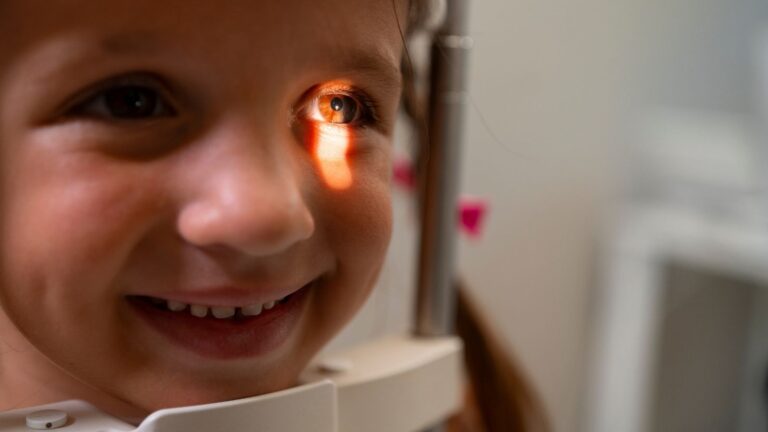
When amblyopia is suspected in a child or an adult, a comprehensive eye examination is required. This examination is not limited to a quick vision test. It uses several methods to evaluate the functioning of the eye, the brain, and the visual pathways in detail.
- Visual Acuity Measurement
The first step is to measure the visual acuity of each eye separately. Picture cards or tumbling E charts may be used for children between the ages of 3 and 5 who cannot recognize letters. Visual acuity is generally determined using a Snellen chart or a similar chart. A difference of two or more lines between the eyes raises suspicion of amblyopia.
- Refraction Examination
If amblyopia is caused by anisometropia or a high refractive error such as myopia, hyperopia, or astigmatism, a complete refraction examination called cycloplegic refraction is required. Drops that dilate the pupil and temporarily disable the eye's focusing ability are used. This allows the child's actual glasses prescription to be determined accurately.
- Eye Alignment and Strabismus Tests
Eye alignment is assessed using methods such as the cover-uncover test or Hirschberg test. For example, the examiner observes whether the position of the other eye changes as one eye is covered and uncovered. If strabismus is present, the brain may be suppressing one eye.
- Binocular Vision and Depth Perception Tests
Stereopsis tests evaluate how well the eyes work together. Special drawings or images that appear three-dimensional when viewed with both eyes are used. If the person cannot complete the test successfully, amblyopia or another binocular vision problem may be suspected.
- Structural Examination of the Eye
The anterior and posterior segments of the eye, including the fundus, are examined to determine whether a structural abnormality such as a cataract or retinal problem is present. If a physical obstruction such as a cataract is causing amblyopia, that problem must first be treated.
- Advanced Imaging Techniques (In Rare Cases)
In some cases, imaging methods such as MRI are used to rule out other possible problems in the eye or brain. This step may be taken to investigate a neurological disorder, particularly in unusual or rapidly progressing cases.
- Early Screening and Its Importance
Specialists recommend that children undergo at least one detailed eye examination between the ages of 3 and 5. In recent years, screening programs have increased the rate of early diagnosis in amblyopia. Greater access to these screenings worldwide, particularly in developed countries, has also improved treatment success.
The basic principle of amblyopia treatment is to "reactivate" the visual pathways of the weaker eye in the brain. Just as a muscle weakens when it is not used for a long time, an unused eye similarly loses function. The aim of treatment is to make the eye participate in vision as much as possible. Several methods are available.
- Correction of Refractive Errors (Glasses or Contact Lenses)
In some children, using the correct glasses alone can significantly improve amblyopia. Studies have shown that an average improvement of 2.9 logMAR lines can be achieved with glasses alone. Once the brain begins receiving a clear image, it becomes more likely to use the weaker eye.
- Patching Therapy
Patching is one of the first treatment methods associated with amblyopia. The better-seeing, dominant eye is covered with a patch for a certain number of hours each day. This forces the brain to process signals from the weaker eye.
- Patching for 2 Hours a Day: Provides an average improvement of 3.3 logMAR lines.
- Patching for 6 Hours a Day: An average improvement of 3.6 logMAR lines has been observed.
- Patching for 12 Hours a Day: An average improvement of 3.4 logMAR lines has been reported.
These figures show that longer patching does not always produce better results. The duration should be determined by the doctor based on the patient's age, severity of amblyopia, and family adherence. Games, activities, or stories that make patching more enjoyable can also improve the child's cooperation.
- Atropine (Pharmacological Penalization)
Atropine drops are applied to the better-seeing eye to create artificial blurring. Instead of covering the eye, this blurring method directs the brain toward the weaker eye.
- Daily Atropine: Approximately 3.2 logMAR lines of improvement.
- Atropine Once a Week: Also an average improvement of 3.2 logMAR lines.
As these figures show, atropine applied once a week may be as effective as daily use. The advantage of this method is that the child does not need to wear an eye patch. However, side effects may include light sensitivity, blurred near vision, and, rarely, dry mouth.
- Combination Treatments
Near-vision activities or computer-based exercises in addition to patching therapy may provide greater improvement in visual acuity. For example:
- Patching + Near Activities: An average of 3.7 logMAR lines.
- Patching + Distance Activities: An average of 3.5 logMAR lines.
Although the difference is not very large, near activities are thought to stimulate eye coordination more effectively.
- Optical Penalization
In this method, blurring lenses are placed over the better-seeing eye. Special filters fitted to the spectacle lens prevent the stronger eye from seeing clearly. This again forces the brain to use the weaker eye. However, with an average improvement of 2.9 logMAR lines, this method has been reported to be less effective than patching.
- Treatment Duration and Age
The younger the child, the greater the likelihood of improving amblyopia. Noticeable improvement is generally seen within 12 to 24 weeks. Some adolescents may also benefit from treatment, but the treatment period may be longer and the response somewhat more limited.
- Treatment Success and Risk of Recurrence
The improvement achieved may not always be permanent. Some regression may occur after treatment is discontinued in approximately 25% of cases. Regular follow-up and maintenance treatment may therefore be used when necessary, such as continuing patching for a period with gradually reduced hours.
It should be remembered that amblyopia is different in every child or adult. The treatment plan must therefore be personalized, and optimal results are achieved through close medical follow-up.
Because amblyopia is fundamentally related to the visual pathways in the brain "forgetting" or "neglecting" one eye, surgery is not expected to correct the amblyopic eye directly. In certain cases, however, surgery may contribute to the process indirectly.
- Strabismus Surgery
If strabismus is the primary underlying cause of amblyopia, surgery on the eye muscles may align the eyes. The operation places the eyes in a straighter and more cosmetically balanced position. Correcting strabismus may reduce problems such as double vision and provide the brain with more compatible images from the two eyes. This creates a better foundation for amblyopia treatment.
However, strabismus surgery alone does not improve visual acuity in the amblyopic eye. Active treatment with patching, atropine, or similar approaches is generally continued after surgery.
- Refractive Surgery (LASIK, PRK, etc.)
If children have severe anisometropia and difficulty using glasses or contact lenses, refractive surgery such as LASIK or PRK may be considered in selected cases. These procedures can reduce the difference in prescription between the eyes, creating conditions that may support amblyopia treatment.
Studies have found that the success rate of this surgery varies between 27% and 89% and that the prescription may change again as the child grows. Certain cases involve risks such as corneal haze and incision-related complications such as a free flap. Surgery is therefore considered only after specialist evaluation, as a last resort or in selected cases.
- Surgery for Visual Deprivation
When congenital cataract or severe congenital ptosis prevents light from entering the eye, surgery may be necessary. Removing the cataract or correcting the eyelid surgically allows the process of sending a clear image to the brain to begin. These operations may still be insufficient on their own, and additional amblyopia treatment may be required after surgery.
For many years, it was believed that treatment was ineffective or even impossible after childhood. Recent studies, however, have shown that the brain may retain a certain degree of flexibility, known as plasticity, during adulthood. This means that some improvement may also be possible in adults.
- Perceptual Learning (Visual Exercises)
Perceptual learning programs for adults aim to retrain the brain through repeated visual exercises. Computer-based applications using color-contrast or shape-recognition tests, for example, may enable the weaker eye to work more effectively. Studies have reported an average improvement of 1 to 2 lines on the Snellen chart even in adults.
- Binocular Treatments
In addition to monocular training, which exercises only the weaker eye, binocular approaches that train both eyes simultaneously are now being tested. In a method called dichoptic training, different images are presented to each eye on a computer screen, and the brain is forced to combine them. This allows the suppressed eye to gradually become active again.
- Medication Support and Brain Stimulation
Certain medications, including levodopa and citicoline, have been suggested to increase brain plasticity. Preliminary data have also indicated that visual exercises combined with brain stimulation techniques such as transcranial direct current stimulation may produce faster and more effective results. More research is required before these methods can be used widely.
- Limitations and Expectations
Treatment in adults generally provides more limited improvement than treatment during childhood and requires longer-term effort. However, this does not mean there is no hope. Some benefit may be possible for adults seeking modest improvements in clarity for professional needs or everyday quality of life.
The belief that amblyopia "can only be treated during childhood" is therefore no longer current. The brain can continue to learn in adulthood, but the process may be more demanding and prolonged than it is during childhood. With the development of computer-based exercises and new-generation technologies, amblyopia treatment in adults is becoming increasingly promising.
The most effective way to prevent amblyopia is through early diagnosis and treatment without delay. Correcting the problem during the critical period when the connection between the eyes and the brain is developing offers a much higher likelihood of success than treatment later in life.
Regular Eye Examinations and Screening
The World Health Organization also emphasizes the importance of early diagnosis. Children between the ages of 3 and 5 are particularly advised to undergo at least one detailed eye examination. Preschool vision screenings are also conducted in certain pilot regions in our country. Expanding these screenings may further reduce amblyopia rates of between 1% and 5%.
- According to one report, the screening rate among 3-year-old children was only 5.7% in 2015 but had increased to 72.1% by 2022.
- Unfortunately, ethnic background and socioeconomic conditions may affect participation in screening programs. Nevertheless, there is an overall upward trend.
Family Awareness
It is very important for families to pay attention to certain signs in babies and children:
- The child frequently closes one eye.
- The child often complains of headaches.
- The child bumps into objects or misjudges distances.
- The child watches television from a very close distance.
If these signs are noticed, consulting an ophthalmologist without delay is beneficial.
- Special Attention to High-Risk Groups
Greater attention should be paid to high-risk groups, including premature babies, children born with a low birth weight, and those with a family history of amblyopia or strabismus. Eye examinations for these children should begin as early as possible, sometimes within the first 6 months of life.
- Habits That Support Eye Health
General measures that protect eye health are also important, including a diet rich in vitamins and minerals, limiting screen time to reasonable periods, and participating in regular outdoor activities. However, these measures do not eliminate amblyopia on their own. They primarily support healthy overall development.
- Early Intervention, Greater Success
Timing is one of the most important components of amblyopia treatment. The earlier the problem is identified and addressed, the better the outcome. A child with moderate amblyopia, for example, may show substantial improvement within a few months with 2 hours of patching each day. If the same child begins treatment at the age of 10 to 12, the process may be longer and less effective because brain plasticity has decreased.
- Social and Institutional Support
Expanding eye health screening programs, increasing family awareness, and improving access to examinations can significantly reduce the societal burden of a preventable problem such as amblyopia. Public service announcements, media campaigns, and educational programs in schools play a key role.
Amblyopia can be treated or controlled to a significant extent when diagnosed early. The term "lazy eye" should therefore not cause the condition to be underestimated. Evaluating every possible underlying cause and acting promptly when necessary are the most important protective measures.