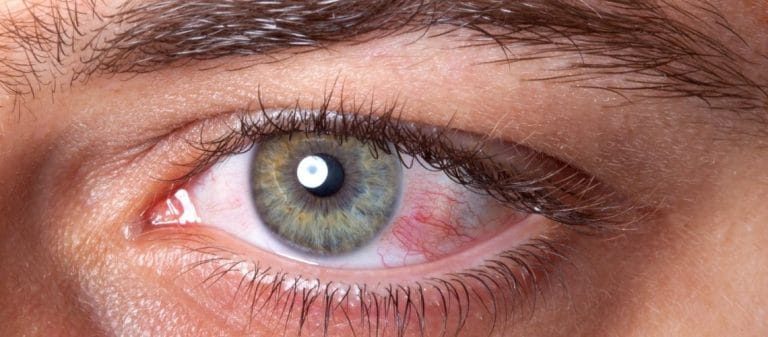
Watery eyes occur due to excessive tear production or blockage of the tear ducts. This condition may be caused by factors such as wind, allergies, infection or a foreign body. Identifying the correct cause is the first step in treatment.
Antibiotic drops are used for watery eyes caused by infection, while antihistamine medications are used for allergic causes. Artificial tears and protective measures may be effective for watering caused by simple irritants.
Tear duct obstruction is particularly common in infants. Massage, eye drops or surgical procedures may be used to resolve this problem. Tear duct surgery may be required in older adults.
Correctly identifying the underlying cause is highly important in the treatment of watery eyes. Persistent watering that does not resolve on its own should be evaluated by an ophthalmologist. Early intervention improves visual comfort.
| Definition | Tears overflowing from the eyes due to excessive production by the lacrimal glands or inadequate drainage of tears. |
|---|---|
| Causes |
- Eye Irritation: Dust, smoke and chemicals.
- Allergies: Pollen and animal dander.
- Dry Eye: Excessive tear production to protect the ocular surface.
- Infections: Conjunctivitis and blepharitis.
- Tear Duct Obstruction: Narrowing or blockage of the tear ducts.
| Symptoms |
|---|
- Continuous or intermittent tear overflow.
- Redness and swelling.
- Discomfort or a stinging sensation in the eye.
- Blurred vision due to excessive watering.
| Diagnostic Methods |
|---|
- Eye examination.
- Tests to assess tear duct patency.
- Tests that evaluate tear production, such as the Schirmer test.
| Treatment Methods |
|---|
- For Allergies or Irritation: Antihistamine drops and avoiding irritants.
- For Infection: Antibiotic or antiviral eye drops.
- For Tear Duct Obstruction: Tear duct dilation or surgical intervention.
- For Dry Eye: Artificial tears.
| Complications |
|---|
- Visual problems.
- Eye infections.
- Permanent tear duct obstruction.
| Prevention Methods |
|---|
- Avoiding environments that may trigger allergies.
- Maintaining good eye hygiene.
- Treating eye infections promptly.
| Risk Factors |
|---|
- History of allergies.
- Older age, which increases the risk of tear duct obstruction.
- Susceptibility to infections.
Watery eyes occur when excessive tears are produced or tears accumulate on the ocular surface because of a blocked tear duct. They may have many causes, including allergies, infections, foreign bodies, dry eye syndrome and tear duct obstruction. Persistent watering can reduce visual quality and cause discomfort. Treatment is planned according to the underlying cause.
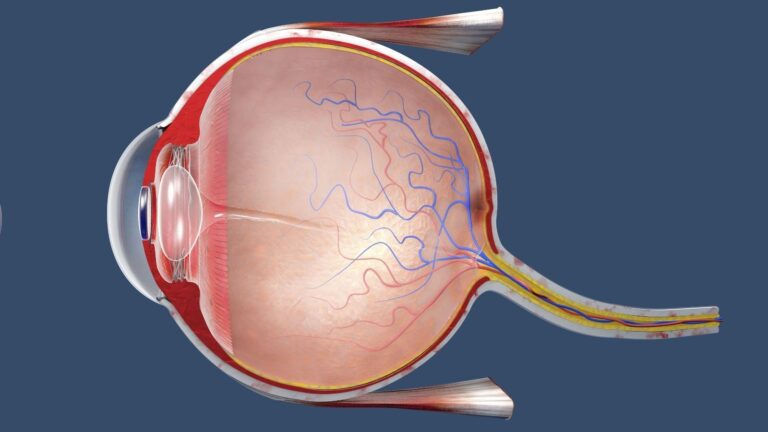
Tear production is one of the fundamental mechanisms that protect eye health. Tears keep the ocular surface moist and prevent damage to the cornea, which is the transparent outermost layer of the eye. Consisting of water, lipid and mucus layers, the tear film is constantly renewed through a mechanism that can be compared to a car's windshield washer system. The lacrimal gland plays the leading role in tear production. After spreading across the front surface of the eye, the fluid drains toward the nose through small channels called the puncta and canaliculi. When a problem occurs at any point in this system, tears accumulate in the eye and flow down the cheeks.
The main factors that trigger watery eyes include:
- Dry eye syndrome with increased reflex tearing
- Allergic reactions, such as allergic conjunctivitis
- Tear duct obstruction (nasolacrimal duct obstruction)
- Eyelid malpositions, such as ectropion and entropion
- Infection or inflammation, including viral and bacterial conjunctivitis
- Environmental factors, such as cold weather, wind, smoke and chemicals
- Foreign bodies or corneal damage
- Meibomian gland dysfunction
- Sinusitis, certain medications and systemic diseases
Each of these factors involves detailed cause-and-effect relationships. These relationships are connected like the links of a chain. When the eye becomes dry, for example, the body begins producing more tears. If the quality of those tears is inadequate, however, the person may still not experience relief. It is like adding water to burnt food. You can add water, but you may not restore its flavor.
The term "dry eye" creates a paradox that many patients find illogical. If the eye is dry, how can it water? This can be compared to breathing air dried by central heating and then developing a runny nose. As the nose becomes dry, the body produces additional secretions and the nose starts to run. A similar process occurs in the eye.
- Reflex tears: When the eye is not adequately moisturized, nerves in the cornea send a signal. The brain responds with the command to produce more tears. However, these tears may not have a balanced lipid and mucus structure. As a result, they evaporate rapidly or fail to moisturize the eye sufficiently, even though enough may be produced to overflow.
- Poor quality: Tear quality deteriorates in people with dry eye. When the oily layer above the watery component, which consists of lipids produced by the meibomian glands, is not optimal, the tear film breaks down rapidly. This imbalance creates a vicious cycle.
Research has shown that reflex tear production in patients with dry eye syndrome is often delayed but eventually becomes excessive. Patients may therefore complain of both burning and stinging sensations and watery eyes.
Allergic conjunctivitis occurs when the conjunctival tissue on the ocular surface becomes inflamed after interacting with allergens such as pollen, dust, animal dander or chemical agents. This process can be described using the metaphor of a defense system that mistakenly identifies a friend as an enemy and attacks.
- Release of histamine and other chemicals: When mast cells on the ocular surface encounter an allergen, they release histamine and similar chemicals. These substances dilate the blood vessels and cause redness, itching and watering of the eyes.
- Redness and itching: The inflammatory process increases irritation on the ocular surface. The inner eyelids and conjunctiva may become swollen. Patients may describe this as feeling as though there is a thin veil inside the eye or as though sand has entered it.
- Watery discharge: Tears produced during an allergic reaction are usually fluid and transparent. Unlike the yellow-green discharge seen with bacterial infections, clear watering is generally predominant.
Antihistamine eye drops or cold compresses can provide considerable relief during this process. The important point is to reduce contact with the allergen as much as possible. Wearing glasses or sunglasses when going outside during the spring pollen season may provide protection.
If we compare the tear ducts to wastewater pipes running through a building, a blockage in the pipes results in overflow. The same principle applies here. Tears accumulate in the eye and flow down the cheek.
- Congenital and acquired obstructions: In infants, the tear duct may not be fully developed at birth or may be covered by a membrane. It can generally open spontaneously by the age of one. In adults, obstruction may develop because of infection, age-related narrowing, irregularities in nasal anatomy or trauma.
- Clinical symptoms: Persistent watering, swelling at the inner corner of the eye, frequently recurring infections such as dacryocystitis and sometimes mucus discharge.
- Diagnostic methods: One of the simplest methods is the fluorescein dye test. An orange-green dye placed in the eye should normally drain into the nose through the tear duct. Whether this drainage occurs is monitored. Radiological imaging or endoscopic examinations may also be used when necessary.
- Treatment options: The duct can be opened using methods such as massage, warm compresses, tear duct dilation or surgery known as dacryocystorhinostomy (DCR).
Patients often wonder why a problem between the nose and eye causes watery eyes. All these systems are interconnected. The tear drainage pathway extends into the nose, and even a minor blockage can disrupt this closed system and cause tears to overflow.
The position of the eyelids is responsible for distributing tears evenly, much like a windshield wiper, and then directing excess fluid toward the tear duct opening. Turning of the eyelid inward, known as entropion, or outward, known as ectropion, may impair this mechanism.
- Ectropion (outward turning): The lower eyelid moves away from the eyeball, causing tears to flow outward instead of entering the drainage duct. It commonly develops with age because of loosening of the skin and muscles.
- Entropion (inward turning): The eyelashes turn toward the eye and irritate the ocular surface. This irritation triggers the reflex production of more tears. Think of a thorn sticking into your foot. You react to protect yourself. The eye similarly defends itself by producing tears.
Eyelid surgery can correct these disorders and resolve the watering problem. They should not be neglected because advanced cases may cause serious corneal damage.
Inflammatory conditions such as conjunctivitis, keratitis or uveitis activate the eye's defense mechanisms. Viral conjunctivitis, particularly when caused by adenovirus, may cause watery eyes, crusting, redness and light sensitivity, also known as photophobia. Bacterial conjunctivitis usually also causes purulent discharge.
- Viral conjunctivitis: It is highly contagious and can spread easily through sneezing or hand contact. In addition to watering, severe stinging, itching and clear discharge may occur.
- Bacterial conjunctivitis: A thicker, yellowish-green discharge is typical. Watering may still occur, but the discharge is less transparent than in allergic or viral conjunctivitis.
- Treatment and follow-up: Viral conjunctivitis generally improves with supportive treatment such as cold compresses and artificial tears. Antibiotic eye drops are used for bacterial infections.
If the inflammatory process also affects the cornea, causing keratitis, significant pain, blurred vision and an inability to tolerate light may develop. In such cases, the patient should consult an ophthalmologist promptly.
Imagine going outside on a very windy day. Wind increases evaporation from the tear film. When the eye becomes dry, it reflexively produces more tears. Chemical fumes, cigarette smoke, air pollution and very bright lights may also irritate the eye.
- Wind and cold weather: Dry the cornea and trigger reflex tear production.
- Air pollution and dust: Cause eye irritation. Pollen or fine particles such as PM2.5 may be responsible.
- Indoor conditions: Air conditioners and heaters reduce humidity and cause tears to evaporate much more quickly.
All these factors can be regarded as external influences that weaken the eye's protective shield. People who spend long periods in front of digital screens blink less frequently. Their ocular surface therefore becomes drier, producing similar results.
When foreign bodies such as dust, eyelashes or sand enter the eye, the body immediately produces excessive tears. This can be viewed as the eye's attempt to wash itself. A foreign body rubbing against the eye may cause a corneal abrasion. In such situations, patients may experience pain severe enough to describe it as feeling like a knife or needle is in the eye.
- Sudden onset: If the eye suddenly begins watering and becomes painful, the possibility of a foreign body on the corneal or conjunctival surface should be considered.
- Visual disturbance: When the cornea is scratched, blurred vision, light sensitivity, pain and watering commonly occur.
- Treatment: If the foreign body is on the surface, the doctor may remove it using a cotton swab or specialized equipment. Eye dyes are used to detect the abrasion, and appropriate eye drops support corneal healing.
In traumatic situations like these, watery eyes act as an emergency call from the eye. The earlier the problem is identified and resolved, the lower the risk of permanent damage.
The meibomian glands are located along the inner edges of the eyelids and secrete lipids. This oil forms the top layer of the tear film and slows evaporation of the watery component beneath it. If these glands do not function properly for any reason, the tears evaporate rapidly and the eye becomes dry. As a result, more tears are produced.
- Blepharitis and meibomian gland dysfunction: Inflammation of the eyelid margin and blockage of the gland openings reduce the quality of the oil secretion. Patients may report crusting on the eyelids and flaking at the base of the eyelashes while also experiencing considerable watering.
- Treatment approach: Warm compresses, eyelid hygiene using specialized shampoos or solutions and, when necessary, medical treatment with antibiotic or anti-inflammatory drops and ointments are used. Long-term and patient care may be required.
This process can be explained by comparing it to a car with insufficient engine oil. If the engine does not function properly, different problems develop in the vehicle. Similarly, when the oil glands along the eyelid margin do not function optimally, lubrication of the ocular surface deteriorates and numerous complaints, including watering, can occur.
Inflammation in the sinuses may cause pressure and congestion around the nose. Obstruction or narrowing where the nasolacrimal duct opens into the nose may also prevent tear drainage. Patients with chronic sinusitis may sometimes consult a doctor because of watery eyes. The anatomical structure of the nose and the condition of the sinuses should be considered during the evaluation.
Sinus-related problems can be compared to narrowing paths in an untouched forest. When the paths become narrow, transportation is disrupted. Similarly, tears overflow because they cannot reach the nose. Cooperation with an ear, nose and throat specialist may therefore sometimes be necessary.
Some medications directly or indirectly affect tear production. Chemotherapy medications, certain eye drops such as pilocarpine and antipsychotic medications may trigger reflex tear secretion. Beta blockers or diuretics, which help remove water from the body, may affect tear quality and initiate a vicious cycle of dryness followed by reflex tearing.
When evaluating the side effects of these medications, it should be remembered that each person's response to medication may differ. If your eyes began watering after starting a medication you use regularly, it is important to consult the doctor who prescribed it or an ophthalmologist.
In some cases, watery eyes can be controlled with simple measures. Just as replacing a seal may be enough to repair a leaking faucet, a straightforward intervention may sometimes resolve the problem.
- Applying a warm or cold compress:
Warm compress: Softens the eyelid margin and increases oil secretion in watering caused by blepharitis, meibomian gland obstruction or dry eye.
Cold compress: Reduces the inflammatory reaction, redness and itching in allergic conjunctivitis.
- Eyelid hygiene:
Regular cleaning with eyelid cleansing gels, baby shampoo or products containing tea tree oil helps control blepharitis.
- Artificial tears:
Artificial tears help keep the cornea moist, particularly in dry eye. Preservative-free products may cause less irritation to the ocular surface.
- Omega-3 supplements and a balanced diet:
Foods such as fish, flaxseed and walnuts may improve the quality of the lipid layer of the tear film.
- Avoiding allergens:
Measures such as wearing sunglasses outdoors during pollen season, using an air purifier at home and regularly cleaning carpets and fabric surfaces may be helpful.
- Breaks from digital screens:
The 20-20-20 rule, looking at an object 20 steps away for 20 seconds every 20 minutes, serves as a reminder to blink.
These measures can provide substantial relief in mild and moderate cases. However, a medical evaluation is essential if the condition is persistent or severe.
Watery eyes are usually harmless and improve with simple interventions. However, the following signs may act as warning sirens for an emergency:
- Significant visual impairment or sudden double vision:
A sudden reduction in visual acuity, blurred vision or seeing objects double may indicate a serious retinal or corneal problem.
- Accompanying severe eye pain or headache:
This may occur during an acute glaucoma attack or with conditions such as keratitis.
- Severe eye redness, inability to tolerate light and excessive watering:
These symptoms may suggest uveitis, keratitis or a serious infection.
- Swelling, warmth and tenderness around the eye:
These symptoms may suggest cellulitis or severe dacryocystitis.
- Chronic, recurring watering and crusting:
Conditions that may require surgical intervention, such as tear duct obstruction or eyelid disorders, may be present.
- Yellow-green discharge and crusting accompanying the tears:
These symptoms may indicate conditions requiring treatment, such as bacterial conjunctivitis or keratitis.
Neglecting eye health can cause serious consequences, including permanent vision loss. It is therefore important not to assume that all watery eyes are harmless and to consult a doctor if the symptoms become severe.
Treatment primarily depends on identifying the underlying cause. Just as randomly taking medication without determining the cause of stomach pain is unlikely to produce results, it is difficult to treat watery eyes without identifying their source. An examination and sometimes additional tests, such as tear duct imaging, corneal staining or infection tests, may therefore be required.
Medical treatment:
- Antihistamine eye drops for watering caused by allergies,
- Antibiotic eye drops for bacterial infections,
- Artificial tears and anti-inflammatory eye drops for dry eye,
- Warm compresses and topical treatments for meibomian gland dysfunction,
- Systemic medications when necessary, such as in severe rosacea or Sjögren's syndrome.
Surgical treatment:
- If the tear duct is obstructed, balloon catheter dilation or surgery such as DCR may be performed.
- Plastic surgical procedures may be used for eyelid malpositions such as ectropion and entropion.
- If there is a foreign body or damage to the cornea, appropriate surgical or laser procedures may be used.
In some cases, several different treatments may need to be used simultaneously. For example, a patient with both meibomian gland dysfunction and allergic conjunctivitis may require eyelid hygiene together with antihistamine eye drops.
Patients frequently ask questions such as, "How many glasses of water should I drink each day, and how should I rest my eyes?" Measures that benefit the body's general health also have a positive effect on eye health.
- Adequate water intake: This principle, which applies to the skin, lips and overall moisture balance, also improves tear quality.
- Regular sleep: During sleep, the ocular surface rests and damage to the tear film is repaired.
- Avoiding cigarettes and smoke: Cigarette smoke directly damages the ocular surface and triggers dryness.
- Careful use of eye makeup: Preventing products such as mascara, eyeliner and eye pencils from touching the inner eyelid may help prevent blockage of the meibomian glands. It is also very important not to sleep while wearing makeup.
- Taking screen breaks: The blinking reflex decreases, particularly in people who use computers, tablets or phones for extended periods. The eyes should be rested by taking frequent breaks.
All these measures help maintain the eye's natural balance. It should be remembered that tear production is not merely a local process but is also related to the body's overall health.
Some over-the-counter products available from pharmacies may provide relief for mild or moderate watery eyes:
- Artificial tears: These are available in different viscosities and formulations. They can be purchased without a doctor's recommendation, but it is advisable to consult a specialist before using them regularly.
- Antihistamine eye drops: These provide short-term relief from watering caused by allergies. Specialist advice is still important for long-term use.
- Protective eyewear: Protects the eyes while working in dusty or windy environments and reduces tear evaporation.
- Warm compress sets or masks: These are particularly suitable for meibomian gland dysfunction and blepharitis.
Many of these products provide symptom control. If a serious underlying condition is present, the problem cannot be completely resolved with these products alone.
Watery eyes are a multifaceted condition that can develop for many different reasons. Sometimes they result from a simple allergy, while at other times they may indicate a serious underlying tear duct obstruction. The important point is to make the correct diagnosis, just as it is necessary to understand why a car engine is overheating. An ophthalmologist identifies the causes through a detailed examination and additional tests when necessary, then prepares an appropriate treatment plan.
Neglected eye health may lead to problems that are difficult to reverse. If the watering is mild, occurs occasionally and resolves, it may be possible to manage it with home precautions and over-the-counter products. If it becomes progressively worse, affects vision, is accompanied by pain or constantly recurs, however, it is time to consult a specialist.
Regular eye examinations also play a critical role in the early diagnosis of many conditions other than watery eyes, including undetected glaucoma, diabetic retinopathy and macular degeneration.
It should be remembered that watery eyes may sometimes be a simple and temporary condition, but at other times they may be the body's cry for help. If the causes are properly analyzed in consultation with a doctor and the necessary steps are taken, the condition can usually be brought under control. The eyes are the primary organs through which we establish a visual connection with the world. Protecting and caring for these valuable organs should be among our most fundamental priorities.