
Contents:
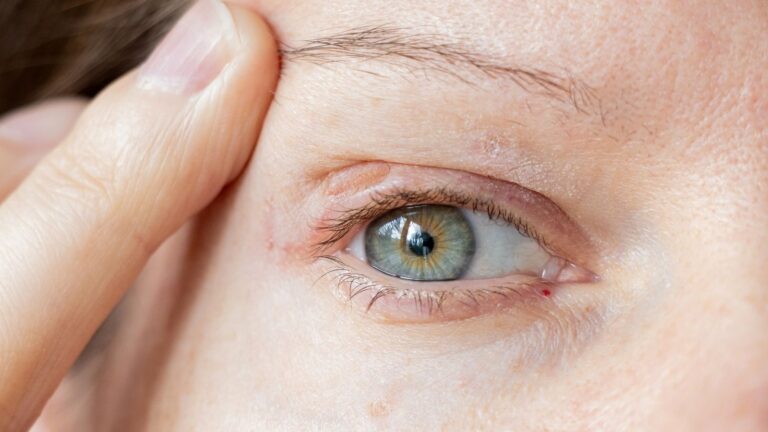
Dark circles under the eyes occur when the skin around the lower eyelids appears darker, purple, brown, or shadowed. In medical sources, this appearance may also be described as periorbital hyperpigmentation or darkening around the eyes. It does not always result from a single cause. Thin skin, visible blood vessels, increased pigmentation, swelling, and under-eye hollows are different contributing factors.
Lack of sleep, allergies, and frequent eye rubbing can make existing darkness more noticeable. In some people, the problem is present from childhood or adolescence, while in others it develops with age. Dark circles under the eyes are usually a cosmetic concern, but when accompanied by other symptoms, different underlying conditions may need to be evaluated. The appropriate approach should be determined after identifying the cause of the changes around the eyes.
What Causes Dark Circles Under the Eyes?
There is no single answer to the question of what causes dark circles under the eyes. Genetic characteristics, age-related thinning of the skin, increased melanin, and visible blood vessels under the eyes are among the main causes. A hollow known as the tear trough can create a dark shadow depending on the direction of the light. Allergic conditions, eczema, and eye rubbing can also increase discoloration around the eyes.
Irregular sleep, fatigue, sun exposure, and smoking may make the existing appearance more noticeable. Morning puffiness can create a shadow under the lower eyelid and intensify the appearance of dark circles. Anemia or another systemic disease cannot be diagnosed solely by looking at the under-eye area. If fatigue, paleness, or other general health concerns are present, the necessary examinations are planned according to the individual's condition.
The 4 Main Types of Dark Circles Under the Eyes
Under-eye darkness can be evaluated in four main groups according to how it develops. More than one type may be present in the same person. Treatment or care options can be planned more realistically when the predominant cause is identified correctly. This variation is one of the main reasons why a method that works for one person may not produce the same effect in another.
- Pigmented type: Usually appears in shades of brown because of increased melanin in the skin.
- Vascular type: More visible blood vessels beneath thin skin may produce blue, purple, or pinkish tones.
- Structural type: Under-eye hollows, bone structure, the position of fat tissue, or swelling creates shadows.
- Mixed type: Pigmentation, visible blood vessels, and structural shadows occur together.
This classification may not have clearly defined boundaries. If the darkness decreases when the skin is stretched, this may suggest that shadows or blood vessels are contributing. If the color remains clearly visible, this may indicate a pigment component. However, this observation at home does not replace a diagnosis. The structure of the eyelid skin and accompanying findings are evaluated together during an examination.
Genetic and Age-Related Changes
Genetic characteristics may play an important role in people whose family members have a similar under-eye appearance. Some people naturally have thinner skin around the eyes or more prominent tear troughs. The bone structure beneath the eyes and the distribution of fat tissue also affect appearance. When there is a genetic predisposition, changing sleep habits alone may not eliminate the darkness completely.
As age advances, the skin may lose collagen and elasticity. A reduction in under-eye fat, forward displacement of fat tissue, or loosening of the surrounding tissues can make hollows and bags more noticeable. As the skin becomes thinner, blood vessels may also become more visible. These changes do not occur at the same age or to the same degree in everyone.
Allergies, Eczema, and Eye Rubbing
Dark circles caused by allergies may occur with nasal congestion, itchy eyes, and frequent eye rubbing. Allergic processes may contribute to the increased visibility of blood vessels around the eyes. Frequent eye rubbing can trigger irritation and post-inflammatory pigmentation in sensitive skin. The possibility of allergic rhinitis, atopic dermatitis, or contact dermatitis is evaluated according to accompanying findings.
Makeup products and skincare creams may also cause contact allergies in some people. If redness, itching, flaking, or burning occurs, products that may be causing irritation should be reviewed. Corticosteroid creams should not be applied to the eyelids without medical evaluation. Unsupervised use may cause skin thinning, changes in intraocular pressure, or other eye problems.
Lack of Sleep and Daily Habits
Irregular sleep may make existing darkness around the eyes appear more noticeable. When a person is tired, paler-looking skin can make the blood vessels easier to see. Prolonged screen use does not directly produce pigment, but it may increase eye strain and the tendency to rub the eyes. Smoking and extensive sun exposure may adversely affect the structure of the skin.
Inadequate fluid intake or an irregular diet may contribute to a duller skin appearance in some people. However, drinking more water or consuming a particular food cannot eliminate genetic, pigmented, or structural dark circles on its own. High salt consumption may increase morning puffiness in people who retain fluid. Adjusting daily habits can be most supportive when the appearance is associated with fatigue and temporary swelling.
How Are Dark Circles Under the Eyes Evaluated?
The evaluation includes questions about when the darkness began, whether family members have a similar appearance, and whether it has changed over time. Factors such as sleep habits, allergies, eczema, skincare products, eye rubbing, and sun exposure are considered. Whether the color is brown, blue, or purple may provide clues about the cause. Under-eye hollows, bags, skin laxity, and visible blood vessels are also examined.
In some cases, dermoscopy or examination with a Wood's lamp may be used to assess the depth of pigmentation or vascular structures. Blood tests or allergy tests are not necessary for everyone. If fatigue, paleness, weight changes, or other systemic symptoms are present, a complete blood count, iron level testing, thyroid tests, or other examinations may be considered. Iron deficiency, vitamin deficiency, or thyroid disease cannot be diagnosed solely from a dark under-eye appearance.
How Can Dark Circles Under the Eyes Be Reduced?
The answer to how dark circles under the eyes can be reduced depends on whether the darkness is associated with pigmentation, visible blood vessels, swelling, or hollowness. Daily habits and skincare may reduce the appearance in some people. Home methods may have limited effects on structural changes or significant pigmentation. No method can guarantee complete and permanent elimination.
5 Supportive Measures That Can Be Used at Home
The aim of home methods is to reduce swelling, irritation, or temporary worsening of the appearance. These measures do not eliminate under-eye hollows or permanent increases in pigmentation. Practices that irritate the sensitive skin around the eyes should be avoided. Five basic supportive measures include:
- Establishing regular sleep habits.
- Applying a cold compress briefly with a clean cloth.
- Avoiding eye rubbing and irritating products.
- Balancing salt intake and sleeping with the head slightly elevated if morning puffiness is noticeable.
- Wearing sunglasses and using sunscreen suitable for the eye area.
Ice should not be applied directly to the skin during cold applications, and pressure should not be placed on the eyelid. The application should be stopped if discomfort, numbness, or skin discoloration develops. The relief experienced with methods such as cucumber slices or cold tea bags may be largely related to their cooling effect. Applying food or herbal products around the eyes may carry a risk of irritation, allergies, or microbial contamination.
Skincare and Sun Protection
Moisturizers suitable for the eye area may help reduce fine lines and a dull appearance caused by dryness. Vitamin C, niacinamide, retinoids, and other ingredients targeting pigmentation may be considered for some people. Their effectiveness varies according to the type of dark circles and the concentration of the ingredients. Because the skin around the eyes is thin and susceptible to irritation, product selection and frequency of use should be planned carefully.
Unsupervised use of retinoids, acids, or skin-lightening ingredients may cause redness and post-inflammatory pigmentation. If a product gets into the eye, the eye should be rinsed with plenty of water. Medical evaluation is necessary if pain or visual changes persist. Broad-spectrum sun protection may help limit worsening of pigmented dark circles. Its effect is more limited for structural shadows.
Management of Allergies and Systemic Causes
If itching, nasal congestion, or eczema is present, evaluating the allergic process may help reduce eye rubbing and increased pigmentation. Allergy medications or eye drops should not be started without individual medical advice. If iron deficiency is identified, treatment is planned according to laboratory results and the person's general health. Iron or vitamin supplements should not be used before a need has been established.
What Medical and Cosmetic Procedures Are Available?
When significant darkness continues despite daily measures, different procedures may be considered according to the structure of the eye area. Prescription topical products, chemical peels, or certain laser systems may be considered for increased pigmentation. The type of laser used for visible blood vessels may differ from those used for pigmentation. Skin tone and the tendency to develop pigmentation affect the risk of discoloration after treatment.
Hyaluronic acid fillers may be used in suitable individuals to reduce shadows caused by under-eye hollows. Fillers do not always correct pigmentation or prominent under-eye bags. The tendency to swell, skin thickness, eyelid laxity, and previous procedures are considered when determining suitability. The duration of the effect and the resulting appearance vary from person to person.
Lower eyelid surgery may be considered when there is significant excess skin, protruding fat bags, or eyelid laxity. Blepharoplasty does not directly treat pigmentation, but it may change structural shadows and bags. The surgical approach is planned after evaluating eyelid position, dry eye, thyroid eye disease, and general health. As with every surgical procedure, there are risks such as bleeding, infection, asymmetry, changes in eyelid position, and increased dry eye symptoms.
Injection procedures such as PRP and mesotherapy may also be used for darkness around the eyes. However, their ingredients, application protocols, and study results are not standardized. Botulinum toxin may be used for certain expression lines around the eyes, but it is not a primary treatment for dark circles. The procedure should be selected according to the predominant cause of the darkness, not according to the result achieved by another person.
Are Under-Eye Fillers Risky?
The eye area requires particular caution when using fillers because of its thin tissues and vascular connections. Common effects include swelling, bruising, tenderness, irregularities, and discoloration. Superficial placement of filler may create a bluish appearance or worsen existing swelling. Infection, nodules, and prolonged edema may also develop.
Accidental injection of filler into a blood vessel is a rare but serious complication. Vascular occlusion may impair the blood supply to the skin and cause tissue loss. Permanent outcomes such as visual changes, vision loss, and stroke have also been reported after facial filler procedures. Sudden eye pain, visual changes, whitening of the skin, or severe pain during or after the procedure requires emergency evaluation.
When Is an Examination Necessary?
Long-standing, symmetrical darkness under both eyes is usually not an emergency. However, evaluation may be necessary if the darkness or swelling develops suddenly, rapidly becomes prominent on only one side, or occurs after trauma. If pain, significant redness, fever, discharge, restricted eye movements, or visual changes are present, the condition should not be considered solely a cosmetic concern. Rapidly increasing one-sided swelling around the eye, particularly in children, should be evaluated without delay.
People with fatigue, paleness, shortness of breath, weight changes, or widespread skin findings may require a general health assessment. If itching and flaking around the eyes persist, the possibility of an allergy or dermatitis may be investigated. Once the cause of the dark circles has been identified, care and treatment options can be compared more realistically. This content is intended for general informational purposes and does not replace a medical examination.