Contents:
Eye drops are liquid medications used to protect eye health or treat diseases. They are effective in many conditions, including dryness, allergies, infections, and glaucoma.
Correct application of eye drops determines the success of treatment. Washing the hands, preventing the dropper tip from touching the eye, and using the recommended dose are important for hygiene.
Incorrect use may reduce the medication's effectiveness or increase the risk of infection. Particularly when multiple eye drops are used, several minutes should be allowed between each application.
The drops must be used regularly for the duration and in the manner recommended by the physician. Stopping treatment prematurely or using an incorrect dose may adversely affect eye health.
| Method of Application | Applied to the surface of the eye, into the conjunctival sac, to produce a local effect |
|---|---|
| Uses | Infections (antibiotics), inflammation (steroids/NSAIDs), dry eye (artificial tears), allergies, glaucoma, pupil dilation or constriction, corneal diseases |
| Common Eye Drops | Antibiotics (tobramycin, moxifloxacin), corticosteroids (dexamethasone), antihistamines, artificial tears, prostaglandin analogues (latanoprost), beta blockers (timolol) |
| Advantages | Direct effect, fewer systemic side effects, quick application |
| Limitations | Rapid removal by tears, low bioavailability, need for correct application |
| Complications | Local allergic reactions, burning or stinging in the eye, rarely side effects caused by systemic absorption |
| Instructions for Use | Hands should be washed before application, the dropper tip should not touch the eye, and dosage intervals should be followed |
| Storage Conditions | Some should be stored in the refrigerator and should generally be used within one month after opening |
| Alternative Forms | Eye ointments, gel formulations, systemic medications when necessary |
What Are Eye Drops?
Eye drops are liquid medications used to treat eye diseases or protect eye health. They are widely prescribed for conditions such as infections, allergies, dryness, and glaucoma. Depending on their active ingredients, different types are available, including antibiotics, antihistamines, corticosteroids, and artificial tears. The dropper tip should not touch the eye during application to prevent contamination.
What Do Eye Drops Do?
Eye drops are essentially saline-based liquid formulations. Some drops are manufactured under completely sterile conditions, while others may be subject to more flexible production standards when developed only for moisturizing or relieving minor irritation. Their active ingredients, such as antibiotics, steroids, or artificial tear compounds, act on the front surface of the eye and sometimes on its internal tissues to support healing.
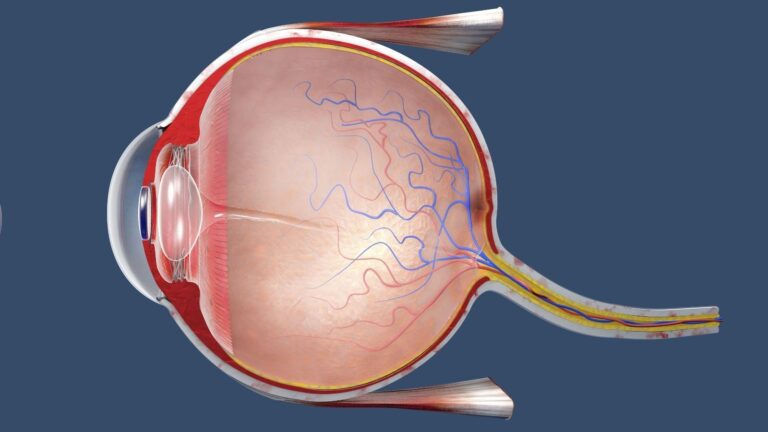
The way these drops work can be summarized as follows: When placed in the eye, the drop spreads as a thin layer over the cornea, the transparent layer of the eye, and the conjunctiva, the membrane covering the white part of the eye. Some drops can penetrate the corneal cells and produce deeper effects, such as controlling intraocular pressure or reducing inflammation. However, many people may feel slightly apprehensive when applying drops near their eyes. This concern is often based on the fear that the drops might damage the eye. Properly formulated drops used on a physician's recommendation or prescription offer many benefits, from reducing harmful microorganisms on the eye's surface to relieving dryness. The eye's anatomical defense systems, including the tear film and tear ducts, are naturally very active. Therefore, the same level of absorption as with swallowed tablets is not expected. This is also one of the challenges of using eye drops. The eye produces secretions, blinks, and tends to remove the drops. Many eye drops are therefore made more viscous or contain "smart" polymers that turn into a gel when they contact the eye to enhance their effect. This allows them to remain on the eye's surface for longer and release the active ingredient slowly and in a controlled manner.
Suppose bacteria multiply in your eye and cause redness, inflammation, or discharge. This is where antibiotic eye drops are used. The active ingredient in the drop fights the bacteria. You only need to use it as recommended by your doctor and follow hygiene rules. This can be compared to adding salt to soup. Salt does not perform a chemical function that stops or reduces an infection, but the main point of the analogy is managing the process with a single action. Similarly, eye drops deliver the necessary agents to the eye with a "single action."
What Are the Common Uses of Eye Drops?
Eye drops may be prescribed for many different conditions, and some are available from pharmacies without a prescription. The first common use that comes to mind is dry eye. Considering that the modern age has increased the amount of time spent looking at digital screens, we have begun to blink less frequently. This prevents the eyes from keeping themselves sufficiently moisturized. The water, oil, and mucus layers of the tear film must remain in an ideal balance. When this balance is disrupted, symptoms such as burning, stinging, and redness occur. Artificial tear, or lubricating, drops provide the lubrication the eye needs. Some are enriched with ingredients such as hyaluronic acid or lipids to produce an effect similar to natural tears.
Another important area of use is infection. In bacterial, viral, or fungal eye infections, ophthalmologists may prescribe drops containing antibiotics, antiviral agents, or antifungal agents according to the type of disease. Broad-spectrum antibiotics may sometimes be preferred for bacterial infections. These drops neutralize the microorganisms causing inflammation on the eye's surface and thereby relieve symptoms quickly. Antihistamine drops are also frequently used for eye allergies. When exposure to allergens such as pollen causes itching, watering, and redness, these drops can provide rapid relief.
Glaucoma is one of the most critical areas in which eye drops are used. The aim of glaucoma treatment is to reduce intraocular pressure. Different active ingredients, including prostaglandin analogues, beta blockers, alpha agonists, and carbonic anhydrase inhibitors, regulate pressure by reducing the production of the fluid inside the eye, known as aqueous humor, or increasing its drainage. Otherwise, the optic nerve may be damaged, and the condition may progress to blindness.
Eye drops also play a critical role in postoperative care, such as after cataract surgery. Antibiotic and steroid combinations are used to prevent possible infections and control inflammation. Some patients may be prescribed drops that "dilate the eye," known as mydriatics, for examination or treatment purposes. These drops temporarily dilate the pupil and facilitate fundus examinations or certain surgical procedures.
How Many Types of Eye Drops Are There?
Lubricating Drops: These are the most common group of eye drops and are particularly suitable for people with dry eye symptoms. Some contain preservatives, such as benzalkonium chloride, or BAK, while others are available in preservative-free, single-use containers. Preservative-free options are generally preferred for sensitive eyes.
Antibiotic, Antiviral, and Antifungal Drops: These are used to combat infections. Broad-spectrum antibiotics may be prescribed for bacterial conjunctivitis, antiviral drops for herpes simplex virus, and antifungal products for fungal infections.
Steroid and Non-Steroidal Anti-Inflammatory Drug (NSAID) Drops: These are used to reduce inflammation in the eye. They are prescribed to control postoperative inflammation and manage conditions such as chronic uveitis. Steroids are powerful, but long-term use may increase intraocular pressure or raise the risk of cataracts.
Glaucoma Drops: These have different mechanisms of action depending on their ingredients. Prostaglandin analogues, beta blockers, alpha-2 agonists, and carbonic anhydrase inhibitors are among the most common examples. Their shared objective is to reduce intraocular pressure.
Allergy Drops: Antihistamines and mast cell stabilizers belong to this group. They are suitable for relieving itchy and red eyes following exposure to allergens.
Vasoconstrictor (Decongestant) Drops: These are used to "whiten" red eyes. However, prolonged or frequent use may cause increased redness because of a rebound effect.
Mydriatic and Cycloplegic Drops: These facilitate examination or treatment by dilating the pupil or temporarily paralyzing the focusing muscles.
Natural or Herbal Drops: These are generally intended to moisturize and soothe the eyes. Some contain honey, aloe vera, or plant extracts. However, not every "natural" product is sterile, so advice from a physician or pharmacist is important.
How Are Eye Drops Applied Correctly?
Although applying eye drops may appear easy at first, many people worry that they cannot get the drop into the eye or that the dropper tip has touched the eye. Correct application both increases the medication's effectiveness and reduces the risk of contamination.
Clean Hands: Before beginning, the hands must be washed with soap and dried using a clean towel or paper towel. Neglecting this step may trigger eye infections.
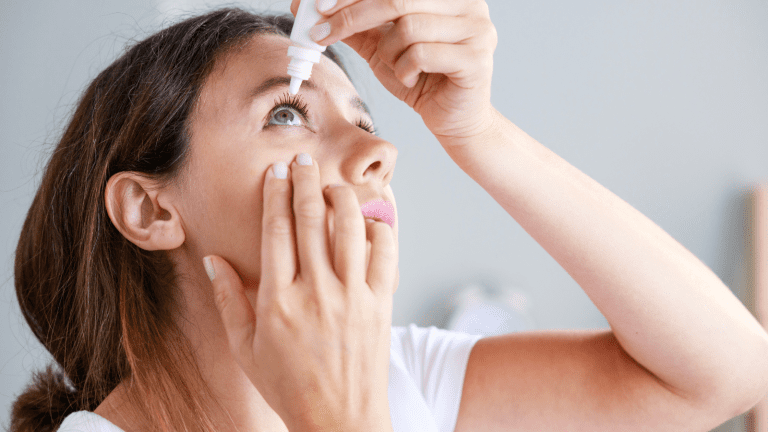
Application Position: Whether sitting in a chair or lying on a bed or sofa, the head should be tilted backward. Looking toward the ceiling makes it easier for the drop to reach the correct area.
Lower Eyelid Pocket: The lower eyelid should be pulled down gently using the index or middle finger to create a "pocket." Placing the drop into this pocket allows the medication to spread quickly across the surface of the eye.
Dropper Tip: The tip of the bottle should be held as close to the eye as possible without touching it. Contact may transfer microorganisms and increase the risk of injuring the eye. Standing in front of a mirror often makes the process easier.
Applying the Drop and Waiting: One drop is sufficient because any excess will flow out with the tears. Immediately after applying the drop, the eye should be closed for a few seconds, and gentle pressure should be applied to the inner corner of the eye near the nose. This reduces the amount of medication entering the systemic circulation through the nasal passage.
Interval Between Consecutive Drops: If multiple eye drops are being used, wait at least 2-5 minutes between each one so they do not mix and reduce one another's effectiveness.
Contact Lenses: Many eye drops require contact lenses to be removed before application because they may damage the lens material or leave deposits on the lens surface. It is generally recommended to wait at least 15 minutes before reinserting the lenses.
What Should Be Considered Before Using Eye Drops?
The following points require attention before beginning to use eye drops:
Expiration Date and Shelf Life After Opening: Every eye drop has an expiration date. Particularly after opening, use may be limited to one month, three months, or 28 days if stated in the instructions. This is because preservatives may become less effective, or microorganisms may multiply inside the bottle over time.
Existing Eye Condition: Before applying drops, it is important to understand what is causing symptoms such as redness, pain, or discharge. Using the wrong drops may worsen the problem. Specialist assessment is therefore essential for symptoms that persist for a long time.
Storage Conditions: Some eye drops must be stored in the refrigerator, while others should be kept at room temperature. Following these instructions is critical for preserving the active ingredient.
Contact Lens Information: If the person wears contact lenses and the eye drops are not compatible with them, the lenses must be removed before application.
Visible Changes in the Drops: The product should not be used if an abnormality in color, smell, or clarity is noticed in the liquid inside the bottle.
Do Not Share: Sharing eye drops significantly increases the risk of infection. It is important to use only your own drops and not lend them to anyone else.
Physician's Advice: Drops used for glaucoma or serious eye diseases must be obtained on a specialist's recommendation. Otherwise, uncontrolled fluctuations in intraocular pressure or serious side effects may occur.
Can Eye Drops Be Used Without a Prescription?
Many eye drops are available from pharmacies without a prescription. These over-the-counter products generally include artificial tears, basic allergy drops, or redness-relieving formulations. They can be highly useful for dry eyes, mild allergic reactions, or minor irritation. For example, an over-the-counter drop containing an antihistamine may provide rapid relief from mild itching during pollen season.
However, no eye drops should be used for long periods simply because they are available without a prescription. Vasoconstrictor drops, or decongestants, can quickly relieve eye redness in the short term. With long-term use, however, they may damage the eye's natural defense mechanisms and trigger a rebound effect in which redness becomes more severe after the drops are discontinued.
Using over-the-counter antibiotic or antiviral drops for more serious problems, such as a suspected bacterial, fungal, or viral infection, is extremely risky. Incorrect or unnecessary antibiotic use both increases resistance and fails to resolve the actual problem. An ophthalmologist should therefore be consulted for symptoms that last longer than four weeks or recur frequently. This allows the underlying cause to be identified accurately and the appropriate eye drops to be selected.
What Are the Possible Side Effects of Eye Drops?
As with all medical products, eye drops may cause various side effects. Most are mild and temporary, but serious complications may occur in certain situations.
Local Irritation and Burning: A burning or stinging sensation lasting a few seconds immediately after applying the drops is normal. This may be more noticeable with drops containing preservatives or a high concentration of active ingredients.
Redness or Watery Eyes: Some people may be sensitive to certain active ingredients. This may cause redness and watering on the eye's surface. If the symptoms worsen with each application, the medication may need to be changed.
Blurred Vision: Thick drops or gel formulations create a thin film on the eye's surface immediately after application. This may cause short-term blurred vision. Clarity generally returns within a few minutes.
Systemic Effects: Some eye drops, such as the beta blocker timolol, may enter the systemic circulation and cause effects such as reduced blood pressure, a slower heart rate, or shortness of breath. People with heart or lung conditions must be particularly careful when using glaucoma drops.
Allergic Reactions: Although rare, swelling of the eyelid, skin rashes, itching, or more serious symptoms such as anaphylaxis may occur. Immediate medical attention is required in such cases.
Risk of Infection: If the bottle tip touches the eyelashes or foreign surfaces, bacteria may multiply inside the bottle. This may trigger an eye infection. Hygiene rules must therefore be followed strictly.
Long-Term Steroid Use: There is a risk of increased intraocular pressure or accelerated cataract formation. Steroid drops must therefore be used under a physician's supervision.
How Should Eye Drops Be Stored Safely?
Correct storage of eye drops is important to prevent deterioration of their active ingredients and preservatives. The drops must also remain microbiologically safe.
Temperature Control: Some products may be labelled "store in the refrigerator." In such cases, a temperature between 2 and 8°C is considered ideal. Other drops may be kept at room temperature, around 25°C. The instructions on the label must always be followed.
Protection from Light and Moisture: Some drops are supplied in opaque bottles that do not allow light to pass through. Sunlight or excessive heat may damage the chemical structure of the eye drops. They should therefore not be stored in direct sunlight or humid environments such as bathrooms.
Closing the Bottle: After use, the cap should be closed tightly, and the bottle should be stored upright. If left horizontally, particularly on a narrow shelf, the bottle may fall over and the dropper tip may come into contact with other surfaces.
Expiration Date and Time After Opening: If sterile drops are not used within a specified period after the cap is opened, the risk of deterioration or contamination increases. Writing the opening date on the box is a practical method. Many eye drops, for example, should be discarded after 28 days.
Keep Out of Reach of Children: Eye drops may have toxic effects if swallowed. It may also be harmful if children accidentally apply too many drops to their eyes. Storing them on high shelves or in locked cabinets is therefore safer.
Can Eye Drops Be Used After Their Expiration Date?
The expiration date indicates the longest period during which a medication can be used safely and effectively. After this date, various chemical changes and reduced preservative effectiveness may occur in eye drops. This risk should not be taken with products applied to a sensitive organ such as the eye.
Effectiveness of Preservatives: Eye drops generally contain preservatives to prevent the growth of microorganisms such as bacteria, fungi, or viruses. The period during which these preservatives remain effective is limited by the expiration date. After this date, their protective effect decreases, and unwanted microorganisms may begin to multiply inside the bottle.
Chemical Stability: The active ingredient may deteriorate over time, lose its effectiveness, or form harmful by-products. Antibiotic drops, for example, may no longer be as effective, which may prevent the infection from being treated properly.
Sterility and Eye Health: Although the eye has strong natural defense mechanisms, applying contaminated or ineffective drops increases the risk of infection. Using an expired product may even contribute to more serious conditions such as corneal damage.