Colored contact lenses are used to change or enhance eye color for cosmetic purposes. Prescription options that correct refractive errors are also available, and they can be a safe alternative when used correctly.
Incorrect or unhygienic use of colored contact lenses can cause eye infections, allergies, and corneal damage. It is therefore very important to select lenses under medical supervision and use them for the recommended periods.
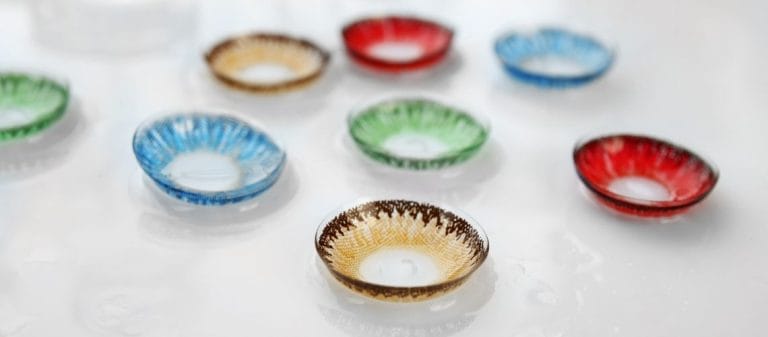
Colored contact lenses are available in opaque, translucent, and patterned forms. Selecting a lens suitable for the individual's eye structure provides the best result in terms of both appearance and eye health.
Lenses should be cleaned regularly using an appropriate solution. They should not be worn during sleep or beyond their recommended replacement period. These measures protect eye health and help prevent possible complications.
| Definition | Contact lenses that add color to the eyes and are used for cosmetic or medical purposes |
|---|---|
| Purposes of Use | Changing eye color for cosmetic purposes and use in certain medical conditions, such as aniridia or iris defects |
| Application | Inserting the lens into the eye with clean, dry hands and using it for the recommended duration and in the recommended manner |
| Side Effects | Eye redness, stinging, dryness, risk of infection, and allergic reactions |
| Advantages | Provides a rapid and temporary change in eye color and eliminates the need for glasses |
| Disadvantages | Risk of infection when proper hygiene is not maintained and potential eye damage from incorrect use |
| Who Can Use Them? | People whose eyes are healthy, who have undergone an eye examination, and who have no condition preventing contact lens use |
| Who Should Not Use Them? | People with an eye infection, severe dry eye, allergies, or an ocular surface disease, as well as young children |
| Points to Consider During Use | Hands should be washed, lenses should be cleaned regularly, lens solution should be used as recommended, and lenses should not be shared |
| Complications | Conjunctivitis, corneal ulcer, blurred vision, and eye injuries |
| When to See a Doctor | If redness, pain, impaired vision, light sensitivity, discharge, or discomfort develops |
A colored contact lens is a type of cosmetic contact lens used to temporarily change eye color. Non-prescription colored lenses are used solely for cosmetic purposes, while prescription colored lenses correct refractive errors and provide a cosmetic effect. Daily, monthly, and yearly replacement options are available. For eye health, lenses must be used according to hygiene guidelines and obtained with the recommendation of an ophthalmologist.
To understand how colored contact lenses work, it is sufficient to examine a few basic components:
- Transparent Central Area (Optical Zone): A clear area is located at the center of the lens in alignment with the pupil, allowing light to enter the eye properly. This helps preserve visual quality.
- Colored Layer (The Section That Creates the Iris Effect): A pigment layer that gives the eye its color surrounds the transparent central area. The patterns and pigments in this layer are designed to imitate the appearance of a natural iris.
- Protective Outer Coating: A protective coating separates the colored layer from the ocular surface. This prevents the pigment from being present on the surface that contacts the eye and keeps the dye from directly touching the ocular surface.
How Do We See?
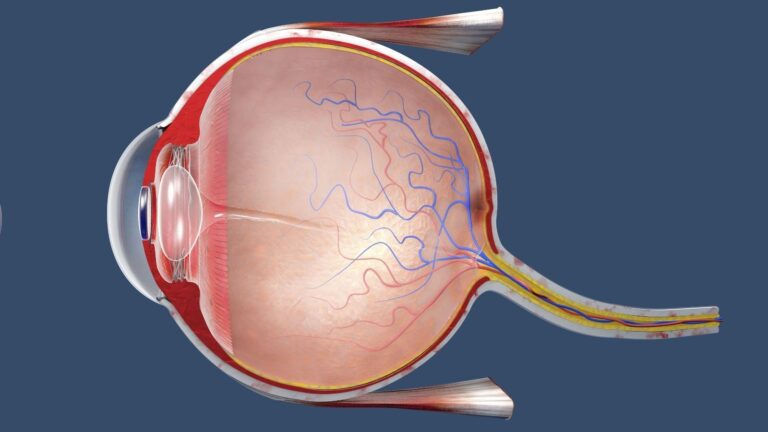
Because the colored layer is designed to cover only the iris, light enters freely through the transparent section aligned with the pupil. Although your eye color appears different from the outside, you continue to see the world with the same clarity. In low-light conditions, however, the pupil may dilate and the edge of the colored section may slightly enter the visual field. This may cause blurred vision or mild shadowing.
Colored contact lenses vary according to their intended purpose and degree of effect:
Enhancement Tints (Translucent Tints):
- These are translucent lenses that blend with the existing eye color.
- Their purpose is to make the natural eye color more noticeable or slightly change its tone.
- They are particularly effective on light-colored eyes.
- For example, they can make blue eyes appear a deeper blue or green eyes appear brighter.
Opaque Tints:
- These are intended for people who want a completely different eye color, regardless of their natural color.
- Changing brown eyes to lighter colors such as blue, green, or hazel is one of the most common examples.
- They contain a higher concentration of pigment and cover almost the entire iris.
Special Patterned Lenses (Theatrical or Novelty Lenses):
- These lenses are used in films and performing arts and may feature unusual patterns such as vampire or cat eyes.
- Although they are not designed for daily wear, some people also use them for cosmetic purposes.
- In professional settings such as theater or cinema, they should preferably be used under medical supervision because their coverage area and materials may differ from standard lenses.
More Recent Developments, Nanotechnology Lenses:
- Some researchers are focusing on producing lenses with nanostructures that create color through light reflection and refraction instead of colored pigments.
- Avoiding chemical dyes in these lenses may reduce the potential risk of pigment leakage.
Regardless of the type of lens selected, the essential points are that it must suit the structure of your eyes and that all instructions for proper use must be followed. Because every eye has a different structure, the same lens may provide excellent results for one person but cause discomfort in another.
All contact lenses, whether colored or not, carry a common risk. Because they come into direct contact with the ocular surface, complications can range from infection and corneal damage to long-term vision loss. Certain additional factors may further increase these risks with colored contact lenses:
- Material Quality and Pigment Layer: The additional pigment layer in colored lenses changes their overall structure. If the production technology is not sufficiently advanced, the pigment may reach the surface over time or affect the permeability of the lens.
- Incorrect Size and Unsuitable Material: The cornea is a highly sensitive structure. If the diameter, curvature, or material of the lens is incompatible with the eye, it may cause friction, insufficient oxygen supply, and microbial adhesion.
- Corneal Abrasion: Lenses that do not fit properly, are not maintained correctly, or are worn for too long may cause small abrasions on the cornea. These abrasions make it easier for microorganisms to enter.
- Risk of Infection and Keratitis: Keratitis is inflammation of the cornea and is closely associated with contact lens use. Studies involving colored contact lenses have reported that people using lenses obtained without a prescription have a 16 times greater risk of keratitis.
- Chemical Irritation: Harmful chemicals, including traces of certain metals, may be found in low-quality lenses or products that do not comply with standards. These substances may cause allergic reactions or irritation.
- Reduced Oxygen Permeability: If the colored layer makes the lens thicker or less breathable than usual, the cornea may not receive sufficient oxygen. This can cause redness, dryness, blurred vision, and long-term problems such as neovascularization.
The way to minimize these risks is to select an appropriate lens with an ophthalmologist, follow the instructions, and perform lens care meticulously.
Non-prescription "plano" colored lenses are intended solely for cosmetic purposes rather than vision correction. However, this does not make them harmless. In many countries, particularly the United States, colored contact lenses are classified as medical devices just like prescription lenses. Purchasing them without a prescription involves additional risks for the following reasons:
- Incompatible Size: The corneal curvature, diameter, and tear film structure differ in every eye. Non-prescription lenses are generally produced according to a "one size fits all" approach. A single standardized size means that the lenses will not fit properly and may cause friction in many people.
- Material and Production Quality: Non-prescription products are often sold in cosmetic shops, online, or at street stalls. The risk of inadequate quality-control standards is quite high at these points of sale. FDA inspections have found that 60% of non-prescription colored lenses sold online were contaminated with harmful bacteria.
- Lack of Professional Assessment: The first step in obtaining prescription lenses is an eye examination. The ophthalmologist assesses the health of the eyes, corneal curvature, and individual risk factors such as dryness or allergies before recommending an appropriate lens. This important stage is omitted when lenses are purchased without a prescription, putting eye health at risk.
- Legal and Safety Gaps: Selling contact lenses without a prescription is legally prohibited in the United States, Canada, and many European countries because they are classified as medical devices. Despite this, uncontrolled sales through unauthorized sellers and online platforms continue. In such cases, the expiration date, manufacturing conditions, or sterilization procedures may be unknown.
The most critical issue for eye health is the need for an individualized approach when purchasing and using lenses. An incorrect size or unsuitable material can cause serious eye damage.
Figures and rates provide important information for understanding the fundamental risks of contact lens use:
- One Million Medical Visits Per Year: Approximately 1 million people in the United States seek medical assistance each year because of keratitis or other contact lens complications. The total cost of treating these patients reaches 175 million dollars.
- Rate of Keratitis: The rate of microbial keratitis among contact lens users ranges from 2 to 20 cases per 10,000 people. Bacterial infections, including those caused by Pseudomonas aeruginosa, account for most cases.
- Higher Risk with Cosmetic Lenses: In certain Asian countries, including Korea, the Philippines, and Thailand, cosmetic colored contact lenses account for 30-40% of contact lens-related eye infections. This rate is directly associated with incorrect or non-prescription use.
- Acanthamoeba Keratitis: An average of 1,500 cases occur each year, and 90% involve contact lens users. Exposing lenses to water, such as while swimming or showering, is a primary risk factor.
Common Risk Behaviors Among Young Users: Of contact lens users aged 12-17, 85% report having at least one risk factor. The most common behaviors include sleeping with lenses, rinsing them in water, or using them for too long without replacement.
A large proportion of eye infections are caused by failure to follow simple but important hygiene guidelines. The following basic principles should always form part of a contact lens user's routine:
Hand Hygiene:
- Hands must be washed thoroughly with soap and water before touching the lenses.
- Clean hands are the first step in preventing the transfer of microorganisms.
- After washing, it is recommended that hands be dried with a paper towel or clean cloth. Touching lenses with damp or wet hands is risky.
Using the Correct Solution:
- Instead of simply "refreshing" the lens solution each day, the lens case should be completely emptied and refilled.
- The habit known as "topping off," which involves adding new solution to the old solution, may allow microorganisms to become resistant and multiply.
- Never rinse lenses with non-sterile liquids such as tap water or saliva. Doing so makes it easier for dangerous organisms such as Acanthamoeba to attach to the lenses.
Cleaning the Lens Case:
- The lens case should be rinsed and cleaned with lens solution every day.
- After use, it is recommended that the open case be left to dry in a clean environment.
- Replacing the lens case every three months is important for preventing bacterial growth.
Not Sleeping with Contact Lenses:
- Even when lenses are approved for extended or overnight wear, tear circulation decreases during sleep, providing a more favorable environment for microorganisms to multiply.
- Specialists emphasize that sleeping with contact lenses may increase the risk of infection by 6 to 8 times.
Avoiding Contact with Water:
- Wearing lenses in the sea, swimming pool, or shower is one of the main causes of microbial infections.
- Contact lenses should preferably not be worn while swimming. If they are worn, protective swimming goggles should be used, and the lenses should be removed and cleaned immediately afterward.
Replacing Lenses on Time:
- The replacement schedule for colored lenses varies according to the manufacturer's recommendation. Daily, monthly, and yearly lenses are available.
- Using lenses beyond the recommended period may cause material deterioration and the accumulation of microorganisms.
These basic care guidelines reduce the risk of infection and make the colored contact lens experience safer. Most eye infections occur because these hygiene measures are not followed properly.
The primary purpose of colored contact lenses is to change eye color, but their potential effect on visual quality is also a matter of interest.
- Transparent Central Area: In correctly manufactured colored lenses, the optical area aligned with the pupil is usually left colorless. This is intended to preserve normal visual quality.
- Low-Light Conditions: In dark or dim environments, the pupil may dilate and sometimes overlap with the colored section. This can cause mild blurring or shadowing.
- Surface Roughness: The colored surface of some lenses may be rougher. Irregularities on the surface may affect the quality of the tear film and occasionally cause blurred vision.
- Oxygen Transmission: Although modern colored lenses are designed not to interfere with oxygen permeability, products that undergo inadequate quality control may provide reduced oxygen transmission. This may cause long-term dryness and redness.
If a person selects a reliable brand in dimensions suitable for their eyes and performs proper lens care, vision problems caused by colored contact lenses generally remain minimal.
In many countries, all contact lenses, whether intended for vision correction or cosmetic use, are classified as medical devices. This means that their manufacture and sale are subject to strict regulations.
- United States: The FDA classifies all contact lenses as medical devices. A prescription is therefore required. Sellers may supply lenses only with a valid prescription from an ophthalmologist or optometrist. Sales without a prescription are illegal.
- European Union: CE marking is mandatory and indicates that the product complies with European standards. Each country also has its own legal regulations governing optical products and medical devices.
- Asian Countries: Certain Asian countries also impose strict regulations on colored contact lenses. In Japan, for example, cosmetic lenses are covered by pharmaceutical regulations.
- Türkiye: Colored contact lenses are expected to be approved and prescribed by an ophthalmologist. Sales channels other than pharmacies and licensed optical stores are generally not monitored, which creates opportunities for unauthorized products.
The purpose of these legal regulations is to protect public health and prevent low-quality products from entering the market. When purchasing lenses, it is important to ensure that the seller can provide the necessary licenses and documentation.
A history of an eye condition or infection may prevent a person from using colored contact lenses. They should not be used, or no decision should be made without consulting a doctor, in the following situations:
- Active Eye Infection: Wearing contact lenses while conjunctivitis, keratitis, or a similar infection is present prolongs recovery and increases the risk of complications.
- Tear Production Problems (Dry Eye): When insufficient tears are produced or tear quality is poor, contact lens use may worsen symptoms such as stinging, burning, and redness.
- Corneal Damage or Allergic Reactions: Some people develop severe allergies to contact lens materials. Previously damaged or sensitive areas of the cornea may also deteriorate further because of lens friction.
- Incompatible Eye Structure: In conditions such as keratoconus, in which the shape of the cornea is altered, using any lens other than a specially designed type can cause further damage.
- Personal Preference Without Medical Approval: Wearing lenses based solely on a temporary desire or social media trend, without any assessment of the eye's structure, is unsafe.
Every eye is unique. Even a minor problem can make contact lens use risky in some eyes. An eye examination and professional advice are therefore prerequisites for a healthy experience.
People who use or are considering colored contact lenses should be aware of certain data. These statistics are not only of interest to specialists and researchers but also serve as a guide that can help users act responsibly. For example:
Market Size and Demand: The global colored contact lens market was valued at approximately 4.33 billion dollars in 2022 and is projected to reach 7.19 billion dollars by 2030. This growth demonstrates that demand for cosmetic lenses is increasing rapidly.
Regional Distribution:
- As of 2024, North America will account for more than 40% of global revenue, with a market size of 2.2 billion dollars.
- The European market will reach 1.65 billion dollars and account for more than 30% of the total.
- The Asia-Pacific region is projected to have a compound annual growth rate of 12.6% between 2024 and 2031. This rate particularly reflects countries with large young populations and growing interest in cosmetics.
- Appeal to Younger People: The 18-34 age group represents the largest share of colored contact lens users. Cosmetic interests and openness to innovation within this age group are among the primary factors shaping the market.
These data show that the demand for and production of colored contact lenses are increasing. However, increasing demand may also bring a greater risk of uninformed use. It should therefore be remembered that a growing market also means growing responsibilities.
To protect eye health while using colored contact lenses, attention should be paid to the following points:
Following the Replacement Schedule:
- Daily lenses must be discarded at the end of the day and should not be reused.
- Monthly or yearly lenses must be replaced according to the recommended schedule.
Regular Eye Examinations:
- It is important to visit an ophthalmologist at least once a year to check for dry eye, infection risk, and proper lens fit.
- A doctor should be consulted without delay if symptoms such as watering, redness, stinging, or blurred vision develop.
Being Careful with Cosmetic Products:
- Pay attention to when you insert and remove your lenses in relation to applying makeup. It is generally recommended to insert the lenses before applying makeup. When removing makeup, take out the lenses first and then clean off the makeup. This helps prevent the lenses from becoming contaminated or exposed to chemicals.
Not Sharing Lenses:
- Sharing colored contact lenses with another person, even "for only a few minutes," is strictly inappropriate. Sharing the eye's microflora and potential pathogens poses a serious risk to both people.
Not Sleeping with Lenses or Allowing Them to Dry Out:
- If dryness occurs during the day, special eye drops may be used with a doctor's recommendation.
- Leaving lenses in overnight or wearing them for extended hours creates a suitable environment for microorganisms to multiply.
Healthy Diet and Lifestyle:
- Eye health is connected to general physical health. Regular sleep, a balanced diet, and adequate water intake improve tear quality and consequently increase contact lens comfort.
The following steps should be followed to obtain colored contact lenses safely:
Obtaining a Valid Prescription:
- Whether or not a refractive error is present, the first step is to undergo an eye examination and obtain a prescription based on your measurements.
- Some people may think, "I do not have a prescription, so why would I need one?" However, the most important considerations are the structure of the eye and the curvature of the cornea.
Choosing Reliable Retailers:
- Licensed optical stores, pharmacies, or online retailers that supply FDA-approved or CE-marked products should be preferred.
- Purchasing lenses from unauthorized sources such as online marketplaces, street stalls, or costume and gift shops increases the risk of receiving counterfeit or low-quality products.
Product Certification and Approval Documents:
- FDA approval is particularly important in the United States, while CE marking is important in European Union countries. These documents indicate that the product meets specific quality and safety standards.
- Information such as the original packaging, manufacturing date, and expiration date must be complete.
User Reviews and Recommendations:
- The experiences of genuine users on online platforms may be considered, but scientific evidence and professional opinions should always take priority.
Price Comparison:
- Although extremely inexpensive or "promotional" products may appear attractive, quality and price generally progress in parallel in the contact lens market.
- Products that are suspiciously inexpensive may indicate inadequate manufacturing standards.
Purchasing colored contact lenses is different from buying an accessory or cosmetic product because the decision directly affects your eye health. Reliability and quality should therefore take priority over factors such as price, color variety, or promotional offers.