Alcohol consumption and smoking are important factors that negatively affect eye health. Smoking increases the risk of cataracts, macular degeneration, and optic nerve damage. Alcohol may have toxic effects on the optic nerve in the long term.
Cigarette smoke causes dryness, redness, and irritation in the eyes. Long-term smoking can damage the retinal blood vessels and increase the risk of permanent vision loss.
Excessive alcohol consumption may cause optic neuropathy due to vitamin and mineral deficiencies. This condition may present with visual field loss and blurred vision.
Limiting alcohol consumption and smoking is recommended to protect eye health. Regular examinations and healthy lifestyle habits help preserve eye function over the long term.
The most noticeable effects of alcohol on the body can be observed through the headache and fatigue experienced the following day. However, its effects are not limited to these symptoms. The eyes may also suffer various short-term and long-term effects during this process. Imagine a car engine. If you add too much fuel or use the wrong type of fuel, the system may become clogged and experience performance problems. Alcohol can similarly be considered the "wrong fuel" for the eyes. When consumed excessively, it causes the blood vessels that nourish the eye tissues to dilate and may lead to changes in pressure inside the eye.
In the short term, bloodshot eyes, dryness, and blurred vision are common symptoms. Dryness reduces tear quality and prevents the natural protective film from adequately covering the eye. In the longer term, the effects can become more serious. Chronic alcohol consumption, for example, may increase the risk of cataract formation. A cataract occurs when the natural lens of the eye loses its transparency, resulting in cloudy vision. Alcohol may also cause nutritional deficiencies and trigger optic nerve damage, particularly due to deficiencies in B vitamins. The continuing "wrong fuel" effect of alcohol gradually reduces the performance of the eyes and negatively affects many functions, from visual quality to color perception.
We all know that the lungs of a smoker are exposed to smoke. However, the eyes are also affected by this smoke, even as "passive" recipients. Many toxic substances released into the environment with every breath come into contact with the outer surface of the eye and enter the bloodstream, paving the way for serious diseases over time. You may have heard people say, "My father has smoked for years, and his eyesight is poor." This association is not a coincidence.
Numerous scientific studies have shown that smoking increases the risk of age-related macular degeneration (AMD) and contributes to conditions affecting the natural lens of the eye, such as cataracts. The effect of smoking on the eyes can be compared to a rusty nail. Just as rust weakens the durability of metal, the free radicals in cigarette smoke create oxidative stress in eye tissue and reduce the eye's ability to repair itself. Smoking is also known to be associated with serious conditions such as glaucoma and optic nerve damage. Glaucoma is an insidious condition that may not cause noticeable symptoms for many years. However, because smoking also impairs overall vascular health, it makes intraocular pressure more difficult to control and increases the risk of glaucoma.
After an enjoyable evening with friends, some people may experience difficulty seeing clearly or excessive sensitivity to light. These are the first steps in alcohol's short-term dance with the eyes. Alcohol disrupts coordination between the brain and the eyes, leading to blurred or double vision. Just as sounds become mixed in an echoing room, alcohol creates a type of "echo" in brain signals and reduces the clarity of visual signals.
Alcohol may also reduce tear production, causing dryness, redness, and irritation in the eyes. Drinking plenty of water may help reduce dryness, but discomfort in the eyes is common the day after excessive alcohol consumption. In some people, the pupils become excessively dilated when looking at light immediately after drinking alcohol, further increasing sensitivity. The good news is that these short-term effects usually diminish as the alcohol level in the body decreases and do not cause permanent damage. However, repeatedly experiencing these effects may result in long-term wear on the eye tissues.
A cataract can be described as the gradual clouding and loss of transparency of the natural lens of the eye. It is similar to looking through fogged glass instead of clean glass. Cataract development is a natural change that is expected to some extent with aging, but smoking accelerates this process as if pressing a "fast-forward button." Studies have observed a significant increase in cataract risk among people who smoke heavily and for prolonged periods.
The main problem in glaucoma is increased intraocular pressure, which places pressure on the optic nerve and may cause irreversible vision loss over time. Smoking constricts the blood vessels and negatively affects blood flow. As a result, controlling intraocular pressure becomes more difficult, which may potentially increase the risk of glaucoma. Smoking therefore affects not only the lungs but also the tiny blood vessels that nourish the optic nerve, potentially creating conditions for this silently progressive disease.
Alcohol is sometimes described as a "potion of courage," but it has the opposite effect on the eyes. Images lose their clarity, and distinguishing details becomes more difficult. This is similar to the shaky, blurred image projected onto a screen by a poorly adjusted projector. A few drinks consumed for temporary enjoyment slow the functioning of the central nervous system and weaken the ability of the eye muscles to work in coordination.
Impairment of color perception is also noteworthy. Distinguishing between red and green tones may become particularly difficult. This is caused by chemical changes occurring in the visual center of the brain. Like an orchestra conductor, alcohol disrupts the rhythm of the cells responsible for "synchronizing" colors. Low and infrequent consumption usually does not make these problems permanent. However, excessive alcohol consumption may eventually lead to permanent color vision disorders or optic nerve damage.
A thin tear film protects the surface of the eyes. This film defends the eyes against external factors and cleans the eye surface with every blink. The chemicals in cigarette smoke effectively sabotage this protective layer. Whether you are an active or passive smoker in an environment where cigarettes are smoked, the tear film deteriorates more quickly, increasing the sensation of dryness.
Dry eye syndrome can significantly reduce patients' quality of life. Symptoms such as persistent itching, burning, stinging, and excessive watering in windy conditions can disrupt daily life. Smoking aggravates this condition by reducing tear quality and increasing the risk of eye irritation. For this reason, smokers are considered potential "number one candidates" for dry eye. It should also be remembered that alternative products such as electronic cigarettes and hookahs, which are sometimes considered "less harmful," carry similar risks.
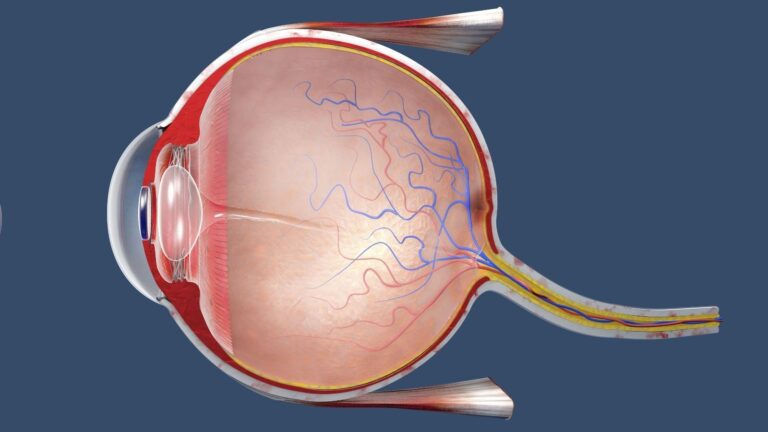
The optic nerve is like a "visual data highway" between the eye and the brain. Damage to this nerve may prevent visual messages from being transmitted properly and permanently impair vision. Heavy and prolonged alcohol consumption may have a toxic effect on the optic nerve and cause a condition known as optic neuropathy. In its simplest form, this condition may present as reduced visual acuity or significant impairment of color perception.
This damage becomes much more pronounced when combined with nutritional problems, such as vitamin and mineral deficiencies. B vitamins are extremely important for optic nerve health. Chronic alcohol consumption restricts the absorption of these vitamins and damages the optic nerve. Although the damage may sometimes be reversible, permanent vision loss may occur if it has progressed significantly. For this reason, consuming alcohol in moderation or avoiding it altogether is considered one of the critical steps in protecting eye health.
Age-related macular degeneration (AMD) is a condition generally seen in individuals over the age of 60 that impairs clarity in the center of vision. Because it affects central vision, it seriously interferes with daily activities such as recognizing faces, reading books, or driving. Smoking acts like a "spark" that ignites the development of AMD.
The toxic chemicals inhaled with every breath cause free radical formation and oxidative damage in the macula, which is located at the back of the eye. Just as rust destroys the durability of metal, these chemicals effectively cause the macula to "rust" and wear out prematurely. Scientific studies show that smokers are two to three times more likely to develop AMD than non-smokers. There is also a risk that the condition may develop at an earlier age. Therefore, AMD, which is often considered a condition affecting older people, may appear earlier in smokers.
Imagine trying to protect a house from moisture. If you leave the window open while also leaving the humidifier running, the moisture problem in the house will worsen. Consuming alcohol and smoking together creates a similar "double blow" for the eyes. Smoking constricts the blood vessels and damages eye tissue with toxic substances. Alcohol disrupts the body's fluid balance, dries out the eyes, and damages the optic nerve.
This combined effect may accelerate the progression of conditions such as AMD, cataracts, and optic neuropathy. For example, a tear film already affected by smoke becomes even weaker due to the dehydrating effect of alcohol, leaving the eyes like an "arid desert." Reduced antioxidant levels caused by smoking combine with nutritional deficiencies caused by alcohol, creating an "oxidative stress storm" in the eye tissues. All these effects may result in more frequent and serious eye diseases.
Although the information presented so far may appear negative, the good news is that quitting alcohol and smoking significantly supports eye health. The body has the capacity to repair itself. Reducing or completely stopping alcohol consumption initially helps reduce dry eye symptoms. Improvements in tear quality and a reduction in eye redness are generally among the first positive changes noticed. Nutrient absorption also improves over time, increasing the amount of vitamins and minerals delivered to the eyes.
Quitting smoking slows the development of AMD and cataracts over the longer term. Studies show that the risk of eye disease gradually decreases among people who have stopped smoking. For example, vascular structure recovers to some extent after smoking cessation, making intraocular pressure easier to regulate. This helps reduce the rate of progression of silently developing conditions such as glaucoma. Stopping smoking also reduces oxidative stress and chronic inflammation in the eyes, allowing the eyes to "breathe" again.