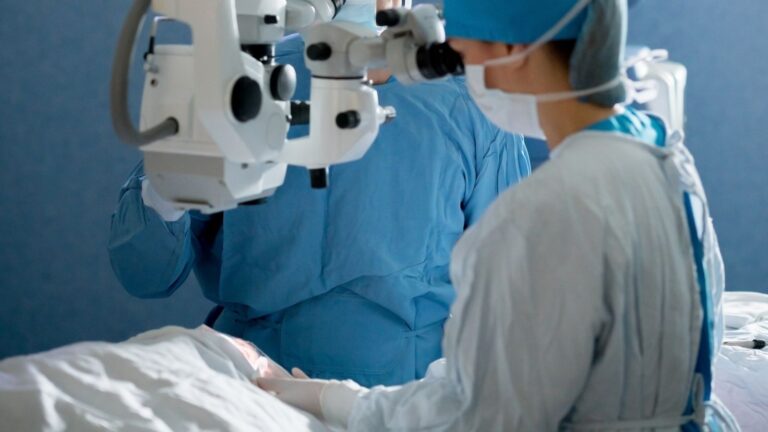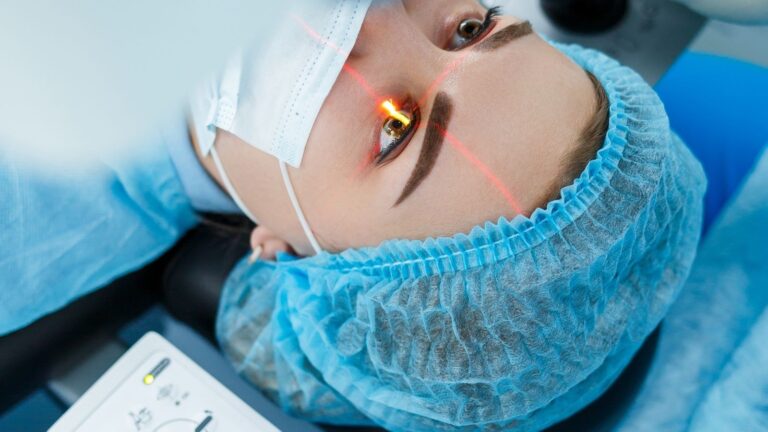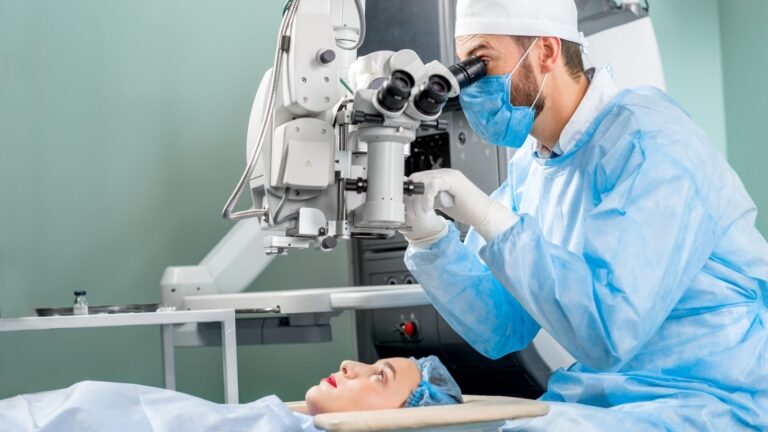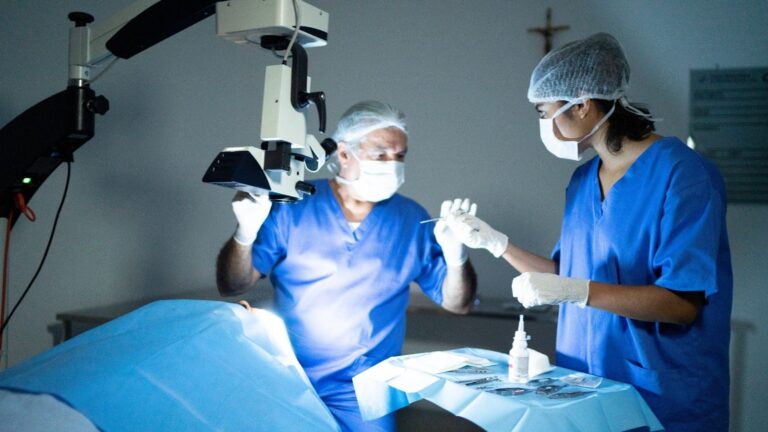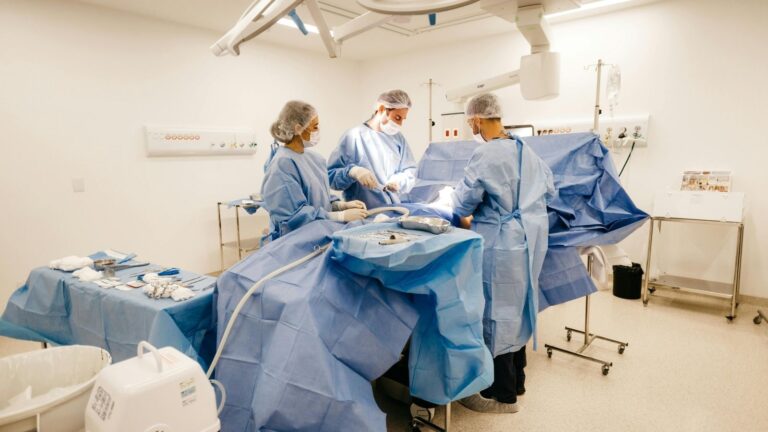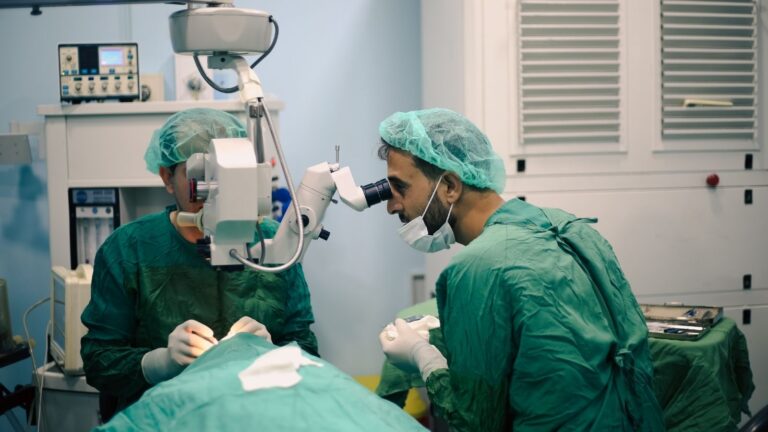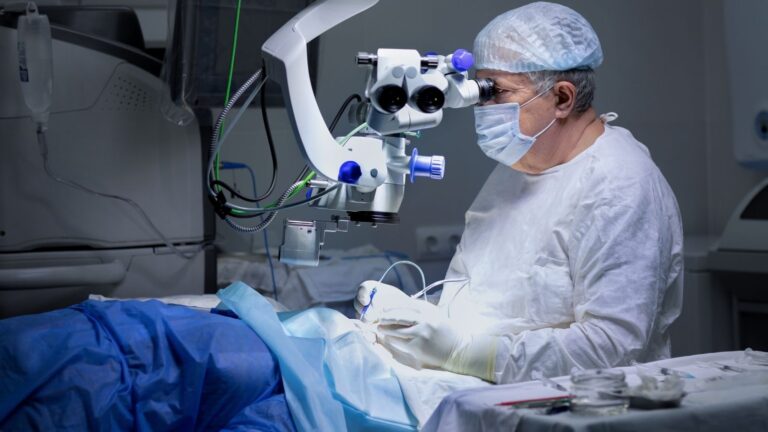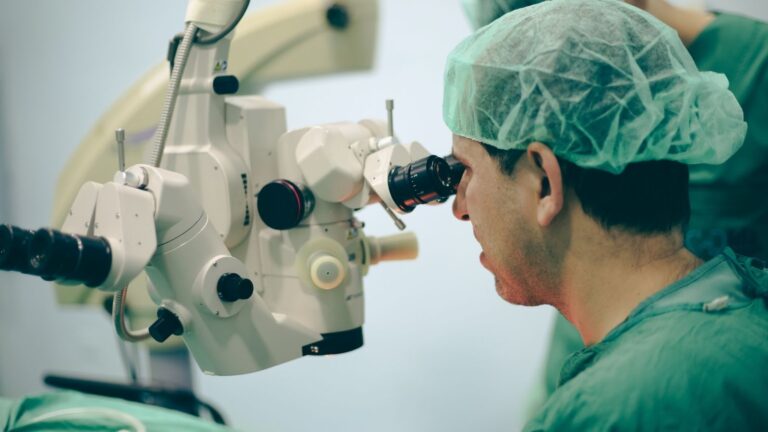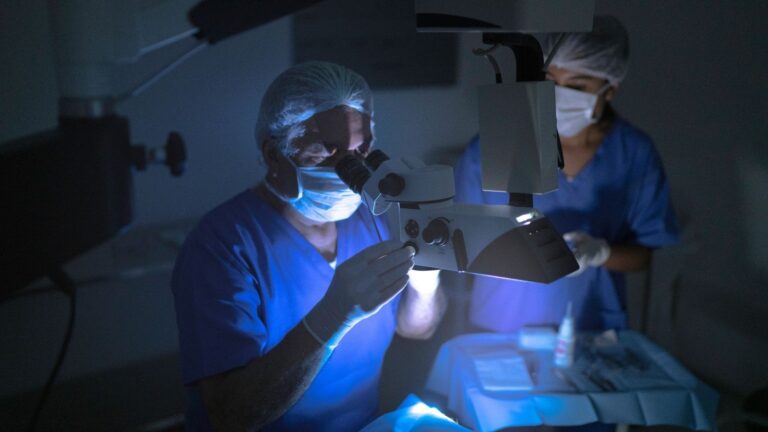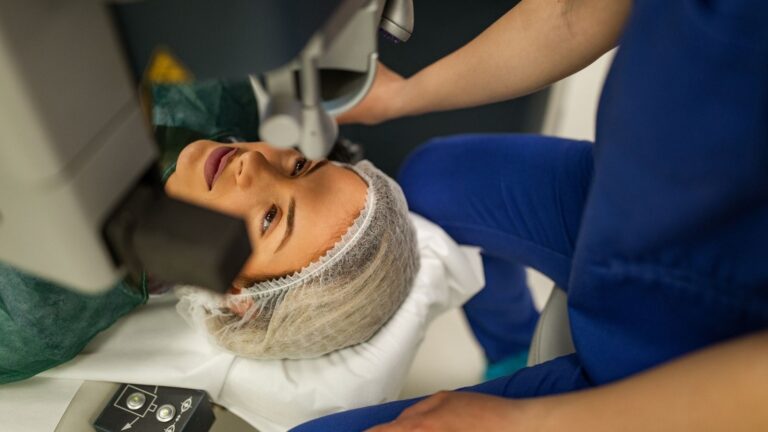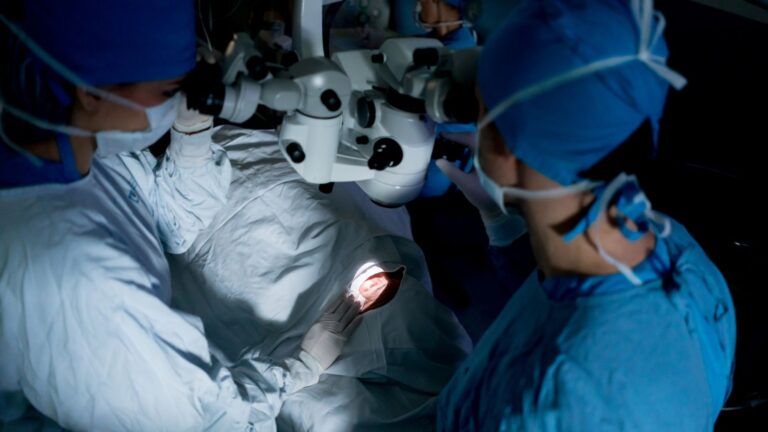
Smart lenses are preferred for cataract treatment or to reduce dependence on glasses. They are suitable for patients over the age of 40 with presbyopia and individuals who have developed cataracts. Suitability is determined through a detailed examination of the eye structure.
Smart lenses with toric features may be preferred for patients with astigmatism. This allows both the cataract and refractive errors to be treated. Lens selection should be planned according to individual needs.
At younger ages, smart lens implantation is generally considered when refractive errors are not suitable for laser surgery. It is not performed on individuals under the age of 18.
The decision to use smart lenses should be made by considering the patient's lifestyle, occupational needs, and expectations. An evaluation by a specialist physician is the most decisive factor in this process.
Smart lenses generally stand out as a treatment option for specific age groups. Age-related eye problems are an important factor in determining the age at which smart lenses can be used:
- Not recommended for individuals under the age of 18
- May be used in individuals in their 20s and 30s based on the physician's decision
- Suitable for individuals aged 40 and over
- Most commonly preferred for individuals aged 45 and over
Suitability for smart lenses depends on the individual's eye structure and the severity of their vision problems. The completion of eye development and the emergence of age-related refractive errors increase the effectiveness of this treatment. Smart lenses offer an effective solution, particularly when distance and near vision problems occur together. A comprehensive eye examination should be performed before making a treatment decision, and the individual's needs should be evaluated by a specialist physician.
Smart lenses offer an effective treatment option for individuals with different visual impairments. These implants, known as intraocular lenses, are particularly preferred for treating certain eye conditions. These conditions include:
- Cataracts
- Presbyopia
- Astigmatism
- Myopia
- Hyperopia
- High refractive errors
Smart lenses significantly reduce the need for glasses or contact lenses and allow patients to see clearly at both near and far distances. They also improve quality of life by correcting refractive errors in individuals who are not suitable for laser treatment. This treatment method is planned individually according to the patient's needs and is selected by specialist physicians after evaluating the suitability of the eye structure and the patient's general health. The aim is to achieve the best visual performance for each patient.
Smart lens implantation is not a suitable treatment method for everyone. Certain eye diseases and conditions may prevent this treatment from being performed. Therefore, the patient must undergo a detailed evaluation before the procedure:
- Amblyopia
- Irregularities on the corneal surface
- Retinal damage caused by diabetes
- Strabismus
- Glaucoma
- Macular degeneration
- Diabetic macular edema
Smart lens implantation should be performed with consideration for the individual's eye anatomy. In individuals with abnormalities in the corneal structure, the potential for proper lens positioning and improved visual quality may be limited. This method is also not preferred for patients with eye problems caused by systemic conditions such as diabetic retinopathy. Although smart lenses aim to preserve eye health and visual function, the presence of certain chronic conditions may prevent treatment.
The individual's general health should also be considered to increase the likelihood of a successful procedure. This means taking a comprehensive approach not only to vision problems but also to the individual's quality of life. It is critical for an ophthalmologist to conduct a comprehensive evaluation and determine the most appropriate treatment method for the patient. Alternative methods may be considered when smart lens treatment is not possible.
Smart lenses are intraocular lenses developed using modern technology and offer permanent solutions to patients' vision problems. These lenses are effective for both cataract treatment and age-related vision problems such as presbyopia. Their advantages and disadvantages may vary according to the individual's lifestyle and visual needs.
Advantages:
- Reduce the need for glasses
- Provide clear vision at near, far, and intermediate distances
- Reduce eye strain
- Provide lifelong use
Disadvantages and Possible Side Effects:
- Halos around light sources at night
- Reduced contrast sensitivity
- Temporary blurred vision during the adaptation process
- Surgical risks
The success of smart lenses is directly associated with selecting the right patient. Therefore, a detailed eye examination and evaluation by a specialist physician are important before surgery. They may be an advantageous option, particularly for individuals with active lifestyles who do not want to wear glasses. However, side effects should be considered for individuals whose occupations require working in low-light conditions or who have sensitive visual requirements. The treatment plan should be based on the patient's general health and eye structure.
Recovery after smart lens surgery requires careful care and attention. During the first few days after surgery, it is normal for patients to experience symptoms such as mild discomfort, watering, and blurred vision. However, these symptoms generally diminish within a short period, and the patient can return to normal daily activities. The time required for complete recovery may vary between individuals:
- Eye hygiene is important
- Physical activities should be avoided
- Eye protection should be provided
- Medications should be used regularly
- Follow-up appointments should not be missed
- Contact with the eye should be avoided
- Driving should be postponed
Protecting the eyes from external factors after surgery is very important. Sunlight should be avoided, particularly during the first few weeks, and patients should stay away from unhygienic conditions. Regular use of eye drops accelerates recovery while minimizing the potential risk of infection. In addition, following the details and medical recommendations related to postoperative recovery is vital for preventing complications and achieving optimal results.