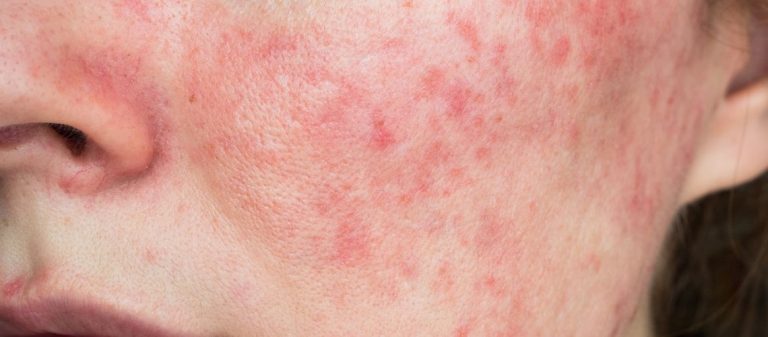
Rosacea is a chronic skin condition characterized by facial redness, dilated capillaries, and lesions that may become permanent over time. It usually becomes noticeable on the cheeks, nose, and forehead and progresses through periodic flare-ups.
Although the exact cause of the condition is unknown, genetic predisposition and environmental factors play a role. Sunlight, alcohol, spicy foods, and stress may worsen the condition.
In addition to facial redness, symptoms may include burning, stinging, and an uneven skin texture. In advanced stages, skin thickening and changes in the shape of the nose may occur. Early treatment helps protect skin health.
Treatment includes topical creams, oral medications, and laser procedures. Using sunscreen and avoiding triggers are important for preventing flare-ups. Regular dermatological follow-up is recommended.
| Medical Name | Rosacea |
|---|---|
| Prevalence | Usually affects fair-skinned individuals aged 30 and over. It is more common in women but may be more severe in men |
| Risk Factors | Genetic predisposition, immune system sensitivity, Demodex mites, Helicobacter pylori infection, UV radiation, stress, alcohol, spicy foods, hot beverages, hormonal changes |
| Symptoms | Persistent facial redness, visible capillaries known as telangiectasia, acne-like papules and pustules, burning and stinging, skin thickening, particularly rhinophyma of the nose, dry and irritated eyes |
| Complications | Persistent skin redness and dilated blood vessels, tissue thickening around the nose known as rhinophyma, eye problems known as ocular rosacea |
| Diagnostic Methods | Clinical examination. Blood tests may be performed when necessary to rule out similar conditions such as psoriasis, lupus, and acne |
| Treatment Options | Topical medications such as metronidazole and azelaic acid, oral antibiotics such as doxycycline, laser and light treatments, isotretinoin in severe cases, lifestyle changes |
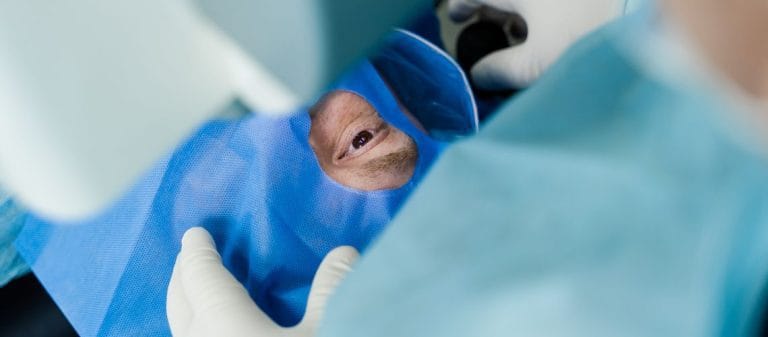
| Reasons for Surgery | Surgical intervention for cosmetic and functional correction of skin thickening such as rhinophyma |
| Prevention Methods | Sun protection, avoiding triggers such as alcohol, spicy foods, and hot beverages, stress management, use of products formulated for sensitive skin |
Rosacea is a chronic inflammatory skin condition characterized by facial redness, dilated superficial blood vessels, acne-like bumps, and skin thickening over time. It usually affects the nose, cheeks, forehead, and chin. It progresses through flare-ups and may worsen with triggers such as sunlight, hot beverages, and stress. If diagnosed early and treated appropriately, its progression can be controlled. Topical and systemic medications are used in treatment.
Yes, the symptoms of rosacea are frequently confused with acne. They may also be mistaken for sunburn or an allergic reaction. However, an important difference is that rosacea generally does not involve the blackheads or whiteheads, known as comedones, commonly seen in acne. It may sometimes occur together with other skin problems such as seborrheic dermatitis. Because of this potential confusion, consulting a dermatologist is important for an accurate diagnosis.
This condition generally begins after the age of 30 and is most commonly seen in middle-aged adults. Although it can also occur in children, this is rarer or may be underdiagnosed. It is diagnosed more frequently in women than in men. However, when it occurs in men, its course may be more severe. Thickening of the skin of the nose, known as rhinophyma, is particularly more common in men.
Rosacea is most frequently reported in fair-skinned individuals who flush or blush easily, particularly those of Northern European descent. Having a family member with the condition also increases the risk, suggesting that there may be a genetic predisposition. However, this does not mean that rosacea occurs only in fair-skinned people. It may develop in every skin tone, including darker skin. Redness may be more difficult to notice in people with darker skin and may sometimes appear brown or purplish. Rosacea may therefore go undiagnosed in people with darker skin.
In addition to genetic predisposition and fair skin, there are other risk factors. A history of severe acne and a history of smoking are among the factors that may increase the risk of developing rosacea. Skin that burns easily in the sun may be another risk factor.
Perhaps the most common and characteristic symptom of rosacea is persistent facial redness, known as erythema. This redness generally occurs in the central part of the face, including the cheeks, nose, forehead, and chin. It may look as if the person is constantly wearing a light blush or has a mild sunburn. Depending on the skin tone, it may also appear pink, purple, or brown. The redness may become more pronounced at times.
Yes, frequently recurring facial flushing accompanied by a feeling of warmth, known as transient erythema, is a common symptom of rosacea. It generally begins during the early stages of the condition. It may be more intense and last longer than ordinary blushing. Sometimes it may spread beyond the face to the neck and chest. This is another important sign of the condition.
Acne-like lesions may occur with rosacea. They may appear as small, red, firm bumps called papules or small pus-filled spots called pustules. This is why the condition is frequently referred to as "adult acne." Unlike acne, however, these lesions generally do not contain blackheads or comedones. They are usually concentrated in the central areas of the face.
The dilation and increased visibility of small superficial blood vessels, known as telangiectasia, is another common feature of rosacea. These vessels may appear as thin red lines resembling a spider web, particularly on the cheeks, bridge of the nose, and other central areas of the face. They may be more difficult to identify in people with darker skin. Although visible blood vessels are common, they are not sufficient on their own to diagnose rosacea.
Yes, skin thickening and enlargement, known as phymatous changes, may develop in some cases of rosacea. The skin surface may become rough and uneven. This most commonly occurs on the nose and may cause the nose to change shape and become enlarged. This particular condition is called rhinophyma. It is more common in men. Similar thickening may rarely occur on the chin, forehead, cheeks, or ears. Rhinophyma is a prominent and diagnostic feature of rosacea.
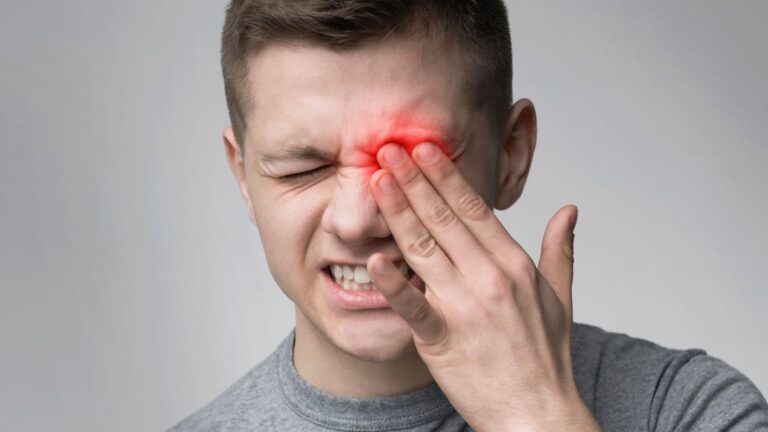
Other complaints may occur alongside the main symptoms listed above. A burning or stinging sensation on the face is quite common. This sensation may increase, particularly when certain creams are applied. Facial swelling may also occur. The skin is generally very sensitive and may become irritated easily. Dryness, roughness, and a feeling of tightness are also common. Some patients may experience itching.
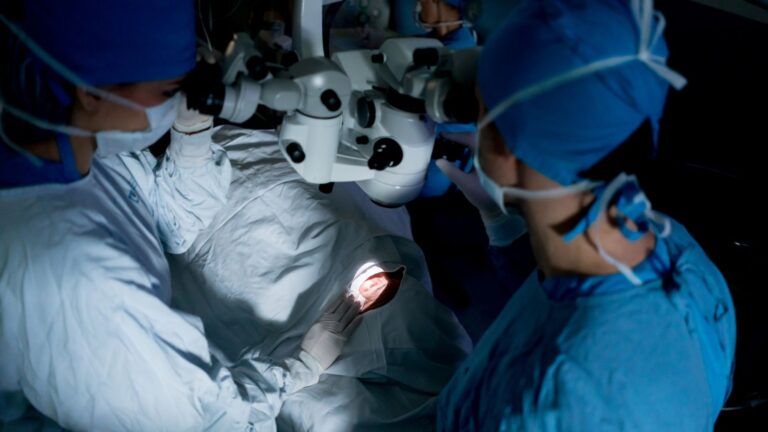
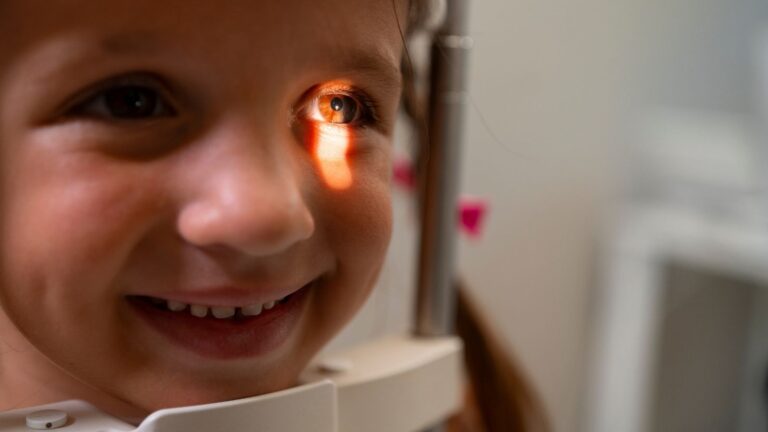
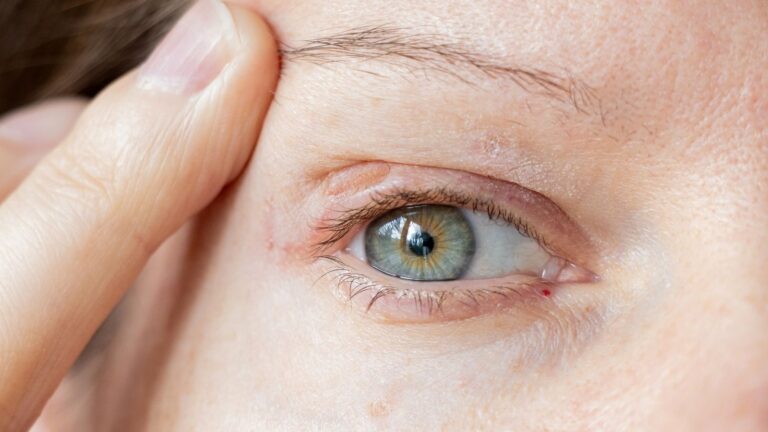
Yes, rosacea can affect not only the skin but also the eyes. This condition is called ocular rosacea and occurs in a significant proportion of people with rosacea. Symptoms may include dry eyes, burning, stinging, itching, redness, light sensitivity, and blurred vision. Swelling of the eyelids, known as blepharitis, recurrent styes, or chalazia, which are eyelid cysts, may also occur.
Ocular rosacea should be taken seriously. If left untreated, it may damage the cornea, the transparent front layer of the eye. This may cause problems such as keratitis or corneal ulcers and lead to permanent vision problems or even vision loss. People with rosacea who have these eye symptoms, or individuals in whom ocular rosacea is suspected, should therefore consult an ophthalmologist.
Rosacea was previously divided into four main subtypes. These were erythematotelangiectatic rosacea, characterized by redness and visible blood vessels, papulopustular rosacea, characterized by acne-like lesions, phymatous rosacea, characterized by skin thickening, and ocular rosacea, characterized by eye involvement. However, this classification is now considered inadequate because patients frequently display features of more than one subtype.
Physicians now use a more phenotype-based approach. This approach focuses on the individual symptoms displayed by the patient. A diagnosis may be made when distinctive features, known as diagnostic phenotypes, such as persistent facial redness or skin thickening in the form of rhinophyma, are present. If these are absent, the presence of at least two major features, known as major phenotypes, such as flushing, acne-like bumps, visible blood vessels, or eye symptoms, is sufficient for diagnosis. This approach makes it easier to individualize treatment.
The exact cause of rosacea is not fully understood. It is believed that the condition is triggered by a combination of multiple factors rather than a single cause. Genetic predisposition plays an important role, and the risk is higher in people with a family history of rosacea. Abnormal immune system activity, particularly excessive activity of certain immune cells in the skin that triggers inflammation, is another important factor.
Communication between the nerves and blood vessels in the face is believed to be disrupted. Certain triggers that are normally harmless, such as heat or spicy foods, cause the facial blood vessels to dilate excessively and the nerves to become hypersensitive. This leads to flushing, persistent redness, and a burning sensation. This process is called "neurovascular dysregulation" or "neurogenic inflammation."
Microscopic organisms living on the skin are also believed to play a role in rosacea. In particular, mites called Demodex folliculorum are found in higher numbers than normal on the skin of people with rosacea. It is believed that these mites or the bacteria they carry may stimulate the immune system and increase inflammation. There are also theories that the stomach bacterium Helicobacter pylori may play a role in some patients, but this has not been conclusively established.
Environmental factors may also trigger or worsen rosacea. Exposure to sunlight, particularly UV radiation, is one of the most important environmental triggers. Climate conditions such as extreme heat or cold, wind, and humidity may also have an effect. Weakening of the skin's natural protective barrier may also make the skin more sensitive to external factors.
Many factors may cause the symptoms of rosacea to worsen suddenly, and these vary from person to person. The most common triggers include sunlight, hot or cold weather, wind, hot beverages, spicy foods, alcohol, particularly red wine, intense exercise, stress, and certain skin care products. Recognizing and avoiding your personal triggers is an important step in controlling the condition.
Although there is no single list that applies to everyone, certain foods and beverages frequently trigger rosacea. Coffee and tea served very hot, hot spices, and alcohol, particularly red wine, are common triggers. Dairy products, chocolate, tomatoes, citrus fruits, or processed meats may also cause flare-ups in some people. Keeping a food diary may help identify personal triggers.
Because skin affected by rosacea is sensitive, certain skin care products may worsen the condition. Products containing substances such as alcohol, fragrance, menthol, camphor, salicylic acid, or glycolic acid should be avoided. Soap-based or harsh cleansers, grainy exfoliating products, and astringent toners may also irritate the skin. Fragrance-free, hypoallergenic products with gentle formulations should be preferred.
There is no specific test for diagnosing rosacea. Your physician, usually a dermatologist, makes the diagnosis by listening to your complaints and examining your skin. Information about when the symptoms began, how they have progressed, and what triggers them is important. During the examination, characteristic findings such as persistent facial redness, visible blood vessels, and bumps are assessed. An eye examination may also be necessary.
Your physician will also evaluate you to rule out other skin conditions that may resemble your symptoms, such as acne, eczema, or lupus. This is called differential diagnosis. The absence of blackheads, unlike in acne, is an important clue. Very rarely, a small skin sample, known as a biopsy, may be taken if the diagnosis remains uncertain or another condition is suspected. However, this is generally unnecessary.
Rosacea is a chronic condition, meaning that there is currently no treatment that completely eliminates it. However, this does not mean that you should lose hope. With available treatments and appropriate management strategies, symptoms can be controlled very successfully, the frequency and severity of flare-ups can be reduced, and quality of life can be improved considerably. The important point is to adopt a long-term approach.
Managing rosacea requires a multifaceted approach. The first step is to identify and avoid personal triggers. Establishing a gentle skin care routine is very important. Cleansers and moisturizers that do not irritate the skin should be used. Sun protection is essential, and a high-protection sunscreen should be applied every day. In addition to these fundamental measures, treatments prescribed by your physician should also be used.
Treatment varies depending on the type and severity of symptoms. Topical medications include creams containing metronidazole, azelaic acid, or ivermectin. These reduce inflammation and bumps. Gels containing brimonidine or oxymetazoline, which temporarily constrict blood vessels, may be used for redness. Oral medications are generally low-dose antibiotics, such as doxycycline, used for inflammatory symptoms. Isotretinoin may be considered in very severe cases.
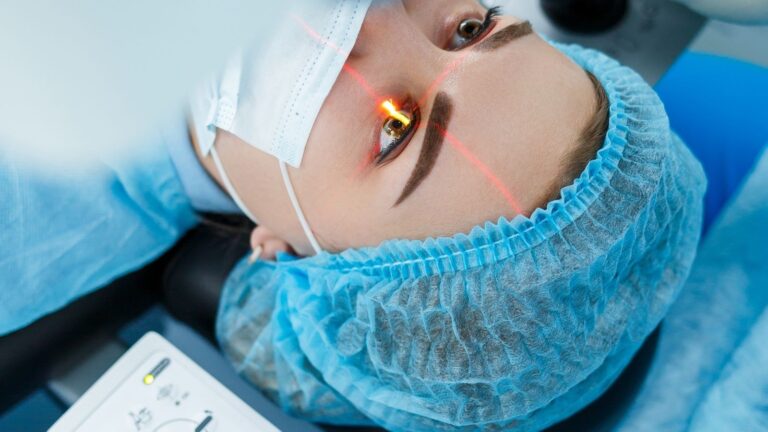
Yes, laser and similar light treatments may be used in the management of rosacea. They are particularly effective in reducing the appearance of persistent redness and visible blood vessels, known as telangiectasia. Different technologies are available, including intense pulsed light (IPL) and pulsed dye laser (PDL). These treatments are generally administered over several sessions, and your physician will determine whether they are suitable for you.
Makeup may help camouflage redness. Green-tinted concealers can help neutralize redness. An oil-free, fragrance-free, non-comedogenic foundation or tinted moisturizer suitable for your skin tone may be applied over it. When choosing products, it is important to select formulas suitable for sensitive skin and remove makeup gently.
Rosacea is not only a physical problem. Because of the visible facial symptoms, it may negatively affect patients' self-confidence and self-esteem. It may cause emotional difficulties such as embarrassment, anxiety, frustration, or even depression. Avoidance of social environments or difficulties at work may also occur. It is therefore important to consider the psychosocial effects of the condition.
Yes, research shows that effective treatments for rosacea not only improve skin symptoms but also positively affect patients' emotional well-being and social lives. As symptoms are brought under control, self-confidence increases and social anxiety decreases. Adhering to treatment and obtaining psychological support when necessary are therefore very important for improving quality of life.
Recent studies suggest that rosacea may not be limited to the skin and may be associated with certain other health problems. Potential connections with cardiovascular diseases such as high blood pressure and high cholesterol, gastrointestinal problems such as irritable bowel syndrome, reflux, celiac disease, and inflammatory bowel disease, certain neurological conditions such as migraine and Parkinson's disease, and autoimmune conditions such as diabetes and thyroid diseases are being investigated.
Routine screening of every person with rosacea for these potentially associated conditions is not currently recommended. However, your physician may consider these possible connections when assessing your general health. If you have symptoms suggesting another condition or carry relevant risk factors, your physician will order any additional tests or referrals considered necessary. Research on this subject is ongoing.