Contents:
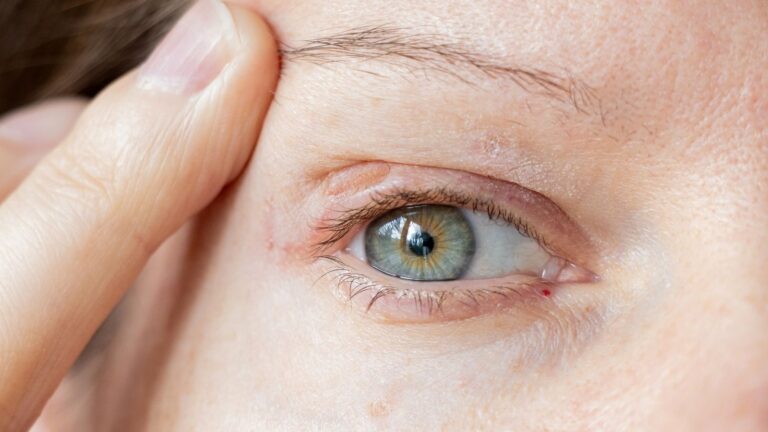
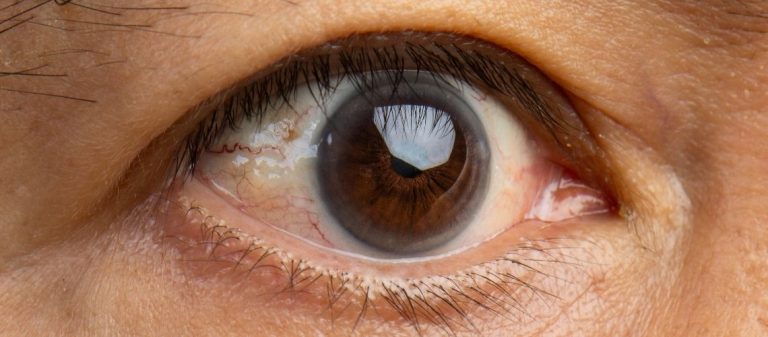
Pinguecula is a benign tissue growth that appears as a small, yellowish bump on the white part of the eye. It is generally harmless but may cause cosmetic concerns and, rarely, irritation.
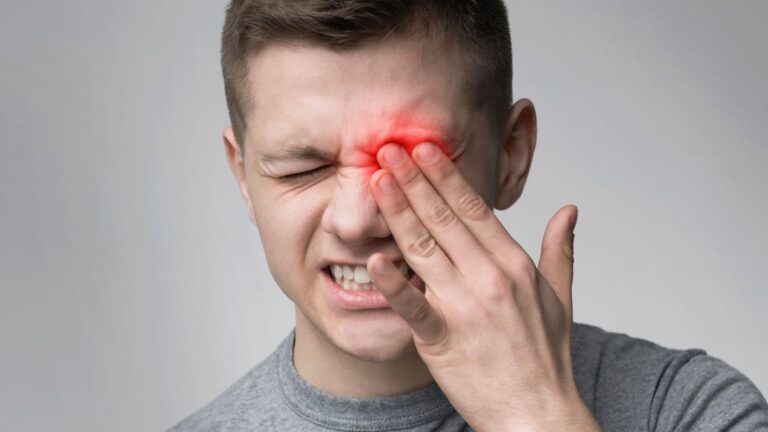
Symptoms of pinguecula include redness, dryness, a foreign body sensation, and occasional itching. Exposure to sunlight and dust may worsen the symptoms.
The condition is generally caused by prolonged exposure to ultraviolet light. Wind, dusty environments, and dry climate conditions are also among the factors that contribute to the development of pinguecula.
The need for treatment is determined according to the symptoms. Artificial tear drops and protective sunglasses provide relief. Surgical removal may be performed in advanced cases, but there is a possibility of recurrence.
| Medical Name | Pinguecula |
|---|---|
| Prevalence | Common, especially in middle-aged and older individuals |
| Risk Factors | UV exposure, dry and dusty environments, aging |
| Symptoms | Yellowish bump on the eye, stinging, dryness, redness |
| Complications | Inflammation (pingueculitis), rarely developing into pterygium |
| Diagnostic Methods | Eye examination, slit-lamp examination |
| Treatment Options | Artificial tears, anti-inflammatory drops, rarely surgery |
| Reasons for Surgery | Cosmetic reasons, frequent inflammation, eyelid friction |
| Prevention Methods | Wearing sunglasses, avoiding dry and dusty environments |
Pinguecula is a yellowish, slightly raised growth that appears on the conjunctiva, the white part of the eye, usually on the nasal side. It develops as a result of prolonged exposure to environmental factors such as sunlight, wind, dust, and dry air. It is generally harmless and does not affect vision. However, it may cause symptoms such as dryness, stinging, or redness. Treatment is usually unnecessary. If symptoms occur, artificial tear drops or anti-inflammatory drops may be used.
Pinguecula can be considered a type of tissue degeneration. It is essentially characterized by the deterioration of the collagen fibers that form the supporting tissue of the conjunctiva. This condition is called "elastotic degeneration." The process can be compared to the damage sunlight causes to the skin. Over time, ultraviolet (UV) rays from the sun damage the fibers in the conjunctival tissue, causing them to lose their normal, flexible, and orderly structure.
As a result of this structural deterioration, certain substances accumulate in the area. These deposits contain:
- Protein
- Calcium
- Fat-like substances
The accumulation of these substances disrupts the normally smooth structure of the tissue, causing it to become slightly raised and yellowish. In other words, pinguecula is not simply a passive spot but the result of a chronic response by the tissue to environmental factors.
The development of pinguecula is generally not linked to a single cause. It is more often a condition that occurs when multiple factors come together over the years. Although its exact mechanism has not yet been fully clarified, several main triggers are known to play a role in its development.
These main triggers are as follows.
- Ultraviolet (UV) Rays: Chronic exposure to sunlight is considered the most important and most common cause of pinguecula. UV radiation causes a type of damage to the conjunctival layer, initiating the tissue deterioration that creates a predisposition to pinguecula.
- Environmental Irritation: Environments involving continuous exposure to wind, dust, sand, or smoke also play an important role in the development of pinguecula. These environmental factors may cause constant irritation of the eye surface and disrupt the tissue's protective mechanisms.
- Aging: Because pinguecula generally develops slowly over a long period, its prevalence increases with age. As we age, the tissues' ability to repair themselves decreases, making them more vulnerable to accumulated environmental damage.
Certain conditions and lifestyle habits increase the likelihood of developing pinguecula. Understanding these risk factors can provide guidance for taking preventive measures.
The main risk factors are as follows:
- Living in sunny climates
- Being in high-altitude regions
- Spending a great deal of time outdoors, such as in farming, fishing, or surfing
- Failing to protect the eyes from UV rays
- Experiencing chronic dry eye
- Frequently being in windy or dusty environments
- Occupations such as welding
- Advanced age, particularly after the age of 40
- Chronic irritation caused by contact lenses
These factors generally increase the risk by acting together rather than individually. For example, an older individual who works outdoors may have been exposed to both UV rays and environmental irritants for a long time and may also develop age-related dry eye. This demonstrates that risk factors can combine to create a synergistic effect.
The most obvious sign of pinguecula is a yellowish spot or bump on the white part of the eye. Most people experience no symptoms other than this spot, meaning the condition is asymptomatic. Therefore, many people do not feel the need to consult a doctor, even after noticing the change in their eye, because they do not experience any discomfort.
However, in some cases, pinguecula may cause various discomforts. These symptoms generally tend to flare up due to environmental conditions such as sunlight, wind, and dry air.
When pinguecula causes symptoms, the following complaints may occur:
- A feeling of dryness in the eye
- Stinging in the eye
- A foreign body sensation, as though there were a grain of sand in the eye
- Itching in the eye
- Burning in the eye
- Redness in the eye
- Excessive tearing
- Mild swelling
In rare cases, particularly when the pinguecula grows slightly larger, it may prevent the tear film from spreading evenly across the eye surface and cause temporary blurred vision.
Pingueculitis is simply the inflammation of an existing pinguecula. It is not a different type of pinguecula but an inflamed flare-up of the condition. While pinguecula is usually a quiet lesion, pingueculitis is a more active and uncomfortable condition.
It generally occurs after exposure to triggers such as intense sunlight, wind, dust, or extremely dry air. Inflammation develops in the area as an immune response to these irritants.
The symptoms that occur when pingueculitis develops include:
- Pronounced redness in the eye
- Visible swelling of the pinguecula and the surrounding area
- Eye pain or tenderness
- Sensitivity to light, or photophobia
- Increased tearing and irritation
While pinguecula can generally be managed through observation alone, pingueculitis usually requires active intervention, such as treatment with eye drops, to suppress the inflammation. Understanding this distinction helps you determine when to seek medical attention.
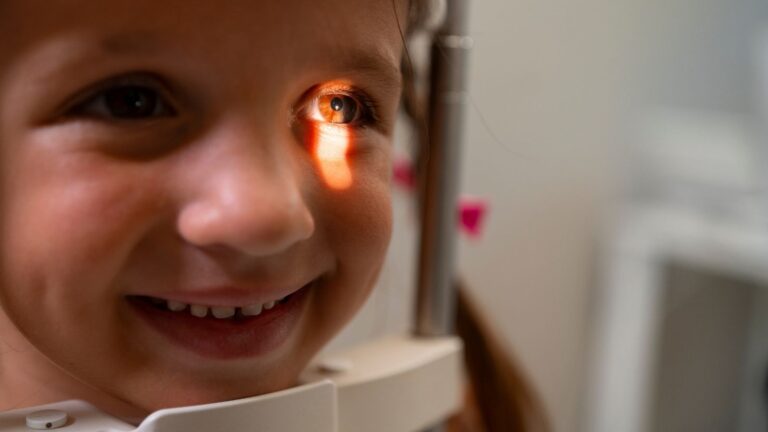
Pinguecula is diagnosed through a simple and painless eye examination performed by an ophthalmologist. The most important instrument used in this examination is a special microscope called a biomicroscope, or slit lamp. This device allows the structures in the anterior segment of the eye, including the conjunctiva and cornea, to be examined in detail under magnification and illumination.
During the examination, the doctor evaluates the typical appearance and characteristics of the pinguecula. Particular attention is paid to whether the lesion is confined to the conjunctiva and whether it extends onto the cornea. This information is critical for distinguishing it from other potentially more serious conditions, such as pterygium.
In most cases, the characteristic appearance of pinguecula is sufficient for diagnosis, and no additional testing is required. However, if the lesion has an atypical appearance, such as growing very rapidly or having an unusual color or shape, the doctor may request additional tests, such as a biopsy, in which a small tissue sample is taken from the lesion and examined, to rule out other possibilities.
The vast majority of pingueculae do not require any medical treatment. The main reason is that these lesions are benign, generally harmless, and usually do not cause significant symptoms.
However, treatment may become necessary or may be preferred by the patient in certain situations. These include:
- Persistent discomfort, such as stinging, dryness, or burning
- Frequently recurring or severe attacks of pingueculitis, or inflammation
- Significant cosmetic concerns
- Interference with contact lens use
- Rarely, an effect on vision, such as causing astigmatism
The decision to pursue treatment is not always "mandatory." It is shaped more by the severity of the symptoms, their effect on the patient's quality of life, and personal expectations. Saying that it "does not require treatment" should not mean ignoring the condition entirely. Establishing the correct diagnosis, regular monitoring, and preventive measures, particularly protection from risk factors, are always important.
Pinguecula treatment is generally planned according to the presence and severity of symptoms, progressing from the simplest methods to more complex options.
Non-Surgical Treatments:
These methods are generally intended to relieve symptoms.
- Artificial Tear Drops and Gels: These are the first and most common choice for mild symptoms such as dryness, stinging, and burning. They provide immediate relief by moisturizing and lubricating the eye surface.
- Steroid Eye Drops: When pingueculitis, or inflammation, develops and causes pronounced redness, swelling, and pain, short-term steroid eye drops may be prescribed to suppress the inflammation quickly. These drops must be used under medical supervision.
Surgical Treatment:
Pinguecula surgery is rarely performed. Surgery is generally considered in the following situations:
- Chronic and severe discomfort that does not respond to other treatments
- Development of astigmatism that impairs visual quality
- Making contact lens use impossible
- Significant cosmetic concerns that reduce the patient's quality of life
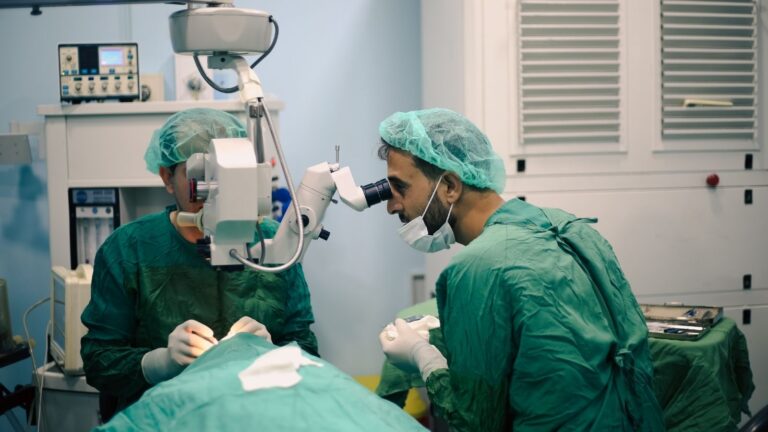
The reviews and experiences of people who have undergone pinguecula surgery are often of interest when deciding whether to have surgery. The surgery is a brief procedure performed under local anesthesia and takes approximately 30 minutes. During the procedure, the pinguecula tissue is carefully removed. One of the most important considerations after surgery is the risk of recurrence. To minimize this risk, modern techniques are now used, such as transplanting a thin piece of tissue taken from a healthy part of the patient's own eye, known as a conjunctival autograft, into the area where the tissue was removed. Recovery is generally rapid, but eye drop treatment is required for several weeks.
Although pinguecula and pterygium both develop due to similar environmental factors, there are very important differences between them.
Pinguecula:
- It is a yellowish, slightly raised spot.
- It is confined to the conjunctiva, the white part of the eye.
- It does not extend onto the cornea, the transparent layer.
- It generally does not affect vision.
- It rarely requires treatment.
Pterygium, or Fleshy Growth on the Eye:
- It is a fleshy, pink-red, vascular tissue.
- It begins on the conjunctiva and may extend onto the cornea.
- As it progresses, it may cause astigmatism and severe vision loss.
- Surgical treatment is required more frequently when it threatens vision.
Because environmental factors play such an important role in the development of pinguecula, simple precautions can reduce the risk of its formation or slow the progression of an existing pinguecula.
The most effective prevention methods are:
- UV-Protective Sunglasses: Wearing sunglasses that provide 100% UVA and UVB protection and are labeled UV400 when outdoors, not only in summer but also in winter, is the most important step.
- Wide-Brimmed Hat: Wearing a hat in addition to sunglasses protects the eyes more effectively from direct sunlight.
- Protective Eyewear: Wearing suitable protective eyewear when working or spending time in windy, dusty, or smoky environments prevents irritation.
- Use of Artificial Tears: If you have dry eyes or spend a great deal of time in air-conditioned or dry environments, regularly using artificial tear drops to keep the eye surface moist is beneficial.
- Avoiding Cigarette Smoke: Cigarette smoke is a significant irritant to the eyes.
What kind of growth is pinguecula in the eye?
Pinguecula is a yellowish, raised accumulation of tissue on the white part of the eye. It generally forms at the edge of the cornea and is benign, but it may cause cosmetic concerns or discomfort.
What are the main causes of pinguecula?
Prolonged exposure to sunlight, dusty environments, or wind triggers the development of pinguecula. UV rays cause protein and fat to accumulate on the eye surface, initiating the formation of this growth.
Who is more likely to develop pinguecula?
It is more common among people who work outdoors for extended periods, sailors, farmers, and individuals who do not use UV protection. The risk also increases with age and among people with dry eye problems.
Does pinguecula affect vision?
In most cases, it does not affect visual acuity. However, if it progresses and spreads onto the cornea, it may cause problems such as discomfort, stinging, and blurred vision.
What is the difference between pinguecula and pterygium?
Pinguecula remains confined to the conjunctiva, whereas pterygium extends onto the cornea. Pterygium is more aggressive and may cause visual impairment.
What happens if pinguecula is not treated?
It is generally harmless, but it may grow and cause irritation. If dryness, redness, and burning increase, medication or surgical treatment may be required under a doctor's supervision.
Which methods are used to treat pinguecula?
In mild cases, lubricating drops and UV protection are sufficient. In advanced cases, surgical removal may be preferred for cosmetic or medical reasons.
Can pinguecula recur?
Yes. Even after surgical removal, it may develop again if exposure to sunlight and environmental factors continues. Protecting the eyes with protective eyewear reduces the risk of recurrence.
What happens if pinguecula becomes inflamed?
When inflammation occurs, redness, swelling, and burning in the eye increase. In this situation, the doctor may prescribe corticosteroid drops or anti-inflammatory medications to bring the inflammation under control.
What should be done to prevent pinguecula?
Wearing UV-protective sunglasses, protecting the eyes from dust, and maintaining adequate moisture are the most effective prevention methods. Eye protection is also important in windy environments.